
The Blue Revolution: How Ocean Conservation Is Changing Travel
If you’re anything like us, the ocean is what fuels your travel adventures. Over the last 20+ years, we’ve flown across the globe to dive with manta rays, kayak above coral reefs and surf legendary waves.
But there is an uncomfortable contradiction at the heart of ocean tourism: the healthier the marine environment, the more people want to visit it. And unfortunately, too many visitors in a poorly managed natural environment can cause extensive damage to the very ecosystems that attract tourists in the first place.
We’ve seen it at popular Thai beach destinations and on Filipino islands that have been closed off to “recover” from tourism. It’s a sad state of affairs when travellers are negatively impacting environments to such a degree that they have to be barred altogether!
That tension (and despair) is driving a new travel movement that’s sometimes referred to as the “Blue Revolution”. Fancy names aside, it’s essentially a change in the way tour operators, accommodation providers and tourists think about the ocean and the way they approach travel.
Instead of treating marine environments simply as “playgrounds,” this new approach sees tourism as a potential “tool” for conservation.
It’s about being intentional in the decisions we make (as travellers, tour operators and local authorities) and turning travel experiences into a force for positive change.
When managed well, tourism can generate income for coastal communities, support protected areas and finance conservation initiatives. Perhaps most effectively, it gives visitors a personal connection to marine ecosystems and a reason to protect them.
The question for the next generation of travellers isn’t simply “Where can I go diving/surfing for an amazing experience?” It’s “How can my trip help protect the place I’m visiting?”

This article may contain affiliate links, which means when you make a purchase through that link, we earn a small commission. Affiliate links come at no cost to you and ensure our content remains free!
What Is the “Blue Revolution”?
The term “Blue Revolution” is used in several contexts, including an intensity in the growth of global aquaculture. That’s not what we’re promoting here!
In travel, it’s used to describe a shift towards protecting and restoring the ocean while creating sustainable economic opportunities for coastal communities.
If we’re being honest, this is nothing revolutionary – there have been dive and surf operators championing this type of travel for years! But as tourism numbers show no sign of plateauing and environments are increasingly under stress, we do think more people are concerned and getting on board.
And of course, the internet loves a trend, and if it’s the so-called “Blue Revolution”, we’re all for it!
The concept sits within the wider idea of the “blue economy”, which recognises the ocean as an enormous source of food, livelihoods, biodiversity, recreation and economic activity. It acknowledges that all of the benefits humans gain from the ocean depend on healthy marine ecosystems.
And there’s a lot at stake. The United Nations Education Programme (UNEP) reported in July 2026 that the ocean economy reached an estimated US$2.2 trillion in 2023, equivalent to around 7% of global trade. That’s quite staggering!
While we strongly believe the ocean should be protected for its intrinsic value (and not solely for the economic benefits it brings to humans), we’re also aware that money talks. Profitability is likely to be the driving force behind protection…and that’s true in the travel space too.
Clean beaches, healthy coral reefs and dreamy coastal landscapes are tourism assets that can be photographed and marketed to the masses. And on the back of them is a lucrative industry.
So protecting our ocean environments isn’t simply an environmental issue. It is also a way of protecting the long-term future of coastal destinations and their economic sustainability.

Ocean Health and Travel
Think about the ocean travel experiences that are most desirable to you. Perhaps it’s a dive trip to Raja Ampat, a week spent surfing in Sumba or a whale watching adventure in the Azores Islands.
It’s unlikely we’d be putting words in your mouth if we said it’s the ocean (more accurately, a healthy ocean) that is the biggest attraction.
Few people are dreaming about spending their hard-earned money on a trip to the other side of the globe to snorkel a bleached coral reef or surf an area where coastal development has decimated the waves.
We all want crave idyllic environments above the water’s surface and healthy marine biodiversity below.
The fact is, clean beaches attract visitors and support coastal businesses, whale and dolphin sightings support wildlife tourism, and healthy reefs lure divers willing to spend large amounts of money on their underwater experiences. A paradisiacal backdrop for surfing is always more appealing that a heavily developed coastline.
But as destinations become popular (largely due to social media), infrastructure expands. More accommodation requires more water and energy. More boats create more traffic. More visitors usually means more waste.
Coastal development associated with ocean tourism can damage habitats and large numbers of snorkellers/divers/surfers can put unsustainable pressure on marine environments.
On the flip-side, well-managed tourism can generate significant revenue and provide employment for local communities. It can also support financing mechanisms for marine protected areas (MPAs) through fees and concessions.
In turn, those MPAs can create powerful tourism attractions while protecting biodiversity and cultural resources.
Marine Protected Areas As Travel Destinations
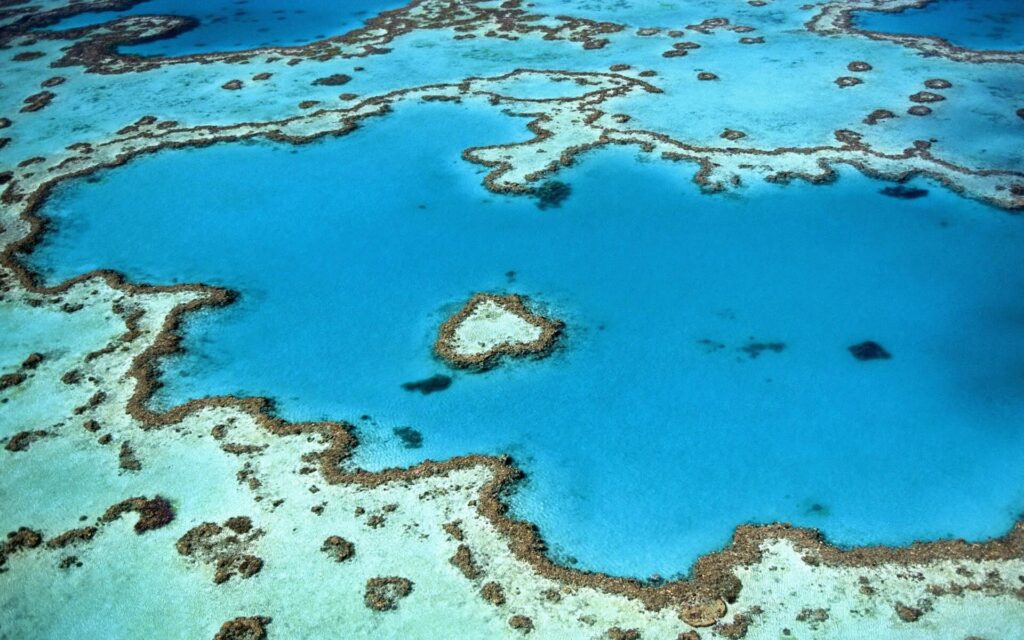
One of the shifts we’re seeing (and embracing) in ocean travel is the growing importance of marine protected areas (MPAs). We touched on them above, but let’s delve a little deeper.
An MPA is a designated area where marine ecosystems, habitats or cultural resources receive greater protection than surrounding waters.
They can have different rules and levels of protection, depending on their purpose and management. But generally speaking, they are areas where ocean health is prioritised.
For travellers, MPAs can offer incredible opportunities to experience marine life at its most vibrant. At the same time, travellers contribute to the upkeep through entrance fees and permits, as well as the costs associated with accommodation, guides, restaurants and other local spending.
Those economic benefits create incentives for communities and governments to maintain healthy ecosystems, rather than exploit them for short-term gains (as seen with unsustainable fishing practices).
Essentially, tourism can actively support local economies while helping generate funding and public support for marine conservation. It’s a win-win situation, but only if it’s well-managed and travellers are on board.
So the next time you’re planning an ocean-based adventure, consider not only the health of the environment, but also what is being done to keep it healthy and how you can play your part.

Dive Tourism Is Becoming More Responsible
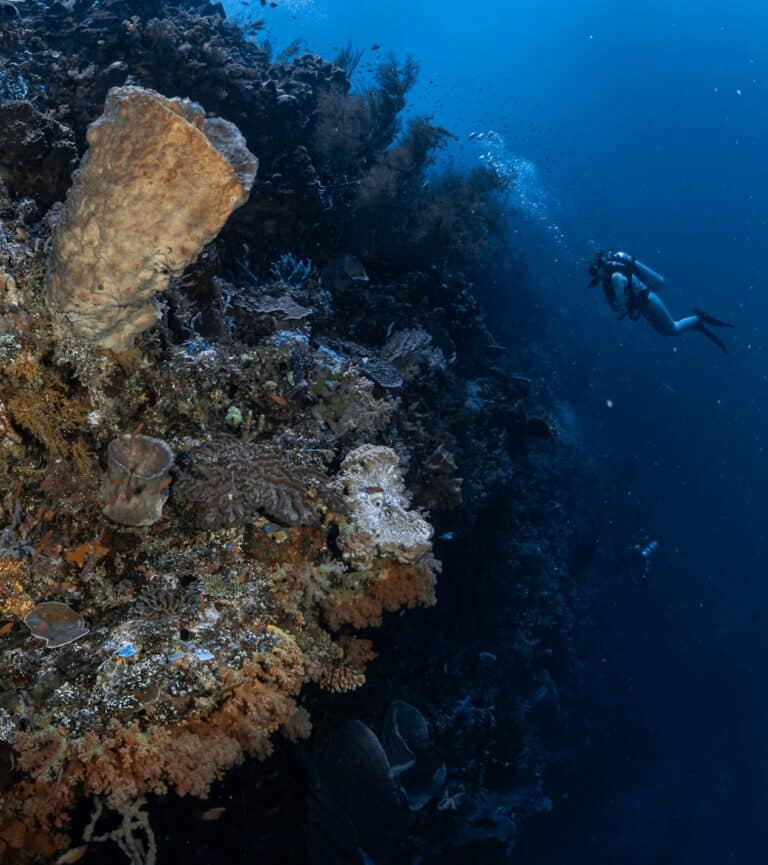
Scuba diving has always had a close relationship with conservation and many of the divers we’ve met on our travels have been vocal ocean advocates. After all, the appeal of the activity lies in the health of marine ecosystems themselves.
Correct us if we’re wrong, but there are few divers who travel specifically to explore damaged reefs (although if that’s you, we’re not here to judge!) Most are seeking out pristine environments where marine biodiversity is at its optimal.
As divers, we are directly exposed to underwater ecosystems and a single dive can turn an abstract environmental issue into a personal experience. You get to see first-hand the threats facing our oceans and the impacts of climate change.
At the same time, diving can also cause damage. Poor buoyancy control, touching coral and disturbing wildlife can all contribute to environmental pressure.
This is why we have initiatives like Green Fins, which promotes practical measures to limit environmental damage in the dive industry. It encourages operators and resorts to promote responsible diving, implement no-touch policies and use mooring buoys instead of anchoring on reefs.
At the end of the day, a responsible dive operator shouldn’t simply be selling a spectacular underwater experience. They should be teaching visitors how to experience it without causing damage, particularly in heavily touristed areas where reefs have little opportunity to recover.
The Rise of Conservation-Focused Resorts
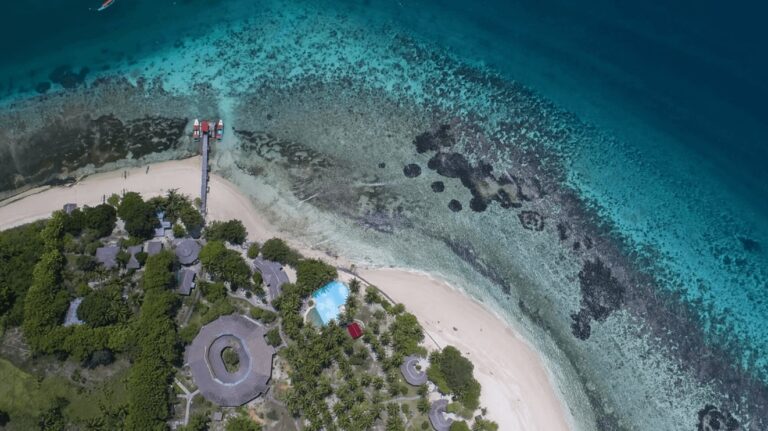
In our experience, more and more travellers are seeking out eco-friendly resorts, particularly in the surf and dive industries. It’s one of the reasons we started this website, to help direct like-minded individuals to places and properties that shared the same values.
In the age of “greenwashing”, that’s no longer the accommodation with the most sustainable aesthetic or eco-labelling plastered across its website.
These travellers want to see evidence of meaningful environmental action, not hollow claims that have nothing to back them up. Many want to know that their stay is contributing to local conservation efforts, whether that’s through hands-on projects or financial support.
This could include everything from a reduction in waste and plastics to water conservation and the implementation of renewable energy sources. It could also mean employing locals and educating visitors on environmental issues that are impacting the area.
Some dive and surf resorts are partnering with conservation groups to conduct marine life monitoring and reef/mangrove/seagrass restoration projects. If you’re lucky, you can even get involved through hands-on citizen science projects.
In our travels, we’re seeing an increasing number of resorts becoming active participants in conservation, rather than simply attempting to reduce their environmental footprint.
It’s a regenerative tourism model that is less about minimising harm and more about leaving a place more resilient than you found it.
Conservation As Part of the Holiday
Something we try to encourage here at EcoOceanEscapes is making conservation an integral part of your surf or dive vacation.
By participating in beach clean-ups, joining a reef monitoring program or supporting a community-run marine reserve, you are actively invested in the betterment of the place you are visiting.
The great thing about this is that it can be as “hands-on” or “hands-off” as you like.
Perhaps you want to take part in a citizen science project or volunteer with a local conservation organisation. Or maybe, you’re willing to spend more on accommodation/tour operators that are directly funding conservation initiatives.
The good news is there are lots of different ways you can incorporate marine conservation into your dive/surf trip. Hey, it might be as simple as making a donation to a local marine conservation centre!
But before you do, there’s an important distinction to make. Conservation projects should be well managed and genuinely useful, rather than simply creating another tourism product labelled “eco.”
The Problem of Overtourism
One of the biggest challenges facing the “Blue Revolution” is overtourism: Too many people can still be too many people…even if they’re all trying to travel sustainably.
A destination can have an abundance of eco-friendly hotels and responsible dive/surf operators while still struggling with overcrowding. Coral reefs don’t get off unscathed just because the majority of travellers booked into a sustainable resort.
That’s why destination management matters and being a responsible diver/snorkeller/surfer can’t be overstated.
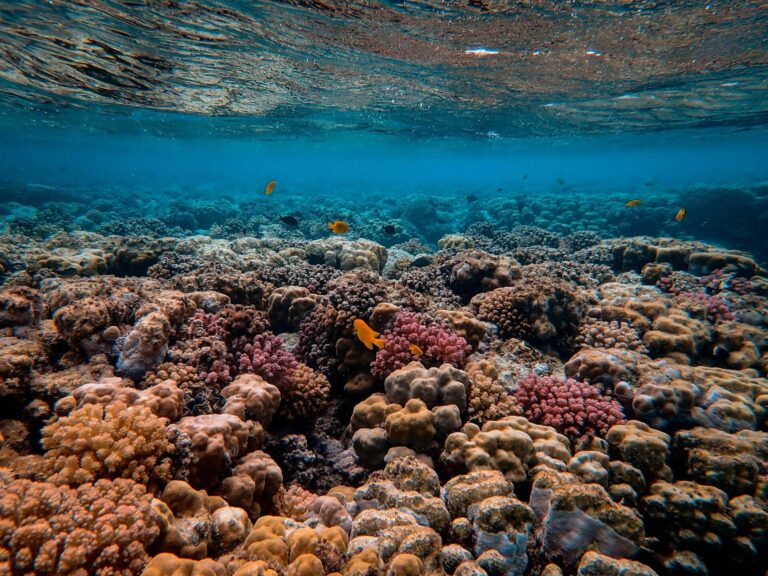
Research shows links between high tourist numbers and reef degradation in many heavily visited locations. Coastal development, increased pollution and physical damage all have an impact.
But there are potential solutions from a management perspective. This might include everything from visitor caps and permits to seasonal closures of marine breeding areas and limits on boat traffic.
It could also mean higher conservation fees being imposed to help fund MPAs and discourage mass tourism.
This is something we have often debated with other travellers. Is making a destination more expensive simply “gatekeeping” or is it an effective means of managing tourism numbers?
Sustainable tourism isn’t necessarily about building more eco-resorts. That’s not going to solve the overtourism problem.
Sometimes it’s about limiting the number of tourists or only allowing them in certain places at certain times so marine ecosystems can thrive.
The Future of Ocean Travel
There have been times when we’ve felt dejected about the state of ocean travel, particularly when returning to destinations that have experienced the brunt of overtourism. It’s always incredibly sad to dive or snorkel a degraded reef, knowing it’s the direct result of a human desire to experience it first hand.
But there have also been moments when we’ve felt inspired by the changes take place in the industry and realised that our surf and dive adventures can be a force for good. And we say “can” because it needs to be an active choice. It doesn’t happen by chance.
It’s about selecting operators that support specific conservation projects, rather than making vague “sustainability” claims.
Does the operator respect (and support) marine protected areas and does it help travellers understand the issues impacting the ecosystem they’re visiting? Does the operator employ local people and pay them a fair wage, rather than have international volunteers taking on the role for free?
In the future, we hope to see more travellers choosing destinations because of their conservation achievements and opting to spend their money with surf/dive operators that are ocean advocates.
There is already evidence that this transition is underway.
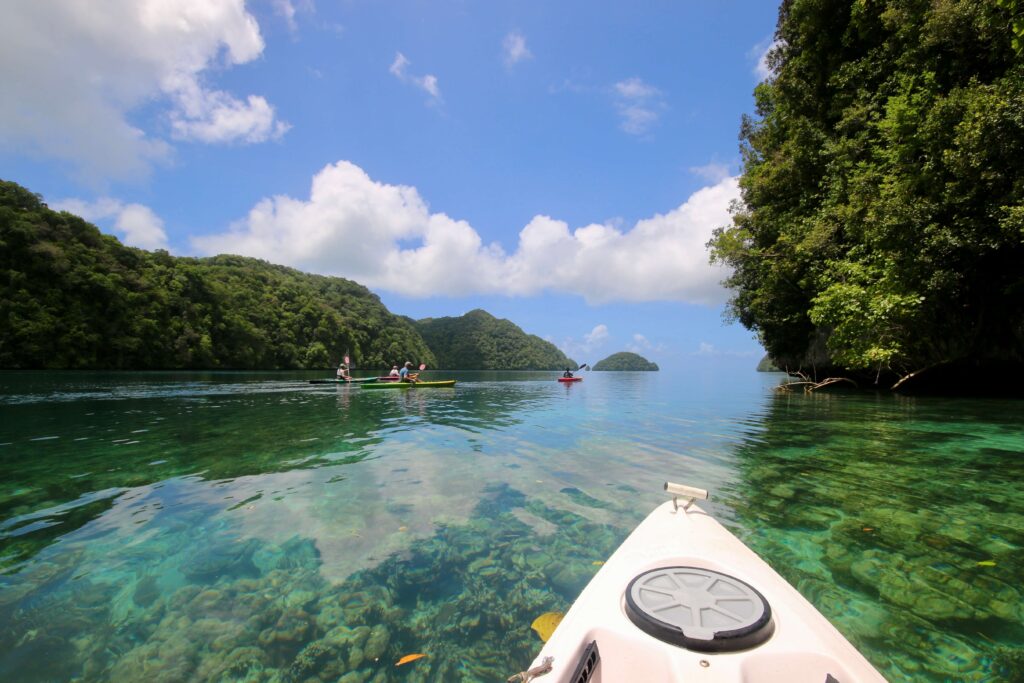
We’ve seen it in Palau, with travellers drawn to (rather than deterred from visiting) the island nation due to the pledge they are required to sign on arrival. This is an ecological promise that they won’t cause environmental damage during their stay.
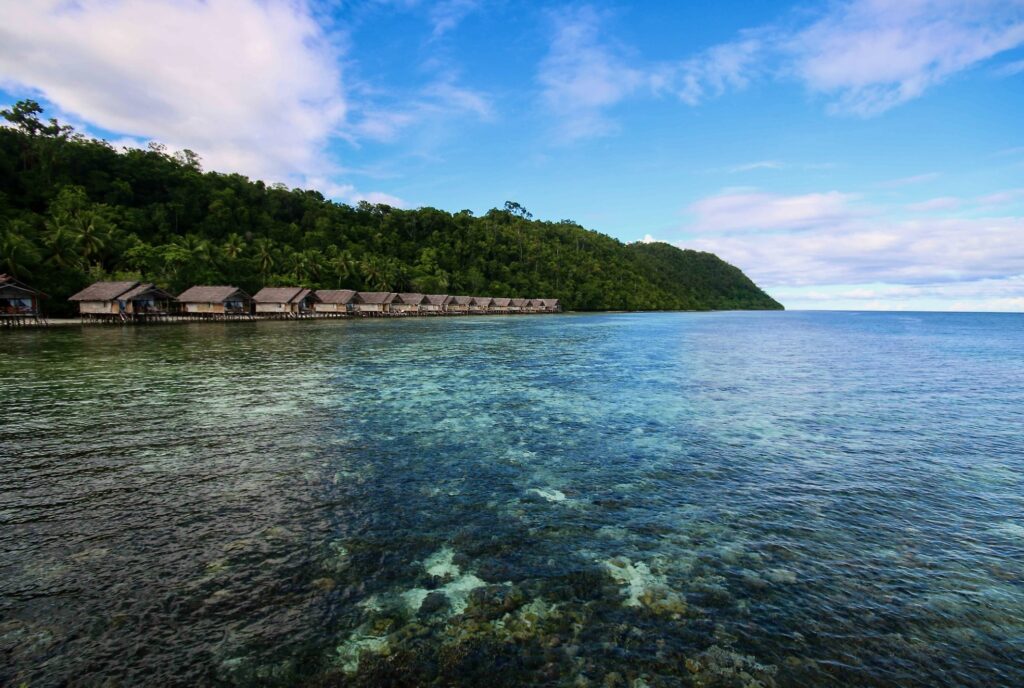
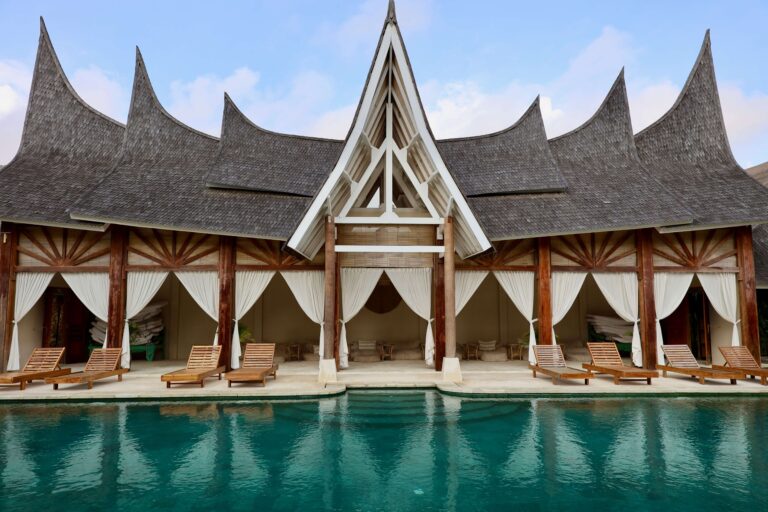
And we’ve experienced it first hand with support for the regenerative tourism model of places like Papua Explorers Resort, where marine conservation and uplifting local communities are at the fore of operations.
There’s evidence that ocean travellers want to support these destinations and businesses…and we’re among them! It’s a mental shift from being consumers of nature to active participants in the protection of marine environments.
And as our oceans face increasing pressure from climate change, we firmly believe the relationship between travel and conservation will only become more important.
PLAN YOUR TRIP WITH OUR FAVOURITE RESOURCES:
Find hotels and resorts via Booking or Agoda
Book tours and experiences via Viator or GetYourGuide
Find a rental car via Discover Cars
Book flights via Kiwi or Booking
Search for buses and trains via 12Go or Omio
Get travel insurance via SafetyWing
Buy a digital eSIM with Airalo
By purchasing through our links, you’ll be supporting our website at no additional cost to you


We are a team of passionate divers and surfers with decades of combined experience in the water and travelling to all corners of the globe.
After years of chasing waves and descending into the deep blue, we’ve created this resource to highlight sustainable surf camps, eco-dive resorts and conservation-focused ocean trips to help inspire your next adventure.
Eco Ocean Escapes was born out of a love of the ocean, an obsession with travel and a concern about the impacts of our adventures on the environments we explore.