Climate Change in the Ocean: A Guide for Surfers + Divers
When we think about climate change, our attention naturally turns to what we can see on land or are experiencing first hand: rising temperatures, melting glaciers, wildfires and more intense weather events.
Many of these are well-reported on the nightly news and it’s devastating to see intense wildfires ripping across landscapes and floods wreaking havoc on homes.
But as divers and surfers, we’re also well aware that some of the most drastic impacts of climate change are happening far from most people’s view—beneath the surface of the world’s oceans.
We know that the ocean is a powerful regulator of Earth’s climate, absorbing heat, storing carbon and transporting energy around the planet. It’s a machine on a massive scale that doesn’t always get the recognition it deserves.
As greenhouse gas concentrations rise, however, this enormous system is changing at rates that are concerning to scientists….and us!
From warming waters to ocean acidification and stressed coral reefs, climate change is transforming the underwater world. And even if you’re not a surfer, a diver or someone who’s passionate about being in the ocean, what’s going on in the ocean is going to impact us all, sooner or later.
Some of the changes taking place are visible from the surface or in relatively shallow water, while others are happening hundreds or even thousands of metres below and we’re only just getting a grasp on their severity.
If you’re anything like us, what’s happening to our oceans is of major concern. But rather than being paralysed by the scale of the issue, we believe that understanding it is key to taking positive action.
This article may contain affiliate links, which means when you make a purchase through that link, we earn a small commission. Affiliate links come at no cost to you and ensure our content remains free!
The Ocean: Earth’s Great Heat Absorber
Not only is the ocean an incredible playground for surfers and divers like us—it also plays an important (dare we say “underrated”) role in moderating our climate.
Covering more than 70% of Earth’s surface, the ocean has absorbed more than 90% of the excess heat associated with human-caused global warming to date.
That makes the ocean one of the planet’s most important climate buffers. Maybe we weren’t over exaggerating when we said “underrated”.
Water can absorb enormous quantities of heat without experiencing the same rapid temperature changes that occur in the atmosphere. Waves, tides and ocean currents then distribute that heat across huge distances, moving energy from warmer regions towards cooler ones and into deeper layers of the ocean.
But the ocean’s ability to absorb and disperse heat does not mean that warming disappears and the problem is solved. Far from it.
Instead, heat is being stored within the ocean system. Some remains near the surface, while some is transported deeper into the water column.
Because deep-ocean circulation happens relatively slowly, the effects of warming can persist for decades or even centuries. The IPCC reports that global ocean heat content has increased since at least 1970 and is expected to continue increasing.
A recent study also found that deep-ocean turbulence could influence sea level rise, fisheries and the ocean’s ability to absorb carbon, all within a human lifetime.
In other words, the ocean is helping to slow the rate at which the atmosphere warms. But current climate models could also be underestimating the ocean’s ability to effectively buffer life on land from the impacts of global warming.
Are you a surfer concerned about coastal development?
Discover how the rapid rise in coastal infrastructure is impacting surf breaks around the globe.
What’s Wrong With a Warming Ocean?
It might seem like a slightly warmer ocean is a relatively minor issue and couldn’t cause drastic changes. If you’ve grown up somewhere like us, surfing and diving in cold temperatures, you might even think of it as a “good” thing.
But the reality is, even small shifts in temperature can have significant dire consequences for marine ecosystems.
Many marine species are adapted to very specific temperature ranges. As waters warm, some animals may move towards cooler regions or deeper waters in search of suitable conditions. Others may struggle to adapt quickly enough and die out altogether.
Ocean warming can also influence the timing of biological events, including reproduction, migration and the availability of food. There’s a lot to take into consideration.
And the effects extend beyond individual species. Changing temperatures can alter entire food webs, affecting everything from microscopic plankton to commercially important fish and the predators that depend on them.
For humans, these changes can also have consequences for fisheries, tourism and coastal communities whose livelihoods depend on healthy marine ecosystems. If you throw the balance of ocean life into disarray, the consequences can be far reaching.
Heat Doesn’t Stay at the Surface
Even though it may not be visible to the naked eye, ocean currents are constantly moving heat through the water column. Warm water can be transported across enormous distances, while dense, cold water sinks in particular regions and contributes to deep-ocean circulation.
This circulation acts like a gigantic conveyor system, redistributing heat and other materials around the planet. So warming in one area could have significant impacts in another.
As the climate warms, changes in temperature, freshwater input, sea ice and other factors can affect ocean circulation. And according to the IPCC, we shouldn’t underestimate the role ocean circulation plays in determining where heat accumulates and how climate change develops from year to year and decade to decade.
This is one of the reasons why climate change isn’t experienced equally everywhere. Two locations at similar latitudes can experience very different changes depending on ocean currents and the movement of heat beneath the surface.
The Ocean is Absorbing Our Carbon
Here’s the thing: when the ocean is absorbing all that heat, it’s not the only thing it is taking from the atmosphere.
The ocean is also absorbing a substantial proportion of the carbon dioxide released into the atmosphere by human activities. In fact, the NOAA estimates that the ocean has absorbed around 30% of anthropogenic carbon dioxide emissions since the start of the Industrial Revolution.
On the plus side, this has helped slow the accumulation of carbon dioxide in the atmosphere. In turn, it has reduced some of the warming that would otherwise have been experienced on land.
But there is a significant downside. When carbon dioxide dissolves in seawater, it triggers chemical reactions that increase the concentration of hydrogen ions and reduce the availability of carbonate ions.
The result is a gradual reduction in ocean pH known as ocean acidification.
Let’s pause quickly here and say that ocean acidification does not mean that the ocean is becoming acidic in the everyday sense. Rather, the water is still basic, but it has a lower pH than before.
But even this subtle chemical change can have major biological consequences for marine life and the ocean as we know it.
Want do dive a marine protected area on your next scuba trip?
From Australia to Ecuador, Belize and Bonaire, check out some of our favourites around the globe.

Ocean Acidification: An Invisible Transformation
Many marine organisms rely on calcium carbonate to build shells, skeletons and other structures.
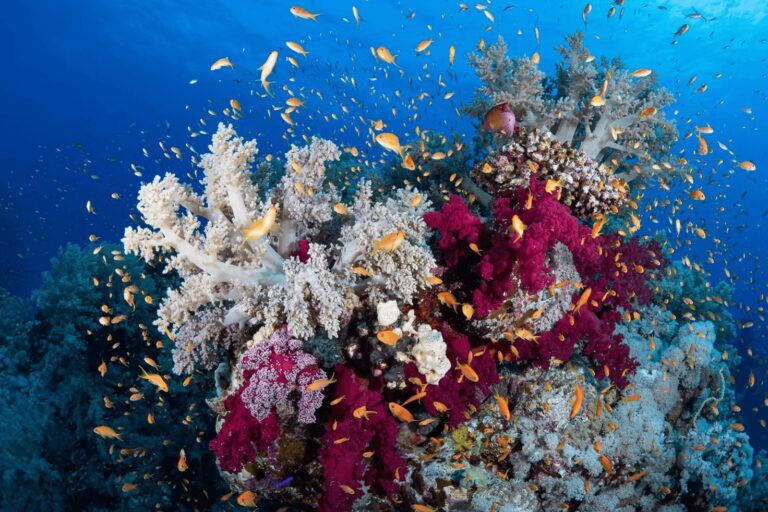
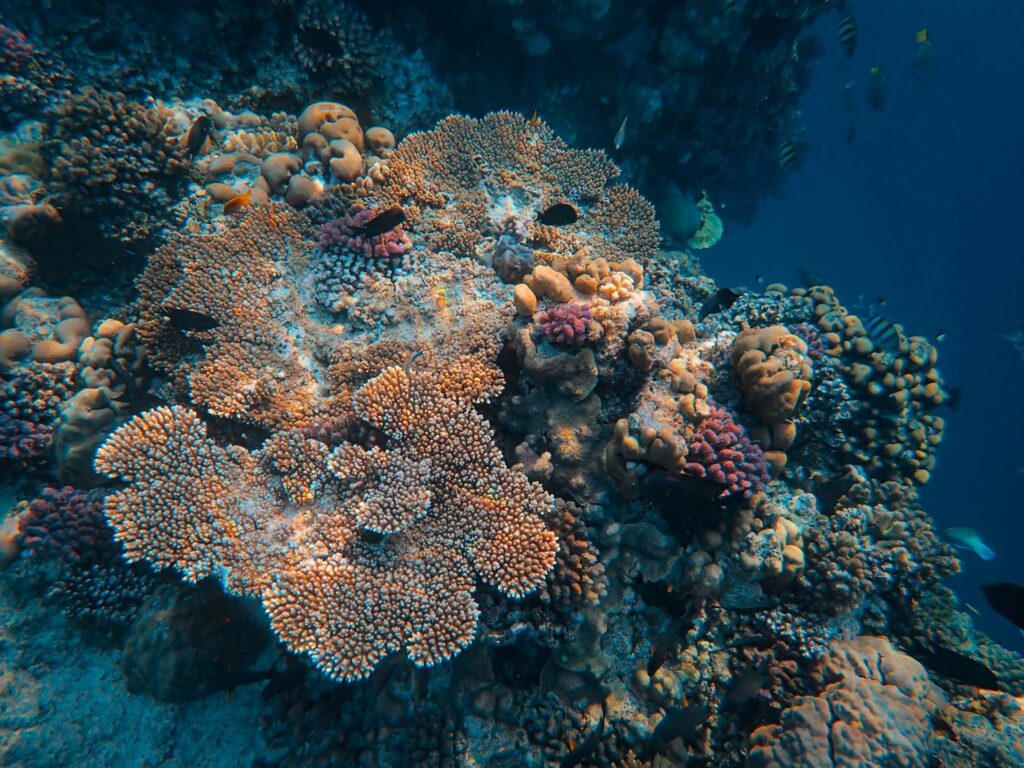
Corals are among the most important examples and if you’re a diver or surfer, these are ecosystems you’re probably intimately familiar with. Reefs help form waves and they provide a backdrop to some of the world’s most spectacular dive sites.
As ocean chemistry changes, carbonate ions become less readily available for organisms that need them. This can make it more difficult for corals and some shell-forming organisms to build and maintain their structures.
Unlike damaging storm activity or algal blooms, the impacts of acidification are largely invisible to the human eye. The water may look perfectly clear and beautiful while its chemistry is gradually changing and making it harder for marine inhabitants to survive.
Coral Bleaching: Climate Change in High Definition
One sign of ocean warming that is highly visible is coral bleaching. And if you’ve seen it in person, you’ll know how devastating it is to witness.
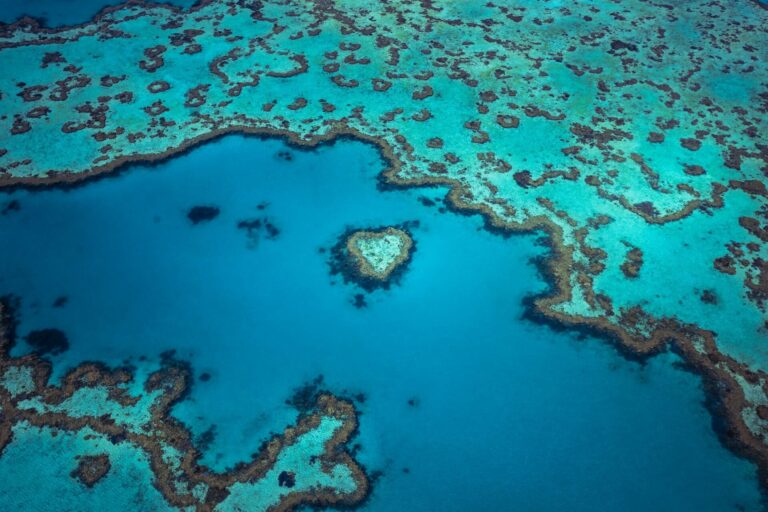
In our backyard, the Great Barrier Reef has experienced multiple mass bleaching events in recent years and these have been directly connected to rising ocean temperatures and climate change.
Corals live in partnership with microscopic algae known as zooxanthellae. These algae live within coral tissues and provide much of the energy that corals need. In return, the coral provides the algae with a protected environment. It’s a win-win situation.
But when corals experience prolonged environmental stress, such as unusually warm water, they can expel or “evict” these algae. Without them, the coral loses much of its colour and its pale skeleton becomes visible through its transparent tissues. This is termed “coral bleaching”.
Bleaching does not automatically mean that a coral has died. In fact, if conditions improve, some corals can recover and regain their symbiotic algae…and their colour.
However, prolonged or repeated bleaching can severely weaken corals and increase the risk of disease and mortality. And as marine heatwaves become more frequent, reefs are being given less time to recover between stressful events, resulting in higher mortality rates.
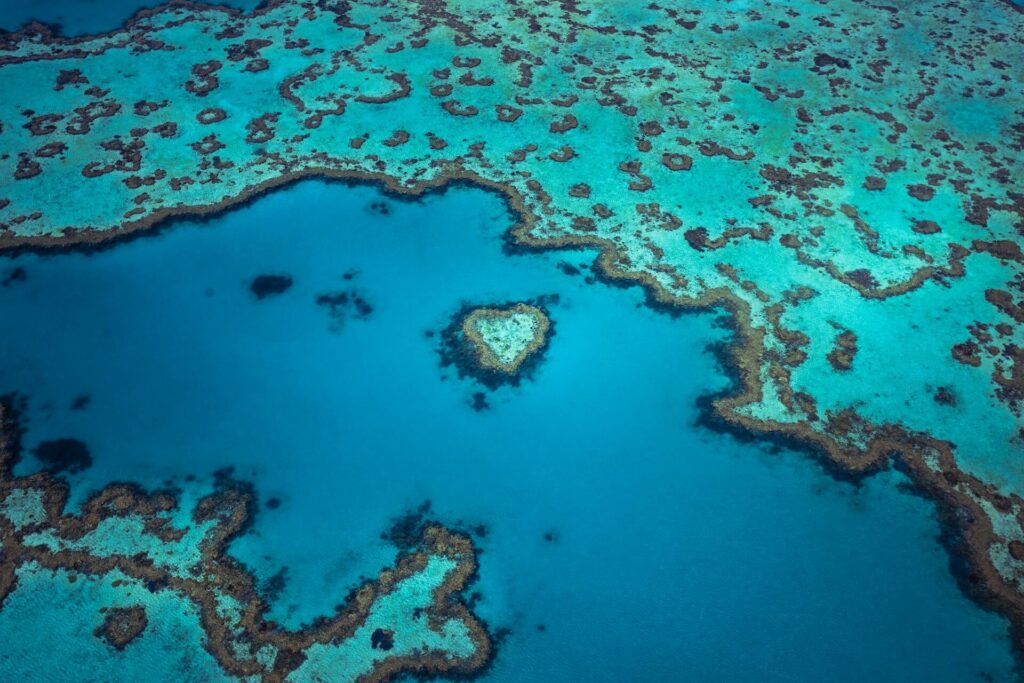
A Double Threat for Coral Reefs
It’s not just rising temperatures that are a challenge for coral reefs. Ocean acidification also makes it harder for corals to build and maintain their calcium carbonate skeletons.
Essentially, they are facing more than one major climate-related challenge. And when combined, these pressures can reduce coral growth, weaken reef structures and affect the countless organisms that rely on reefs for food and shelter.
We wish we could say that ocean acidification was the end of climate change worries for coral reefs. But unfortunately, there’s also sea-level rise, altered storm patterns, changing rainfall and runoff, and shifts in ocean circulation. In some cases, they’re being battered from several directions at once!
A Worrying Global Signal
The scale of recent coral bleaching demonstrates just how rapidly conditions are changing…and what’s at stake.
NOAA’s Coral Reef Watch reported in June 2026 that the fourth global coral bleaching event, which began in 2023, was likely to have ended in 2025.
During the event, bleaching-level heat stress affected approximately 84.4% of the world’s coral reef area, with mass bleaching documented in at least 83 countries and territories.
This does not mean that every coral in those areas died. Far from it. Bleaching-level heat stress indicates that temperatures reached levels capable of causing bleaching. In reality, individual reefs and coral species responded differently.
Nevertheless, the scale of the event illustrates the enormous reach of ocean warming and, according to scientists, it was a represents a marked escalation on the global coral bleaching events that preceded it.

Why Does the Loss of Coral Reefs Matter?
As surfers and divers, we’re well aware that the loss of healthy coral reefs would be far more than an environmental tragedy. And it’s not just about the loss of some of our favourite surf spots and dive sites around the globe.
Reefs provide shelter and nursery grounds for marine species, support fisheries and tourism, and help protect coastlines from waves and storms. Their decline would affect ecosystems and communities well beyond the reef itself.
Even a slight change in sea temperature or ocean chemistry can have cascading consequences, some of which are hard to reverse.
More than a diver’s playground
Discover what makes coral reefs so special and essential to life in our detailed article here.
What Can We Do About It?
Firstly, it’s important to say that it’s not all doom and gloom. Conservation and restoration can still make a difference and we’re inspired by the people and projects taking place at both a global and local level.
Reducing our carbon footprint remains the most important long-term action because warming and ocean acidification are fundamentally driven by rising concentrations of greenhouse gases.
Using energy more efficiently, choosing lower-emission forms of transport and reducing unnecessary consumption are all ways we can take individual action. Oh, and supporting policies and initiatives that accelerate the transition away from fossil fuels!
At the same time, reducing local pressures can help reefs become more resilient. How can you do this? By limiting the use of fertilisers and chemicals that can wash into waterways and disposing of household chemicals responsibly.
Protecting rivers, wetlands, mangroves and other coastal ecosystems can also help prevent pollutants and sediments from reaching the ocean.
If you’re lucky enough to be diving or surfing around coral reefs, your behaviour in the water matters more than you might think. Always follow local marine park guidelines, take care not to damage the reef and choose responsible tour operators that prioritise reef conservation.
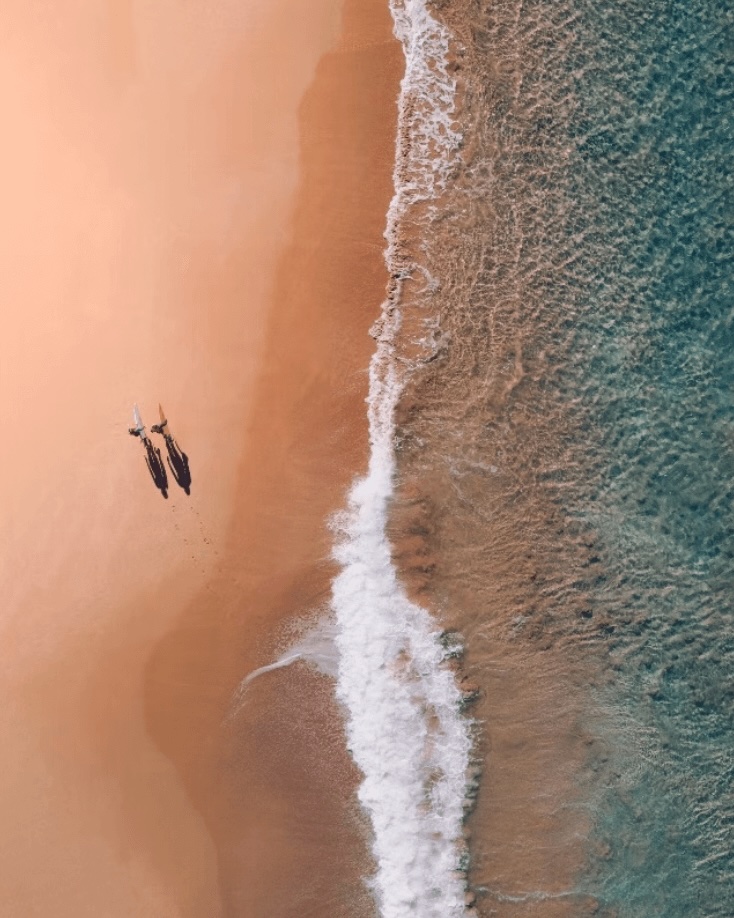
It’s also worth noting that you don’t have to live beside a coral reef or be visiting one to make a difference. Beach, river and waterway clean-ups can help reduce the amount of rubbish and pollution entering marine environments.
We also love citizen science projects – they’re also a fun way to connect with like-minded people.
If time is limited (but money isn’t), you can also support reputable organisations involved in reef monitoring, conservation, restoration and scientific research. The Great Barrier Reef Foundation is one example of an organisation working on coral restoration and adaptation research.
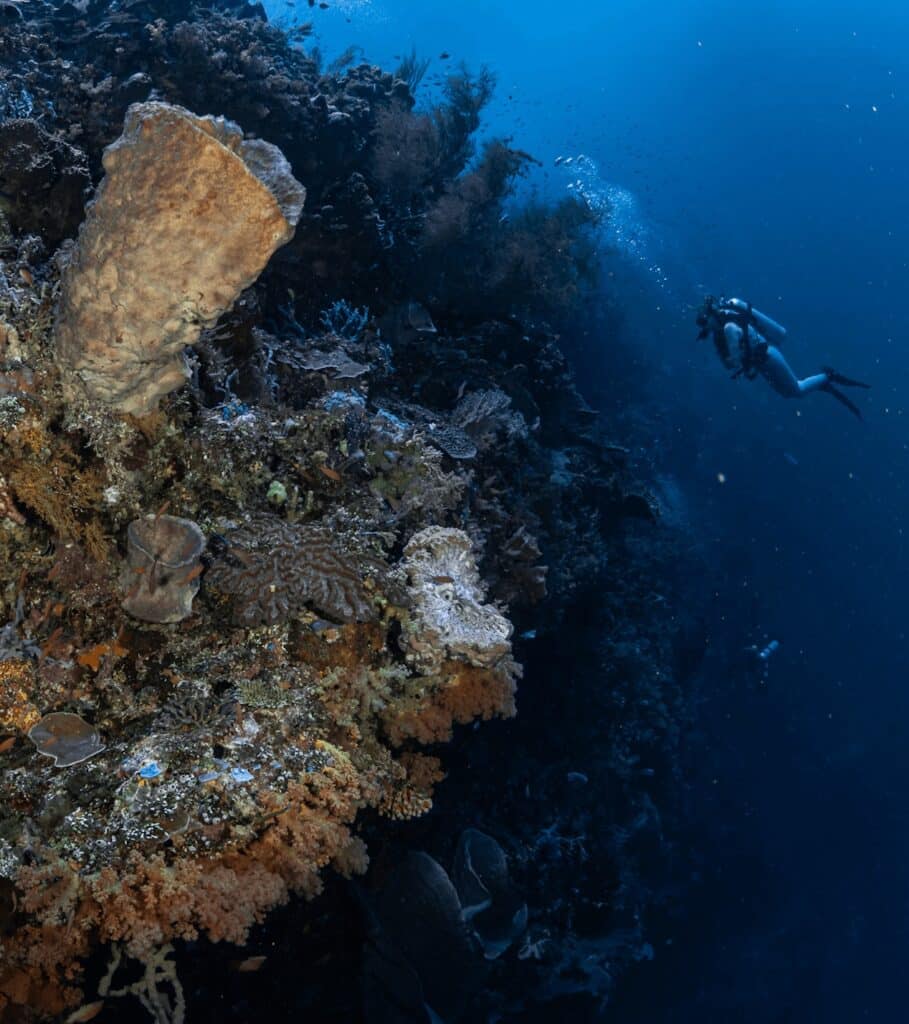
Life in a Changing Ocean
Coral reefs are only one part of a much bigger climate change story…and that story is not just about a hotter atmosphere.
Across our oceans, warming waters can influence plankton communities, fish distributions, marine mammals and seabirds. Changes in currents can alter where nutrients are transported and where productive waters occur.
At the same time, changes in oxygen levels, ocean chemistry and stratification can affect how ecosystems function. There’s a lot going on and none of it is happening independently.
In reality, the story is about an entire planet’s interconnected systems changing together. And this is why we believe the ocean deserves a central place in the climate conversation and why protecting it is an essential part of tackling climate change.

PLAN YOUR TRIP WITH OUR FAVOURITE RESOURCES:
Find hotels and resorts via Booking or Agoda
Book tours and experiences via Viator or GetYourGuide
Find a rental car via Discover Cars
Book flights via Kiwi or Booking
Search for buses and trains via 12Go or Omio
Get travel insurance via SafetyWing
Buy a digital eSIM with Airalo
By purchasing through our links, you’ll be supporting our website at no additional cost to you



We are a team of passionate divers and surfers with decades of combined experience in the water and travelling to all corners of the globe.
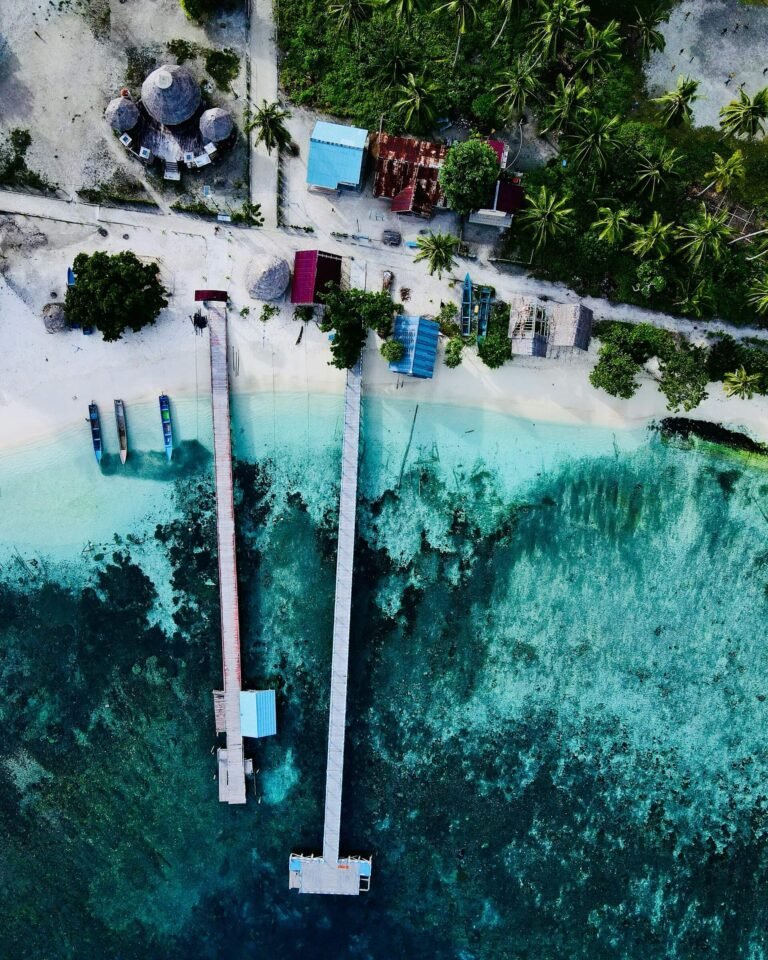
After years of chasing waves and descending into the deep blue, we’ve created this resource to highlight sustainable surf camps, eco-dive resorts and conservation-focused ocean trips to help inspire your next adventure.
Eco Ocean Escapes was born out of a love of the ocean, an obsession with travel and a concern about the impacts of our adventures on the environments we explore.