Mangroves: The Unsung Heroes of Healthy Oceans
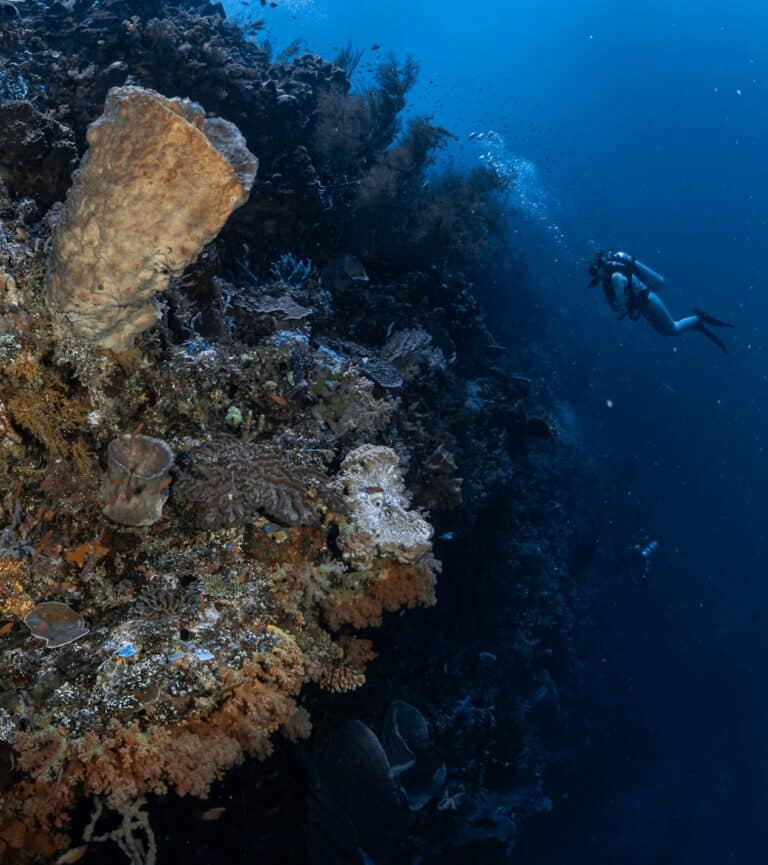
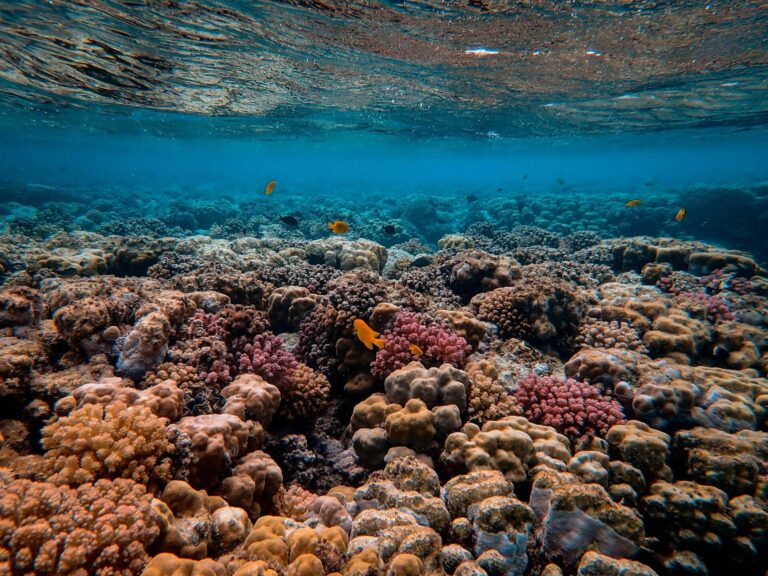
When we think about protecting our oceans, coral reefs tend to steal the spotlight. They’re colourful, charismatic and home to around a quarter of all marine species.
But according to marine scientists, one of the most effective ways to protect coral reefs may actually begin on land…or, more accurately, where the land meets the sea.
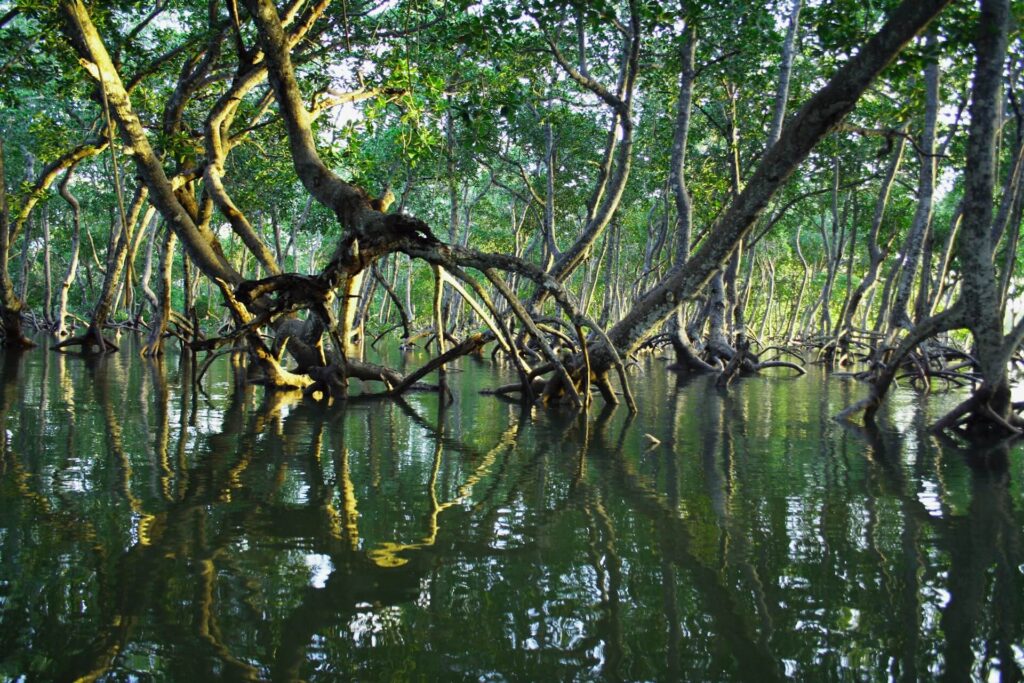
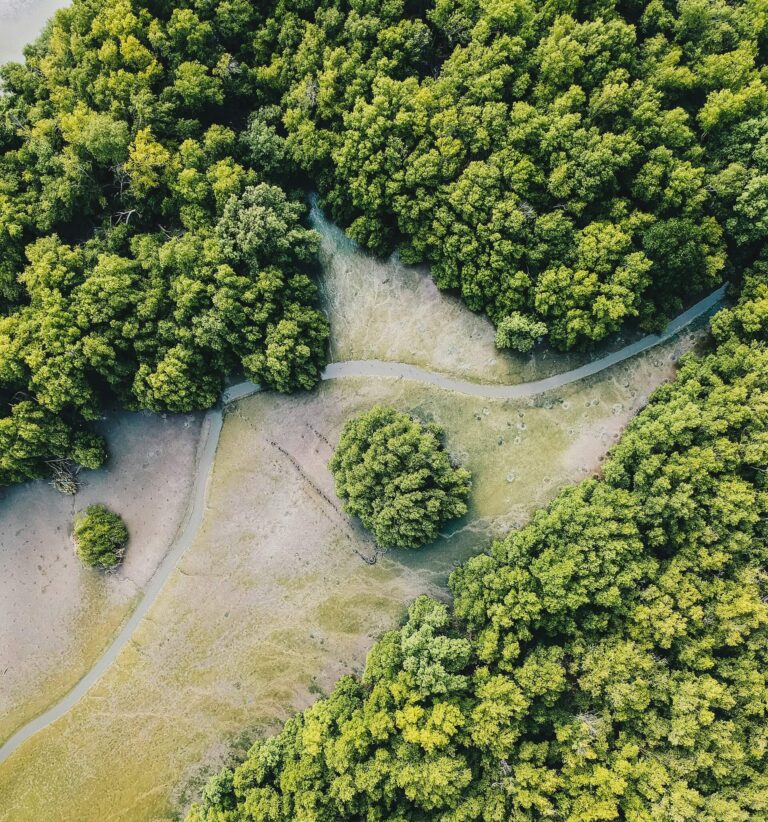
Mangrove forests are proving to be one of the world’s most valuable coastal ecosystems. Once dismissed as muddy swamps with little ecological value, they are now at the centre of research into biodiversity conservation, climate change mitigation and coral reef resilience.
It’s research that I’ve been personally involved in as an undergrad student, using mangrove pollen analysis as a means of determining historic sea level changes.
I spent several weeks living in a small village in Fiji, where I collected mangrove core samples that were later analysed for species composition. Based on the pollen found, we could make assumptions about how sea levels had changed throughout history.
As a diver, I’m equally interested in the role mangroves play in the health of coral reefs and our ocean ecosystems more broadly. Emerging research suggests these coastal forests may be crucial, something that I think is worth a closer look.
A Scientific Rethink
Over the last two decades, research into mangroves has accelerated dramatically, and that can only be a good thing. Scientists now describe mangroves as “keystone ecosystems” because the services they provide extend far beyond their own boundaries.
Healthy mangrove forests support juvenile reef fish and fisheries, capture significant amounts of carbon and protect coastlines from wave erosion. They also help neighbouring ecosystems (including coral reefs and seagrass meadows) remain resilient in the face of climate change.
Rather than viewing mangroves, coral reefs and seagrass beds as separate habitats, marine ecologists are increasingly referring to them as “interconnected” or as a “habitat mosaic”. Damage one piece of that puzzle and the others inevitably feel the effects.
The Nursery That Keeps Reefs Alive
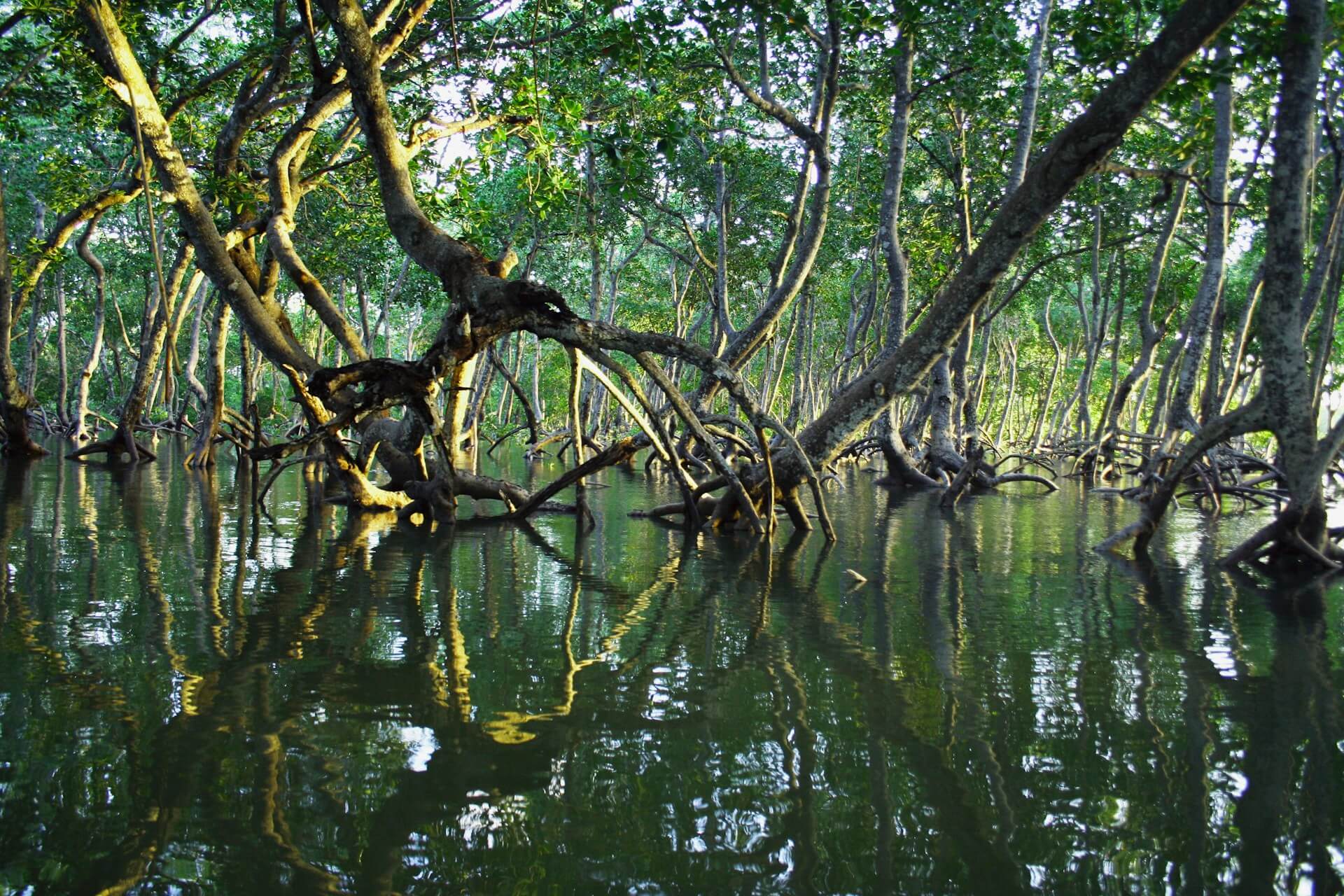
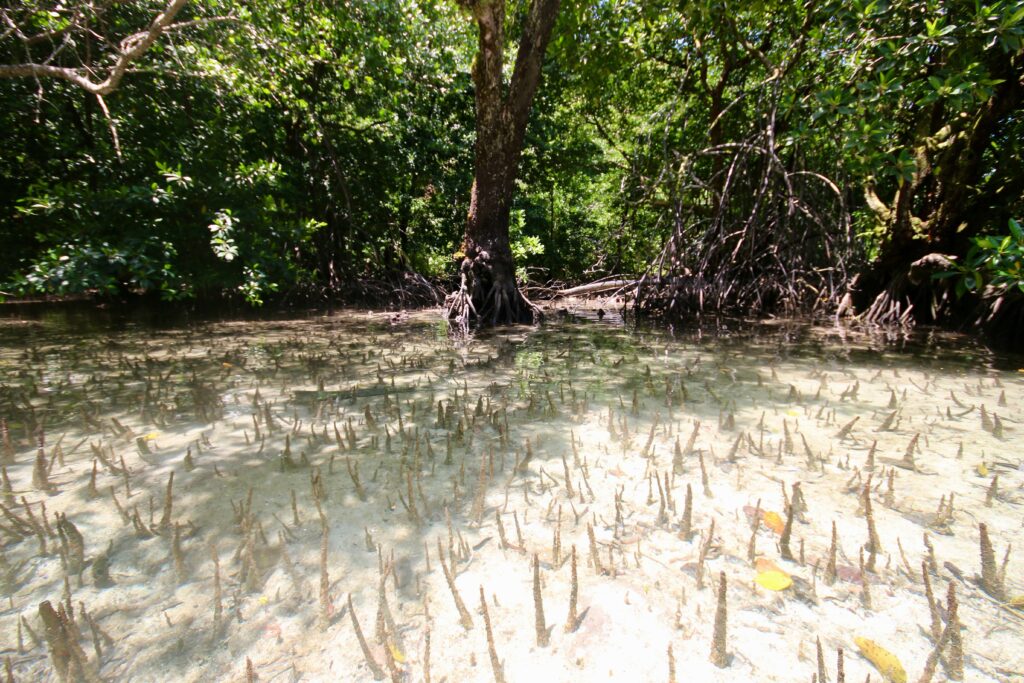
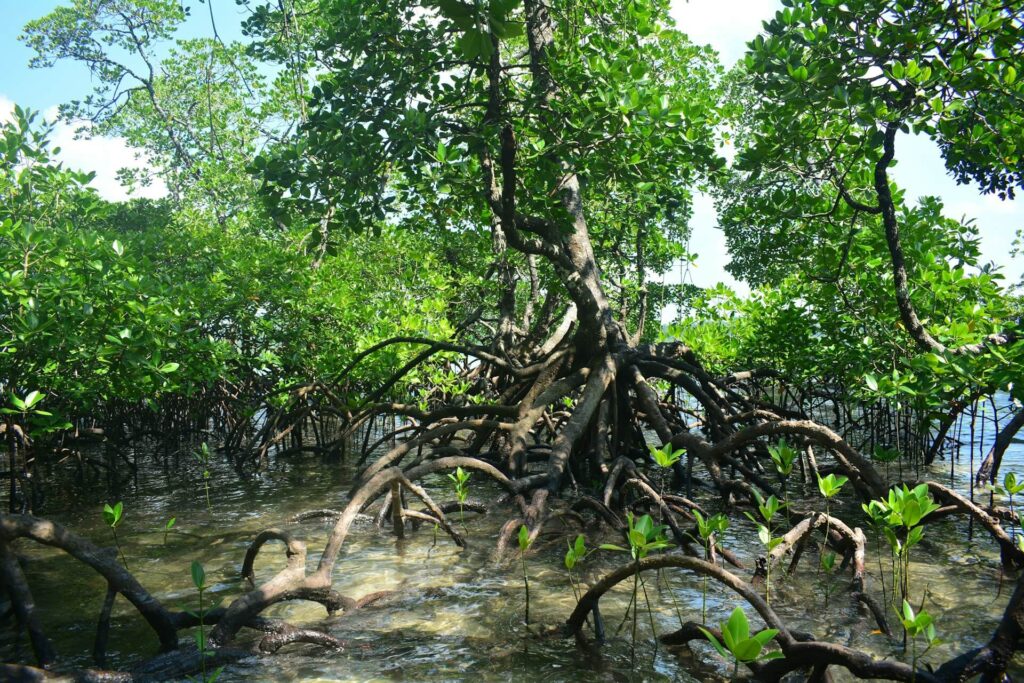
Perhaps the best-established connection between mangroves and coral reefs is their role as marine nurseries. The tangled roots of mangroves provide shelter for juvenile fish and marine life, allowing them to avoid predators during the most vulnerable stage of their lives.
Research has shown that many reef species, including snappers, groupers and barracudas depend on mangroves before migrating to nearby coral reefs as adults.
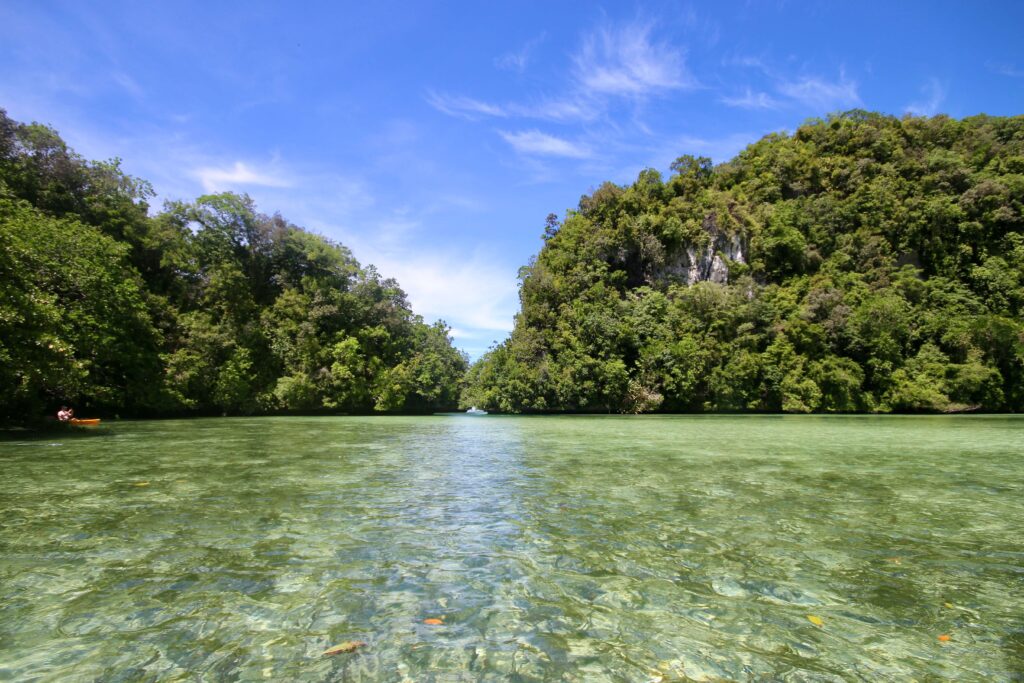
On a recent dive trip to Palau, we also saw juvenile black-tip reef sharks patrolling the shallows waters of a mangrove forest, using it as a safe training ground before venturing into deeper waters.
In the Caribbean, studies have found that coral reefs located near healthy mangrove forests often support significantly higher fish biomass than reefs without mangrove connections. This has huge implications for reef conservation.
Additionally, many endangered species rely on mangrove habitats during at least part of their life cycle. Smalltooth sawfish and hawksbill turtles are just two that immediately come to mind.
This suggests that protecting coral reefs alone isn’t enough if the juvenile habitats that replenish fish populations continue to disappear.
Mangroves Improve Reef Water Quality
Corals require clear, nutrient-balanced water to survive. Not nutrient-rich, not nutrient-poor. Excess sediment blocks sunlight, while nutrient pollution encourages algal blooms that compete directly with corals.
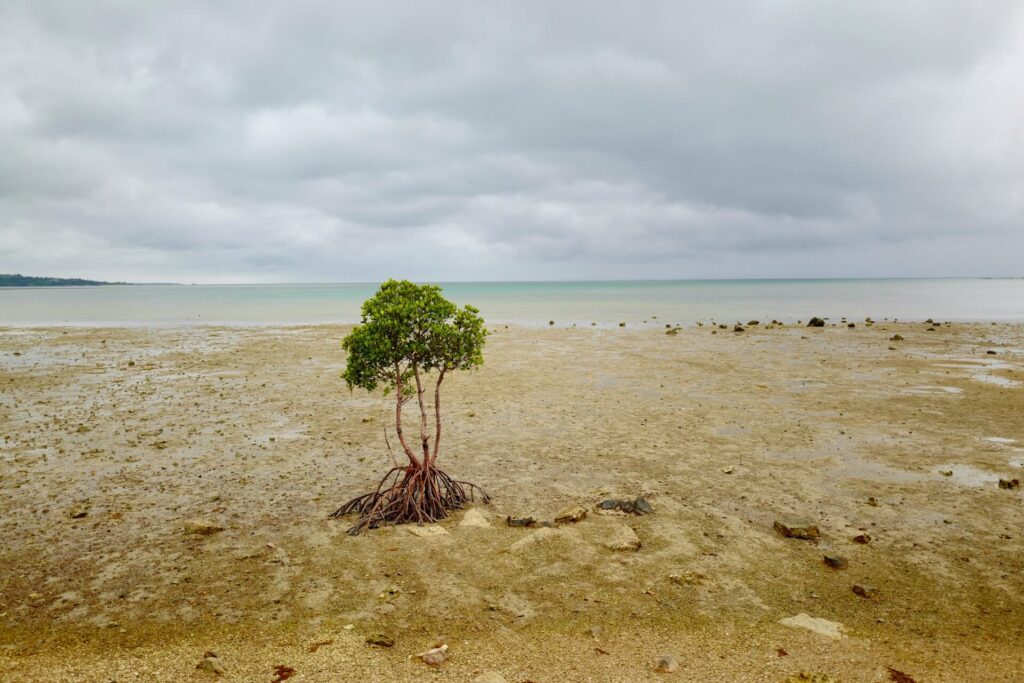
Essentially, mangroves act as enormous natural filtration systems. Their complex root networks trap sediments flowing from rivers and coastal development before they reach offshore reefs.
At the same time, microorganisms living within mangrove soils remove excess nitrogen and other pollutants that can lead to algal blooms. If left undisturbed, mangrove soils can store nitrogen for decades…if not centruies.
As you can see, intact mangrove forests can significantly improve coastal water quality and create conditions that allow nearby coral reefs to thrive. But if they are destroyed, due to coastal development or aquaculture infrastructure, this filtering function is lost.
Can Mangroves Help Coral Reefs Survive Climate Change?
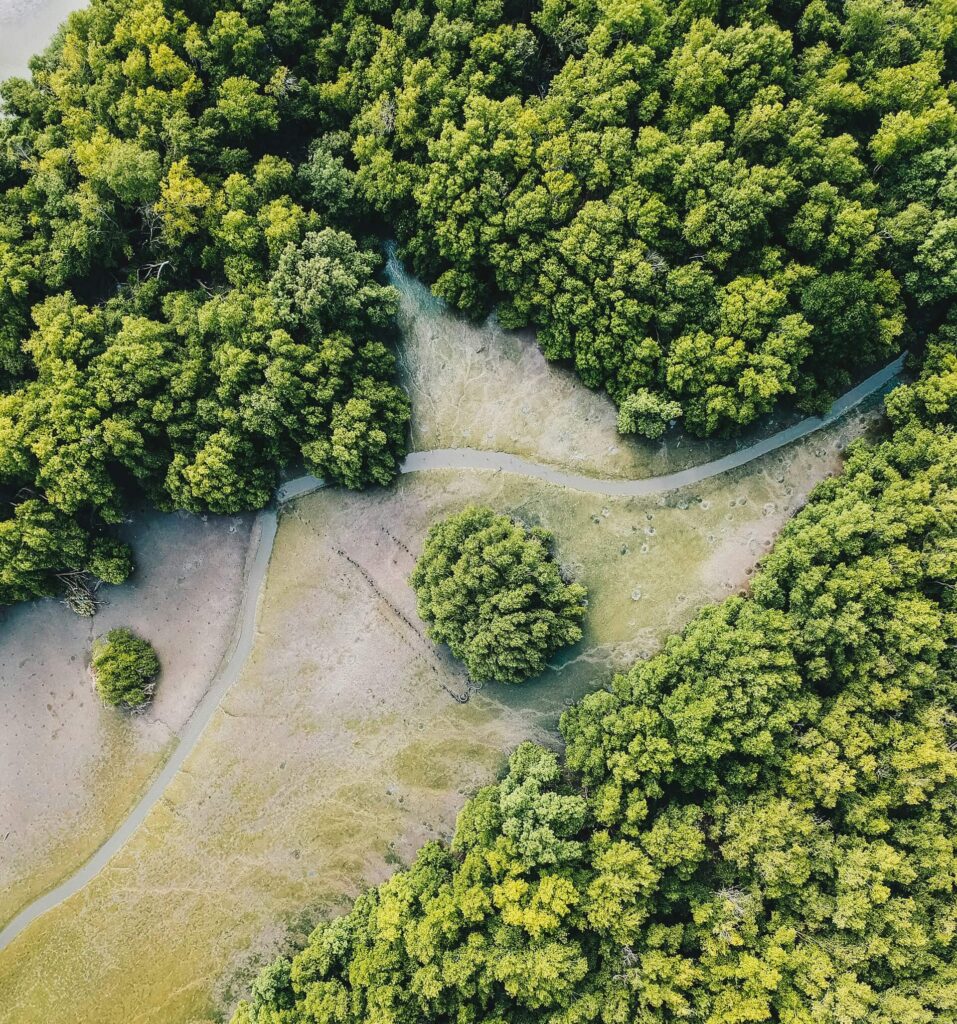
One of the most exciting areas of current research explores whether mangroves may, in fact, help coral reefs become more resilient to climate change.
Marine heatwaves are causing increasingly frequent coral bleaching events as ocean temperatures rise. However, scientists have noticed that corals growing near mangrove forests sometimes appear more tolerant of higher temperatures than reefs found further offshore.
Why is this happening? Researchers believe there may be several contributing factors:
- Mangroves create naturally variable temperature conditions that may help corals adapt.
- They reduce light intensity during extreme heat.
- Their waters often contain different chemical conditions that influence coral physiology.
- Reduced sediment and improved water quality lessen overall stress on coral colonies.
This idea, known as the “mangrove refuge hypothesis,” is still being actively investigated. But it’s an area of research I’m keen to follow – as a diver and someone who is passionate about protecting ocean environments.
While mangroves won’t prevent bleaching altogether, growing evidence suggests they may increase the resilience of some coral populations as the climate continues to change.
The Blue Carbon Powerhouse
Climate scientists are equally excited about another feature of mangroves: their ability to store carbon. Unlike tropical rainforests, much of a mangrove’s carbon is locked deep within waterlogged soils, rather than simply in the trees themselves.
These oxygen-poor sediments slow decomposition dramatically, allowing carbon to remain stored for centuries…or even millennia.
This has given rise to the term “blue carbon“, referring to carbon captured by coastal ecosystems such as mangroves, seagrasses and salt marshes.
Head here to read more about blue carbon and travel destinations that are prioritising mangrove and seagrass health.
According to the Blue Carbon Initiative, per hectare, mangroves are among the most carbon-rich forests on Earth. Particularly mangroves in the wet tropics that have canopies 30 to 40 metres high.
When they’re destroyed, for coastal development or new resorts, much of that stored carbon is released back into the atmosphere. Current estimates suggest between 0.15 and 1.02 billion tons of CO2 is released annually due to loss of blue carbon ecosystems. That’s a staggering amount!
As you can see, protecting mangroves delivers a double benefit: conserving biodiversity while helping combat climate change.
The Restoration Revolution
One of the biggest changes in mangrove conservation in recent years has been recognising that restoration is more complex than simply planting trees.
For many years, conservation projects focused on planting large numbers of mangrove seedlings. Unfortunately, many of these projects had poor long-term success because they overlooked the natural conditions mangroves need to survive, such as tidal flow, sediment movement and appropriate species selection.
Today’s restoration efforts are increasingly guided by ecological science and focus on why the mangroves disappeared in the first place, which species thrived in that location and whether the natural hydrology of the area was affected.
If the natural hydrology has been restored, the question then arises: Can the ecosystem regenerate naturally now that conditions have improved? If the answer is “yes”, then there’s a much better chance of restoration success.
The Biggest Threats Remain Human-Driven
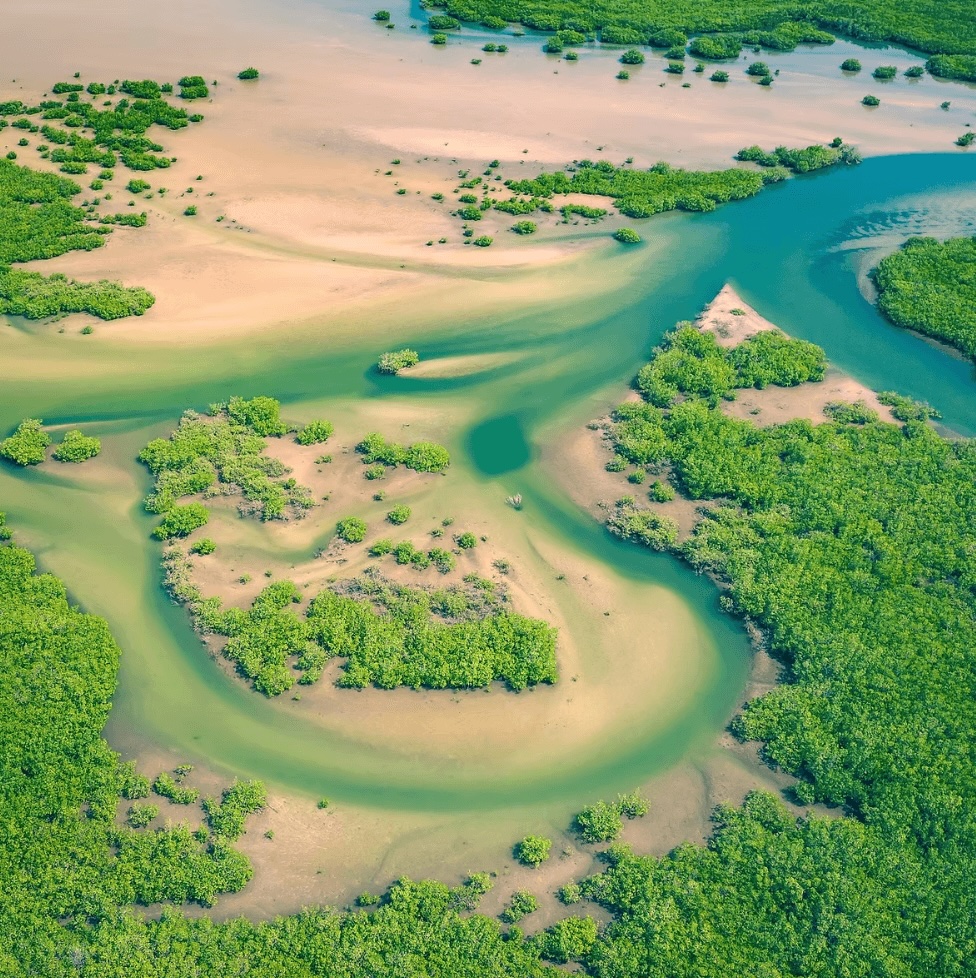
Although global mangrove loss has slowed compared with previous decades (and this is something to celebrate), scientists warn that protecting our remaining mangrove forests is far more effective (and far less expensive) than trying to restore them once the damage is done.
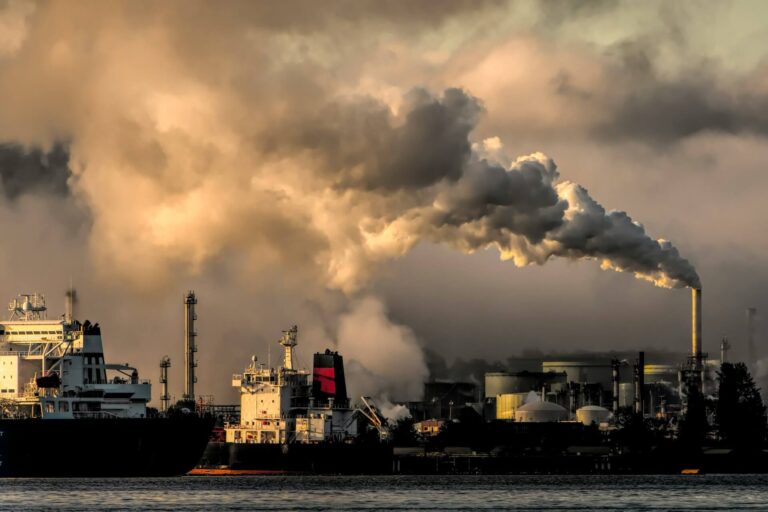
Coastal development, urban expansion and agricultural runoff are all threats to mangrove survival, as are rising sea levels and aquaculture infrastructure.
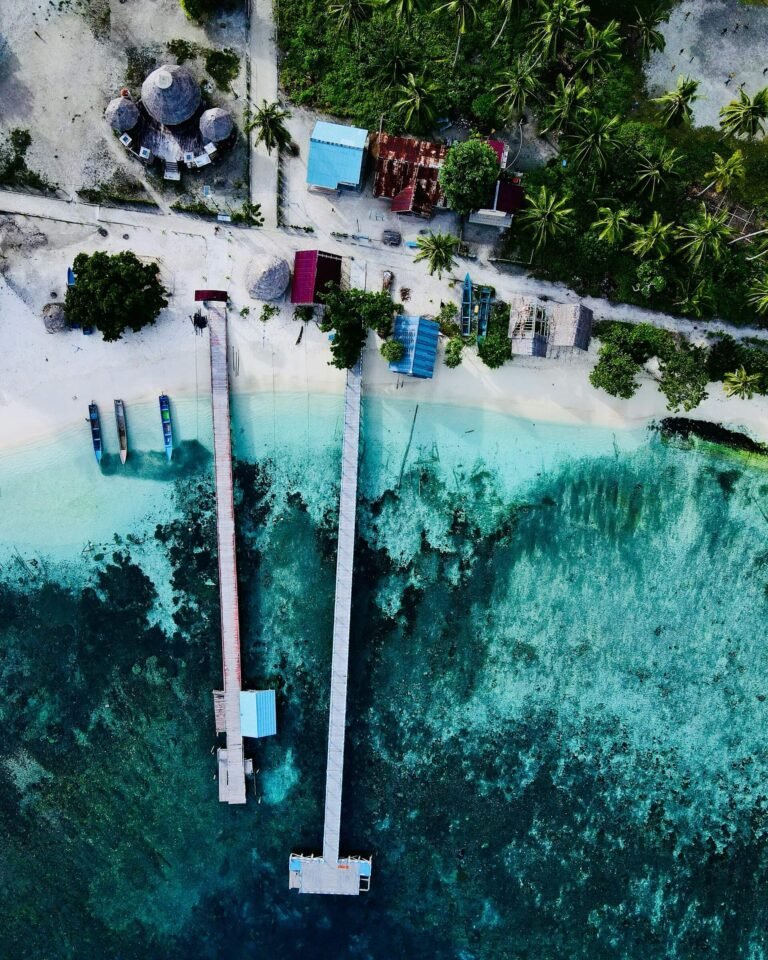
On this blog, we also can’t talk about mangrove degradation without mentioning the role of overtourism and unsustainable development, particularly in the surf and dive industries. This can lead to localised declines in mangrove coverage due to poorly planned resorts, dive shops and jetties, as well as irresponsible operations.
In some parts of the world, tourism is playing an actively role in protecting coral reefs and coastal ecosystems. Other destinations should perhaps be off-limits to tourists to ensure marine environments aren’t destroyed beyond repair.
Looking Beyond the Reef as a Travelling Diver
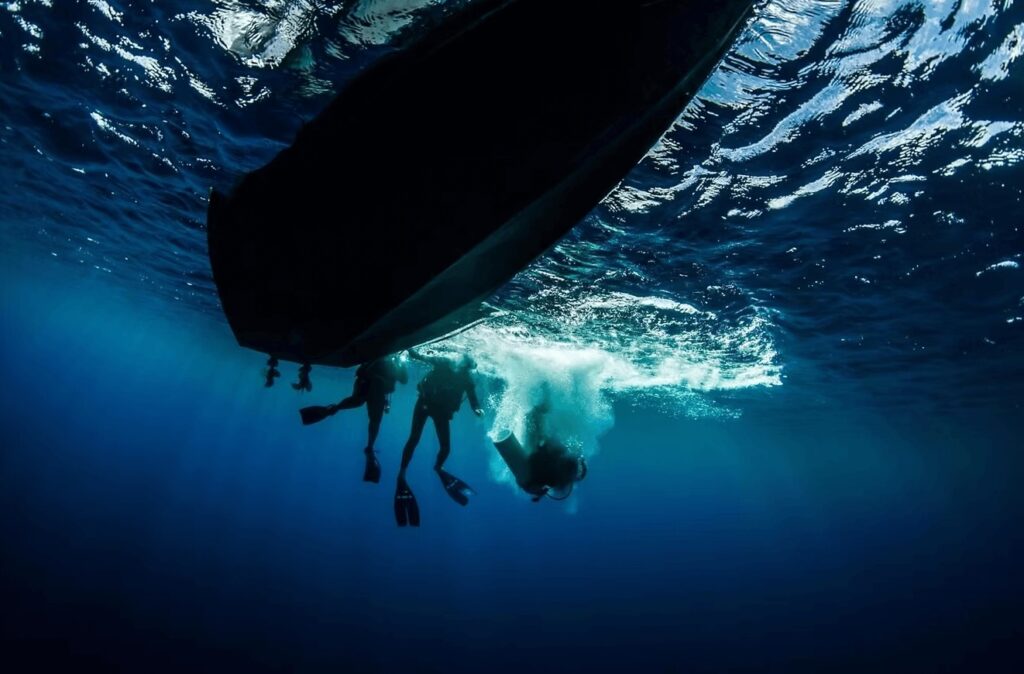
As divers, it’s easy to focus solely on the reef. After all, that’s where we spend most of our time underwater. And if you’re a travelling diver, it’s often coral reefs that are the reason we travel halfway across the world (and spend all our hard-earned money on dive experiences).
But every healthy reef tells a much bigger ecological story. The fish that graze here may have spent their early years amongst the safety of mangrove roots. The clarity of the water may be due to filtering by mangrove forests. The lack of erosion on surrounding coastlines could be a result of the stability created by mangroves, absorbing wave energy year and year.
Without mangroves, there’s a good chance that many of the dive destinations we love so much would look very different than what they do today. And that’s something we shouldn’t take for granted.
The good news is, you don’t need to be a marine scientist to support mangrove conservation. Not only can you financially assist organisations doing research in this space, but you can actively encourage mangrove conservation by making conscious decisions every time you book a dive trip.
As a travelling diver, you can make a meaningful contribution by:
- Choosing eco-certified dive resorts that protect coastal habitats.
- Visiting marine protected areas where mangroves are included in conservation plans.
- Supporting community-led restoration projects.
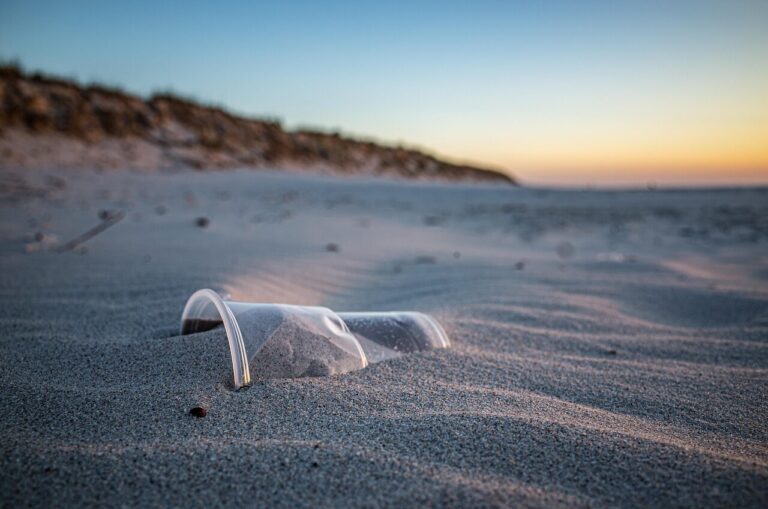
- Reducing plastic pollution, which often becomes trapped among mangrove roots.
- Learning about the ecological connections between reefs, seagrasses and mangroves before travelling.
These choices also help create demand for regenerative tourism initiatives that promote healthy ecosystems and long-term community wellbeing over short-term development.
What do I mean? The more people who stay at eco-dive resorts and support local mangrove restoration projects, the more incentive there is for conservation-focused tourism to thrive. The travel industry responds to demand.
With the knowledge we currently have, protecting coral reefs means thinking beyond the corals themselves towards the interconnectedness of our ocean ecosystems.
So the next time you’re diving, take note of the mangrove forests or seagrass beds nearby and say a few words of thanks for the role they’re playing in supporting reef health.
PLAN YOUR TRIP WITH OUR FAVOURITE RESOURCES:
Find hotels and resorts via Booking or Agoda
Book tours and experiences via Viator or GetYourGuide
Find a rental car via Discover Cars
Book flights via Kiwi or Booking
Search for buses and trains via 12Go or Omio
Get travel insurance via SafetyWing
Buy a digital eSIM with Airalo
By purchasing through our links, you’ll be supporting our website at no additional cost to you

We are a team of passionate divers and surfers with decades of combined experience in the water and travelling to all corners of the globe.
After years of chasing waves and descending into the deep blue, we’ve created this resource to highlight sustainable surf camps, eco-dive resorts and conservation-focused ocean trips to help inspire your next adventure.
Eco Ocean Escapes was born out of a love of the ocean, an obsession with travel and a concern about the impacts of our adventures on the environments we explore.