Staying and Diving at Papua Explorers Resort in Raja Ampat
When I touched down in Sorong, it had been almost 20 years since I’d visited Raja Ampat and I’d been obsessed with getting back there for years. My first time was in the early 2000s as a young backpacker, eager to see as many Indonesian islands as possible with only a tiny budget at my disposal.
During that trip, I’d stayed at a rustic homestay, spending 50 USD a night for a beachfront hut with a mattress and a mosquito net. Oh, and incredible meals featuring seafood plucked from the nearby waters. It was heavenly!
Aside from snorkelling the homestay’s house reef, I’d managed to stretch my budget to include a handful of dives with a Papuan guide. I’m not exaggerating when I say I was absolutely blown away by what I saw.
At that point in time, I wasn’t a really experienced diver and I think part of me thought that underwater scenes like this were the “norm”. It was only years later, after I’d dived all around the world, that I understood what a special place Raja Ampat was…and still is.
By then, the seed had been planted in my head that I wanted needed to get back there for an extended dive trip.
Fast-forward to 2023 and I made it happen. After selling our house and having some disposable income, I knew that I wanted to spend it on that Raja Ampat trip.
While there were a few dive resorts on my radar, there was something about Papua Explorers that captured my attention…and the glowing reviews were hard to ignore.
There are some places that live up to the hype, and then there are places that exceed every expectation. For me, Papua Explorers Resort was firmly in the latter category and it really changed my approach to travel going forward.
For more info on visiting Raja Ampat, check out our detailed scuba travel guide here.
Waking Up in Paradise
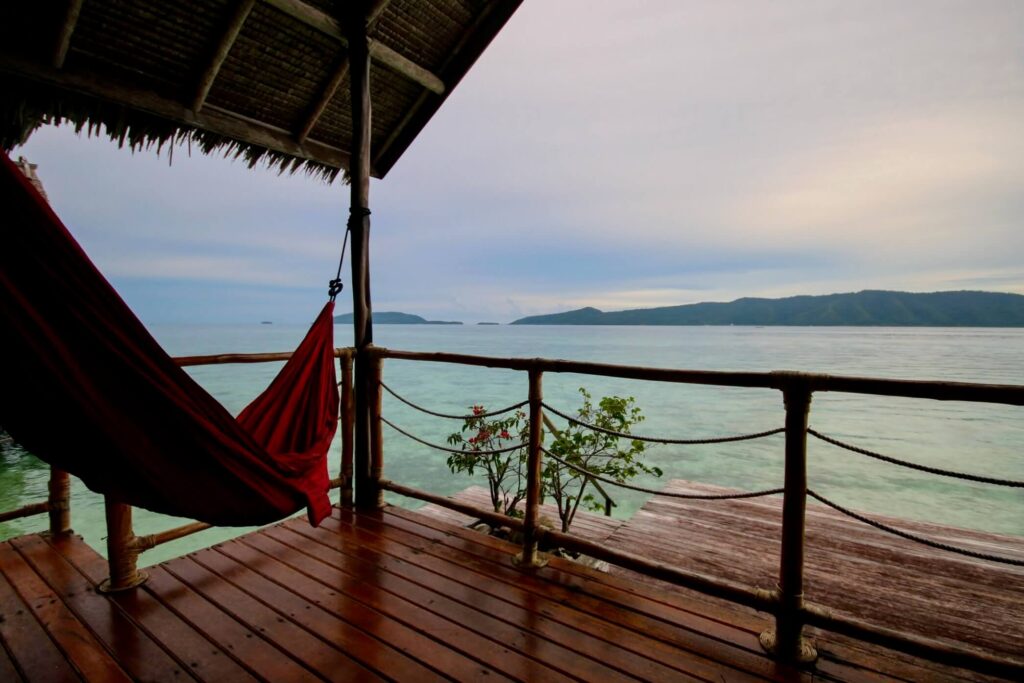
There’s something unforgettable about waking up with the sound of the ocean lapping at your doorstep…and that’s exactly what Papua Explorers offers.
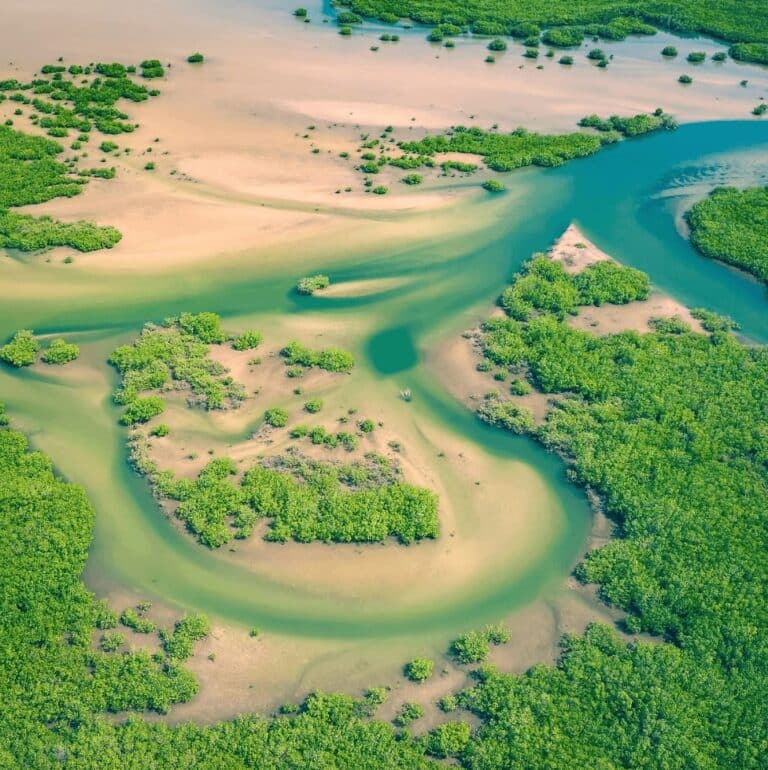
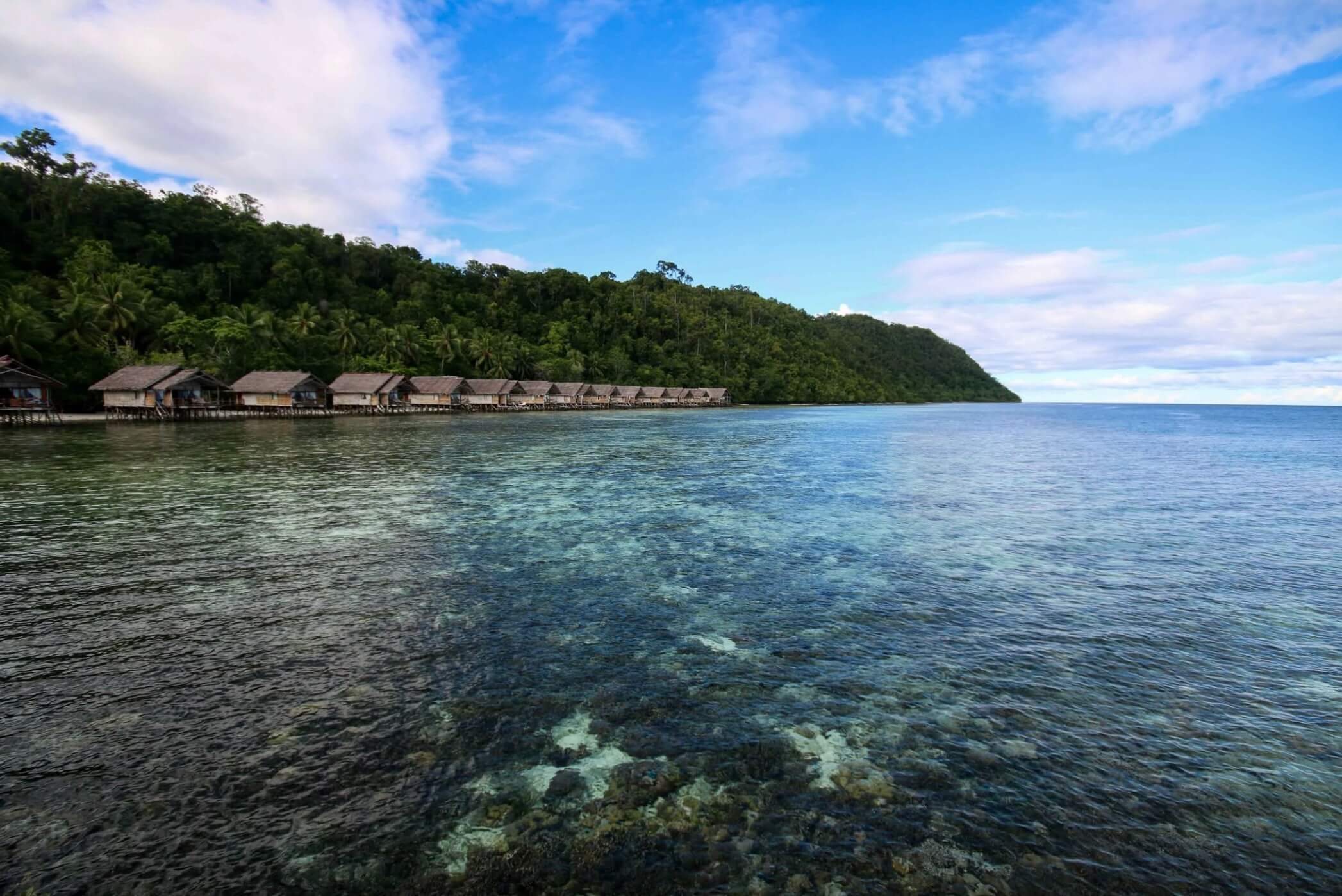
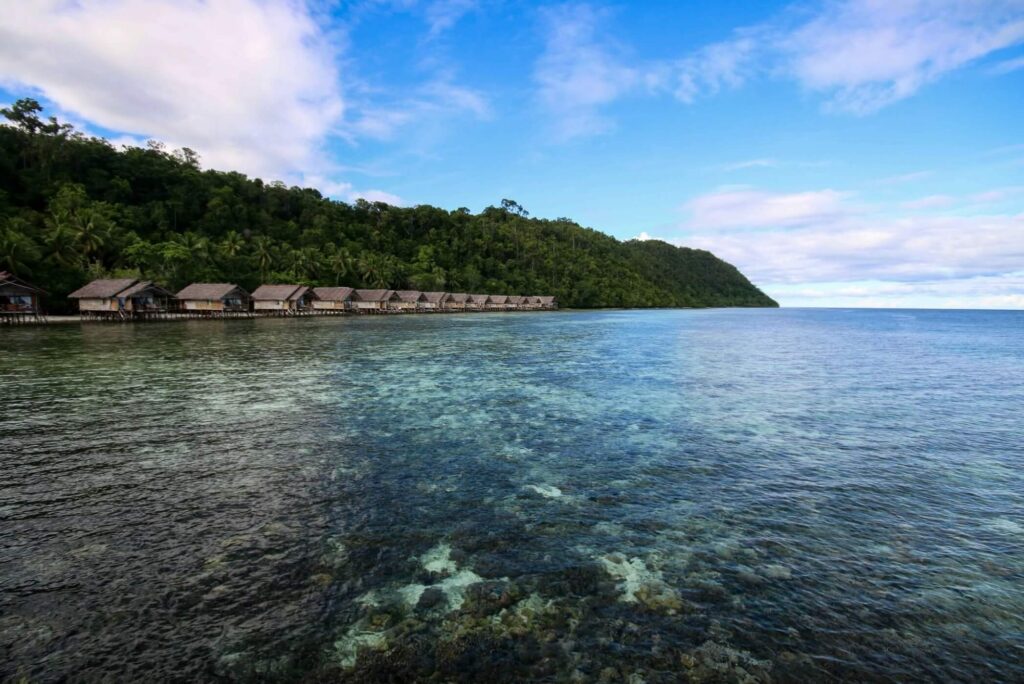
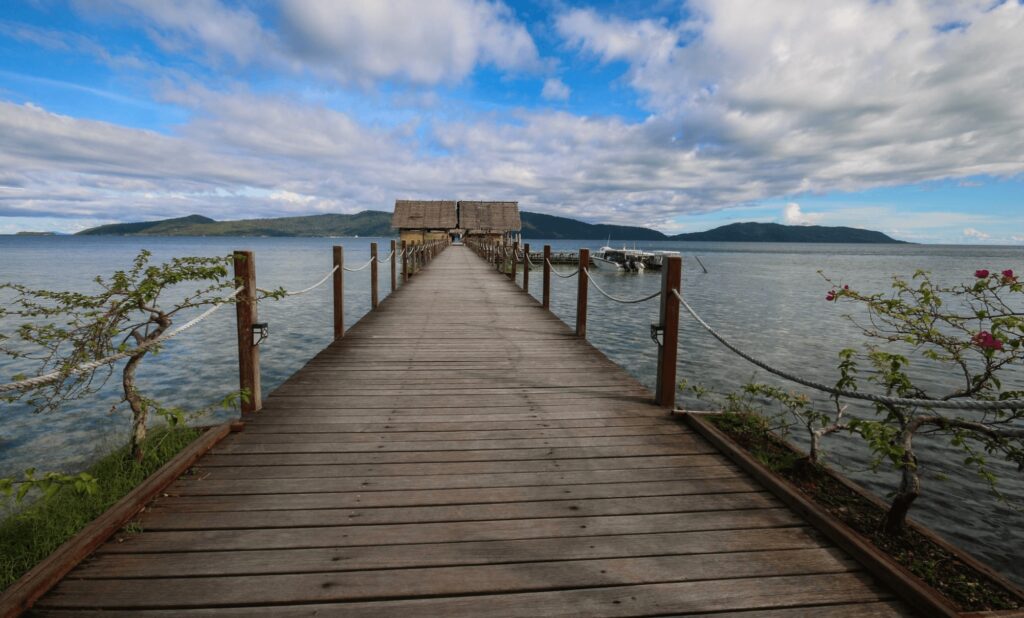
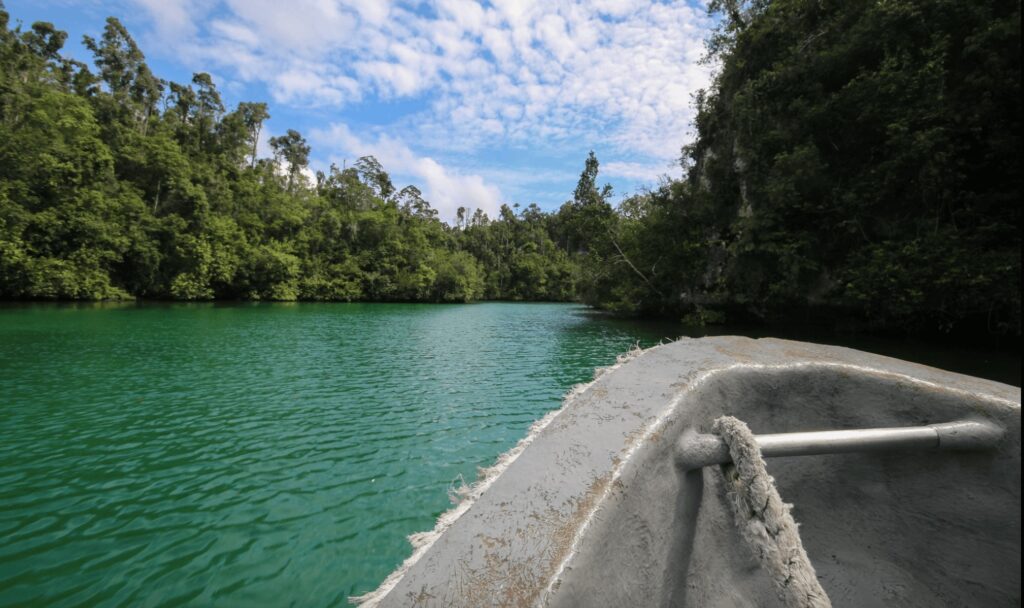
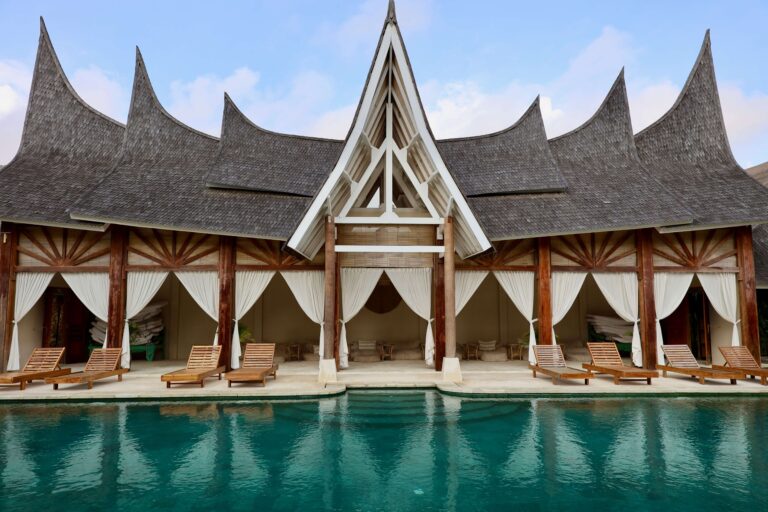
Built over the water using traditional Papuan design, the wooden bungalows (known as pondoks) are rustic but extremely comfortable. They’re connected to the restaurant and dive centre by elevated walkways, designed to minimise the resort’s impact on the fringing mangroves.
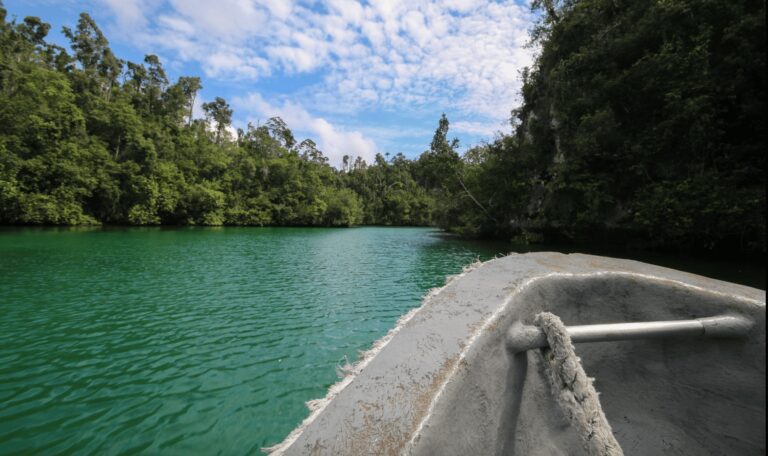
Papua Explorers is only reachable by boat, so there are no busy roads, no city lights and very little noise beyond the sounds of the ocean and rainforest. The sense of tranquility is unmatched!
Rather than feeling like a luxury resort imposed on the landscape, Papua Explorers feels as though it belongs there. It never detracts from the natural beauty that makes Raja Ampat so special and I think that’s important to highlight.
Inside, the rooms aren’t overly luxurious, which feels entirely appropriate for such a remote destination and is in keeping with Papua Explorers’ eco-ethos. For one, there’s no air-conditioning. But the fans do a good job of keeping things cool, along with the wonderful sea breezes.
The large windows and sliding doors allow in plenty of natural light and there are stunning views toward the neighbouring island of Mansuar. I spent so much time on the verandah, looking out across the calm waters, spotting fish swimming in the house reef and reading my book in the hammock. Bliss!
In the mornings, I’d listen to birds calling from the jungle and watch as locals cruised to and from the nearby village in their traditional wooden boats. Even after sunset, I’d be out on the verandah, watching the stars appear in a spectacular display – it’s one of the darkest skies I’ve ever experienced.
Looking for more Indonesia dive inspo? Check out some of the best eco-dive resorts in Indonesia.
Important to note:
To prevent harmful products from ending up in the surrounding waters, the team at Papua Explorers asked us to stick with using the eco-toiletries provided, rather than our own.
If you’re someone who is particular about the shampoo/conditioner/body wash you use, this is something to keep in mind. That said, they are open to other products being used, provided they aren’t going to do damage to the reef. Chat with the team first!
I was happy using the eco-shampoo and body wash provided, even though my hair was left feeling a little “stringy”. This could also be due to the water being slightly brackish. I think it’s a small price to pay for getting to stay in such a remote paradise!
Diving the World’s Most Biodiverse Marine Ecosystem
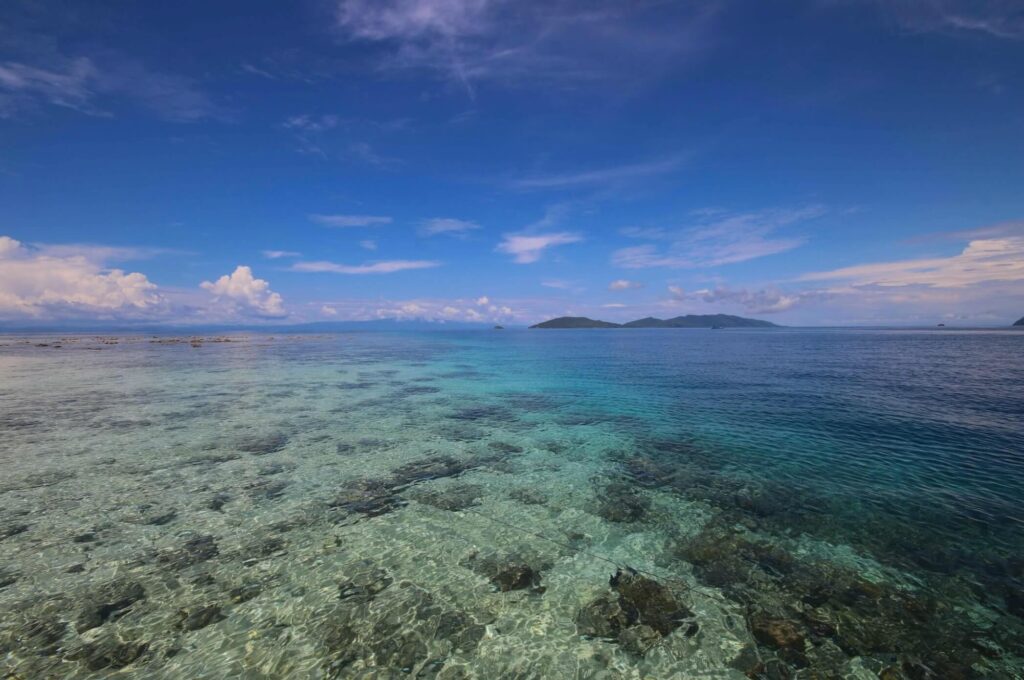
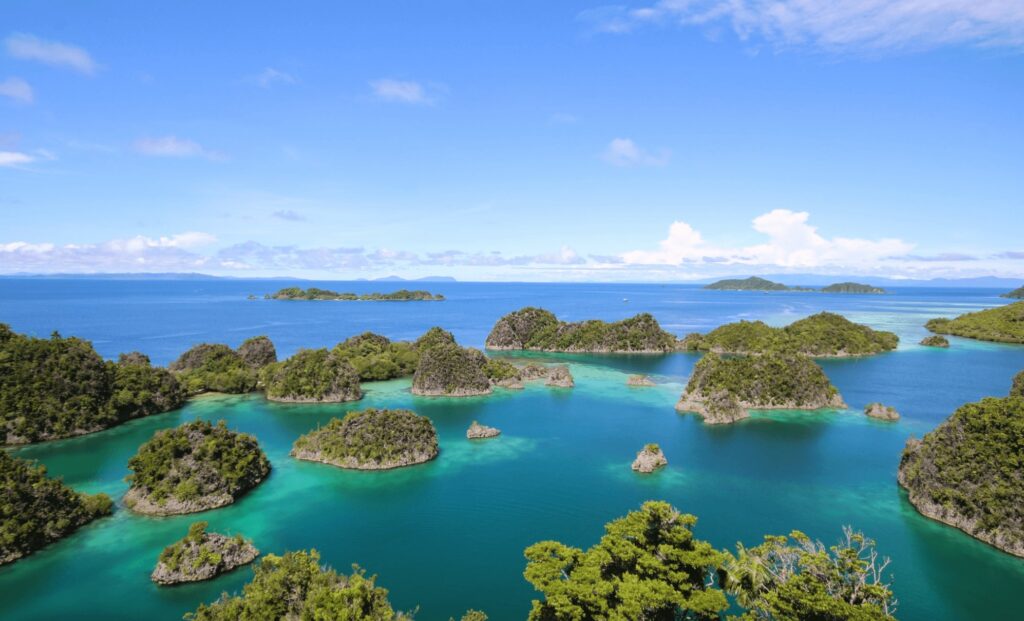
Of course, my main reason for being in Raja Ampat was the diving. This Papuan archipelago consistently ranks among the best dive destinations on Earth and after spending time underwater here, it’s easy to understand why.
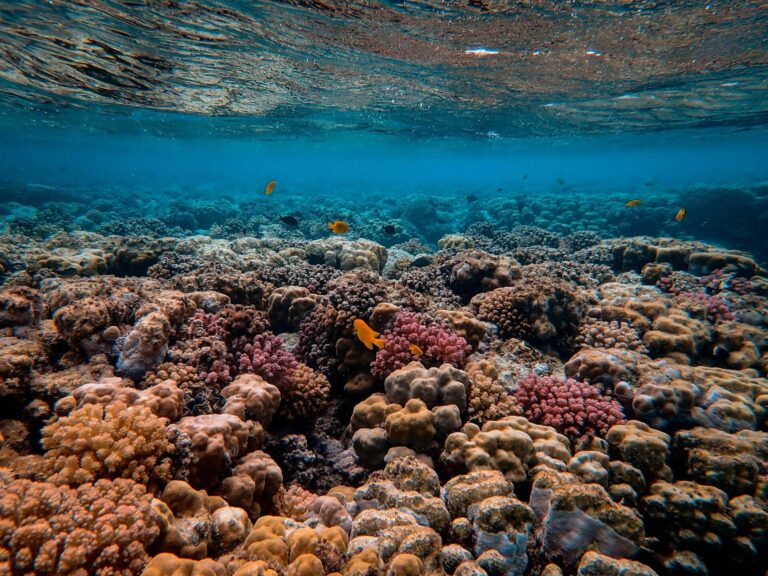
Every dive seemed impossibly alive. Huge schools of fish combine with brilliantly coloured hard and soft corals that harbour an incredible diversity of species.
The sheer abundance of marine life is unlike anywhere else I’ve dived and it took me back to that exhilarating feeling I had discovering Raja Ampat’s underwater world 20 years ago.
If there’s one dive site synonymous with Raja Ampat, it’s Cape Kri. Famous for holding a world record for the highest number of fish species recorded on a single dive, it’s a site that lives up to its reputation. And it’s just 10 minutes by boat from Papua Explorers.
As soon as we descended, we were surrounded. Sweetlips, snappers and surgeonfish seemed to appear in every direction, alongside reef sharks patrolling the blue. It was hard to know where to look.
Another highlight was Blue Magic, a submerged pinnacle that attracts an incredible array of pelagic species. We were lucky enough to see an oceanic manta gliding by and I had to remind myself to keep breathing!
One dive was also dedicated to spotting mantas – namely Manta Point. Oceanic mantas regularly gather here to have parasites removed by small cleaner wrasse and there’s a sandy patch where you can kneel and watch all the action unfold. It’s an incredible experience!
I’ll never forget having our marine park permits checked here, by a curt ranger seated at the top of a high tower in the middle of the ocean. He seemed completely nonplussed that his office was my definition of “paradise”!
I could go on and on about the beauty and abundance of the exposed reef and pinnacle dives we did. But I would also say: never underestimate a jetty dive in Raja Ampat. I particularly loved the time we spent exploring below the water at Arborek Jetty.
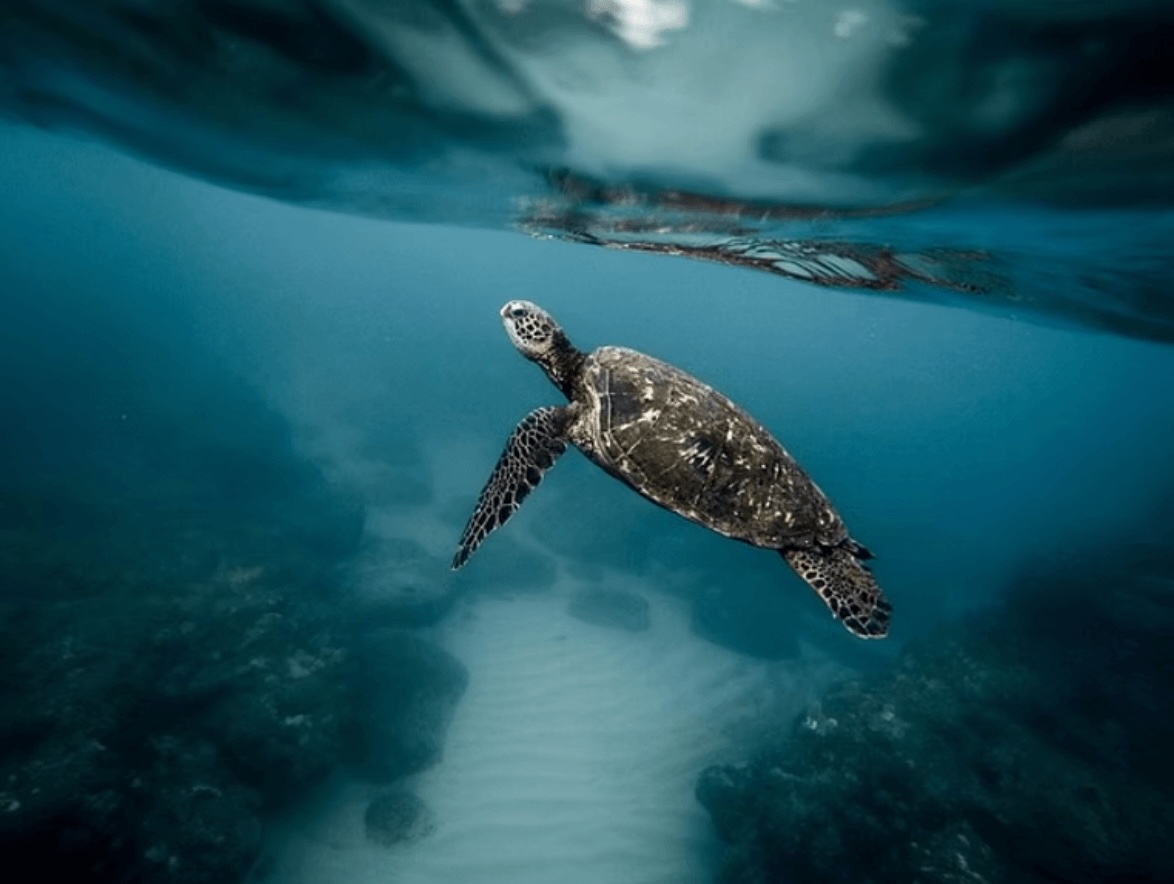
The play of sunlight filtering through the shallow waters was enchanting, and I had some really close encounters with huge sea turtles and a couple of wobbegong sharks.
Having time to wander the village and chat with the local kids during our surface interval only added to what was a really memorable dive experience.
Discover more incredible places to dive in Indonesia here.
The Dive Operation
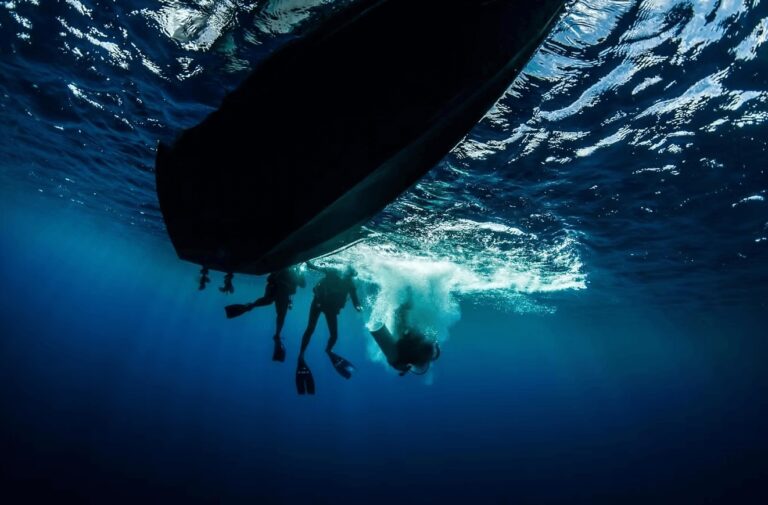
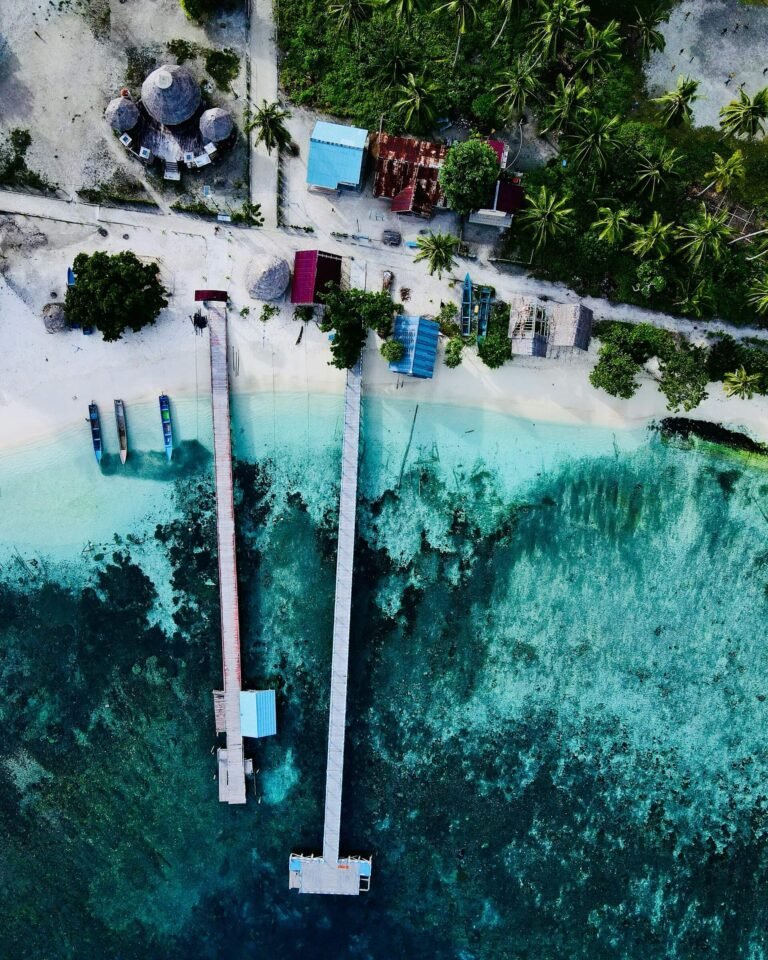
Every bit as impressive as the dive sites themselves is the dive operation at Papua Explorers. The dive centre is at the end of the resort’s long jetty – it’s here that gear is stored, briefings are held and boats are launched.
Dive groups (max 6 people) are clearly written on the whiteboard, so you know where you’re diving each day and with whom. During my trip, I think we had a maximum of 4 divers per guide, so it never felt crowded underwater.
At the dive centre, there’s always someone on hand if you have a question (even out of “dive hours”). And sometimes, you’d find some of the dive guides there playing guitar and singing during their downtime.
The guides (many of whom are from the nearby village) clearly know the sites inside out and were excellent at reading conditions and spotting marine life. You can tell they’ve grown up in and around these waters and their intuition is something that can’t be taught.
Briefings were thorough (without being overwhelming) and the entire dive operation just felt like a really well oiled machine.
I’m always a bit nervous on the first day of a dive trip. But I felt the Papua Explorers team did a great job of ensuring everyone felt comfortable, regardless of experience level.
They briefed us beforehand if the currents were going to be strong and explained the process to follow if reef hooks were required. In fact, our dive guide came around and made sure everyone was hooked on in a position that allowed them to view all the action.
I also admired the emphasis on responsible diving. Good buoyancy, respectful wildlife interactions and reef conservation were encouraged on all trips.
When one of the guests was being a little “clumsy” underwater, our divemaster was subtle in encouraging them to be more mindful, rather than calling them out in front of everyone.
Activities for non-divers
If you’re travelling with non-diving family members or friends, there’s plenty for them to do while you’re busy diving.
Aside from snorkelling on the house reef (which can be accessed directly off the pondok verandahs), there’s the option to walk along the beach to the nearby village of Yenwaupnor.
Guided birdwatching trips are available to spot the gorgeous red bird of paradise and there are kayaks for exploring the surrounding coastline.
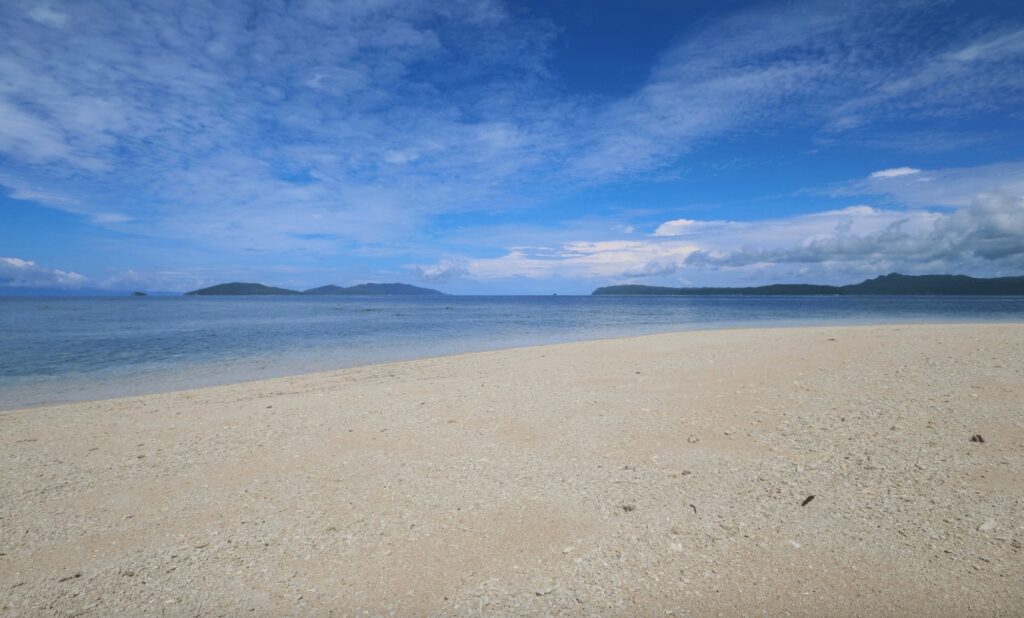
Snorkellers (and non-snorkellers) are also welcome to join the dive boats – many of the dive sites have shallow reefs to explore. Surface intervals are usually spent on deserted beaches, sandbars or in local villages, so it’s a great opportunity to experience Raja Ampat beyond the resort.
Papua Explorers also has its own spa and I’d recommend everyone book in for at least one massage during their stay!
Raja Ampat Sea Centre
As someone who is passionate about marine conservation, I can’t talk about staying at Papua Explorers without talking about the Raja Ampat SEA Centre. This in-house NGO is dedicated to protecting and conserving Raja Ampat’s marine ecosystems through Science, Education and Awareness (SEA).
The centre works alongside collaborating scientists, conservation partners and local communities to support research, promote marine education and encourage greater understanding of the importance of protecting this globally significant marine environment.
While we were staying at Papua Explorers, there was a French couple carrying out research and they gave a presentation one evening about their work. It was fascinating to learn about marine conservation in action and see it taking place during our dives.
On display at the SEA Centre are photographs and exhibits that add another layer to the diving experience. Essentially, they help you understand not only what you’re seeing underwater, but why these ecosystems are so important.
Life Between Dives
Most divers can probably relate, but the quality (and quantity) of food makes a big difference on a dive trip. All that diving makes me soooooo hungry!
Thankfully, Papua Explorers delivers, with delicious buffet-style meals served three times a day in its overwater restaurant. This is the social heart of the resort, where guests come together to chat about the day’s adventures and refuel after expending all that energy.
Even as a pescatarian, I felt there was plenty of protein served, alongside organic veggies grown nearby. I liked that there were always healthy options (as well as some deep fried deliciousness and sweet treats), plus snacks available throughout the day if you’re a between-meals eater.
The setting alone makes dining at Papua Explorers memorable. The restaurant boasts panoramic views across the water towards Mansuar Island and the open design allows you to enjoy both the ocean and surrounding rainforest while eating.
Even more exciting is the fact that baby black-tip reef sharks patrol the shallow waters in the evening. We were regularly getting up from our meals to peer down as they snaked their way between the mangrove roots.
Aside from eating, my time between dives was spent relaxing in the communal lounge with one of the fish ID books or chatting with the gardener as he tended the veggie patch. I have a large produce garden back home and loved learning about his composting techniques and the art of growing dragonfruit.
One afternoon, we also walked down to the nearby village, Yenwaupnor, where many of the dive guides lived. A staff member led us through the streets where kids played football and chickens roamed freely. It was really wonderful to experience a little of Papuan village life.
Our guide explained that having employment in resorts like Papua Explorers meant people didn’t have to travel to other Indonesian islands for work. Instead, they could stay living in their village with their families and make the 10-minute walk or 5-minute boat ride to work.
For more info about the differences between resort, liveaboard and homestay diving in Raja Ampat, check out our detailed article here.
A Commitment to Responsible Travel
One of the reasons I chose Papua Explorers was its strong commitment to sustainability and responsible travel. Operating in one of the planet’s most biodiverse marine environments comes with enormous responsibility, and it’s clear the resort takes that seriously.
From supporting local communities and employing Papuan staff to encouraging environmentally responsible diving practices, conservation here isn’t presented as a marketing slogan.
It honestly feels embedded in the way the resort operates and I think Papua Explorers does a great job of communicating this to guests, without it feeling like you’re being lectured.
Instead of focusing solely on protecting Raja Ampat’s marine environment and minimising environmental damage, Papua Explorers looks at ways to uplift local communities and facilitate positive change. And when you stay here, it’s hard not to get completely onboard with their mission to make a difference.
Is Papua Explorers Worth It?
Staying and diving at Papua Explorers is not cheap. I’ll tell you that for free! But I absolutely think it is worth it. For me, this was a bucket list experience and (if I had the money) I would do it all again, without hesitation.
Raja Ampat is a destination that many divers dream about for years and staying somewhere that is 100% committed to its preservation makes the experience extra special. It’s employing local staff, keeping its environmental footprint to a minimum and facilitating research studies that will protect these reefs for future generations.
The dive operation at Papua Explorers is really good and I always felt as though I was in the best of hands. And the land-side experience is just as memorable, with incredibly friendly staff, delicious food and overwater bungalows that dreams are made of.
Long after I left Papua Explorers Resort, I could remember that feeling of being immersed in a place where nature takes centre stage…and I was thankful that my stay wasn’t contributing to its destruction.
It completely transformed the way I think about responsible travel, showing me that sustainable scuba experiences can go beyond simply minimising impact. Instead, they can actively contribute to the regeneration of marine ecosystems.
If you’re looking for world-class diving in a resort that combines comfort with a genuine respect for the environment, Papua Explorers is difficult to fault. It’s more than just a place to stay – it’s a place that deepens your appreciation for Raja Ampat and everything that makes it one of the most extraordinary marine destinations on Earth.

PLAN YOUR TRIP WITH OUR FAVOURITE RESOURCES:
Find hotels and resorts via Booking or Agoda
Book tours and experiences via Viator or GetYourGuide
Find a rental car via Discover Cars
Book flights via Kiwi or Booking
Search for buses and trains via 12Go or Omio
Get travel insurance via SafetyWing
Buy a digital eSIM with Airalo
By purchasing through our links, you’ll be supporting our website at no additional cost to you

We are a team of passionate divers and surfers with decades of combined experience in the water and travelling to all corners of the globe.
After years of chasing waves and descending into the deep blue, we’ve created this resource to highlight sustainable surf camps, eco-dive resorts and conservation-focused ocean trips to help inspire your next adventure.
Eco Ocean Escapes was born out of a love of the ocean, an obsession with travel and a concern about the impacts of our adventures on the environments we explore.