The Essential Scuba Diving Guide to Raja Ampat, Indonesia
Few places we’ve dived have captured our imagination quite like Raja Ampat. Our first visit was back in the early 2000s, staying at a homestay on a blissfully gorgeous beach, and our second in 2023 at the eco-friendly Papua Explorers Resort.
Both are experiences that will stay with us forever and affirmed what so many divers had told us – Raja Ampat is a really special place.
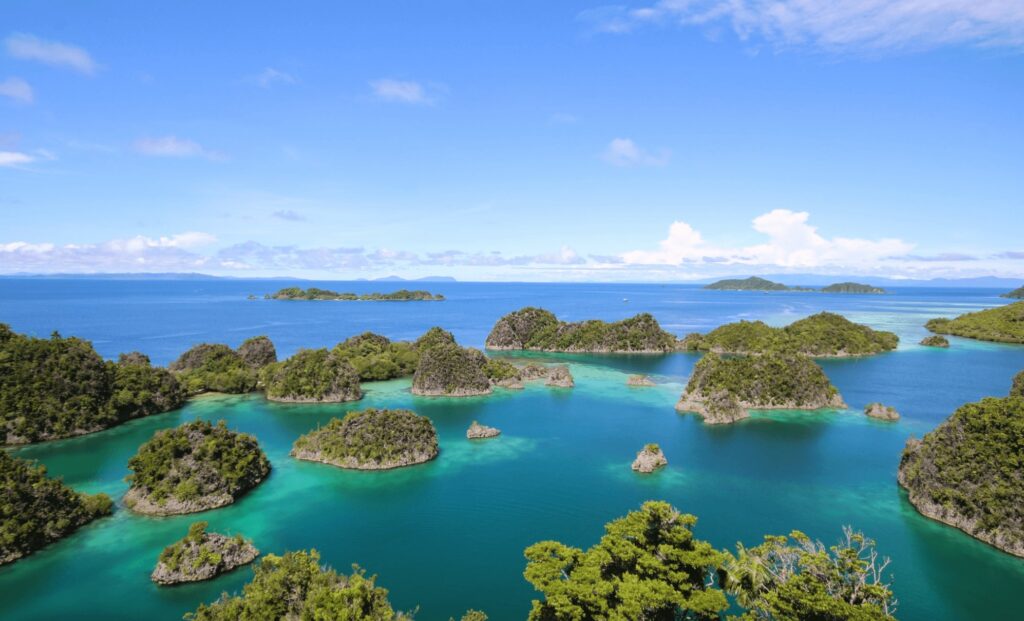
Located in Indonesia’s remote West Papua province, this spectacular archipelago is widely regarded as one of the best diving destinations in Indonesia…if not the world. And having dived all over the world, we have to agree.
With incredibly healthy coral reefs, an astonishing diversity of marine life and above-water landscapes that have to be seen to be believed, it’s a destination that deserves a place on every diver’s bucket list.
As part of the globally significant Coral Triangle, Raja Ampat is home to a staggering diversity of marine life. Whether you’re hoping to dive with oceanic manta rays, photograph tiny pygmy seahorses or simply drift above coral gardens teeming with fish, the underwater experiences here are hard to match.
Here’s everything you need to know about planning a Raja Ampat dive trip you’ll never forget.
This article may contain affiliate links, which means when you make a purchase through that link, we earn a small commission. Affiliate links come at no cost to you and ensure our content remains free!
Why Dive Raja Ampat?
Let’s get straight to the point: Raja Ampat supports one of the richest concentrations of marine life on Earth. This extraordinary biodiversity is fuelled by the nutrient-rich currents that flow through the Coral Triangle, bringing a constant supply of food.
During underwater surveys in Raja Ampat, scientists have recorded more than 550 species of hard coral (around 75% of all known hard coral species worldwide), as well as over 1,500 species of reef fish and hundreds of different types of molluscs.
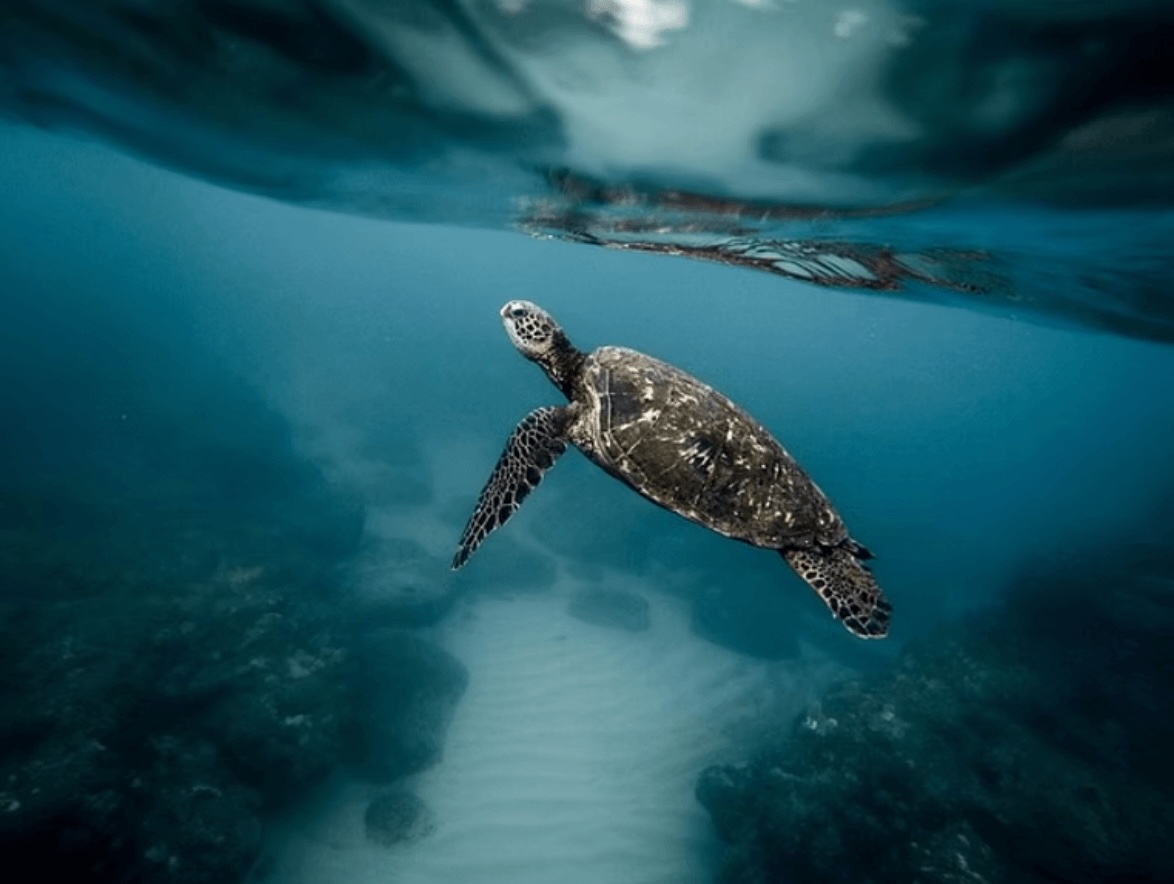
Raja Ampat’s waters also support an incredible variety of larger marine animals, including sea turtles, dolphins and, on rare occasions, whale sharks.
While diving here, we’ve seen blacktip reef sharks, whitetip reef sharks and grey reef sharks patrolling the reefs, as well as oceanic mantas cruising effortlessly above cleaning stations.
Raja Ampat is also a paradise for underwater photographers searching for rare and unusual species. The region is famous for its beautifully camouflaged wobbegong sharks and endemic walking sharks, which are often spotted beneath coral ledges during the day.
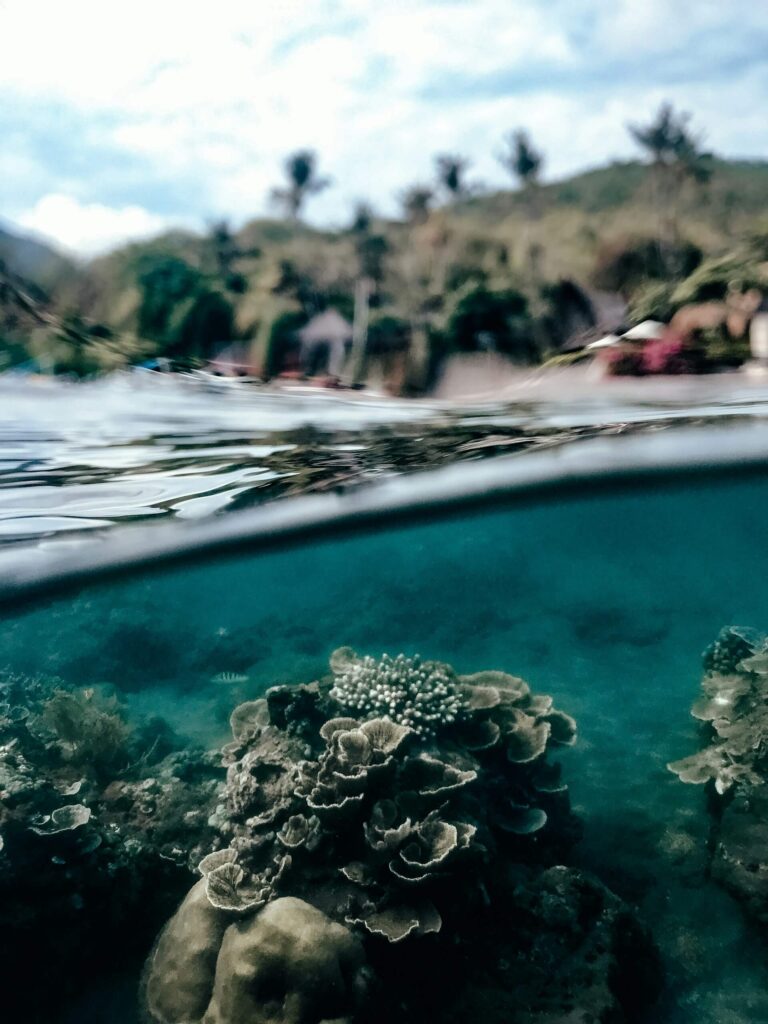
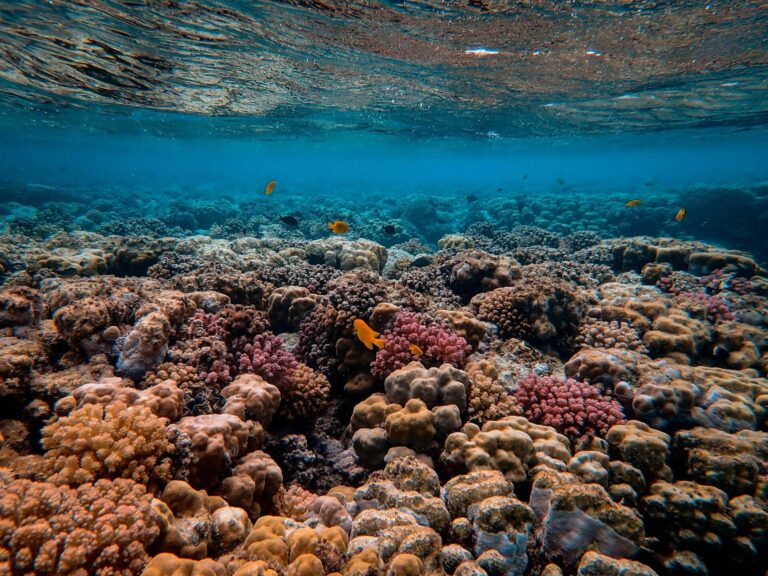
While the marine life is extraordinary, it’s Raja’s coral reefs that are arguably its greatest attraction. Unlike many reef systems around the world that have suffered significant decline or experienced heavy coral bleaching, this corner of Indo continues to support some of the healthiest coral ecosystems on Earth.
We’ve heard people describe diving in Raja Ampat as like “swimming in a living aquarium”. But honestly, no aquarium we’ve ever seen has been as majestic as what we’ve experienced here!
Getting to Raja Ampat
One of the reasons Raja Ampat remains such a special dive destination is its remoteness. But that also means that reaching the archipelago requires a little more effort than many tropical dive destinations. In short, it’s loooooong!
The main gateway to Raja Ampat is the city of Sorong in Indonesia’s West Papua province. Most international travellers first fly into one of Indonesia’s major hubs (Jakarta (CGK), Denpasar, Bali (DPS), or Makassar (UPG)) before catching a domestic flight to Sorong’s Domine Eduard Osok Airport (SOQ).
Most domestic flights arrive in Sorong the early morning hours (between 5:30 and 7:00), which is great if you’re trying to connect with a ferry departure to Waisai. But it also means you inevitably arrive feeling fatigued and that first day (after a red eye flight) can be a bit of a daze.
From Sorong, some visitors take the public ferry to Waisai, the capital of Raja Ampat. Ferries depart Sorong daily at 14:00 (some days there is a second ferry at 9:00) and the journey takes around two hours.
Currently, there is no online booking available – you just turn up at Pelabuhan Rakyat on the day of departure (get there an hour before) and buy your ticket.
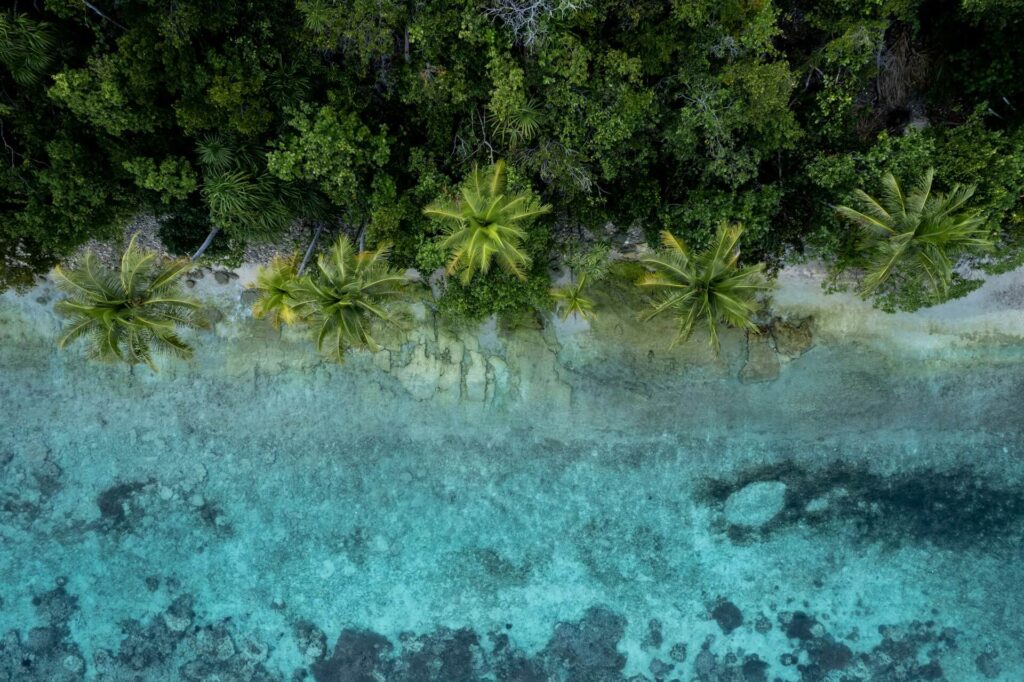
Once in Waisai, some travellers opt to base themselves in this small but bustling capital, while others connect by speedboat to their homestay or resort.
If you’re staying at a dive resort, they’ll likely offer speedboat transfers directly from Sorong. This is usually offered as an added extra at the time of booking.
The most affordable option is usually a scheduled transfer at a certain time on a particular day(s) of the week. However, you can sometimes arrange private transfers at a time/day that suits you, but you’ll be paying for the entire boat.
Guests joining a liveaboard are usually met at the airport or a designated hotel in Sorong and taken directly to their vessel. It’s the most hassle-free option available.
Because flight schedules in Indonesia can sometimes change due to weather or operational delays, I’d highly recommend building some flexibility into your itinerary when booking flights.
If you’re joining a liveaboard, I would arrive in Sorong at least one day before departure. Because if you miss the departure…you miss the departure!
It’s rare that liveaboards return late to port at the end of their voyage. So you can usually book a flight from Sorong on the same day with peace of mind. That said, I always take out travel insurance, just in case of travel disruptions that are outside of my control.
If you’re travelling directly to a dive resort by speedboat, there’s less at stake if your flight is delayed. Usually, you can arrange to be picked up at a later time or the following day, although this may cost you more….significantly more.
Personally, we always book a night in Sorong on arrival to avoid these situations. Plus, it gives us time to rest and recover from the overnight flight, ensuring we’re feeling fresh to enjoy the experience of being in Raja Ampat from Day 1.
Where to stay in Sorong
Last time we travelled to Sorong, we opted to stay at the Aston Hotel. It’s located right next to the airport and is super convenient if you need to rest after a red-eye flight or want to be within minutes of the terminal building for your flight out. Aside from the modern rooms and swimming pool, we particularly loved the breakfast buffet!

Best Time to Dive Raja Ampat
Unlike many tropical dive destinations that have clearly defined seasons, Raja Ampat offers relatively good diving conditions throughout most of the year. There isn’t really a “bad” time to visit.
However, seasonal changes can influence sea conditions, visibility, currents and access to certain dive sites/areas.
October to April: The Peak Diving Season
The period from October to April is generally considered the best overall time to dive Raja Ampat, with favourable conditions through the archipelago.
During these months, seas tend to be calm, weather conditions are predictable and there are frequent manta sightings at cleaning stations and feeding areas.
This season is particularly popular with liveaboards, as the calmer conditions allow vessels to access a wider range of dive sites throughout the archipelago.
But you know what that means? It’s more crowded and it’s not uncommon to encounter other liveaboard boats and dive groups underwater.
May to September: Uncrowded Diving with Regional Differences
The May to September period can still offer outstanding diving, although weather conditions vary slightly depending on where you are in Raja Ampat.
During these months, the Misool area can experience stronger winds and choppier surface conditions, which makes certain sites less accessible. That said, northern regions usually remain calm and continue to provide excellent diving opportunities.
Many experienced divers we’ve spoken to love this season because the crowds are low and the underwater experience is more peaceful.
Last time we visited was in May and it was wonderfully quiet. One of our dive buddies had been there the previous December and couldn’t believe the difference in diver numbers.
Water Temperature and Diving Conditions
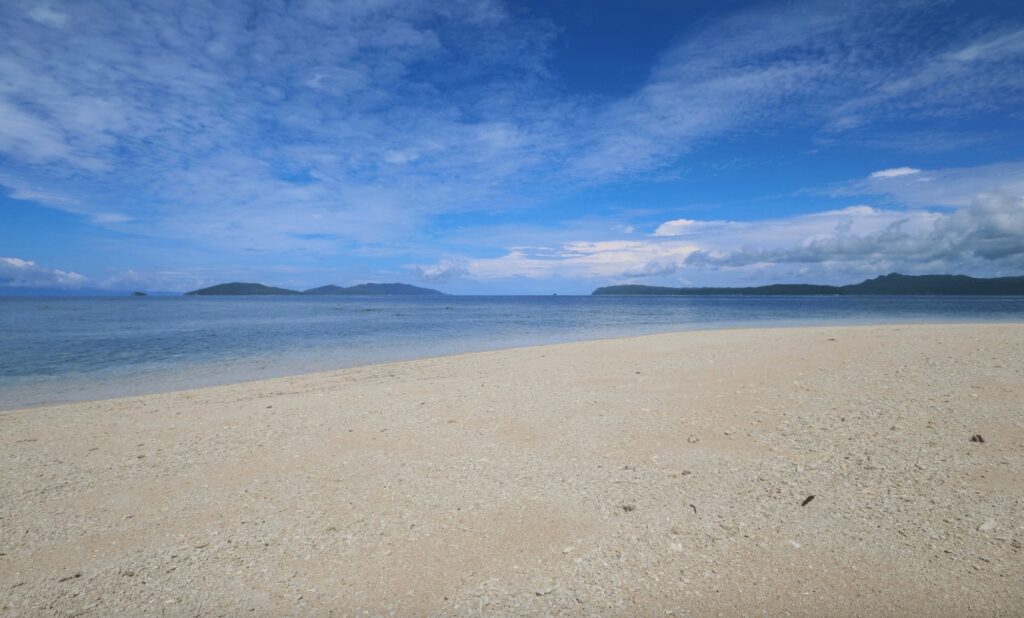
One of Raja Ampat’s greatest advantages is its consistently warm tropical water. Temperatures generally remain between 28–30°C (82–86°F) throughout the year, meaning most divers are comfortable in a 3mm wetsuit or even lighter exposure protection (depending on personal preference).
Currents are an important (and exhilarating) part of the Raja Ampat experience and we know this is something that concerns newer divers. While they bring nutrient-rich waters that attract large schools of fish and pelagic species, some dive sites can experience strong flows.
If you don’t want to encounter strong currents, there are lots of dive sites that are largely current-free. Just let your dive guide know at the beginning of your trip.
That said, to get the full Raja experience, we would recommend becoming comfortable in currents before your trip.
Different Regions for Diving in Raja Ampat
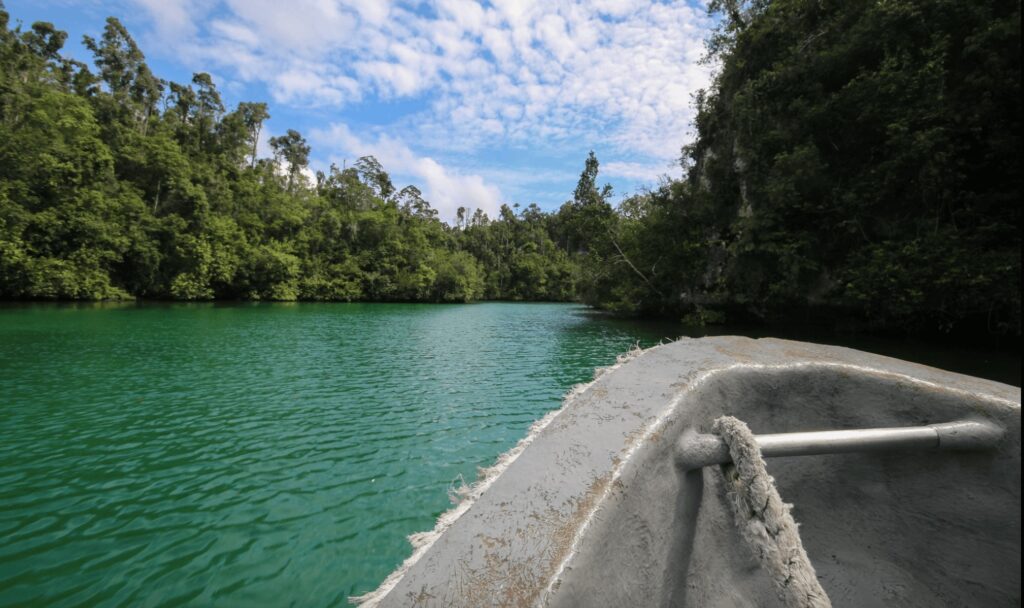
Raja Ampat encompasses more than 1,500 islands, with different regions offering their own distinct landscapes, dive conditions and marine life encounters.
Most dive trips focus on four main regions: Dampier Strait, Misool, North Raja Ampat and the lesser-visited southern and eastern areas.
Dampier Strait
The Dampier Strait is one of the most famous diving regions in Raja Ampat and is often the first introduction for visitors. Located between the islands of Batu Pencen, Gam and Batanta, this nutrient-rich channel experiences strong currents that attract enormous concentrations of marine life.
This area is home to some of Raja Ampat’s most iconic dive sites, including Cape Kri, Blue Magic, Manta Sandy and Sardine Reef.
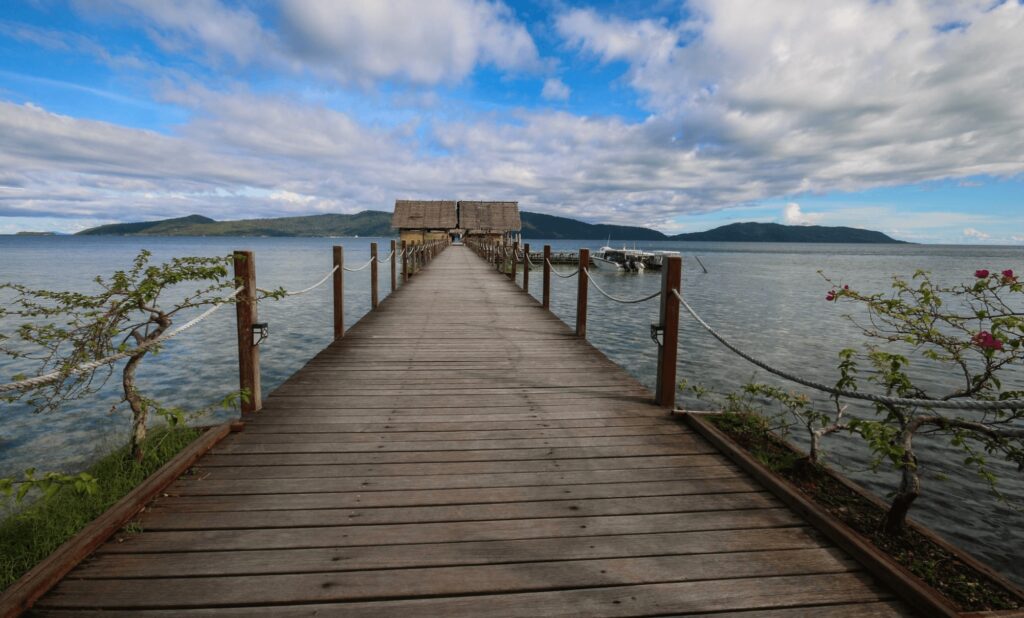
Dampier Strait is one of the easiest areas to access, with many dive resorts located on nearby islands such as Kri and Gam. We’ve stayed at Papua Explorers Resort on the southern coast of Gam Island, overlooking Dampier Strait.
Misool
Located in the southern part of Raja Ampat, Misool is famous for its dramatic scenery and is home to some of the most untouched reefs in the region.
It encompasses the Misool Marine Reserve, a protected area established through collaboration between local communities and conservation organisations. Some of the most popular dive sites in Misool include Boo Windows, Fiabacet and Magic Mountain.
Because Misool is more remote, it generally receives fewer visitors than Dampier Strait, offering a more exclusive diving experience.
North Raja Ampat
The northern islands of Raja Ampat, including Waigeo and Wayag, offer some of the region’s most dramatic above-water scenery and towering limestone karsts. The diving here is also excellent, with steep reef walls and beautiful coral formations.
North Raja Ampat is one of the best areas for combining diving with land-based adventures, including island hikes, kayaking and wildlife encounters.
South and Eastern Raja Ampat
The southern and eastern areas of Raja Ampat are less frequently visited but offer incredible opportunities for adventurous divers seeking quieter sites.
The diversity of habitats makes this area particularly interesting for photographers, with opportunities to find rare critters such as frogfish, pygmy seahorses and nudibranchs.
Because these areas are more isolated, they are most commonly visited on length liveaboard trips.
How Much Experience Do You Need to Dive in Raja Ampat?
This is a question that’s asked all the time and it’s not easy to answer. Rather than having done X amount of dives or been diving for X number of years, it depends more on your comfort level in the water, how deep you want to explore and the type of trip you prefer.
For most visitors, having an Open Water certification and some recent diving experience is enough to enjoy many of Raja Ampat’s shallow reefs. Provided you can control your buoyancy, manage your equipment and be calm in changing conditions, you’ll be fine.
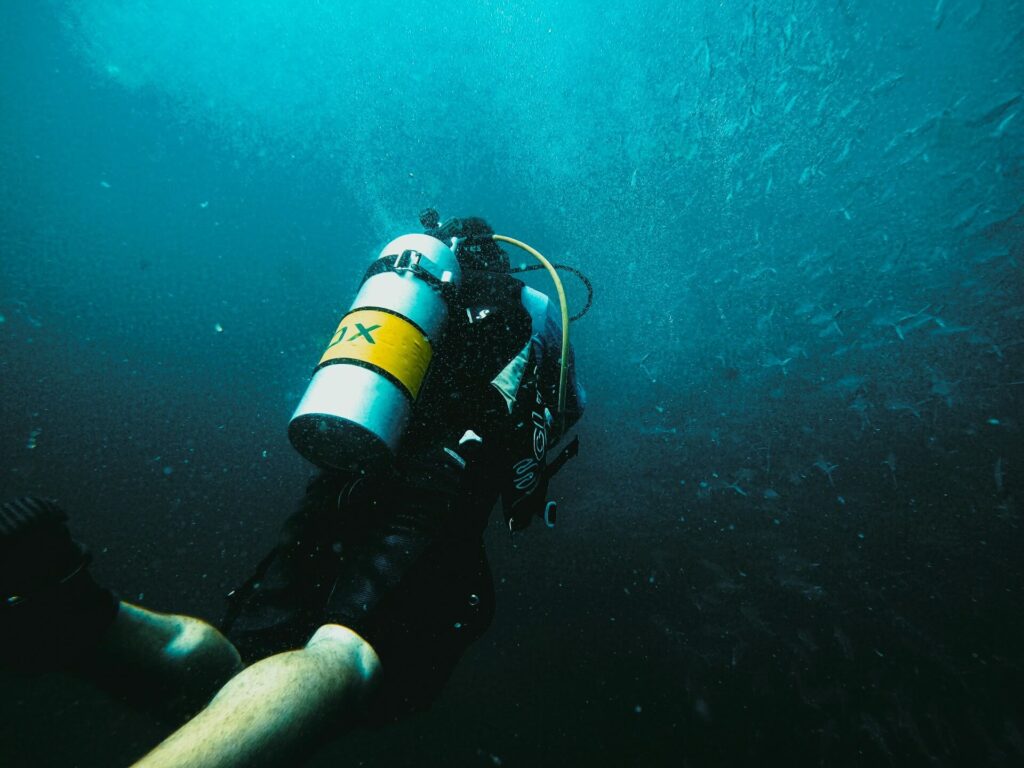
That said, some of Raja Ampat’s best dives involve strong or variable currents, including down or up currents at some sites. Others are deep walls or drop-offs where you hook on to watch passing pelagic action. This can be daunting if you don’t have a lot of experience.
If you’ve only completed your certification dives or haven’t been underwater for several years, you may find these conditions challenging.
A good dive guide will assess conditions on the day and choose sites appropriate for the group. But having solid fundamentals will make the experience much more enjoyable….and far less stressful for everyone involved.
Obviously, there’s no pressure to do any dives that you don’t feel equipped to do. But if you’re on a liveaboard or with an experienced group of divers, FOMO might kick in if everyone is jumping in the water but you.
It’s for that reason we suggest divers have their Advanced certification or at least a few dozens dives under their belt. Some experience with currents is recommended – it will give you the confidence to explore Raja’s pinnacles and drop-offs where large pelagic species gather.
Nitrox certification is also useful if you’re joining a Raja Ampat liveaboard or plan on completing multiple dives per day. It will allow you to extend your bottom time within safe limits and get more out of your Raja Ampat dive holiday. You can read more about Nitrox here.
Liveaboard vs Dive Resort vs Homestay
Choosing between a liveaboard, resort or homestay is one of the biggest decisions when planning a scuba trip to Raja Ampat. Each option offers a different way to experience the archipelago and none is “better” or “worse” than the other.
For the record, we’ve stayed at a dive resort and a homestay – a Raja Ampat liveaboard trip is still on our bucket list!
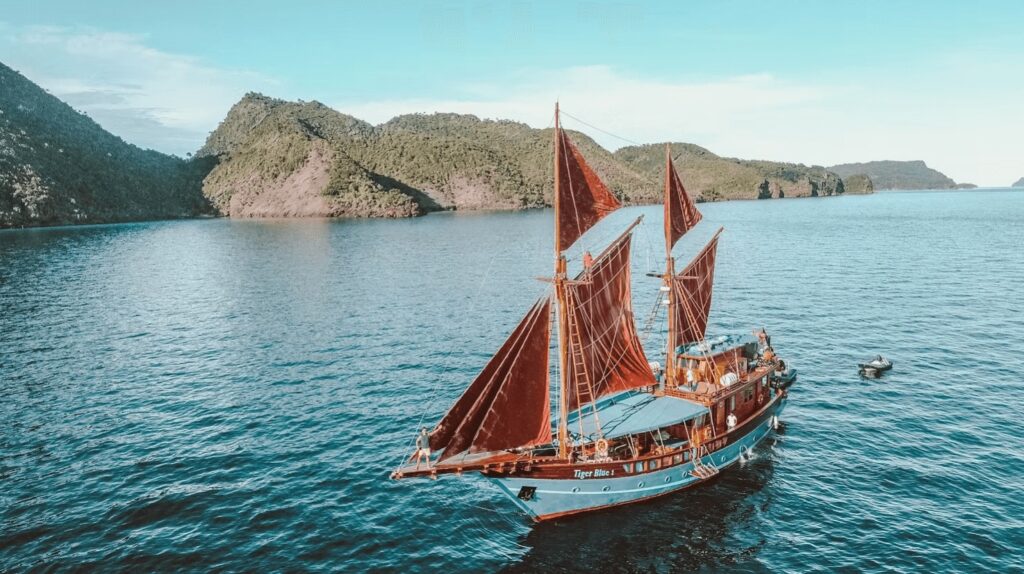
Liveaboards are ideal for dedicated divers who want to maximise their time underwater and explore remote sites. By sleeping and diving onboard, you can reach multiple regions and experience as much of Raja Ampat’s underwater diversity as possible.
The trade-off is less time on land, less flexibility in your daily schedule and a higher upfront cost.
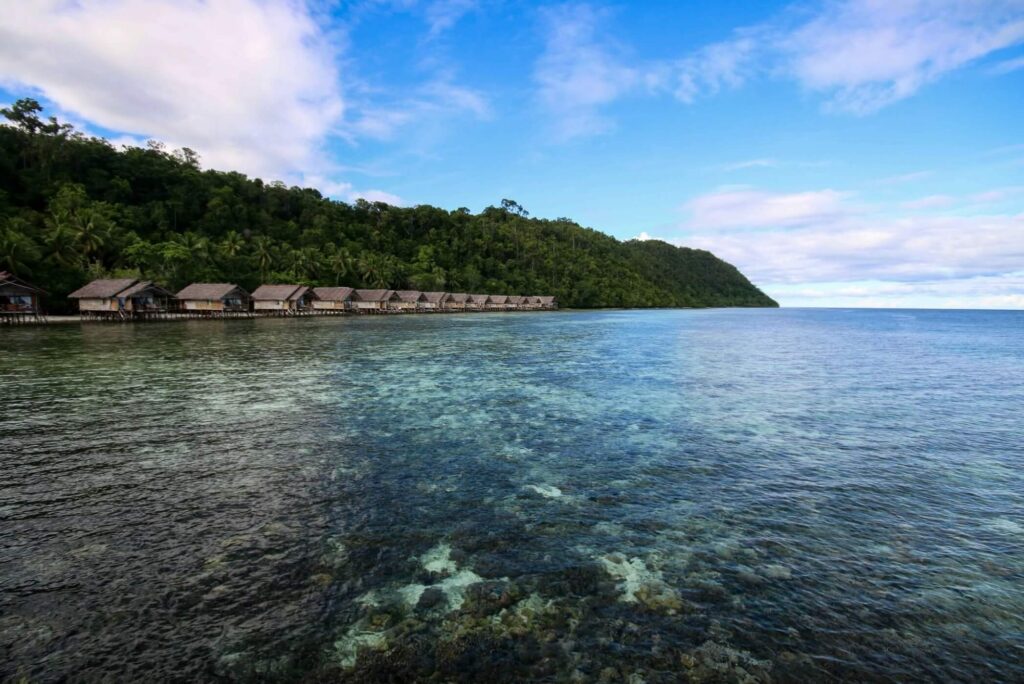
Dive resorts offer a slightly more comfortable way to experience Raja Ampat (bigger rooms) and are a great choice for travellers who want a balance between diving and other activities.
They are particularly suitable if you’re prone to seasickness or are travelling with a non-diver. While you’re out diving, they can snorkel, kayak or embark on island excursions.
The downside of a resort-based Raja Ampat dive trip is you’re restricted to sites that are within easy reach of the resort.
Homestays are a community-focused way to experience Raja Ampat and are usually the most budget-friendly option. Often run by local families, they allow you to connect with island communities while supporting local livelihoods and conservation efforts.
Homestay facilities are generally more basic than at resorts and the dive setups aren’t usually as sophisticated.
For more info about the differences between resort, liveaboard and homestay diving in Raja Ampat, check out our detailed article here.
How Much Time Should You Spend Diving in Raja Ampat?
Because getting to Raja Ampat takes a good chunk of time, it’s not the kind of place you visit for a long weekend or a few days away.
Personally, we would suggest staying for at least a week. Last time we were there for 10 days and that felt like just the right amount of time.
That said, the ideal length of stay depends on your diving goals, travel style and whether you choose a liveaboard, resort or homestay experience.
With a week in Raja Ampat, you could do around 15 dives (if we’re taking into account a no-dive day before you flight). That’s enough to get a glimpse of what the region has to offer and explore some of the most famous sites in Dampier Strait.
For many divers, 8–10 days is the “sweet spot” and you’ll see a lot of Raja Ampat liveaboards that operate within this timeframe. You can expect around 25 dives across several different areas, as well as time to explore some of the archipelago’s above-water attractions.
If you’re coming all the way to West Papua and want to experience as much of Raja Ampat as possible, then extend your trip to two weeks. This allows you to explore a diverse range of dive sites across Dampier Strait, Misool and northern Raja, as well as embark on shore excursions and cultural experiences.
For photographers and divers searching for the weird and wonderful, this extra time increases the chance of encountering rare species and capturing the perfect underwater moments.
Sustainable Diving in Raja Ampat
Raja Ampat is one of those rare places on Earth where you can experience coral reefs that remain astonishingly healthy and teeming with life. This hasn’t happened by chance. It’s the result of decades of conservation work, community-led marine management and regenerative tourism.
As a visitor, the choices you make both above and below the water can help ensure these reefs continue to thrive.
First and foremost, choosing a responsible dive operator makes a big difference. Many dive resorts and liveaboards actively support marine conservation in Raja by employing local guides, participating in reef monitoring programs and educating guests about environmentally responsible diving practices.
If you’re looking for recommendations, we can vouch for Papua Explorers and its liveaboard, the Coralia.
Supporting locally owned homestays and community-based tourism initiatives is a great way to ensure that tourism revenue benefits the people of West Papua. It also creates a strong incentive to conserve Raja’s marine ecosystems, rather than resort to destructive fishing practices or unsustainable coastal development.
Finally, be sure to respect local customs, follow marine park regulations and pay the required conservation fees (dive resorts and liveaboards will arrange this for you). These funds play an important role in protecting Raja Ampat’s coral reefs, supporting patrols against illegal fishing, funding scientific research and creating local employment opportunities.

PLAN YOUR TRIP WITH OUR FAVOURITE RESOURCES:
Find hotels and resorts via Booking or Agoda
Book tours and experiences via Viator or GetYourGuide
Find a rental car via Discover Cars
Book flights via Kiwi or Booking
Search for buses and trains via 12Go or Omio
Get travel insurance via SafetyWing
Buy a digital eSIM with Airalo
By purchasing through our links, you’ll be supporting our website at no additional cost to you


We are a team of passionate divers and surfers with decades of combined experience in the water and travelling to all corners of the globe.
After years of chasing waves and descending into the deep blue, we’ve created this resource to highlight sustainable surf camps, eco-dive resorts and conservation-focused ocean trips to help inspire your next adventure.
Eco Ocean Escapes was born out of a love of the ocean, an obsession with travel and a concern about the impacts of our adventures on the environments we explore.