7 Inspiring Coral Reef Conservation Projects Around the World
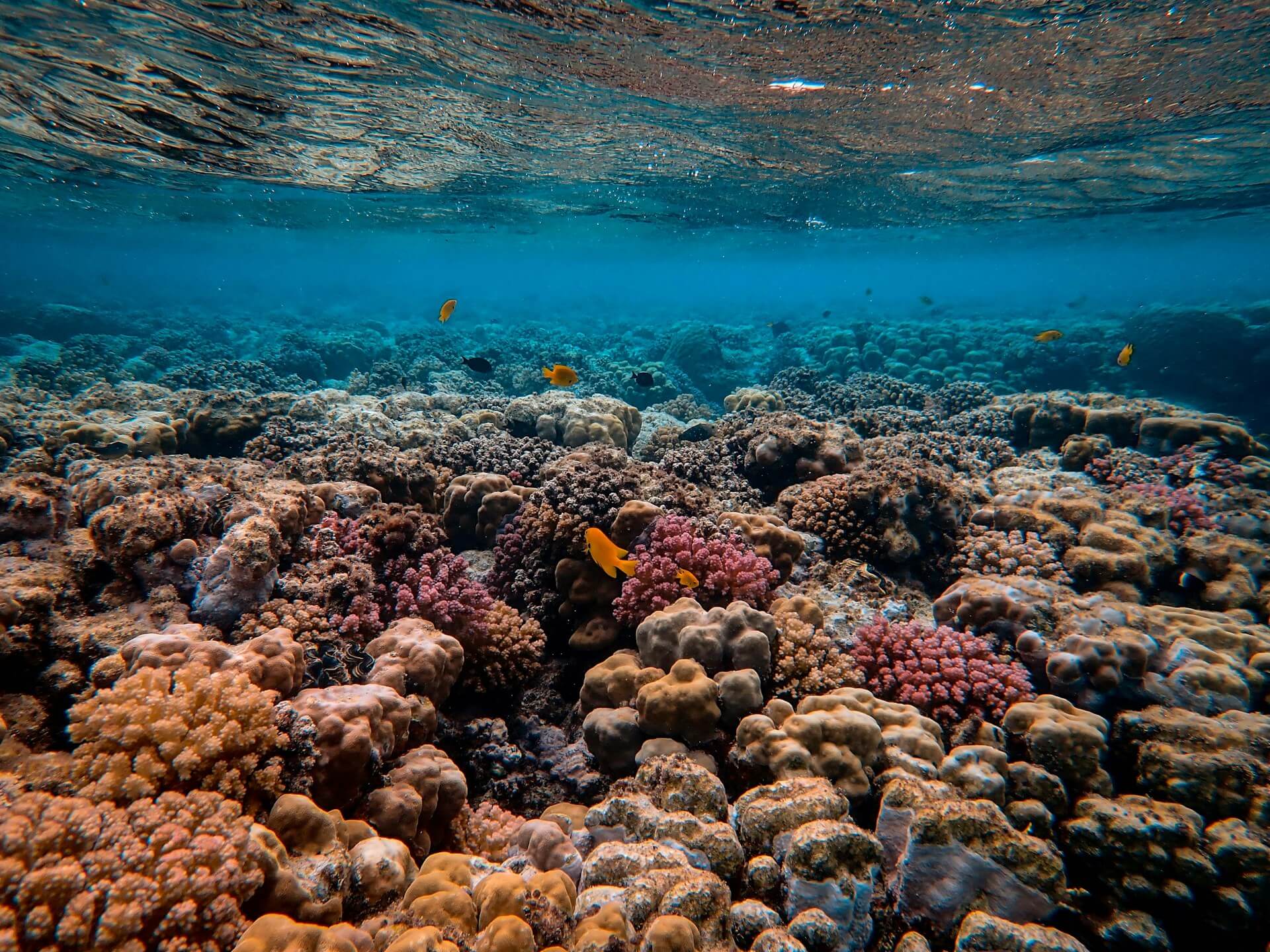
It might surprise you to learn that coral reefs cover less than 1% of the ocean floor, but provide habitat for an estimated quarter of all marine species. It’s mind-blowing!
Not only that, but they support the livelihoods of millions living in coastal communities around the globe and help to protect shorelines from wave and storm erosion.
Unfortunately, rising ocean temperatures, pollution, overfishing and coastal development (among other pressures) are putting reefs under enormous strain.
If you’re an ocean lover like us, it can be disheartening to face this reality. But we also know there’s hope.
People around the world are working incredibly hard to give damaged reefs a fighting chance. From coral nurseries and tourism-led initiatives to innovative scientific research and drawing on traditional knowledge, organisations are showing up to get new corals into the ocean, protect the surrounding ecosystem and reduce local pressures.
For surfers and divers, these projects offer another way to connect with the places we love and give something tangible back.
Not sure where to start? Here are 10 inspiring coral reef conservation initiatives around the world, some of which offer hands-on opportunities for volunteers to get involved.
This article may contain affiliate links, which means when you make a purchase through that link, we earn a small commission. Affiliate links come at no cost to you and ensure our content remains free!
1. Coral Restoration Foundation – Florida Keys and beyond
Based in Key Largo, the Coral Restoration Foundation (CRF) is one of those organisations we’d recommend following online if you want to remain hopeful and inspired.
Not only do they operate one of the world’s largest coral restoration programs, but their methods and tools are accessible to the international restoration community. That’s a big tick from us!
If there’s one major innovation CRF can take credit for, it’s the Coral Tree. Developed in 2011, these underwater structures suspend coral fragments in the water column, allowing them to grow in their natural marine environment. Then, the fragments are transplanted onto degraded reefs.
The technique is relatively simple, scalable and has since been adopted by restoration groups in other parts of the world.
Divers play an important role in the program, helping to maintain nurseries, monitor coral colonies and participate in restoration activities. Want to get involved? You can learn more here.
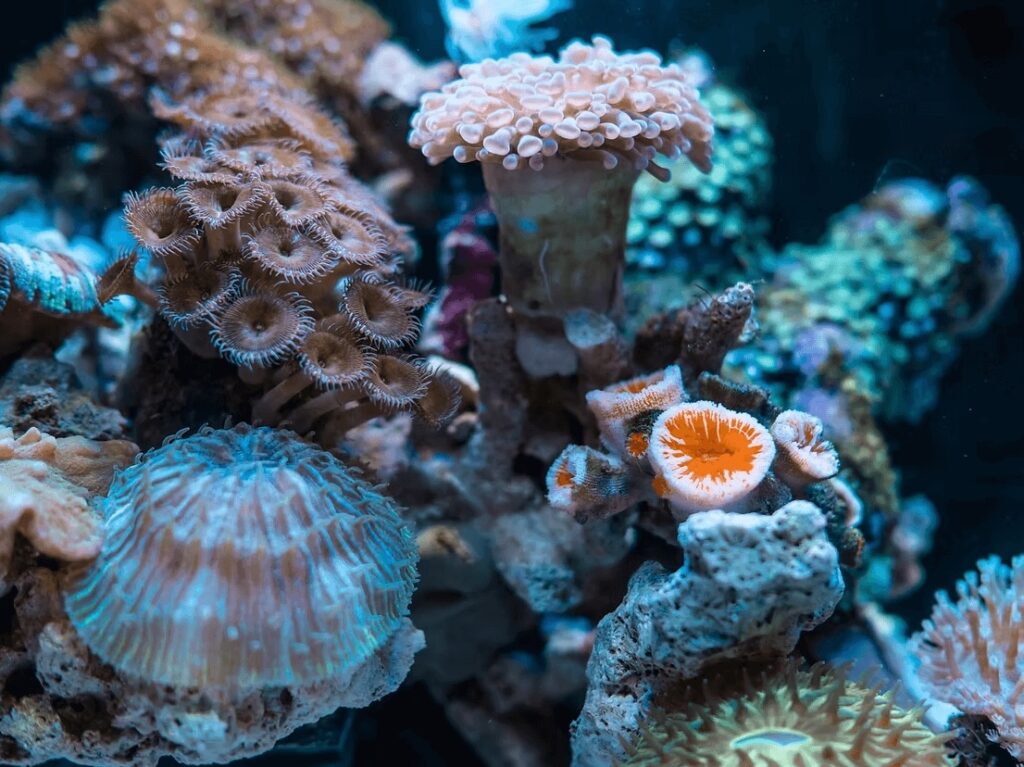
2. Coral Gardeners – French Polynesia and beyond
Coral Gardeners is one of those conservation stories that we find particularly inspiring.
The organisation was founded in 2017 by Titouan Bernicot, who grew up exploring the reefs of French Polynesia. After seeing reefs he loved become badly bleached, he and a group of friends began experimenting with coral restoration in Mo’orea.
What started as a small backyard nursery has since grown into an international reef-restoration movement, with local teams now working in Fiji and Thailand.
Currently, there are 12 active restoration sites, and to date, the organisation has planted more than 238,000 corals and restored over 25,000 square metres of reef. Want to follow their inspiring projects? Check out their socials here.
For travellers, there are opportunities to experience this work first-hand, whether you’re heading to Mo’orea, Thailand or Fiji. Coral Gardeners runs eco-tours to its lagoon nurseries, where you can learn about coral restoration, see the nursery structures and, depending on the experience, take part in fragmenting coral and replanting it onto reefs.
Can’t travel that far? You can also adopt a coral, with donations helping to support the organisation’s research, technology and the work of the “gardeners” themselves.
Want to learn more about diving in French Polynesia? Check out our detailed guide here.
3. Mars Sustainable Solutions – Maldives and beyond
Who knew one of the world’s biggest chocolate brands had links to coral reef restoration? Not us!
Since 2011, its sustainability team has been developing a restoration technique known as the Mars Assisted Reef Restoration System (MARRS), with projects in the Maldives, Australia, Mexico, Saudi Arabia and Hawaii.
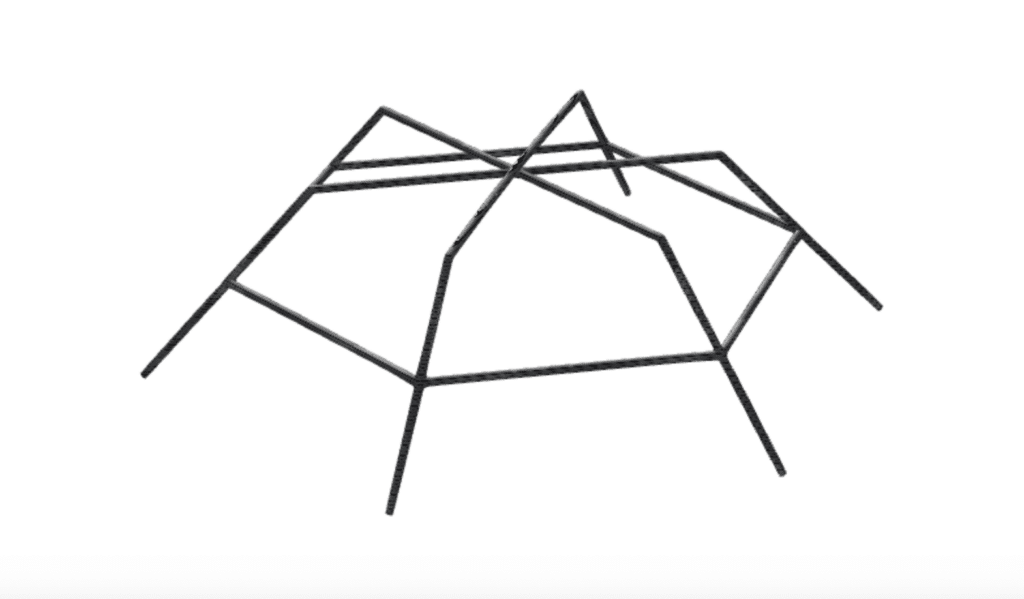
It all centres around the Reef Star– a hexagonal, sand-coated steel structure that is secured to damaged areas of reef and attached with fragments of living coral. Check them out here!
The idea is that these interconnected structures create a stable framework where corals can establish themselves and gradually become part of the natural reef.
The best part? It’s relatively low-cost, scalable and adaptable to different reef environments.
In the Maldives, Mars has worked with the local organisations and resorts to deploy Reef Stars and restore degraded sections of reef.
At Fulhadhoo, the Maldives Coral Institute has used the MARRS approach with measurable success. More than 400 square metres of reef was restored over two years, leading to a 40% increase in coral cover and a 730% increase in fish abundance! If you want to donate to their work, you can do so here.
4. Coral Triangle Initiative – Southeast Asia and Pacific
The Coral Triangle is one of the most biologically diverse marine regions on the planet and home to some of our favourite dive destinations. It encompasses the waters around Indonesia, Malaysia and Papua New Guinea, as well as the Philippines, Solomon Islands and Timor-Leste.
Because we love this area so much, we’re really interested in the approach of the Coral Triangle Initiative on Coral Reefs, Fisheries and Food Security. Rather than focusing on individual coral restoration projects, this multi-country partnership looks at the regional protection of marine ecosystems and support for the communities that depend on them.
Its work includes the establishment of marine protected areas and sustainable fisheries, as well as research into climate adaptation and biodiversity conservation.
Essentially, it’s acknowledging that coral reefs don’t exist in isolation. Protecting one patch of coral while allowing destructive fishing, pollution or poorly managed coastal development to continue elsewhere won’t solve the underlying problem.
5. Reef Restoration Foundation – Great Barrier Reef, Australia
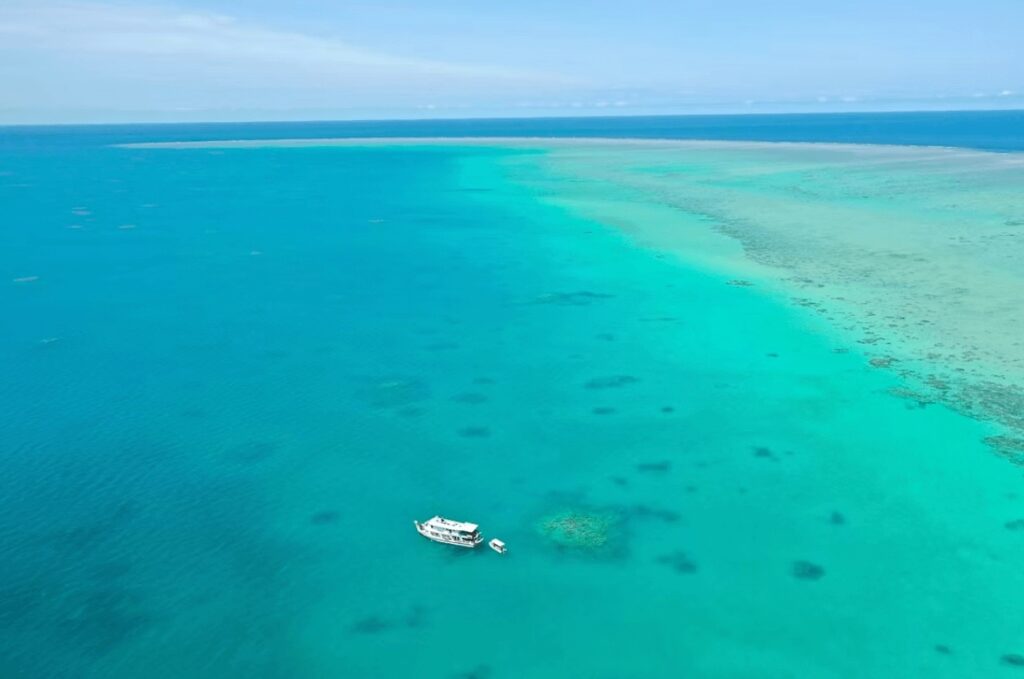
This is one that’s close to home for us – the Great Barrier Reef was the first place we dipped our toes into the world of diving. We’ve also seen firsthand the widespread bleaching that has affected this Natural Wonder of the World and it’s devastating, to say the least.
Established in 2017 after back-to-back bleaching events, the Reef Restoration Foundation set out to develop practical ways of helping damaged reefs recover while also improving their resilience to future warming.
Its first major project was an ocean-based, multi-species coral nursery at Fitzroy Island near Cairns. Here, small fragments are collected from healthy coral colonies, particularly corals that have survived periods of unusually high temperatures.
These fragments are attached to specially designed underwater structures (the Coral Trees mentioned above) where they can grow considerably faster than they would on the natural reef.
Volunteer divers play an important role in supporting the team during fieldwork on the reef (you must hold at least a Dive Master certification to apply). Alternatively, you can learn about coral restoration during educational talks and nursery visits while staying at Fitzroy Island Resort.
You‘ll find more innovative solutions for restoring the Great Barrier Reef in our detailed article here.
6. CoralCarib – Caribbean
Unfortunately, Caribbean coral reefs have experienced dramatic declines in recent decades – it’s due to a combination of overfishing, pollution, coastal development, coral disease and increasingly severe climate-related stress.
In response, CoralCarib has been launched by The Nature Conservancy and is on a mission to protect and restore coral reefs in Cuba, the Dominican Republic, Haiti and Jamaica.
Launched in 2023, the project takes an interesting approach to reef restoration: rather than simply choosing damaged reefs and planting new corals, it uses scientific modelling to identify “Coral Climate Refugia”. These are reef areas considered more likely to withstand future climate pressures and potentially help surrounding reefs recover.
We also love that CoralCarib works closely with local communities, with the understanding that healthy reefs can provide enormous economic and social benefits.
7. SECORE International – Global
SECORE International is taking a different approach to coral restoration by working with the natural reproductive cycle of corals, rather than relying primarily on fragments from existing colonies. Its focus is on breeding genetically diverse corals (which can contribute to reef resilience) and developing practical technologies that can make restoration more scalable.
During natural spawning events, scientists collect coral eggs and sperm, bring them together to fertilise the eggs and rear the resulting larvae. Once the larvae develop, they are encouraged to settle onto specially designed substrates before the young corals are eventually returned to damaged reef areas.
SECORE doesn’t simply develop techniques and carry them out itself. A major part of its strategy is training local conservation organisations to use and adapt coral seeding techniques.
Since it was founded in 2015, SECORE’s partner network has expanded across the Caribbean, with organisations in 11 countries having been mentored through its training and capacity-building program. The approach is now also being expanded into other regions, including the Indian Ocean and Pacific.
A Reason for Hope
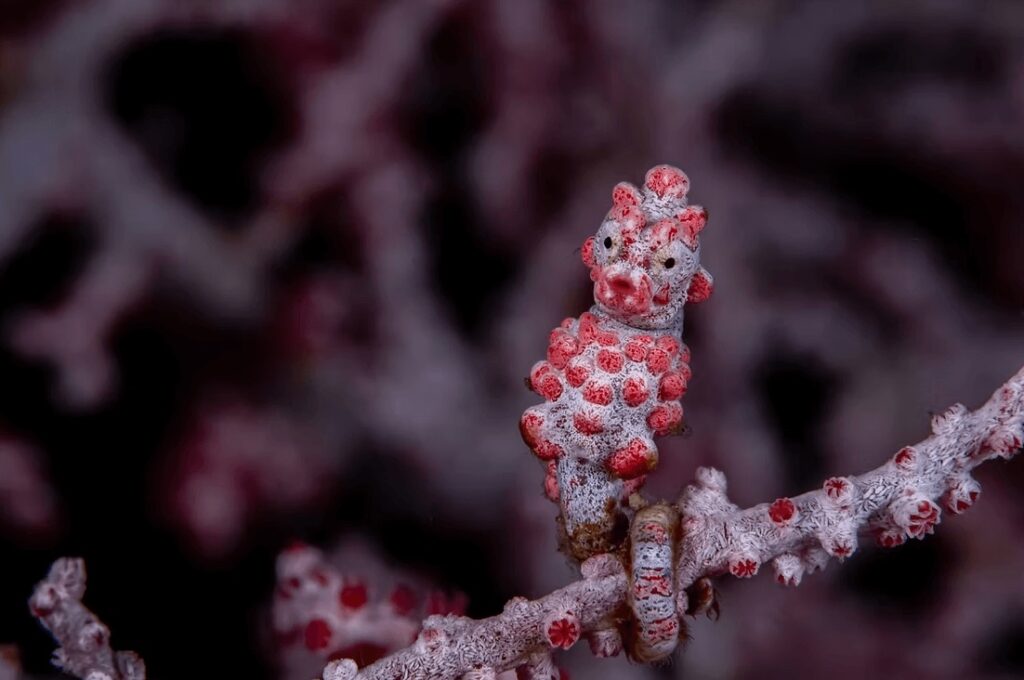
The challenges facing our coral reefs are enormous and it’s delusional to think any single project can solve them. We’re also the first to admit that coral restoration isn’t a substitute for addressing climate change, reducing pollution or protecting marine ecosystems from destructive activities.
But these projects provide something equally important: evidence that people are actively experimenting, learning and finding new ways to help reefs recover. And they provide hope.
As travellers, divers and ocean lovers, we have a role to play too. We can actively support marine conservation organisations (financially or through volunteer work), reduce our impact on oceans by making lifestyle changes and use our tourism dollars to reward businesses that take reef protection seriously.
PLAN YOUR TRIP WITH OUR FAVOURITE RESOURCES:
Find hotels and resorts via Booking or Agoda
Book tours and experiences via Viator or GetYourGuide
Find a rental car via Discover Cars
Book flights via Kiwi or Booking
Search for buses and trains via 12Go or Omio
Get travel insurance via SafetyWing
Buy a digital eSIM with Airalo
By purchasing through our links, you’ll be supporting our website at no additional cost to you


We are a team of passionate divers and surfers with decades of combined experience in the water and travelling to all corners of the globe.
After years of chasing waves and descending into the deep blue, we’ve created this resource to highlight sustainable surf camps, eco-dive resorts and conservation-focused ocean trips to help inspire your next adventure.
Eco Ocean Escapes was born out of a love of the ocean, an obsession with travel and a concern about the impacts of our adventures on the environments we explore.