Engaging Citizen Science Projects for Divers + How to Get Involved
Every dive is an opportunity, not just to explore our diverse ocean environments, but to contribute to ocean science.
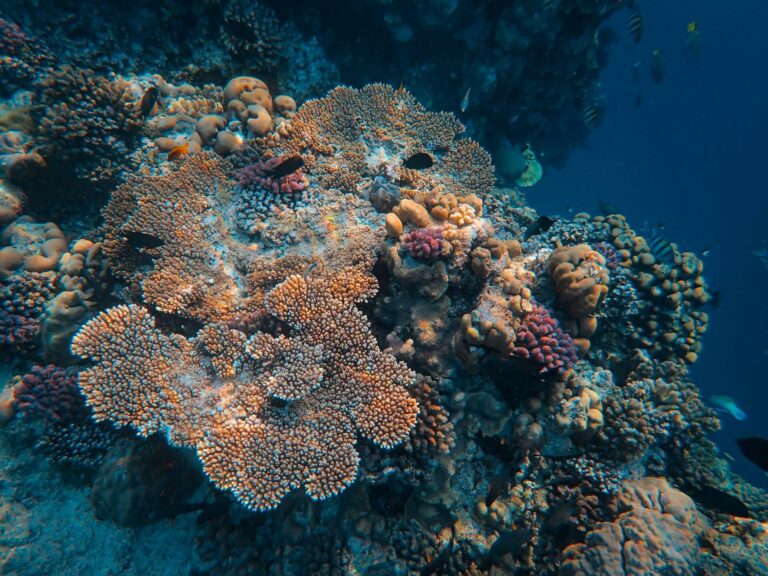
Around the world, recreational divers are helping researchers monitor coral bleaching, track shark populations, document marine debris and even identify new species. Imagine stumbling across a species that no one has ever seen before!
Through citizen science, your underwater photos and observations can become real data used by scientists, NGOs and conservation groups. And you don’t have to study for years to get a marine science degree!
We’ve seen citizen science programs in action throughout our dive travels and it’s always inspiring to get involved.
Sometimes, dive resorts (like Papua Explorers in Raja Ampat) have in-house foundations that are continually monitoring their surrounding reefs…and they actively encourage guests to get onboard.
In other situations, it’s individual divers who are uploading data to global or local citizen science programs, either while diving at home or on vacation.
If this sounds like something you’re interested in, this article is for you. In it, we’ll highlight 5 citizen science projects for divers and how you can get involved.
This article contains affiliate links, which means when you make a purchase through that link, we earn a small commission. Affiliate links come at no cost to you and ensure our content remains free!
What Is Citizen Science in Diving?
Citizen science encompasses a range of projects and initiatives that allow non-scientists to contribute to research projects by collecting data in the field.
For divers, this often includes photographing marine species, recording sightings and/or reporting invasive species.
It can also include monitoring coral health and bleaching events or documenting marine debris, in all its various forms.
As divers who are passionate about our ocean health, our team strongly believes that we are uniquely positioned to support ocean conservation. Divers have the skills to safely explore underwater environments and many of us are doing so with underwater cameras at our disposal.
So rather than just diving for fun, why not use your knowledge and abilities to contribute to science and support real-life marine conservation initiatives.
Global Citizen Science Projects Divers Can Join
1. Reef Check – observing reef health
Best for: Divers interested in structured, science-based surveys
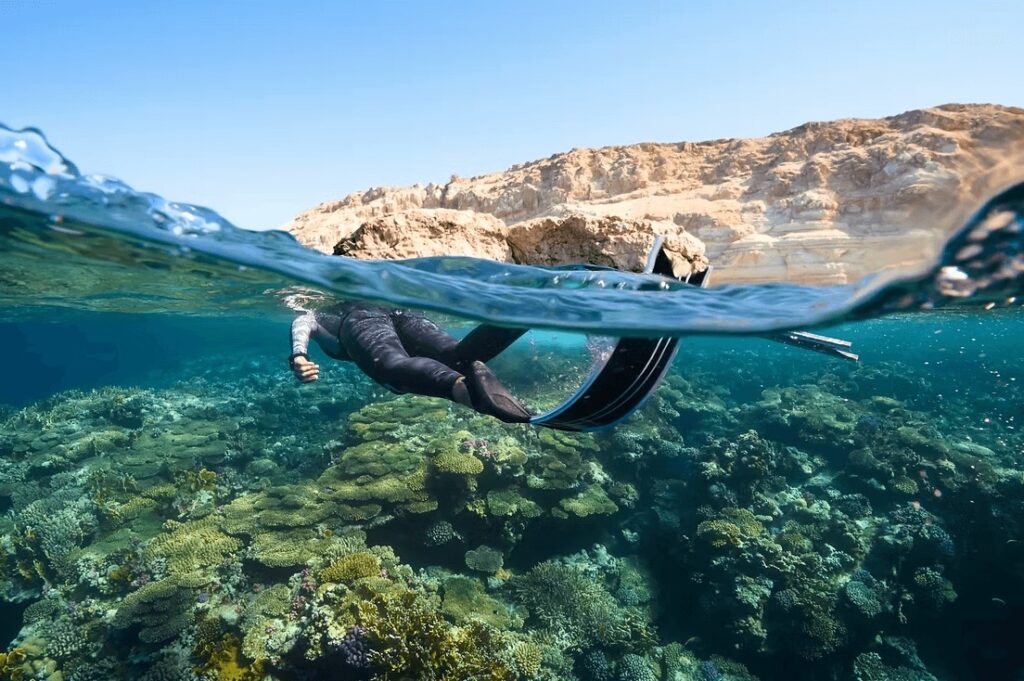
If becoming a marine biologist was on your “dream career” list…but it never quite happened, then joining the Reef Check EcoDiver program might be for you. As a trained volunteer, you’ll work with scientists around the globe to help combat a range of issues that impact our coral reefs today.
What you’ll do:
- Identify indicator fish and invertebrates
- Measure coral health
- Conduct transect surveys
Before any data can be accepted into Reef Check’s global database, you need to become a certified Reef Check EcoDiver, which involves completing a 3-day certification course.
2. CoralWatch – monitoring coral bleaching
Best for: Vacation divers who want an easy entry point into coral monitoring
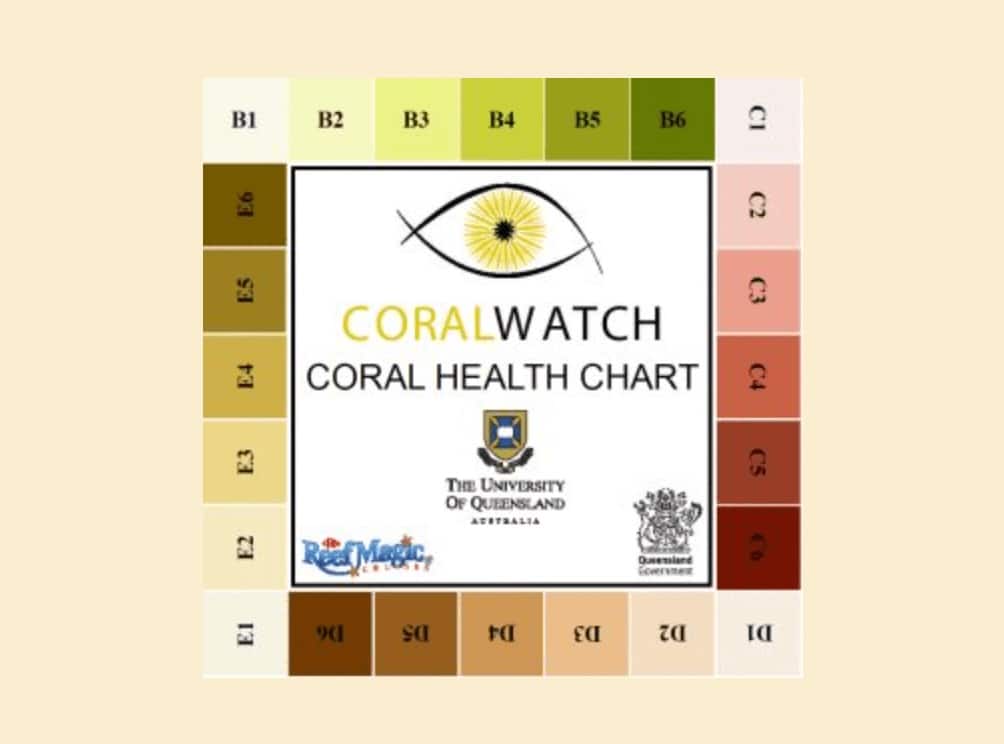
Based at the University of Queensland in Australia, this citizen science program has been running since 2002 and focuses on monitoring coral bleaching. CoralWatch is not only about collecting data, but also educating the community and increasing awareness about a range of reef-associated issues.
What you’ll do:
- Measure changes in coral colour associated with bleaching
- Conduct random or transect surveys
- Inspire other divers to get involved
All you have to do is download CoralWatch’s “do-it-yourself” kit (which is available in 12 languages) and apply for a CoralWatch Health Chart. Take it with you whenever you dive and record coral colour as an indicator of health.
3. iNaturalist – coastal & marine wildlife logging
Best for: Underwater photographers and macro enthusiasts
If you take underwater photos, you’re already halfway there! iNaturalist wants clear images and location data of marine species to help them identify changing patterns.
What you’ll do:
- Photograph marine species
- Upload observations via the app
- Discuss your findings with other citizen scientists
The best part? No special training is required!
iNaturalist uses AI and community identification to classify species (you can get involved with that too if it piques your interest). Scientists then use the observations for biodiversity research – mapping the distribution of species, invasive organisms and seasonal changes.
4. REEF – fish identification & invasive species removal
Best for: Divers who enjoy species ID and structured programs.
Founded in 1990 in Florida, the Reef Environmental Education Foundation is all about getting local communities involved in conservation-focused activities. It offers citizen science programs in North and Central America, the Caribbean and Hawaii, as well as the Indian Ocean, the Mediterranean and the Red Sea.
REEF’s main citizen science projects are:
- Volunteer Fish Survey Project – surveying and identifying fish during recreational dives
- Grouper Moon Project – monitoring Nassau Grouper spawning aggregations in the Cayman Islands
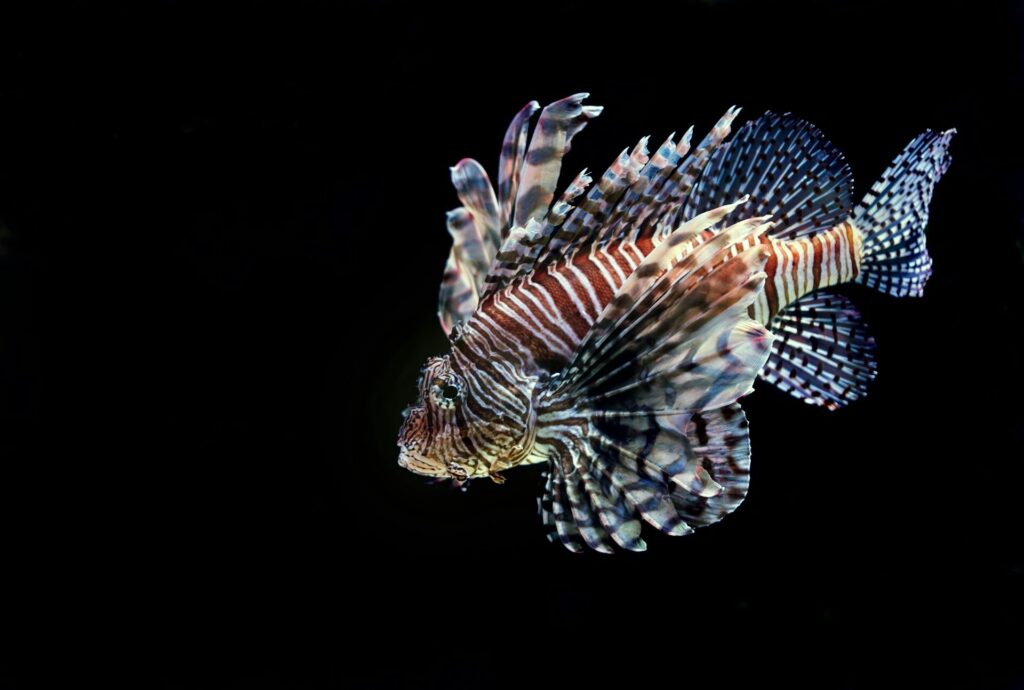
- Invasive Species Program – recording sightings of invasive species and removing lionfish
- Organised field trips to global dive hotspots to conduct fish surveys
If you want an entry level citizen science experience combined with an incredible dive adventure, we think REEF’s field trips are the way to go. They have upcoming trips planned in Fiji, Raja Ampat, the Philippines and Bonaire.
5. Marine Debris Tracker – logging plastic pollution and debris
Best for: Divers concerned about plastic waste and ocean debris
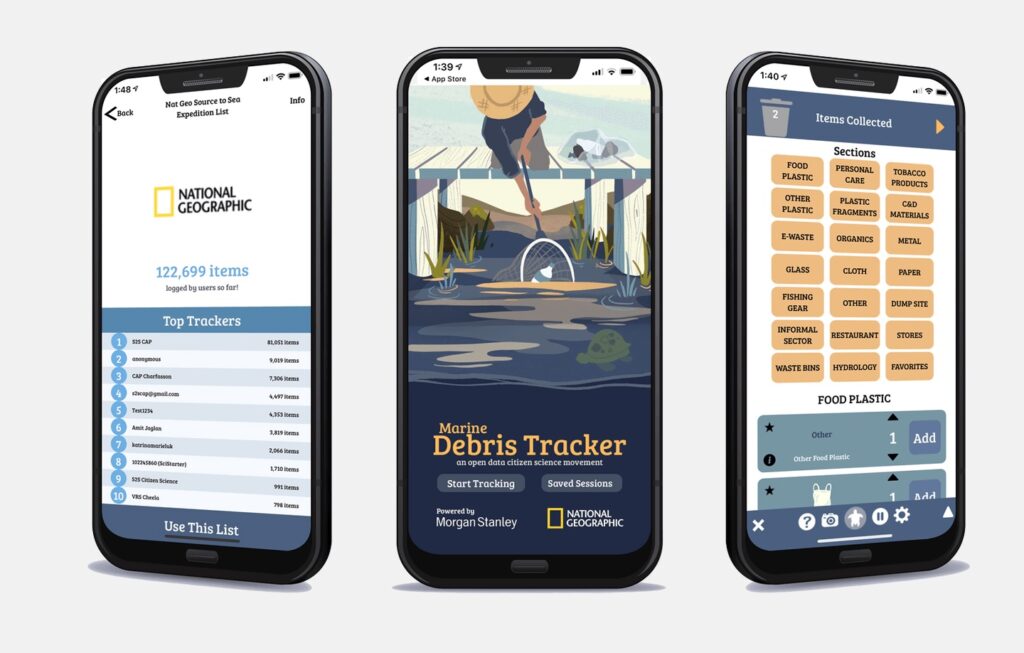
If you’re worried about plastic pollution in our oceans and want to do something about it, then this citizen science program is for you. Marine Debris Tracker has an easy-to-use app that allows you to record litter you see in the ocean and coastal environments.
What you’ll do:
- Log plastic pollution you find on beaches
- Document location, type and quantity of debris
How does this help? It’s all part of creating global datasets that can be used for plastic pollution research and policy making around the globe.
To learn more about the issue of plastic waste in our oceans, check out our Great Pacific Garbage Patch explainer.
How to Get Involved in Citizen Science Projects for Divers
1. Choose a Project That Matches Your Dive Style
- Tropical reef diver? → CoralWatch or Reef Check
- Pollution warrior? → Marine Debris Tracker
- Photographer? → iNaturalist
- Data-driven diver? → REEF
Remember, you don’t need to sign up for everything. Start with one citizen science project and decide if it’s right for you. If you love it and want to expand, you can get involved with another.
2. Download the App or Join the Local Chapter
Some citizen science projects for divers have an app where you upload info, while others have websites with an online submission portal. Either way, get acquainted with how you will be sharing data and make sure you’re comfortable with the method.
In some cases, getting involved with a citizen science project means joining an in-person volunteer team at the local chapter of a marine conservation organisation. Before getting your heart set on a program, make sure they are active in your area or look for local alternatives.
3. Learn the Basic Protocol
To ensure your data is scientifically valid, you might need to undertake some training. In most cases, this is just watching a short tutorial or downloading a resource pack that has all the info you need.
Many dive centres offer citizen science specialties in partnership with conservation organisations. This is a great way to get involved if you like hands-on, in-person training.
During these courses, you’ll learn about fish identification, survey methodology and how to ensure your data collection meets scientific requirements.
4. Inform Your Dive Operator
If you’re diving on vacation, let your dive shop know you’re participating in a citizen science project. Many operators actively support conservation participation and they’ll do what they can to help you identify species and carry out surveys.
It’s also a great opportunity to spread the word to divers from around the world who may be congregating at that destination. Perhaps they’ve never heard of the program and will go home and research how they too can get involved.
5. Log and Submit Your Data Promptly
Accuracy matters in scientific research, so be sure to follow all instructions when it comes to logging and submitting your data. Always record the depth, time and location of your dives and submit survey results while the details are still fresh.
If you’re taking underwater images, make sure that they are clear and provide an accurate means of species identification.
6. Share Results & Inspire Other Divers
With social media, it’s really easy to let your family and friends know what you’re up to…and that includes citizen science projects.
You never know who might discover your post about a coral bleaching survey or an invasive species removal initiative and be inspired to take action too.
The more divers who are involved with citizen science projects, the more data that is collected and the stronger the conservation outcomes can be.
Why Citizen Science for Divers Matters
Okay, so we might be stating the obvious, but our oceans are HUGE. Professional scientists can’t be everywhere at once.
Added to that, there are so many issues impacting our coral reefs and marine life that they can’t be tackled by professionals alone. That’s where divers come in.
Recreational divers collectively log millions of dives per year. That’s an enormous, untapped data source!
By getting involved with citizen science programs for divers, you can track coral bleaching events, identify biodiversity hotspots and contribute to a better understanding of shark population trends.
At the same time, it will deepen your connection with the ocean and create a sense of purpose that you are part of the solution. Instead of being simply an underwater visitor, you become a contributor – part of a global network documenting ocean health in real time.
PLAN YOUR TRIP WITH OUR FAVOURITE RESOURCES:
Find hotels and resorts via Booking or Agoda
Book tours and experiences via Viator or GetYourGuide
Find a rental car via Discover Cars
Book flights via Kiwi or Booking
Search for buses and trains via 12Go or Omio
Get travel insurance via SafetyWing
Buy a digital eSIM with Airalo
By purchasing through our links, you’ll be supporting our website at no additional cost to you
-
7 Inspiring Coral Reef Conservation Projects Around the World
It might surprise you to learn that coral reefs cover less than 1% of the ocean floor, but provide habitat for an estimated quarter of all marine species. It’s mind-blowing! Not only that, but they support the livelihoods of millions living in coastal communities around the globe and help to protect shorelines from wave and…
-
Plan a Surf + Yoga Retreat at Rascals: An Adults-Only Hotel in Kuta, Lombok
Tucked away on a quiet street off Kuta’s main drag, Rascals was our stay of choice on our last visit to Lombok. It had been on our radar for many years, but we’d always returned to Mana Eco Retreat – a place we’d fallen in love with for its tranquil cabanas, vegetarian-friendly restaurant and incredible…
-
The Blue Revolution: How Ocean Conservation Is Changing Travel
If you’re anything like us, the ocean is what fuels your travel adventures. Over the last 20+ years, we’ve flown across the globe to dive with manta rays, kayak above coral reefs and surf legendary waves. But there is an uncomfortable contradiction at the heart of ocean tourism: the healthier the marine environment, the more…
-
Climate Change in the Ocean: A Guide for Surfers + Divers
When we think about climate change, our attention naturally turns to what we can see on land or are experiencing first hand: rising temperatures, melting glaciers, wildfires and more intense weather events. Many of these are well-reported on the nightly news and it’s devastating to see intense wildfires ripping across landscapes and floods wreaking havoc…
-
Resort vs Liveaboard vs Homestay Diving in Raja Ampat: Choosing the Right Experience
Raja Ampat is one of my favourite diving destinations in Indonesia. In fact, that’s probably an understatement. Raja is one of my favourite places to dive anywhere in the world. The underwater experiences I’ve had here are nothing short of extraordinary…and that’s not taking into account the incredible above-water scenery. It really does feel like…
-
How Sunscreen Affects Coral Reefs + Marine Life
If you’re anything like us, applying sunscreen is second nature before heading out to surf or spending a day on a dive boat. In fact, our skin type means we need to apply sunscreen before we step outdoors…full stop! Since we were little, it’s been drummed into us that sunscreen protects our skin from harmful…


We are a team of passionate divers and surfers with decades of combined experience in the water and travelling to all corners of the globe.
After years of chasing waves and descending into the deep blue, we’ve created this resource to highlight sustainable surf camps, eco-dive resorts and conservation-focused ocean trips to help inspire your next adventure.
Eco Ocean Escapes was born out of a love of the ocean, an obsession with travel and a concern about the impacts of our adventures on the environments we explore.