
Regenerative Tourism: Is This The Future of Travel?
For the last decade, sustainable tourism has been a buzz word and it’s something we talk about a lot here at EcoOceanEscapes. It reflects a global concern around climate change and mitigating the negative impacts of our travel obsession.
Sustainable travel is largely framed around minimising damage by doing things like reducing plastic waste, opting for “eco” accommodation and being mindful of resource use.
While all of these efforts are valid and shouldn’t be overlooked, they’re centred around the concept of “do less harm”. Today, many people working in the travel industry (including us!) are asking if we couldn’t be more ambitious.
What if tourism could actively restore ecosystems, strengthen communities, preserve culture and improve local quality of life?
It’s this idea that sits at the heart of regenerative tourism.
Unlike traditional tourism models focused primarily on economic growth, regenerative tourism treats destinations as the living systems they are, with ecological, cultural, social and economic needs.
The goal is not merely to sustain what exists (or stop further damage), but to renew and…well…regenerate. It’s all in the name!
Every time we’ve engaged in regenerative tourism (staying at community-run accommodation, participating in citizen science projects), we’ve left feeling inspired. So it’s not only local communities who benefit, but us, as travellers…and future generations of tourists.
So what exactly is regenerative tourism and how can it be applied to address issues surrounding climate change, biodiversity loss, overtourism and cultural homogenisation?
This article may contain affiliate links, which means when you make a purchase through that link, we earn a small commission. Affiliate links come at no cost to you and ensure our content remains free!
What Is Regenerative Tourism?
Regenerative tourism is a development model (and travel philosophy) designed to leave destinations healthier and more resilient than they were when visitors arrived.
The concept draws from regenerative agriculture (focused on restoring ecosystem health), systems thinking (a holistic problem-solving framework), Indigenous stewardship practices and community-led development.
Rather than seeing tourism as a transactional industry, where tourists consume experiences and destinations/local communities provide services, regenerative tourism sees travel as more of a “relationship”. It should be mutually beneficial…and not just in an economic sense.
Of course, the relationship should take into consideration the economic needs of local communities. But it should also consider cultural identity and environmental responsibility.
In practical terms, regenerative tourism asks a few key questions:
- Does tourism improve the health of local ecosystems?
- Are local communities gaining long-term benefits and agency from tourism?
- Is cultural heritage being strengthened rather than commodified?
- Are visitors developing deeper understanding and responsibility?
- Will future generations inherit a more resilient place?
Regenerative Tourism vs Sustainable Tourism: What’s the Difference?
If you’re thinking: “That all sounds a lot like sustainable and/or responsible tourism”, you’re not wrong.
Sustainable tourism and regenerative tourism are definitely related. But we would also argue that there are key differences.
Sustainable tourism often focuses on reducing negative impacts:
- Lower carbon emissions
- Less waste
- Reduced environmental degradation
- Conservation initiatives
- Ethical sourcing
Regenerative tourism strives to create positive net outcomes:
- Restoring ecosystems
- Revitalising local economies
- Rebuilding biodiversity
- Supporting Indigenous land management
- Strengthening social cohesion
- Deepening cultural understanding
To put it another way, sustainable tourism is focused on harm reduction while regenerative tourism asks: “How can tourism become a force for good?”
Regenerative Tourism: How Did We Get Here?
People have been travelling for leisure since antiquity. But there have been notable surges in tourism throughout history – the development of the railways in the 19th century and the rise in low-cost air travel in the late 20th century are two that immediately come to mind.
So why is it only now that we’re talking about regenerative tourism and changing the way we approach travel?
1. Overtourism Has Reached a Breaking Point
Some of the world’s most famous destinations are struggling with excessive visitor pressure, referred to more commonly as “overtourism”. And we’re not just talking about the inconvenience of crowded attractions here.
When not held in check, this can lead to cultural erosion and environmental degradation, as well as housing shortages caused by short-term rentals.
Collectively (and together with other issues, like bad tourist behaviour), this has contributed to a rise in resentment toward tourists. We’ve seen it in places like Bali, Siargao and Barcelona, where locals have take to the streets in protest.
In response, cities and regions across the globe are starting to introduce visitor caps and tourism taxes, as well as place restrictions on cruise vessels. It’s leading to a shift in the “growth-at-all-costs” model that has generally reigned supreme in the tourism industry.
Regenerative tourism is offering an alternative to overtourism and is becoming increasingly appealing to travellers wanting authentic and culturally immersive experiences.
2. Climate Change Is Reshaping Travel
Tourism both contributes to and suffers from climate change. There’s no denying it. As much as we’d like to, we can’t pretend that our adventures abroad aren’t having an impact.
Air travel/cruise ship emissions, excessive resource consumption and infrastructure development all create environmental pressure. Resorts are being built along fragile coasts, causing devastating destruction in their wake, and with the rise in millionaires (and billionaires), private jet travel is becoming more “mainstream”.
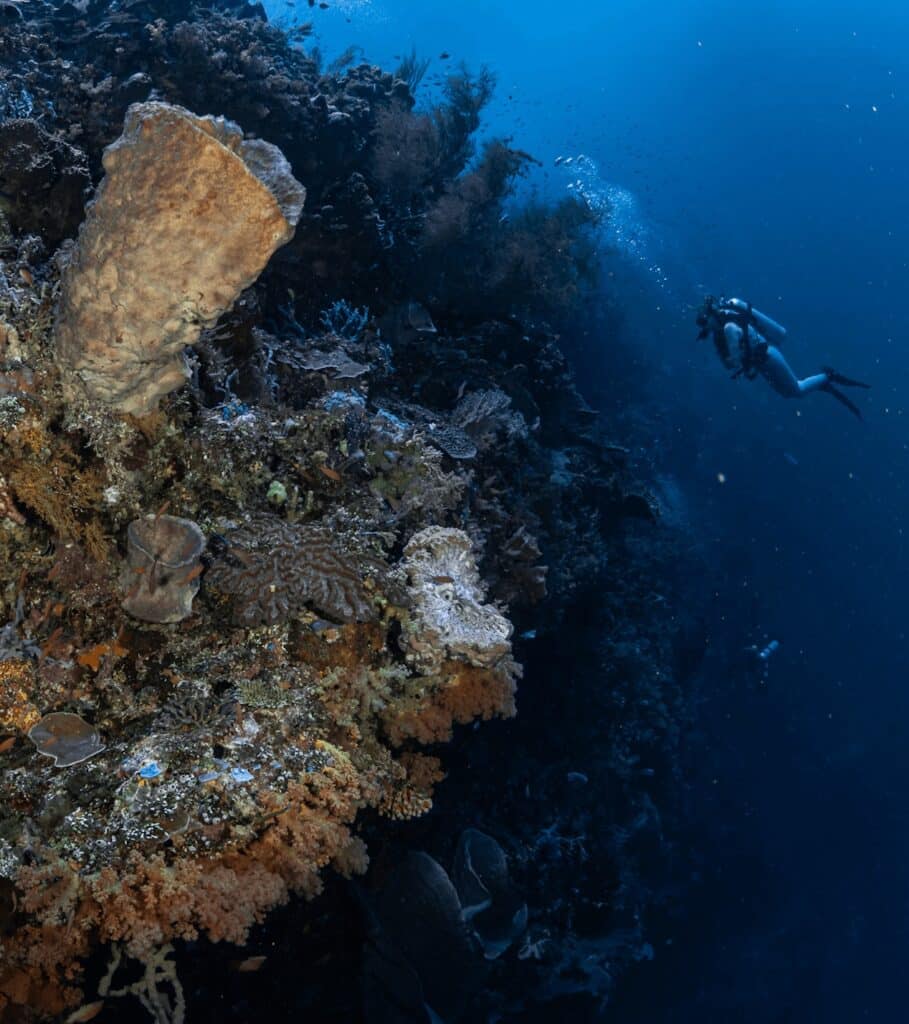
At the same time, many tourism destinations are facing coral bleaching, water scarcity and biodiversity collapse as a direct result of climate change.
These are issues that we are all contributing to in our day-to-day lives – driving to work, heating/cooling our homes and eating food that has been transported halfway across the world.
Regenerative tourism attempts to reconnect travel with ecological stewardship, instead of extractive consumption. It acknowledges the impacts of climate change on local communities (and our individual complicity) and actively seeks to do something about it.
3. Travellers Want More Meaningful Experiences
As travel becomes more accessible and tourist numbers soar, there’s a heightened consciousness about the impact it is having on local communities and ecosystems.
At the same time, we’re becoming disillusioned by “overtouristed” destinations. If you’ve braved the crowds at Versailles or fought for gallery space in the Louvre, you know what I mean.
Many people want to bypass “tourist traps” in favour of genuine cultural exchanges and purpose-driven journeys. They want to travel without the crowds while also having a meaningful (even life-changing) experience.
This shift is especially visible among younger travellers, many of whom prioritise values and impact over convenience and luxury. But there are also plenty of seasoned travellers (like us!) who want to create a better world in the wake of our adventures.
Regenerative tourism aligns with those changing expectations. It’s about community connection, slower travel and environmental responsibility that often centres around hands-on conservation and cultural experiences.

Real-World Examples of Regenerative Tourism
Eco-Commitment in Palau
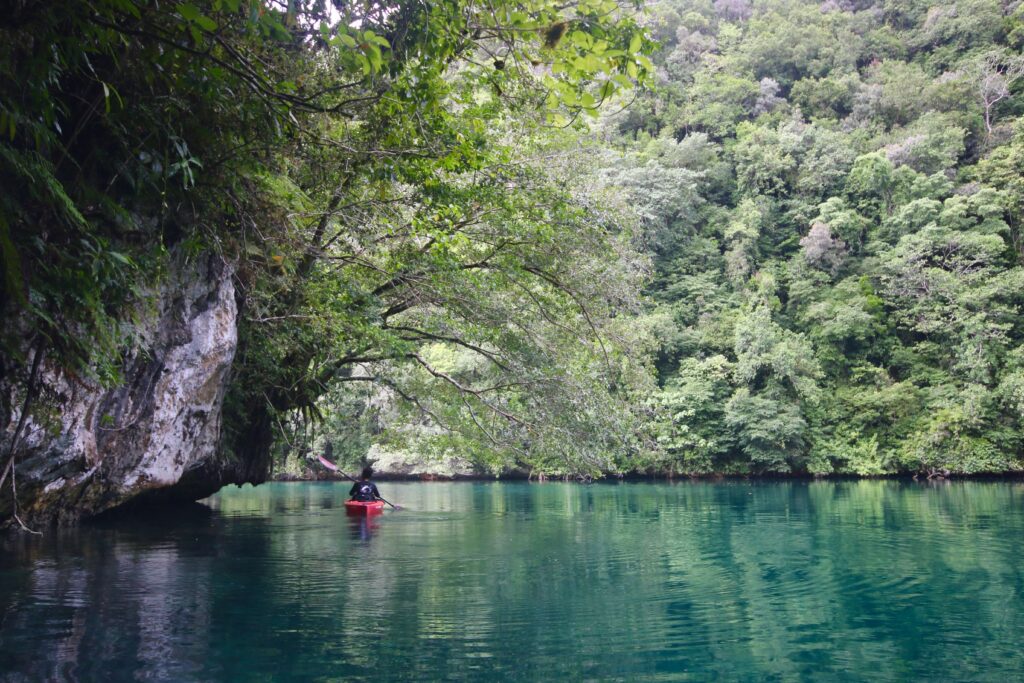
This stunning island nation requires visitors to sign the Palau Pledge, an eco-commitment that’s stamped directly into your passport. It’s a promise that you will take an active stance on preserving the archipelago’s unique environment and culture during your stay.
From the moment you arrive, you are made aware that you have a responsibility to Palau’s children (and future generations). It’s a powerful reminder to tread lightly.
For more information about travelling to Palau, check out our sustainable scuba guide, this Rock Islands kayaking review or our suggested road-trip itinerary around Babeldaob.
Conservation-Driven Tourism in Costa Rica
Costa Rica is frequently cited as a model for nature-centred tourism. Much of the revenue generated by tourism goes to support biodiversity conservation, wildlife corridors and the establishment of protected areas.
By taking this approach, the country has reversed decades of deforestation and now generates significant tourism value from environmental preservation.
Discover some of our favourite places to dive in Costa Rica or these inspiring eco-resorts for surfers.
Indigenous-Led Tourism in Australia
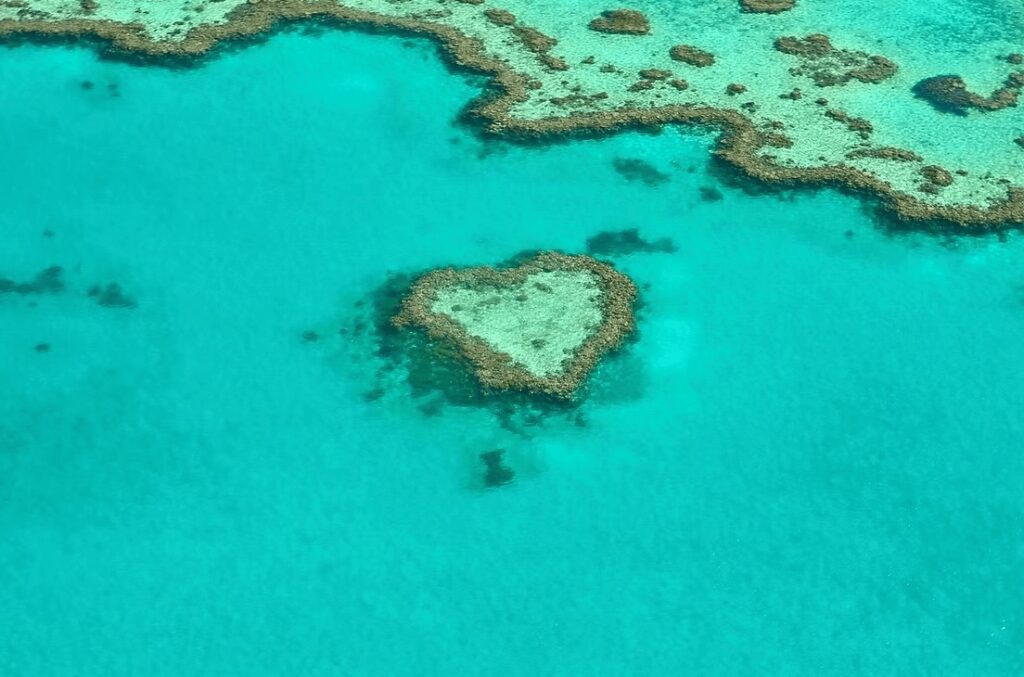
Across Australia, Indigenous tourism initiatives are on the rise, focusing on cultural authority and land stewardship. It’s happening at Uluru, it’s happening on the Great Barrier Reef and it’s happening in cities too.
These experiences often emphasise traditional ecological knowledge, connection to Country and storytelling, as well as sustainable land management. It’s a fantastic opportunity for travellers to learn from the oldest living culture in the world.
And when Indigenous communities retain ownership and decision-making power in the tourism industry, it can help strengthen cultural continuity and economic resilience.
You can learn more about how Indigenous knowledge is being used to protect the Great Barrier Reef here.
How to Get Involved in Regenerative Tourism
Travellers like you play a major role in determining whether tourism systems remain extractive or become regenerative. Where you choose to spend your tourism dollars and the experiences you share online (or with family and friends) can make a difference.
If you’re not sure how to get involved in regenerative tourism, here are a few ways to get started:
- Stay in locally owned or community-run accommodations
- Participate in habitat restoration projects
- Sign up for Indigenous-led tours
- Eat regionally sourced food
- Support community enterprises
- Contribute to conservation initiatives
- Get hands-on with citizen science projects
- Stay longer, travel slower
Before booking a tour or accommodation, check who owns the business, how local communities are involved, where the revenue goes and what conservation projects are being supported.
Some businesses now share this information on their websites. If not, don’t be afraid to ask questions. The more people ask, the more businesses will realise that regenerative tourism is something travellers value.
Is Regenerative Tourism the Future of Travel?
We certainly hope so! But it would be remiss not to acknowledge that regenerative tourism is still very “niche” and in its early stages of evolution.
The reality is that implementing regenerative practices requires long-term investment, community participation and a willingness to move away from mass-tourism growth models that many economies still depend on.
Despite these challenges, the growing demand for responsible and purpose-driven travel is real.
The more people we speak to, the more hope we have that global tourism will move away from purely transactional consumption toward experiences that value impact, reciprocity and environmental stewardship.
PLAN YOUR TRIP WITH OUR FAVOURITE RESOURCES:
Find hotels and resorts via Booking or Agoda
Book tours and experiences via Viator or GetYourGuide
Find a rental car via Discover Cars
Book flights via Kiwi or Booking
Search for buses and trains via 12Go or Omio
Get travel insurance via SafetyWing
Buy a digital eSIM with Airalo
By purchasing through our links, you’ll be supporting our website at no additional cost to you
-
Kelp Forests: The Underwater Jungles We Can’t Afford to Lose
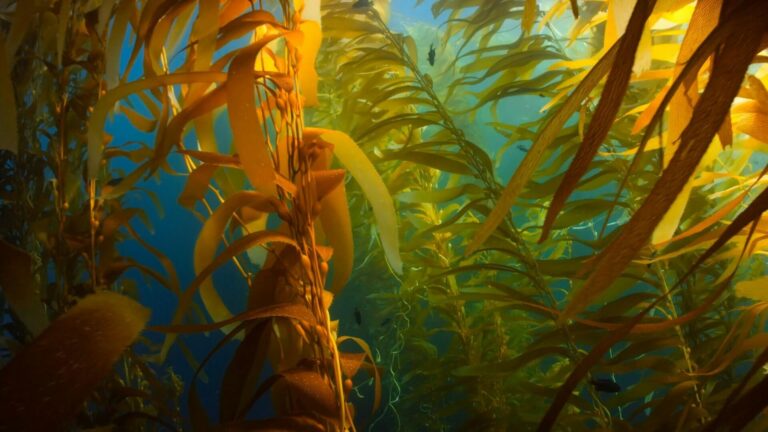
In the corner of the world where we live, diving is less about exploring colourful coral reefs and more about navigating enigmatic kelp forests. Places where long golden-brown fronds sway with the currents and sunlight filters through, illuminating fish as they dart between the stems and the occasional seal gliding by. Kelp forests are among…
-
7 Inspiring Coral Reef Conservation Projects Around the World
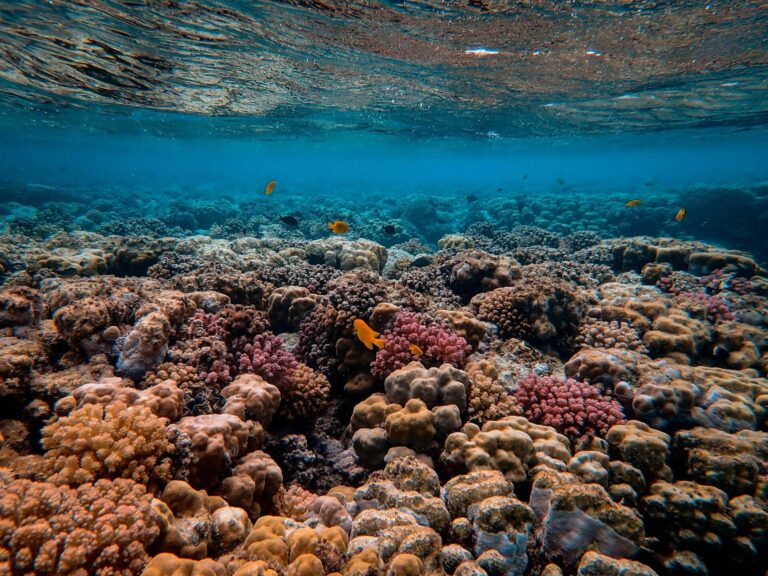
It might surprise you to learn that coral reefs cover less than 1% of the ocean floor, but provide habitat for an estimated quarter of all marine species. It’s mind-blowing! Not only that, but they support the livelihoods of millions living in coastal communities around the globe and help to protect shorelines from wave and…
-
Plan a Surf + Yoga Retreat at Rascals: An Adults-Only Hotel in Kuta, Lombok
Tucked away on a quiet street off Kuta’s main drag, Rascals was our stay of choice on our last visit to Lombok. It had been on our radar for many years, but we’d always returned to Mana Eco Retreat – a place we’d fallen in love with for its tranquil cabanas, vegetarian-friendly restaurant and incredible…
-
The Blue Revolution: How Ocean Conservation Is Changing Travel
If you’re anything like us, the ocean is what fuels your travel adventures. Over the last 20+ years, we’ve flown across the globe to dive with manta rays, kayak above coral reefs and surf legendary waves. But there is an uncomfortable contradiction at the heart of ocean tourism: the healthier the marine environment, the more…
-
Climate Change in the Ocean: A Guide for Surfers + Divers
When we think about climate change, our attention naturally turns to what we can see on land or are experiencing first hand: rising temperatures, melting glaciers, wildfires and more intense weather events. Many of these are well-reported on the nightly news and it’s devastating to see intense wildfires ripping across landscapes and floods wreaking havoc…
-
Resort vs Liveaboard vs Homestay Diving in Raja Ampat: Choosing the Right Experience
Raja Ampat is one of my favourite diving destinations in Indonesia. In fact, that’s probably an understatement. Raja is one of my favourite places to dive anywhere in the world. The underwater experiences I’ve had here are nothing short of extraordinary…and that’s not taking into account the incredible above-water scenery. It really does feel like…

We are a team of passionate divers and surfers with decades of combined experience in the water and travelling to all corners of the globe.
After years of chasing waves and descending into the deep blue, we’ve created this resource to highlight sustainable surf camps, eco-dive resorts and conservation-focused ocean trips to help inspire your next adventure.
Eco Ocean Escapes was born out of a love of the ocean, an obsession with travel and a concern about the impacts of our adventures on the environments we explore.