How Coastal Development Is Changing Surf Breaks Around the Globe
A perfect wave is the result of countless natural factors working in harmony. The shape of the seabed or coral reef, the movement of sand, the prevailing winds and tides – all contribute to creating the waves that we, as surfers, travel across the globe to experience.
But you don’t have to travel far to see that many surf breaks are being impacted by human-related pressures, including coastal development.
There are always conversations in the water about “crowds”. But we don’t hear so much about how the increased demand for wave access and those “crowds” lead to increased infrastructure that is reshaping our coastlines at a rapid pace.
While development often brings economic opportunities for local communities, it can also dramatically alter the natural processes that create quality surf. That, in turn, threatens the waves that attract visitors in the first place.
Here’s how coastal development is changing some of the world’s best waves…and what we can do to protect them.
Want to learn more about the ethics of surf tourism in developing nations? Check out our detailed article here.
This article may contain affiliate links, which means when you make a purchase through that link, we earn a small commission. Affiliate links come at no cost to you and ensure our content remains free!
Why Waves Depend on Healthy Coastlines
You don’t have to venture far beyond your home break to understand that every surf break is unique.
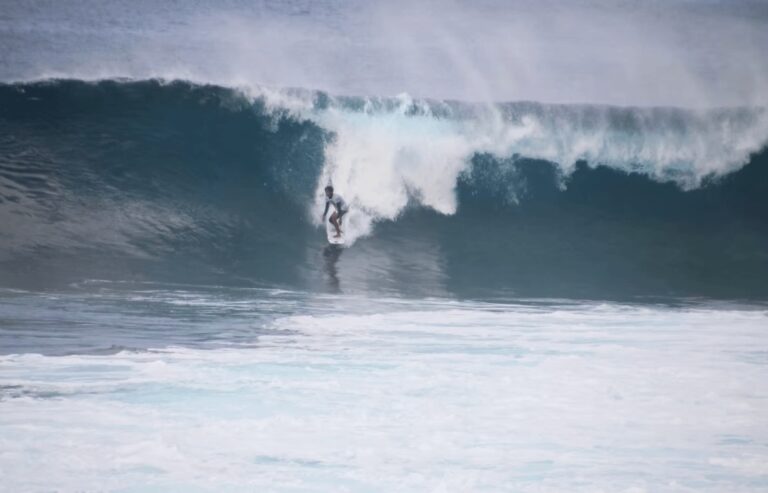
Some waves peel perfectly over coral reefs, while others rely on sandbars that constantly shift with currents and storms. Point breaks form when swell wraps around rocky headlands, creating long and (often) predictable rides.
What they all share in common is the need for healthy coastlines that can function as nature intended.
Healthy coastlines depend on natural processes that include sediment movement, river flows, tidal exchange and natural erosion and deposition. Interrupting these systems can change wave shape, consistency and even destroy surf breaks altogether.
Even small changes to these environments can dramatically affect wave quality. So imagine what happens when new marinas and seawalls are built, luxury resorts are constructed and seaside cities expand.
Seawalls and Coastal Armouring
As sea levels rise and coastal properties become more vulnerable, many communities build seawalls and rock revetments to protect infrastructure. And that’s completely understandable.
These structures can help to reduce shoreline erosion on a local scale and stop people’s properties from essentially being “taken” by the ocean.
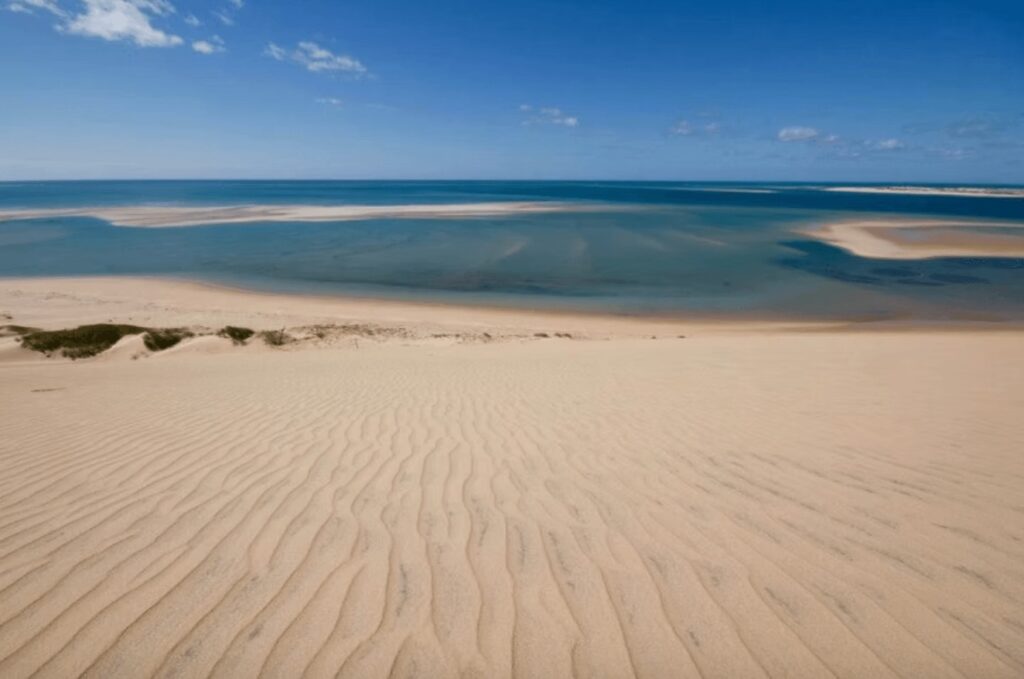
That said, they can also interrupt the natural movement of sand, resulting in narrower beaches, loss of sandbars and increased wave reflection. In turn, this can reduce the quality of the surf.
Many beach breaks depend on constantly shifting sandbars. When sediment movement is disrupted, the waves may become steeper, close out more frequently or disappear altogether.
This has all played out in Waikīkī over the last few decades with the construction of seawalls and other coastal engineering projects to protect hotels and tourism infrastructure. Coastal scientists and surfers have documented ongoing changes in beach width, natural sand movement and the shape of some surf breaks.
Ports and Harbour Construction
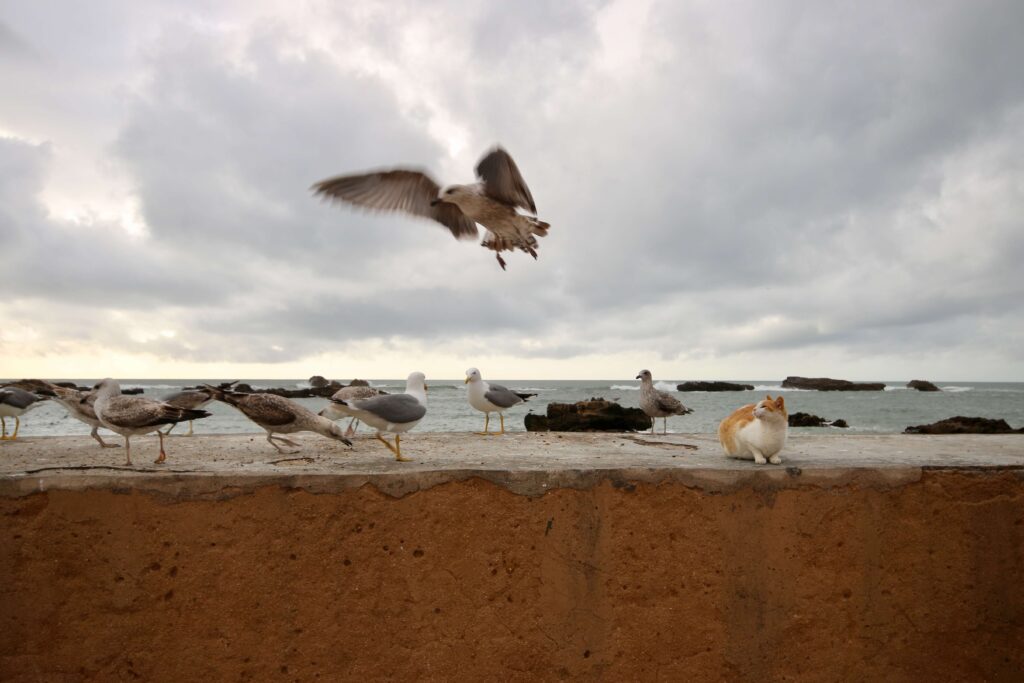
Large-scale coastal engineering projects can also have devastating impacts on surf breaks as they often require dredging, breakwaters and artificial channels. Developments such as these can alter swell energy, longshore currents and wave direction, as well as the transportation of sediment.
One of the most well-known examples is Mundaka in the Basque Country of northern Spain. In 2003, dredging associated with navigation significantly altered the sandbar that creates this legendary left-hand wave, causing the break to deteriorate dramatically.
Following public pressure, further studies and natural sediment recovery helped restore the break. It’s since become one of the world’s best-known examples of how harbour and estuary management can directly influence surf quality.
Beach Nourishment Projects
Many coastal towns pump sand onto eroding beaches to protect waterfront homes and encourage tourism. After all, you aren’t going to attract beachgoers if you only have a narrow strip of sand (that’s continually diminishing).
While beach nourishment can temporarily widen beaches, it doesn’t always recreate the natural sandbars that produce quality surf. Freshly deposited sand often creates flatter wave faces, less predictable banks and reduced wave power.
This has been observed on the coastline around Surfers Paradise on Australia’s Gold Coast. The area has undergone multiple beach nourishment campaigns since the 1970s, with millions of cubic metres of sand pumped onto eroding beaches.
While these projects have successfully protected beaches and coastal infrastructure, surfers have observed that newly nourished beaches can temporarily decrease wave quality until natural currents and swell reshape the seabed.
Fortunately, modern coastal engineering increasingly considers surfing during project planning, as evidence in the Gold Coast Surf Management Plan. When beach nourishment projects are tabled, preserving local wave quality is considered, alongside the wellbeing of coastal communities at large.
Resort Development on Reef Breaks
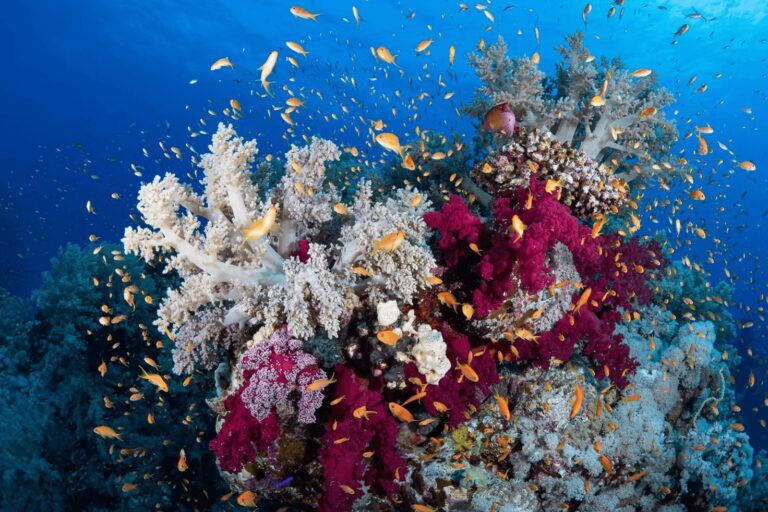
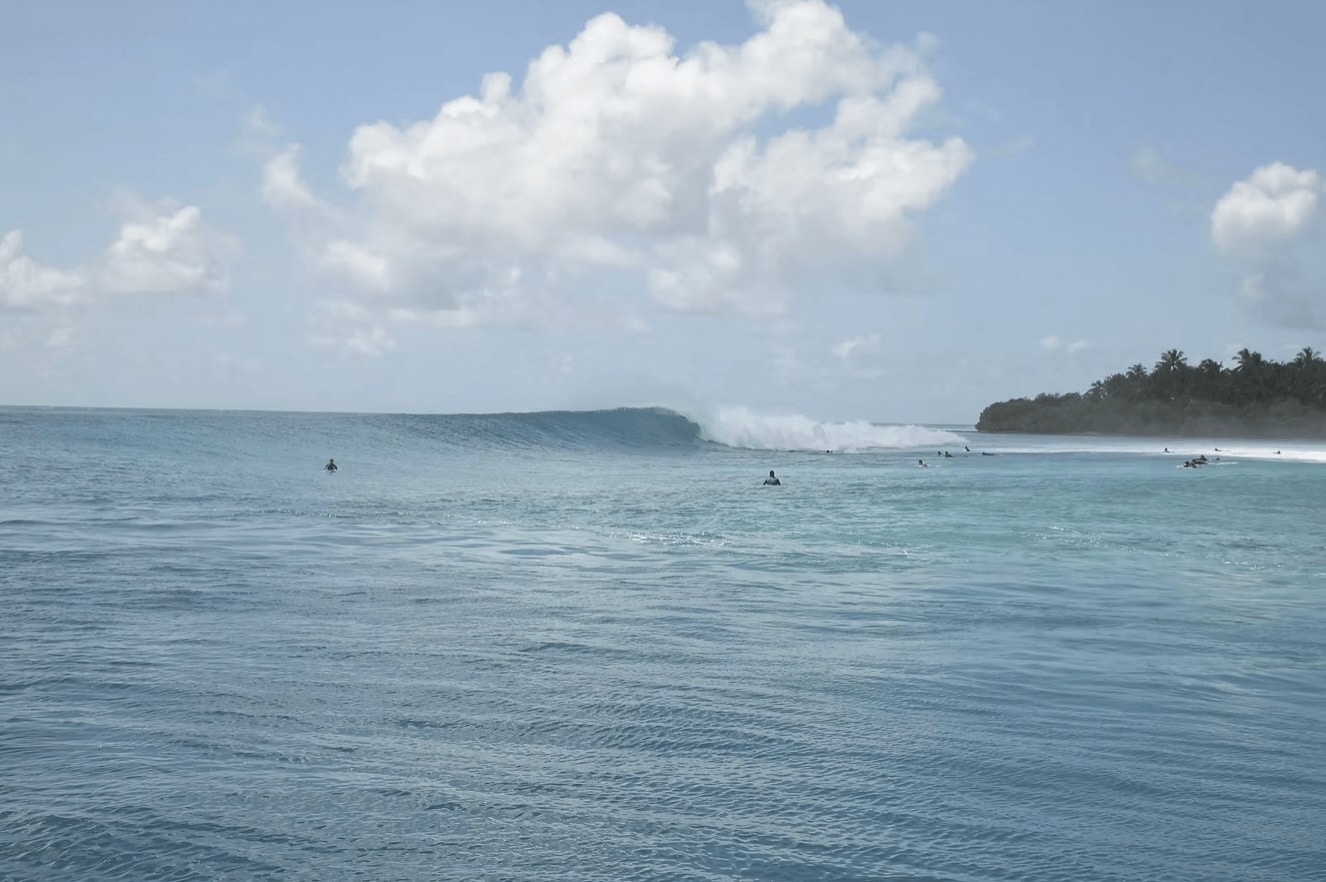
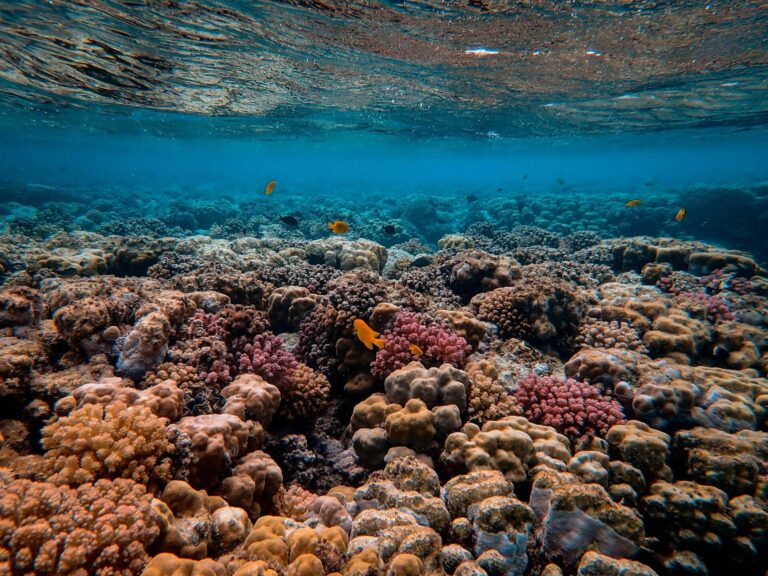
Healthy coral reefs help to shape some of the world’s most incredible waves and there’s nothing like sitting on your board looking down at all that colour and action below.
But in tropical destinations around the globe, luxury resorts are expanding onto coastlines known for world-class reef breaks. And some aren’t doing so with the health of marine ecosystems at the fore.
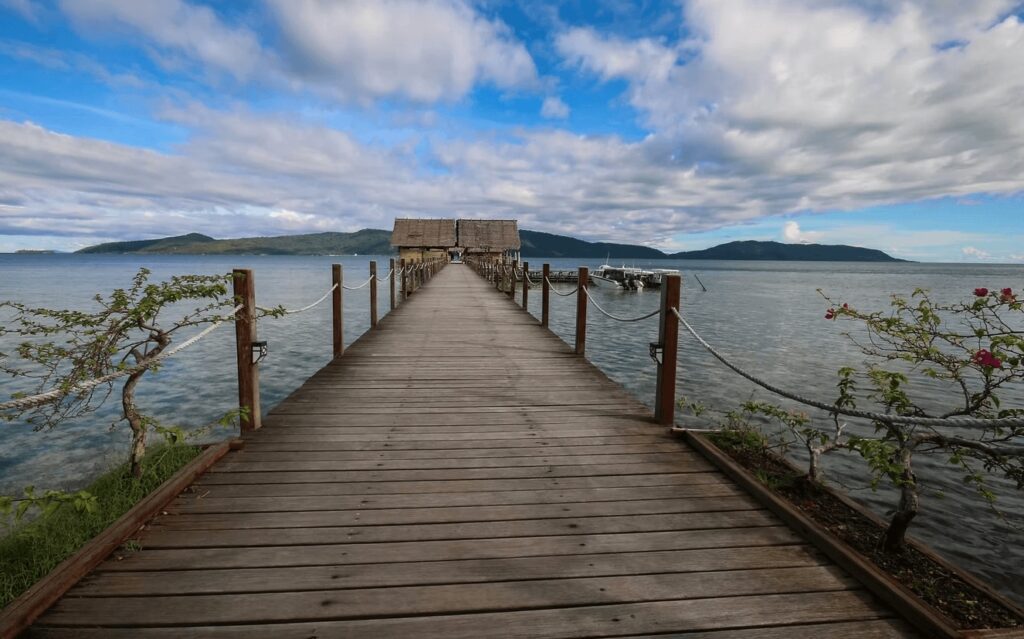
While it’s incredible to stay just steps from the surf (or a short paddle from your overwater bungalow), resort construction in close proximity to reefs can be detrimental. It can lead to increased sediment runoff, pollution and altered drainage patterns, not to mention coral damage, either by infrastructure, boat traffic or irresponsible travellers.
Indonesia’s Mentawai Islands are home to some of the world’s most famous reef breaks – we’ve been lucky enough to visit and it really is a dream destination. But there are concerns it won’t stay that way for long.
Surf tourism has increased dramatically in recent years, and with the opening of a new airport, it’s not looking like it will slow down anytime soon.
Environmental groups and surfers are worried that poorly managed construction associated with increased tourism will damage the Mentawais’ ocean ecosystem.
Resort development, vegetation clearing, sewage discharge and sediment runoff are all threats to the archipelago’s reefs, which create the exceptional surfing conditions in the first place.
Mangrove and Wetland Loss
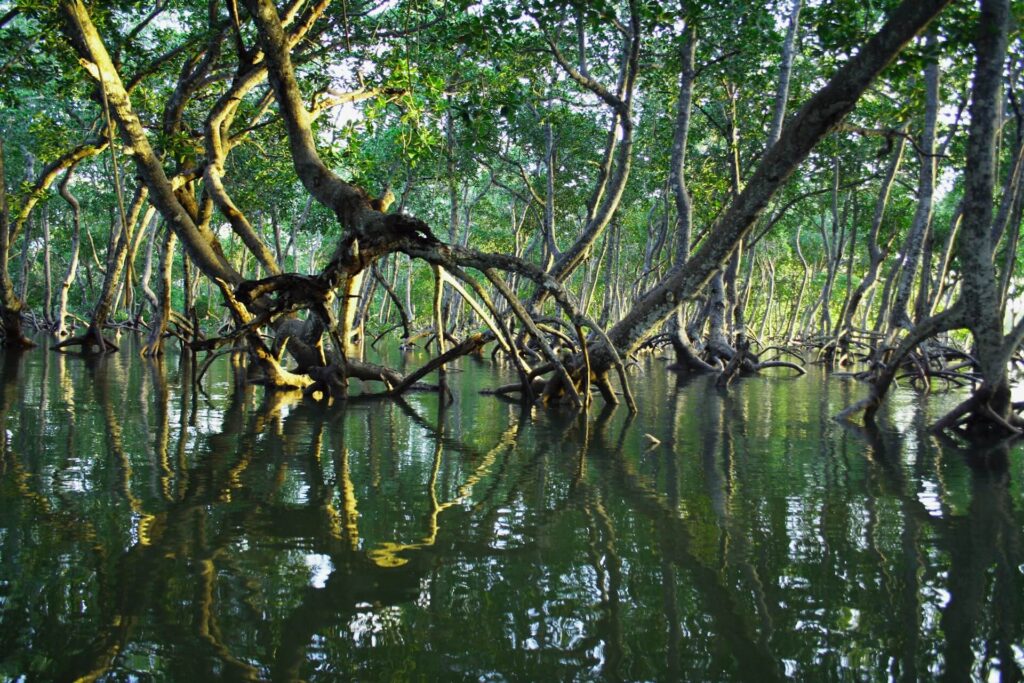
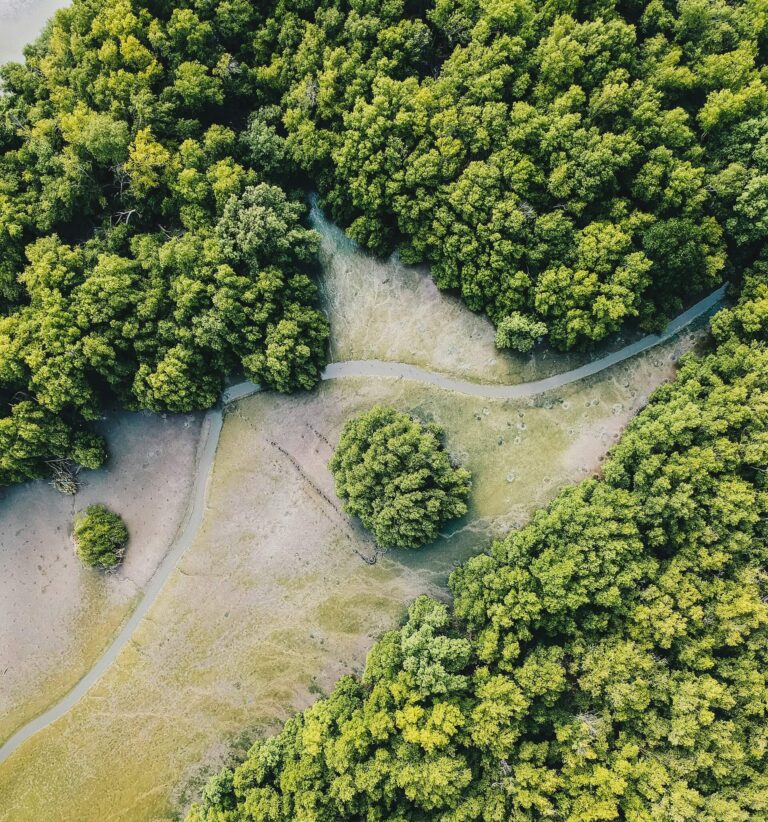
Around the world, mangroves are often cleared to make way for waterfront developments. If you’re someone who views these coastal forests as muddy swamps with little ecological value, you might be asking: “why does that matter?” or even “who cares?”
Although they may seem unrelated to surfing, mangroves play an important role in creating clean, quality reef breaks – they’re essentially supporting ecosystems for healthy corals. Not only do they trap sediments and filter pollutions, but they stabilise shorelines, reduce coastal erosion and support fisheries.
Without them, coastlines become more vulnerable to erosion and sediment changes that can ultimately affect nearby surf breaks.
In Bali, the rapid expansion of tourism infrastructure (hotels, roads, airport) has involved vegetation clearing, coastal construction and increased runoff from developed areas. The loss of natural buffers such as mangroves and wetlands is thought to have contributed to greater sediment and nutrient runoff into nearshore waters.
There are concerns that this has contributed to changes in sediment movement and beach dynamics in Kuta. It may also be reducing coral health around the Bukit Peninsula – home to some of Bali’s best reef breaks.
Climate Change Amplifies Development Impacts
It’s impossible to talk about the detrimental impacts of coastal development on surf breaks without addressing the elephant in the room – climate change. Coastal development doesn’t occur in isolation.
Climate change is already putting pressure on surf coastlines through rising sea levels and stronger storm surges that lead to increased coastal erosion. It’s also contributing to coral bleaching events, which have knock-on effects for reef breaks.
When natural systems are already under stress, poorly planned development can accelerate long-term damage. These ecosystems are already working harder to adapt, and additional disruption from construction or habitat loss can reduce their ability to recover.
Surf Tourism: A Double-Edged Sword
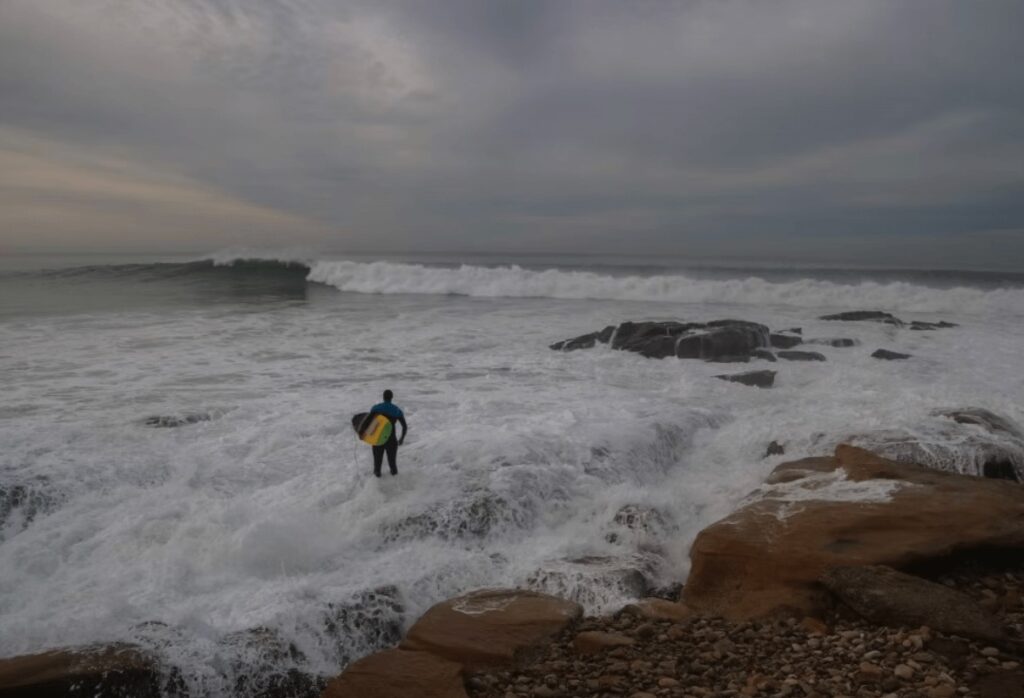
Surf tourism has become a major economic driver in destinations around the world and in many cases, it’s having a positive impact.
Growing interest in surfing has brought jobs and investment to many coastal communities, preventing locals from having to travel long distances to find work or resort to unsustainable fishing practices for survival. We’ve seen this in action while surfing in Sumba and on an unforgettable dive trip to Raja Ampat.
However, increasing visitor numbers associated with surf tourism can also lead to larger resorts and restaurants, more coastal construction and a greater demand for waterfront property. After all, everyone wants those oceanfront views and a front-row seat for enjoying all the surf action.
We’re not saying surf tourism needs to stop. But it needs to shift from an extractive model to one that focuses on long-term sustainability and doesn’t put pressure on local ecosystems.
If we don’t balance economic growth with protecting natural environments, we’ll lose what makes these destinations so special in the first place.
Should some ocean destinations be off-limits to tourists? Read the arguments for and against in our article here.
Communities (and Travellers) Fighting to Protect Surf Breaks
Around the world, surfers, scientists and local communities are working together to safeguard iconic waves. And as an ocean-loving traveller, there are lots of ways you can get involved.
First and foremost, you can support sustainable coastal planning that prioritises ecosystem health, communities and surf breaks. That might be by getting involved with local conservation groups campaigning against irresponsible development projects.
Some countries now recognise certain surf breaks as valuable natural assets worthy of legal protection – Portugal and Peru are two that immediately come to mind.
If you plan a surf trip to a World Surfing Reserve, you’ll not only be supporting their protection, but you’ll get to ride some of the best waves on the planet.
Supporting the establishment of marine protected areas is another way you can help to protect reef breaks you love.
Marine protected areas are regions of the ocean where activities such as fishing, coastal development, pollution or resource extraction are managed or restricted to protect marine ecosystems. Essentially, they help reduce local pressures and give reef ecosystems a better chance to recover.
Every time you travel to a new surf destination, there’s the opportunity to vote with your dollars. Where you spend your money makes a difference and sends a clear message to businesses that ethical operations matter.
Rather than staying at hotels and resorts that have been hastily constructed (without considering their environmental impact), look for eco-conscious properties that adhere to sustainable planning principles. You’ll find lots of inspiration across our site.
We also recommend chatting with local surfers about environmental issues impacting them and ask if there are conservation initiatives you can help to platform. It might be through a social media post or by getting hands-on with a local NGO.
Protecting Waves Means Protecting the Ecosystems That Create Them
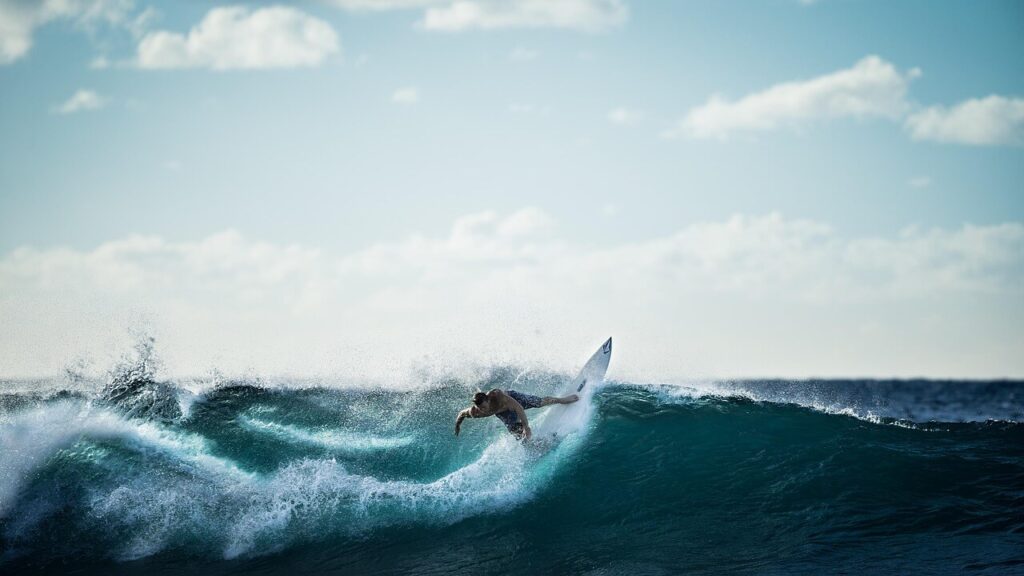
As surfers, it’s important to remind ourselves that the waves we ride are not just our playgrounds – they are the product of complex, living coastal ecosystems. Even small changes to these environments can have significant impacts on ocean health and the quality of surf breaks we value.
This is not to suggest that protecting surf breaks should be prioritised above overall ecosystem health or the wellbeing of coastal communities. It’s a recognition that they’re part of much larger coastal systems that include reefs, beaches, wetlands, dunes and people.
By supporting well-designed marine protected areas and sustainable coastal development, we can help safeguard the ocean systems that make these coastlines unique. At the same time, these actions will hopefully contribute to a healthier, more resilient future for everyone who depends on and loves the sea.
PLAN YOUR TRIP WITH OUR FAVOURITE RESOURCES:
Find hotels and resorts via Booking or Agoda
Book tours and experiences via Viator or GetYourGuide
Find a rental car via Discover Cars
Book flights via Kiwi or Booking
Search for buses and trains via 12Go or Omio
Get travel insurance via SafetyWing
Buy a digital eSIM with Airalo
By purchasing through our links, you’ll be supporting our website at no additional cost to you
We are a team of passionate divers and surfers with decades of combined experience in the water and travelling to all corners of the globe.
After years of chasing waves and descending into the deep blue, we’ve created this resource to highlight sustainable surf camps, eco-dive resorts and conservation-focused ocean trips to help inspire your next adventure.
Eco Ocean Escapes was born out of a love of the ocean, an obsession with travel and a concern about the impacts of our adventures on the environments we explore.