Want to Be a More Sustainable Scuba Diver? Here’s How
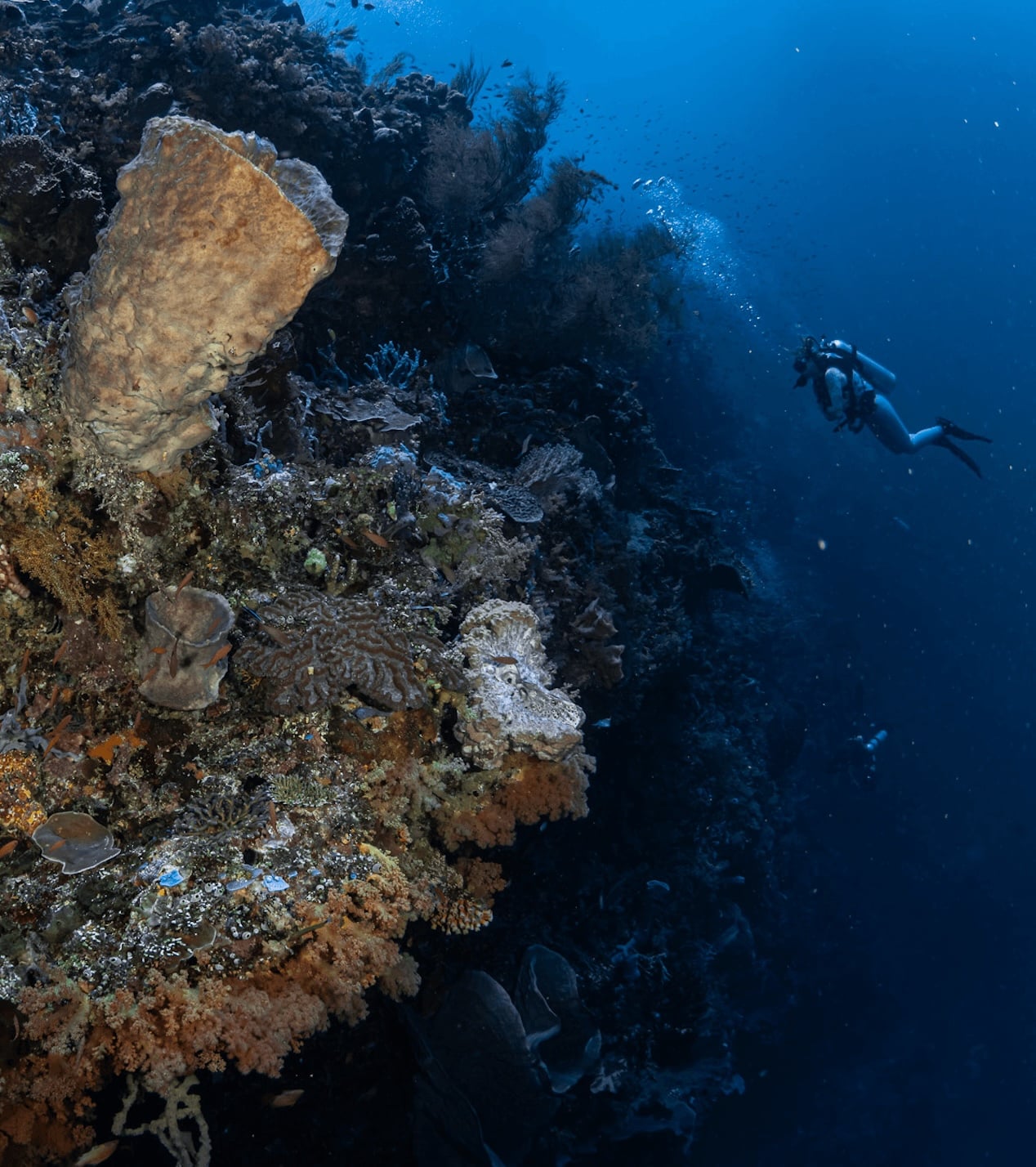
Scuba diving opens a window into another world, offering a front-row seat for exploring kaleidoscopic reefs and coming face-to-face with curious creatures.
Here at EcoOceanEscapes, we consider it a privilege few experiences can match.
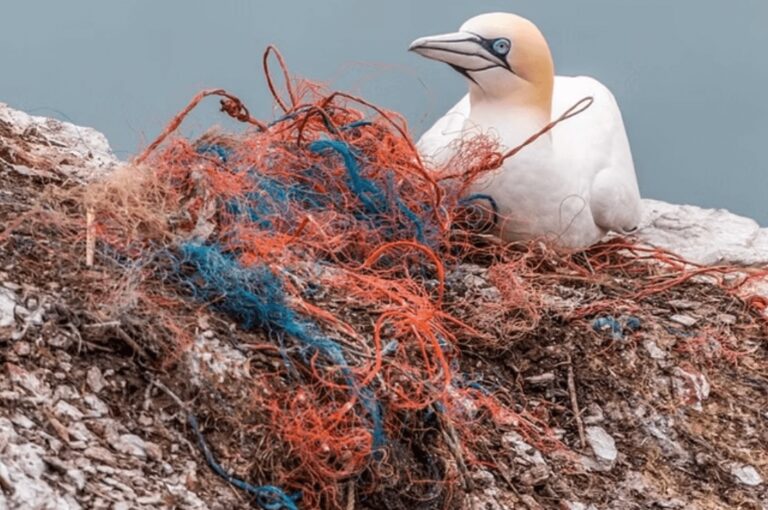
But beneath the beauty or our underwater ecosystems lies a growing crisis.
Rising temperatures, acidification and plastic pollution are reshaping marine environments at an alarming pace. For scuba divers, that reality brings a clear responsibility: protect what you love!
Being a sustainable scuba diver is not just about separating your recyclables and saying “no” to single-use plastics. It’s about rethinking the way you approach underwater adventures.
In this article, we’ll share 6 tips for being a more responsible scuba diver – someone who descends with sustainability at front of mind.
This article may contain affiliate links, which means when you make a purchase through that link, we earn a small commission. Affiliate links come at no cost to you and ensure our content remains free!
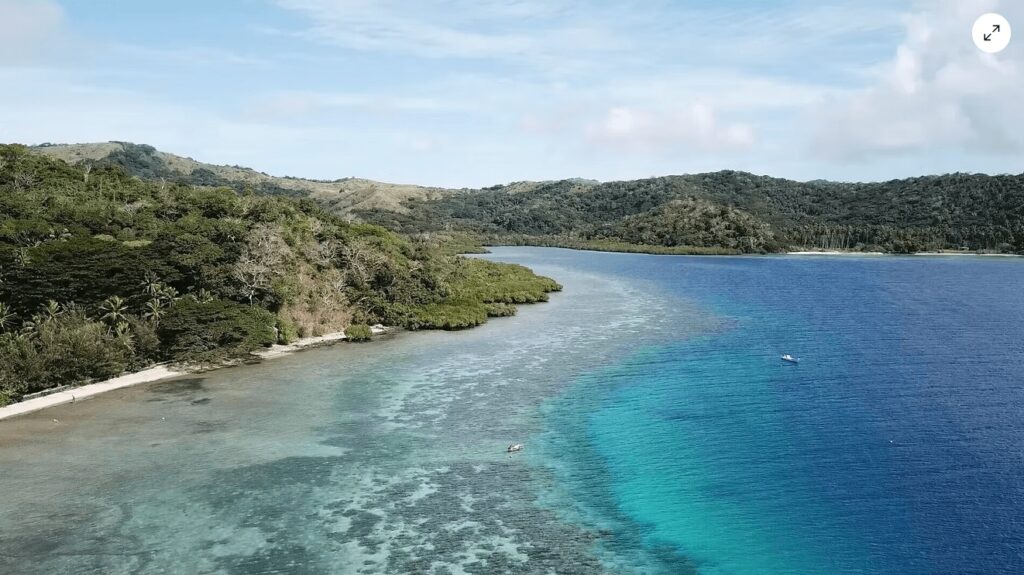
1. Choose Dive Operators That Care
Not all dive operators are on the same page when it comes to protecting the ocean. Some see it as their responsibility, while others are in the business for other reasons altogether.
In our experience diving around the globe, the best dive operators actively minimise their impact. They avoid reef-damaging anchoring, manage waste responsibly and enforce strict no-touch, no-baiting policies.
So what does this mean if you want to be a more sustainable diver? Who you choose to dive with matters and sends a strong message about what you expect from businesses working in the industry.
So rather than booking based on price and reviews alone, check out the dive operators sustainability credentials. How do they protect marine habitats? Do they limit group sizes? Are they involved in conservation efforts?
If the answers feel vague (or they’re non-existent), that’s your cue to look elsewhere.
Certifications like Green Fins can help identify eco-conscious operators – they’ve already been vetted by professionals.
Keep an eye out for greenwashing and be wary of anyone promising “guaranteed” wildlife encounters. Ethical operators respect that marine life is unpredictable and never manipulated for show.
Green Fins also certifies resorts that are committed to sustainability. Check out 8 of the best here.
2. Rethink Your Sunscreen
Protecting your skin shouldn’t come at the reef’s expense. Many common sunscreens contain chemicals like oxybenzone and octinoxate, which have been linked to coral bleaching and marine toxicity.
Instead, opt for reef-safe sunscreens made with non-nano zinc oxide or titanium dioxide.
Even better, reduce your reliance on sunscreen altogether by wearing UV-protective clothing like rash guards, leggings and wetsuits during your dives.
For more information about reef-safe sunscreens, check out our detailed article here.
3. Dive Within Your Limits
Ambition underwater can do more harm than good. We understand that everyone wants to dive the “best” dive sites on vacation, even if they aren’t quite ready for the conditions.
Choosing dive sites that match your skill level is essential, not just for your safety, but for the reef’s survival.
If you’re still mastering buoyancy or not confident in currents, diving in challenging conditions can have devastating impacts. We’re talking collisions with marine life and fragile corals that can take decades to recover.
It can also be life threatening, for you and your dive buddy.
Skill progression takes time…and that’s okay. Actively work on improving your buoyancy and moving in a streamlined way underwater.
Even small adjustments in how you move can significantly reduce your environmental footprint.
4. Respect Marine Life
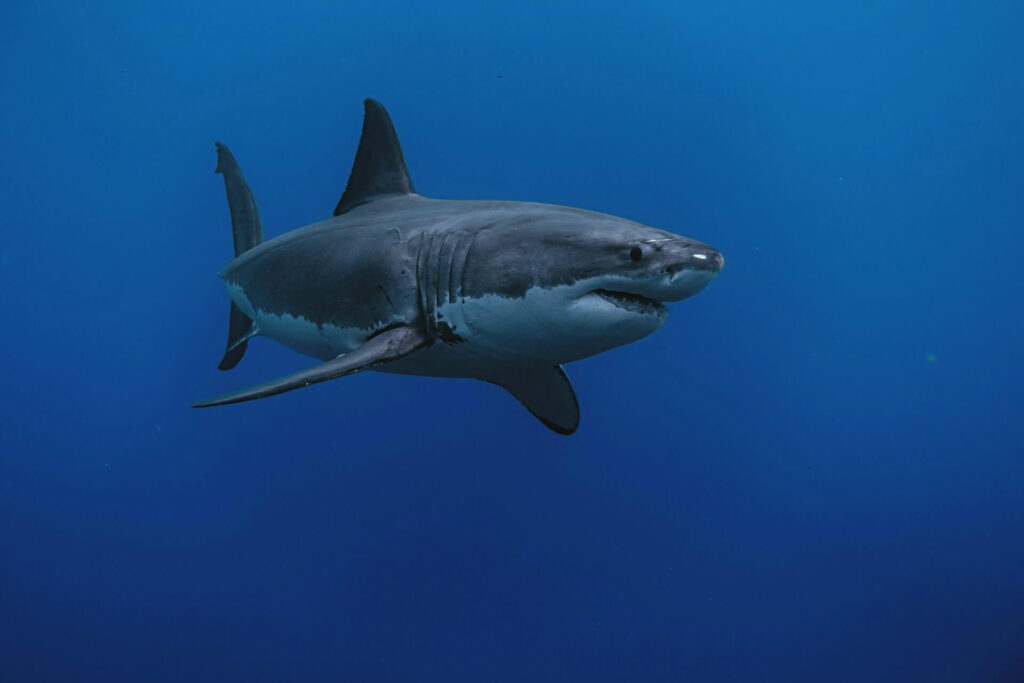
The golden rule underwater: look, don’t touch.
Marine animals are not props or photo opportunities – they’re part of delicate ecosystems and should be respected for their inherent value. They have as much right to exist in peace as you and I do.
Getting too close, chasing or trying to interact in intimidating ways can cause stress or even harm.
Always give marine creatures space, move slowly and let encounters happen naturally – never prod animals to get a reaction!
Often, the less intrusive you are, the more memorable the experience becomes.
5. Take Trash With You
Yes, the ocean is HUGE, and it can seem like one piece of rubbish being left behind won’t make any difference.
We beg to disagree. Every piece of trash removed matters.
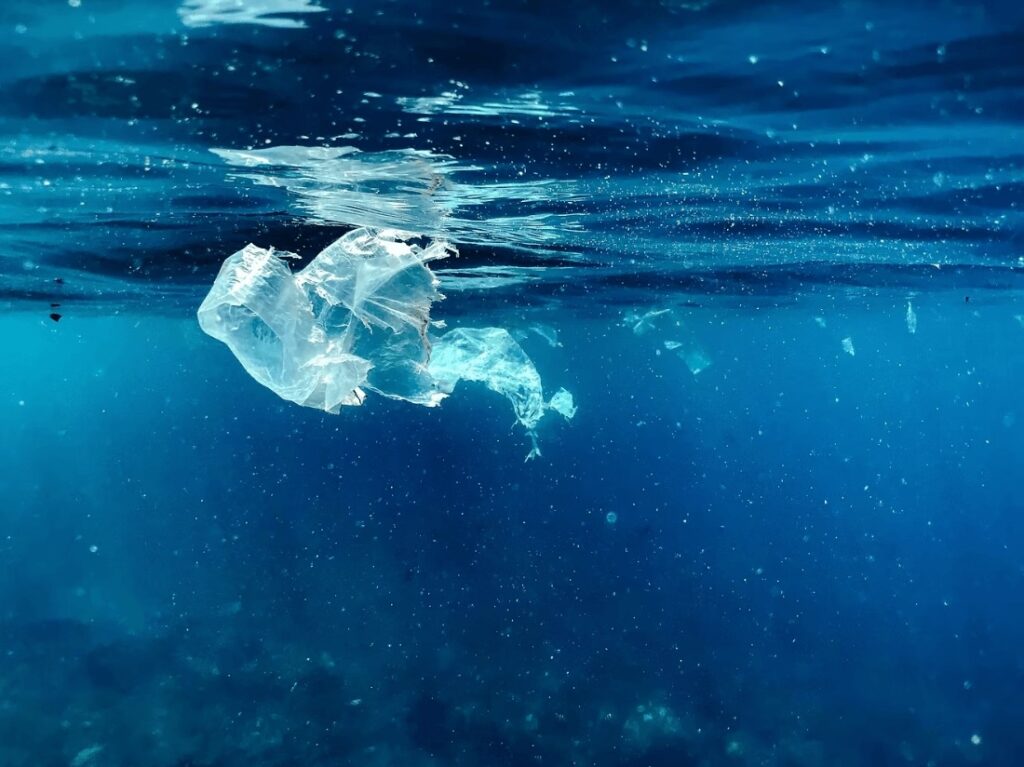
If you spot debris during a dive and it’s safe to collect it, bring it back with you.
Many divers carry small mesh bags for this purpose, turning everyday dives into mini cleanup missions. If you don’t have a bag, you can just stash the waste into one of your BCD pockets.
Some operators even organise dedicated cleanup dives – ask at the start of your vacation and express your interest in taking part. Even if they don’t have one planned, it might just inspire them to do so!
It’s also worth mentioning that abandoned dive equipment can entangle wildlife or degrade into harmful microplastics. So never leave it behind.
Instead, adopt a “leave nothing but bubbles” mindset every time you dive.
6. Support Conservation Beyond the Dive
Being a responsible scuba diver doesn’t stop when you return to the surface. Supporting marine conservation organisations – through donations, volunteering or citizen science projects – helps protect ecosystems on a larger scale.
Whether it’s coral restoration, marine research or species protection, there are countless ways to stay involved and make a difference. Check out our article here for inspiration.

PLAN YOUR TRIP WITH OUR FAVOURITE RESOURCES:
Find hotels and resorts via Booking or Agoda
Book tours and experiences via Viator or GetYourGuide
Find a rental car via Discover Cars
Book flights via Kiwi or Booking
Search for buses and trains via 12Go or Omio
Get travel insurance via SafetyWing
Buy a digital eSIM with Airalo
By purchasing through our links, you’ll be supporting our website at no additional cost to you
-
Kelp Forests: The Underwater Jungles We Can’t Afford to Lose
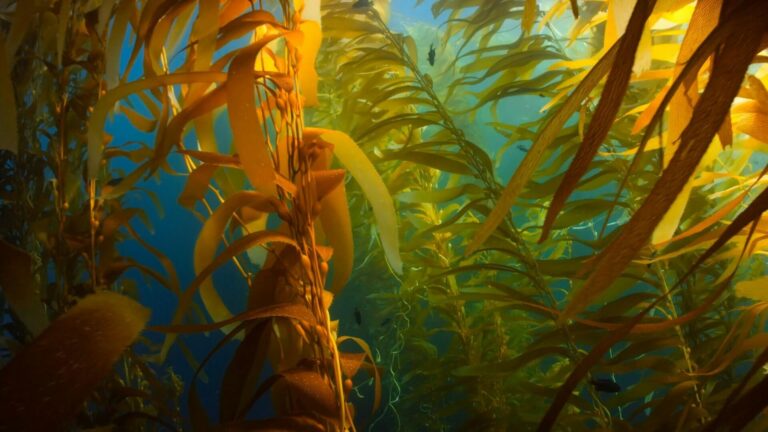
In the corner of the world where we live, diving is less about exploring colourful coral reefs and more about navigating enigmatic kelp forests. Places where long golden-brown fronds sway with the currents and sunlight filters through, illuminating fish as they dart between the stems and the occasional seal gliding by. Kelp forests are among…
-
7 Inspiring Coral Reef Conservation Projects Around the World
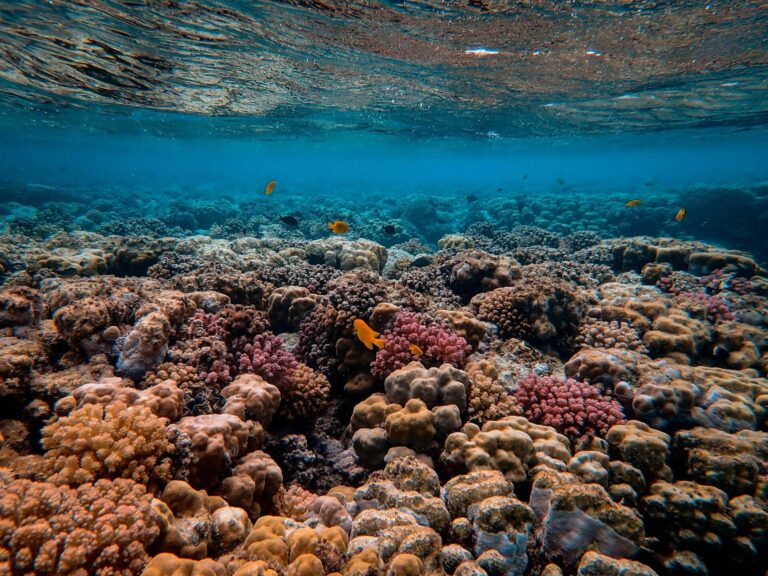
It might surprise you to learn that coral reefs cover less than 1% of the ocean floor, but provide habitat for an estimated quarter of all marine species. It’s mind-blowing! Not only that, but they support the livelihoods of millions living in coastal communities around the globe and help to protect shorelines from wave and…
-
Plan a Surf + Yoga Retreat at Rascals: An Adults-Only Hotel in Kuta, Lombok
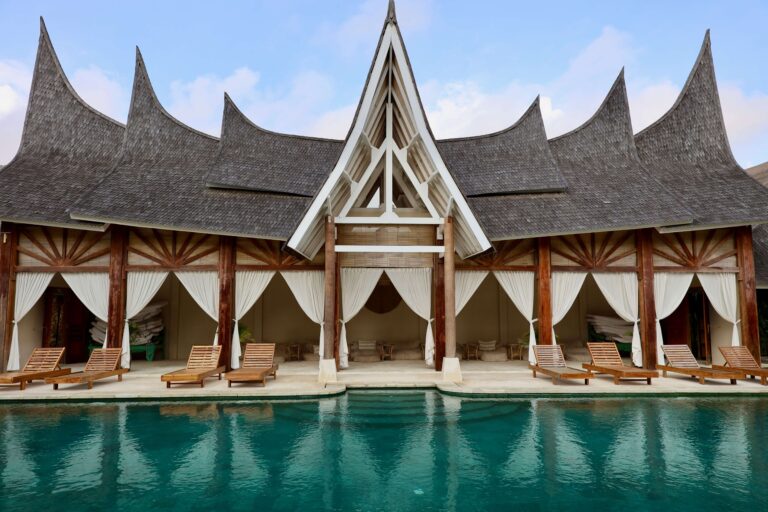
Tucked away on a quiet street off Kuta’s main drag, Rascals was our stay of choice on our last visit to Lombok. It had been on our radar for many years, but we’d always returned to Mana Eco Retreat – a place we’d fallen in love with for its tranquil cabanas, vegetarian-friendly restaurant and incredible…
-
The Blue Revolution: How Ocean Conservation Is Changing Travel
If you’re anything like us, the ocean is what fuels your travel adventures. Over the last 20+ years, we’ve flown across the globe to dive with manta rays, kayak above coral reefs and surf legendary waves. But there is an uncomfortable contradiction at the heart of ocean tourism: the healthier the marine environment, the more…
-
Climate Change in the Ocean: A Guide for Surfers + Divers
When we think about climate change, our attention naturally turns to what we can see on land or are experiencing first hand: rising temperatures, melting glaciers, wildfires and more intense weather events. Many of these are well-reported on the nightly news and it’s devastating to see intense wildfires ripping across landscapes and floods wreaking havoc…
-
Resort vs Liveaboard vs Homestay Diving in Raja Ampat: Choosing the Right Experience
Raja Ampat is one of my favourite diving destinations in Indonesia. In fact, that’s probably an understatement. Raja is one of my favourite places to dive anywhere in the world. The underwater experiences I’ve had here are nothing short of extraordinary…and that’s not taking into account the incredible above-water scenery. It really does feel like…

We are a team of passionate divers and surfers with decades of combined experience in the water and travelling to all corners of the globe.
After years of chasing waves and descending into the deep blue, we’ve created this resource to highlight sustainable surf camps, eco-dive resorts and conservation-focused ocean trips to help inspire your next adventure.
Eco Ocean Escapes was born out of a love of the ocean, an obsession with travel and a concern about the impacts of our adventures on the environments we explore.