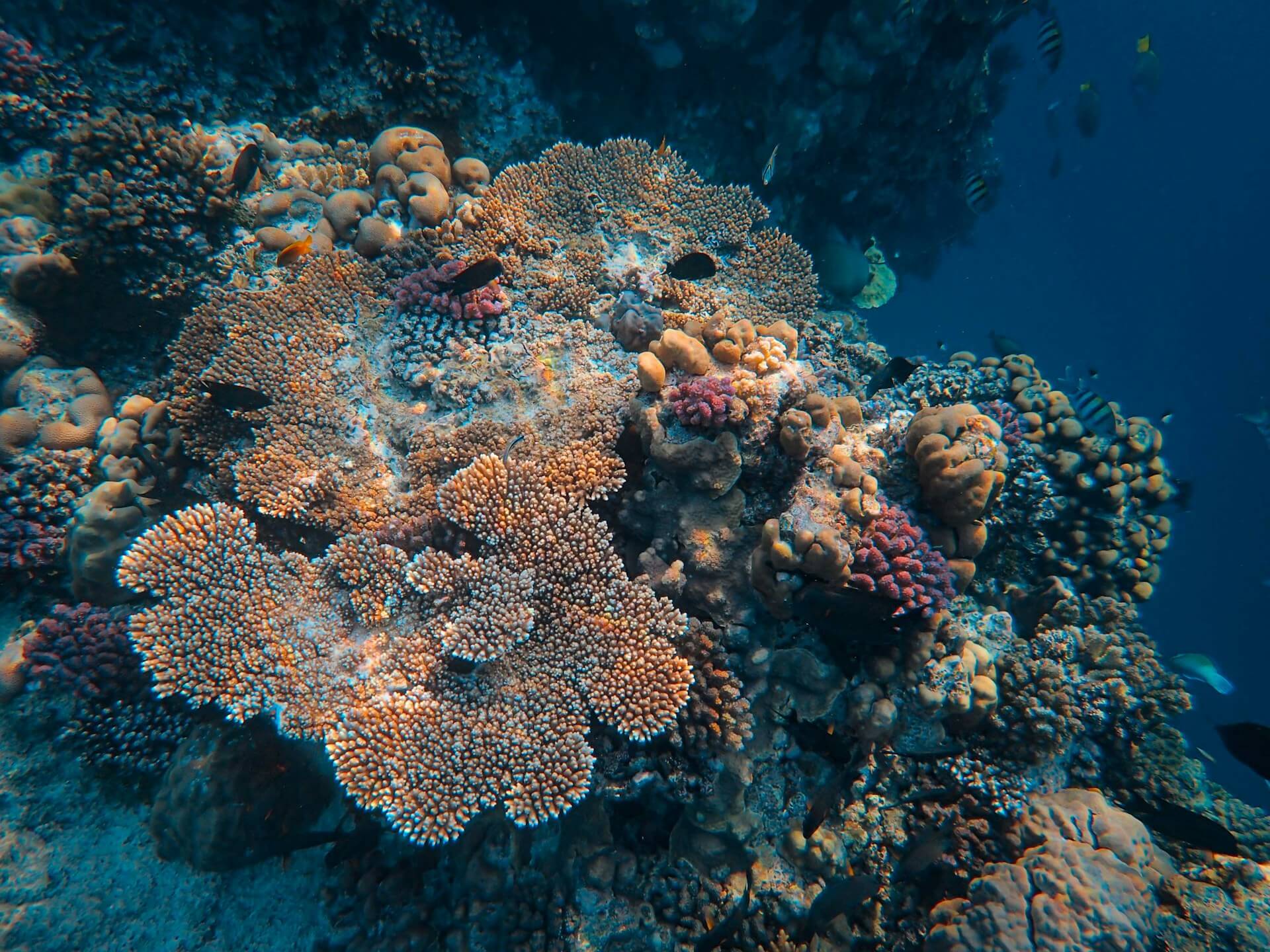
More Than a Diver’s Playground: The Importance of Coral Reefs
If you’re anything like us, coral reefs are your chosen “playground” – a place you venture to get away from the world and the stresses of modern-day life. They are places of extraordinary natural beauty and we’re always left with a newfound appreciation for the world we live in after an action-packed reef dive.
But coral reefs are far more than just spectacular places to dive and snorkel. They’re among the most important ecosystems on Earth…and there’s a lot at stake if we lose them.
Whether you dive regularly or have never put on a mask, healthy coral reefs affect us all. They support marine biodiversity, protect coastlines, sustain millions of livelihoods and even contribute to life-saving medical research (more on that below).
Despite their importance, reefs are under increasing pressure from climate change, pollution and overfishing, as well as coastal development and agricultural/industrial runoff. They’re up against a lot…but there is also a lot we can do as divers and humans to ensure their survival.
Before we can effectively protect coral reefs for future generations, we need to understand what makes them so special (and important) in the first place.
Coral Reefs 101
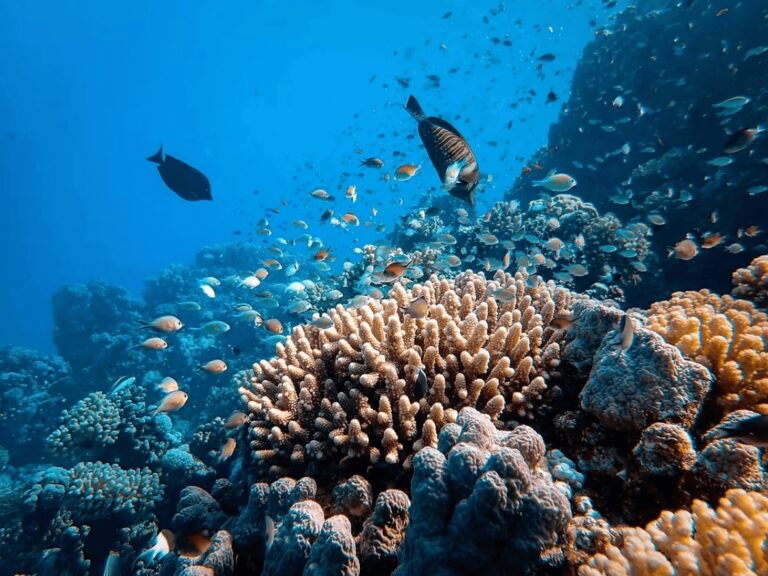
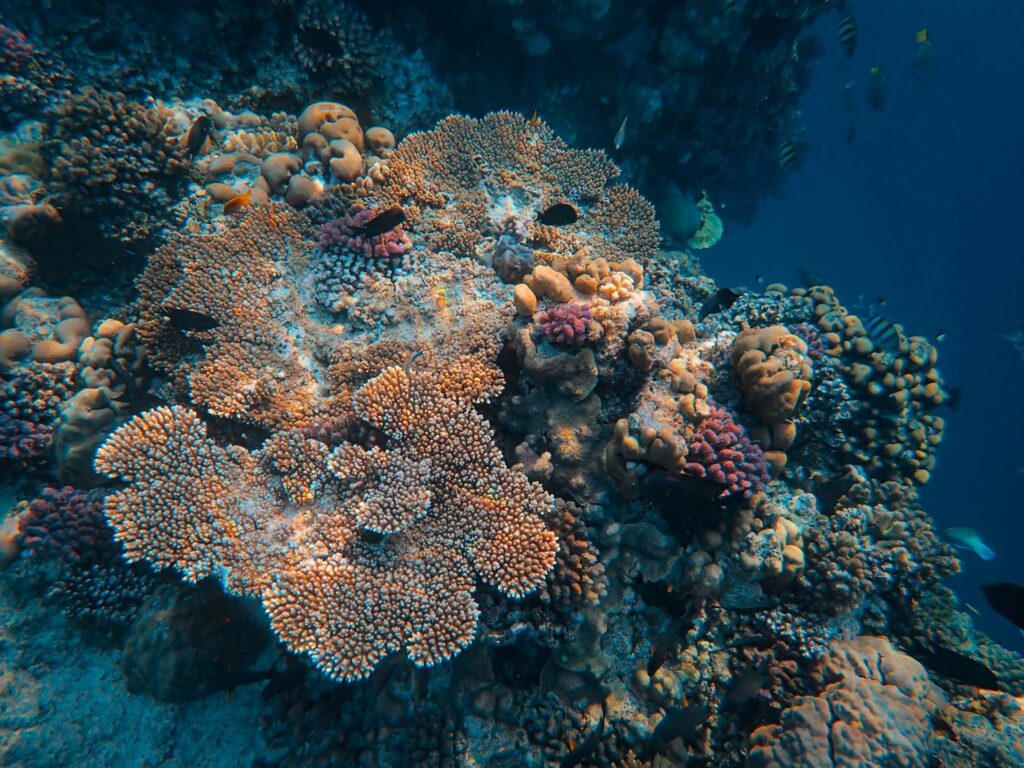
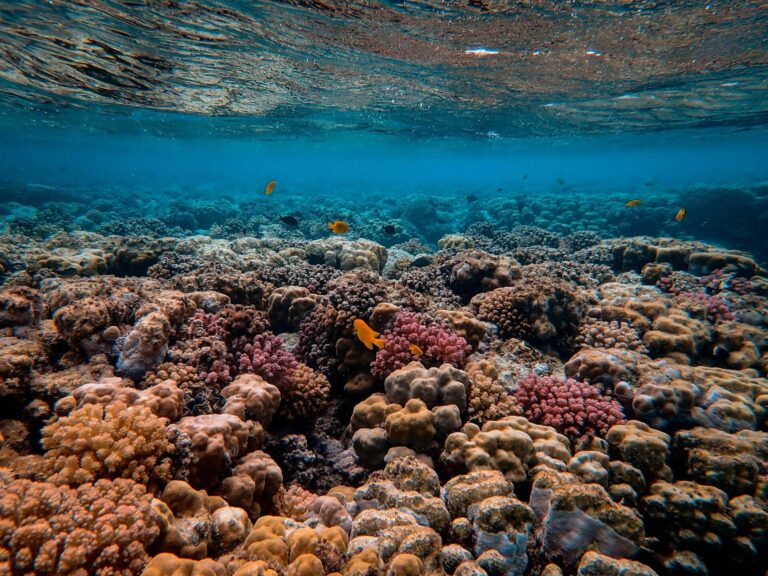
Coral reefs are underwater ecosystems built by tiny animals called coral polyps. These small marine invertebrates secrete calcium carbonate, gradually creating the hard structures that form reefs over hundreds and even thousands of years. It’s all pretty mind-blowing!
Although corals may resemble plants or rocks, they are, in fact, living animals. Most reef-building corals have a symbiotic relationship with microscopic algae called zooxanthellae, which live within their tissues.
These algae use sunlight to produce energy through photosynthesis, providing much of the food corals need to grow. In return, the corals offer the algae a protected place to live. It’s a win-win situation.
Coral Reefs Are Biodiversity Hotspots
Coral reefs are often referred to as the “rainforests of the sea” because of the incredible diversity of life they support.
Although they cover just a fraction of the world’s oceans (less than 1%), they provide habitat for approximately 25% of all marine species at some stage of their lives.
The elaborate structures created by hard corals offer not only shelter from predators and nursery habitat for juvenile fish, but also breeding sites and feeding grounds.
In some cases, they also support cleaning stations where fish remove parasites from larger animals. Diving at manta cleaning stations is always one of our favourite underwater experiences!
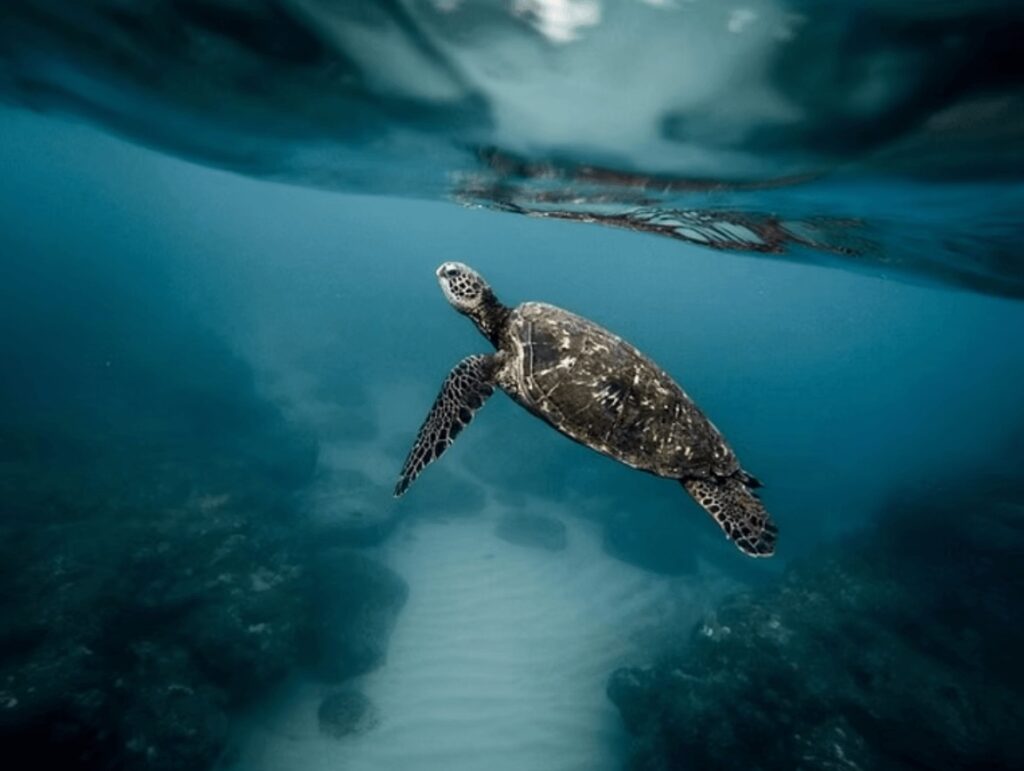
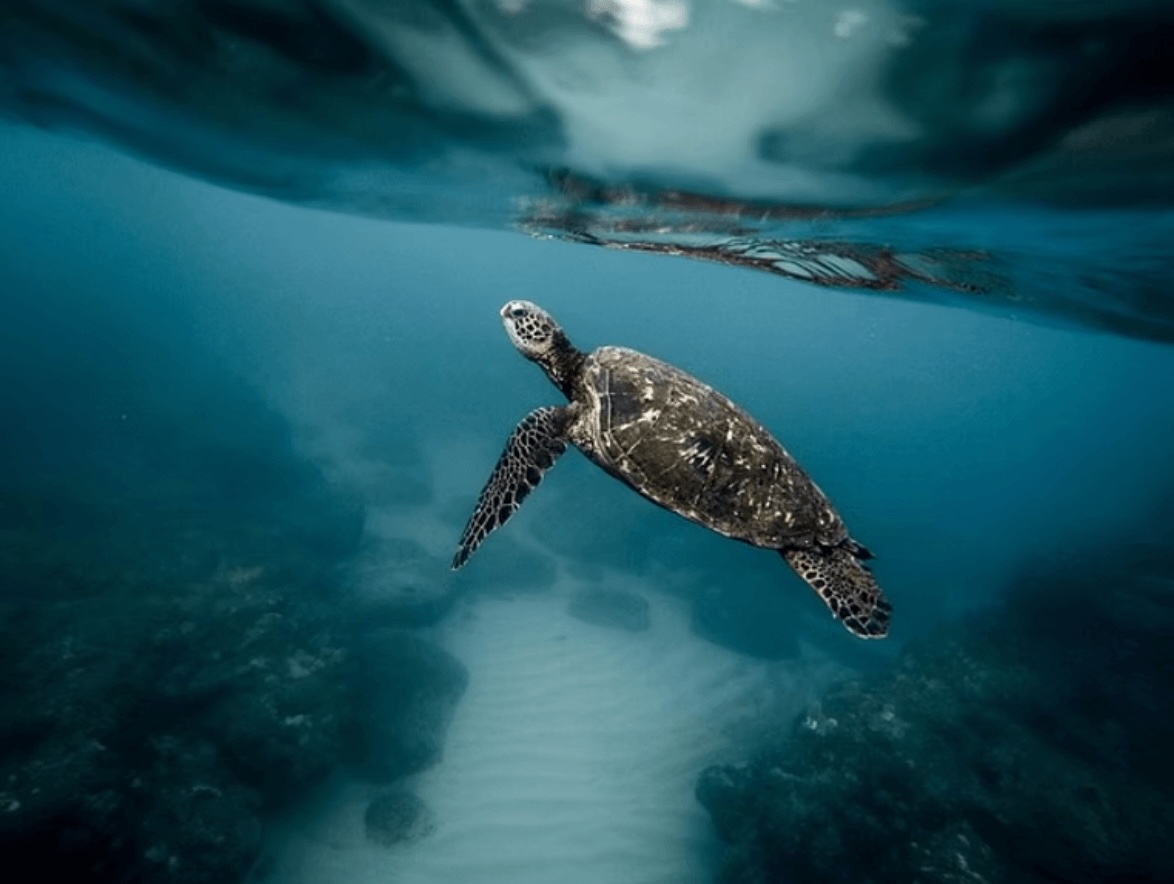
Without coral reefs, everything from sea turtles to sharks and countless invertebrates would likely struggle to survive. And it’s because of this biodiversity that coral reefs are so sought after as dive destinations. Even a single dive can reveal dozens of different marine species and expose you to unique behaviours that aren’t exhibited elsewhere.
Natural Coastal Defences
Coral reefs don’t just benefit marine life – they also protect people and human infrastructure.
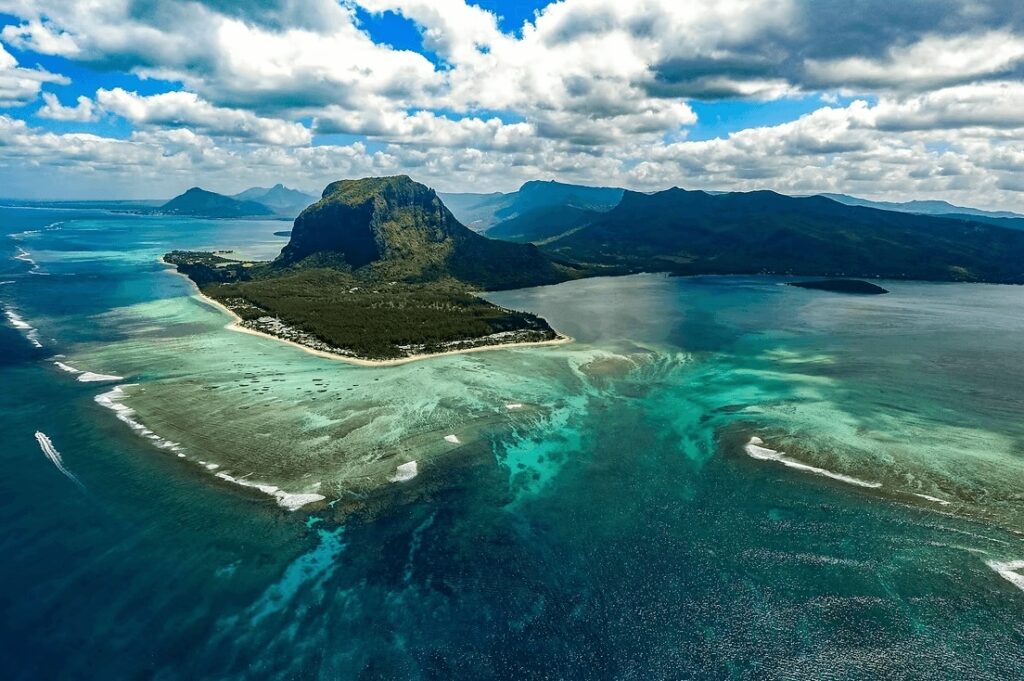
Acting as natural breakwaters, reefs absorb up to 97% of wave energy, helping reduce the impact of storms, waves and coastal erosion. This natural protection safeguards beaches, mangroves and coastal communities around the world.
Without healthy reefs, many coastlines would be far more vulnerable to flooding and erosion, especially as climate change increases the frequency of severe storms and sea levels continue to rise
Replacing these natural barriers with artificial structures would be enormously expensive and, in some cases, less effective. After all, coral reefs having been serving this function for millions of years, long before humans walked the Earth.
Supporting Millions of Livelihoods
Coral reefs are essential to the economies of many coastal nations. This is something that can’t be understated.
As divers who have travelled the world, we’ve seen this first-hand and are concerned about the livelihoods of these communities if coral reefs disappear.
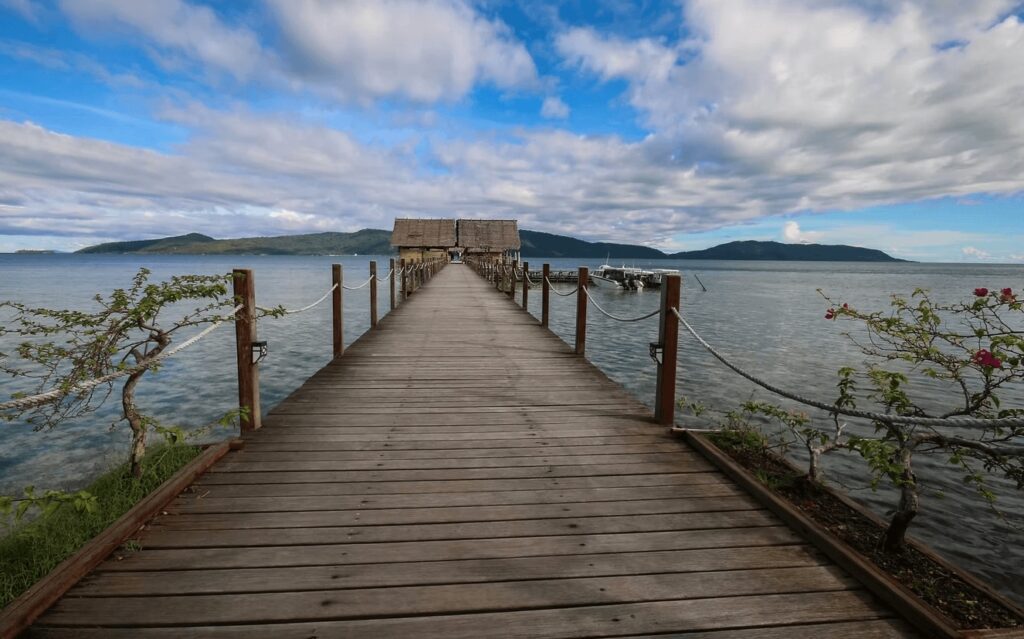
Popular diving destinations throughout Southeast Asia, Oceania and the Caribbean rely heavily on healthy reefs to attract visitors from around the world.
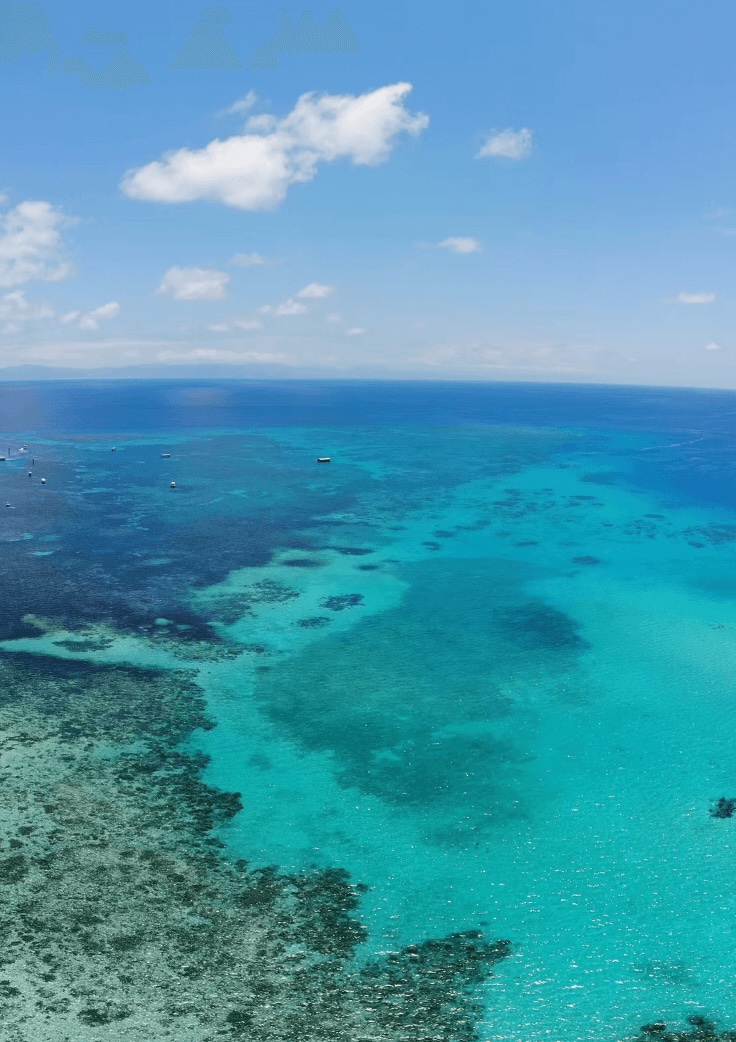
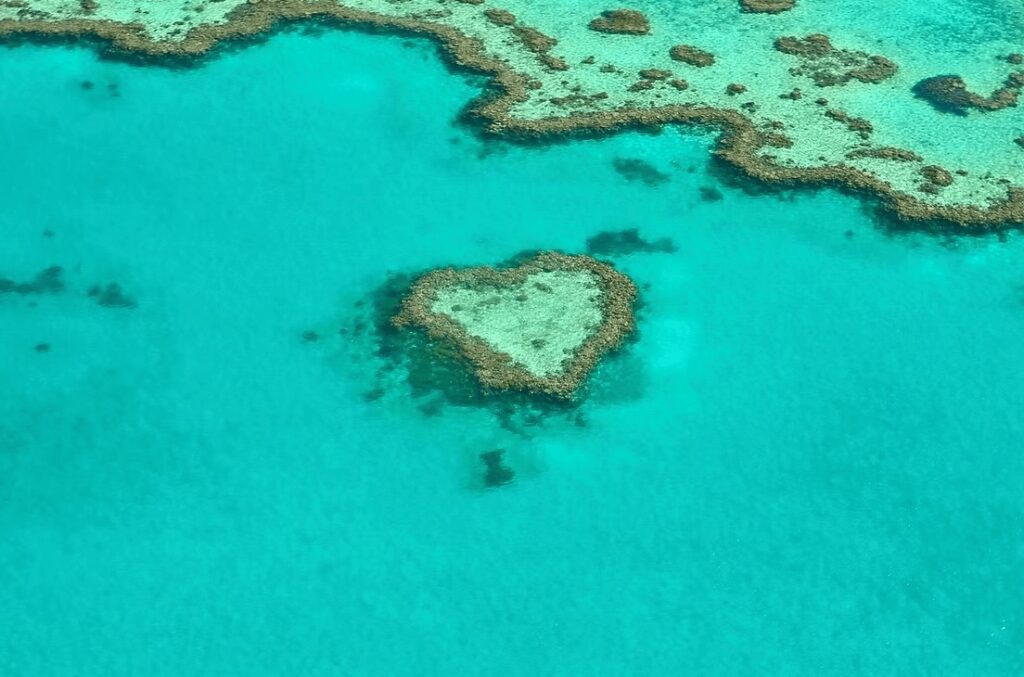
The Great Barrier Reef Foundation has reported that the Great Barrier Reef contributes about $7.9 billion annually to Australia’s tourism industry. Globally, it’s thought that coral reefs contribute around $36 billion, with that revenue supporting millions of jobs in restaurants, hotels/resorts and tour operations.
These tourism dollars talk. With so much money flooding in, governments and businesses are more likely to protect coral reefs and their associated ecosystems in the form of marine protected areas.
Coral Reefs Feed Communities
For many coastal communities, coral reefs are directly linked to food security.
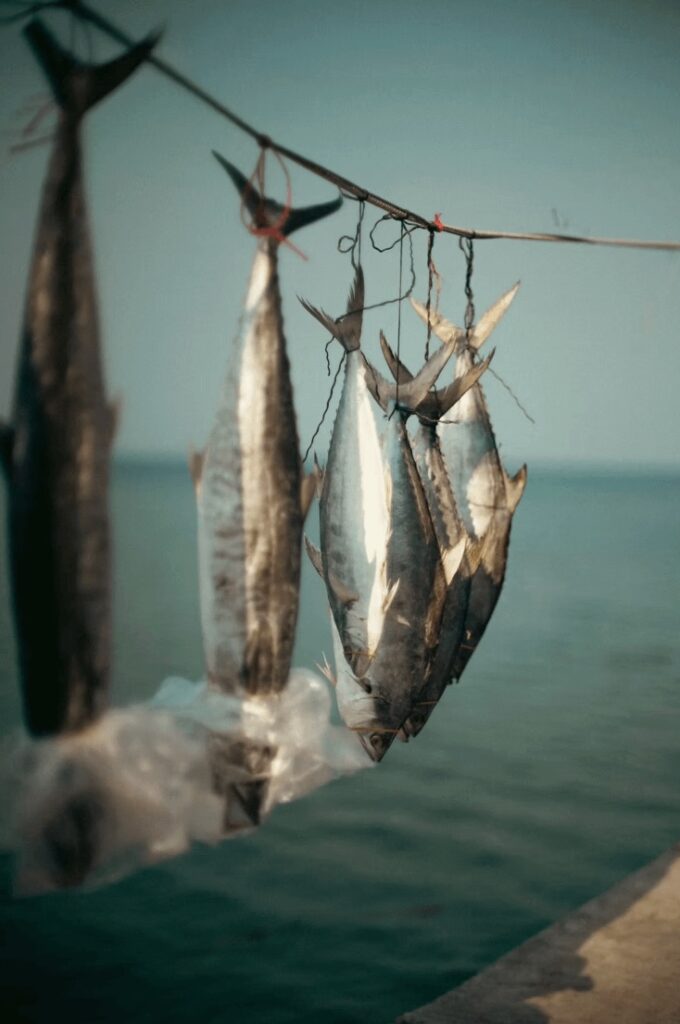
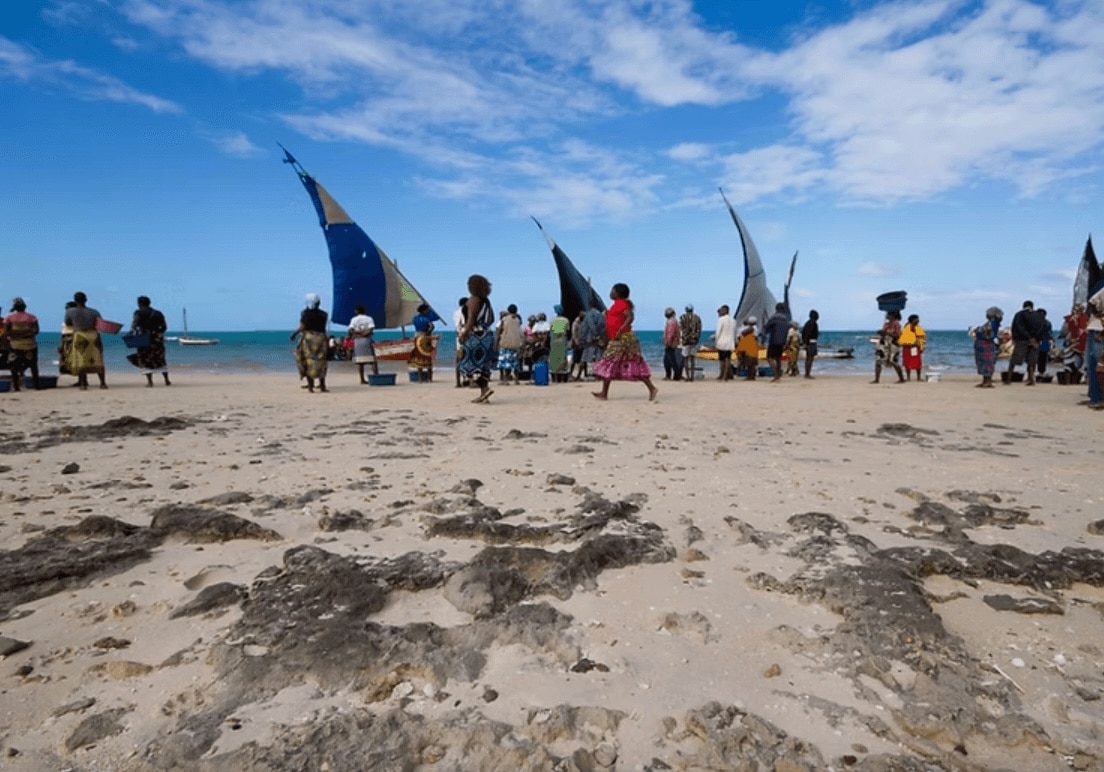
Reef ecosystems support productive fisheries that provide protein for hundreds of millions of people worldwide. It’s estimated that around 3 billion people get at least 20% of their protein needs from fish and seafood.
Many commercially important fish species spend part of their lives on coral reefs before moving into surrounding waters. So without them, the fishing industry would look at lot different than what it does today.
Essentially, healthy reefs help maintain balanced marine food webs, ensuring fish populations remain productive over the long term.
Coral reef decline will inevitably lead to a decline in fish stocks, which could be catastrophic for coastal communities.
Protecting coral reefs helps maintain healthy fish populations, ensuring that local communities can continue to benefit from sustainable fisheries for generations to come.
A Source of Medical Discoveries
One of the lesser-known benefits of coral reefs is their contribution to medicine. If we’re being honest, it’s something we were completely unaware of until a few minutes ago!
Scientists are actively studying reef organisms for compounds that may help develop treatments for cancer, Alzheimer’s and heart disease, as well as viral infections and chronic pain. Essentially, they could contribute to humans leading longer and more problem-free lives.
Many marine species produce unique chemical compounds (usually for defence or communication purposes) and these are of particular interest to medical researchers. But it’s a field of study that is still in its infancy – marine pharmacology didn’t really get going until the 1960s.
The concern is that if we don’t protect coral reefs, we risk losing species with untapped scientific potential that could significantly improve health outcomes for humans.
The Biggest Threats Facing Coral Reefs
Despite their importance to coastal communities, tourism industries and human survival, coral reefs face unprecedented challenges. Below, we’ll touch on some of the threats they are facing, with links to more detailed articles if you want to read more.
It’s worth mentioning that coral reefs can often withstand individual threats, depending on their severity. But when faced with multiple environmental pressures, their resilience is really tested.
Climate Change
Rising ocean temperatures are causing widespread coral bleaching, where stressed corals expel the algae they depend on for survival. Prolonged bleaching can lead to mass coral mortality, as we have witnessed on the Great Barrier Reef.
Ocean Acidification
As oceans absorb more carbon dioxide from the atmosphere, seawater becomes more acidic. This makes it harder for corals to build and maintain their calcium carbonate skeletons. You can learn more about ocean acidification here.
Pollution
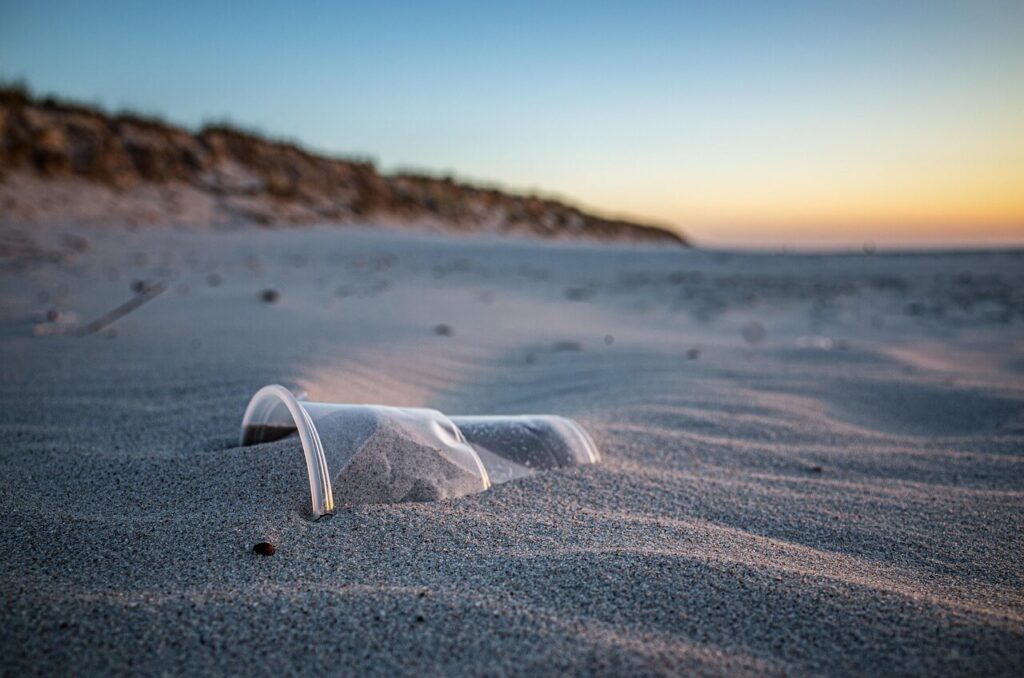
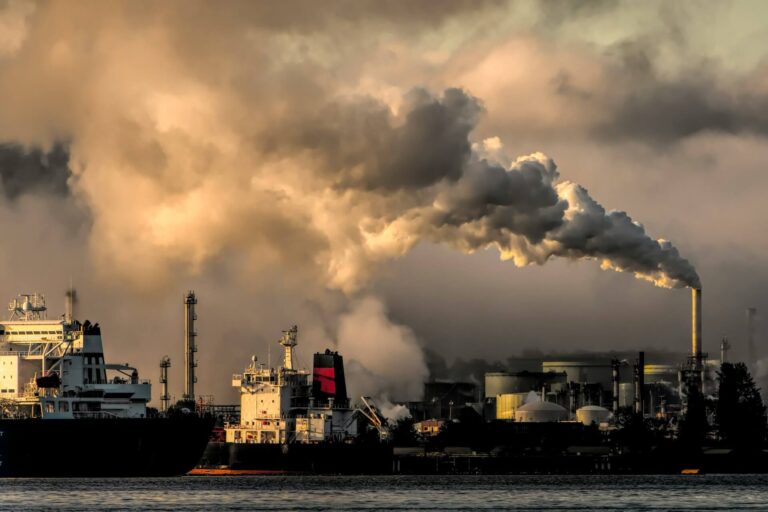
Plastic waste, sewage and chemical pollution all degrade reef health by reducing water quality and encouraging harmful algae growth. Excess nutrients from fertilisers and wastewater can trigger algal blooms that block sunlight, smother reefs and compete with corals for space.
Overfishing
Removing key fish species can upset the delicate balance of reef ecosystems, making them less resilient to other environmental pressures.
Destructive fishing practices can cause even greater harm. Methods such as dynamite and cyanide fishing (which are still used illegally in some parts of the world) can destroy coral structures that have taken centuries to form.
You can learn more about sustainable fisheries here.
Coastal Development
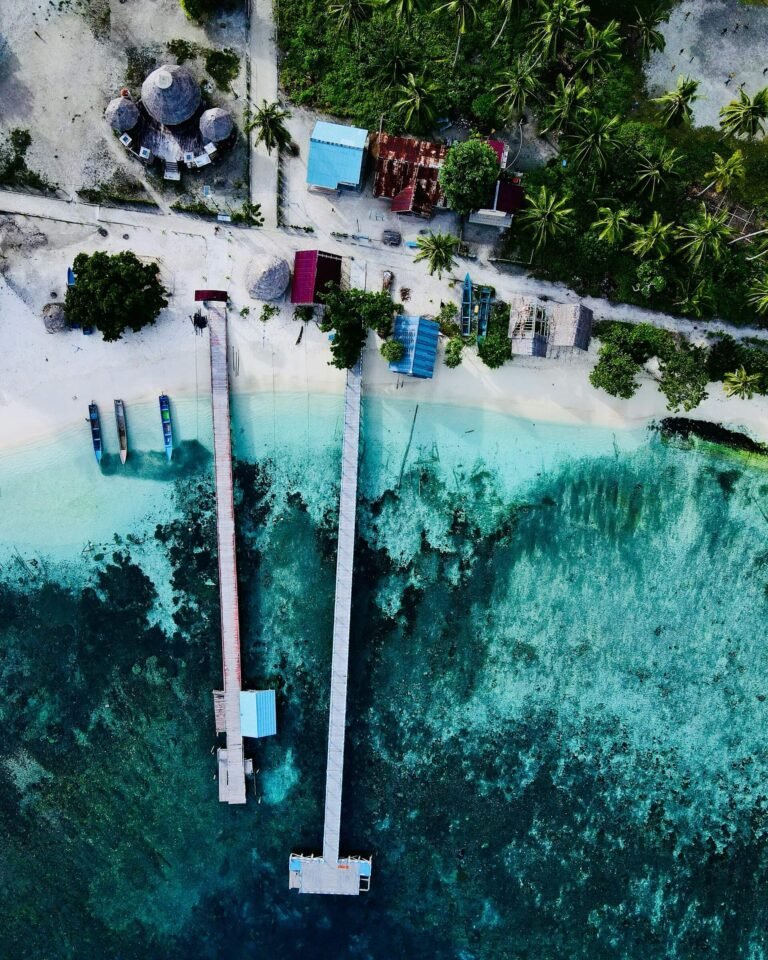
Poorly planned construction, dredging and increased sediment runoff can smother corals and reduce the sunlight they need to survive.
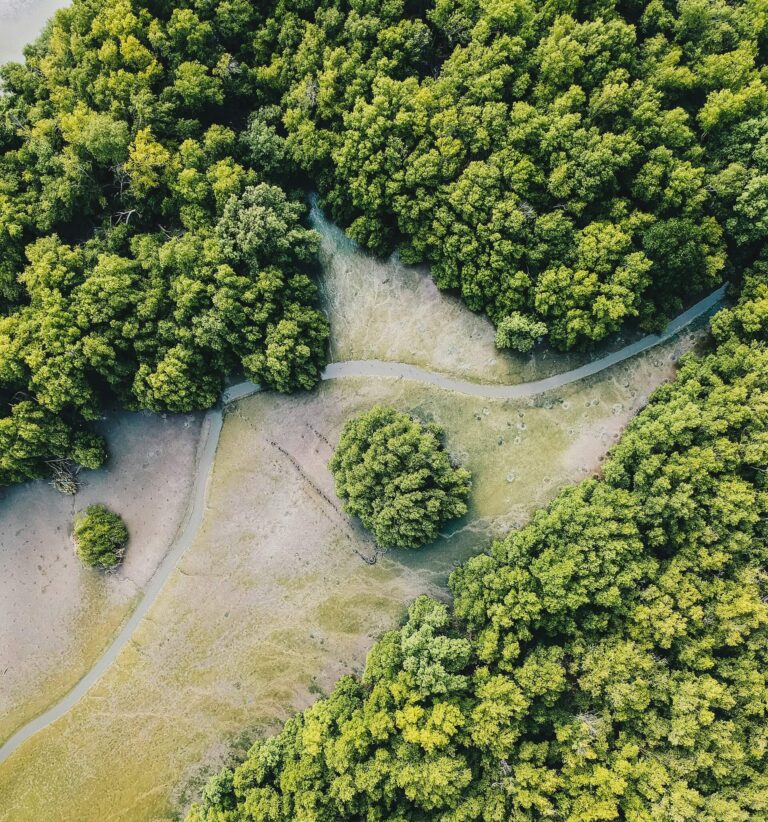
Coastal development can also destroy important natural buffers such as mangrove forests and seagrass meadows. These ecosystems help trap sediments before they reach coral reefs while providing essential nursery habitats for many marine species.
Unsustainable Tourism
Poor diving/snorkelling practices, anchoring on reefs and irresponsible tourism infrastructure can all cause physical damage to fragile corals.
Unlike many natural environments, coral reefs recover extremely slowly. A coral colony that takes decades or even centuries to grow can be damaged or destroyed in just seconds through careless tourism activities.
How Divers Can Help Protect Coral Reefs
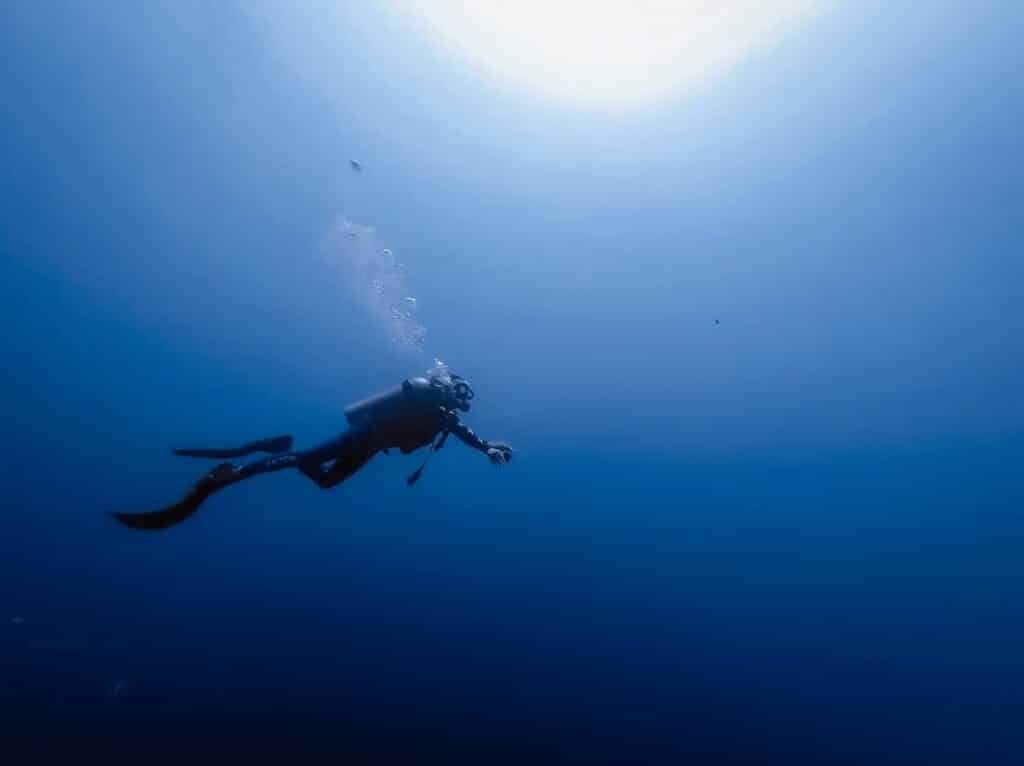
As divers, we are uniquely positioned to become ambassadors for reef conservation. We’ve seen first hand what’s at stake, we understand the environmental pressures and we have a vested interest in ensuring coral reefs thrive.
It’s also (relatively) easy to make a difference through your actions alone – by making conscious decisions about who you dive with, how you conduct yourself underwater and the messages you share with the world.
- Perfect your buoyancy to avoid accidental contact with corals.
- Never touch, stand on or collect coral.
- Choose environmentally responsible dive operators.
- Participate in reef clean-up events and citizen science projects.
- Reduce plastic waste while travelling.
- Support marine protected areas and conservation initiatives.
- Share your experiences to inspire others to value healthy oceans.
Coral Reefs Are More Than Meets the Eye
Even if you’ve never been scuba diving and you have no interest in surfing, coral reefs still benefit your daily life. They protect coastlines from storms, sustain fisheries and preserve biodiversity, and may even hold the key to future medical breakthroughs.
As climate change and other human pressures continue to threaten our marine ecosystems, we think protecting coral reefs is a global responsibility. It’s not just something that scientists should be concerned with, but anyone who values thriving oceans and the wellbeing of millions of people around the world.
Every time we dive on a healthy coral reef, we’re reminded of what’s at stake. It’s why we want to encourage others to travel responsibly, support conservation efforts and make mindful choices both above and below the water’s surface.
PLAN YOUR TRIP WITH OUR FAVOURITE RESOURCES:
Find hotels and resorts via Booking or Agoda
Book tours and experiences via Viator or GetYourGuide
Find a rental car via Discover Cars
Book flights via Kiwi or Booking
Search for buses and trains via 12Go or Omio
Get travel insurance via SafetyWing
Buy a digital eSIM with Airalo
By purchasing through our links, you’ll be supporting our website at no additional cost to you
We are a team of passionate divers and surfers with decades of combined experience in the water and travelling to all corners of the globe.
After years of chasing waves and descending into the deep blue, we’ve created this resource to highlight sustainable surf camps, eco-dive resorts and conservation-focused ocean trips to help inspire your next adventure.
Eco Ocean Escapes was born out of a love of the ocean, an obsession with travel and a concern about the impacts of our adventures on the environments we explore.