Supporting Sustainable Fisheries and the Health of Our Oceans
Want to support sustainable fisheries? Discover the issues associated with commercial fisheries and how to support sustainable seafood for the long-term health of our oceans.
The immense global demand for seafood, combined with advancements in fishing technology, has led to the widespread depletion of fish and shellfish populations around the world.
It’s estimated that fishers remove a staggering 77 billion kilograms of wildlife from the world’s oceans each year. This is an unsustainable rate of extraction that has scientists gravely concerned that the world’s fisheries may soon face collapse.
Trawlers, gillnets and longlines indiscriminately capture a wide range of species, including those that are endangered and threatened. Meanwhile, bycatch results in the decline of huge numbers of non-target species.
As the global population continues to grow, it’s crucial that we implement responsible, sustainable fishing methods. These are critical if we want to preserve the delicate balance of our marine environments.
In this article, discover some of the key issues associated with commercial fisheries. We’ll also highlight how we, as consumers, can support sustainable fisheries for the long-term health of our ocean playgrounds.
For more insights into marine conservation issues, check out our collection of articles here. They focus on everything from ocean acidification and mercury pollution to coral bleaching and the Great Pacific Garbage Patch.
Issues with commercial fisheries
Overfishing
Overfishing is the extraction of fish from the ocean at a rate that exceeds the population’s natural ability to replenish and sustain itself.
When this imbalance persists over time, it inevitably leads to the collapse of entire fish stocks. This devastates both the marine environment and the livelihoods of those who rely on a healthy, abundant ocean.
In Australia, recent research has revealed that 17.5% of the country’s fish stocks are currently overfished or being fished at unsustainable levels.
What’s even more troubling is that several species categorised as “Conservation Dependent” (including orange roughy, eastern gemfish and southern bluefin tuna) are still being commercially fished. This is despite being dangerously close to the brink of endangerment.
This practice highlights the disconnect between scientific evidence and policy decisions. It also brings to light the urgent need for more robust, ecologically-grounded fishery management strategies that prioritise long-term sustainability over short-term economic gains.

Bycatch
Bycatch is a major issue associated with commercial fisheries. Unfortunately, countless marine animals are inadvertently killed or injured during commercial fishing operations.
While the targeted catch is the primary objective, a wide variety of non-target species often get caught up in the process, with devastating consequences.
Different fishing methods have varying levels of bycatch, with some proving far more destructive than others.
Trawling nets, for instance, can ensnare and drown seals as they indiscriminately scoop up everything in their path. Similarly, gillnets set to catch sharks have been known to entangle and kill dolphins, dugongs and sea lions.
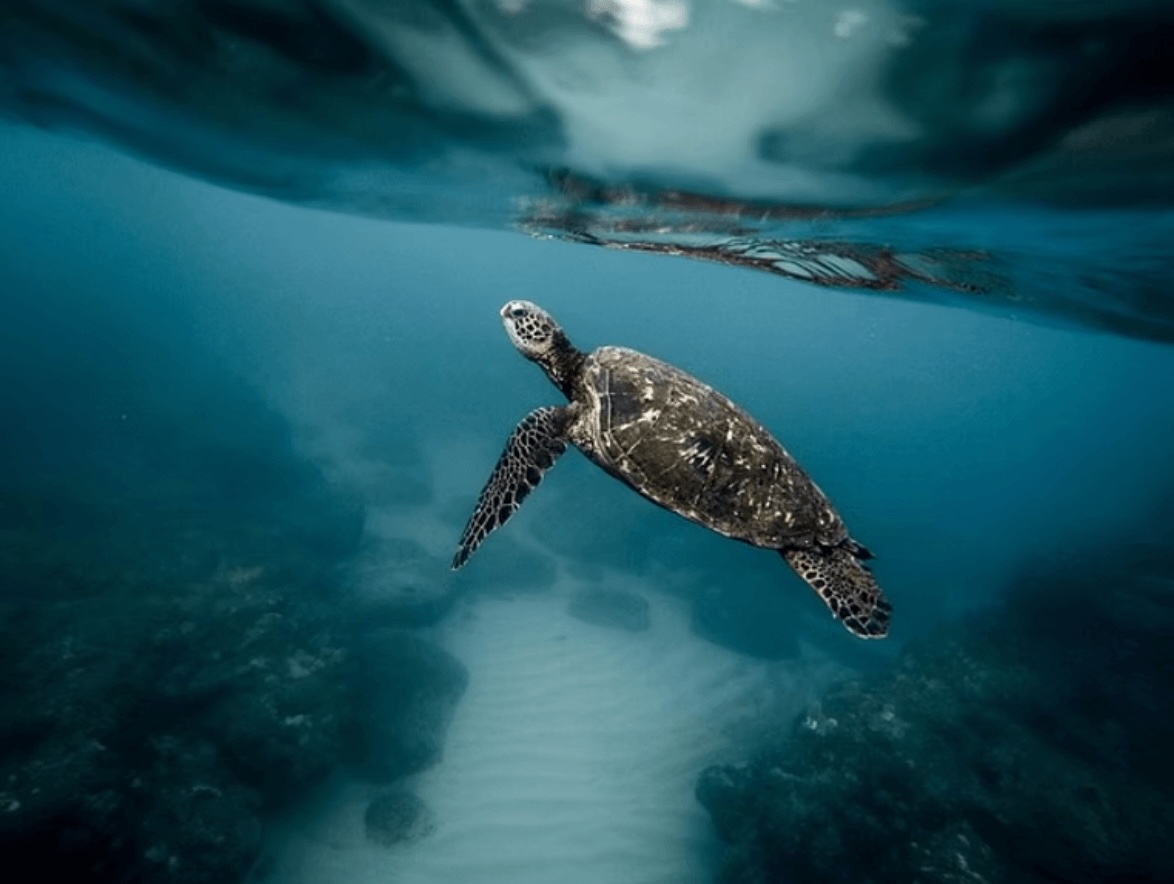
Even longline fishing for tuna has been implicated in the accidental capture of endangered sea turtles.
Encouragingly, some commercial fisheries have started to make concerted efforts to mitigate their bycatch. They have done this by implementing more selective gear and real-time monitoring to avoid sensitive areas.
However, there is still a long way to go before the problem of bycatch is truly addressed. Even today, countless creatures are perishing in the pursuit of commercial fishing profits.

Gillnets
Gillnets are a highly problematic and indiscriminate type of fishing gear that pose a significant threat to vulnerable and endangered species.
These large, curtain-like nets are suspended vertically in the water. Essentially, they create an invisible barrier that entangles any creature unfortunate enough to swim into them.
While gillnets are intended to catch targeted fish species, they can also ensnare and drown a wide variety of non-target animals. Among these are sea turtles, dugongs and dolphins.
Conservationists are urgently calling for complete bans on gillnet fishing in areas that serve as critical habitats for these vulnerable species, as the devastating toll on local populations is unsustainable.
That being said, gillnets can be used in a more responsible manner by keeping them constantly attended, deploying them for only short durations and avoiding sensitive ecosystems. But the indiscriminate nature of this fishing method makes it extremely difficult to prevent unintended catches.
Longlines
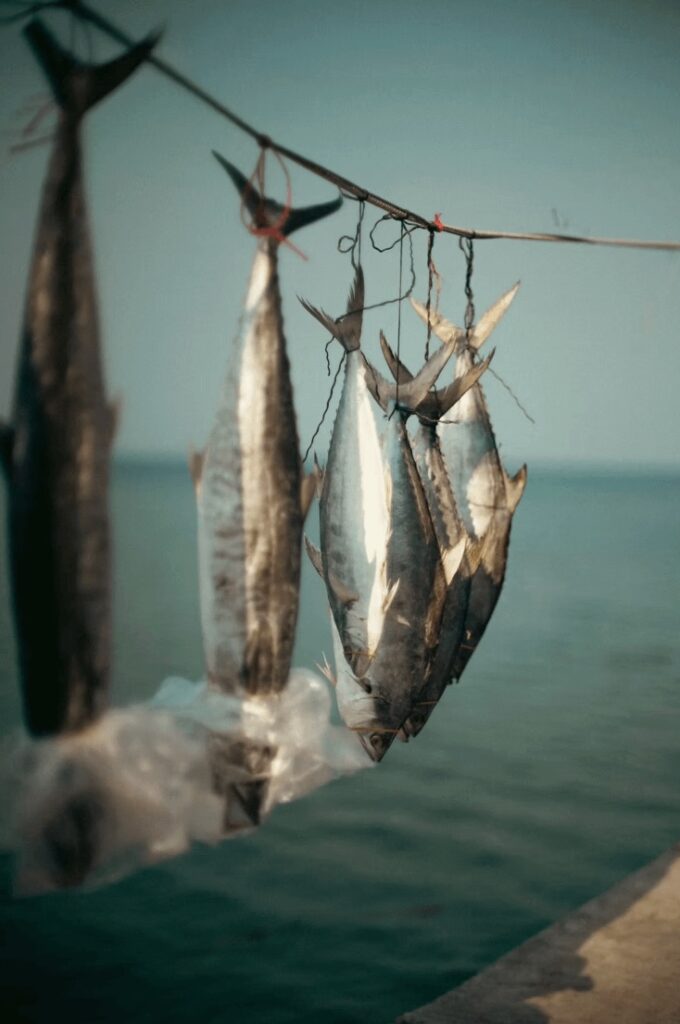
Longline fishing is a highly efficient but often environmentally destructive method of harvesting some of the ocean’s most valuable species.
This technique involves deploying a fishing line that can stretch for kilometres, with thousands of baited hooks suspended at intervals along its length.
These longlines are either set to drift in the water column or laid along the seafloor, waiting for tuna, swordfish, sharks and other large pelagic predators to take the bait.
While this method allows commercial fishers to target and capture substantial quantities of these high-demand species, it also poses a major threat to other marine animals. Each year, countless turtles, whales, seabirds and even albatross become entangled in the lines and hooks, often leading to their injury or death.
That being said, longline fishing can be made more sustainable. This is largely through the use of gear modifications, such as the incorporation of deterrents to prevent bycatch.
It’s also possible to establish protected marine parks and sanctuaries that restrict or prohibit longline practices, particularly in critical habitats.

Aquaculture
Aquaculture is the practice of farming aquatic life and has emerged as a promising solution to the growing global demand for seafood. However, the reality is often more complex than it may initially appear.
While the concept of raising fish in controlled environments holds the potential to alleviate pressure on dwindling wild populations, the execution of many aquaculture operations has not always lived up to this promise.
A prime example can be found in the production of farmed Atlantic salmon in Tasmania. Here, the feed required to raise these fish often exceeds the actual output of the farms.
For every kilogram of salmon produced, more animals are used as feed than is ultimately generated, undermining the sustainability of the practice.
Beyond the challenges of feed sourcing, aquaculture operations can also introduce new environmental concerns. These include the polluting release of waste and effluent.
Coastal regions, which are frequently chosen as sites for fish farms, are often sensitive ecosystems that can be vulnerable to pollution generated by these intensive farming practices.
The discharge of nutrient-rich waters and the potential for the escape of non-native species can disrupt delicate marine habitats. Ultimately, this leads to a cascade of ecological consequences.
Recognising these drawbacks, the aquaculture industry is being encouraged to improve its sustainability practices. This includes exploring alternative feed sources and implementing more stringent regulatory frameworks.
However, the path to truly sustainable aquaculture remains a work in progress. The industry is often criticised for being blindly focused on profits, despite often devastating environmental consequences.

How to support sustainable fisheries
Many popular seafood species are at risk of overfishing or are caught using destructive practices that damage sensitive underwater habitats.
However, there are also well-managed, eco-friendly fisheries around the world that prioritise conservation and responsible harvesting.
By educating ourselves on these options and supporting sustainable seafood, we can use our purchasing power to incentivise more responsible fishing and aquaculture practices.
As conscious consumers, we have the power to make choices that directly support the long-term health of our marine ecosystems. When it comes to seafood, this means being intentional about the origins and harvesting methods of the fish and shellfish we purchase.
Resources like Seafood Watch in the United States and Good Fish in Australia provide detailed, easy-to-understand guidance on which seafood items come from the most environmentally-conscious sources.
When making purchases at supermarkets or browsing restaurant menus, check online first to see if the seafood is being fished sustainably or if it’s something you should avoid.
If a restaurant menu doesn’t say where the product is from, don’t be afraid to ask questions. In fact, make it known that you only want to support sustainable seafood and fisheries that are doing the right thing.
With a little research, you can identify the fish and shellfish that you love (but also have a minimal impact on our oceans) and vote with your dollars.
Making mindful seafood choices is an impactful way we can contribute to the long-term sustainability of our global fisheries. It’s also an easy way of encouraging supermarkets and restaurants to do the same.

When travelling, opt to stay at environmentally conscious hotels and resorts that only serve sustainably sourced seafood. Many surf camps and dive resorts are located within fragile marine ecosystems that are highly susceptible to overfishing and other detrimental fishing practices.
Before booking, check to see what the accommodation’s stance is on sourcing sustainable seafood. Many dive and surf resorts have “sustainability” sections on their websites. These usually detail the steps they are taking to reduce their environmental impact.
Lastly, support marine conservation organisations that are pushing for sustainable fisheries. That might be by putting pressure on local governments or promoting greater awareness through education.
Many of these organisations rely on the generosity of the public to conduct their campaigns, which play a vital role in ensuring our oceans remain healthy playgrounds in which we can surf and dive.
PLAN YOUR TRIP WITH OUR FAVOURITE RESOURCES:
Find hotels and resorts via Booking or Agoda
Book tours and experiences via Viator or GetYourGuide
Find a rental car via Discover Cars
Book flights via Kiwi or Booking
Search for buses and trains via 12Go or Omio
Get travel insurance via SafetyWing
Buy a digital eSIM with Airalo
By purchasing through our links, you’ll be supporting our website at no additional cost to you
-
The Blue Revolution: How Ocean Conservation Is Changing Travel
If you’re anything like us, the ocean is what fuels your travel adventures. Over the last 20+ years, we’ve flown across the globe to dive with manta rays, kayak above coral reefs and surf legendary waves. But there is an uncomfortable contradiction at the heart of ocean tourism: the healthier the marine environment, the more…
-
Climate Change in the Ocean: A Guide for Surfers + Divers
When we think about climate change, our attention naturally turns to what we can see on land or are experiencing first hand: rising temperatures, melting glaciers, wildfires and more intense weather events. Many of these are well-reported on the nightly news and it’s devastating to see intense wildfires ripping across landscapes and floods wreaking havoc…
-
Resort vs Liveaboard vs Homestay Diving in Raja Ampat: Choosing the Right Experience
Raja Ampat is one of my favourite diving destinations in Indonesia. In fact, that’s probably an understatement. Raja is one of my favourite places to dive anywhere in the world. The underwater experiences I’ve had here are nothing short of extraordinary…and that’s not taking into account the incredible above-water scenery. It really does feel like…
-
How Sunscreen Affects Coral Reefs + Marine Life
If you’re anything like us, applying sunscreen is second nature before heading out to surf or spending a day on a dive boat. In fact, our skin type means we need to apply sunscreen before we step outdoors…full stop! Since we were little, it’s been drummed into us that sunscreen protects our skin from harmful…
-
The Essential Scuba Diving Guide to Raja Ampat, Indonesia
Few places we’ve dived have captured our imagination quite like Raja Ampat. Our first visit was back in the early 2000s, staying at a homestay on a blissfully gorgeous beach, and our second in 2023 at the eco-friendly Papua Explorers Resort. Both are experiences that will stay with us forever and affirmed what so many…
-
Successful Marine Protected Areas You Can Visit Around the World
After almost two decades of scuba diving around the globe, we’ve come to the conclusion that marine protected areas (MPAs) are one of the most powerful tools we have for conserving ocean ecosystems. Essentially, they are like “national parks of the seas” – established to limit activities such as overfishing, habitat destruction and unsustainable development….


We are a team of passionate divers and surfers with decades of combined experience in the water and travelling to all corners of the globe.
After years of chasing waves and descending into the deep blue, we’ve created this resource to highlight sustainable surf camps, eco-dive resorts and conservation-focused ocean trips to help inspire your next adventure.
Eco Ocean Escapes was born out of a love of the ocean, an obsession with travel and a concern about the impacts of our adventures on the environments we explore.