Sustainable Scuba Travel: Tips for Finding Eco-Friendly Dive Resorts
Planning a scuba trip and want it to have a positive impact? Choosing an eco-friendly dive resort is one of the best ways to support marine conservation while enjoying unforgettable underwater experiences.
From sustainable operations and reef-friendly practices to community engagement and conservation initiatives, there are several factors worth considering when selecting the right resort. In this guide, we’ll explore what to look for, the questions to ask and how to find a dive resort that aligns with your morals.
It’s no secret the ocean is facing growing pressures, from climate change and overfishing to mercury pollution threatening marine life. Sometimes when we take stock of the situation, it feels almost overwhelming.
But we’re always reminding ourselves that there are reasons to feel optimistic.
Firstly, we know there are incredible marine conservation organisations around the globe fighting day in, day out to protect our oceans, alongside scientists (of the “official” and “citizen science” kind).
Secondly, we’ve seen firsthand how dive resorts are embracing sustainability and becoming an important part of that effort. In fact, we’ve had several “lightbulb” moments about the potential of regenerative tourism while staying at these places.
More than just somewhere to dive, sleep, repeat, these properties are preserving and restoring underwater habitats, supporting local communities and engaging guests in meaningful conservation initiatives (including those aforementioned citizen science programs).
Many eco-dive resorts have adopted renewable energy technologies, source seafood responsibly and minimise waste, as well as use mooring buoys to prevent reef damage. Some have gone either further by creating protected buffer zones around sensitive marine habitats or helping to establish official marine protected areas.
By opting to stay at a sustainably-run dive resort, you’ll get to discover some of the world’s most incredible underwater environments while supporting their long-term survival.
In this guide, we’ll show you how to identify genuinely eco-friendly dive resorts and what sustainability practices to look for when planning your next scuba getaway. We’ll also explore the conservation goals and initiatives that set the most responsible operators apart, helping you make informed choices that benefit both your travel experience and the ocean.
For instant inspiration, check out 13 of the world’s best eco-friendly dive resorts or discover how to be a sustainable diver.
This article contains affiliate links, which means when you make a purchase through that link, we earn a small commission. Affiliate links come at no cost to you and ensure our content remains free!
Finding an Eco-Dive Resort: What to Look For:
Encouraging Responsible Dive Practices
When you’re looking for an eco-dive resort, one of the first things to consider is how seriously they take responsible diving.
The best operators understand that protecting the ocean can’t just be a line in their marketing material. It needs to be integral to how they run their dive operations. Every. Single. Day.
A genuinely sustainable dive resort will foster a culture of respect for the marine environment among both staff and guests. Dive instructors and guides should lead by example, encouraging divers to observe marine life without touching, feeding, chasing or disturbing animals.
After all, aren’t the most memorable underwater encounters the ones that unfold naturally, without someone prodding an octopus to make it “perform”?
This extends to underwater photography too. Responsible operators will discourage guests from harassing marine life or manipulating animals simply to get a better photo or a closer look.
We love an amazing underwater image as much as the next person. But we firmly believe that the welfare of the animals should always come before the perfect shot.
For more tips on being a responsible underwater photographer, check out our article here.
Protecting coral reefs is equally important. Even accidental contact from fins, equipment or hands can cause significant damage that may take years to recover.
That’s why eco-conscious dive resorts often place a strong emphasis on buoyancy control and good diving techniques. If you’re still building your buoyancy skills, a responsible dive team will encourage you to maintain a safe distance from sensitive coral areas until you’re comfortable and in control.
As you research potential dive resorts, look for evidence that they are doing everything within their powers to uphold sustainable dive practices.
Reviews from previous guests are a great place to start. We’ve read firsthand accounts from travellers highlighting dive facilities that aren’t meeting their obligations and, needless to say, we’ve steered clear of these properties.
Heading to Indonesia? Check out some of the best eco-friendly dive resorts in this island nation, from Komodo to Raja Ampat and Bunaken.
Sustainable Design and Construction
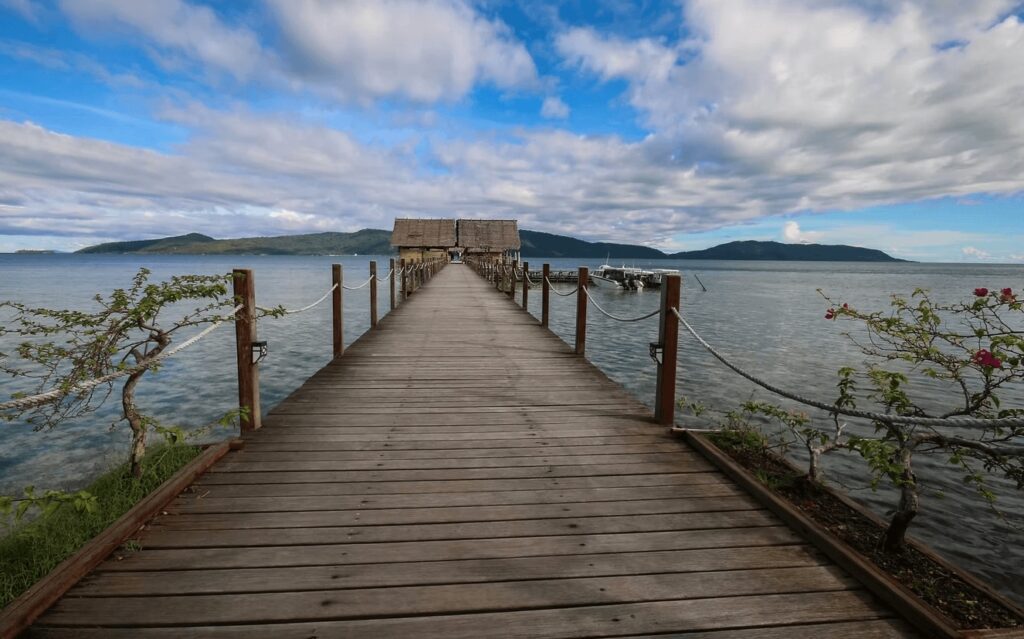
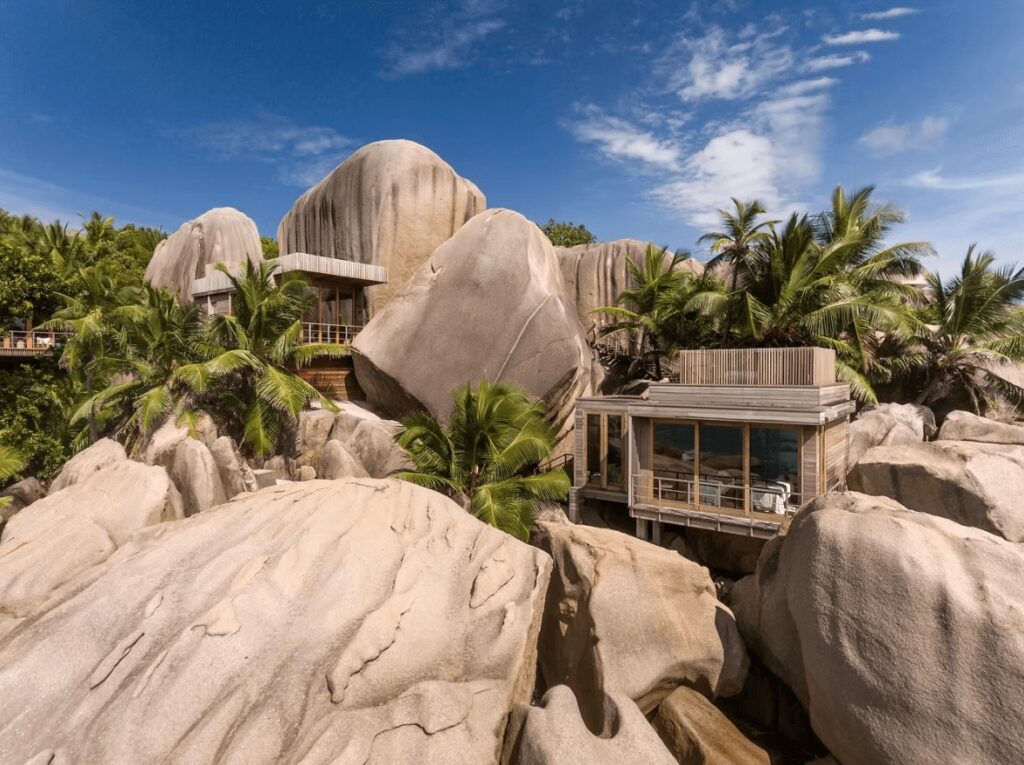
If you’re searching for an eco-friendly dive resort, look beyond the dive centre and consider how the property itself was built. Construction can have a significant environmental footprint, especially when materials need to be manufactured, imported and transported over long distances.
Many of the most environmentally conscious dive resorts prioritise reclaimed, recycled or locally sourced materials. This helps to reduce emissions while supporting local communities and businesses.
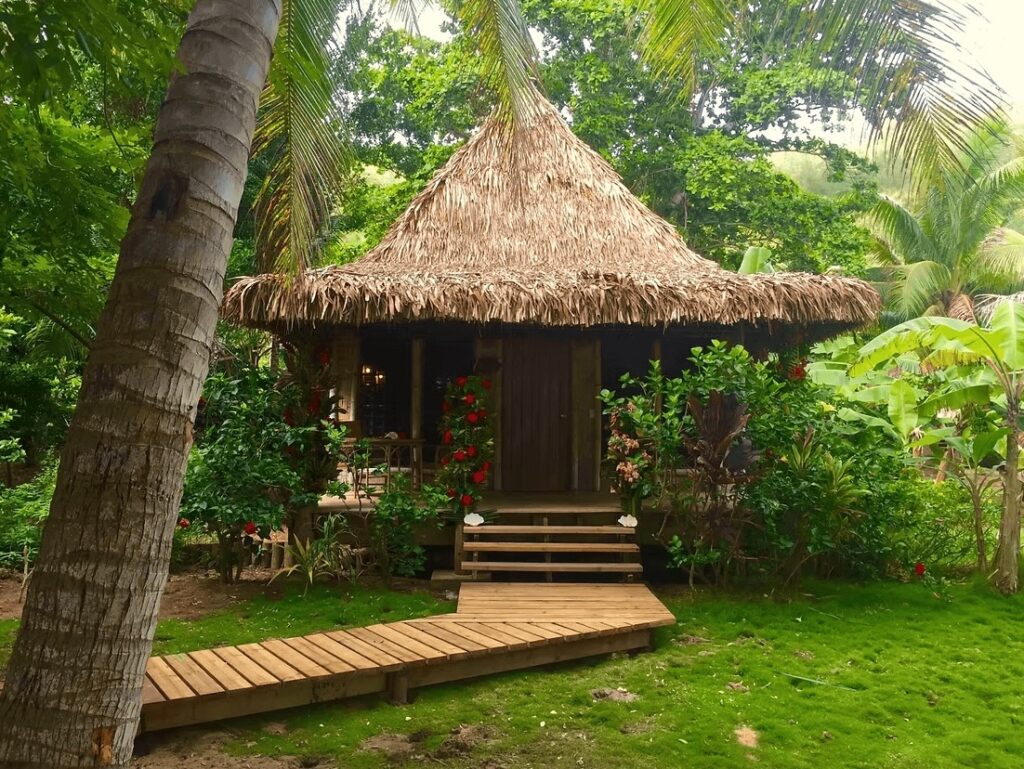
As an added bonus, resorts built using these materials tend to blend more naturally into their surroundings. Some draw inspiration from traditional design, giving us, as guests, a taste of vernacular architecture.
Indigenous communities have lived in balance with their environments for generations and their building techniques often provide valuable lessons in sustainability. We’re talking natural ventilation and designs that work with the climate and environment (rather than against them).
We’d also recommend looking for resorts that harness passive solar design to reduce their reliance on energy-intensive cooling systems. Instead of running air conditioning around the clock, these properties are designed to stay comfortable naturally, largely through building orientation, natural airflow and insulation.
For an affordable vacation in one of Indonesia’s top dive destinations, check out these 7 eco-friendly homestays in Raja Ampat.

Prioritising Renewable Energy
Many dive destinations are located on remote islands or in isolated coastal regions where diesel generators have long been the primary source of electricity. While reliable (and a great source of backup power), they’re usually noisy and heavily reliant on fossil fuels.
In recent years, we’ve noticed more dive resorts are making the switch to renewable energy sources, such as solar and wind power. Although the upfront investment can be significant, these systems usually pay for themselves in time and drastically lower the resort’s environmental footprint.
It’s important to note that it shouldn’t be solely on the resort to keep energy usage to a minimum. As a guest, you can also play your part.
While air conditioning is sometimes available at dive resorts in tropical destinations, it’s often one of the most energy-intensive features. Instead of running it 24/7, switch it off when you’re out diving…along with any lights!
And at night, consider embracing the natural environment by using ceiling fans, opening windows and enjoying the cooling ocean breeze instead.
Respecting Natural Boundaries
When you’re choosing where to stay on a dive trip, it’s natural to be drawn to resorts positioned right on the shoreline. Yep, we think they look stunning too!
But building too close to the water can place real pressure on fragile ecosystems like coral reefs, nesting beaches and mangrove forests. Not always, but sometimes.
That’s why it’s worth paying attention to whether the resort has established a clear development boundary or buffer zone. The most responsible will design their properties with the surrounding marine environment in mind, rather than reshaping the landscape to suit their needs.
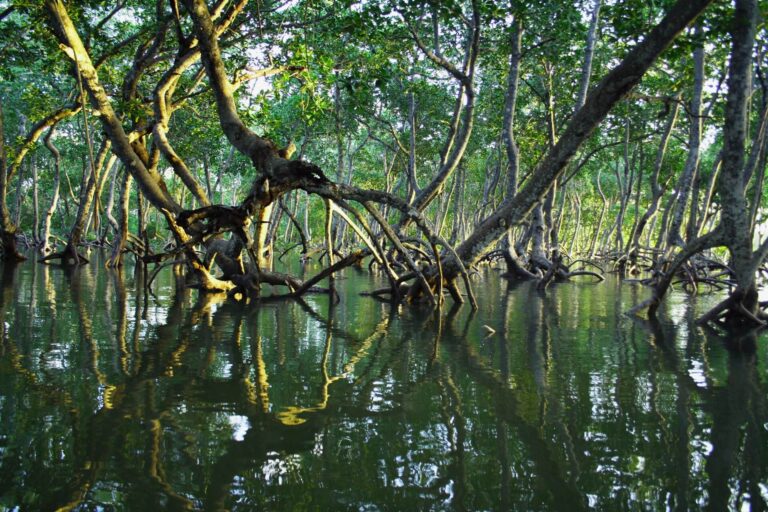
This might mean setting buildings back from the beach where sea turtles come ashore to nest or preserving mangrove areas that serve as nurseries for juvenile fish. In some cases, it may mean leaving certain stretches of coastline completely undisturbed so wildlife can continue to exist without interruption.
Heading to Southeast Asia? Discover 9 eco-friendly dive resorts to inspire your vacation.
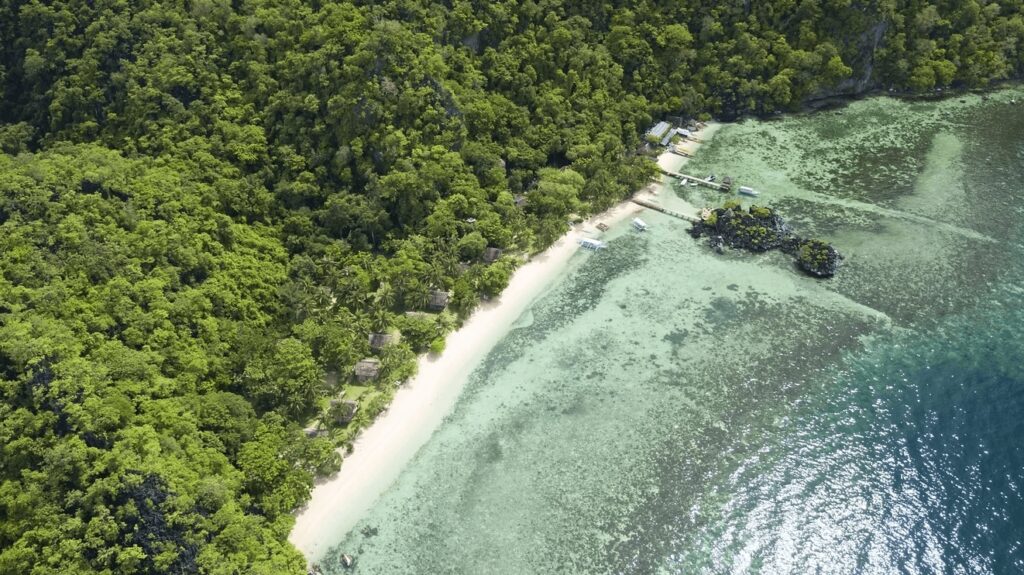
Reducing Waste and Supporting Recycling
Plastic pollution is one of the biggest threats facing our oceans and for dive resorts (businesses that depend on healthy marine ecosystems), minimising waste should be a top priority. It should be something that is so well implemented that you never have to ask: “Do you have a recycling bin?”
Rather than relying on single-use plastics, look for eco-dive resorts that are creatively sourcing reusable alternatives. It might be refillable dispensers instead of those tiny toiletry bottles. Or it might be locally sourced (and biodegradable) materials like banana leaves for packaging or serving food. This is a personal favourite of ours!
All of these small changes can add up to a much lighter environmental footprint.
At a minimum, a responsible dive resort should have clear systems in place for sorting waste and maximising recycling. It’s not just about reducing what goes out the door, but also about making sure as little as possible ends up polluting the surrounding land and sea.
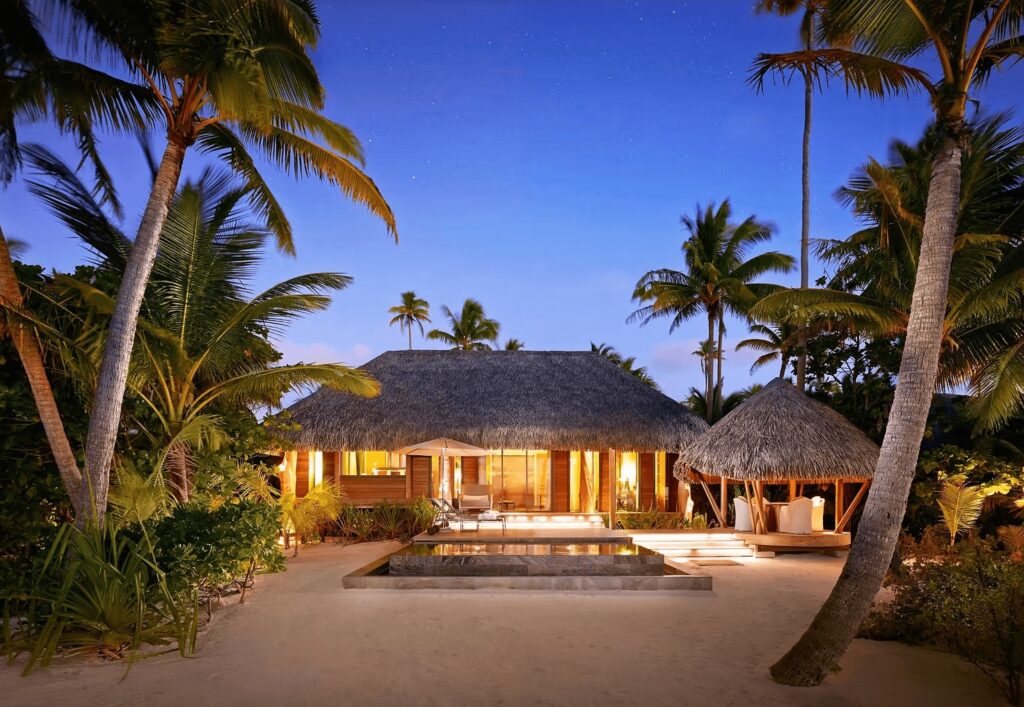
Responsible Sewage and Water Management
What happens to our waste waste once we’ve flushed the toilet or taken a shower is not something most of us think about. But on island destinations (especially), managing sewage and grey water safely is a major challenge, and it can have a direct impact on surrounding reefs and coastal ecosystems.
While basic septic systems are still common, some dive resorts are investing in more advanced, environmentally conscious wastewater treatment systems, if their budget and the environment allows. These are designed to reduce pollution and do a better job of protecting nearby marine habitats from harmful runoff.
Some of the most innovative resorts are even turning waste into a resource. Modern on-site treatment technologies can process wastewater in a way that produces reusable water for irrigation, along with nutrient-rich by-products.
We’ve stayed at places where these resources are being used to feed thriving kitchen gardens that are supplying the resort with organic produce.
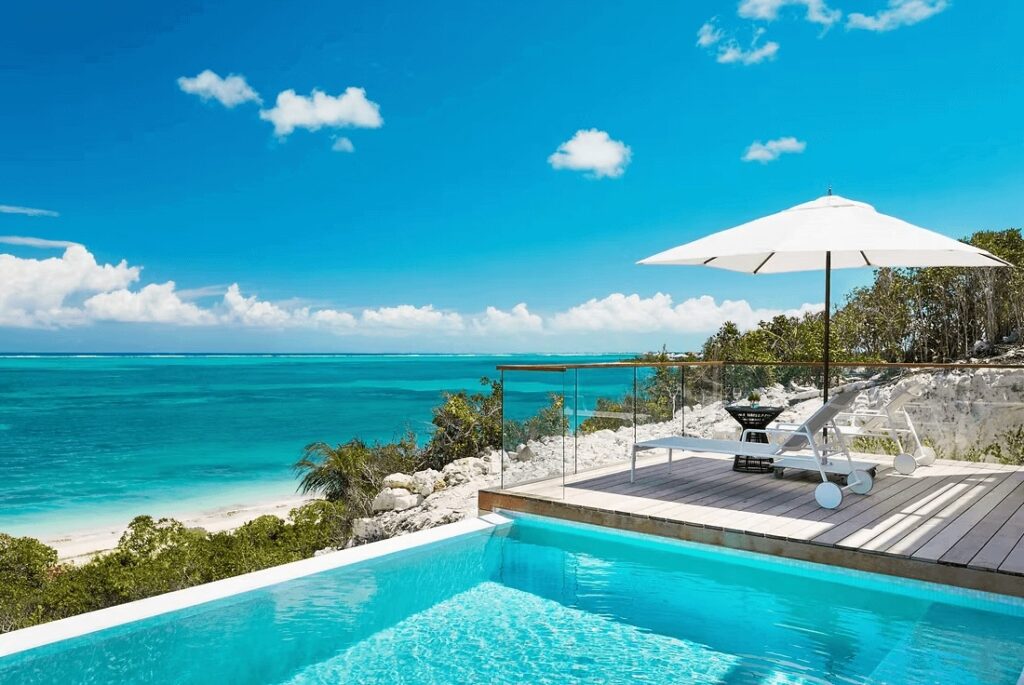
Harvesting and Respecting Water Resources
In many coastal and island destinations we’ve visited, freshwater supplies are limited. They’re also increasingly under pressure from climate change and overuse of groundwater sources.
That’s where rainwater harvesting can make a real difference. By collecting and storing rainfall (and surface runoff), dive resorts can reduce their reliance on local aquifers and help give these natural water systems time to recover and recharge.
In regions already feeling the effects of water scarcity, this also helps ensure that more freshwater remains available for nearby communities. After all, their resource needs should come before those of visiting tourists.
So when you’re choosing where to stay, look for eco-dive resorts that are self-sufficient when it comes to water sourcing and aren’t taking resources that locals rely on.

Choosing Sustainably Sourced Seafood
Some fishing methods, like trawling and long-lining, can unintentionally catch large amounts of marine life – that same marine life you’ve travelled halfway across the world to see!
At the same time, destructive practices such as cyanide and blast fishing can cause long-lasting damage to coral reefs and surrounding ecosystems.
When seafood comes from these kinds of sources, it doesn’t just affect marine life and the quality of your dive experiences. It can also undermine the livelihoods of small coastal communities that depend on healthy, well-managed fisheries for their future food security.
That’s why we highly recommend choosing an eco-friendly dive resort that is intentional about where its seafood comes from. We’re talking sustainably caught fish, preferably sourced from local, small-scale fisheries that use selective, low-impact fishing methods.
Within marine protected areas, dive resorts can play an active role in supporting fishing regulations and helping ensure no-take zones are respected. This allows marine ecosystems the chance to recover, benefiting both local communities and future generations of divers.
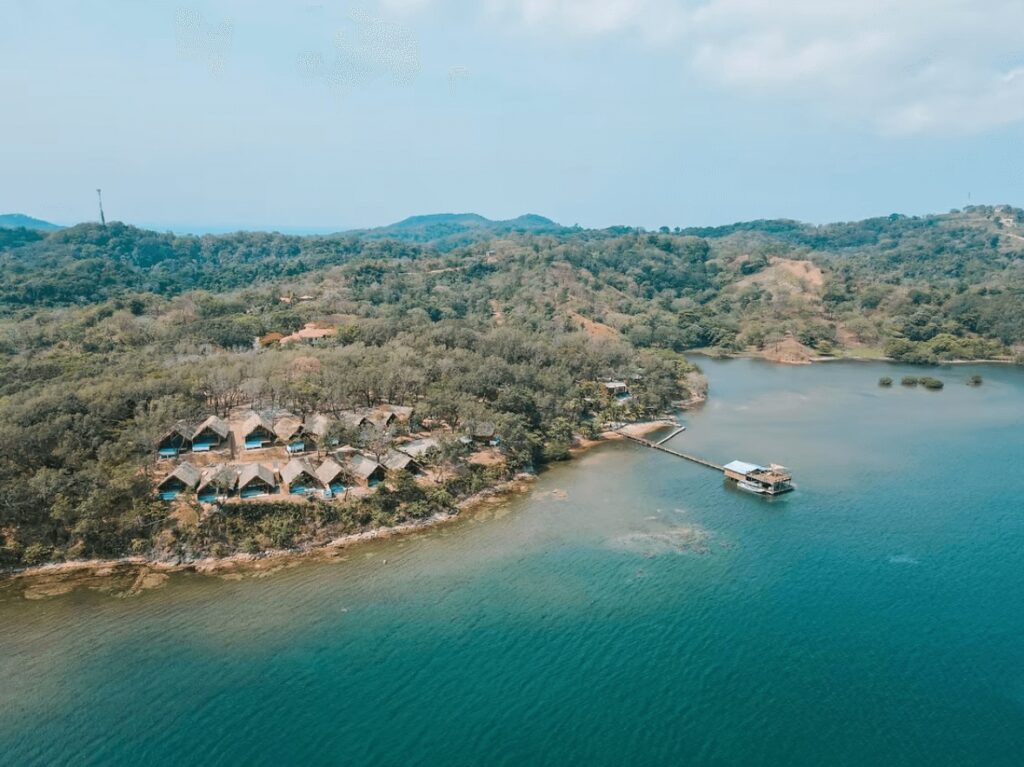
Supporting Local Communities
Ticking all the sustainability boxes is one thing. But it doesn’t have the impact it might if local communities are overlooked. A dive resort that is truly responsible understands it should be supporting local livelihoods, not just protecting marine environments.
That often starts with creating meaningful employment opportunities by hiring local dive guides, instructors and staff. Personally, we love diving with locals who know the region intimately and want to share its underwater world with pride. It enhances the dive experience ten-fold!
Beyond employment, dive resorts should be investing in training and education, helping to develop the next generation of marine professionals.
This might include dive training, environmental education or pathways into hospitality and conservation careers. Essentially, creating long-term opportunities beyond the resort itself.
Looking for Trusted Eco-Certification
If you’re not sure whether a dive resort is genuinely committed to sustainability, look for recognised certification, such as membership with Green Fins.
Led by the UN Environment Programme (UNEP), Green Fins assesses dive centres and resorts around the world against internationally recognised environmental standards. It’s designed to help reduce the industry’s impact on coral reefs and ocean environments while encouraging better everyday practices.
Dive operators receive practical guidance and ongoing feedback to help them improve over time. The ultimate goal is to reach “Top Ten” status for environmental performance.
For us, as dive travellers, this takes a lot of the guesswork out of choosing where to stay.
To learn more, check out this list of Green Fins-certified dive resorts, which are guaranteeing guests an eco-friendly stay.


PLAN YOUR TRIP WITH OUR FAVOURITE RESOURCES:
Find hotels and resorts via Booking or Agoda
Book tours and experiences via Viator or GetYourGuide
Find a rental car via Discover Cars
Book flights via Kiwi or Booking
Search for buses and trains via 12Go or Omio
Get travel insurance via SafetyWing
Buy a digital eSIM with Airalo
By purchasing through our links, you’ll be supporting our website at no additional cost to you
About the authors
We are a team of passionate divers and surfers with decades of combined experience in the water and travelling to all corners of the globe. After years of chasing waves and descending into the deep blue, we’ve created this resource to highlight sustainably run surf camps, eco-friendly dive resorts and conservation-focused ocean trips to help inspire your next adventure.
Eco Ocean Escapes was born out of a love of the ocean, an obsession with travel and a concern about the impacts of our adventures on the environments we explore. Despite the benefits that surf and dive tourism can bring to local communities, we recognised that ocean-based adventures are not always managed in a sustainable manner.
Through our articles, we hope to inspire those seeking a responsible surf or dive trip that is all about supporting local communities, preserving our coastal environments and the incredible marine species that inhabit our oceans.
-
The Blue Revolution: How Ocean Conservation Is Changing Travel
If you’re anything like us, the ocean is what fuels your travel adventures. Over the last 20+ years, we’ve flown across the globe to dive with manta rays, kayak above coral reefs and surf legendary waves. But there is an uncomfortable contradiction at the heart of ocean tourism: the healthier the marine environment, the more…
-
Climate Change in the Ocean: A Guide for Surfers + Divers
When we think about climate change, our attention naturally turns to what we can see on land or are experiencing first hand: rising temperatures, melting glaciers, wildfires and more intense weather events. Many of these are well-reported on the nightly news and it’s devastating to see intense wildfires ripping across landscapes and floods wreaking havoc…
-
Resort vs Liveaboard vs Homestay Diving in Raja Ampat: Choosing the Right Experience
Raja Ampat is one of my favourite diving destinations in Indonesia. In fact, that’s probably an understatement. Raja is one of my favourite places to dive anywhere in the world. The underwater experiences I’ve had here are nothing short of extraordinary…and that’s not taking into account the incredible above-water scenery. It really does feel like…
-
How Sunscreen Affects Coral Reefs + Marine Life
If you’re anything like us, applying sunscreen is second nature before heading out to surf or spending a day on a dive boat. In fact, our skin type means we need to apply sunscreen before we step outdoors…full stop! Since we were little, it’s been drummed into us that sunscreen protects our skin from harmful…
-
The Essential Scuba Diving Guide to Raja Ampat, Indonesia
Few places we’ve dived have captured our imagination quite like Raja Ampat. Our first visit was back in the early 2000s, staying at a homestay on a blissfully gorgeous beach, and our second in 2023 at the eco-friendly Papua Explorers Resort. Both are experiences that will stay with us forever and affirmed what so many…
-
Successful Marine Protected Areas You Can Visit Around the World
After almost two decades of scuba diving around the globe, we’ve come to the conclusion that marine protected areas (MPAs) are one of the most powerful tools we have for conserving ocean ecosystems. Essentially, they are like “national parks of the seas” – established to limit activities such as overfishing, habitat destruction and unsustainable development….


We are a team of passionate divers and surfers with decades of combined experience in the water and travelling to all corners of the globe.
After years of chasing waves and descending into the deep blue, we’ve created this resource to highlight sustainable surf camps, eco-dive resorts and conservation-focused ocean trips to help inspire your next adventure.
Eco Ocean Escapes was born out of a love of the ocean, an obsession with travel and a concern about the impacts of our adventures on the environments we explore.