Understanding Marine Protected Areas (MPAs): Why divers should care
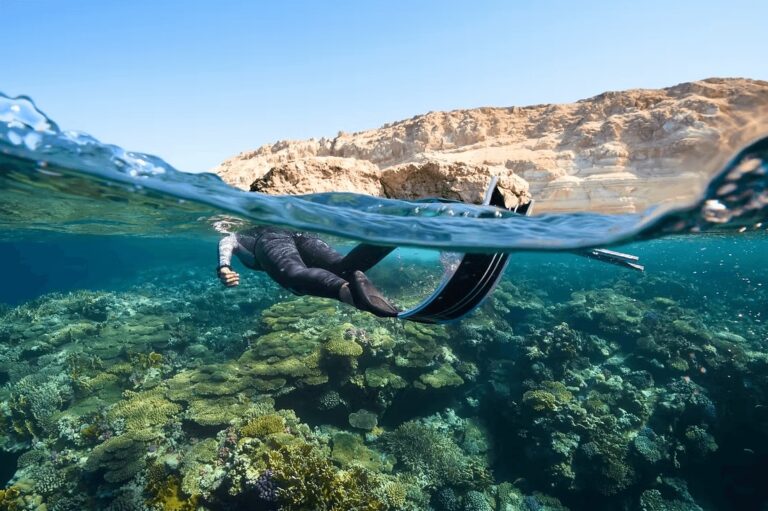
If you’ve spent time underwater (as a diver or snorkeller), you’ve probably noticed something: not all sites are beacons of health. Some reefs appear vibrant and full of life, while others show signs of stress – broken coral, few fish or algae-covered rocks.
One of the biggest factors shaping the health of our oceans is the existence (or absence) of Marine Protected Areas (MPAs). In these designated ocean spaces, human activities are regulated to ensure marine ecosystems can thrive.
Whether you’re a new diver or a seasoned explorer, understanding MPAs helps you make informed choices about where you dive and how you contribute to ocean conservation.
In this article, we’ll explain why these protected zones matter and why divers should care deeply about them.
For more tips on being an eco-conscious diver, check out our detailed article here or these inspiring destinations for a sustainable scuba vacation.
This article contains affiliate links, which means when you make a purchase through that link, we earn a small commission. Affiliate links come at no cost to you and ensure our content remains free!
What exactly is a Marine Protected Area (MPA)?
Marine Protected Areas are the national parks of the sea. Essentially, an MPA is a designated ocean space where human activities are regulated to protect marine ecosystems.
The level of protection varies by country and by category, but MPAs generally aim to:
- Conserve the biodiversity of fish, crustaceans, marine mammals and corals
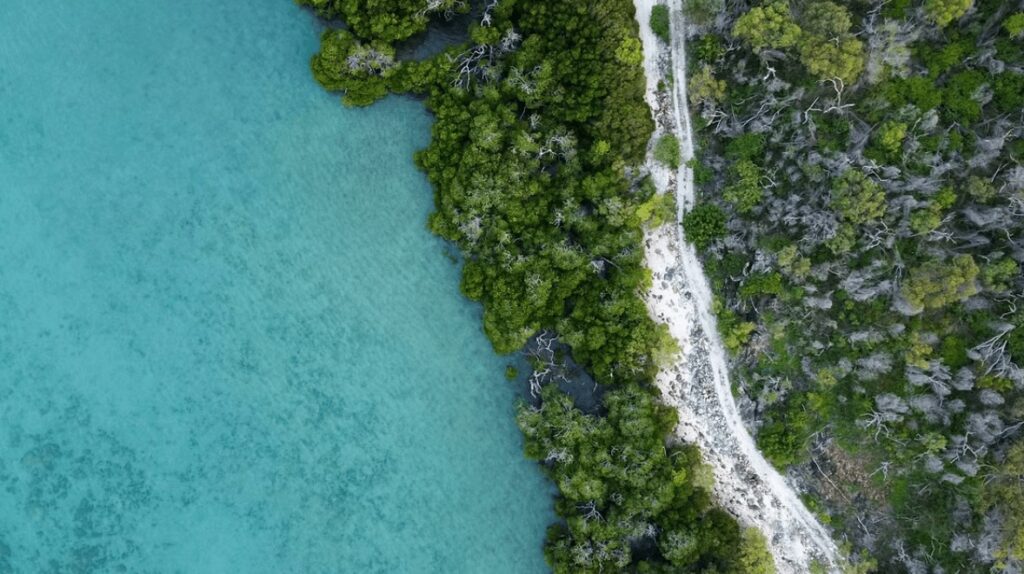
- Protect habitats like coral reefs, seagrass meadows, mangroves and deep-sea ecosystems
- Allow fish populations to recover following over-fishing or destructive fishing practices
- Support sustainable use of marine resources for local communities
- Preserve the area’s cultural and ecological heritage
Some MPAs permit limited fishing activities, allowing local communities to practice sustainable, non-destructive fishing practices. Others are “no-take zones,” where all extraction — fishing, mining, collecting — is banned.
Why MPAs matter for marine life
MPAs play a crucial role in reversing the damage caused by overfishing, pollution and habitat destruction. Research consistently shows:
1. MPAs support fish population recovery
When fishing pressure is reduced or removed, fish grow larger, reproduce more and replenish nearby areas through a phenomenon known as the “spillover effect”.
2. Coral reefs thrive with less stress
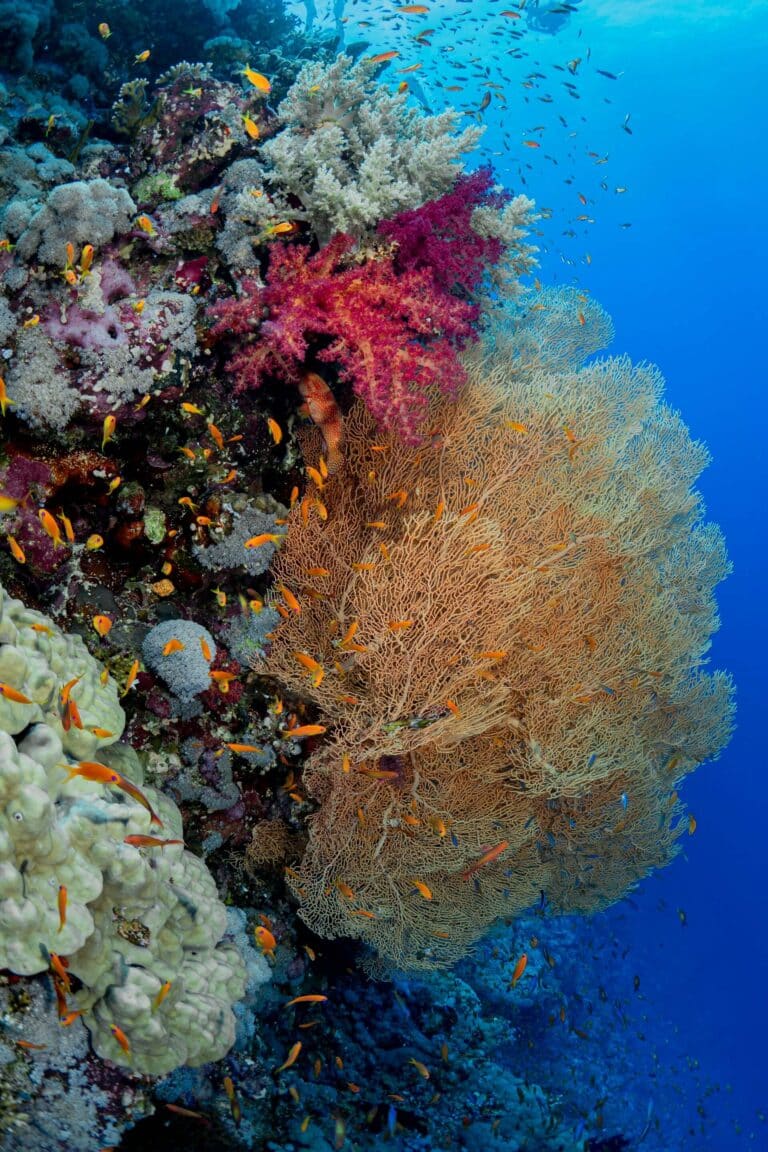
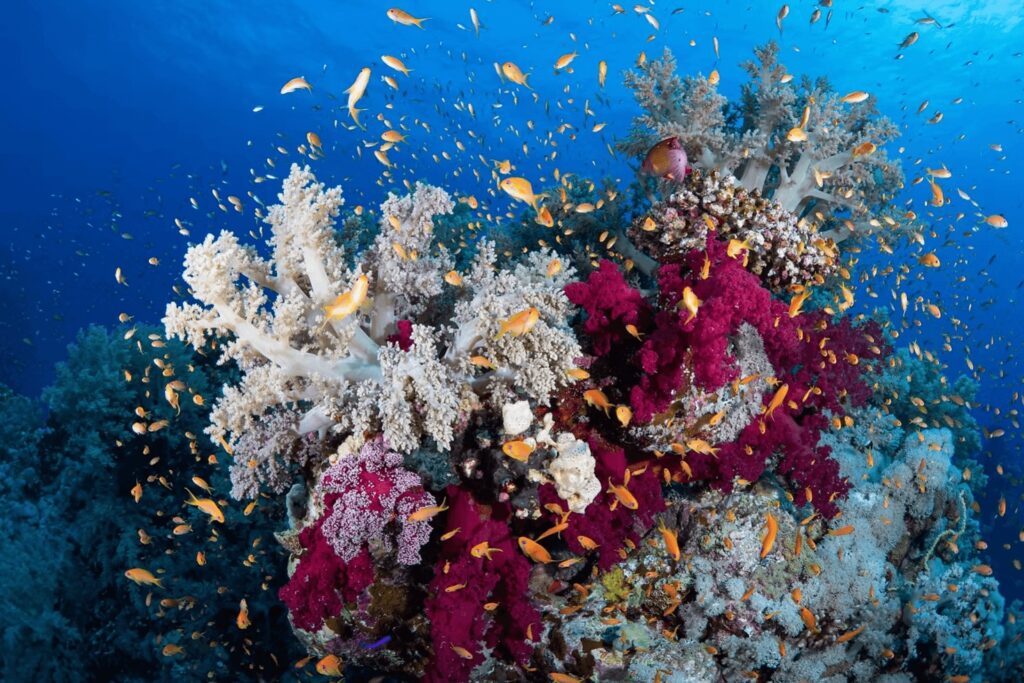
Reduced human impact allows fragile corals to rebuild and recover following bleaching or other destructive events. A healthy coral reef has the potential to provide habitat for thousands of species.
3. Key species get a safe haven
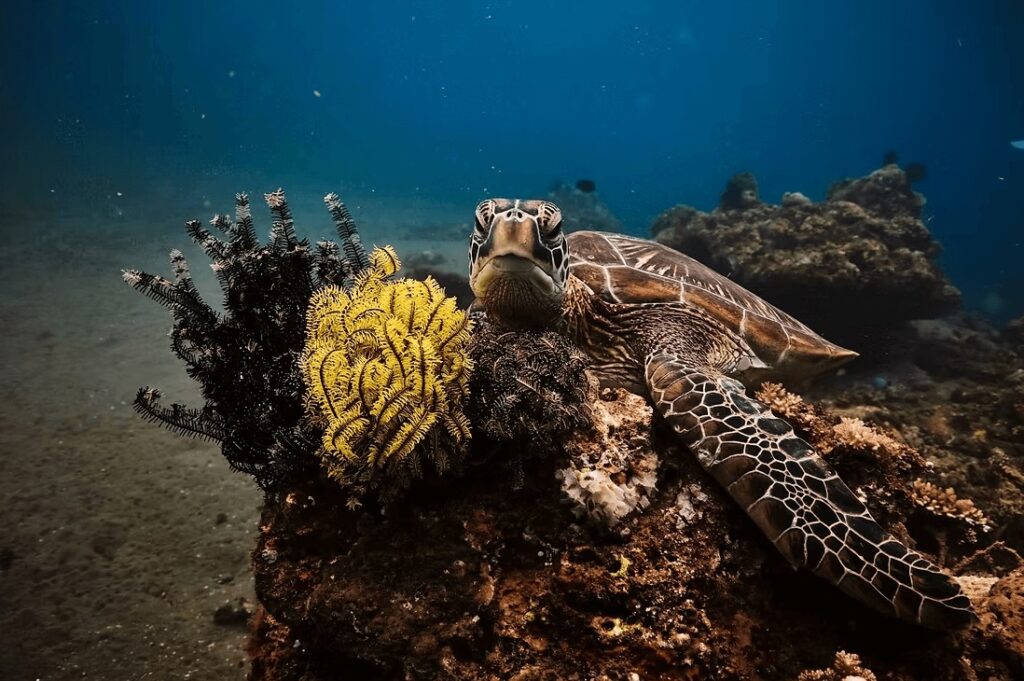
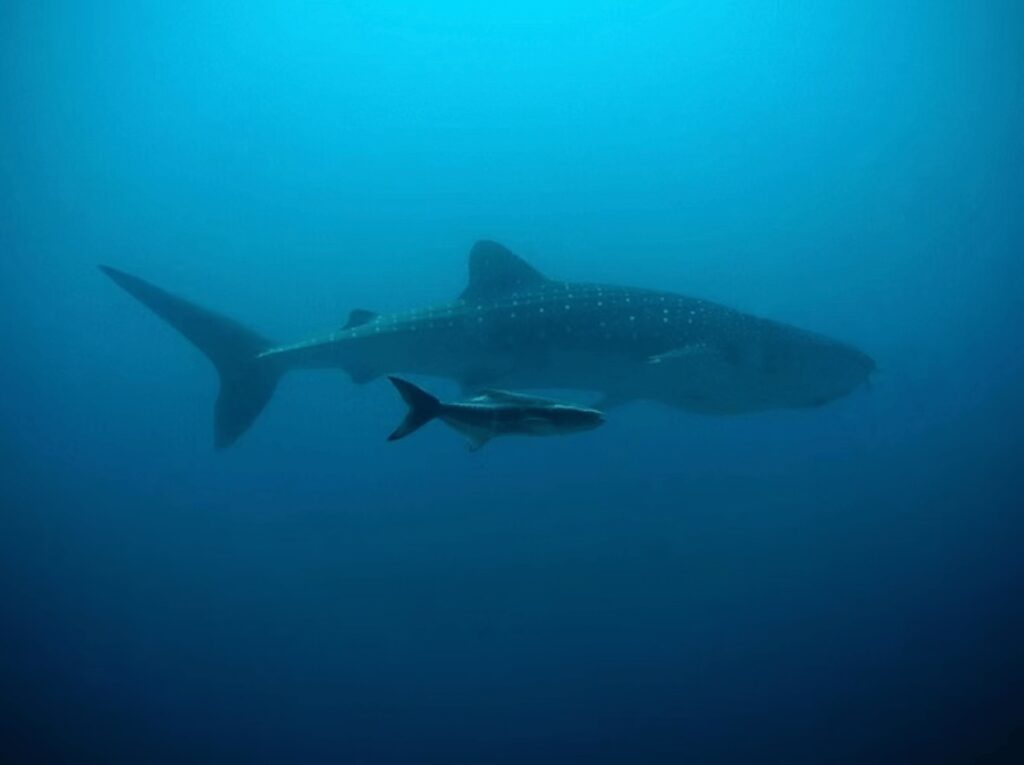
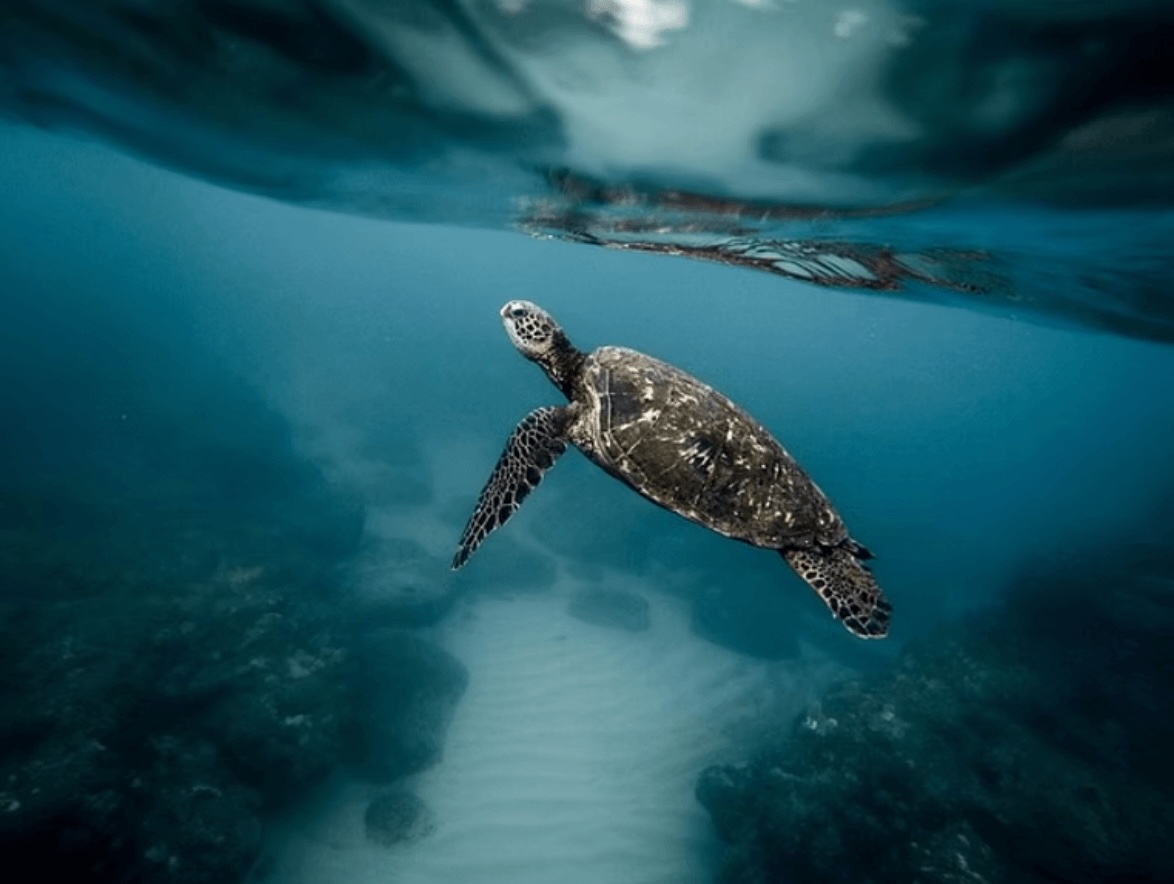
Sharks, rays, turtles and marine mammals benefit enormously from protection — especially in nurseries or along migratory routes.
4. Ecosystems become more resilient to climate change
Research shows that healthy, balanced marine ecosystems recover more quickly from bleaching events or heatwaves (provided there is enough time between each).
Why divers should care about MPAs
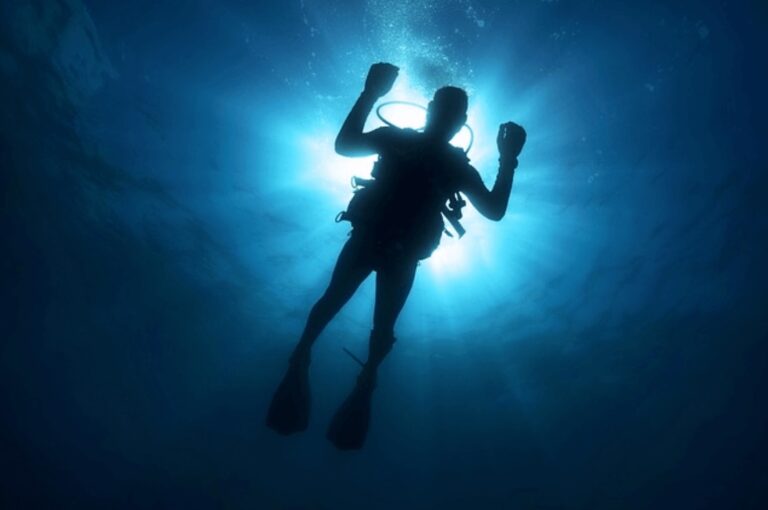
As divers, we have the privilege of experiencing the underwater world, even if it’s just for the duration of a dive. The existence of MPAs directly shapes the quality of diving experiences, so it’s something we should all be mindful of.
1. Better biodiversity = better dives
Fish-filled reefs, healthy corals and clear water make for unforgettable dives. MPAs often offer the most spectacular underwater scenes.
2. Your tourism dollars support conservation
Entry fees and conservation levies associated with MPAs often fund patrols, scientific research and community sustainability initiatives.
3. MPAs protect dive tourism for the long term
Without protection, coral reefs may degrade or succumb to stronger economic forces (such as destructive fishing practices). MPAs help to protect famous dive sites that might otherwise disappear.
4. Divers can be ambassadors for ocean conservation
Understanding MPAs helps divers advocate for sustainability both at home and abroad. Once you experience the incredible beauty and richness of healthy underwater environments, the desire to preserve them is strong.
Types of MPAs (and why the difference matters)
Marine Protected Areas vary widely in their rules and restrictions. For divers, understanding these categories can help set expectations about what to expect during your dive trip.
The main categories include:
✔ Marine Reserves (No-Take Zones)
Marine Reserves have the highest level of protection — no fishing, no collecting, no extraction. Habitation within the reserve is usually prohibited, with limited access for tourism and research. These are often the healthiest ecosystems.
✔ Multi-Use MPAs
Multi-Use MPAs allow certain activities, such as regulated tourism or sustainable fishing, but ban destructive practices, such as dynamite fishing.
✔ Marine Parks
Marine Parks focus on recreation and education while offering ecological protection. They are often large, multi-use areas that may include specific “no-take” zones.
✔ Locally Managed Marine Areas (LMMAs)
Rather than being government-regulated, LMMAs are managed by coastal communities using a mixture of traditional stewardship practices and modern techniques.
The role of local communities and traditional knowledge in managing MPAs
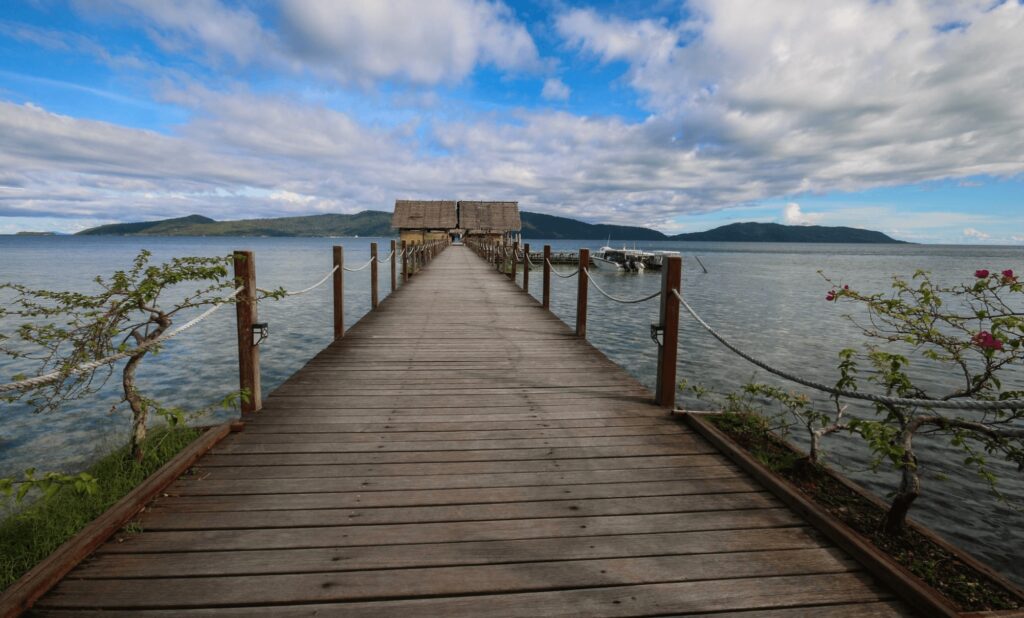
Successful MPAs usually involve local communities in planning and management, together with government input. The traditional knowledge of Indigenous inhabitants is also crucial for understanding how marine ecosystems can be sustainably managed for generations to come.
When communities benefit (through tourism jobs, increased fish stocks or conservation grants), they become strong MPA guardians.
Divers can support local communities by choosing:
- Locally owned dive operations
- Eco-certified resorts
- Community-based marine tourism programmes
How divers can support Marine Protected Areas
Despite conservation efforts from many local and international organisations, only 8.4% of the ocean is currently designated as Marine Protected Areas. This is well below the 30% target set by the Global Biodiversity Framework to be achieved by 2030.
That’s why it’s so important that, as divers, we do everything we can to make a difference. As ocean allies, we encourage you to:
1. Dive with operators committed to sustainability
Look for centres following Green Fins, PADI AWARE or other eco practices. You’ll find inspiration here.
If a dive operator’s sustainability initiatives aren’t detailed on their website, don’t be afraid to ask questions before committing. This sends a strong message that you value and want to dive with eco-conscious dive shops and schools.
2. Never touch marine life or coral
It should go without saying, but never, ever touch marine life or coral, even if divers around you are. Even minor contact can cause lasting damage. If you see other divers handling or touching, call them out or ask your dive operator to step in.
3. Avoid single-use plastics
This is especially important when you are on dive boats or in coastal areas where plastic waste easily ends up in the ocean. Wherever possible, look for compostable packaging or reusable containers that aren’t going into the garbage (and the ocean) after a single use.
4. Respect MPA rules (buoyancy matters!)
Most Marine Protected Areas have rules in place that divers must follow – these are directly connected to preserving underwater ecosystems. Take the time to read them and observe them as you dive.
By working on your buoyancy and staying neutral, you’ll be better equipped to keep your distance from the reef and avoid collisions.
5. Promote MPAs through your travels
One of the most effective ways of supporting Marine Protected Areas and ocean conservation is by sharing your experiences with others. If you have dive friends, let them know about amazing MPAs you have dived and the responsible scuba operators you recommended.
If you have a positive experience, share it online, either as an operator review or as a general post on your social media. That way, you can spread the word and encourage others to dive sustainably.
Some of the best MPAs around the world for divers
If you’re planning dive trips around conservation, these MPAs are known for exceptional biodiversity. Click on the links and you’ll be redirected to our scuba guides for each destination.
- Raja Ampat Marine Protected Area Network, Indonesia
- Galápagos Marine Reserve, Ecuador
- Bonaire National Marine Park, Caribbean
- Tubbataha Reefs Natural Park, Philippines
- Cocos Island National Park, Costa Rica
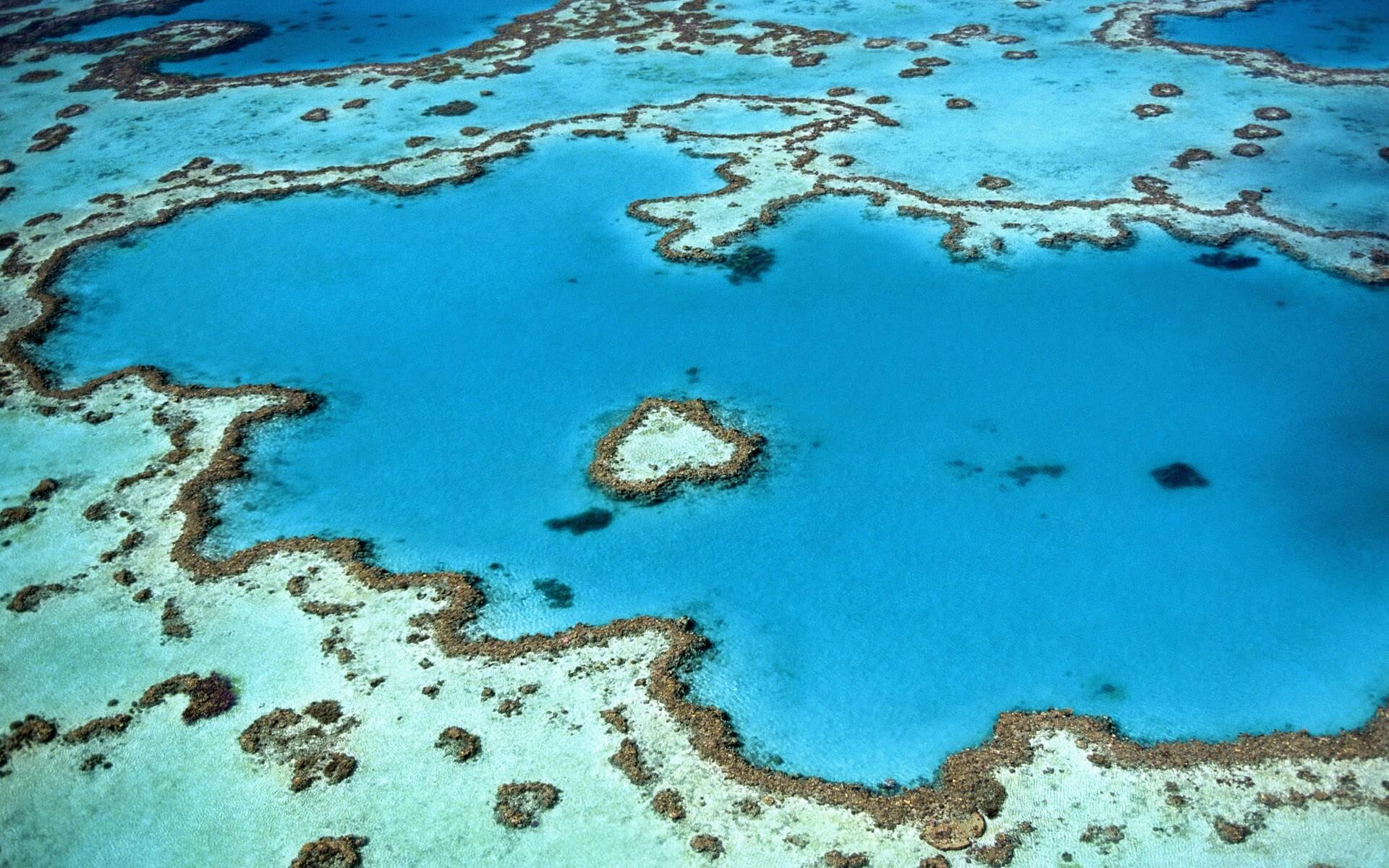
- Great Barrier Reef Marine Park, Australia
Discover more of our favourite sustainable dive destinations around the globe here.
Why MPAs are the future of diving
As climate change and human pressures on our oceans intensify, the role of MPAs is only going to become more critical. Scientists believe that protecting at least 30% of the world’s oceans by 2030 is essential to maintaining global biodiversity.
In short, MPAs are the future of diving if we want healthy and vibrant ecosystems to explore.
For divers, this means:
- Thriving dive sites with abundant marine life
- More consistent wildlife encounters
- A healthier ocean for future generations
By supporting MPAs – through ethical travel, advocacy and responsible diving – you become part of a global movement protecting the blue spaces we love.
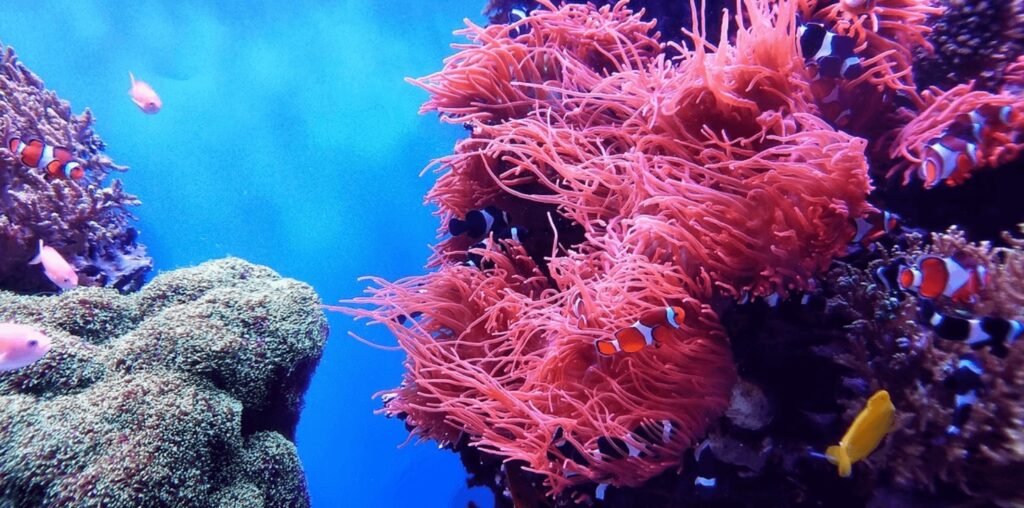
Healthy oceans and dive sites depend on MPAs
Marine Protected Areas are more than lines on a map – they’re lifelines for our oceans. Without them, the future for underwater ecosystems (and dive experiences) is dire.
As divers, we have a unique perspective on marine habitats and a responsibility to preserve them for future generations. Every dive is an opportunity to take steps to ensure these spectacular environments can thrive for centuries to come.
By choosing to dive in MPAs, supporting conservation-focused operators and advocating for protected oceans, you become part of the solution.
The future of diving depends on healthy oceans and healthy oceans depend on MPAs.

PLAN YOUR TRIP WITH OUR FAVOURITE RESOURCES:
Find hotels and resorts via Booking or Agoda
Book tours and experiences via Viator or GetYourGuide
Find a rental car via Discover Cars
Book flights via Kiwi or Booking
Search for buses and trains via 12Go or Omio
Get travel insurance via SafetyWing
Buy a digital eSIM with Airalo
By purchasing through our links, you’ll be supporting our website at no additional cost to you



We are a team of passionate divers and surfers with decades of combined experience in the water and travelling to all corners of the globe.
After years of chasing waves and descending into the deep blue, we’ve created this resource to highlight sustainable surf camps, eco-dive resorts and conservation-focused ocean trips to help inspire your next adventure.
Eco Ocean Escapes was born out of a love of the ocean, an obsession with travel and a concern about the impacts of our adventures on the environments we explore.