Kelp Forests: The Underwater Jungles We Can’t Afford to Lose
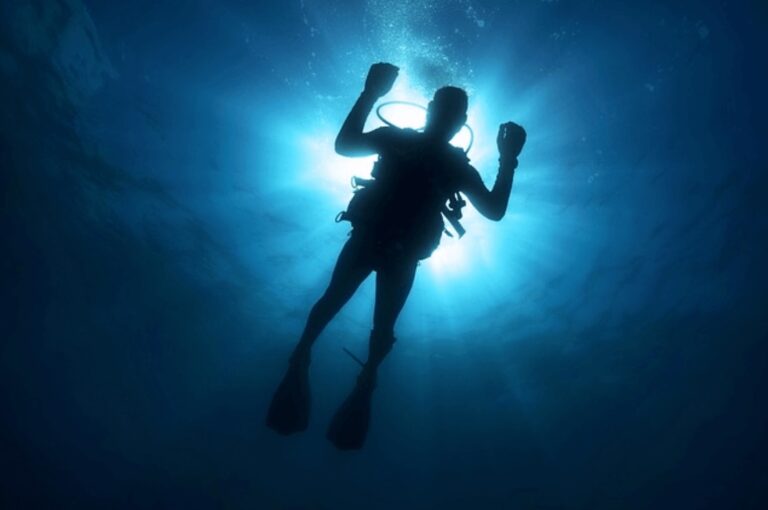
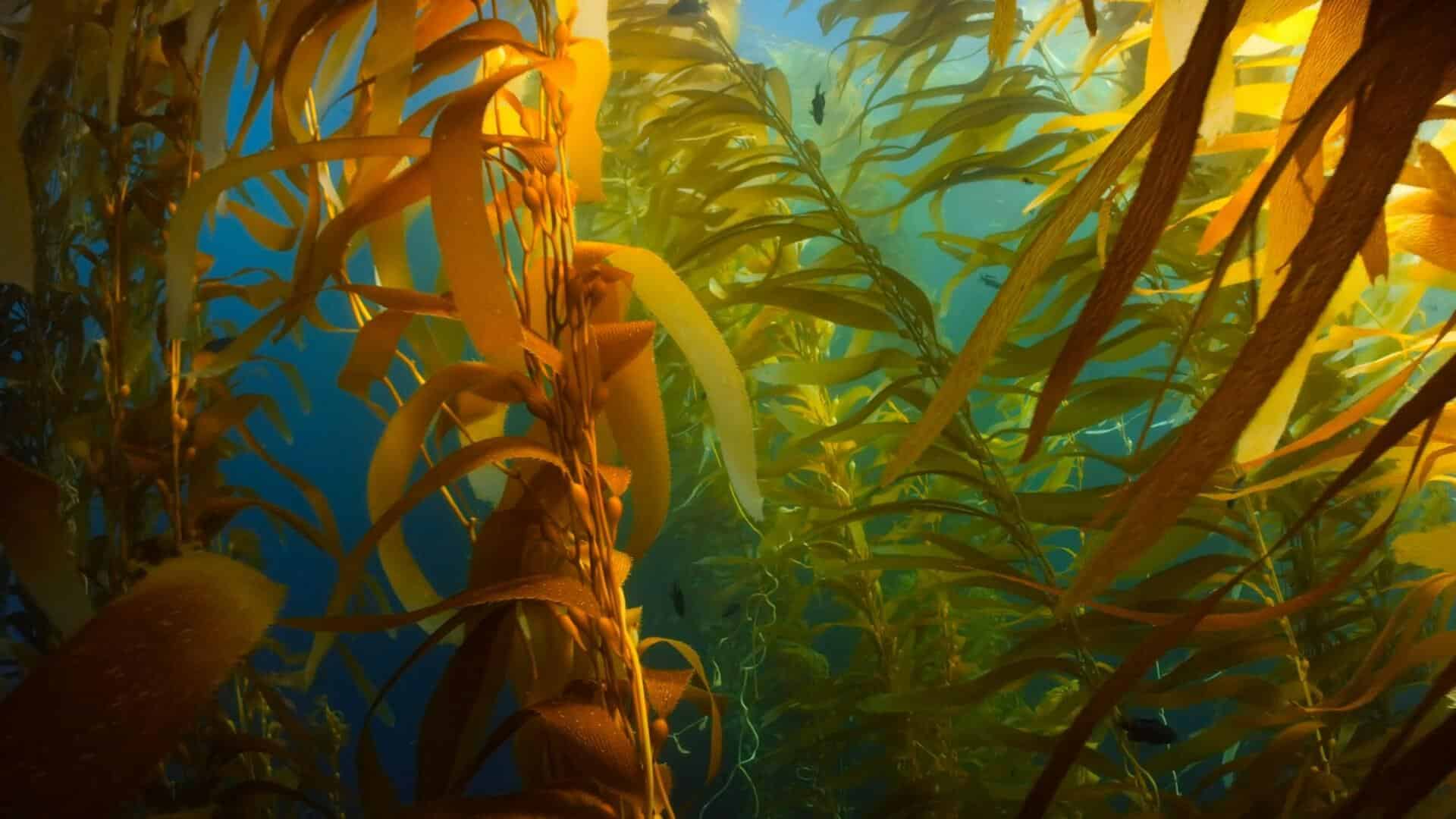
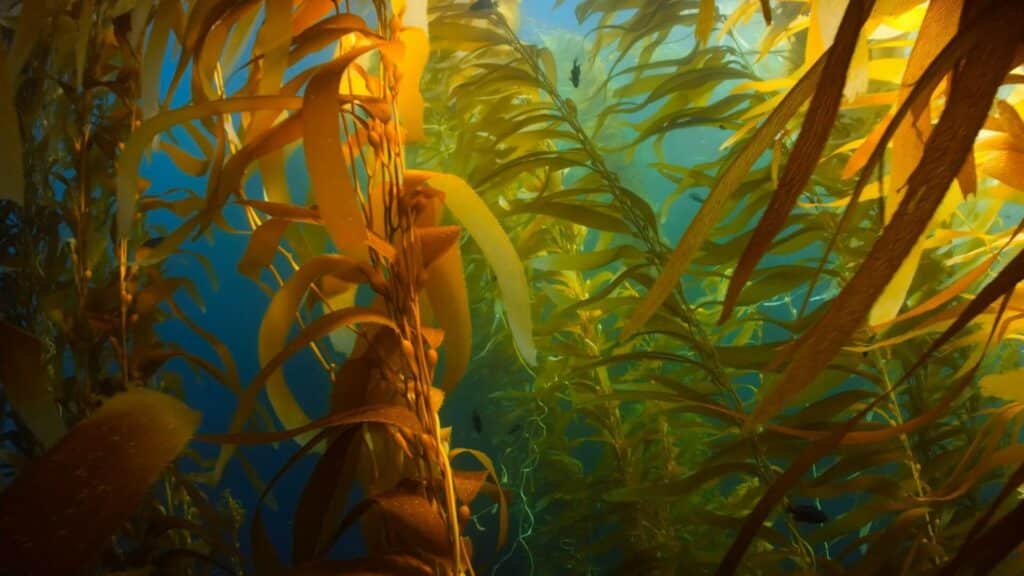
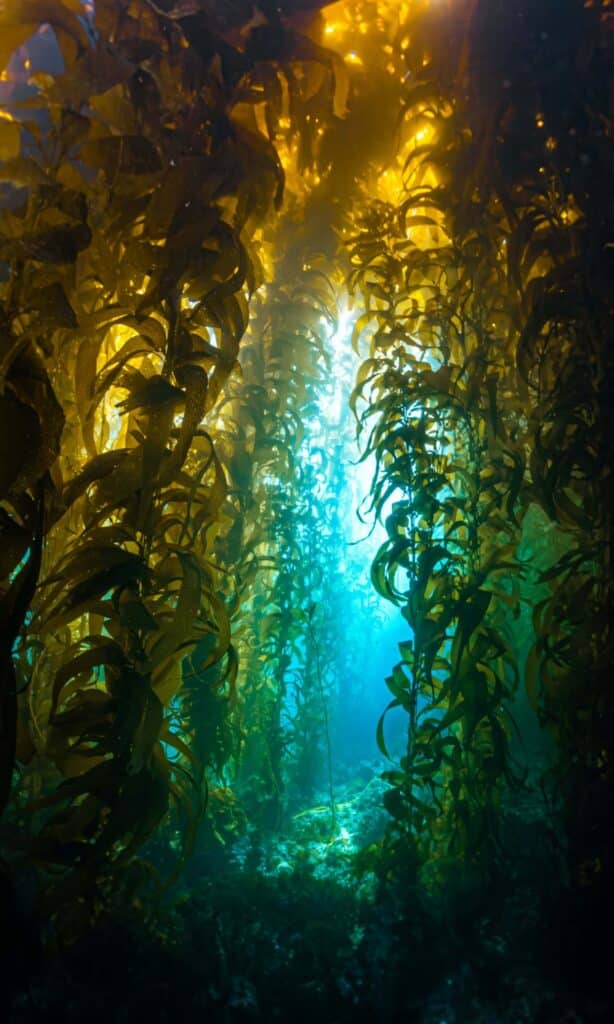
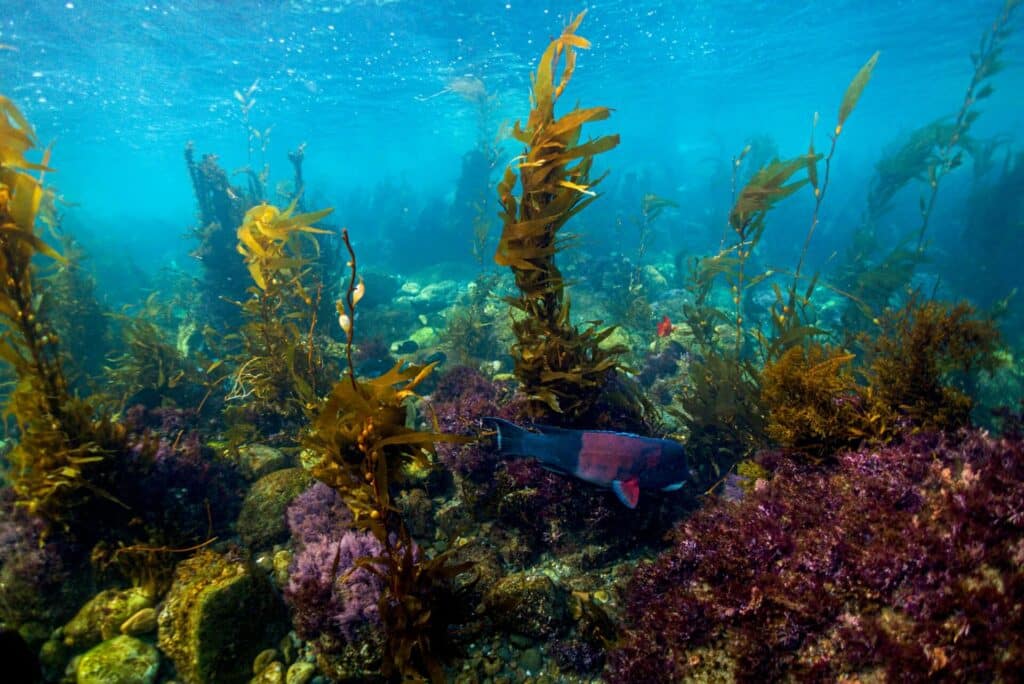
In the corner of the world where we live, diving is less about exploring colourful coral reefs and more about navigating enigmatic kelp forests. Places where long golden-brown fronds sway with the currents and sunlight filters through, illuminating fish as they dart between the stems and the occasional seal gliding by.
Kelp forests are among the ocean’s most productive and ecologically important habitats, but they receive far less attention than coral reefs or even mangroves. So we’re here to give them a brand boost! After all, they support marine biodiversity, sustain coastal communities and contribute to the health of our oceans.
But it pains us to say that many (including those where we live) are under growing pressure from warming seas, marine heatwaves, pollution and ecological imbalances. So what can we do to protect them? Read on to find out.
This article may contain affiliate links, which means when you make a purchase through that link, we earn a small commission. Affiliate links come at no cost to you and ensure our content remains free!
What Are Kelp Forests?
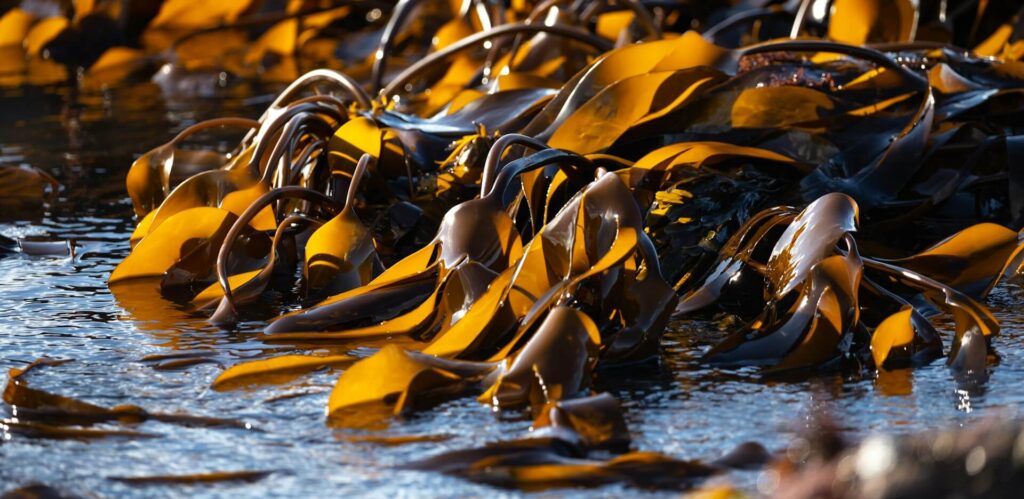
Kelp forests are underwater ecosystems formed by large brown algae (kelp). Growing mainly in cool, nutrient-rich coastal waters, these algae attach to rocky seabeds and can develop into dense underwater canopies.
Some species, including giant kelp, grow incredibly quickly (when conditions are right) and are the backbone of complex habitats that resemble forests on land.
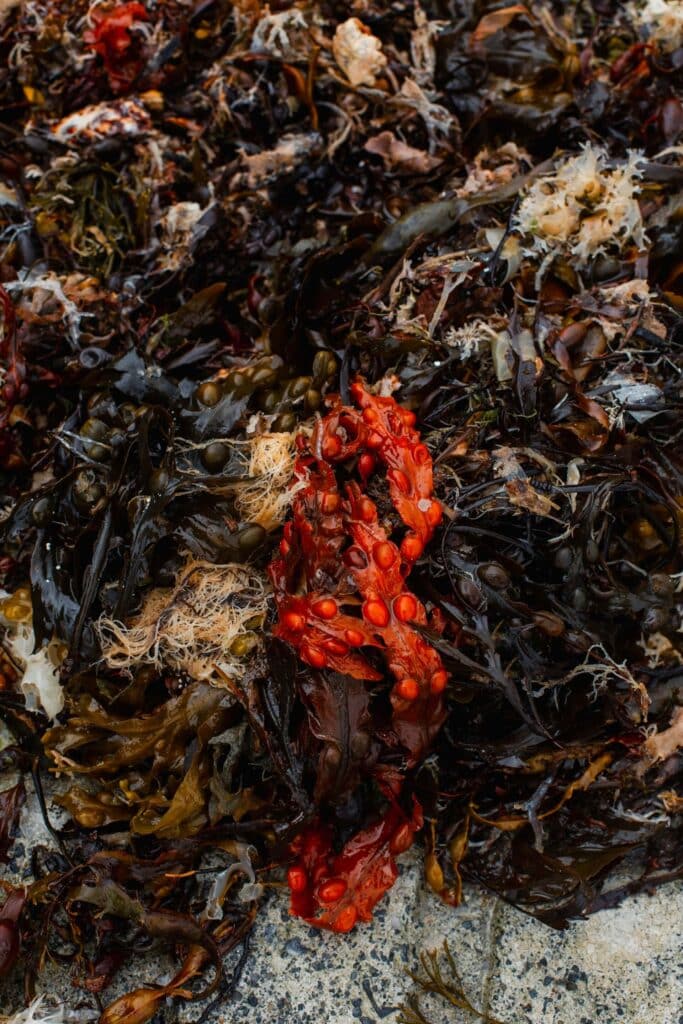
That said, kelp is not a true plant. Like other seaweeds, it lacks the roots, stems and leaves of terrestrial plants, although its specialised structures perform similar functions.
A root-like holdfast anchors it to the seabed, flexible stipes support its blades and gas-filled structures (in some species) help lift the fronds towards the sunlight.
Kelp forests occur along temperate and polar coastlines around the world, from California and Alaska to Tasmania, New Zealand and South Africa. Their distribution depends on factors such as water temperature, light, nutrients and suitable rocky habitat.
Why Are Kelp Forests So Important?
1. They provide habitat for marine wildlife
One of the most important roles of kelp forests is the shelter they provide for a variety of marine life. We’re talking feeding grounds, nursery habitats and hiding places.
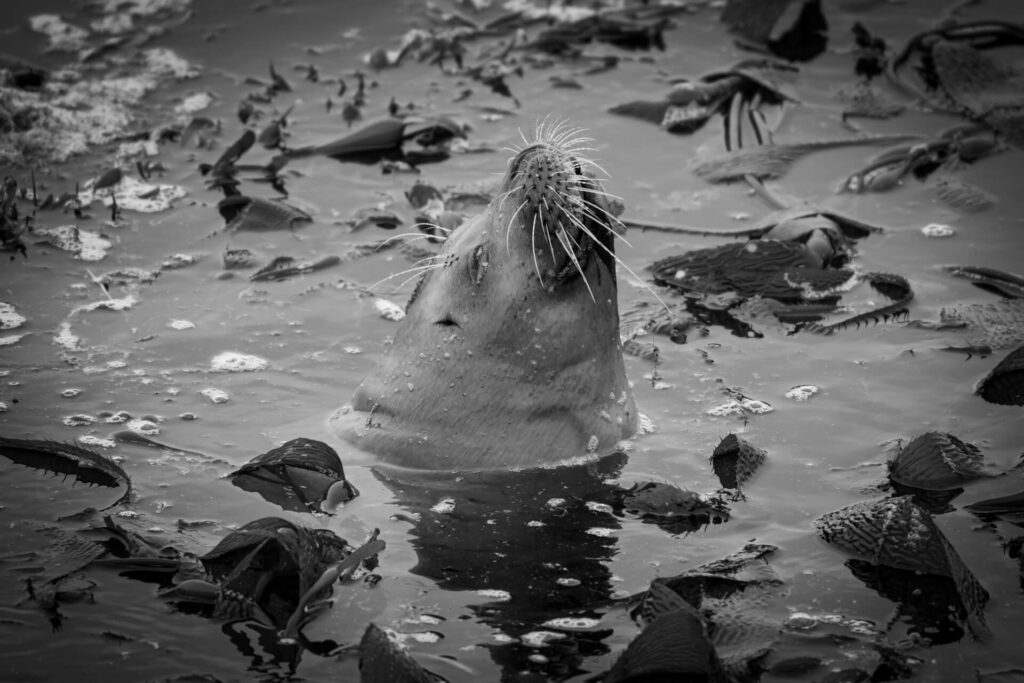
Fish use the canopy and stems for protection from predators, while crabs, sea stars and abalone live among the kelp and on the rocky seabed. Seals and sea lions hunt for fish around the forest, and seabirds feed on animals living within this productive environment.
Some animals depend directly on kelp for food, while others benefit from the smaller organisms it supports.
Essentially, kelp is a complex habitat that helps sustain interconnected marine food webs. And when a kelp forest disappears, the consequences can extend well beyond the algae themselves.
2. They support fisheries and coastal communities
Research suggests that healthy kelp forests have significant economic and cultural value. By providing habitat for commercially and recreationally important fish and invertebrates, they help sustain fisheries and the communities that depend on them.
In many coastal regions (including ours!), kelp ecosystems also support diving, snorkelling, kayaking, boating and wildlife tourism. This means jobs and money being injected into local communities.
It’s also of cultural importance to some groups, particularly Indigenous coastal communities. After all, kelp has long been harvested for food, medicine and materials central to religious, spiritual and traditional practices.
More recently, it has been harvested for products used in industries ranging from cosmetics to pharmaceuticals. It’s fascinating just how many applications kelp has!
When managed responsibly, these resources can contribute to local livelihoods. That said, harvesting must be balanced against the ecological role kelp plays in the wider environment.
3. They contribute to carbon cycling and climate regulation
As you might have guessed, kelp forests absorb carbon dioxide as they grow through photosynthesis.
But what you might not know is that while some of this carbon is transferred through marine food webs, some kelp material ends up sinking or being transported away from coastal habitats into deeper waters. Here, the carbon can be stored for extended periods.
This makes kelp an important part of the ocean’s carbon cycle and a subject of growing interest in climate research.
However, the amount of carbon ultimately stored depends on factors such as the kelp species, local conditions and where the organic material ends up. And it’s important that we highlight the fact that not all carbon absorbed by kelp remains stored long-term.
4. They help protect coastlines
Kelp forests can influence the movement of water along coastlines. Their flexible fronds create drag, helping dissipate some wave energy and altering local currents.
This can benefit nearby habitats and contribute to coastal resilience, although the degree of protection varies with the species, forest density, water depth and wave conditions.
At the end of the day, kelp should not be regarded as a replacement for other coastal protection measures. But it is (and has long been) an important part of the natural systems that shape and support healthy shorelines.
Why Are Kelp Forests Disappearing?
Despite their ecological importance, kelp forests are declining in many regions around the globe. Of course, the causes differ from place to place, but several major pressures are contributing to their loss.
Climate change and marine heatwaves
Many kelp species thrive in cool, nutrient-rich water. As ocean temperatures rise, some forests are pushed beyond their preferred environmental conditions, affecting growth, reproduction and survival.
Marine heatwaves can be particularly damaging because they expose kelp to unusually warm conditions for prolonged periods. When these events coincide with other pressures, entire forests may decline rapidly, with recovery becoming increasingly difficult.
This was seen in 2011 following an extreme marine heatwave off Western Australia that resulted in the loss of kelp forests along 100 kilometres of coastline. A few years later, a similar event in northern California occurred, with researchers recording more than 90% reduction in the bull kelp canopy.
Climate change can also alter ocean currents and nutrient availability, further affecting kelp growth. In some locations, warmer-water species replace traditional kelp communities, changing the structure and function of the ecosystem.
Sea urchin overgrazing
Sea urchins naturally feed on kelp and other algae, helping regulate the ecosystem. But problems can (and do) arise when their populations grow beyond what the environment can sustain.
In healthy kelp forests, predators such as sea otters, certain fish and sea stars can help keep urchin populations in balance. When these predators decline, urchin numbers may increase, allowing them to consume huge quantities of kelp.
This can lead to what’s known as an urchin barren: an underwater landscape where much of the kelp has disappeared, leaving exposed rock and relatively little vegetation. Unfortunately, these barrens can persist for years, particularly when environmental conditions make kelp recovery difficult.
Pollution and declining water quality
Kelp needs sufficient light to photosynthesise, so sediment and pollutants entering coastal waters can create serious problems. Runoff from agriculture, construction and urban areas can carry sediment, nutrients, pesticides and other contaminants into the sea.
Excess sediment can reduce the amount of light reaching kelp, while pollution can affect its growth and reproduction. Poor water quality also places additional stress on other marine organisms, essentially weakening the entire ecosystem.
This is why reducing land-based pollution is an important part of protecting underwater forests, particularly in coastal areas experiencing development pressure.
Coastal development and human activity
Coastal construction, dredging, anchoring and other development activities can damage kelp habitats, either destroying them completely or disturbing the seabed where they grow.
Unsustainable harvesting can also place pressure on some populations, depending on the species, harvesting methods and local management. Alone, harvesting may not lead to the complete demise of kelp communities, but it can be a contributing factor when combined with warming waters and ecological imbalances.
A forest already struggling to recover from a marine heatwave, for example, may be less able to withstand further disturbance.
How Can We Protect Kelp Forests?
There is no silver bullet solution to kelp forest decline and the issue needs to be tackled in multiple and various ways. Effective conservation requires a combination of climate action, habitat protection, scientific monitoring and locally appropriate restoration.
Establish and manage marine protected areas
Marine protected areas can help safeguard kelp habitats from damaging activities and provide space for marine ecosystems to recover. Their effectiveness depends on how they are designed, managed and enforced, including whether restrictions address the pressures directly affecting local kelp forests.
Protecting the wider ecosystem is equally important as marine species that are integral to kelp forest survival may venture beyond the fronds. For example, if overfishing has reduced the predators that help control sea urchins, then effective fisheries management needs to be part of the solution.
Restore damaged kelp forests
Kelp restoration projects are developing techniques to help degraded forests recover. Depending on local conditions, these may involve cultivating young kelp in nurseries, introducing kelp to suitable habitat, improving the conditions needed for natural recruitment or reducing excessive grazing pressure.
In some parts of California, for example, restoration initiatives have included removing large numbers of purple sea urchins from selected areas to give kelp an opportunity to regrow.
It’s important to note that interventions like these are most effective when the underlying causes of decline are also addressed.
Reduce greenhouse gas emissions
There’s no approach to long-term kelp conservation that doesn’t involve addressing climate change. Reducing greenhouse gas emissions is essential to limit the warming and marine heatwaves that threaten temperature-sensitive kelp species.
Governments, businesses and individuals all have a role to play, from supporting ambitious climate policies to reducing fossil fuel use and choosing lower-emission transport where practical.
While local restoration can help forests recover, at the end of the day, it cannot fully protect them if ocean temperatures continue to rise beyond their capacity to survive.
Improve water quality
Preventing pollution before it reaches the sea is always going to be more effective than trying to repair the damage afterwards.
Better wastewater treatment, responsible agricultural practices, erosion control and careful coastal planning can all help protect kelp habitats.
Supporting organisations that monitor water quality and restore coastal ecosystems is another practical way to contribute to long-term conservation. If you’re in Australia, check out the work being done by the CSIRO and the Australian Institute of Marine Science in this field.
Support research and community-led conservation
Kelp forests vary significantly between regions, so conservation strategies need to reflect local ecological conditions. Long-term monitoring (check out kelpwatch.org) helps researchers understand where kelp is declining, identify the causes and evaluate whether restoration efforts are working.
Local communities, Indigenous peoples, scientists and fishers can all contribute valuable knowledge to the conversation. This will help to create conservation measures that protect biodiversity while supporting the people who depend on healthy coastal waters.
Protecting the Ocean’s Underwater Jungles
Kelp forests are much more than just enchanting underwater landscapes and places divers dream about discovering. They provide shelter for marine wildlife, help sustain fisheries, contribute to carbon cycling and play a really important role in the health of coastal environments.
But as we’ve seen firsthand, their future is increasingly uncertain as warming seas, marine heatwaves, pollution and ecological imbalances place pressure upon pressure on them. Protecting them means addressing the causes of decline while investing in research, habitat conservation and well-planned restoration.
At Eco Ocean Escapes, we believe responsible travel starts with understanding the places we visit and the ecosystems that make them special. By learning about kelp forests and supporting the people working to protect them, we hope to help bring these underwater jungles into the wider conversation about ocean conservation.
PLAN YOUR TRIP WITH OUR FAVOURITE RESOURCES:
Find hotels and resorts via Booking or Agoda
Book tours and experiences via Viator or GetYourGuide
Find a rental car via Discover Cars
Book flights via Kiwi or Booking
Search for buses and trains via 12Go or Omio
Get travel insurance via SafetyWing
Buy a digital eSIM with Airalo
By purchasing through our links, you’ll be supporting our website at no additional cost to you

We are a team of passionate divers and surfers with decades of combined experience in the water and travelling to all corners of the globe.
After years of chasing waves and descending into the deep blue, we’ve created this resource to highlight sustainable surf camps, eco-dive resorts and conservation-focused ocean trips to help inspire your next adventure.
Eco Ocean Escapes was born out of a love of the ocean, an obsession with travel and a concern about the impacts of our adventures on the environments we explore.