Can Tourism Save Coral Reefs? Destinations Getting It Right
From reef taxes and visitor caps to Indigenous stewardship, a growing number of destinations are proving that tourism doesn’t have to destroy coral ecosystems – it can help restore them instead.
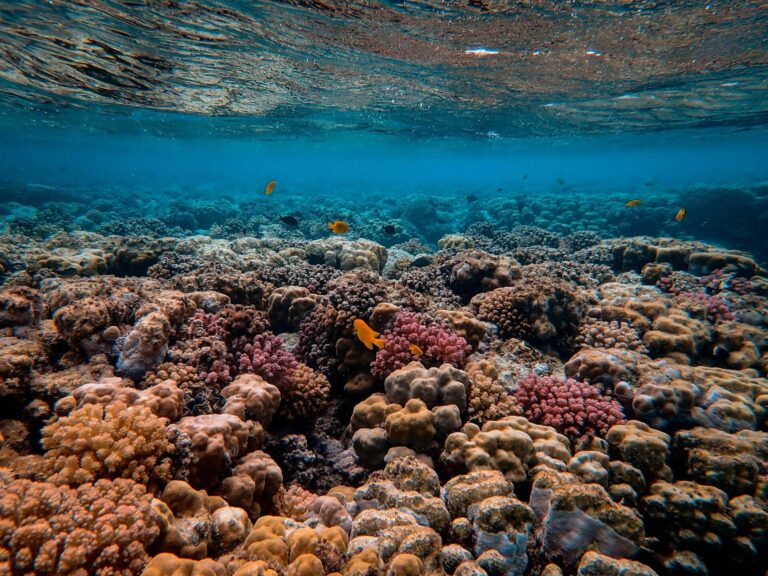
Despite occupying less than 1% of the ocean floor, coral reefs support roughly a quarter of all marine life – a statistic we find…well…staggering!
Coral reefs feed communities, protect coastlines from storms and power tourism economies that are worth millions billions of dollars annually.
As divers, coral reefs are often the focus of our underwater explorations and the experiences they offer are beyond words. We’ve been within metres of HUGE oceanic mantas, engaged with tiny dancing shrimp and watched octopuses performing metachrosis, all either on or around coral reefs.
But they’re also disappearing at a staggering rate. In fact, scientists predict that if global temperatures continue to rise, 70% to 90% of coral reefs could disappear in the coming decades. As passionate divers, that’s a statistic that terrifies us!
Climate change remains the largest threat, with rising sea temperatures triggering mass bleaching events across tropical oceans. But pollution, overfishing, coastal development and (we hate to say it) poorly managed tourism compound the damage.
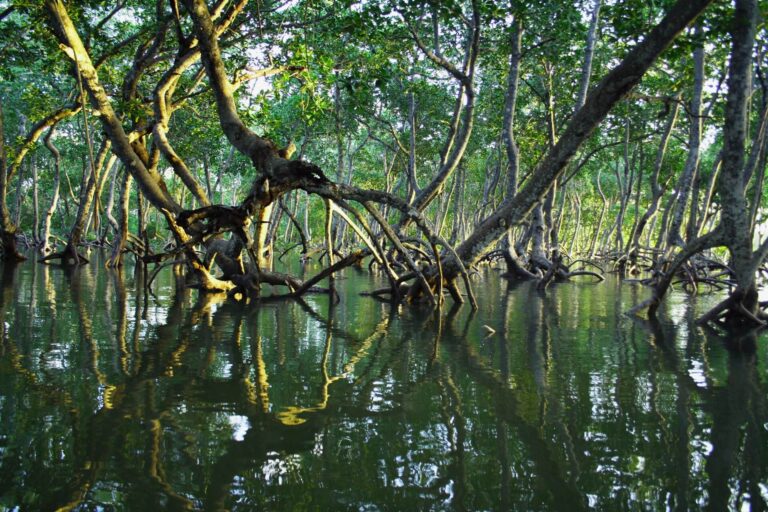
For decades, tourism itself has often been part of the problem: overcrowded dive sites stressing marine species, resort expansion destroying mangroves and seagrass beds, and anchors crushing corals so tourists have a safe mooring.
But it’s not all doom and gloom. Across the globe, some destinations are proving that tourism can become a force for good, actively protecting reefs, rather than contributing collapse.
And what we find interesting is that each destination is taking on a slightly different eco-tourism model, reflecting local circumstances and challenges.
Whether it’s through the establishment of marine protected areas, the collection of conservation fees or encouraging travellers to get hands-on with citizen science projects, these places are redefining what “sustainable tourism” actually looks like.
This article may contain affiliate links, which means when you make a purchase through that link, we earn a small commission. Affiliate links come at no cost to you and ensure our content remains free!
1. Palau: The Pioneer of “Eco-Pledge” Tourism
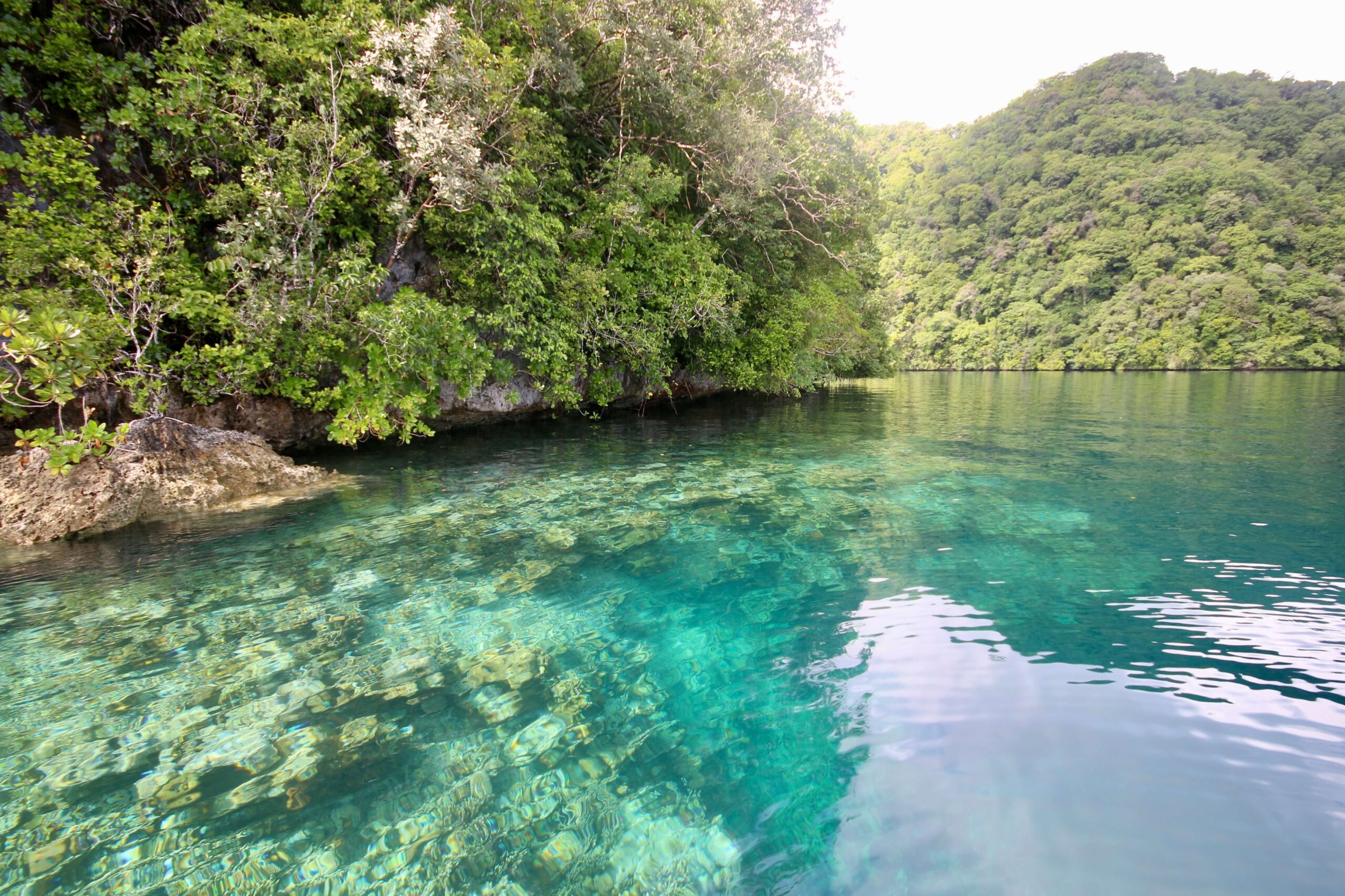
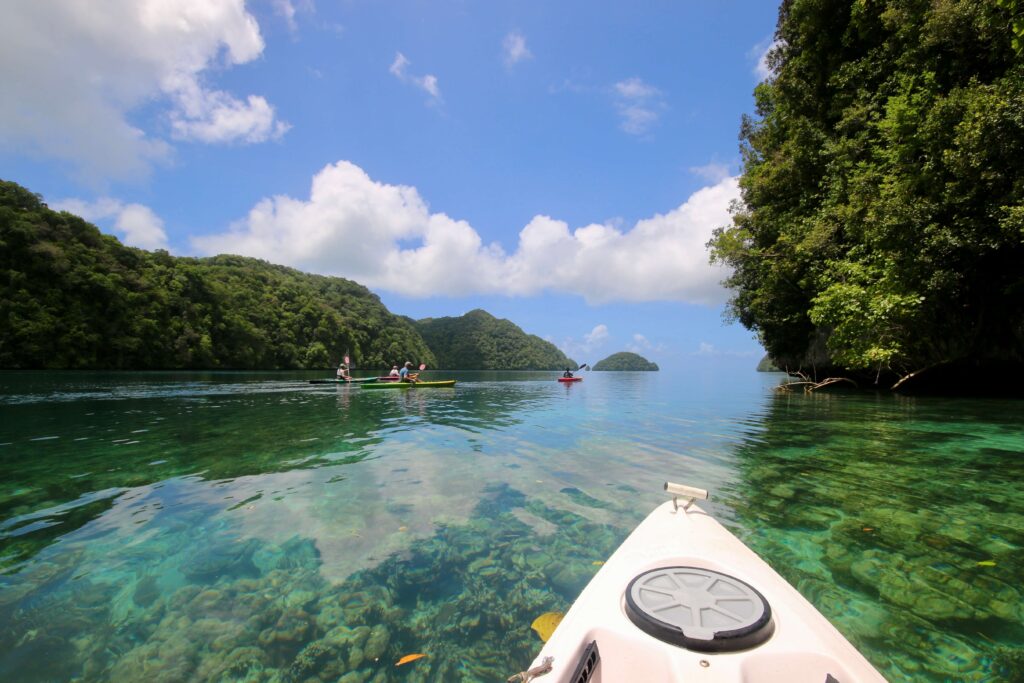
Few countries have integrated conservation into tourism policy as well as Palau. And having travelled to this Micronesian nation in May 2026, we’ve been lucky enough to see it first hand.
It’s become globally known for the “Palau Pledge,” an environmental promise that is stamped into every visitor’s passport (you sign it in front of the immigration official before being allowed entry).
Essentially, you must commit to acting in an ecologically responsible way while visiting the islands.
Aside from its legendary pledge, Palau has also created one of the world’s largest marine sanctuaries in its waters. It sprawls across roughly 500,000 square kilometres (it’s larger than the state of California) and accounts for about 80% of the nation’s total maritime territory.
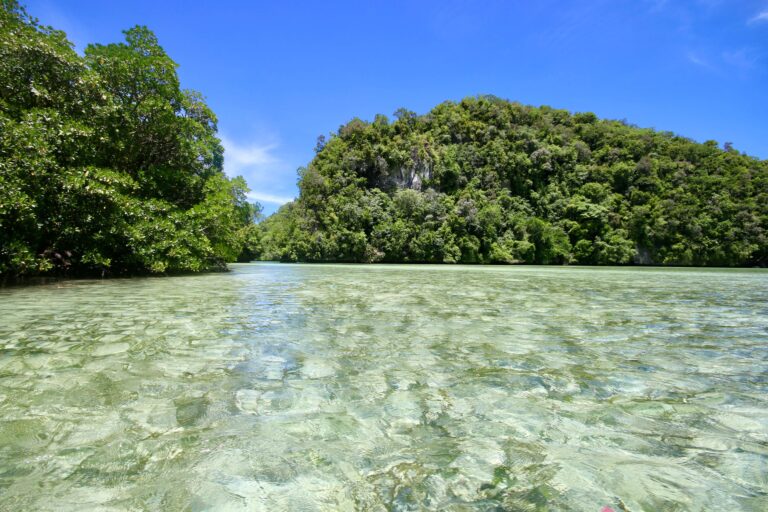
Diving, snorkelling and kayaking are central to Palau’s identity and international appeal. Having experienced all three activities during our time in the islands, we can attest to just how healthy and vibrant the country’s reefs are.
Tourism officials realised early that reef degradation would directly threaten the nation’s economy, so destructive fishing practices have been restricted and reef-toxic sunscreen chemicals are banned.
Instead of maximising visitor numbers (as has been seen in other parts of the world), Palau emphasises “high-value, low-impact” tourism. Trust us when we say it’s not cheap to visit or dive/snorkel here.
But by attracting fewer travellers who stay longer and spend more, it puts less pressure on the country’s ecosystems, without negatively impacting tourism revenue.
Discover everything you need to know about planning a sustainable scuba trip to Palau here.
2. Belize: Protecting the World’s Second-Largest Barrier Reef
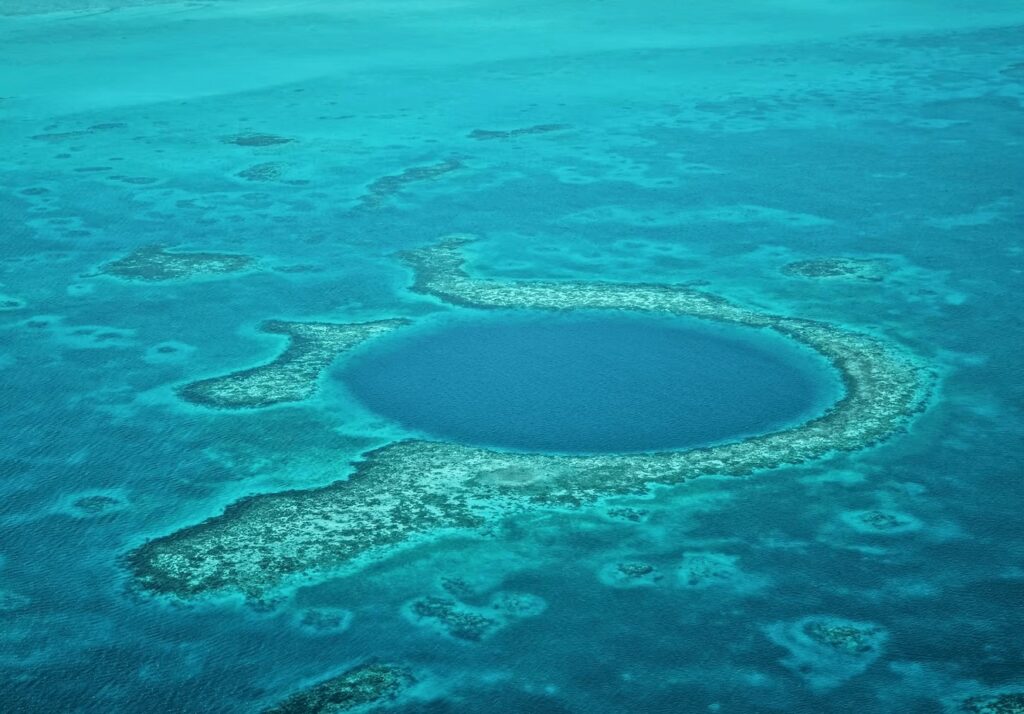
As the second-largest barrier reef in the world, the Belize Barrier Reef is incredibly important for global coral diversity. But over the last few decades, it has faced challenges related to everything from coral bleaching to overfishing and rampant coastal development.
In December 2017, Belize banned offshore oil exploration in its waters after years of environmental campaigning. It reflected growing recognition that reef tourism was economically more valuable than fossil fuel extraction.
In the years since, Belize has become a global leader in reef-focused policy reform and it’s something we’re excited to watch unfold.
It has expanded its marine reserves and committed to preserving 30% of its ocean as part of the 2021 Blue Bond Agreement with the Nature Conservancy. At the time, it was the the world’s largest debt-for-nature conversion.
Mangrove protections have been strengthened (Belize is now considered a “blue carbon” destination) and all trawling has been banned to protected seabeds.
Aside from partnering with conservation NGOs, Belize has also developed community-based marine stewardship programs, empowering local fishers, Indigenous communities and coastal residents to co-manage Marine Protected Areas (MPAs).
Tourism operators are also involved, participating in reef education and helping to fund conservation efforts in the country. Many dive businesses now actively support coral nurseries and citizen science initiatives, all of which you are contributing to (and learning from) if you stay or dive with them.
And as we know, studies show that travellers who understand reef fragility are more likely to support conservation policies after returning home. So that shift in mindset Belize is encouraging may just have wide-reaching impacts.
Discover everything you need to know about planning a sustainable scuba trip to Belize here.
3. The Great Barrier Reef (Australia): Can Scale Become an Advantage?
As Australians ourselves, we’re all too aware that the Great Barrier Reef faces enormous challenges from climate-driven bleaching.
Rapidly rising sea temperatures are the primary cause of mass coral bleaching events, while increasing acidity is only exacerbating the problem. Agricultural run-off is funnelling nutrients into the water, fuelling the growth of harmful algae and leading to destructive plagues of crown-of-thorns starfish.
That being said, there are innovative solutions in the works, from coral IVF to cryopreservation and drawing on Indigenous knowledge to look at the issues from a different angle.
So how does tourism play its part? Dive, snorkel and adventure operators across Queensland contribute millions of dollars annually to reef management. This is largely through permits, environmental levies and research partnerships.
And there are signs that large-scale tourism infrastructure may actually help to support reef science and restoration. If you’ve got a big problem, you need big solutions!
Some tourism vessels now function as floating observation platforms, collecting ecological data while also offering snorkelling and scuba diving. This might be monitoring crown-of-thorns starfish or conducting coral restoration experiments – there’s a whole range of citizen science projects going on!
Importantly, parts of the tourism industry have become vocal political advocates for climate action. It makes sense when reef loss is directly threatening the survival of their businesses!
Essentially, there’s an alliance developing between tourism, science and economic interests, and we’re seeing this around the globe.
What is the lesson here? No reef destination can fully “manage” climate change alone. But tourism industries can influence public opinion and government policy in ways conservation groups sometimes can’t, simply because of the money involved.
From diving to snorkelling and Indigenous-led tours, discover 7 incredible ways to explore the Great Barrier Reef.
4. Fiji: Indigenous Stewardship and Community Ownership
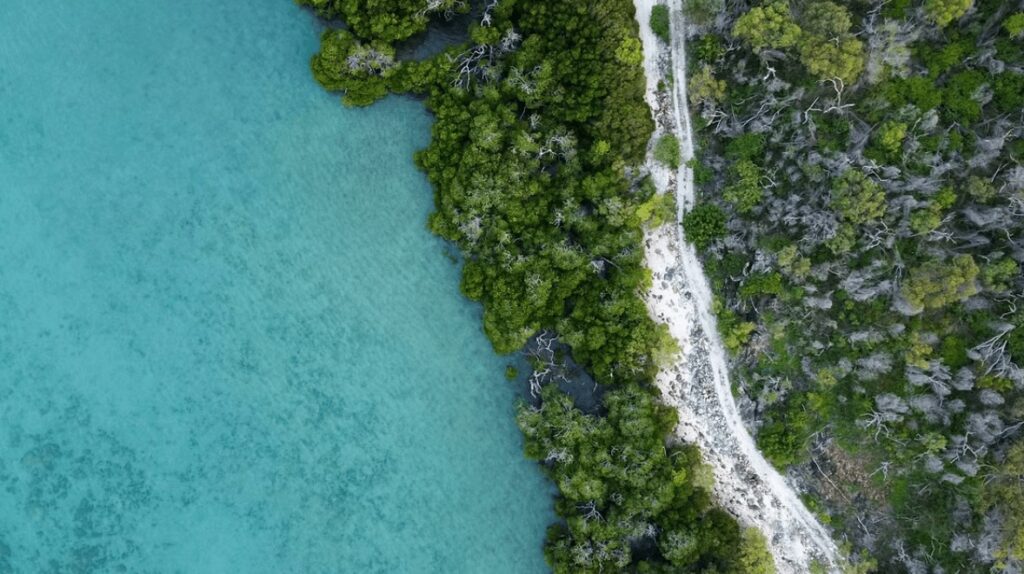
For generations, Indigenous communities have been successfully managing marine resources, taking only what they need and allowing stocks to replenish naturally. We have great respect for the knowledge held within these communities – it really is unparalleled.
The Fiji Locally Managed Marine Areas (FLMMA) network harnesses this knowledge by directly involving villages in reef protection and tourism governments.
Essentially, it allows Indigenous communities to establish rules and regulations that support their fishing needs while creating stronger incentives for marine conservation. At the end of the day, it is traditional ecological knowledge that is guiding management decisions.
What does this look like in practice? In some parts of Fiji, fishing zones rotate seasonally (and are closed periodically) to give reefs time to recover.
At the same time, tourism numbers are being monitored to determine their impact on marine environments and conservation fees are collected to support local communities.
Tourism operators in Fiji increasingly market these experiences as opportunities to participate in conservation-based travel. For many divers and snorkellers, it’s a chance to get first-hand cultural insights that aren’t the norm during a luxury dive vacation.
The result is a tourism model where reef protection supports cultural preservation, as well as biodiversity.
Discover everything you need to know about planning a sustainable scuba trip to Fiji here or check out these inspiring eco-dive resorts.
5. Maldives: Luxury Tourism Funding Reef Restoration
The Maldives sits on the frontline of climate vulnerability. Both rising sea levels and coral bleaching threaten its marine ecosystems…not to mention human survival in these low-lying islands.
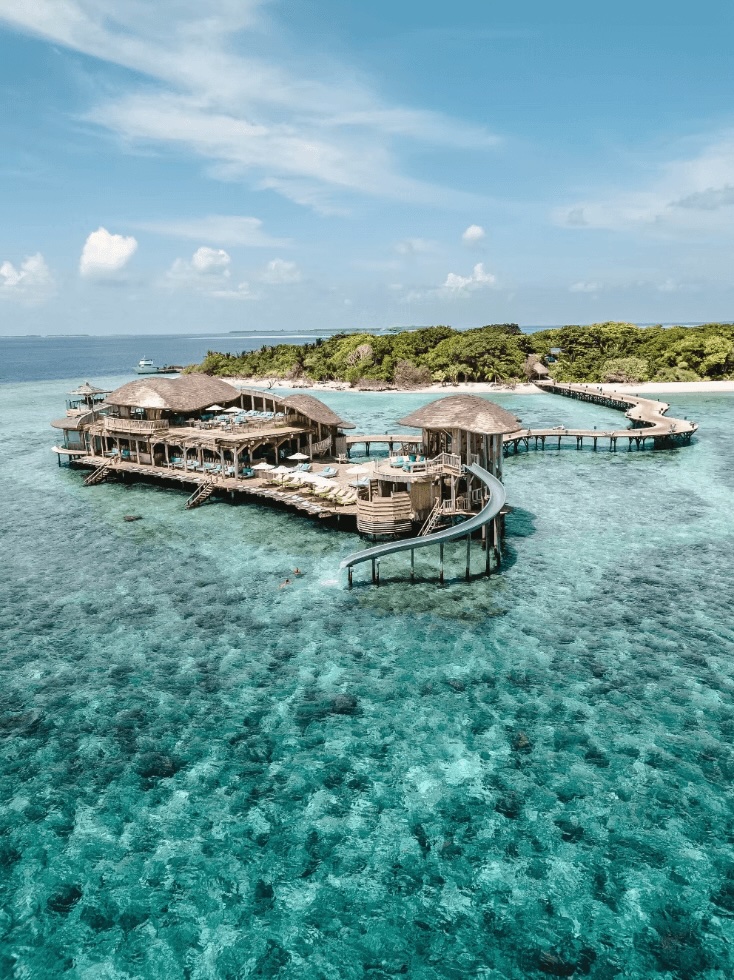
The Maldives has long been a poster child for luxury tourism and it’s a BIG industry here. Those overwater resorts you see plastered all over social media are well aware what’s at stake if they don’t act to preserve the natural environment.
In response, many are investing heavily in reef restoration projects, often funded directly through tourism revenue.
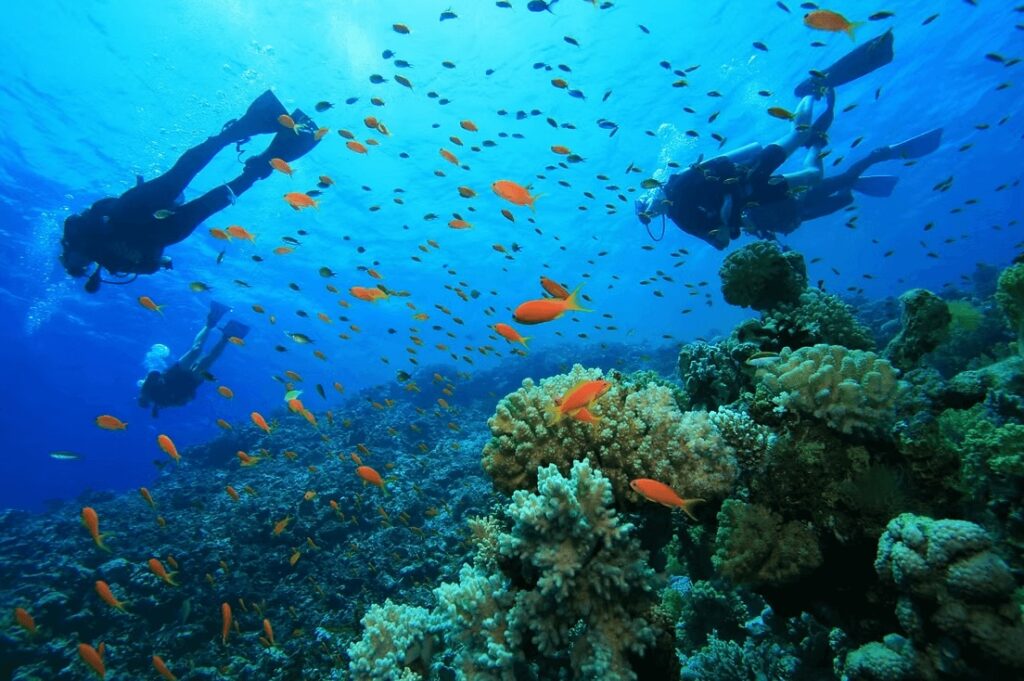
Aside from establishing marine education centres and ocean plastic reduction programs, many are getting hands-on building artificial reefs and coral frame nurseries. Some resorts employ full-time marine biologists who lead reef monitoring and restoration, allowing guests to be part of active research.
Critics argue that luxury tourism can still produce high carbon emissions and place immense ecological pressure on marine environments. Those concerns are valid.
But many Maldivian conservationists also note that tourism revenue (which largely comes from luxury resorts) remains one of the few available funding streams for large-scale marine projects in the country.
Without tourism revenue, where is the money going to come from?
The challenge here is ensuring restoration efforts are science-driven and have a meaningful impact on the health of marine environments, rather than purely being marketing exercises to lure guests in.
Discover everything you need to know about planning a sustainable scuba trip to the Maldives here or check out these inspiring eco-dive resorts.
The Rise of “Regenerative Tourism”
For years, sustainability in travel mostly meant “doing less harm” and if we’re being honest, there was a lot of greenwashing involved. You could book into an “eco resort” and…job done!
Now, there’s a growing movement that argues tourism should actively improve ecosystems and it’s gaining popularity in reef destinations.
Often referred to as “regenerative tourism”, it’s about rebuilding biodiversity and restoring habitats, all while supporting local communities and strengthening cultural stewardship.
Divers now volunteer in coral planting projects, hotels sponsor Marine Protected Areas (MPAs) and tourism operators fund reef mapping and scientific research.
In many cases, regenerative tourism is about educating visitors so they become long-term advocates and take their newfound knowledge back home to share with family and friends.
Time for a reality check. Unfortunately, there’s no future where tourism completely offsets unchecked climate change. And we’re not trying to suggest that you flying halfway across the world to go diving for a week is going to stop sea levels from rising!
But tourism can help to buy time, fund adaptation and protect local ecosystems from additional stress. It can also play a role in building political pressure for climate action, which could make a significant difference to the trajectory we’re on.
And when it comes down to it, don’t we, as ocean travellers, have a personal responsibility? If we benefit from coral reefs, shouldn’t we also do what is within our powers to help sustain them?
PLAN YOUR TRIP WITH OUR FAVOURITE RESOURCES:
Find hotels and resorts via Booking or Agoda
Book tours and experiences via Viator or GetYourGuide
Find a rental car via Discover Cars
Book flights via Kiwi or Booking
Search for buses and trains via 12Go or Omio
Get travel insurance via SafetyWing
Buy a digital eSIM with Airalo
By purchasing through our links, you’ll be supporting our website at no additional cost to you
-
7 Inspiring Coral Reef Conservation Projects Around the World
It might surprise you to learn that coral reefs cover less than 1% of the ocean floor, but provide habitat for an estimated quarter of all marine species. It’s mind-blowing! Not only that, but they support the livelihoods of millions living in coastal communities around the globe and help to protect shorelines from wave and…
-
Plan a Surf + Yoga Retreat at Rascals: An Adults-Only Hotel in Kuta, Lombok
Tucked away on a quiet street off Kuta’s main drag, Rascals was our stay of choice on our last visit to Lombok. It had been on our radar for many years, but we’d always returned to Mana Eco Retreat – a place we’d fallen in love with for its tranquil cabanas, vegetarian-friendly restaurant and incredible…
-
The Blue Revolution: How Ocean Conservation Is Changing Travel
If you’re anything like us, the ocean is what fuels your travel adventures. Over the last 20+ years, we’ve flown across the globe to dive with manta rays, kayak above coral reefs and surf legendary waves. But there is an uncomfortable contradiction at the heart of ocean tourism: the healthier the marine environment, the more…
-
Climate Change in the Ocean: A Guide for Surfers + Divers
When we think about climate change, our attention naturally turns to what we can see on land or are experiencing first hand: rising temperatures, melting glaciers, wildfires and more intense weather events. Many of these are well-reported on the nightly news and it’s devastating to see intense wildfires ripping across landscapes and floods wreaking havoc…
-
Resort vs Liveaboard vs Homestay Diving in Raja Ampat: Choosing the Right Experience
Raja Ampat is one of my favourite diving destinations in Indonesia. In fact, that’s probably an understatement. Raja is one of my favourite places to dive anywhere in the world. The underwater experiences I’ve had here are nothing short of extraordinary…and that’s not taking into account the incredible above-water scenery. It really does feel like…
-
How Sunscreen Affects Coral Reefs + Marine Life
If you’re anything like us, applying sunscreen is second nature before heading out to surf or spending a day on a dive boat. In fact, our skin type means we need to apply sunscreen before we step outdoors…full stop! Since we were little, it’s been drummed into us that sunscreen protects our skin from harmful…

We are a team of passionate divers and surfers with decades of combined experience in the water and travelling to all corners of the globe.
After years of chasing waves and descending into the deep blue, we’ve created this resource to highlight sustainable surf camps, eco-dive resorts and conservation-focused ocean trips to help inspire your next adventure.
Eco Ocean Escapes was born out of a love of the ocean, an obsession with travel and a concern about the impacts of our adventures on the environments we explore.