What Are Ghost Nets? The Silent Assassins of Our Seas
Wondering what ghost nets are or how many are currently floating around our oceans? Learn why abandoned fishing nets are one of the biggest threats to ocean ecosystems and what we can do about them.
When we think of plastic pollution in our oceans, it’s more often plastic bottles and discarded takeaway containers that come to mind. You might have visions of plastic debris accumulated in the Great Pacific Garbage Patch or beaches where the sand isn’t visible through the trash.
But there’s something even more sinister floating in our ocean environments and having a devastating impact on marine wildlife.
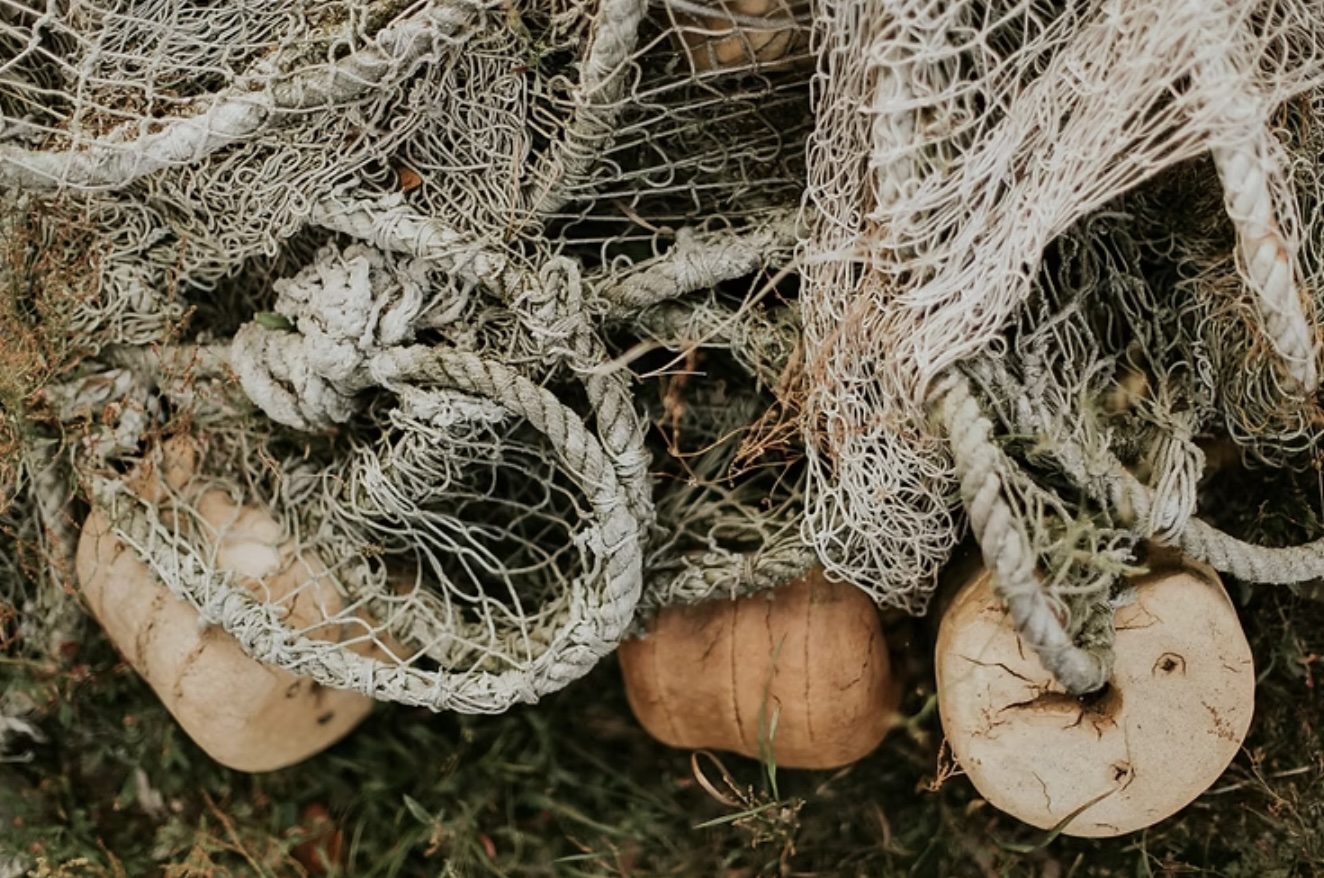
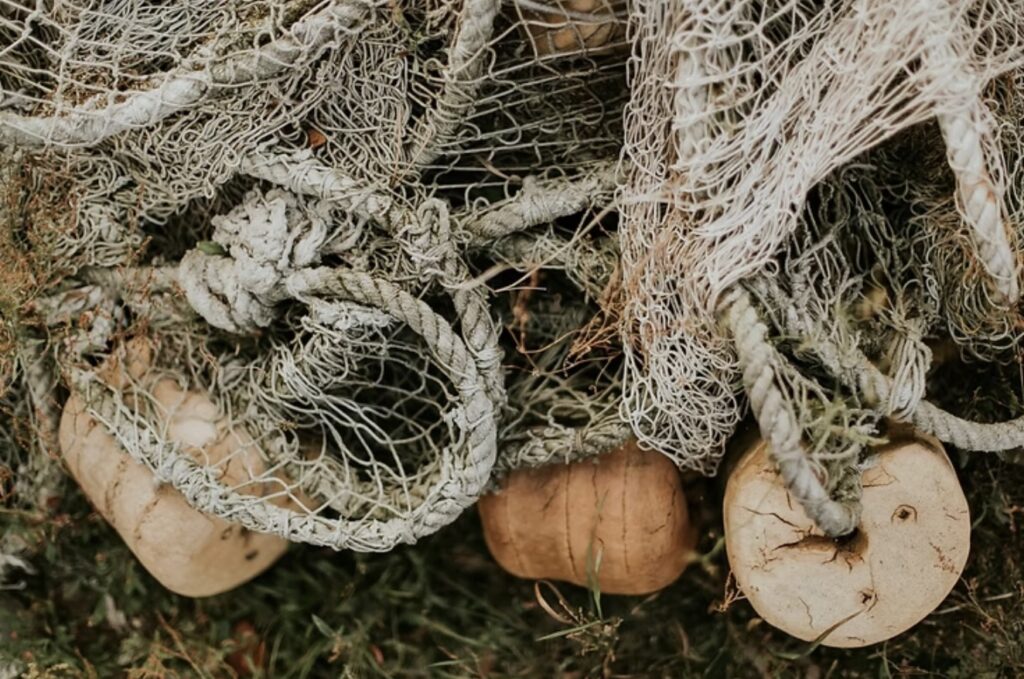
The term “ghost nets” refers to fishing gear that has been abandoned, lost or discarded. It’s sometimes referred to as ALDFG for short.
Perhaps you’ve seen a fishing net where it shouldn’t be while diving. We definitely have and helped to (carefully) disentangle one on a reef off the northwest coast of Bali.
While ghost nets might sound minor in the grand scheme of environmental issues impacting our oceans, the problem is bigger than you might think. In fact, it constitutes a major environmental hazard.
Ghost nets are often hard to detect as they drift through the ocean, entangling marine life along the way – a term that’s often referred to as “ghost fishing”.
Some get snagged and become death traps, causing injury, starvation and suffocation for fish, turtles, dolphins and seabirds.
Unfortunately, millions of tons of fishing gear are lost every year, contributing to what is becoming a huge marine conservation issue.
So what can we do about it?
In this article, we’ll explain everything you need to know about ghost nets, including how they are abandoned in the first place. Discover how ghost fishing is (negatively) impacting marine life and what is being done globally to mitigate the problem.
For more insights into marine conservation issues, check out our collection of articles here. They focus on everything from ocean acidification and mercury pollution to microplastics, seismic blasting and the Great Pacific Garbage Patch.
What are ghost nets?
Abandoned, lost or discarded fishing gear comes from many different sources and can have varying impacts on marine life.
For example, some commercial fishermen utilise gillnets – vertical net walls that are suspended in the water column.
Held upright by flotation buoys along one edge, these nets can extend for hundreds of metres. They are designed to entangle fish of a particular size as they attempt to pass through.
In theory, these nets should be retrieved by fishermen to harvest the catch. But sometimes, they are left uncollected or get lost due to bad weather, tides or strong currents. When this happens, they become “ghost nets” that continue fishing indiscriminately.
In some cases, fishermen abandon worn-out nets simply as the easiest and cheapest method of disposal. You’d be surprised at the costs and effort involved in doing so ethically.
An unretrieved net will catch fish until the weight exceeds the buoyancy of the floats. At this point, it will sink and potentially smother seabed habitats.
If this happens, bottom-dwelling creatures may consume the trapped fish and the net may resurface to continue the cycle.
Due to the strength and durability of modern synthetic materials, this cycle can continue for years and years.
If ghost nets wash up along coastlines, they run the risk of entangling shorebirds and other coastal species. Scavengers pursuing trapped species can also get trapped, exacerbating the problem. This is of particular concern when tides change and non-marine species are involved.
Aside from restricting the movement of trapped creatures, ghost nets can cause suffocation and drowning for mammals and reptiles needing to surface for air.
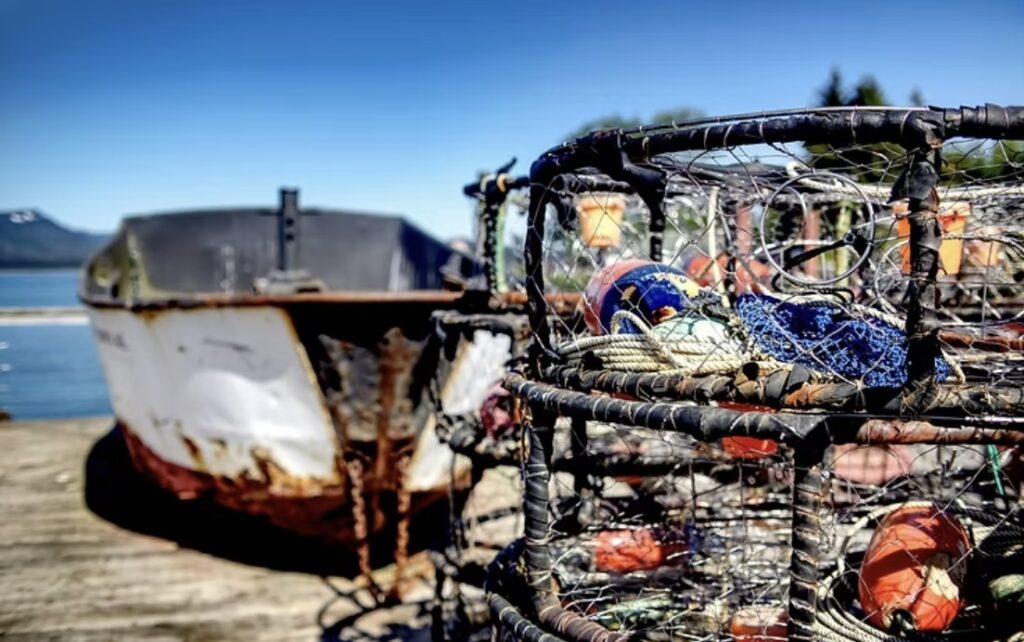
The issue of “ghost fishing” is not confined to abandoned nets. Other forms of discarded fishing equipment, such as old-fashioned crab traps that lack “rot-out panels” can settle on the ocean floor. Here, they become self-baiting hazards, continuously trapping marine life for years.
Even balled-up fishing line can create entanglement risks for marine creatures. That’s why all fishing equipment should be collected and disposed of properly. But that’s not always what happens.
Want to learn more about the major threats facing our oceans? Check out our detailed article here.
How many ghost nets are in the ocean?
Calculating the total volume of plastic debris accumulating in the world’s oceans remains a complex task. But researchers agree that abandoned fishing gear is a significant contributor.
Estimates suggest that between 10% and 20% of all ocean plastic pollution originates from fishing ropes, nets, traps and lines. To be honest, those figures surprised us.
But they can be dramatically higher in certain areas. In major pollution hotspots like the Great Pacific Garbage Patch, fishing-related plastics make up an estimated 46% of the mass.
Annual losses of this “ghost gear” are substantial. In fact, studies estimate that up to 2.5% of fishing equipment is lost each year.
This includes over 78,000 square kilometres of nets, more than 25 million pots and traps and approximately 740,000 kilometres of longlines. That’s a LOT of waste being left to wreak havoc in our oceans.
In an ideal world, we would be able to stop this at the source and make fisheries responsible for preventing gear loss. Unfortunately, that’s not always what happens.
Discover how you can support sustainable fisheries in our detailed article here.
Measures for preventing ghost fishing
Some types of fishing gear are more susceptible to getting lost at sea than others. These include gill nets, pots and traps. Fish aggregating devices (FADs) used to attract and concentrate pelagic fish are also high risk.
Preventing the loss of these types of fishing gear is crucial in reducing the impacts of ghost fishing. Ultimately, this involves the implementation of both practical and technological measures.
This can include reducing the duration that fishing nets, pots and traps are left unattended underwater. It can also incorporate GPS mapping to avoid setting gear in locations with high potential for conflict with other fishing operators.
Clearly marking fishing gear can help to establish ownership and encourage retrieval, as well as resolve gear conflicts between fleets. It could also play an important role in identifying illegal, unreported and unregulated fishing activities.
Gear modification is another important strategy for mitigating the environmental impacts of ghost fishing.
This includes altering the design of fishing equipment to address issues surrounding loss and entanglement, such as adding escape hatches or biodegradable panels to pots and traps. In theory, this would allow captured animals to escape over time.
Altering the ropes connecting seabed gear to surface buoys is another possible measure. By incorporating weakened sections, animals could easily break free through if they were to get trapped.
Ropeless systems offer another potential solution and would prevent entanglement risks altogether.
When it comes to Fish Aggregating Devices (FADs), using biodegradable materials like bamboo or hemp fibres could lessen the impact on marine life if they become lost at sea. Additionally, they could be constructed without netting to reduce the accidental capture and entanglement of non-target species.
Effective fisheries management is also key in helping prevent gear loss. This means ensuring sufficient onboard storage space for gear so it’s not discarded due to lack of space.
It also means training crews on proper gear handling techniques and awareness of ghost fishing impacts. After all, it is affecting the marine ecosystems they rely on for an income.
Looking for marine conservation organisations to support? Check out some of our favourites here.
Ghost fishing clean-up initiatives around the globe
It’s not all doom and gloom, however.
In September 2015, the Global Ghost Gear Initiative (GGGI) was established by World Animal Protection. It is designed to address the issue of abandoned, lost and discarded fishing gear.
It brings together governments, industry, NGOs and researchers. Essentially, it’s providing a collaborative framework for developing and implementing effective solutions to the global ghost gear problem.
Its three main aims are to:
- Improve the health of aquatic ecosystems
- Safeguard human health and livelihoods
- Protect aquatic life from harm
Aside from large, multi-phase projects, GGGI also provides small grants to communities working on ghost fishing-related projects around the globe.
To date, these have included transforming collected ghost nets into fabric along the coast of Nigeria and research into the local causes of gear loss in Bangladesh.
Also addressing the issue are net amnesty schemes such as Fishing for Litter. It provides incentives for the collection and responsible disposal of end-of-life fishing gear.
Originally established at a Dutch port, Fishing for Litter has spread across Europe and encourages environmentally conscious behaviour within the fishing community. It’s something we love to see!
Net amnesty schemes are specifically designed to address a primary obstacle to proper disposal. This is the financial cost incurred by fishers when discarding worn-out or damaged equipment.
By providing accessible, free collection points or even offering small rewards, they remove the economic disincentive that often leads to gear abandonment in the first place.
In Australia, the Carpentaria Ghost Nets Program has addressed the issue of ALDFG by collaborating with Indigenous communities. The program was designed to elevate awareness about the impacts of ghost fishing and to cultivate sustainable, long-term management solutions.
A core component of this joint effort involves providing training to Indigenous Australians in the region and drawing on their traditional knowledge in protecting coastal landscapes.
Aside from being taught techniques for identifying ghost nets and other plastic pollution along the coastline, participants are trained in the safe procedures for removing these harmful materials.
PLAN YOUR TRIP WITH OUR FAVOURITE RESOURCES:
Find hotels and resorts via Booking or Agoda
Book tours and experiences via Viator or GetYourGuide
Find a rental car via Discover Cars
Book flights via Kiwi or Booking
Search for buses and trains via 12Go or Omio
Get travel insurance via SafetyWing
Buy a digital eSIM with Airalo
By purchasing through our links, you’ll be supporting our website at no additional cost to you
-
The Blue Revolution: How Ocean Conservation Is Changing Travel
If you’re anything like us, the ocean is what fuels your travel adventures. Over the last 20+ years, we’ve flown across the globe to dive with manta rays, kayak above coral reefs and surf legendary waves. But there is an uncomfortable contradiction at the heart of ocean tourism: the healthier the marine environment, the more…
-
Climate Change in the Ocean: A Guide for Surfers + Divers
When we think about climate change, our attention naturally turns to what we can see on land or are experiencing first hand: rising temperatures, melting glaciers, wildfires and more intense weather events. Many of these are well-reported on the nightly news and it’s devastating to see intense wildfires ripping across landscapes and floods wreaking havoc…
-
Resort vs Liveaboard vs Homestay Diving in Raja Ampat: Choosing the Right Experience
Raja Ampat is one of my favourite diving destinations in Indonesia. In fact, that’s probably an understatement. Raja is one of my favourite places to dive anywhere in the world. The underwater experiences I’ve had here are nothing short of extraordinary…and that’s not taking into account the incredible above-water scenery. It really does feel like…
-
How Sunscreen Affects Coral Reefs + Marine Life
If you’re anything like us, applying sunscreen is second nature before heading out to surf or spending a day on a dive boat. In fact, our skin type means we need to apply sunscreen before we step outdoors…full stop! Since we were little, it’s been drummed into us that sunscreen protects our skin from harmful…
-
The Essential Scuba Diving Guide to Raja Ampat, Indonesia
Few places we’ve dived have captured our imagination quite like Raja Ampat. Our first visit was back in the early 2000s, staying at a homestay on a blissfully gorgeous beach, and our second in 2023 at the eco-friendly Papua Explorers Resort. Both are experiences that will stay with us forever and affirmed what so many…
-
Successful Marine Protected Areas You Can Visit Around the World
After almost two decades of scuba diving around the globe, we’ve come to the conclusion that marine protected areas (MPAs) are one of the most powerful tools we have for conserving ocean ecosystems. Essentially, they are like “national parks of the seas” – established to limit activities such as overfishing, habitat destruction and unsustainable development….

We are a team of passionate divers and surfers with decades of combined experience in the water and travelling to all corners of the globe.
After years of chasing waves and descending into the deep blue, we’ve created this resource to highlight sustainable surf camps, eco-dive resorts and conservation-focused ocean trips to help inspire your next adventure.
Eco Ocean Escapes was born out of a love of the ocean, an obsession with travel and a concern about the impacts of our adventures on the environments we explore.