How to Be a More Responsible Underwater Photographer
In recent decades, photography has become unbelievably accessible. Almost everyone carries a camera around with them everyday in the form of a smartphone.
Technological improvements have also made underwater photography far more accessible, resulting in powerful images of a world that’s inaccessible to many.
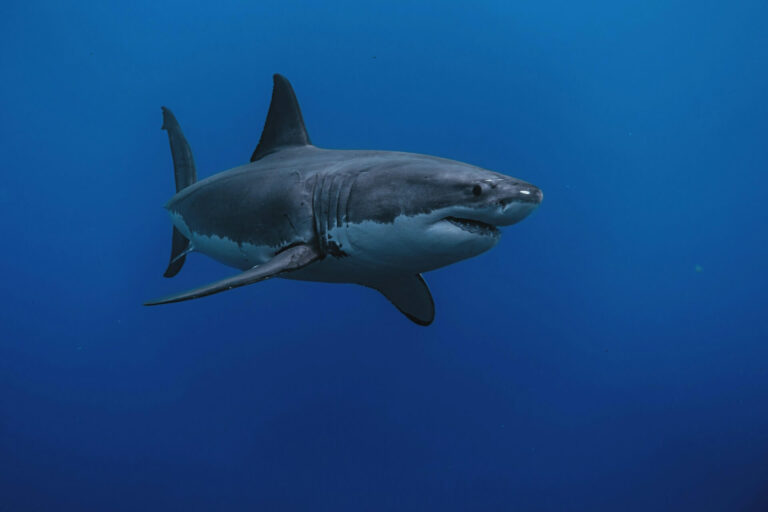
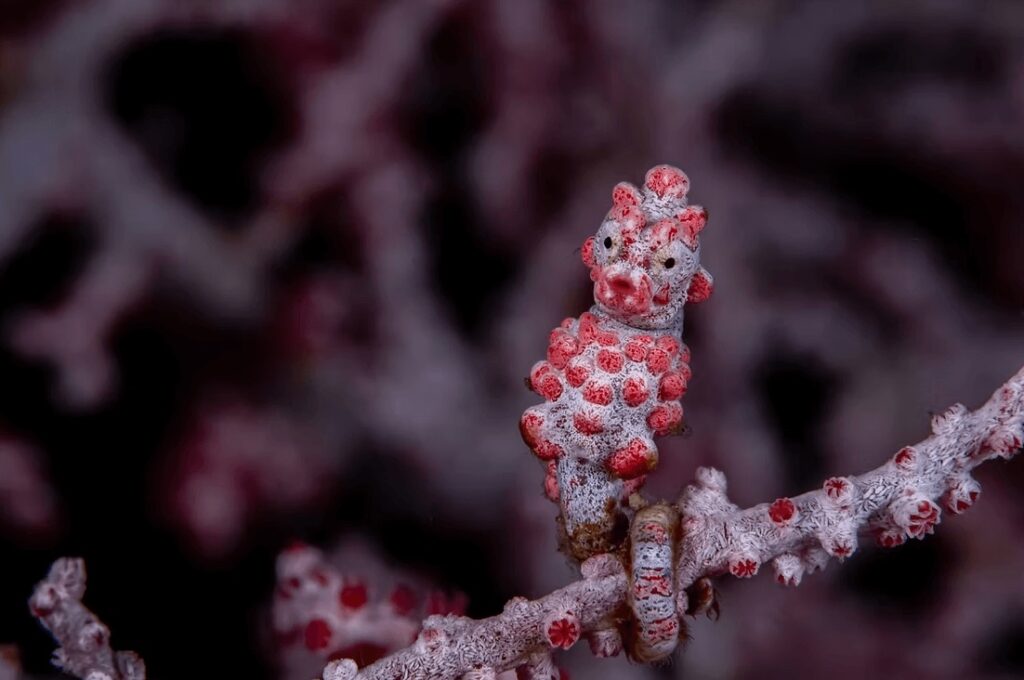
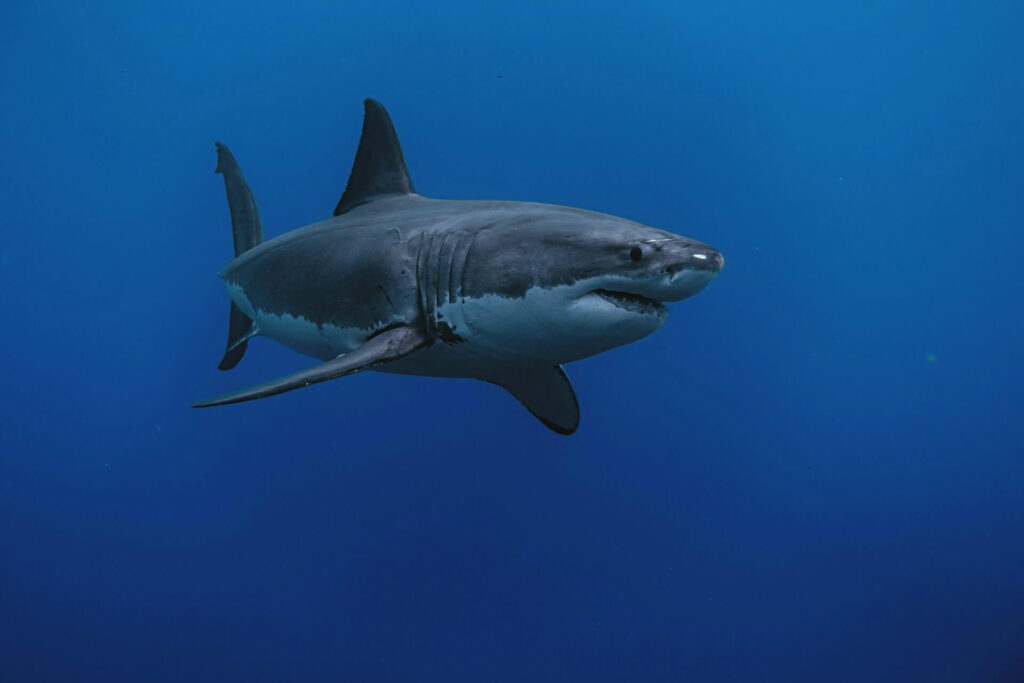
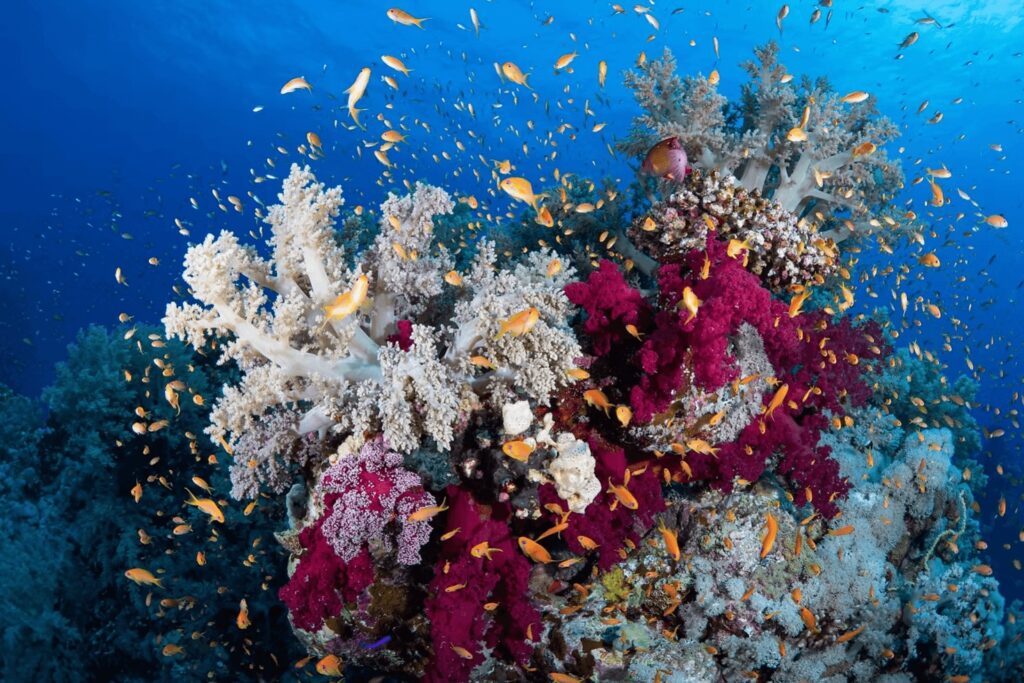
A single image of a healthy reef, a shark passing through the deep blue or a pygmy seahorse clinging to a coral branch can inspire conservation. It can shift perspectives and remind people (including policymakers) what’s at stake if we don’t protect our oceans.
But underwater photography is not always ethical. In fact, sometimes it’s doing more harm than good.
Poor buoyancy, chasing wildlife or manipulating marine life for “the shot” can cause real harm. If you carry a camera underwater, it comes with responsibility.
In this article, we’ll share 8 tips for being a responsible underwater photographer, without sacrificing creativity. We’ll highlight ethical dive photography basics and underwater photographer etiquette to know before you get in the water.
Disclosure: This article may contain affiliate links, meaning we earn a small commission when you make a purchase. Affiliate links cost you nothing and ensure our content stays free!
1. Master Buoyancy Before Adding a Camera
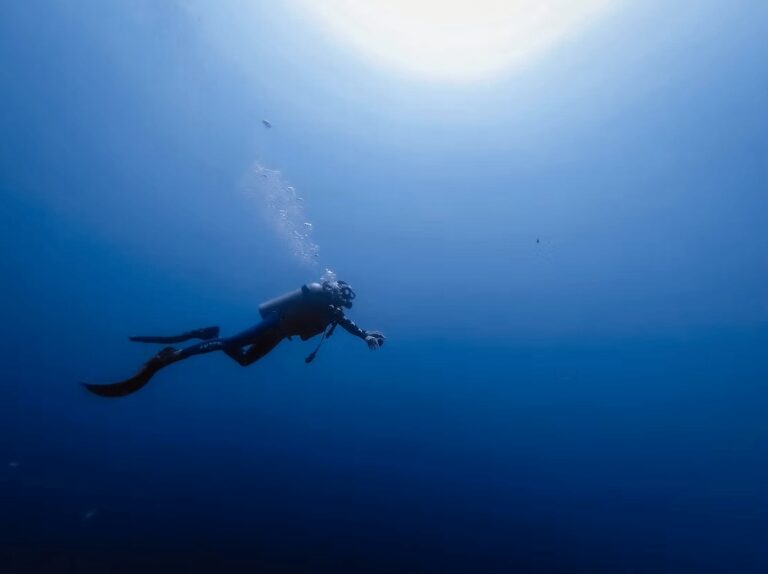
The most important rule for ethical dive photography: If you can’t hover motionless without a camera, you’re not ready to add one.
Mastering your buoyancy is really important if you want to be a responsible underwater photographer. It’s something we are constantly working on.
If you can’t maintain neutral buoyancy or control your fins, you run the risk of doing serious damage to underwater environments.
The fact is, cameras shift your trim, distract you and narrow your awareness. So if your buoyancy is all over the place without a camera, it’s going to be even worse with one.
It’s also really important that you can hover without sculling your hands. Once there’s a camera in them, you won’t be able to use them to control your underwater movements.
2. Never Touch, Move or Manipulate Marine Life
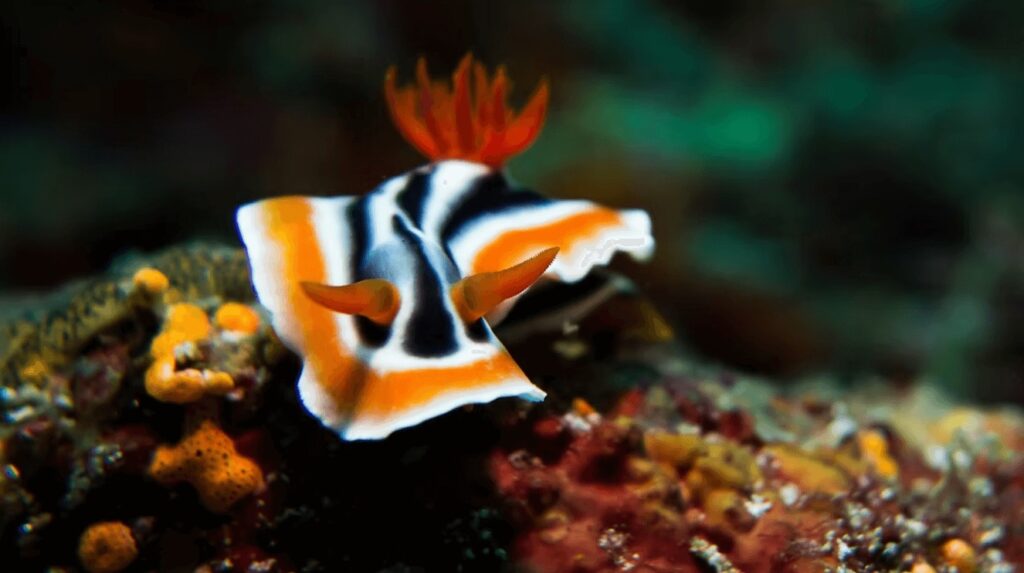
It may seem harmless to reposition a nudibranch, poke an octopus out of hiding or rotate a seahorse for a better photographic angle. But it’s absolutely not!
Touching marine life can seriously stress animals and/or remove protective mucus layers (that may not be visible to the untrained eye).
Moving creatures from their chosen position can also expose them to predators. After all, they likely chose their position because it felt protected.
And just the process of moving or manipulating marine life can cause damage to fragile habitats through a brushed hand here and a broken coral there.
Ethical wildlife photography rule:
If you have to move marine life to photograph it, don’t photograph it.
In our opinion, documenting natural behaviour is always more compelling than staging an interaction, which is likely doing more harm than good. This extends to unethical baiting – you can learn more about diving responsibly with sharks here.
3. Don’t Chase Wildlife
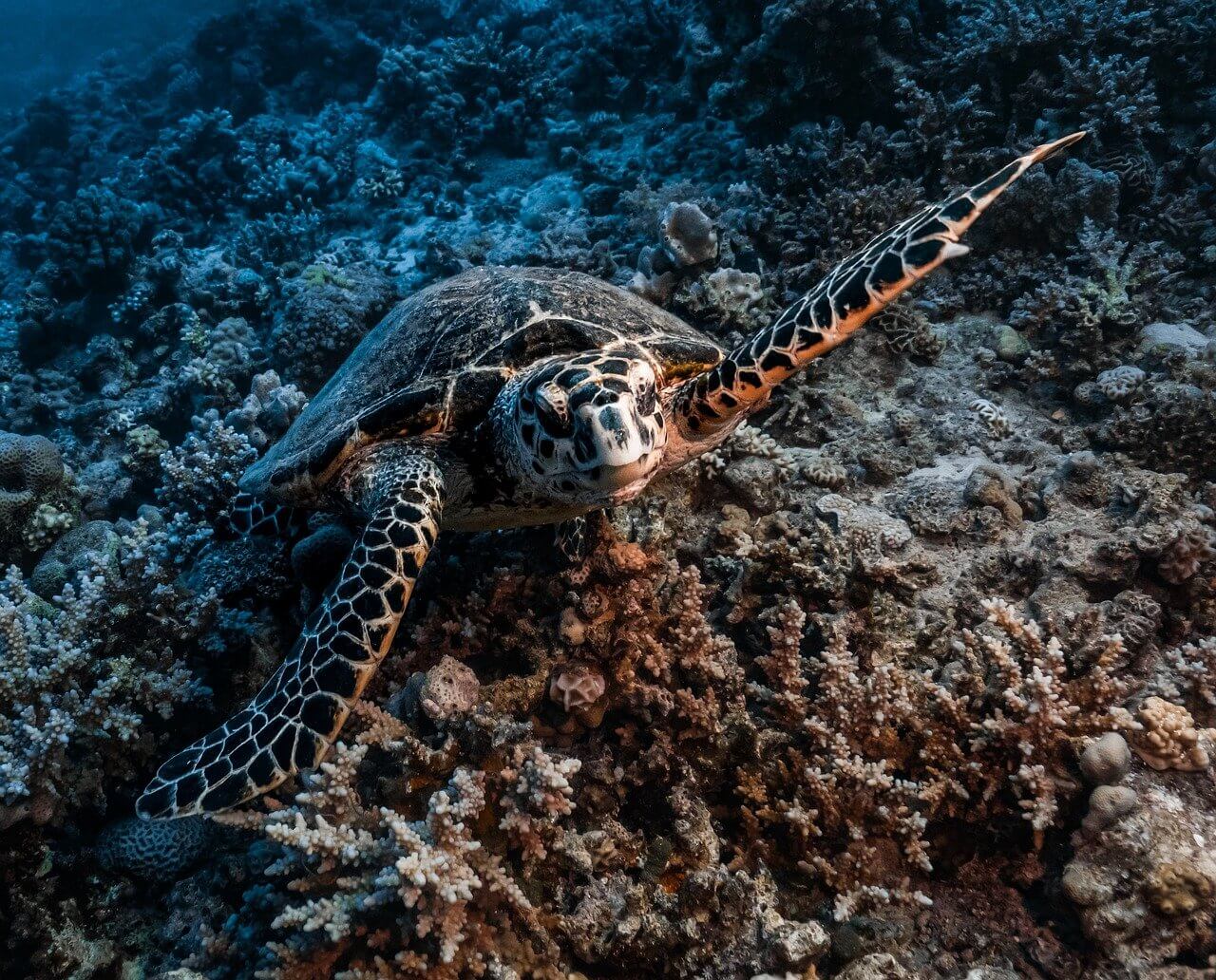
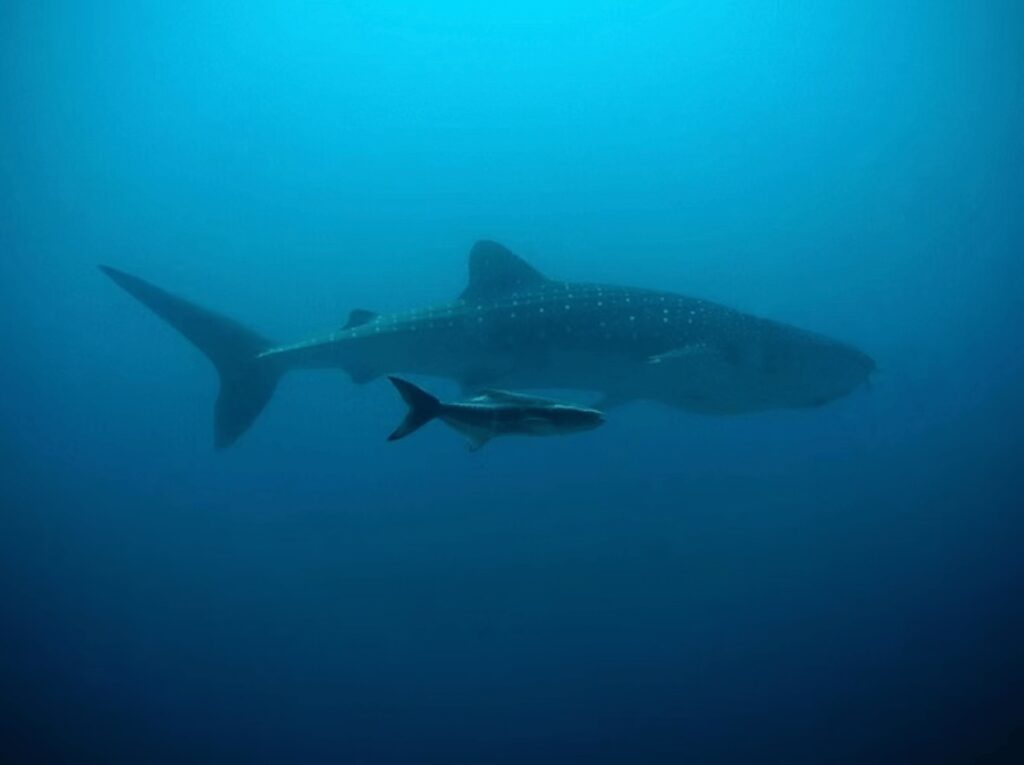
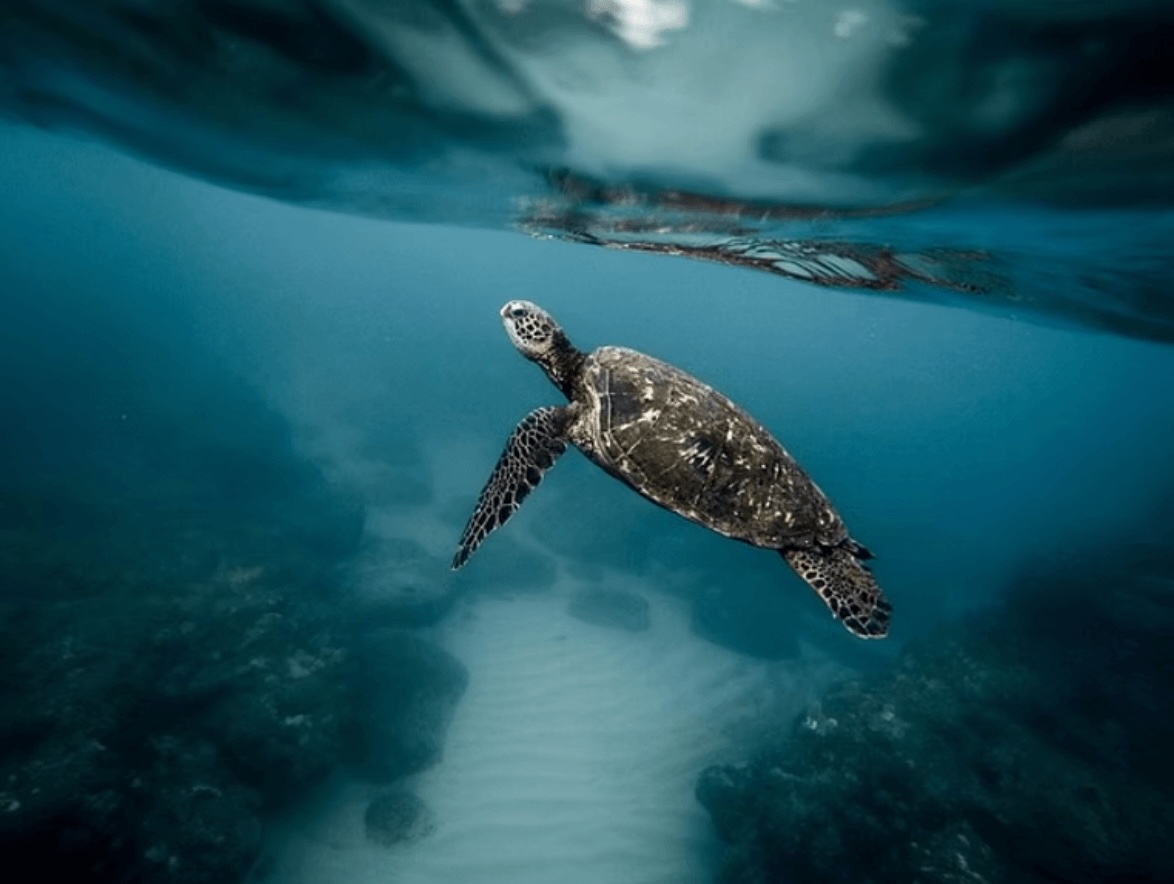
When you see a ray, a sea turtle or a shark cruise by, it can be really tempting to fin after it madly to capture up-close shots.
But chasing animals causes stress and can push marine animals away from critical habitat. In some cases, it can lead to changes in feeding behaviour or affect mating behaviour.
Instead, try to stay calm and position yourself in a way that will be to your photographic advantage if the animal returns. Remain still and allow the animal to come to you, choosing the encounter.
In some instances the animal will return, in others it won’t. That’s just the reality of ethical wildlife photography.
4. Be Aware of Your Fins (and Your Tank)
Many reef collisions happen behind underwater photographers…and they’re completely oblivious to it! We’ve witnessed it time and time again – someone so focused on their screen that they’re unaware of coral being damaged by their fins.
When you’re focusing through a viewfinder, your fins may collide with the reef or your tank may knock coral branches on either side. In many instances, it’s gauges that are doing the damage, dragging across fragile structures after coming loose.
Before stopping to take a shot, pause and check your full body position (not just what’s going on in front of you) and that all your gear is where it should be.
5. Respect Distance Guidelines
Different species require different amounts of space…and it’s important to educate yourself if you want to be a responsible underwater photographer.
Remember, ethical dive photography prioritises the animal’s comfort over your image. So if an animal changes direction because of your presence or tries to get away, there’s a chance you’re too close.
Importantly, you should never block an animal’s path to the surface – they may be heading there for much needed air. Be strategic about where you position yourself and always have the creature’s wellbeing in mind.
6. Don’t Overcrowd a Subject
If you’re diving with a group of underwater photographers, it’s not uncommon to see them forming a semicircle around a creature. Everyone’s eager to capture their shot before the animal swims away!
But this can be incredibly stressful for animals, particularly if their escape route is completely blocked. Instead, take turns, share the experience and limit your time with the subject.
And when it’s not your turn, move away and look at something else – you might find an equally compelling subject away from the crowd.
7. Share Images Responsibly
Underwater photographs that are shared online can raise awareness, influence the behaviour of other divers and normalise certain interactions.
On the one hand, they can promote the beauty of our underwater world and encourage its protection. On the other, they can reflect and platform unhealthy interactions with wildlife.
Never post images that show marine life being touched, chased or harrassed. In fact, avoid posting anything that promotes unsafe interactions.
We also highly advise against geotagging extremely sensitive locations that are suffering from (or have the potential to suffer from) overtourism.
Whenever possible, use your images to highlight conservation messages. And if you do document coral bleaching, damage or underwater debris, use it as an opportunity to (gently) educate your audience, rather than shame locals.
8. Choose Eco-Conscious Operators
Responsible underwater photography starts before you enter the water and is heavily influenced by the behaviour of operators.
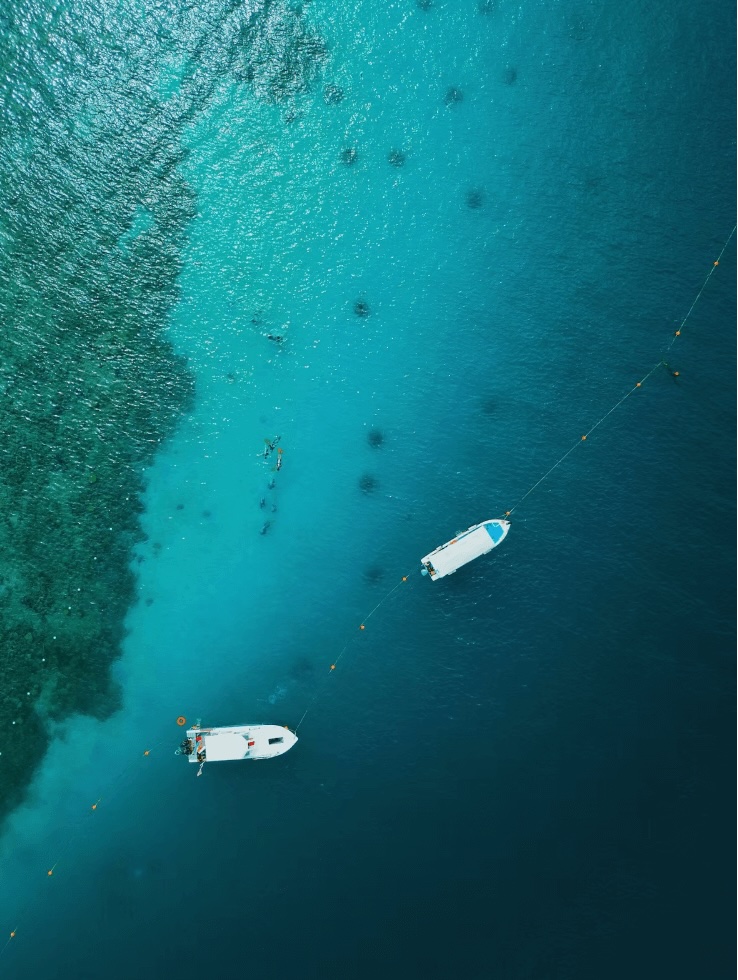
Look for dive operators that limit group sizes to minimise stress on underwater environments and enforce no-touch policies. Using mooring buoys instead of anchoring on reefs is another “green flag”.
With the guide-guest dynamic, it’s not always easy for local divers to call out unethical behaviour by guests. But it’s important that it is done.
Dive briefings that reinforce underwater etiquette are an easy way for dive operators to make clear their standards and highlight any actions that won’t be tolerated.
If you see underwater photographer etiquette that’s not up to scratch and the operator isn’t calling it out, speak to your dive guide/instructor privately.
In the future, support dive centres that follow strong environmental guidelines, including those aligned with organisations like PADI AWARE or Green Fins.
The Underwater Photographer’s Ethical Line
Coral reefs and their inhabitants are currently facing a multitude of challenges: climate change, overfishing, plastic pollution and habitat destruction. They don’t need additional pressure from photographers seeking viral shots.
As an underwater storyteller, you can influence how people see marine life and promote ocean conservation programs.
But with that influence comes responsibility. A responsibility that you won’t negatively impact your marine subjects in the process.
Great underwater photographers understand that patience creates better images than interference ever could. So take only photos. Leave only bubbles. And protect what inspires you.

PLAN YOUR TRIP WITH OUR FAVOURITE RESOURCES:
Find hotels and resorts via Booking or Agoda
Book tours and experiences via Viator or GetYourGuide
Find a rental car via Discover Cars
Book flights via Kiwi or Booking
Search for buses and trains via 12Go or Omio
Get travel insurance via SafetyWing
Buy a digital eSIM with Airalo
By purchasing through our links, you’ll be supporting our website at no additional cost to you
-
Plan a Surf + Yoga Retreat at Rascals: An Adults-Only Hotel in Kuta, Lombok
Tucked away on a quiet street off Kuta’s main drag, Rascals was our stay of choice on our last visit to Lombok. It had been on our radar for many years, but we’d always returned to Mana Eco Retreat – a place we’d fallen in love with for its tranquil cabanas, vegetarian-friendly restaurant and incredible…
-
The Blue Revolution: How Ocean Conservation Is Changing Travel
If you’re anything like us, the ocean is what fuels your travel adventures. Over the last 20+ years, we’ve flown across the globe to dive with manta rays, kayak above coral reefs and surf legendary waves. But there is an uncomfortable contradiction at the heart of ocean tourism: the healthier the marine environment, the more…
-
Climate Change in the Ocean: A Guide for Surfers + Divers
When we think about climate change, our attention naturally turns to what we can see on land or are experiencing first hand: rising temperatures, melting glaciers, wildfires and more intense weather events. Many of these are well-reported on the nightly news and it’s devastating to see intense wildfires ripping across landscapes and floods wreaking havoc…
-
Resort vs Liveaboard vs Homestay Diving in Raja Ampat: Choosing the Right Experience
Raja Ampat is one of my favourite diving destinations in Indonesia. In fact, that’s probably an understatement. Raja is one of my favourite places to dive anywhere in the world. The underwater experiences I’ve had here are nothing short of extraordinary…and that’s not taking into account the incredible above-water scenery. It really does feel like…
-
How Sunscreen Affects Coral Reefs + Marine Life
If you’re anything like us, applying sunscreen is second nature before heading out to surf or spending a day on a dive boat. In fact, our skin type means we need to apply sunscreen before we step outdoors…full stop! Since we were little, it’s been drummed into us that sunscreen protects our skin from harmful…
-
The Essential Scuba Diving Guide to Raja Ampat, Indonesia
Few places we’ve dived have captured our imagination quite like Raja Ampat. Our first visit was back in the early 2000s, staying at a homestay on a blissfully gorgeous beach, and our second in 2023 at the eco-friendly Papua Explorers Resort. Both are experiences that will stay with us forever and affirmed what so many…

We are a team of passionate divers and surfers with decades of combined experience in the water and travelling to all corners of the globe.
After years of chasing waves and descending into the deep blue, we’ve created this resource to highlight sustainable surf camps, eco-dive resorts and conservation-focused ocean trips to help inspire your next adventure.
Eco Ocean Escapes was born out of a love of the ocean, an obsession with travel and a concern about the impacts of our adventures on the environments we explore.