The Importance of Seabirds to Healthy Marine Ecosystems
It’s rare to be out diving or surfing and not see some form of birdlife, even if you’re a long way from the shore.
Seabirds are among the most recognisable inhabitants of our coastlines and oceans, whether it’s albatrosses gliding above the open water, gannets plunging in pursuit of fish or seagulls competing for your hot chips on the sand.
But what you might not know is that their presence is closely connected to the health of our marine environments.
Seabirds move nutrients between land and sea, influence food webs, support island vegetation and provide valuable insights into ocean health. They can reveal a great deal about the abundance of fish, the condition of marine habitats and the effects of environmental change.
However, many seabird populations are declining due to threats that include overfishing, plastic pollution, climate change, invasive predators and accidental capture in fishing gear.
In this article, we’ll explain why protecting seabirds is not simply about conserving individual species. It is also about safeguarding the interconnected ecosystems on which marine life, coastal communities and human livelihoods depend.
This article may contain affiliate links, which means when you make a purchase through that link, we earn a small commission. Affiliate links come at no cost to you and ensure our content remains free!
What Are Seabirds?
It might feel like we’re stating the obvious, but what exactly are seabirds?
As the name suggests, seabirds are birds that depend on marine environments for much of their food and, in many cases, their breeding and nesting habitats.
Although they vary considerably in appearance, behaviour and lifestyle, they all have one thing in common – they share a close relationship with the ocean. Kind of like us!
The group includes everything from albatrosses, petrels and shearwaters to penguins, boobies, puffins and terns. Some spend almost their entire lives at sea, returning to land only to breed, while others forage along shorelines, estuaries and coastal wetlands, and never (or rarely) venture into the open ocean.
As you’ve probably observed when out on (and in) the water, different seabirds occupy different ecological niches.
Some dive deep beneath the surface to catch fish and squid and others feed on small marine organisms near the water’s surface. It’s this variety in feeding habits that helps connect different parts of the marine food web.
Many species also travel incredible distances…and we mean incredible!
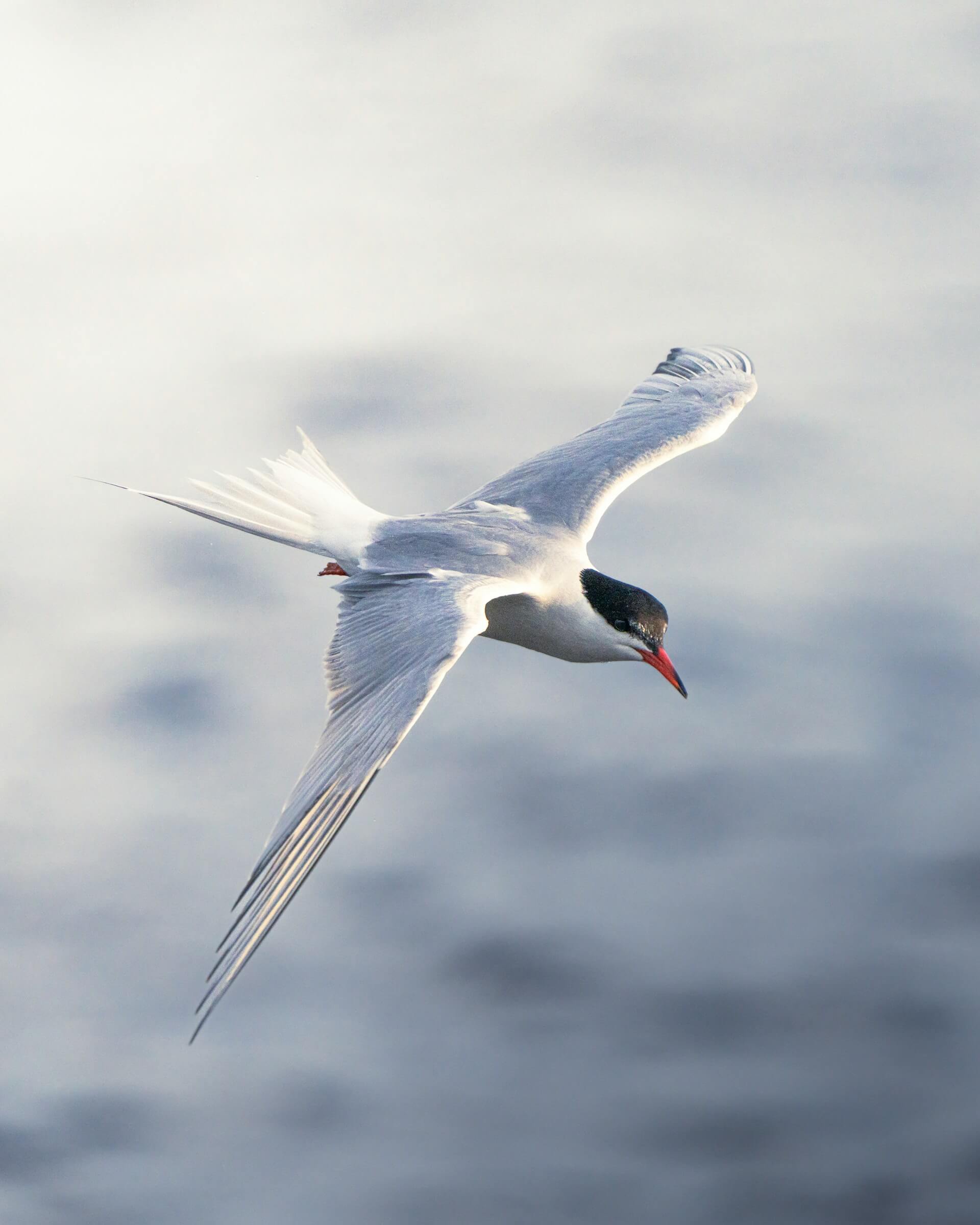
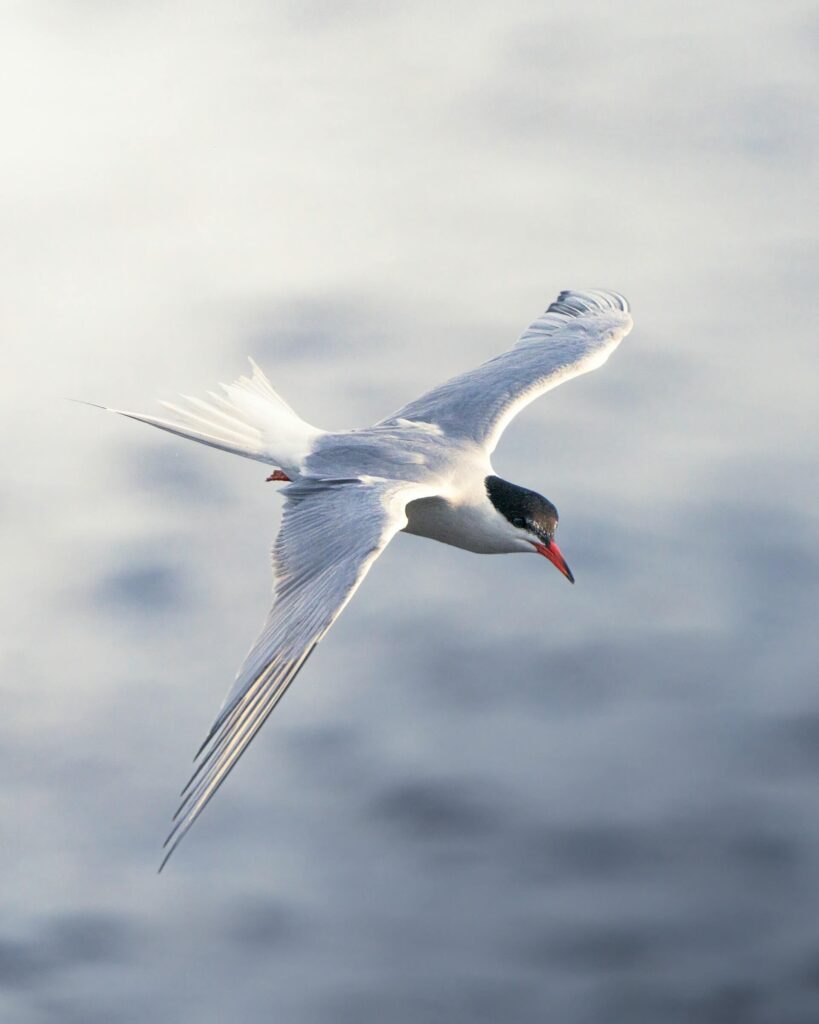
Albatrosses, for example, can cover thousands of kilometres while searching for food, and Arctic terns travel 70,000 to 90,000 kilometres each year, flying from pole to pole on their annual migration. In doing so, they transfer nutrients between distance marine regions and terrestrial habitats.
Understanding the ecological roles of seabirds is the first step in understanding why their conservation is so important to the wider natural world.
Seabirds Transport Nutrients Between Land and Sea
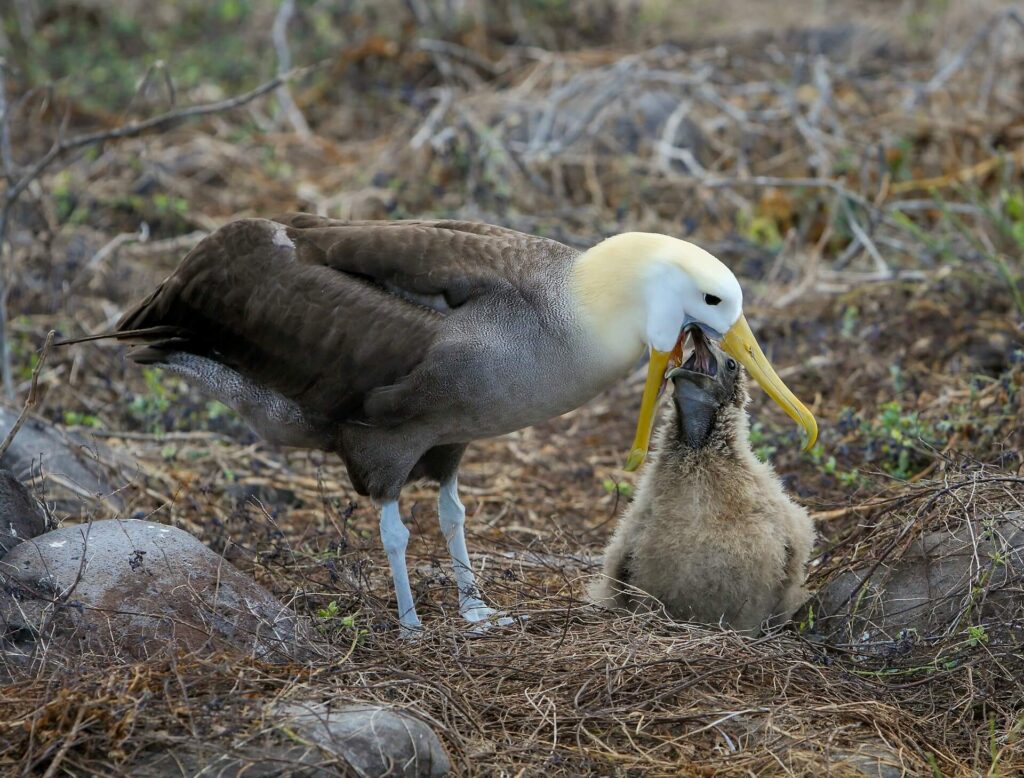
Many seabirds feed at sea but return to islands, cliffs and coastal habitats to rest, breed and raise their young. Through their droppings, known as guano, they deposit nutrients such as nitrogen and phosphorus that originated in the marine environment.
These nutrients can enrich otherwise nutrient-poor islands, helping plants grow and supporting the insects and other organisms that depend on them. In turn, healthier vegetation can provide nesting cover, stabilise soil and create habitat for other wildlife. It’s a win-win situation!
It’s also worth noting that the effects of seabird nutrient transportation can extend well beyond the shoreline. Rain and runoff can carry nutrients from seabird colonies into nearby coastal waters, where (in some cases) they support marine productivity.
In some ecosystems, these inputs influence the growth of algae and other organisms at the base of the food web.
As you can see, seabird colonies can act as important natural nutrient sources, linking marine food resources with terrestrial ecosystems.
However, the relationship requires balance. Excessive nutrient inputs can sometimes contribute to water-quality problems, particularly where nutrients accumulate in confined or sensitive environments.
Seabirds Support Biodiversity on Islands
The relationship of seabirds with coastal ecosystems is particularly important in places where nutrient inputs from other sources are limited.
Remote islands, for example, may receive relatively little nutrient input from rivers or surrounding land. If seabirds are present, they can play a significant role in the local nutrient cycle.
As with other ecosystems, the nutrients supplied to islands by seabirds support plant growth and influence the composition of vegetation. This can affect the presence of insects, soil organisms and other wildlife that depend on those plants.
Burrowing seabirds can also alter soil structure and influence water movement, although the effects vary by species and habitat.
Having said all that, the relationship between seabirds and island biodiversity can be particularly vulnerable to disturbance. Introduced rats, cats and other predators may consume eggs and chicks, while habitat loss can reduce the availability of safe nesting sites.
When seabird colonies disappear, the loss may affect more than just the birds themselves. Nutrient flows can change, vegetation may respond differently and other organisms may lose resources that were previously available.
Seabirds Help Support Marine Food Webs
Seabirds are both predators and prey, and it’s these relationships that keep marine ecosystems functioning.
Many species feed on small fish, squid, crustaceans and other marine organisms. By consuming these animals, seabirds influence prey populations and help shape the flow of energy through the marine food web.
Seabirds also provide food for other animals. Their eggs and chicks can be important resources for predators. At the same time, carcasses contribute organic matter to coastal ecosystems.
On breeding islands, the remains of fish and other prey (discarded or left by birds) can also support scavengers and decomposers.
These relationships vary between species and locations. But they demonstrate that while seabirds may not necessarily be living in the water, they are deeply connected to ocean ecosystems.
Seabirds Provide Valuable Indicators of Ocean Health
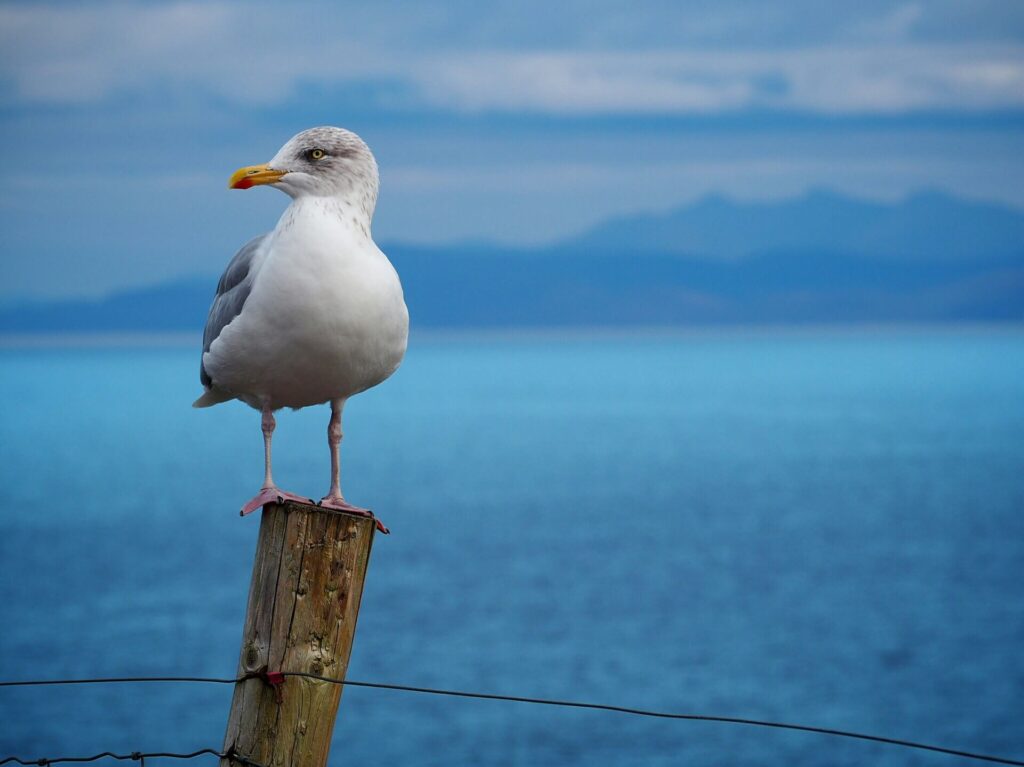
Seabirds can be useful indicators of marine environmental change because their lives depend on conditions both above and below the water.
Changes in their breeding success, body condition, survival rates and population numbers can provide clues about what is happening in the ocean.
For example, if seabirds struggle to find enough food, adults may return to their nests less frequently, chicks may grow more slowly and fewer young birds may survive.
Such changes can be associated with shifting fish distributions, declining prey availability, marine heatwaves or changes in ocean productivity. Pollution and disturbance can also affect breeding outcomes.
Because many seabirds travel widely to find food, researchers can use tracking devices to identify important feeding areas and investigate how birds respond to changing conditions.
Monitoring seabird colonies over many years can reveal patterns that might be difficult to detect through occasional surveys of the marine environment alone.
It’s important to note that seabirds are not perfect indicators. After all, population changes can have several causes and some species respond differently to the same environmental conditions.
However, when combined with other scientific observations, seabird monitoring provides valuable evidence about the state of the ocean.
This information can then be used by conservationists, fishery managers and marine researchers to identify areas under pressure and guide decisions about habitat protection and resource management.
The Biggest Threats Facing Seabirds
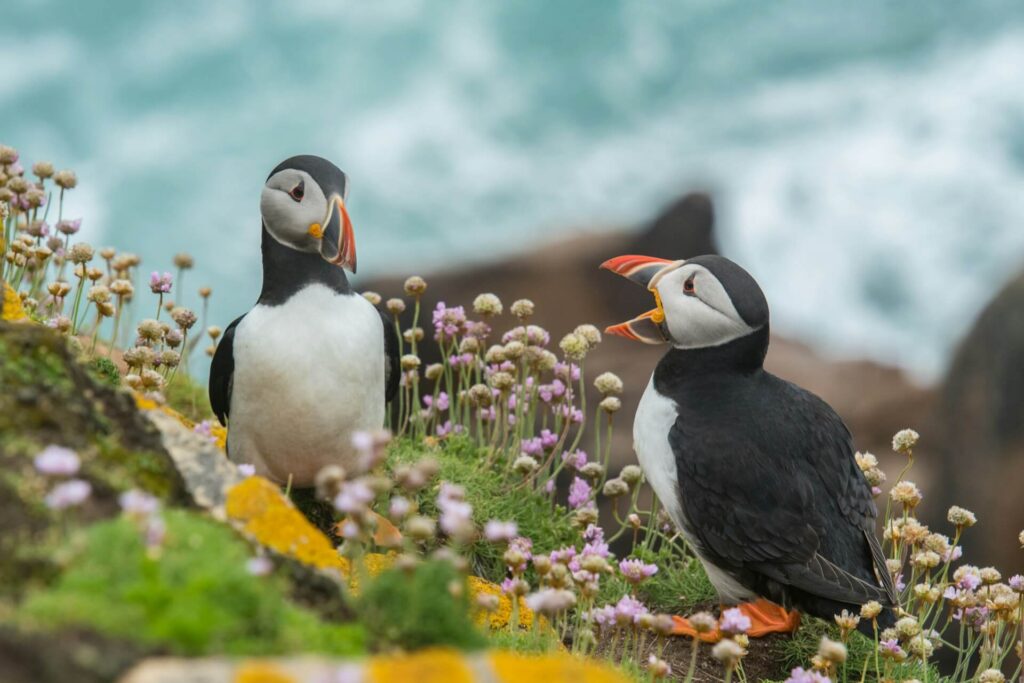
Despite their ecological importance, seabirds face a range of human-driven pressures. Many species have experienced population declines as a result of these pressures while some have been threatened with extinction.
Plastic Pollution
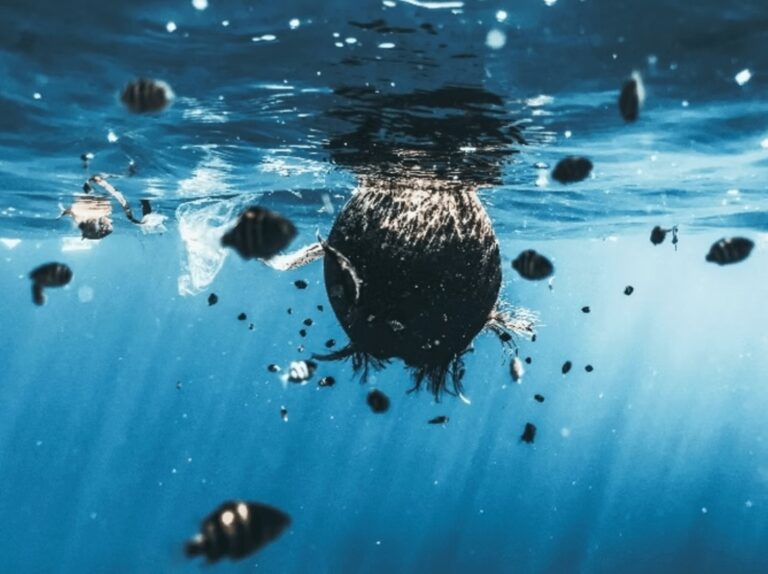
Seabirds may mistake plastic fragments for food or accidentally ingest microplastics while feeding. Plastic can cause internal injury, reduce the space available for nutritious food in the stomach and expose birds to harmful chemicals.
Birds can also become entangled in discarded fishing gear, packaging and other marine debris.
Reducing plastic pollution requires better waste management, less unnecessary single-use plastic and effective collection and disposal systems, particularly in coastal communities.
Want to make a difference? Discover 10 lifestyle changes to reduce ocean plastic.
Overfishing and Declining Food Supplies
Commercial fishing can reduce the availability of prey that seabirds depend on, particularly when the catch limits are unsustainable. Changes in fish populations may force birds to travel farther to find food, leaving less energy for breeding and chick-rearing.
Sustainable fisheries management, science-based catch limits and the protection of important feeding grounds can help reduce these pressures.
Bycatch in Fishing Gear
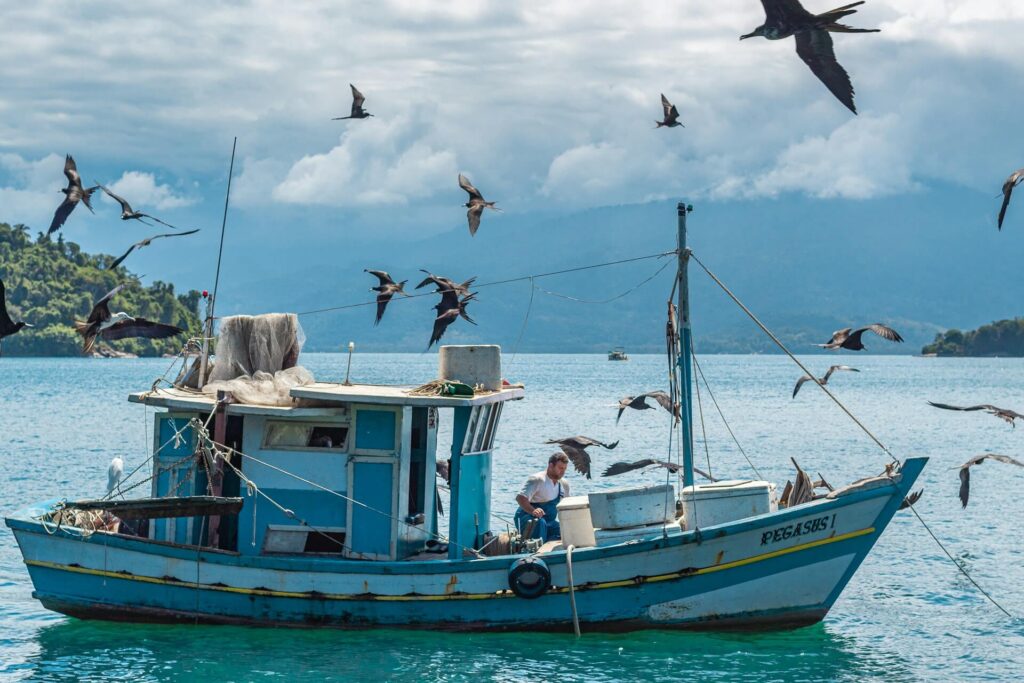
Seabirds can become caught unintentionally in longlines, trawl cables and gillnets, sometimes when they are actively being used and sometimes as ghost nets. Bycatch is a serious threat to several groups, particularly albatrosses and petrels.
Measures such as bird-scaring lines, appropriate weighting of fishing lines, changes to fishing practices and restrictions in sensitive areas can substantially reduce the risk when properly implemented.
Head here to learn more about ghost nets and clean-up initiatives in fishing communities around the globe.
Climate Change
The impacts of climate change on the animal kingdom are widely documented and seabirds are not exempt. Warming seas and changing ocean conditions can disrupt their food supplies, while extreme weather and sea-level rise threaten breeding habitats.
Reducing emissions is essential to limit future impacts, alongside protecting resilient habitats and monitoring vulnerable populations.
Invasive Predators and Habitat Disturbance
On islands where seabirds nest on the ground or in burrows, introduced rats, cats and other predators can destroy eggs and kill chicks or adults. Coastal development, tourism and recreational activities may also disturb breeding colonies, which is something travelling divers and surfers should particularly keep in mind.
Predator-control programs, habitat restoration and carefully managed visitor access can help protect nesting birds.
Pollution and Harmful Fishing Practices
Oil spills and other contaminants can damage seabird feathers, affect health and reduce survival. Artificial lighting near nesting areas can also disorient some fledglings, causing them to become stranded or injured.
Stronger pollution controls, responsible coastal development and practical measures to reduce light pollution can help address these threats.
How Can We Help Protect Seabirds?
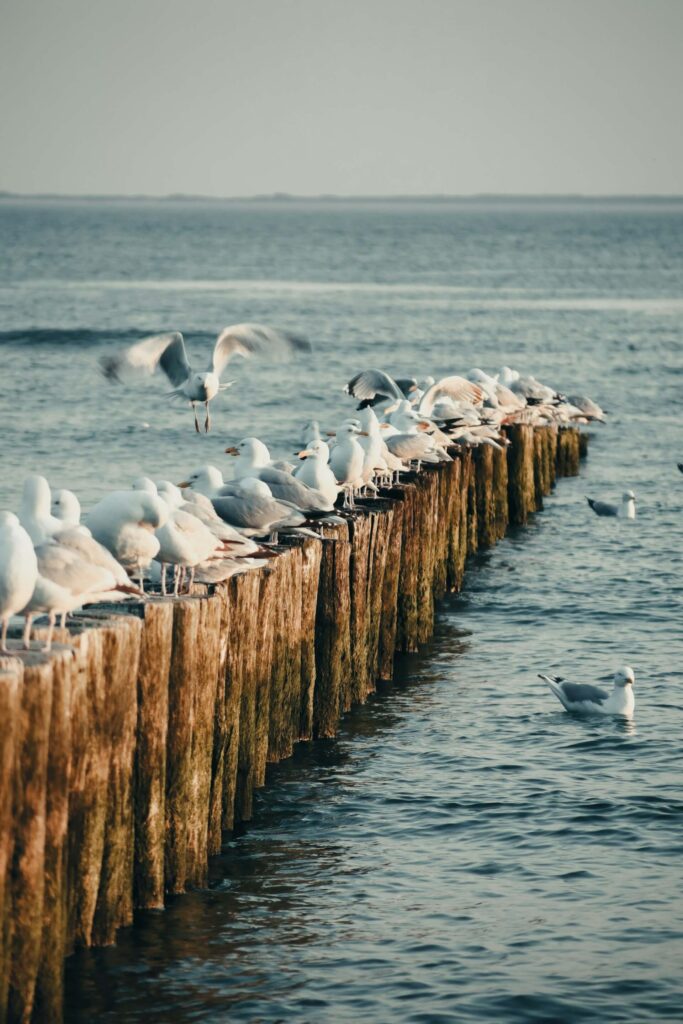
Protecting seabirds requires action from governments, fishing industries and conservation organisations, as well as coastal communities and individual travellers. While large-scale policy changes are essential, everyday choices can also contribute to healthier marine environments.
Here are several practical ways you can help, either at home or when travelling abroad on surf and dive trips.
Reduce plastic waste. Carry reusable water bottles and shopping bags, avoid unnecessary packaging and dispose of rubbish responsibly. Participate in beach clean-ups where possible, remembering that preventing waste from entering waterways is just as (if not more) important as removing litter.
Choose responsibly sourced seafood. Look for credible sustainability information about seafood products and favour fisheries that take measures to reduce bycatch and protect marine ecosystems.
Respect nesting colonies. If you’re visiting an area with breeding seabirds, always follow local guidance, keep to marked paths and maintain the recommended distance. Never approach nests for photographs or attempt to touch birds, eggs or chicks.
Support marine conservation. Consider donating to reputable seabird research and marine conservation organisations, supporting habitat restoration or participating in responsible citizen-science programs (check out some of our favourites for surfers and divers).
Choose wildlife tours carefully. Select operators who follow wildlife-viewing guidelines, avoid disturbing breeding sites and provide accurate information about the species they encounter. Responsible operators should always prioritise animal welfare over close-up photographs.
Reduce your travel footprint. When planning surf or dive trips, try to keep your carbon footprint to an absolute minimum. Consider lower-impact transport options, stay longer in one destination and support locally owned businesses with responsible environmental practices. We know that tourism cannot solve every threat facing seabirds, but mindful travel choices can contribute to broader conservation efforts.
Support stronger environmental protections. Marine protected areas, effective fisheries management and seabird bycatch regulations are important tools for conserving populations, particularly those that cross national boundaries. By supporting credible conservation initiatives and evidence-based environmental policies, you’ll help to bring about benefits that individual actions alone can’t.
Seabirds and Sustainable Ocean Tourism
Seabirds are a major attraction for not only twitchers and wildlife enthusiasts, but also divers and surfers who appreciate their role in a thriving marine ecosystem. Whether you’re a full-blown birding enthusiast or just feel a little spark of joy at getting a glimpse of their graceful movements, we’re with you!
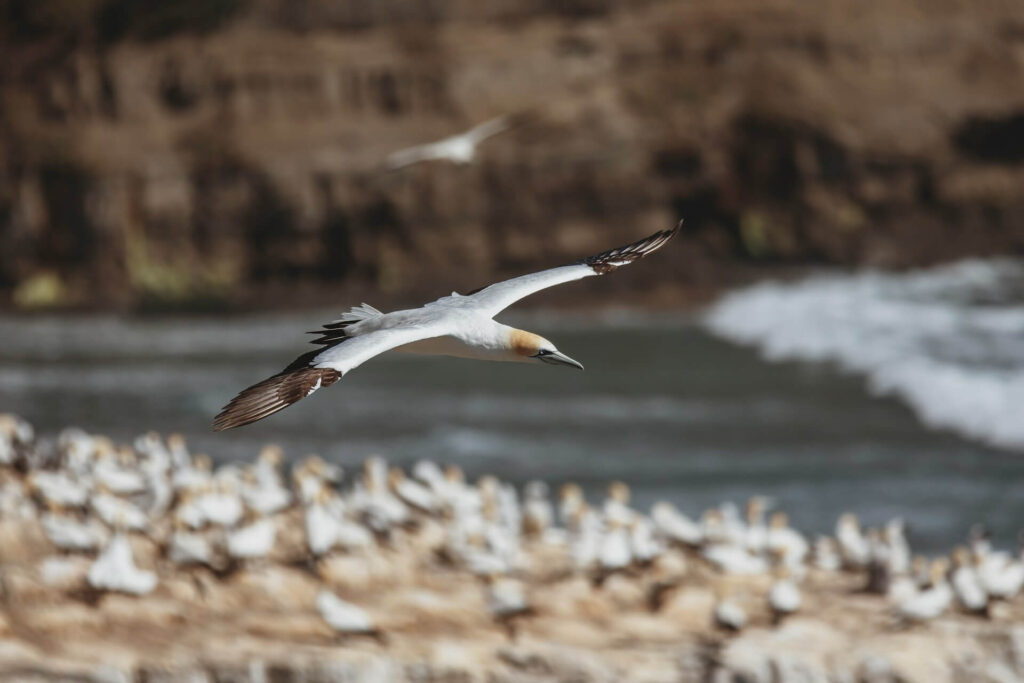
Watching a colony of gannets, spotting albatrosses from a boat or observing puffins along a cliffside is an unforgettable way to connect with the natural world. Responsible wildlife tourism can also provide income for local communities and create incentives to protect important seabird habitats.
Guided seabird walks, conservation-focused excursions and visits to established viewing platforms are a great way to learn about the ecology of a destination while reducing pressure on sensitive nesting areas. We’d highly encourage you to seek these experiences out on your next surf or dive trip!
On the flip-side, poorly managed tourism can cause significant harm. Getting too close to nesting birds, deviating off designated paths, using drones near colonies or repeatedly disturbing birds for photographs can interrupt their feeding and breeding behaviour.
To avoid this, always choose operators who follow established wildlife guidelines, respect access restrictions and avoid activities that cause unnecessary disturbance.
In our opinion, the best wildlife encounters are the ones that involve the observation of natural behaviours – it provides a far more meaningful understanding of their lives and the environments they depend on.
PLAN YOUR TRIP WITH OUR FAVOURITE RESOURCES:
Find hotels and resorts via Booking or Agoda
Book tours and experiences via Viator or GetYourGuide
Find a rental car via Discover Cars
Book flights via Kiwi or Booking
Search for buses and trains via 12Go or Omio
Get travel insurance via SafetyWing
Buy a digital eSIM with Airalo
By purchasing through our links, you’ll be supporting our website at no additional cost to you



We are a team of passionate divers and surfers with decades of combined experience in the water and travelling to all corners of the globe.
After years of chasing waves and descending into the deep blue, we’ve created this resource to highlight sustainable surf camps, eco-dive resorts and conservation-focused ocean trips to help inspire your next adventure.
Eco Ocean Escapes was born out of a love of the ocean, an obsession with travel and a concern about the impacts of our adventures on the environments we explore.