Successful Marine Protected Areas You Can Visit Around the World
After almost two decades of scuba diving around the globe, we’ve come to the conclusion that marine protected areas (MPAs) are one of the most powerful tools we have for conserving ocean ecosystems.
Essentially, they are like “national parks of the seas” – established to limit activities such as overfishing, habitat destruction and unsustainable development. It’s all in the name of helping protect marine environments and biodiversity.
Marine protected areas prevent a “no-rules based order” in our oceans, where anything goes and the wellbeing of natural ecosystems is an afterthought.
Today, more than 8% of the world’s ocean is covered by some form of marine protection, although the level of protection varies widely. Some MPAs are strict no-take reserves, while others allow carefully managed tourism and some recreational activities, as well as controlled fishing.
For us, travelling to MPAs is not just about the incredible experiences they offer (we’re talking thriving coral reefs, abundant marine life and spectacular coastal landscapes), but the sense of hope that comes from connecting with coastal communities putting the environment first.
From Australia to Ecuador, Belize and Bonaire, here are 7 of the world’s most successful marine protected areas that you can visit responsibly.
This article contains affiliate links, which means when you make a purchase through that link, we earn a small commission. Affiliate links come at no cost to you and ensure our content remains free!
1. Great Barrier Reef Marine Park
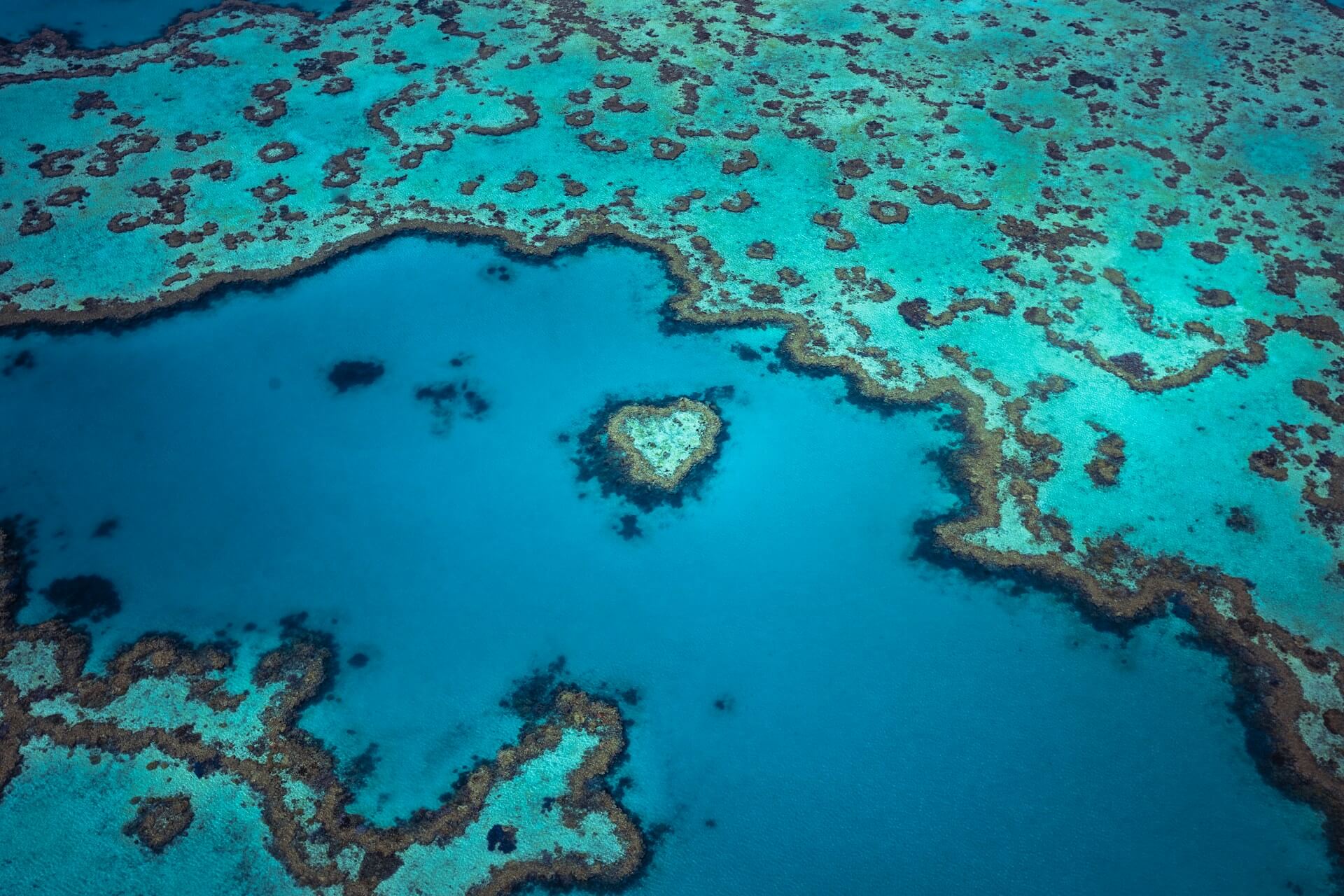
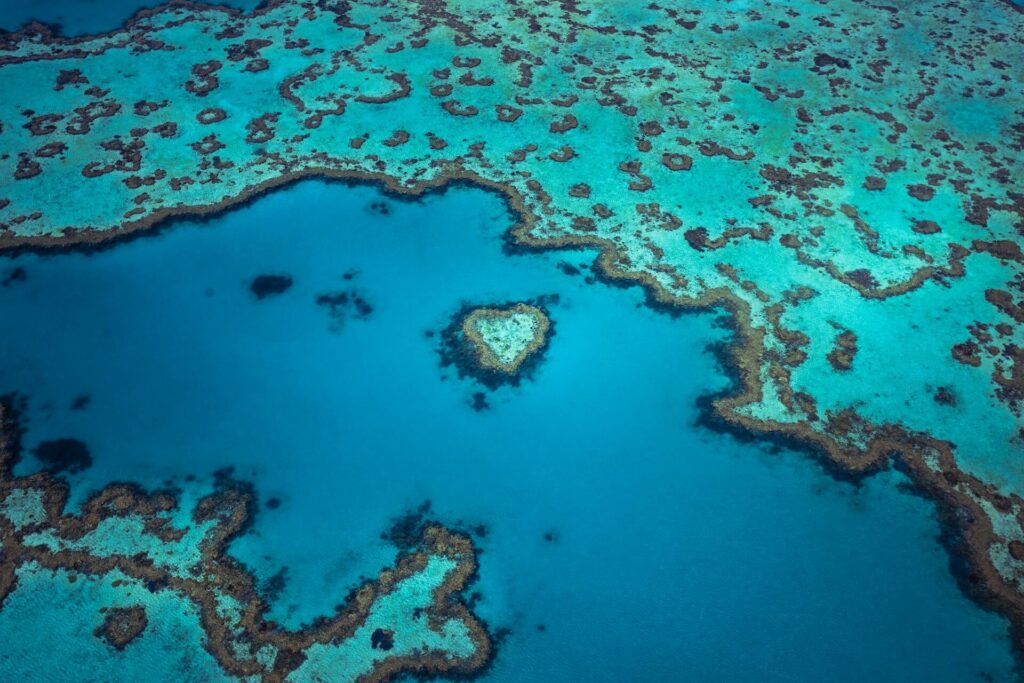
Perhaps the world’s best-known marine protected area (and one that’s right on our doorstep) is the Great Barrier Reef Marine Park. Covering more than 344,000 square kilometres along Australia’s northeast coast, it stretches from Lady Elliot Island in the south to the northern tip of Queensland. In short, the GBR is HUGE!
Established in 1975, the marine park safeguards around 3,000 individual reefs and hundreds of coral cays and islands.
Collectively, they support more than 1,600 species of fish, over 400 species of hard coral and six of the world’s marine turtle species. Oh, and that’s not mentioning the dugongs, dolphins, whales, sharks, rays and countless seabirds and invertebrates that rely on the reef for their survival.
One of the reasons the Great Barrier Reef Marine Park is regarded as a global leader in marine conservation is its zoning system. Rather than applying the same rules across the entire reef, different areas are managed for different purposes. It makes sense for an ecosystem that’s so big it can be seen from space!
Some zones are designated as no-take marine reserves, where fishing and collecting marine life are prohibited. Other areas permit recreational activities, scientific research, Traditional Owner use and sustainable commercial fishing, as well as regulated tourism activities.
Even in those areas, tour operators must obtain permits and are required to follow strict environmental guidelines. These measures include using fixed moorings instead of anchors to prevent coral damage, managing visitor numbers and educating guests about responsible reef behaviour. It’s not just a free for all!
From our own experience visiting the reef, these regulations are taken seriously. Environmental standards on the Great Barrier Reef are high and there are significant penalties for operators who fail to comply. It’s just not worth the financial risk.
All of the tourism operators we have travelled with on the Great Barrier Reef are passionate about conservation…and not just because it benefits their business in the long-term. There’s something about being here that inspires ocean advocacy…and it’s contagious!
If you want to experience the Great Barrier Reef responsibly, there are countless ways you can do it. Scuba diving and snorkelling trips are our favourites – tours depart from Cairns, Port Douglas, Townsville and Airlie Beach.
For those who prefer to stay dry, glass-bottom boat tours, reef cruises, island stays and scenic helicopter or fixed-wing flights provide unforgettable views of the GBR from above and below the water.
2. Galápagos Marine Reserve
The Galápagos Islands are one of the world’s most iconic wildlife destinations, celebrated for their incredible biodiversity and the role they played in shaping Charles Darwin’s theory of evolution. Perhaps, like us, you heard about this Pacific archipelago in biology class at school, spawning a life-long fascination.
While the islands are famous for their unique terrestrial wildlife (we’re talking iguanas, blue-footed boobies and giant tortoises), the surrounding waters are equally extraordinary. The Galápagos lies at the convergence of several major ocean currents, creating nutrient-rich waters that support a staggering diversity of marine life.
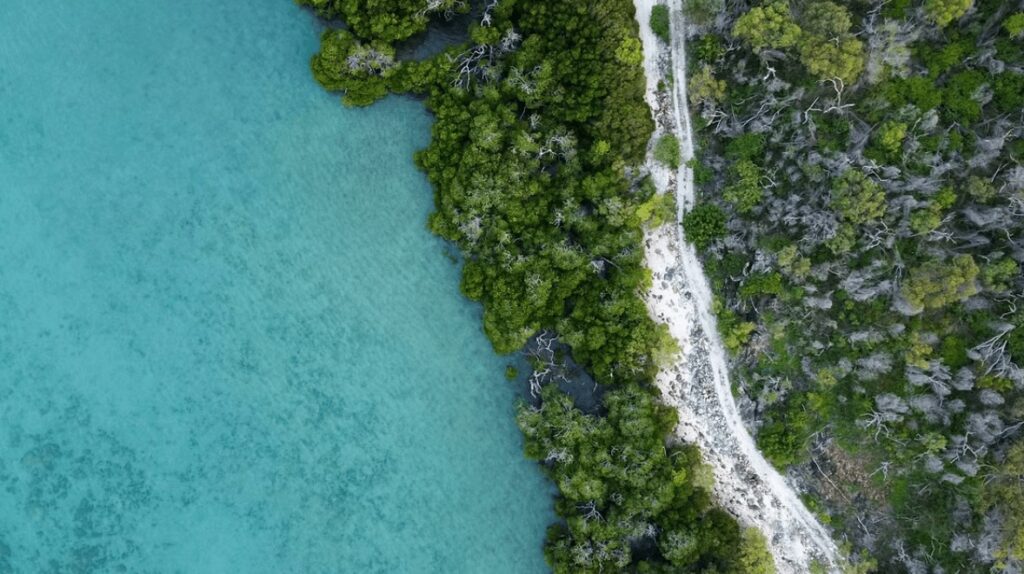
Established in 1998, the Galápagos Marine Reserve is now one of the largest marine protected areas in the eastern Pacific Ocean. It encompasses habitats that range from coral reefs to rocky shorelines, mangroves, seagrass beds and deep ocean environments. Plus 19 major islands and over 100 rocky islets sculpted by volcanic forces.
The reserve is recognised globally for its strong conservation framework. Strict regulations govern tourism, fishing and research. Visitor numbers are carefully managed, access to many sites is controlled and licensed naturalist guides accompany tourists to minimise disturbance to wildlife.
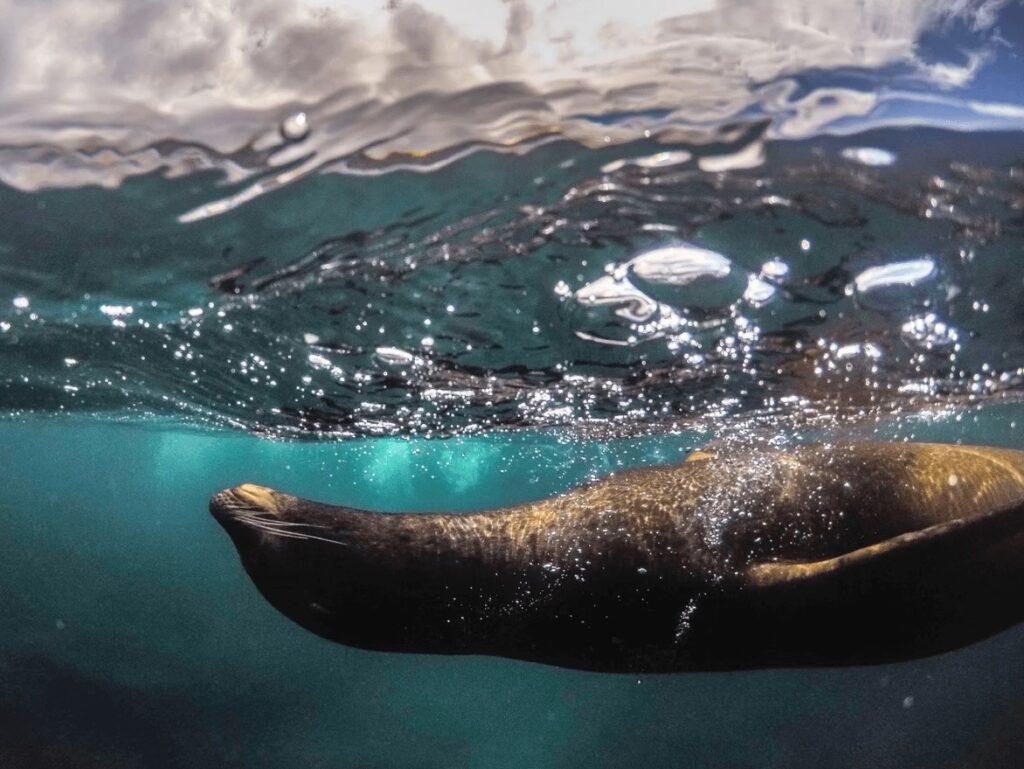
If you want to explore the Galápagos Marine Reserve, you can go diving amongst schools of hammerhead sharks and rays, snorkel alongside playful sea lions and marine iguanas, or go kayaking through the calm bays and sheltered coves rich in birdlife.
While some multi-day trips are scuba focused, most cruises around the Galápagos Islands combine snorkelling, kayaking and guided island walks across the lava landscapes. It’s a once-in-a-lifetime adventure that many travellers have on their bucket list.
3. Tubbataha Reefs Natural Park
Located in the heart of the Sulu Sea, around 150 kilometres southeast of Palawan, Tubbataha Reefs Natural Park is one of the Philippines’ greatest marine conservation success stories. It’s somewhere we haven’t visited (yet) but have heard amazing stories from scuba buddies we’ve connected with around the globe.
Designated as a marine protected area in 1988 and later recognised as a UNESCO World Heritage Site, Tubbataha protects nearly 100,000 hectares of coral reefs, lagoons and open ocean.
Its remote location has played an important role in preserving its biodiversity – it can only be reached by liveaboard when sea conditions are calm (typically from March to June).
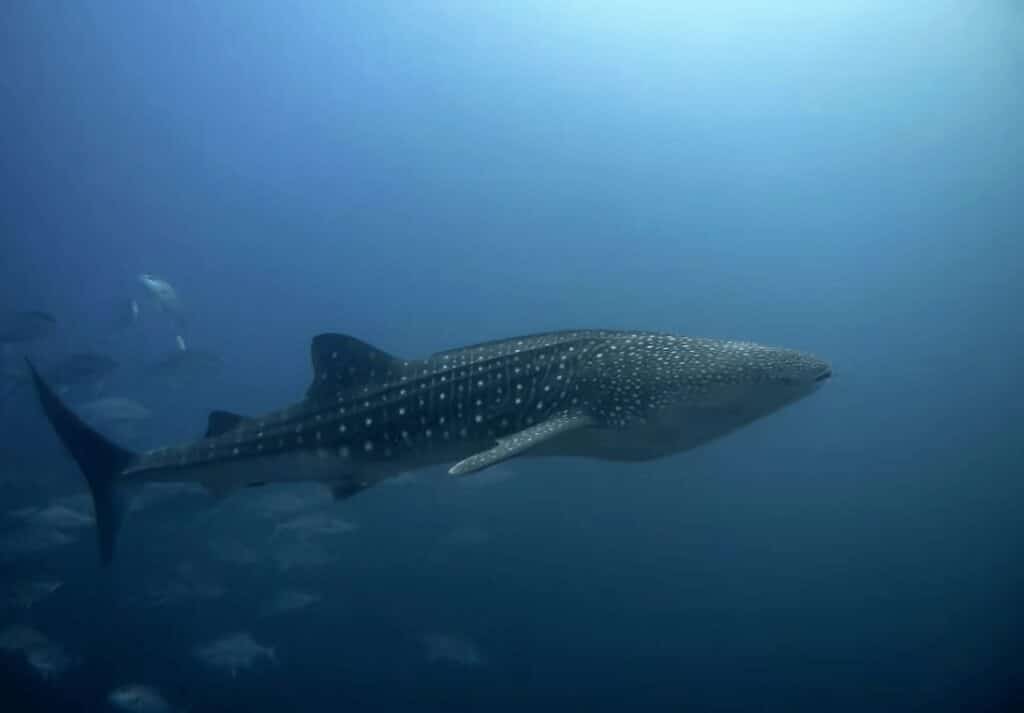
The park is home to more than 600 species of fish, around 360 species of coral and 13 species of dolphins and whales, not to mention sharks, manta rays, sea turtles and nesting seabirds. Diving here means incredible encounters with large pelagic species and reef predators, as well as coral gardens that radiate health.
Tubbataha’s success is largely attributed to its strong protection measures….and the aforementioned remote setting. Commercial fishing and extractive activities are prohibited within the park, while year-round ranger monitoring means conservation regulations are enforced.
Tourism is carefully managed to minimise environmental impacts and liveaboard operators must follow strict guidelines. These include designated mooring buoys to prevent anchor damage, responsible wildlife viewing practices and comprehensive waste management protocols.
4. Raja Ampat Marine Protected Area Network
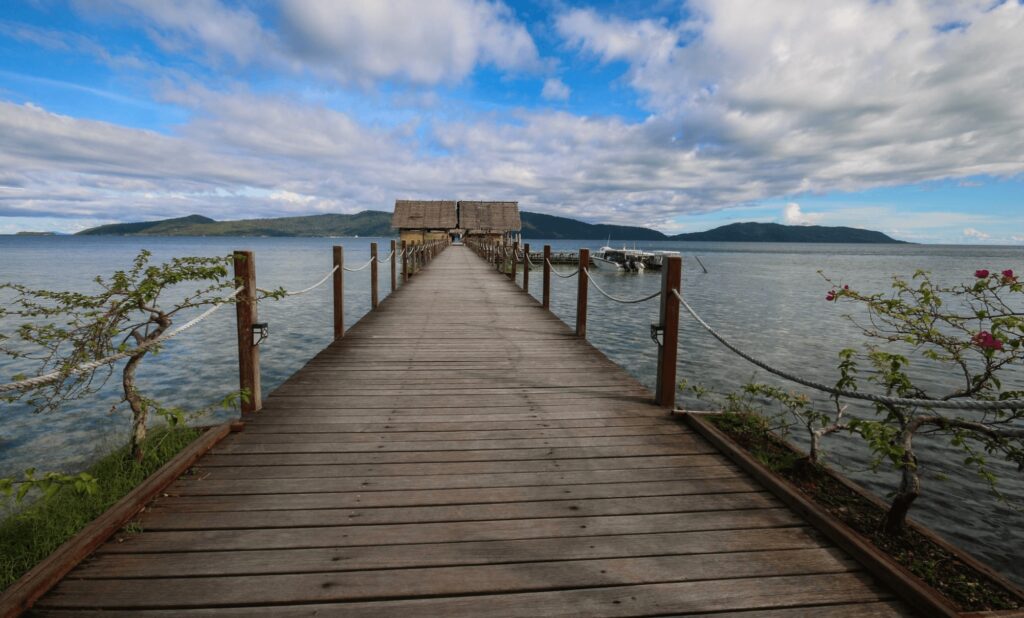
Located off the northwestern tip of New Guinea in Indonesia’s Papua province, Raja Ampat is one of our favourite places in the world.
We’ve visited twice – once while staying at a community-run homestay and another at the inspiring dive resort, Papua Explorers. Both were incredible experiences and we’re planning another trip soon.
If this is your first time hearing about Raja Ampat, imagine hundreds of tropical islands, sandbars and forest-blanketed karst outcrops, surrounded by waters so biologically rich they have been dubbed the “Amazon of the Seas”.
It’s otherworldly! And we would argue that the health of Raja’s reefs is largely due to marine protections that are in place.
The Raja Ampat Marine Protected Area Network encompasses a series of interconnected marine reserves.
Together, they support more than 550 species of coral (around three-quarters of all known hard coral species) and over 1,500 species of reef fish. That’s before we even mention the manta rays, wobbegong sharks and sea turtles that patrol the area.
One of Raja Ampat’s greatest conservation successes has been its community-led approach to marine protection.
Local communities work alongside government agencies and conservation organisations to manage these marine reserves, patrol against illegal and destructive fishing practices (dynamite and cyanide) and develop sustainable livelihoods through ecotourism.
At the same time, tourism is carefully managed to ensure it supports conservation goals.
Every visitor MUST purchase a marine park entry permit, whether you’re here to dive, snorkel, birdwatch or simply hop between the idyllic islands. These permits help to fund conservation programs, ranger patrols and community development projects.
5. Cabo Pulmo National Park
Located on the eastern coast of Mexico’s Baja California Peninsula, Cabo Pulmo National Park has transformed from a struggling fishing village into a thriving ecotourism destination. First, a quick history lesson:
By the early 1990s, decades of overfishing had severely depleted local fish populations. Recognising that their livelihoods were at risk, residents of Cabo Pulmo began advocating for stronger protection of their marine environment.
In 1995, the Mexican government established Cabo Pulmo National Park, creating a no-take marine reserve where all commercial fishing was prohibited.
Rather than relying on extractive industries, the local community embraced sustainable tourism as an alternative source of income. Dive operators, snorkelling guides, eco-lodges and other locally owned businesses now provide employment while creating strong incentives to protect the park’s marine life.
And to date, it’s been a success. Scientific studies have documented a dramatic increase in fish biomass since the marine reserve was created, with some estimates showing increases of more than 400% within the protected area.
The CPNP is centred around one of the oldest living coral reefs on North America’s Pacific coast (it’s estimated to be around 20,000 years old). Its coral and rocky reefs provide habitat for hundreds of species of fish, marine mammals, sea turtles and invertebrates, making it one of the most biologically important marine environments in the Gulf of California.
You can experience the park through a variety of low-impact activities, including scuba diving, snorkelling and whale watching. Sea kayaking along the protected coastline is a popular way to explore the secluded beaches and healthy coastal ecosystems.
6. Hol Chan Marine Reserve
Established in 1987, Hol Chan Marine Reserve was Belize’s first marine protected area and it remains one of the country’s greatest conservation success stories today. Its name means “little channel” in the Maya language, referring to a natural break in the barrier reef that allows marine life to move freely to feed and breed.
Hol Chan is located just off the southern tip of Ambergris Caye and protects not only coral reefs, but also mangrove forests, seagrass meadows and shallow lagoons (it’s a Blue Carbon destination too).
Collectively, they form part of the Belize Barrier Reef Reserve System – a UNESCO World Heritage Site and the second-largest barrier reef system in the world (after the Great Barrier Reef).
As with the GBR, the reserve is divided into several management zones designed to balance conservation with recreation. These include no-take conservation areas, zones for sustainable recreational use and protected habitats where activities are carefully managed.
Hol Chan is particularly famous for its clear, shallow waters and abundant marine life, perfect for diving and snorkelling.
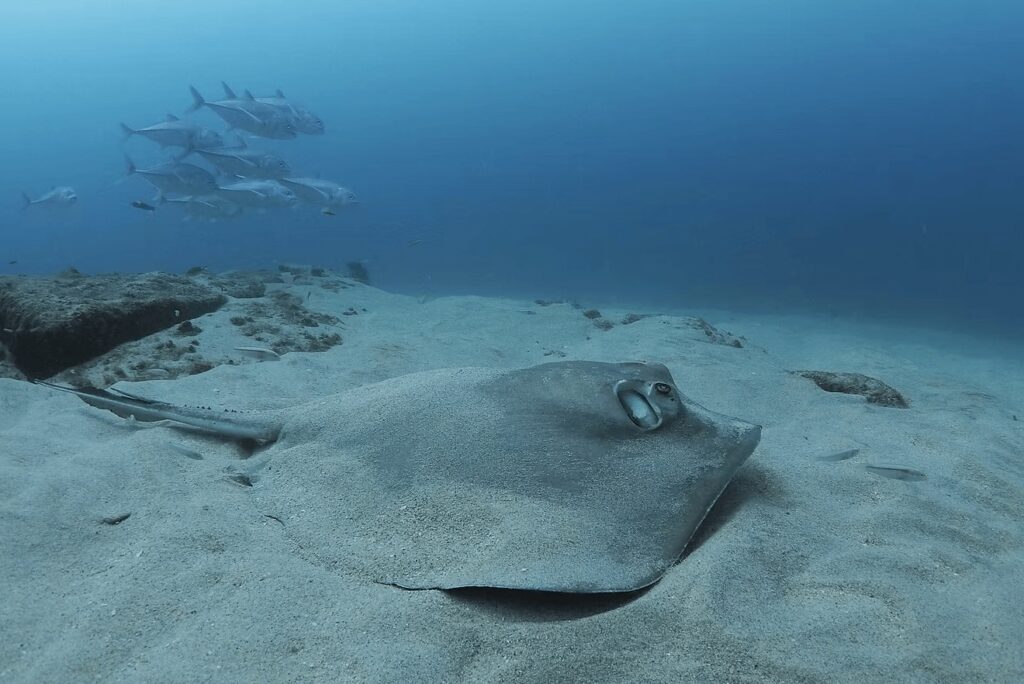
Hundreds of reef fish species can be seen in its healthy coral gardens, alongside green sea turtles feeding on the seagrass beds. Nearby, the reserve’s popular Shark Ray Alley offers the chance to observe nurse sharks and stingrays up close – it’s become one of Belize’s signature wildlife experiences.
Tourism plays a vital role in the long-term success of Hol Chan. But in our experience, responsible practices are upheld and emphasised to minimise disturbance to marine animals.
Entrance fees collected help fund reef monitoring, habitat restoration and environmental education, as well as ranger patrols and enforcement against illegal fishing activities.
Essentially, it’s a win-win situation: tourists get to experience this incredible marine area, while the dollars they spend directly support conservation efforts.
7. Bonaire National Marine Park
While many coral reefs around the Caribbean have experienced significant declines due to climate change, disease and coastal development, Bonaire has bucked the trend. Instead, it has established itself as a leader in marine conservation.
A marine park (created in 1979) encompasses the entire coastline of the island, from the high-water mark to a depth of around 60 metres.
The island’s fringing reef begins just metres from the shoreline, making Bonaire one of the world’s leading shore-diving destinations. If you’re someone who gets seasick or just doesn’t like the hassle of boat diving, this might be your dream destination!
The Bonaire National Marine Park supports hundreds of species of tropical fish, more than 50 species of hard and soft corals, as well as sea turtles, rays and octopuses. The shallow coral gardens are popular with snorkellers, while the protected mangrove forests and seagrass meadows make for idyllic kayaking.
Bonaire’s success is built on decades of proactive management. Strict regulations govern anchoring, fishing, boating and other recreational activities to minimise damage to the reef.
One of the park’s most effective conservation measures (in our eyes) has been the installation of permanent mooring buoys at dive sites, allowing boats to tie up without dropping anchors onto fragile coral formations.
Funding from tourism has been instrumental in supporting these conservation efforts. All divers are required to purchase a nature fee permit, with revenue helping fund reef monitoring, marine research, habitat restoration and the maintenance of park infrastructure.
Rather than making its fragile reefs off-limits to tourists, Bonaire has decided to create a framework where people can enjoy the ocean while helping to preserve it for future generations.
Should some ocean destinations be off-limits to tourists?
Some marine protected areas, like the Papahānaumokuākea Marine National Monument, remain off-limits to tourists. It’s part of a debate as to whether fragile marine ecosystems should remain tourism-free for their own survival. You can learn more here.
Responsible Visits to Marine Protected Areas
In our experience, exploring, diving and snorkelling in marine protected areas is equal parts heartening and hopeful. They demonstrate that (when carefully managed) conservation and tourism can work together, reducing pressure on marine environments and ensuring they remain healthy for future generations.
But travelling across the world to an MPA shouldn’t be done without considering your individual impacts. Always follow park regulations, use reef-safe sunscreen and never touch coral or marine life. You can learn more about being a responsible scuba diver here or check out these sustainable snorkelling tips.
We’d also encourage you not to stay and dive/snorkel just anywhere. Instead, choose certified eco-friendly tour operators and accommodations that are minimising their footprint and supporting local conservation initiatives.
We strongly believe that when MPAs are effectively managed, supported by local communities and embraced by tourists, their benefits can extend far beyond their boundaries. They help to support sustainable fisheries, cultural heritage movements and scientific research opportunities that are working to protect both marine biodiversity and the people who depend on healthy oceans.
PLAN YOUR TRIP WITH OUR FAVOURITE RESOURCES:
Find hotels and resorts via Booking or Agoda
Book tours and experiences via Viator or GetYourGuide
Find a rental car via Discover Cars
Book flights via Kiwi or Booking
Search for buses and trains via 12Go or Omio
Get travel insurance via SafetyWing
Buy a digital eSIM with Airalo
By purchasing through our links, you’ll be supporting our website at no additional cost to you

We are a team of passionate divers and surfers with decades of combined experience in the water and travelling to all corners of the globe.
After years of chasing waves and descending into the deep blue, we’ve created this resource to highlight sustainable surf camps, eco-dive resorts and conservation-focused ocean trips to help inspire your next adventure.
Eco Ocean Escapes was born out of a love of the ocean, an obsession with travel and a concern about the impacts of our adventures on the environments we explore.