
How to Be a Zero-Waste Traveller During Your Ocean Adventures
After countless ocean adventures all around the globe, we strongly believe there’s something uniquely restorative about the ocean.
Perhaps it’s the salty air, the steady rhythm of the waves or the enchanting worlds that lie just below the surface (or a combination of all three), but we always return to the “real world” with a new perspective on life.
However, we’re also aware that marine environments are among the most fragile ecosystems on Earth and ocean travel is not without consequences.
Beaches are accumulating plastic from faraway continents, coral reefs are suffering and coastal communities often bear the burden of overtourism and unmanaged waste.
In our minds, travelling sustainably to ocean destinations is no longer a niche lifestyle choice. It is becoming an essential part of responsible tourism and something we can’t overlook.
A zero-waste approach is one way of going about it, although we fully admit that it’s not without its flaws. For starters, the phrase “zero-waste” implies perfection and that’s not what we’re trying to suggest.
Instead, we want to encourage a zero-waste ocean travel approach as a means of reducing unnecessary consumption, protecting marine life and leaving coastal communities cleaner and healthier than you found them.
In this guide, we’ll highlight practical ways to minimise your waste as an ocean traveller – from planning and packing to eating, exploring and supporting marine conservation initiatives.
For more inspiration, check out these 10 easy ways surfers and divers can protect the ocean while travelling.
This article may contain affiliate links, which means when you make a purchase through that link, we earn a small commission. Affiliate links come at no cost to you and ensure our content remains free!
What Does “Zero-Waste Travel” Really Mean?
Zero-waste travel is the practice of minimising the amount of trash you create while travelling domestically or abroad. The term can also be expanded to include a sustainable travel approach that looks more broadly at the environmental and social impacts of your adventures.
The expectation is not literally producing zero waste at all times (some prefer the term “low waste”), but drastically reducing disposable items and unnecessary consumption while on the road.
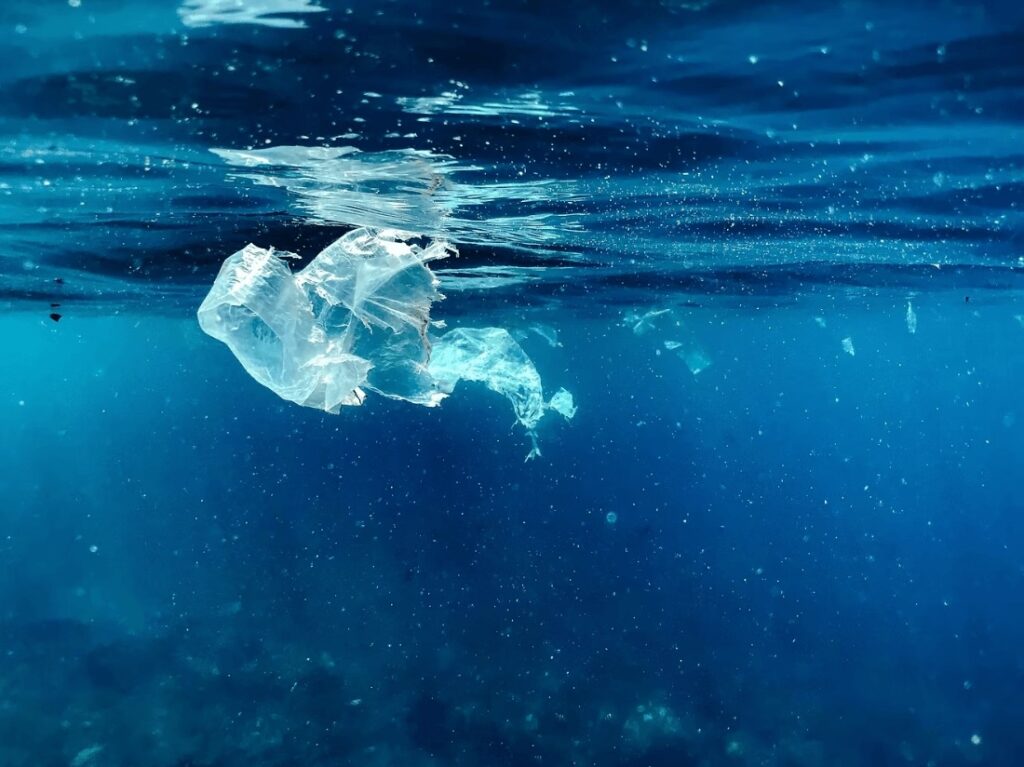
For ocean travel, this really matters because coastal waste has an outsized environmental impact. Trash discarded near beaches, rivers and ports can quickly enter marine ecosystems, where it spreads widely and becomes difficult to remove.
Once waste enters the ocean, currents and tides transport it across huge distances (the Great Pacific Garbage Patch is one glaring example). Research shows that even small amounts of waste can create long-lasting damage miles away from where it was deposited.
In a nutshell, a zero-waste traveller aims to:
- Avoid single-use plastics
- Refill and reuse (instead of buying disposable products)
- Choose sustainable transport and accommodation
- Respect local ecosystems
- Support environmentally responsible businesses
- Consume thoughtfully and minimally
Want to help protect the ocean while at home? Discover 10 lifestyle changes to reduce ocean plastic that you can make anywhere in the world.
Plan Your Trip with Sustainability in Mind
Zero-waste travel starts long before you arrive on the coast, so it’s never too early to begin thinking about it. It should shape not only how you travel but also where you travel.
Some destinations are far more committed than others when it comes to protecting their ocean environments, investing in marine conservation and building sustainable tourism infrastructure.
For example, these five destinations have been designated as “blue carbon” hotspots due to their protection of mangrove and seagrass ecosystems.
Choosing places that support eco-tourism initiatives and promote reef-safe environmental policies can significantly reduce the environmental impact of your visit. That’s something we’re striving to promote here at EcoOceanEscapes.
In many cases (but not all), smaller coastal towns experience less environmental pressure than heavily commercialised resort areas, making them a more sustainable choice.
Before we travel, we also like to research local environmental challenges, as this helps us become more informed and responsible visitors. Coastal regions often face issues such as coral bleaching, water scarcity, overfishing and beach erosion, all of which can be worsened by unsustainable tourism practices.
Understanding these pressures allows you to adjust your behaviour accordingly, make better decisions while travelling and engage more respectfully with the places and communities you visit.
It also makes you more inquisitive when you’re there, providing you with the base knowledge to ask questions about how tourism and climate change are affecting the lives of locals.

Opt For Sustainable Accommodation
Selecting accommodation that is “eco-friendly” or has made a commitment to sustainability is a great starting point as a zero-waste ocean traveller. But it also opens the door to potential “greenwashing“, so you need to do your research.
When booking an oceanside stay, look for hotels, resorts and guesthouses that eliminate single-use plastics, conserve water and energy, or have installed renewable energy technologies.
Many accommodation websites now have a “sustainability” section that details their policies around recycling, sourcing food and their support for nearby conservation projects.
Smaller guesthouses and locally owned eco-lodges often have a lower environmental footprint than large luxury resorts, while also contributing more directly to local communities.
However, this isn’t always the case and lots of bigger establishments are now making a genuine commitment to sustainability due to consumer demand.
As a zero-waste traveller, you can also reduce your impact through simple daily habits during your stay. Many hotels encourage guests to reuse towels and linens, helping save water, electricity and detergent pollution. This is especially important in coastal regions where freshwater supplies may be limited.
Bringing your own refillable toiletries (instead of using mini hotel bottles) is another effective zero-waste practice. It reduces plastic packaging waste, prevents partially used products from being thrown away, and supports a more minimalist and intentional approach to travel.
Pack a Zero-Waste Ocean Travel Kit
One of the simplest ways to reduce waste while travelling is by packing a zero-waste ocean travel kit. By bringing reusable essentials, you’ll help to minimise reliance on disposable products that often end up polluting beaches and marine ecosystems.
If there’s one thing you shouldn’t forget, it’s a reusable water bottle to limit your consumption (and disposal) of plastic water bottles. If you’re unsure about the safety of drinking tap water, bring a bottle with a built-in filter, portable purification tablets or a UV purification device.
Reusable food containers and utensils are equally valuable for beach snacks and takeaway meals – you can immediately say “no” to disposable packaging and plastic cutlery commonly found in tourist areas.
In our experience, some places will have your purchases in a plastic bag before you can blink! So have your “no plastic, please” ready as soon as you take the goods up to pay.
Other practical items include cloth bags and wet bags, which are especially useful around the ocean. Reusable cloth bags can replace plastic shopping bags for groceries, beach gear and souvenirs, while wet bags are ideal for carrying damp swimwear, towels and snorkelling gear.
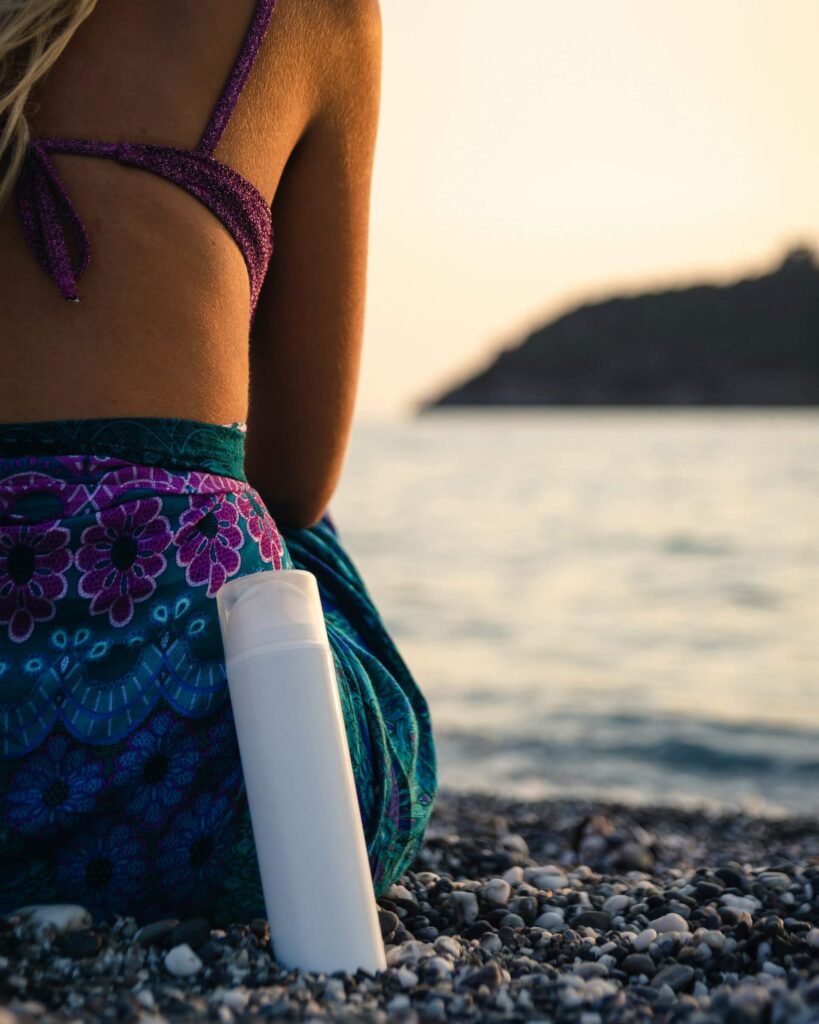
Also worth adding to your zero-waste ocean travel kit are reef-safe toiletries. Many traditional sunscreens contain chemicals like oxybenzone and octinoxate that can harm coral reefs. Mineral-based alternatives using zinc oxide or titanium dioxide are a much better choice.
Solid toiletries such as shampoo/conditioner bars, soap bars and bamboo toothbrushes are a great way to reduce packaging waste further. As an added bonus, all are convenient for carry-on travel and aren’t subject to liquid limits on airlines.
Eat Sustainably During Your Ocean Adventure
There’s no denying that food choices have environmental consequences, no matter where in the world you are. But this is especially true in marine environments.
If you want to eat seafood during your ocean adventures, try to choose locally sourced and sustainably harvested options, rather than species that have been linked to overfishing, destructive trawling or illegal fishing practices.
Asking restaurants where their seafood comes from, whether it is seasonal and how it was caught can help you make more responsible decisions.
Locally caught seafood also tends to have a lower carbon footprint than imported products (there are less transport miles). At the same time, it is supporting coastal fishing communities and regional economies.
Reducing food-related waste is equally important when travelling by the coast (or anywhere for that matter). Beachside convenience stores often rely heavily on individually packaged products, which inevitably contribute to plastic pollution.
Wherever possible, shop at local markets, buy fresh produce and carry reusable bags – all of these actions can significantly reduce packaging waste.
Choosing to dine in instead of constantly ordering takeaway meals can also help to minimise the waste you are producing – disposable containers, plastic utensils, napkins and sauce packets all add up. If you prefer takeout, this is where travelling with reusable containers comes into play!

Protect Marine Ecosystems While Exploring
The ocean is not just a beautiful backdrop for holidays and vacations – it comprises complex living ecosystems that support countless species and communities (human and non-human alike).
Protecting marine ecosystems is an essential part of responsible ocean travel and shouldn’t be an after thought.
It goes without saying you should never leave trash behind on beaches, boats or coastal walks. This includes biodegradable items like fruit peels, which can still disrupt local habitats and negatively impact wildlife.
We would also encourage you to retrieve the trash left by others and leave coastal environments cleaner than you found them.
Carrying a small rubbish bag, picking up litter during beach walks and participating in local cleanups are simple actions that can prevent plastic and other debris from entering the ocean.
Surf camps and dive schools often host beach and underwater cleanups, but you don’t have to wait for an organised event to take up the charge.
Respect Marine Life
Respecting marine life is equally important during ocean travel and isn’t a negotiable, even if you’re trying to capture great content. Unfortunately, we’ve seen some really poor behaviour from creators over the years that’s left us shaking our heads.
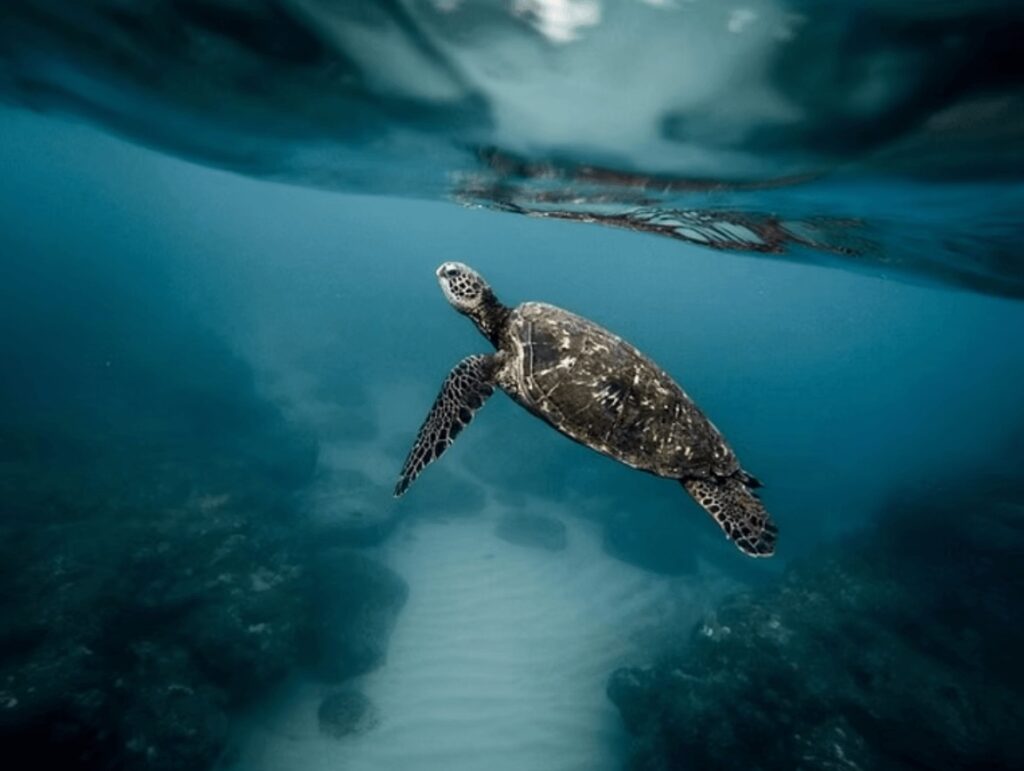
Never feed, touch or chase marine animals and avoid standing on coral reefs while snorkelling (check out our sustainable snorkelling tips here). You might think you’re doing no harm, but human interaction can cause significant stress to wildlife and damage fragile ecosystems.
Before booking any snorkelling tours, diving trips, whale-watching excursions or boat tours, research whether the operators follow responsible environmental practices. Ethical operators usually limit group sizes, have strict rules against disturbing wildlife and educate guests about marine ecosystems during their trips.
Many of these businesses also contribute financially or operationally to local conservation projects. By travelling with them, you will be supporting them too.
Rethink Souvenirs
For some travellers, buying souvenirs is an important part of the travel experience – it’s a physical memento of your ocean adventure.
Unfortunately, some common coastal souvenirs can be harmful to the environment, such as coral/shell products, objects made from endangered species and cheap plastic trinkets.
Instead, look for souvenirs that are both meaningful and sustainable. Locally handmade crafts, sustainable textiles and up-cycled products offer a more responsible way to remember a trip.
For example, during a dive trip to Palau, we purchased an old number plate. They were being sold at the Belau National Museum to support their work, rather than ending up in the tip.
Souvenirs like this tell a story and support local communities, without harming fragile marine ecosystems.

Minimise Fashion Waste at the Beach
Fast fashion contributes heavily to pollution and synthetic microfibre contamination in oceans.
With the rise in social media, it’s become trendy to travel with countless outfits (one for every occasion) that will make an impact online. But sometimes, these are purchased cheaply, worn once or twice and then discarded…and our environment (including the ocean) pays the price.
Rather than being swayed by the “vacation fashion” trend, travel with durable clothing and accessories that will last for years. Opt for natural fabrics that won’t have a detrimental impact on the environment at their end of life and re-wear them (proudly) again and again.
In most coastal destinations, there’s the option to borrow or rent gear that you will only be using once or twice, such as dive or snorkel equipment. There’s no need to purchase and bring your own, unless you’re investing in the activity for the long-term future.

Leave Coastal Communities Better Off
Responsible tourism is not only about environmental impact but also about social and economic wellbeing. In many cases, the impacts of tourism on local communities is an afterthought when it really should be front of mind.
One of the most effective ways to support local communities is to spend money at family-owned eateries, local markets, community tour operators and independent accommodations.
This helps ensure that tourism income stays within the community, rather than flowing to large external corporations. It strengthens local livelihoods and encourages more sustainable, community-driven development on the back of its success.
One of the simplest ways you can better understand how to help coastal communities is to educate yourself about the social and environmental challenges they face. Many are dealing with rising sea levels, reef degradation and plastic pollution, as well as increasing tourism pressure that can strain local infrastructure and ecosystems.
Learning about these issues before a trip can help you make more informed decisions about where to stay and which businesses to support. When you understand the challenges of life in a particular part of the world, it also encourages more thoughtful interactions with the people you meet.

The Mental Shift Behind Zero-Waste Travel
At the end of the day, zero-waste travel is a mindset – one that values experiences over consumption. It’s about travelling more intentionally and understanding your environmental footprint, as well as the complex issues facing your destination.
We’re the first to admit that coastal environments around the globe are under pressure from pollution, climate change and overtourism. And some should probably be off-limits to tourists. Yet we still believe that ocean travel can be a force for good, when it’s approached thoughtfully.
Each time you opt for sustainable accommodation or make an ethical tour booking, you are voting with your dollars about the kind of travel experiences you want to support. It’s a choice – one that can have a domino effect and inspire others around you to make similarly ethical choices.
In our experience, the ocean offers unforgettable adventures, a sense of calm and perspective on life. Being a more mindful traveller who strives to reduce their environmental impact is one (easy) way to return the favour.
PLAN YOUR TRIP WITH OUR FAVOURITE RESOURCES:
Find hotels and resorts via Booking or Agoda
Book tours and experiences via Viator or GetYourGuide
Find a rental car via Discover Cars
Book flights via Kiwi or Booking
Search for buses and trains via 12Go or Omio
Get travel insurance via SafetyWing
Buy a digital eSIM with Airalo
By purchasing through our links, you’ll be supporting our website at no additional cost to you
-
Plan a Surf + Yoga Retreat at Rascals: An Adults-Only Hotel in Kuta, Lombok
Tucked away on a quiet street off Kuta’s main drag, Rascals was our stay of choice on our last visit to Lombok. It had been on our radar for many years, but we’d always returned to Mana Eco Retreat – a place we’d fallen in love with for its tranquil cabanas, vegetarian-friendly restaurant and incredible…
-
The Blue Revolution: How Ocean Conservation Is Changing Travel
If you’re anything like us, the ocean is what fuels your travel adventures. Over the last 20+ years, we’ve flown across the globe to dive with manta rays, kayak above coral reefs and surf legendary waves. But there is an uncomfortable contradiction at the heart of ocean tourism: the healthier the marine environment, the more…
-
Climate Change in the Ocean: A Guide for Surfers + Divers
When we think about climate change, our attention naturally turns to what we can see on land or are experiencing first hand: rising temperatures, melting glaciers, wildfires and more intense weather events. Many of these are well-reported on the nightly news and it’s devastating to see intense wildfires ripping across landscapes and floods wreaking havoc…
-
Resort vs Liveaboard vs Homestay Diving in Raja Ampat: Choosing the Right Experience
Raja Ampat is one of my favourite diving destinations in Indonesia. In fact, that’s probably an understatement. Raja is one of my favourite places to dive anywhere in the world. The underwater experiences I’ve had here are nothing short of extraordinary…and that’s not taking into account the incredible above-water scenery. It really does feel like…
-
How Sunscreen Affects Coral Reefs + Marine Life
If you’re anything like us, applying sunscreen is second nature before heading out to surf or spending a day on a dive boat. In fact, our skin type means we need to apply sunscreen before we step outdoors…full stop! Since we were little, it’s been drummed into us that sunscreen protects our skin from harmful…
-
The Essential Scuba Diving Guide to Raja Ampat, Indonesia
Few places we’ve dived have captured our imagination quite like Raja Ampat. Our first visit was back in the early 2000s, staying at a homestay on a blissfully gorgeous beach, and our second in 2023 at the eco-friendly Papua Explorers Resort. Both are experiences that will stay with us forever and affirmed what so many…




We are a team of passionate divers and surfers with decades of combined experience in the water and travelling to all corners of the globe.
After years of chasing waves and descending into the deep blue, we’ve created this resource to highlight sustainable surf camps, eco-dive resorts and conservation-focused ocean trips to help inspire your next adventure.
Eco Ocean Escapes was born out of a love of the ocean, an obsession with travel and a concern about the impacts of our adventures on the environments we explore.