How Tourism Is Impacting Coral Triangle Reefs (+ How Are Divers Implicated)
Stretching across Indonesia, the Philippines, Malaysia, Papua New Guinea, the Solomon Islands and Timor-Leste, the Coral Triangle encompasses some of the world’s most exhilarating dive destinations.
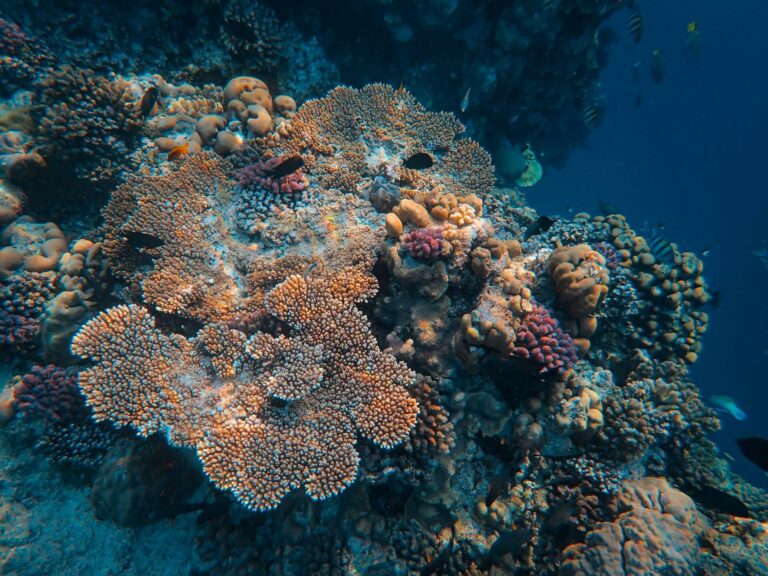
It contains around 76% of the world’s coral species (the diversity is staggering) and is often referred to as the “Amazon of the Seas”. Added to that, the region supports the livelihoods of more than 120 million people!
If you’ve ever been lucky enough to go scuba diving in the Coral Triangle (like we have!), you’ll understand what a special place it is.
Not only are the underwater landscapes incredible, but discovering the above-water scenery and living cultures in this corner of the world adds to the experience.
Tourism has become one of the region’s fastest-growing industries, bringing both opportunity and (unfortunately) risk.
Income generated by scuba diving is often funnelled into local communities and conservation efforts, helping protect the ecosystems we trek across the globe to see.
But it also leads to more development and infrastructure, all of which places greater pressure on these fragile ecosystems.
In this article, we’ll discuss how tourism is impacting Coral Triangle reefs – both the good and the bad. By highlighting these issues, we hope to inspire scuba divers to be more mindful about where and how they choose to travel.
This article may contain affiliate links, which means when you make a purchase through that link, we earn a small commission. Affiliate links come at no cost to you and ensure our content remains free!
The Rise of Reef Tourism in the Coral Triangle
Marine tourism in the Coral Triangle has expanded rapidly over the past two decades.
Across its six million square kilometres of ocean, the region hosts hundreds (if not thousands) of world-class dive sites and attracts scuba divers from around the globe.
During our dive trips in the Coral Triangle, we’ve met fellow Australians, Brits and French, as well as Americans, Ukrainians and Turks. There are people putting in some serious miles to get here!
This growth has real economic benefits, generating billions of dollars in revenue each year. It provides jobs in coastal communities and prevents people who live in these areas from having to seek out work in bigger urban centres.
On a recent trip to Raja Ampat, we found out our guide had trained as a diver so he could remain living in his village, a 10-minute walk away. So many others in his community had been forced to work away from home in Papua’s mining industry or moved to big cities like Surabaya for steady employment.
Before dive tourism exploded, many locals relied on fishing for an income. Some were using destructive fishing practices like dynamite fishing.
The establishment of marine protected areas (to support dive tourism) means reefs aren’t subjected to this kind of damage, while also providing alternative job opportunities for locals.
In many parts of the Coral Triangle, tourism has become a crucial incentive for conservation. Governments and businesses increasingly recognise that healthy reefs are valuable assets.
In some cases, the revenue that marine ecosystems generate from tourism is the only reason they are being protected. Without that, it would be a free for all!
But this growth comes with mounting pressures that we can’t ignore if, as divers, we want to be ocean advocates.
Direct Damage from Tourist Activities
One of the most immediate impacts of tourism in the Coral Triangle is the physical damage caused to reefs. Even when we have the best of intentions, activities like snorkelling, scuba diving and boating can have long-term consequences for coral.
Poor buoyancy and accidentally kicking coral with fins can cause significant damage, as can stabilising against corals to capture underwater images.
At the same time, anchors from dive boats can damage reef structures and motors can stir up sediment that smothers coral.
Studies show that heavily visited dive sites often experience higher rates of coral breakage, abrasion and disease compared to less-visited areas.
This is something that all divers should be concerned about.
Infrastructure and Coastal Development
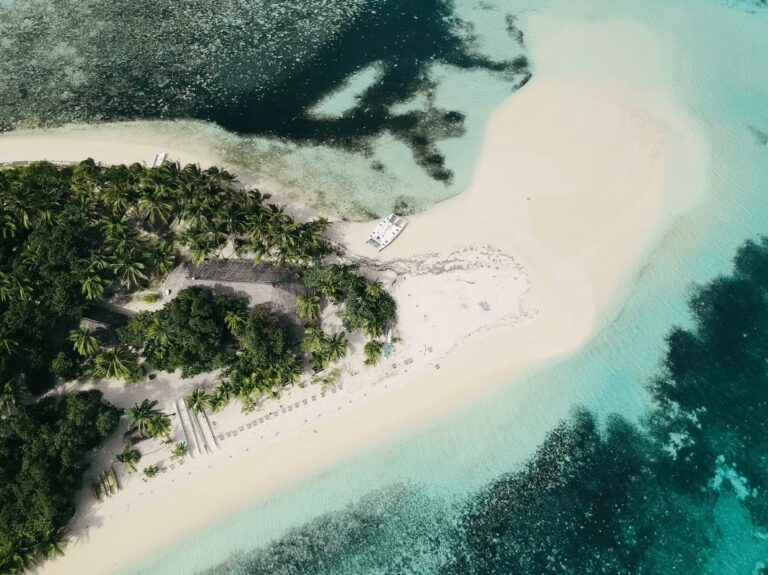
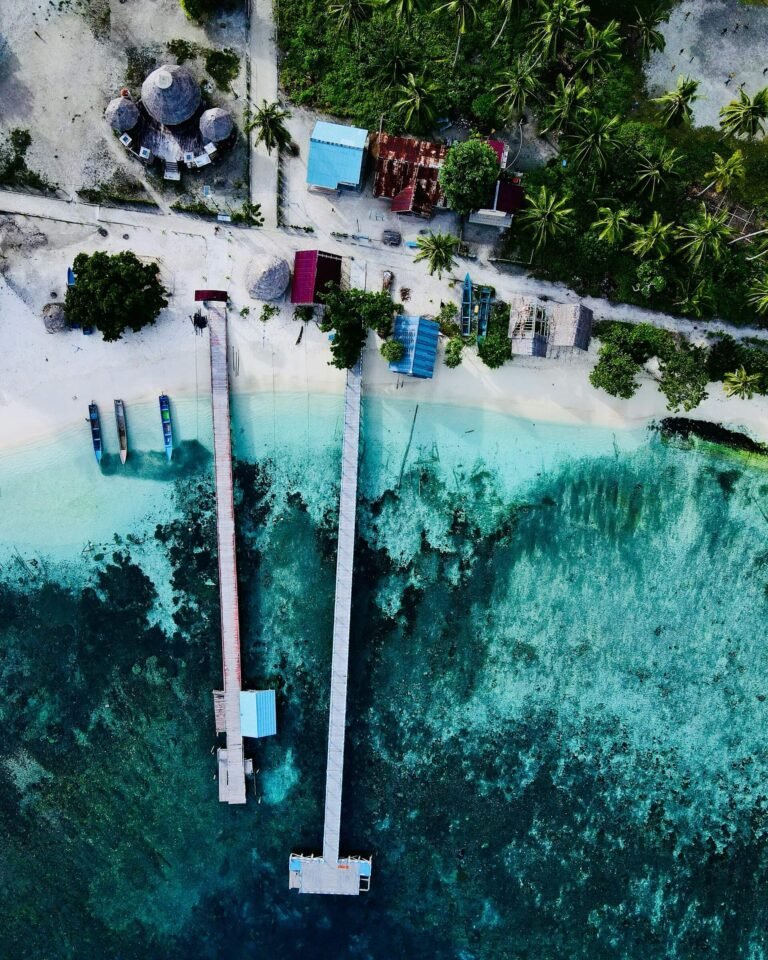
Tourism doesn’t just impact reefs in the water, it also reshapes coastlines. To accommodate dive tourists, many coastal regions across the Coral Triangle have seen rapid development.
Hotels and resorts are built, waste and sewage systems are implemented, and roads and ports are upgraded to meet greater demand.
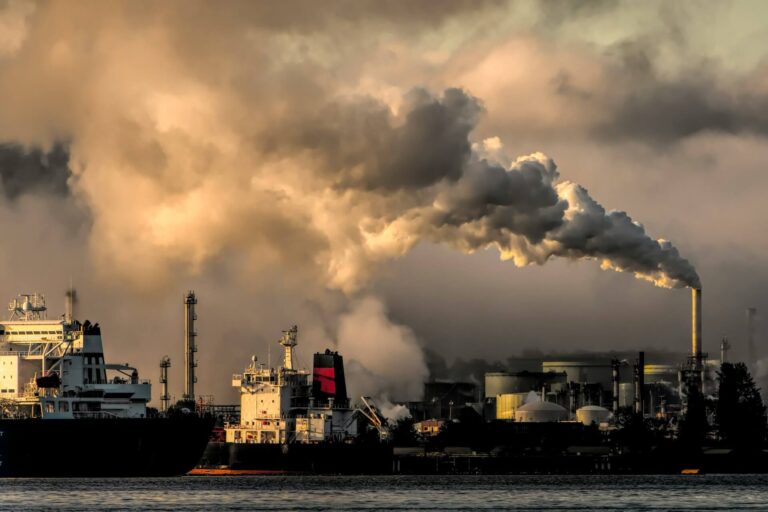
When poorly managed or unsustainably designed, this development can result in serious habitat destruction. It may also lead to increased sedimentation in the water, blocking sunlight from reaching corals, and add to the amount of pollution entering the ocean.
In the Coral Triangle, coastal development is already one of the major threats to reef health, alongside overfishing and pollution.
Waste, Pollution and Resource Strain
There’s no denying that tourism in coastal areas brings increased demand for fresh water, energy and food/supplies. If you’re bringing people in, they need somewhere to shower, they want electricity (and Wi-Fi!) and they need to be fed.
At the same time, this results in more waste being produced, especially plastic and sewage. Even eco-resorts with a “no plastics” policy have to deal with human waste somehow!
Local governments often struggle to keep up with infrastructure demands, particularly in remote island regions. As a result, many dive resorts in the Coral Triangle are off-grid – and some handle this better than others.
When dive infrastructure isn’t managed well, it can lead to marine debris entering adjacent reef ecosystems and causing irreversible damage.
Nutrient pollution often fuels algae growth and contributes to declining water quality, both of which weaken coral resilience and make reefs more vulnerable to disease and bleaching.

Disturbance to Marine Life
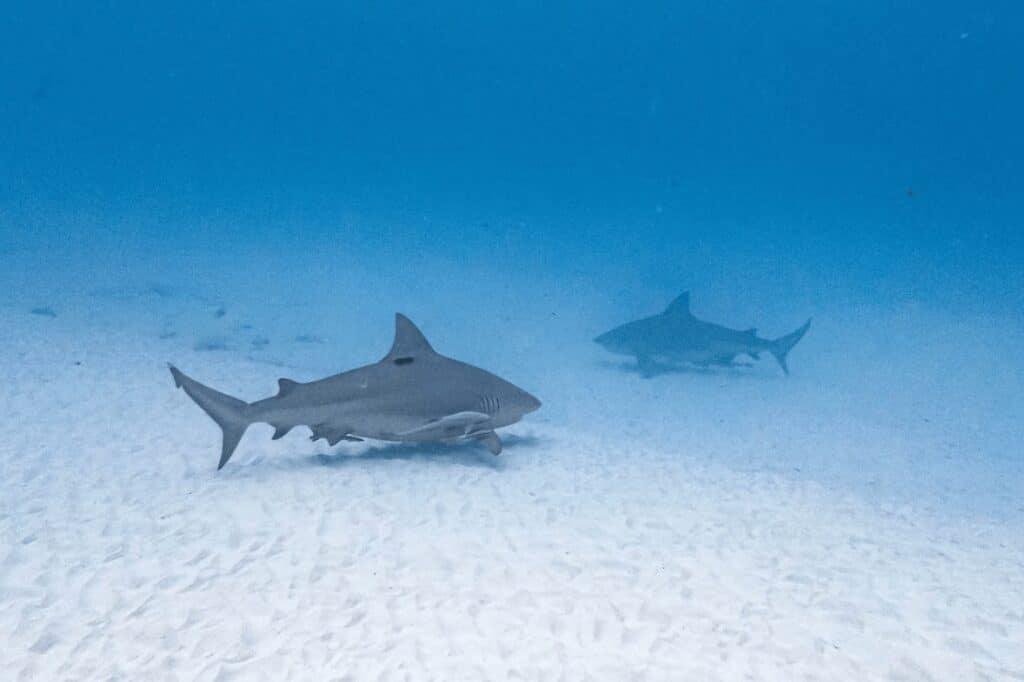
Dive tourism also affects the behaviour of marine species. It’s something we can’t deny.
The increased frequency of human interactions in popular snorkelling and diving areas can alter natural behaviours, such as feeding and breeding patterns.
Noise, light and constant interaction can push species away from key habitats in search of a quieter place to reside.
It can also just be really stressful for marine creatures, particularly when they are being chased, intimidated or prodded to get a reaction.
The Bigger Picture: Tourism + Climate Change
Tourism doesn’t exist in isolation in the Coral Triangle. Its impacts combine with global threats, especially climate change.
Coral bleaching, driven by rising ocean temperatures, is already devastating reefs across the region. When combined with local pressures linked to tourism, reefs become less resilient to withstand a rapidly changing environment.
More than 10 years ago, the World Resources Institute revealed that over 85% of reefs in the Coral Triangle are already threatened by human activities. This figure rises when climate stress is included.
Tourism can accelerate the decline in reefs if not managed carefully.
But we also know that tourism can play an important role in protecting reefs. So how do we get that balance right?
Can Tourism Be Part of the Solution?
Despite its impacts, tourism isn’t always harmful. In fact, it can be a powerful tool for conservation…when done right.
As mentioned above, dive tourism can fund conservation projects in Coral Triangle regions and provide alternative livelihoods for local communities.
It can also help to raise awareness among global audiences – people are more inclined to protect the things they love or have a connection to.
Lots of dive operators, local governments and communities in the Coral Triangle are recognising the importance of sustainable tourism initiatives and taking positive steps.
These include the creation of marine protected areas with visitor limits, as seen in Sipadan, Tubbataha Reefs and Raja Ampat.
Eco-certification programs are also being established for dive operators and scuba tourists are being encouraged to undergo education on reef-safe behaviour. For more tips on being a sustainable scuba diver, check out our article here.
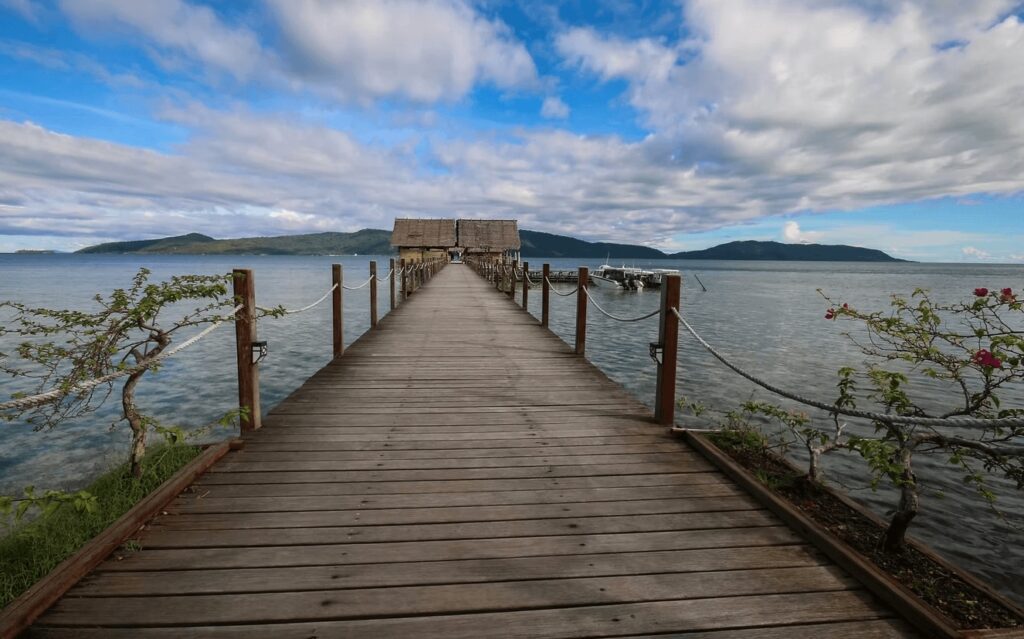
In terms of tourism infrastructure, investments are being made in waste management and clean energy to help reduce the negative impacts on marine ecosystems. In our experience, there are many eco-dive resorts across Indonesia, the Philippines and Southeast Asia that take sustainability seriously.
Organisations and governments are increasingly promoting “low-impact, high-value” tourism models that prioritise conservation over mass visitation. It’s something that we fully support.
Yes, this means that dive tourism in some parts of the Coral Triangle is likely to become more expensive. But if that’s the price we have to pay to protect these incredible places, we think it’s most definitely worth it.
Finding That Delicate Balance
Tourism in the Coral Triangle is a double-edged sword.
Managed responsibly, it can help preserve one of the most important marine ecosystems on Earth. Left unchecked, it can accelerate the decline of reefs that millions of people (and countless species) depend on.
If current trends continue without proper management, tourism could undermine its own foundation – damaging reefs to the point where they lose their appeal and ecological function.
We’re not suggesting you shouldn’t go scuba diving in the Coral Triangle. But we do encourage everyone to be mindful of the type of tourism they are supporting in the region.
The future of the Coral Triangle’s reefs will depend on whether tourism can shift from exploiting these ecosystems to actively protecting them, even if it comes with greater restrictions and a higher price tag.
PLAN YOUR TRIP WITH OUR FAVOURITE RESOURCES:
Find hotels and resorts via Booking or Agoda
Book tours and experiences via Viator or GetYourGuide
Find a rental car via Discover Cars
Book flights via Kiwi or Booking
Search for buses and trains via 12Go or Omio
Get travel insurance via SafetyWing
Buy a digital eSIM with Airalo
By purchasing through our links, you’ll be supporting our website at no additional cost to you
-
The Blue Revolution: How Ocean Conservation Is Changing Travel
If you’re anything like us, the ocean is what fuels your travel adventures. Over the last 20+ years, we’ve flown across the globe to dive with manta rays, kayak above coral reefs and surf legendary waves. But there is an uncomfortable contradiction at the heart of ocean tourism: the healthier the marine environment, the more…
-
Climate Change in the Ocean: A Guide for Surfers + Divers
When we think about climate change, our attention naturally turns to what we can see on land or are experiencing first hand: rising temperatures, melting glaciers, wildfires and more intense weather events. Many of these are well-reported on the nightly news and it’s devastating to see intense wildfires ripping across landscapes and floods wreaking havoc…
-
Resort vs Liveaboard vs Homestay Diving in Raja Ampat: Choosing the Right Experience
Raja Ampat is one of my favourite diving destinations in Indonesia. In fact, that’s probably an understatement. Raja is one of my favourite places to dive anywhere in the world. The underwater experiences I’ve had here are nothing short of extraordinary…and that’s not taking into account the incredible above-water scenery. It really does feel like…
-
How Sunscreen Affects Coral Reefs + Marine Life
If you’re anything like us, applying sunscreen is second nature before heading out to surf or spending a day on a dive boat. In fact, our skin type means we need to apply sunscreen before we step outdoors…full stop! Since we were little, it’s been drummed into us that sunscreen protects our skin from harmful…
-
The Essential Scuba Diving Guide to Raja Ampat, Indonesia
Few places we’ve dived have captured our imagination quite like Raja Ampat. Our first visit was back in the early 2000s, staying at a homestay on a blissfully gorgeous beach, and our second in 2023 at the eco-friendly Papua Explorers Resort. Both are experiences that will stay with us forever and affirmed what so many…
-
Successful Marine Protected Areas You Can Visit Around the World
After almost two decades of scuba diving around the globe, we’ve come to the conclusion that marine protected areas (MPAs) are one of the most powerful tools we have for conserving ocean ecosystems. Essentially, they are like “national parks of the seas” – established to limit activities such as overfishing, habitat destruction and unsustainable development….
We are a team of passionate divers and surfers with decades of combined experience in the water and travelling to all corners of the globe.
After years of chasing waves and descending into the deep blue, we’ve created this resource to highlight sustainable surf camps, eco-dive resorts and conservation-focused ocean trips to help inspire your next adventure.
Eco Ocean Escapes was born out of a love of the ocean, an obsession with travel and a concern about the impacts of our adventures on the environments we explore.