Ocean Plastic Pollution and the Role of Divers in Clean-Up Efforts
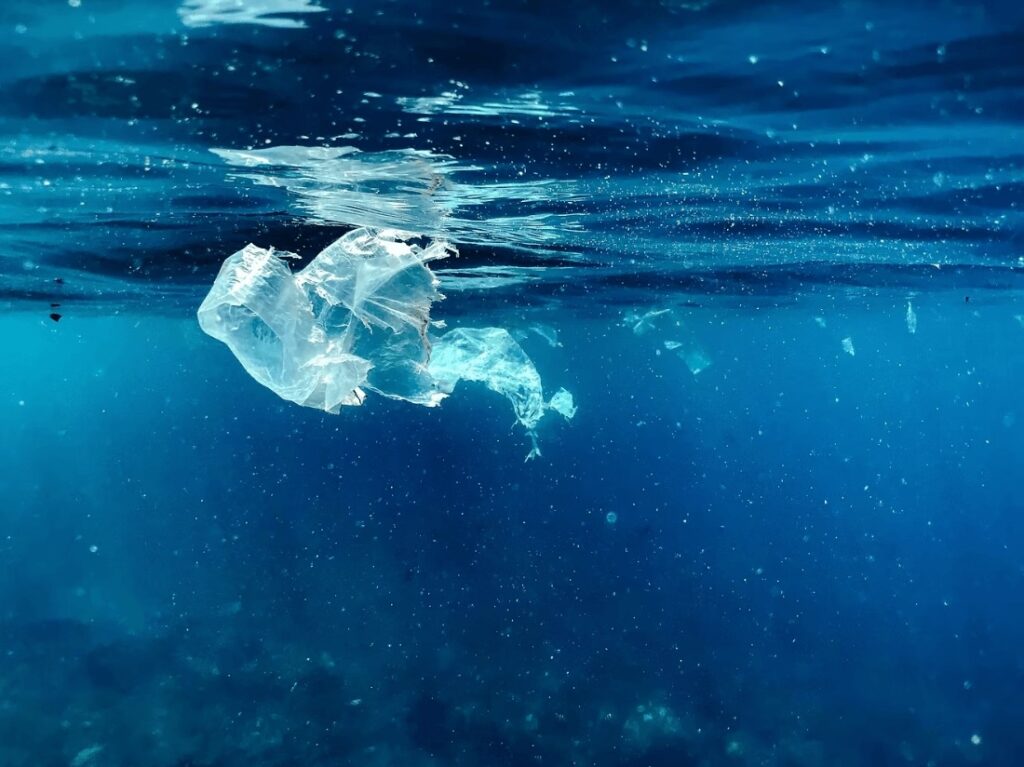
Plastic pollution is one of the most visible and destructive threats facing our oceans today. From floating bottles and ghost fishing nets to microplastics embedded in coral reefs, plastic waste has reached even the most remote dive sites on the planet.
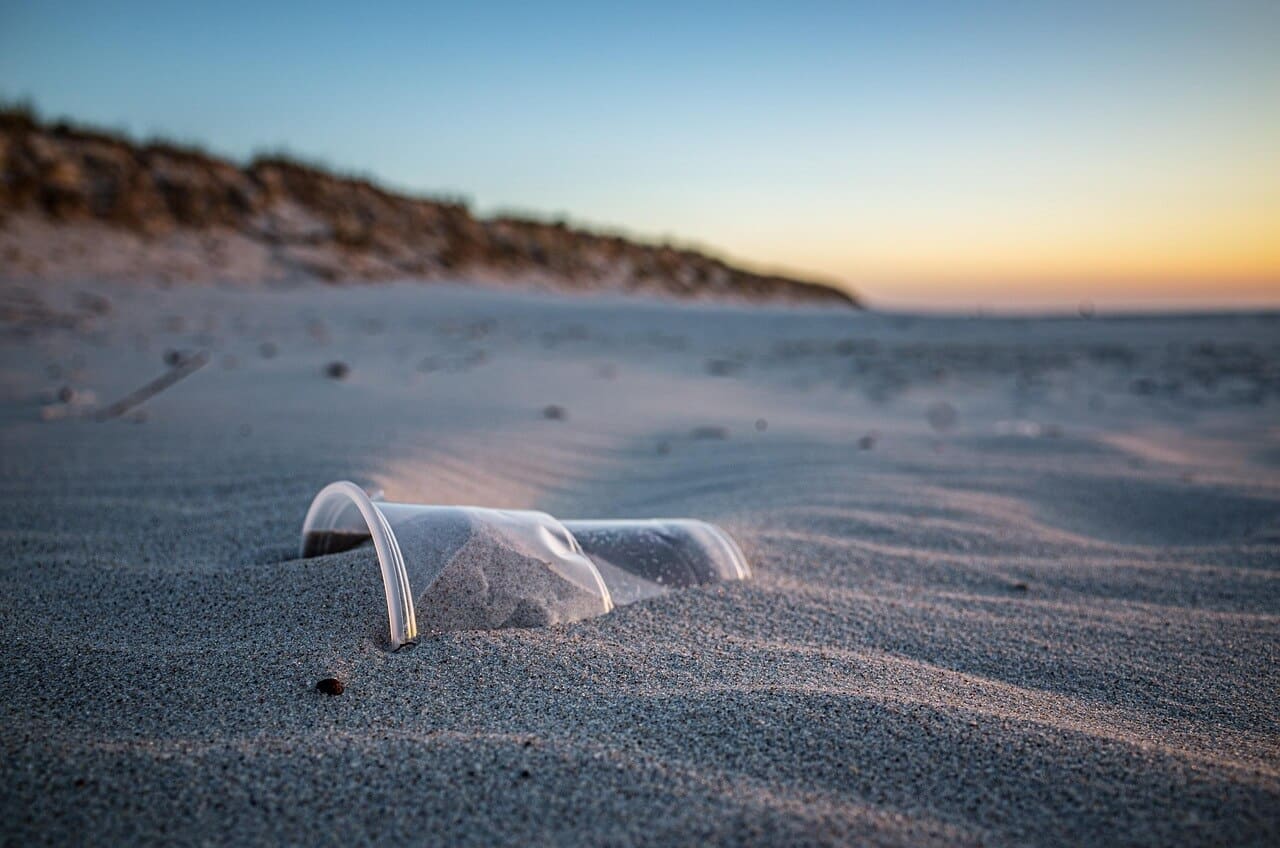
As international divers, we’ve seen the issue of plastic pollution around the globe – discarded fishing nets wrapped around reefs, plastic bags snagged on coral and bottles half buried in the sand. It’s devastating, to say the least.
While governments and industries carry the greatest responsibility for addressing the problem, divers occupy a unique position on the front line.
Along with local communities, we are the ones witnessing the damage firsthand. And while the issue is huge in scale, we can play a surprisingly important role in ocean clean-up efforts at both a micro and macro level.
This article may contain affiliate links, which means when you make a purchase through that link, we earn a small commission. Affiliate links come at no cost to you and ensure our content remains free!
The Scale of the Plastic Problem Underwater
According to the United Nations Environment Programme, an estimated 11 million tonnes of plastic enter the ocean every year. Unfortunately, much of it eventually sinks, making it harder to detect, remove and regulate.
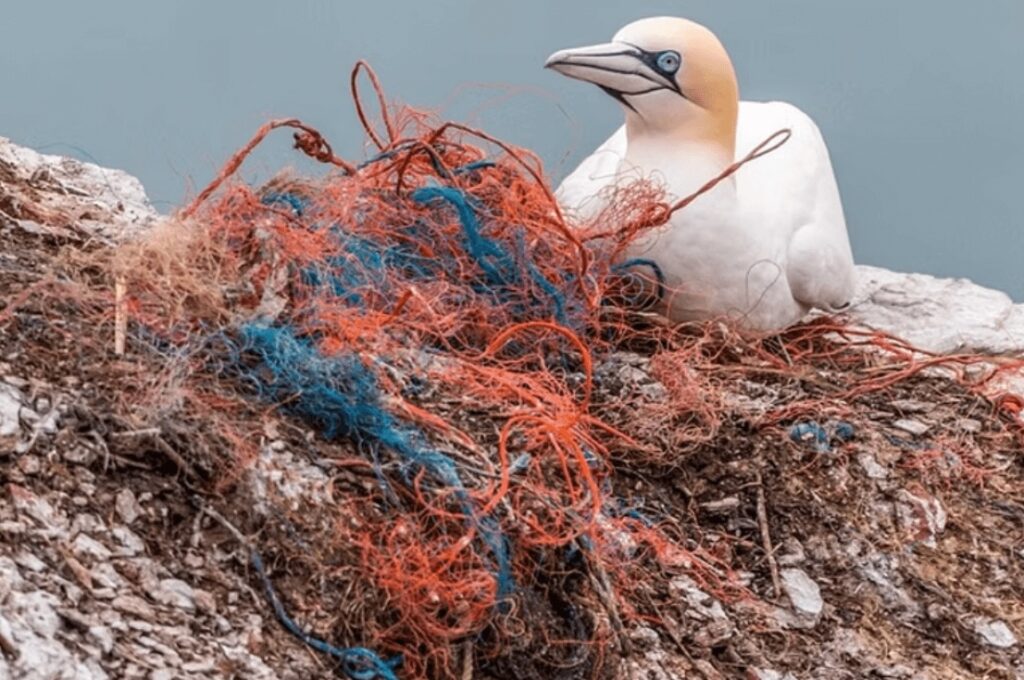
Plastic materials can persist for decades, entangling animals, smothering reefs and leaching harmful chemicals into marine ecosystems.
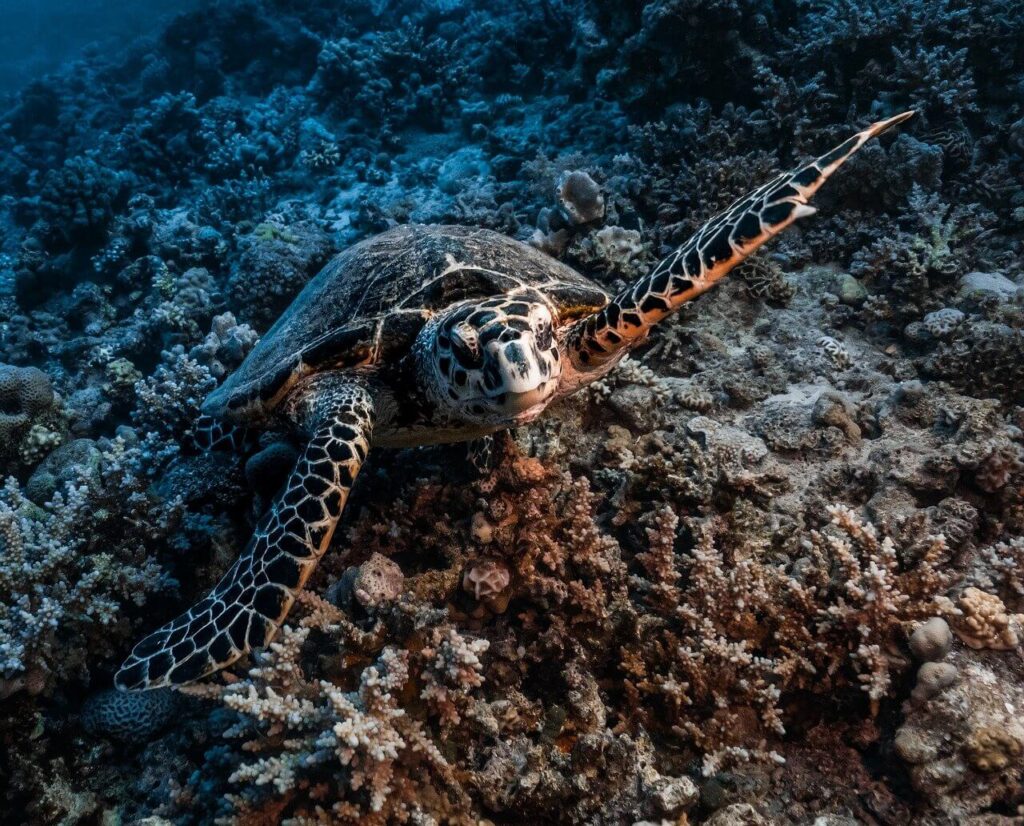
In recent years, a plastic bag was found in the Mariana Trench (the deepest part of the ocean) and broken-down plastics have been found in the digestive systems of many marine species, including fish and turtles. This news is devastating for ocean lovers like us!
Why Divers Matter in the Fight Against Plastic Pollution
Divers are among the few people who can directly observe plastic pollution beneath the surface. Most only read about it in scientific journals or social media campaigns.
This gives us a powerful role as witnesses, educators and data collectors. That’s aside from being able to physically remove plastic waste from the ocean during dives.
It goes without saying that the amount of plastic we can remove as individuals is tiny, considering the sheer scale of the problem.
But we can make a bigger difference by sharing our first-hand observations with others and platforming marine conservation organisations that are tackling the issue. In doing so, we can encourage support for larger-scale clean-up operations that have a wider reach.
As a diver concerned about plastic pollution in our oceans, you can:
- Remove debris from sensitive reef environments that machinery in large-scale plastic removal operations might damage
- Identify pollution hotspots underwater for larger organisations to address
- Document the impacts on marine life that you observe during dives and make this information available to conservation organisations
- Support long-term monitoring and research-based citizen science programs
Essentially, divers can make a measurable difference on a local scale and have a big impact on tackling broader solutions.
Responsible Underwater Clean-Ups
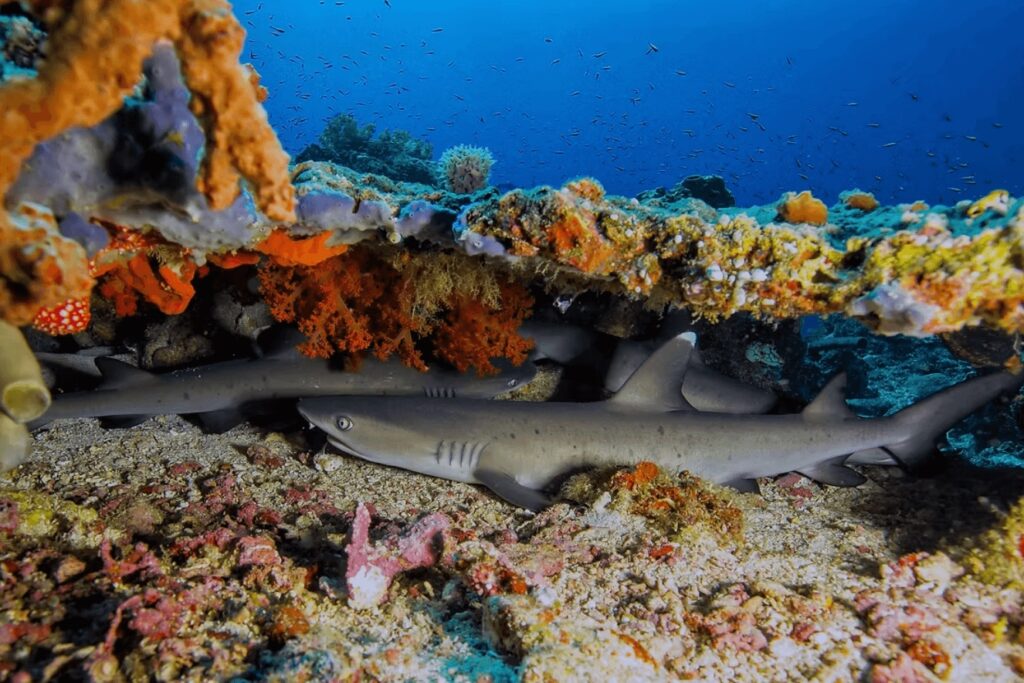
While removing plastic seems inherently positive, poorly executed clean-ups can do more harm than good. Before you don your dive gear and descend on a clean-up mission, educate yourself on how to do so responsibly.
Guidelines for responsible underwater plastic clean-ups:
- Never remove items that have become habitat (plastic debris sometimes hosts marine life)
- Avoid touching coral or stirring sediment while removing plastic debris
- Leave hazardous items such as unexploded ordnance or heavy ghost nets to professionals
- Work in small, trained groups – never dive alone!
Many reputable dive centres now offer organised clean-up dives led by instructors who are trained in marine conservation protocols. If you don’t have dive buddies to accompany you on clean-ups or you don’t feel comfortable going independently, consider joining a trained dive team.
Aside from the conservation benefits, it’s a great way to connect with like-minded divers concerned about the health of our underwater environments.
Citizen Science: Turning Clean-Ups into Change-Driving Data
One of the most powerful ways divers can contribute is by combining clean-ups with citizen science. It’s something we’re really passionate about here at EcoOceanEscapes and we want to encourage other divers (and surfers) to get on board.
Not only are you removing trash, but also building the evidence needed for systemic change.
Programs such as PADI AWARE’s Dive Against Debris and Reef Check are set up so divers can log what they collect – type, quantity and location. They are providing a viable solution to effectively monitor plastic pollution and the data can be used to educate policymakers.
The data collected by divers involved in citizen science programs can be used to:
- Identify pollution sources
- Inform local waste management policies
- Support marine protected area enforcement
- Influence international plastic reduction initiatives
Beyond the Dive: How Divers Can Reduce Plastic at the Source
Underwater plastic clean-ups are really important. But if we’re being honest, they treat the symptom rather than the cause.
As divers, we can reduce the source of plastic pollution by rethinking our habits, especially when travelling abroad.
Many dive destinations (particularly in developing nations) struggle with limited recycling and waste removal infrastructure. This makes conscious consumer choices during dive vacations even more important than back home.
What can you do as a diver?
- Carry refillable water bottles and cutlery
- Choose dive operators that avoid single-use plastics
- Refuse plastic bags and packaging
- Support eco-dive resorts with waste reduction initiatives
- Speak up when dive boats and resorts generate unnecessary plastic waste
Discover more lifestyle changes to reduce ocean plastic in our detailed article here.
The Role of Dive Operators and the Industry
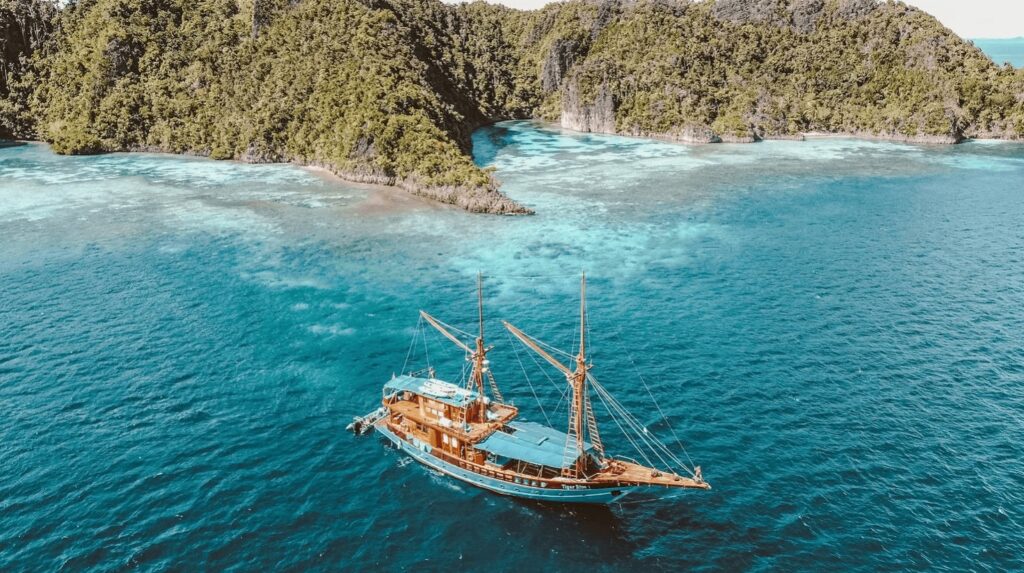
Dive centres and liveaboards play a critical role in shaping diver behaviour. Here at EcoOceanEscapes, we personally believe they need to lead by example when it comes to issues surrounding plastic ocean pollution.
Their livelihoods rely on healthy marine ecosystems. If they’re failing to operate sustainably, they’re only in it for short-term gains.
When you support dive operators that prioritise sustainability, you send a strong message to the industry – you want to spend your tourism dollars with responsible dive centres and eco-resorts. If non-participating dive operators see the benefits of becoming ocean advocates, they’re more likely to get on board.
So how do you do this?
Look for dive operators (schools, resorts, liveaboards) that:
- Ban single-use plastics on land and on the water
- Host regular clean-up dives led by trained pros
- Educate guests on threats to local marine (not just plastic pollution)
- Partner with reputable conservation NGOs
- Invest in reef protection and mooring systems
Turn the Emotional Impact of Seeing Plastic Underwater into Activism
For many divers, encountering plastic pollution below the surface is confronting. We always feel completely deflated when we see human-created waste on otherwise pristine coral reefs.
The contrast is jarring…but also deeply motivating.
The emotional connection we feel to marine environments can be powerful. So rather than allowing it to lead you to despair, use it to drive your activism.
In our experience, divers are among the most committed ocean advocates, precisely because they’ve seen the problem up close.
Sharing those experiences, whether it’s through writing, photography or chatting with family and friends, can help to bridge the gap between underwater realities and public awareness.
Remember, many non-divers don’t even realise plastic pollution is a monumental issue in our oceans. It’s just not on their radar.
Use your influence (or social media channels) to platform articles and imagery that raise awareness, and (hopefully) encourage action in others.
Plastic Ocean Pollution: A Shared Responsibility
Plastic pollution isn’t a problem that we, as divers, have created (not alone anyway). But it is one we are uniquely positioned to address.
Through underwater clean-ups, citizen science data collection and community education, we can play a meaningful role in protecting these places we love.
The goal isn’t to rid the ocean of plastics, one dive at a time. That’s an impossible ask!
The real value lies in driving large-scale and systemic change through prevention, awareness and cold, hard scientific facts. And that’s something we can all be part of.

PLAN YOUR TRIP WITH OUR FAVOURITE RESOURCES:
Find hotels and resorts via Booking or Agoda
Book tours and experiences via Viator or GetYourGuide
Find a rental car via Discover Cars
Book flights via Kiwi or Booking
Search for buses and trains via 12Go or Omio
Get travel insurance via SafetyWing
Buy a digital eSIM with Airalo
By purchasing through our links, you’ll be supporting our website at no additional cost to you
-
The Blue Revolution: How Ocean Conservation Is Changing Travel
If you’re anything like us, the ocean is what fuels your travel adventures. Over the last 20+ years, we’ve flown across the globe to dive with manta rays, kayak above coral reefs and surf legendary waves. But there is an uncomfortable contradiction at the heart of ocean tourism: the healthier the marine environment, the more…
-
Climate Change in the Ocean: A Guide for Surfers + Divers
When we think about climate change, our attention naturally turns to what we can see on land or are experiencing first hand: rising temperatures, melting glaciers, wildfires and more intense weather events. Many of these are well-reported on the nightly news and it’s devastating to see intense wildfires ripping across landscapes and floods wreaking havoc…
-
Resort vs Liveaboard vs Homestay Diving in Raja Ampat: Choosing the Right Experience
Raja Ampat is one of my favourite diving destinations in Indonesia. In fact, that’s probably an understatement. Raja is one of my favourite places to dive anywhere in the world. The underwater experiences I’ve had here are nothing short of extraordinary…and that’s not taking into account the incredible above-water scenery. It really does feel like…
-
How Sunscreen Affects Coral Reefs + Marine Life
If you’re anything like us, applying sunscreen is second nature before heading out to surf or spending a day on a dive boat. In fact, our skin type means we need to apply sunscreen before we step outdoors…full stop! Since we were little, it’s been drummed into us that sunscreen protects our skin from harmful…
-
The Essential Scuba Diving Guide to Raja Ampat, Indonesia
Few places we’ve dived have captured our imagination quite like Raja Ampat. Our first visit was back in the early 2000s, staying at a homestay on a blissfully gorgeous beach, and our second in 2023 at the eco-friendly Papua Explorers Resort. Both are experiences that will stay with us forever and affirmed what so many…
-
Successful Marine Protected Areas You Can Visit Around the World
After almost two decades of scuba diving around the globe, we’ve come to the conclusion that marine protected areas (MPAs) are one of the most powerful tools we have for conserving ocean ecosystems. Essentially, they are like “national parks of the seas” – established to limit activities such as overfishing, habitat destruction and unsustainable development….


We are a team of passionate divers and surfers with decades of combined experience in the water and travelling to all corners of the globe.
After years of chasing waves and descending into the deep blue, we’ve created this resource to highlight sustainable surf camps, eco-dive resorts and conservation-focused ocean trips to help inspire your next adventure.
Eco Ocean Escapes was born out of a love of the ocean, an obsession with travel and a concern about the impacts of our adventures on the environments we explore.