Microplastics: How They Impact Our Marine Life and Oceans
When we think about ocean pollution, most of us picture plastic bottles, abandoned fishing nets or floating rubbish patches drifting across the water’s surface. Don’t get us wrong – these are all doing immense damage!
But one of the biggest threats facing our marine environments is something we can barely see at all: microplastics.
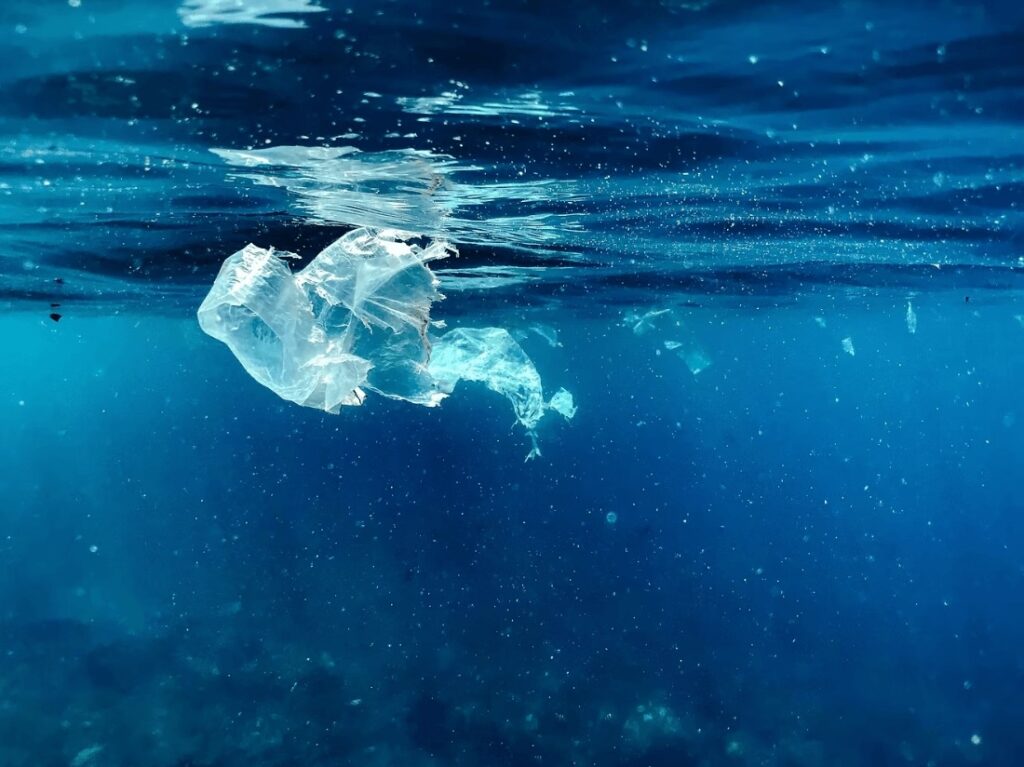
These tiny plastic particles (smaller than 5 millimetres) have infiltrated our oceans in massive quantities. Once adrift in the currents, they pose a severe threat to marine life through ingestion and absorption of chemical pollutants.
And as you’ve probably heard or read, they have also been found in human tissues and organs. It’s a confronting realisation!
Once microplastics enter the marine environment, they’re incredibly difficult, if not impossible, to remove. That’s why many scientists and conservationists agree that preventing their entry in the first place is our most powerful tool.
In this article, we’ll explore what microplastics are and where they come from, as well as how they are affecting marine life. Most importantly, we’ll address steps we can all take to help reduce the problem.
For more insights into marine conservation issues, check out our collection of articles here. They focus on everything from ocean acidification and mercury pollution to coral bleaching and the Great Pacific Garbage Patch.
This article may contain affiliate links, which means when you make a purchase through that link, we earn a small commission. Affiliate links come at no cost to you and ensure our content remains free!
What Exactly Are Microplastics?
Microplastics are tiny pieces of plastic that measure less than five millimetres in diameter. While they may be small, the scale of the problem is enormous!
Researchers estimate that around 5.25 trillion microplastic particles are currently floating throughout our oceans. Together, they weigh roughly the same as more than 2,000 blue whales.
What makes microplastics particularly concerning is their ability to spread almost everywhere. Carried by currents, winds and waterways, they have been discovered in some of the most isolated marine environments on Earth, including remote Arctic ice.
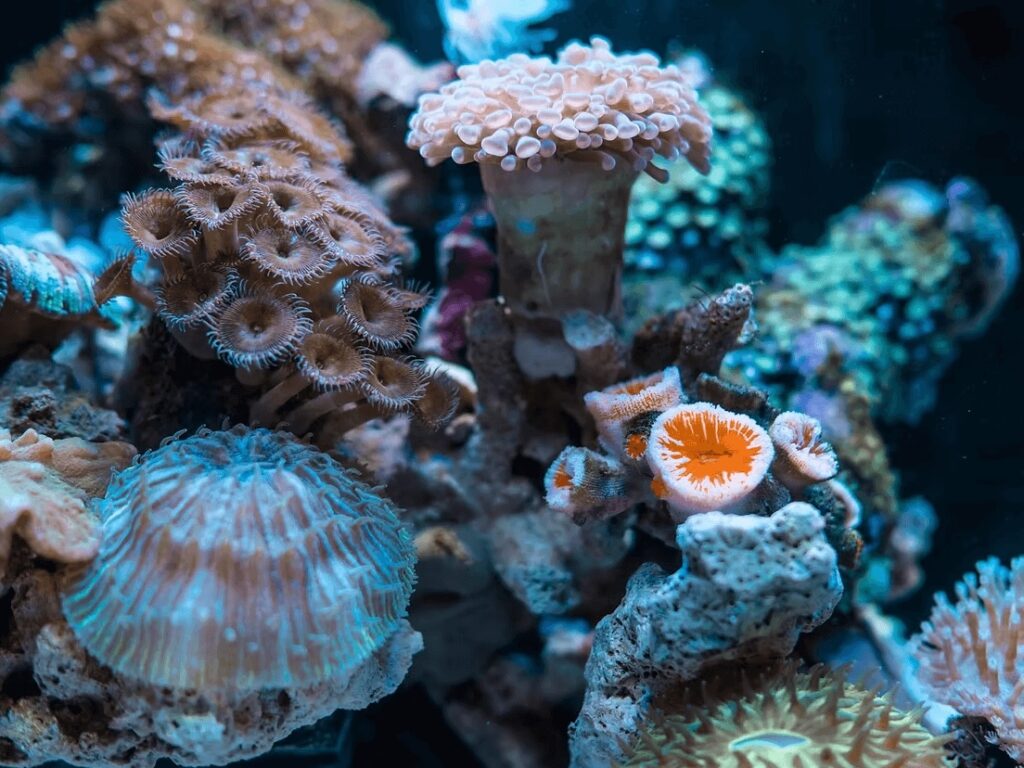
Over time, bacteria and algae can attach themselves to these particles, causing them to sink deeper into the water column. So it’s not just a surface problem – it’s now embedded throughout our oceans, from shallow coral reefs to deep-sea sediments.
You can learn more about the biggest threats our oceans face here.
Where Do Microplastics Come From?
Before researching this topic, we assumed most microplastics came from larger pieces of litter breaking apart. While that’s certainly part of the story, it’s not the whole story.
Microplastics generally fall into two categories: primary microplastics and secondary microplastics.
Primary Microplastics
Primary microplastics are manufactured at a tiny size from the beginning.
They include:
- Plastic pellets used in manufacturing
- Microbeads found in some cosmetics and personal care products
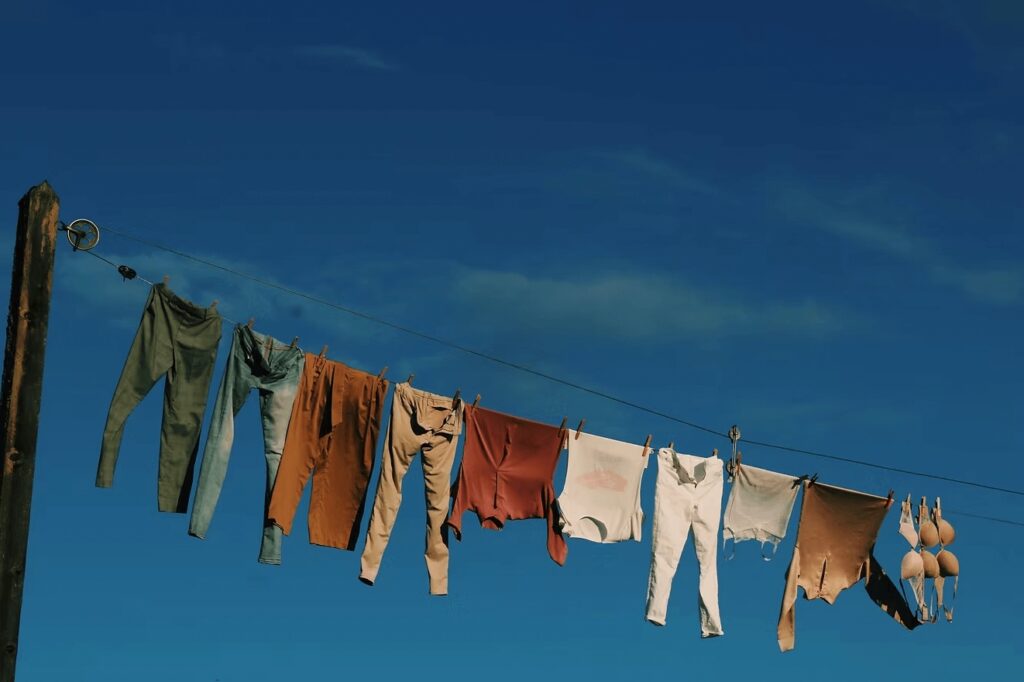
- Synthetic microfibres shed from clothing
- Plastic particles released through tyre wear
One source that surprises many people (including us) is clothing.
Every time we wash synthetic fabrics such as polyester, nylon or acrylic, tiny plastic fibres are released into wastewater systems. Many of these fibres pass through treatment facilities and eventually find their way into rivers, lakes and oceans.
Vehicle tyres are another major contributor. As tyres wear down on roads, microscopic plastic particles are released into the environment and washed into waterways during rainfall.
Secondary Microplastics
Secondary microplastics form when larger plastic items gradually break apart.
Sunlight, wave action, wind and physical abrasion slowly fragment discarded plastic bags, bottles, packaging and fishing gear into smaller and smaller pieces.
Unfortunately, plastic doesn’t ever just “disappear”. It simply breaks down into fragments that become increasingly difficult to detect and remove.
Why Are Microplastics Such a Problem for Marine Life?
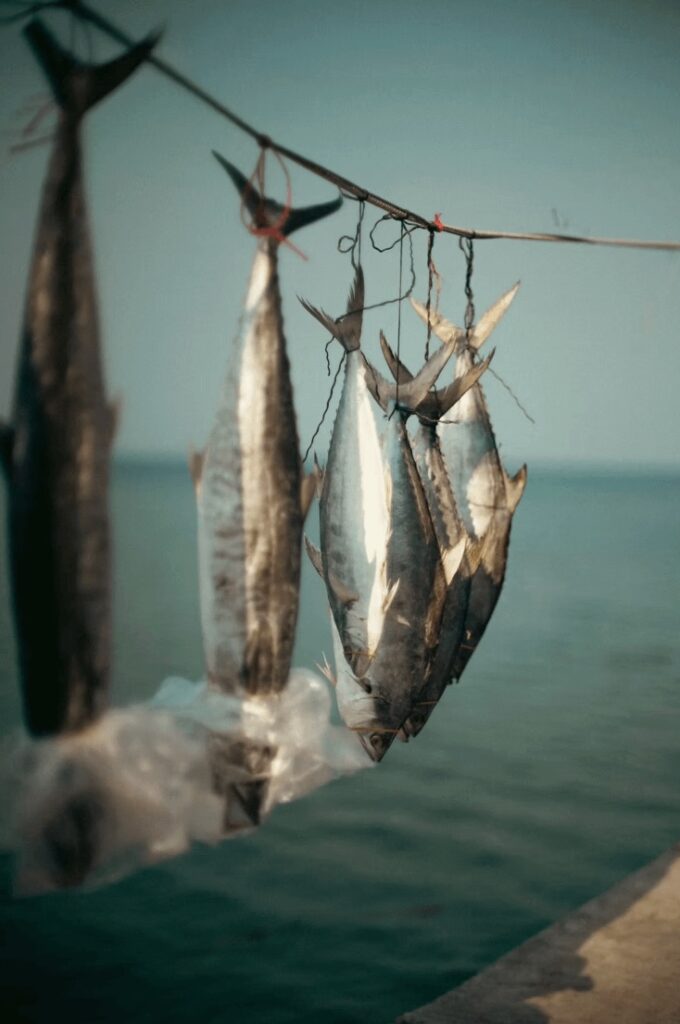
One of the most troubling aspects of microplastic pollution is that marine animals often can’t distinguish plastic from food. Obviously it’s not labelled and many plastics (in various stages of composition) can be mistaken for prey.
Plastic particles are consumed by plankton, shellfish, fish, seabirds and marine mammals. In short, plastics are entering the food chain at almost every level!
Sometimes microplastics are accidentally swallowed during feeding. In other cases, they pass through the gills of marine animals as they breathe.
To date, researchers have identified plastic particles in more than 100 marine species, and that number continues to grow.
Filter Feeders Are Especially Vulnerable
One thing we do know is that some of the ocean’s largest animals appear to be among the most heavily affected.
Species that feed by filtering (baleen whales, manta rays, basking sharks) consume enormous amounts of water to capture plankton. Unfortunately, they also ingest significant quantities of microplastics in the process.
For smaller creatures such as mussels, crabs and other invertebrates, sharp plastic fragments can also cause physical damage to digestive tissues, resulting in inflammation and reduced health.
Hidden Chemicals Add Another Layer of Risk
And it’s not only the plastic itself that is of concern. Many plastics contain chemical additives designed to improve flexibility, durability or colour. Some of these compounds can interfere with hormones and biological processes once they enter an animal’s body.
Research suggests exposure to certain plastic-associated chemicals may contribute to:
- Reduced fertility
- Hormonal disruption
- Developmental abnormalities
- Reproductive issues
And this applies to humans too! With our interconnected food web, the microplastics problem is not only impacting marine life.
Heard about the Great Pacific Garbage Patch but want to learn more? Check out our detailed article here.
Are Microplastics Affecting Humans Too?
The short answer is yes, although scientists are still working to understand the full implications. Humans are most definitely not immune to the microplastics problem!
What we do know is that microplastics have now been detected in drinking water, seafood and honey, as well as salt, milk and airborne dust.
In other words, these particles have become deeply embedded within our environment. If you hydrate or breathe, there’s a chance you’ll be affected.
We’ve reached a point where microplastics are no longer just an ocean issue. They’re a global environmental issue that affects ecosystems and communities everywhere.
While the long-term health impacts on humans remain an active area of research, there’s consensus that we desperately need to reduce their release into the environment.
What Can We Do About Microplastics?
One of the challenges with microplastic pollution is that once these particles enter the ocean, removing them at scale is incredibly difficult.
That’s why prevention is so important and everyone can play their part. In fact, many of the actions that reduce microplastic pollution are surprisingly achievable.
Choose Personal Care Products Carefully
Many cosmetics and personal care products still contain plastic-based ingredients. Some studies suggest that 9 out of 10 personal care products contain microplastics!
Since 2011, the Plastic Soup Foundation has fought this through “Beat the Microbead,” joining over 60 organisations on a mission to eliminate microplastics.
This international campaign empowers consumers through a smartphone app, identifying microplastic ingredients so you can avoid them. All you have to do is scan the product before purchasing to find out if it contains this hidden ingredient.
You can download the app and find out more data about microbeads here.
Reduce Synthetic Clothing Where Possible
Natural fibres such as cotton, hemp, linen and wool generally shed fewer plastic particles than synthetic fabrics. So these are the fibres you should be focusing on when purchasing new clothing.
If you’re shopping online, filter search results to only include garments made from natural fibres – it will stop you from being tempted by synthetic clothing. In store, always read the label before trying on and leave clothing on the rack that’s going to be a microplastic nightmare.
If you already own synthetic clothing that you love, consider using a microfibre-catching laundry bag or filter system when washing. These help to prevent fibres from entering wastewater systems.
Cut Back on Single-Use Plastics
There are so many reasons to avoid single-use plastics and here’s another one. Every plastic item we avoid today is one less piece of plastic that could become tomorrow’s microplastic pollution.
It’s so easy to make simple swaps – fabric shopping bags, refillable water bottles and reusable coffee cups. All of these can make a difference.
Wherever possible, opt for plastic-free packaging and encourage your favourite brands to make the switch.
Drive Less When Possible
Walking, cycling, public transport and carpooling can help reduce tyre wear, one of the lesser-known sources of microplastic pollution.
In Europe alone, over half a million tonnes of plastic dust enters the environment each year just from tyre wear.
As an added bonus, these choices also reduce greenhouse gas emissions. So it’s a win-win!
Support Conservation and Policy Change
Individual actions most definitely matter. But large-scale solutions are equally important.
Supporting organisations, businesses and policymakers working to reduce plastic pollution can help drive the systemic changes needed to address the problem at its source.
Taking a Preventative Approach to Microplastics
The unfortunate reality is that microplastics are now found into almost every corner of the natural world and in places most of us would never expect – from remote mountain ranges to deep-sea trenches.
And unlike many other forms of pollution, they aren’t going to simply disappear.
For us, one of the biggest takeaways from learning about microplastics is that this isn’t a problem that can be solved after the fact. Once these particles enter the environment, recovering them becomes extraordinarily difficult.
The most effective solution is stopping them from getting there in the first place, which is where you come in.
By reducing unnecessary plastic consumption, supporting better waste management systems and making sustainable lifestyle changes, we can all help slow the flow of microplastics into our oceans.
PLAN YOUR TRIP WITH OUR FAVOURITE RESOURCES:
Find hotels and resorts via Booking or Agoda
Book tours and experiences via Viator or GetYourGuide
Find a rental car via Discover Cars
Book flights via Kiwi or Booking
Search for buses and trains via 12Go or Omio
Get travel insurance via SafetyWing
Buy a digital eSIM with Airalo
By purchasing through our links, you’ll be supporting our website at no additional cost to you
-
The Blue Revolution: How Ocean Conservation Is Changing Travel
If you’re anything like us, the ocean is what fuels your travel adventures. Over the last 20+ years, we’ve flown across the globe to dive with manta rays, kayak above coral reefs and surf legendary waves. But there is an uncomfortable contradiction at the heart of ocean tourism: the healthier the marine environment, the more…
-
Climate Change in the Ocean: A Guide for Surfers + Divers
When we think about climate change, our attention naturally turns to what we can see on land or are experiencing first hand: rising temperatures, melting glaciers, wildfires and more intense weather events. Many of these are well-reported on the nightly news and it’s devastating to see intense wildfires ripping across landscapes and floods wreaking havoc…
-
Resort vs Liveaboard vs Homestay Diving in Raja Ampat: Choosing the Right Experience
Raja Ampat is one of my favourite diving destinations in Indonesia. In fact, that’s probably an understatement. Raja is one of my favourite places to dive anywhere in the world. The underwater experiences I’ve had here are nothing short of extraordinary…and that’s not taking into account the incredible above-water scenery. It really does feel like…
-
How Sunscreen Affects Coral Reefs + Marine Life
If you’re anything like us, applying sunscreen is second nature before heading out to surf or spending a day on a dive boat. In fact, our skin type means we need to apply sunscreen before we step outdoors…full stop! Since we were little, it’s been drummed into us that sunscreen protects our skin from harmful…
-
The Essential Scuba Diving Guide to Raja Ampat, Indonesia
Few places we’ve dived have captured our imagination quite like Raja Ampat. Our first visit was back in the early 2000s, staying at a homestay on a blissfully gorgeous beach, and our second in 2023 at the eco-friendly Papua Explorers Resort. Both are experiences that will stay with us forever and affirmed what so many…
-
Successful Marine Protected Areas You Can Visit Around the World
After almost two decades of scuba diving around the globe, we’ve come to the conclusion that marine protected areas (MPAs) are one of the most powerful tools we have for conserving ocean ecosystems. Essentially, they are like “national parks of the seas” – established to limit activities such as overfishing, habitat destruction and unsustainable development….

We are a team of passionate divers and surfers with decades of combined experience in the water and travelling to all corners of the globe.
After years of chasing waves and descending into the deep blue, we’ve created this resource to highlight sustainable surf camps, eco-dive resorts and conservation-focused ocean trips to help inspire your next adventure.
Eco Ocean Escapes was born out of a love of the ocean, an obsession with travel and a concern about the impacts of our adventures on the environments we explore.