
Nitrox: Is It Worth It? A Diver’s Guide to the Benefits, Costs and When to Use It
Every time I’m analysing my Nitrox tanks on dive trips, an air diver asks me: “Is getting a Nitrox certification worth it?”
The short answer? For me, yes – it gives you options and opens up more (read: longer) dive opportunities.
To be honest, I’m pretty late to the Nitrox game. For many years, I stuck to air because it was included in all my training, widely available and there was no additional cost involved.
But after completing my Enriched Air Diver certification and using Nitrox on liveaboards and multi-day dive trips, I’ve quickly realised why so many experienced divers swear by it.
And these days, it’s more common to see Nitrox being included in dive trip rates, rather than being an optional extra.
That said, Nitrox isn’t a magic gas. For one, it won’t let you dive deeper (spoiler!) and it isn’t the right choice for every dive. But it does have its benefits and the Nitrox certification is useful to have in your dive arsenal for certain situations.
Understanding when Nitrox is useful (and when it’s not) is the key to deciding whether the certification cost is worth it for you. That’s what this article is all about.
What is Nitrox?
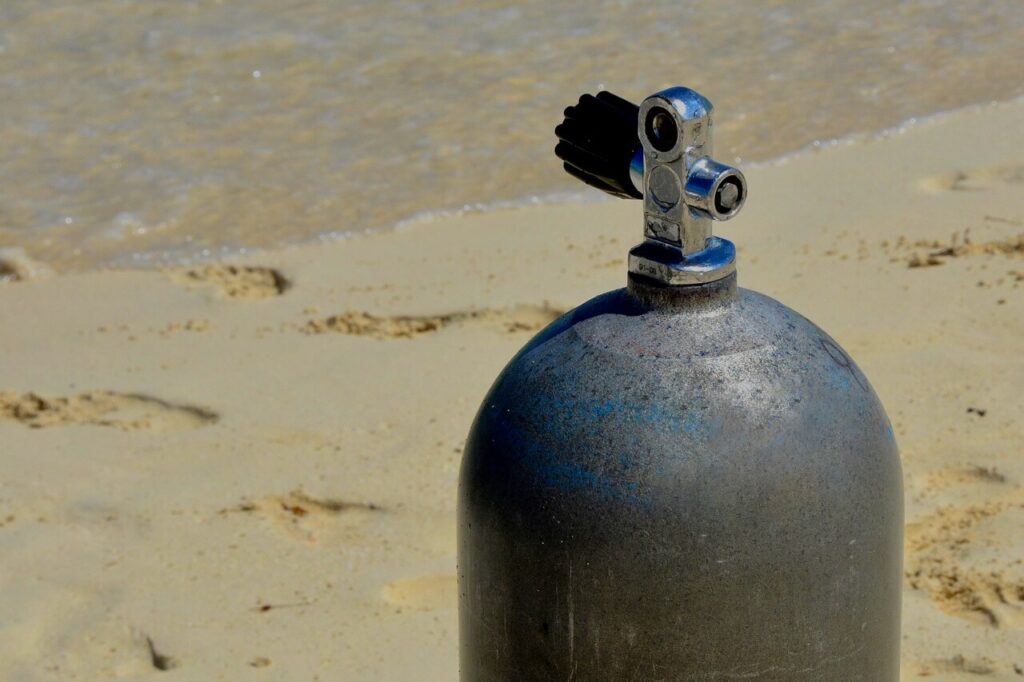
Nitrox, more accurately known as Enriched Air Nitrox (EANx), is a breathing gas that contains a higher percentage of oxygen and less nitrogen than normal compressed air.
I was surprised to learn (during my Nitrox course) that it doesn’t refer to a single gas mixture. Rather, it’s any blend that contains a higher percentage of oxygen and less nitrogen than normal compressed air.
Standard air contains approximately:
- 21% oxygen
- 79% nitrogen
The most common Nitrox blends are:
- EAN32: 32% oxygen / 68% nitrogen
- EAN36: 36% oxygen / 64% nitrogen
All of the dive liveaboards I’ve been on and the resorts I’ve visited have provided EAN32 as the default Nitrox mix.
Why? It allows you to go deeper than EAN36 – the more oxygen in the mix, the shallower you need to stay.
Because you’re breathing less nitrogen during a dive on Nitrox, your body absorbs less of it underwater…and that’s where the advantages begin.
Why Does Absorbing Less Nitrogen Matter?
If you think back to your Open Water course, there was a lot of talk about nitrogen accumulation in the body. I know, I know – it might have been years ago, in which case it’s worth doing a little “refresher”.
As you descend, increased pressure causes your body to absorb nitrogen. The deeper and longer you stay underwater, the more nitrogen accumulates in your tissues.
Your dive computer calculates limits to help prevent too much nitrogen building up, reducing the risk of decompression sickness (“the bends”).
Since Nitrox contains less nitrogen, your body absorbs it more slowly.
That means longer no-decompression limits on dives and less nitrogen loading across multiple dives.
The Biggest Advantage: More Bottom Time
Ask most Nitrox divers what the biggest advantage is and they’ll likely say: “You can stay down for longer”.
Imagine you’re diving a reef at 18 metres. Using standard air, your no-decompression limit might be around 56 minutes. Using EAN32, that limit increases significantly.
In reality, your dive may end before you reach either limit because your air supply runs out first. This depends on your air consumption and that of the divers in your group. Remember, most dives end when the first diver in the group has 50 bar left in their tank.
But on shallow dives, underwater photography dives or when diving with excellent air consumption, Nitrox allows you to stay underwater longer.
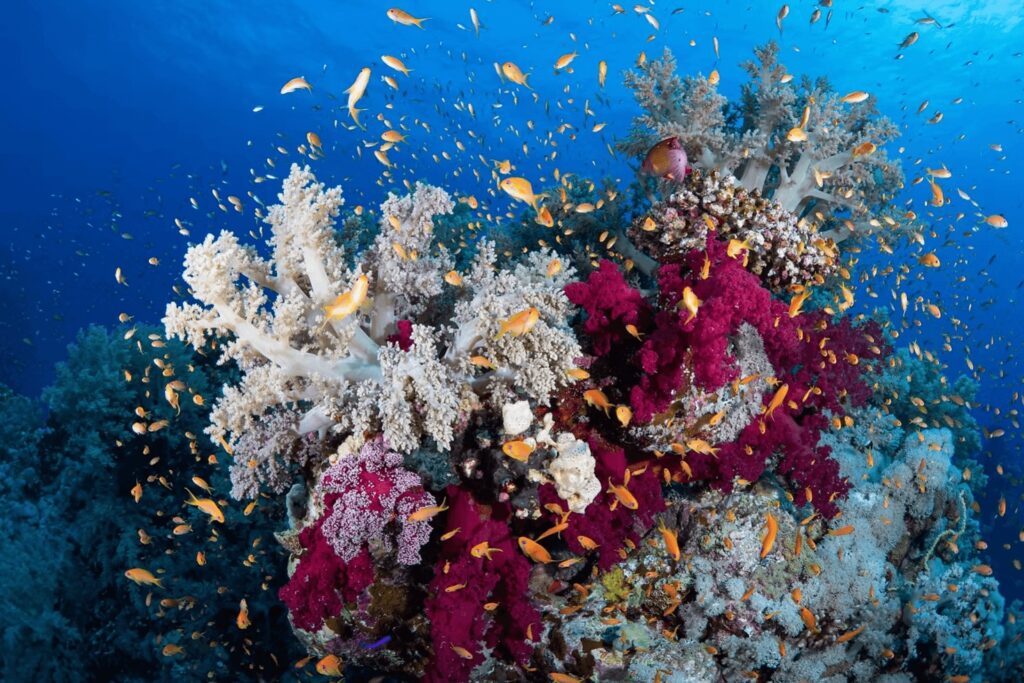
Over the course of a week-long dive holiday or liveaboard trip, those extra minutes really add up. And who knows what you might see in that additional time!
Liveaboards often involve four or five dives per day, so it’s lots of repetitive diving over consecutive days. Even though individual dives may not be especially deep, your cumulative nitrogen loading becomes significant over the course of the trip.
Nitrox helps reduce that nitrogen exposure. That’s why I think it’s such a solid choice for liveaboards or scuba-focused trips at dive resorts.
Also, many liveaboards and dive resorts now include Nitrox free of charge for certified divers. So it’s not even adding to the cost of your trip.
You May Feel Less Fatigued
Okay, so this is a bit of a contentious issue and one of diving’s most debated topics. But it’s also the reason I first considered doing a Nitrox certification.
I was feeling sooooo tired diving on air during multi-day liveaboard trips, to the point where I was sometimes skipping night dives because I was just so fatigued. Several more experienced divers suggested I give Nitrox a go.
Scientific research, however, hasn’t consistently confirmed that Nitrox directly reduces post-dive fatigue. You can read more about that here. It’s likely there are multiple factors involved, including hydration, workload, sleep and individual physiology.
So while I wouldn’t choose Nitrox solely because someone promises you’ll feel more energetic afterwards, many divers (including me) report this as an added bonus.
It May “Benefit” Your Dive Grouping
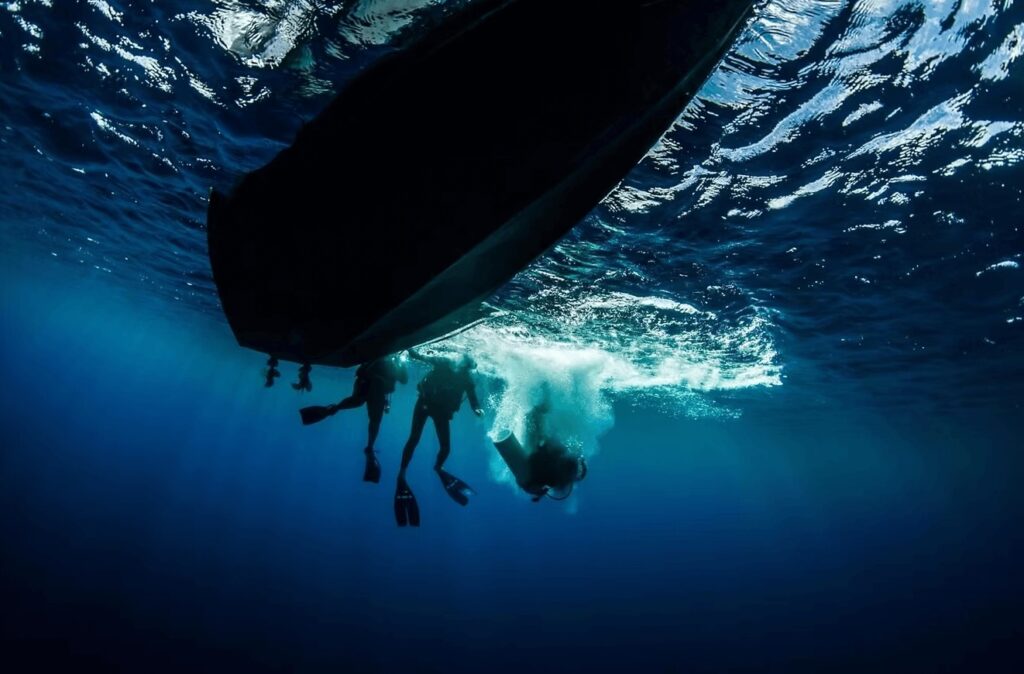
In my experience, Nitrox divers often get grouped with Nitrox divers on liveaboards and at dive resorts. Generally speaking, these are experienced divers who have good air consumption.
So if you’re someone who doesn’t like to get grouped with inexperienced divers who are chugging through air (leading to reduced dive times), diving with Nitrox can be a good strategy.
Of course, this is never a given and there are certified Nitrox divers who are still running out of air before everyone else. But I’ve found that the majority of Nitrox divers I have been grouped with are experienced, relaxed and not limiting my bottom time.

Nitrox Isn’t for Deeper Diving
This surprises a lot of people who haven’t done a Nitrox certification. They automatically presume (as I once did) that Nitrox gives you the ability to dive deeper.
Because Nitrox contains more oxygen, it actually has a shallower maximum operating depth (MOD) than regular air.
Why? Because too much oxygen under pressure increases the risk of oxygen toxicity, which can be extremely dangerous underwater. It can lead to underwater convulsions and drowning.
For your reference:
- EAN32 has a maximum operating depth of around 33 metres.
- EAN36 has a maximum operating depth of around 28 metres.
That means Nitrox is generally best suited to recreational reef diving and shallow wrecks, not deep technical dives. Never dive on Nitrox if there’s any chance you will be going below the maximum operating depth – it’s just not worth the risk.
Nitrox Certification
Using Nitrox requires additional training. But as I’ve discovered, it’s one of the quickest dive certifications available.
Most Enriched Air Nitrox courses can be completed in a single day and don’t require any in-water training. Mine comprised a few hours of online learning, followed by an in-person “test” at my local dive shop.
During the learning modules, you’ll gain a solid understanding of:
- Oxygen exposure limits
- Maximum operating depth calculations
- Gas analysis
- Labelling cylinders
- Setting your dive computer correctly
The “test” (led by a certified dive instructor) is basically to assess your understanding and answer any questions you might have about Nitrox. It’s nothing to be nervous about.
I also found it useful to have expert help me set my dive computer for Nitrox. That way, I wasn’t struggling with it last-minute before my first Nitrox dive in Palau.
Before every Nitrox dive, you’ll personally analyse the oxygen content in your tank and confirm the percentage matches what’s written on the cylinder. It’s really important that you understand how to do this yourself and don’t leave it to local divemasters. It’s not their responsibility – it’s yours!
That said, it’s a simple process and nothing to stress about – it quickly becomes second nature after a few dives.

How Much Does a Nitrox Course Cost?
Because Nitrox is a “dry course” that teaches gas physics and safety management, there are no checkout dives to earn the certification. That keeps costs down and you can complete the course from around 120 USD.
Some dive shops (like mine) offer reduced pricing for groups of people. So if you want to save a few dollars, organise with your dive buddies to do the course together.
And by together, I mean the “test” part. You’ll still do the online learning individually and at a pace that suits you.
Some dive resorts and liveaboards charge an additional fee for Nitrox tanks. Sometimes this fee is on a per-tank basis and others charge a weekly or trip-long Nitrox surcharge.
If it doesn’t say explicitly on the operator’s website whether Nitrox is included in dive packages, send an email for clarification.
When Nitrox is worth paying for
In my experience, Nitrox is worth the additional cost if you’re:
- Diving multiple times per day or several days consecutively
- Going on a liveaboard or staying at a resort where diving is the main activity
- Want to spend a lot of time taking underwater photographs
- Already have good air consumption
When standard air is perfectly fine
Nitrox isn’t essential for every dive. Air is more convenient and suitable for:
- Doing one-off dives
- Diving deep wrecks and sites near Nitrox’s MOD
- When air consumption is the limiting factor anyway
Is Nitrox Safer?
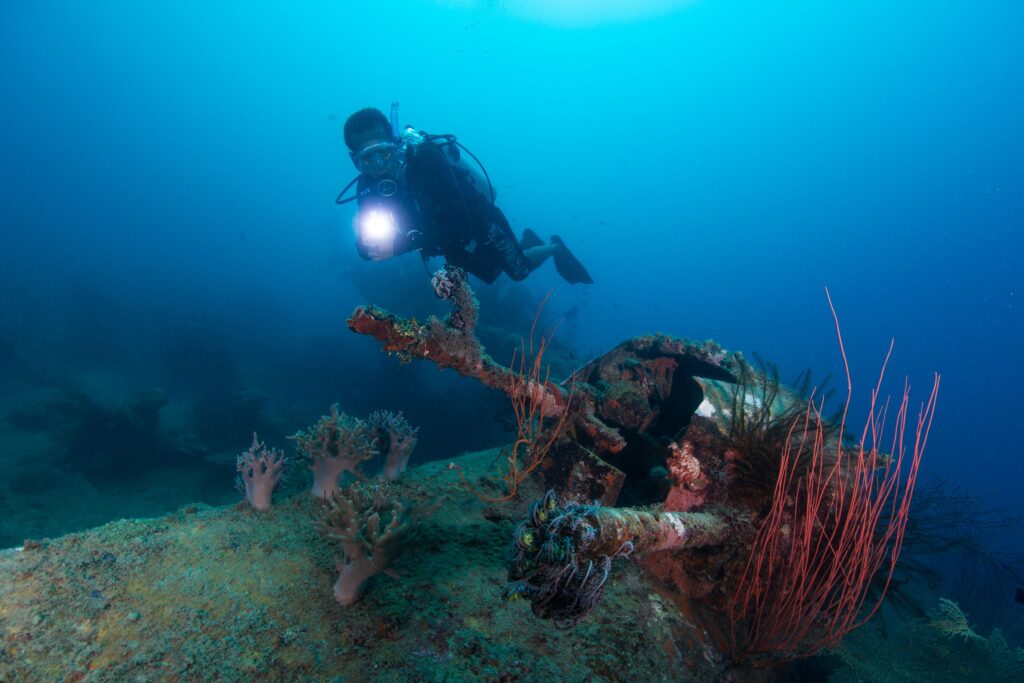
Nitrox can reduce nitrogen loading, but it doesn’t automatically make diving “safer.” You still need to plan dives property, ascend slowly and do safety stops, as well as dive within your certification limits.
There are also risks involved in diving Nitrox (particularly when it comes to depth). So if you don’t plan dives around this, it can actually be more dangerous than air.
Used correctly, Nitrox provides an additional margin against nitrogen exposure. But it’s definitely not a substitute for safe diving practices.
Is Nitrox Worth the Certification?
For me, yes. It’s probably one of the best value specialty certifications I’ve completed (and I’m kicking myself that I didn’t do it sooner).
Unlike some specialty courses that only become useful occasionally (when you’re diving in a cave or an enclosed wreck), Nitrox is something I use on almost all of my dive trips and liveaboards.
And because the certification never expires, it’s a one-time investment that can benefit you for years.
If you only dive once every couple of years and you’re worried about your Nitrox knowledge getting “rusty”, sticking with air is not a bad idea. Adding in multiple gas mixtures might end up being confusing and detract from the joy of diving itself.
But if you’re someone who plans dive-focused holidays, does regular liveaboard trips or wants to maximise your time underwater, I think it’s definitely worth the (short) time and (small) cost involved.
The certification is relatively inexpensive, the theory is straightforward and the benefits are not insignificant when you’re diving day after day.

PLAN YOUR TRIP WITH OUR FAVOURITE RESOURCES:
Find hotels and resorts via Booking or Agoda
Book tours and experiences via Viator or GetYourGuide
Find a rental car via Discover Cars
Book flights via Kiwi or Booking
Search for buses and trains via 12Go or Omio
Get travel insurance via SafetyWing
Buy a digital eSIM with Airalo
By purchasing through our links, you’ll be supporting our website at no additional cost to you





We are a team of passionate divers and surfers with decades of combined experience in the water and travelling to all corners of the globe.
After years of chasing waves and descending into the deep blue, we’ve created this resource to highlight sustainable surf camps, eco-dive resorts and conservation-focused ocean trips to help inspire your next adventure.
Eco Ocean Escapes was born out of a love of the ocean, an obsession with travel and a concern about the impacts of our adventures on the environments we explore.