Reef-Safe Sunscreen: Does It Really Make a Difference?
If you’ve been on a dive liveaboard recently or stayed at a sustainable surf resort, you may have been advised to bring only “reef-safe sunscreen”. This request is often included in trip dossiers and/or mentioned by dive/surf guides before heading into the water.
These days, there’s a consensus amongst the ocean-loving community that reef-safe sunscreen is the way to go.
But does switching sunscreen actually protect coral reefs or is “reef-safe” just another feel-good label?
The truth is, sunscreen alone isn’t killing reefs (more on that below), but certain ingredients do contribute to the problem. And what you put on your skin does matter at a local scale in some marine environments.
In this article, we’ll explain everything you need to know about reef-safe sunscreen, including what it is and what ingredients are doing the damage. We’ll also discuss what other changes you can make during your ocean adventures to help protect coral reefs.
How Sunscreen Enters Reef Ecosystems
When snorkellers, divers and surfers enter the ocean, sunscreen washes off almost immediately. Yes, that includes so-called “water-resistant sunscreen”.
In heavily tourist coastal areas, especially shallow lagoons and at popular snorkelling/diving/surfing sites, the ingredients used in sunscreens can accumulate in the water.
Research suggests that between 6,000 and 14,000 tonnes of UV filters enter coral reef areas each year. Much of this is concentrated around tourist hotspots.
While sunscreen’s impact on reefs and marine life isn’t as dramatic as climate change-induced bleaching events, the localised effects can still be significant.
For more information on how sunscreen impacts coral reefs, check out our detailed article here.
The Ingredients Linked to Coral Damage
Studies have identified several common sunscreen ingredients that can harm coral and other marine life:
- Oxybenzone (benzophenone-3)
Linked to coral bleaching, DNA damage and abnormal coral development. - Octinoxate (octyl methoxycinnamate)
Often works alongside oxybenzone in releasing symbiotic algae from corals and causing deformities in larval corals. - Octocrylene
Can accumulate in marine organisms and adversely affect cell viability and metabolic activity.
Sunscreen pollutants have been found in waters around the globe (including Antarctica) and this has led to some destinations banning or restricting certain ingredients.
What “Reef-Safe” Actually Means
Here’s the catch: “reef-safe” isn’t a regulated term. Brands can use it even if their product still contains potentially harmful chemicals.
A more meaningful distinction is between:
- Chemical sunscreens, which absorb UV rays and often contain reef-damaging ingredients
- Mineral sunscreens, which sit on the skin and reflect UV rays
Mineral sunscreens using non-nano zinc oxide or titanium dioxide are currently considered the least harmful option for reefs. However, even mineral sunscreens can cause issues if used excessively in fragile environments.
Is Sunscreen a Major Threat Compared to Climate Change?
No, sunscreen isn’t a major threat to coral reefs when compared with the damage being caused by climate change.
The biggest threats to coral reefs remain rising ocean temperatures and coral bleaching, as well as destructive fishing practices, coastal development and pollution from agricultural/industrial runoff.
But sunscreen is a local, controllable stressor and it can make a difference. In areas already under pressure, reducing chemical exposure can help reefs recover and remain resilient in the face of larger-scale impacts.
Switching products is something that’s within all of our means – think of it as harm reduction for coral reefs.
When Reef-Safe Sunscreen Makes the Biggest Difference
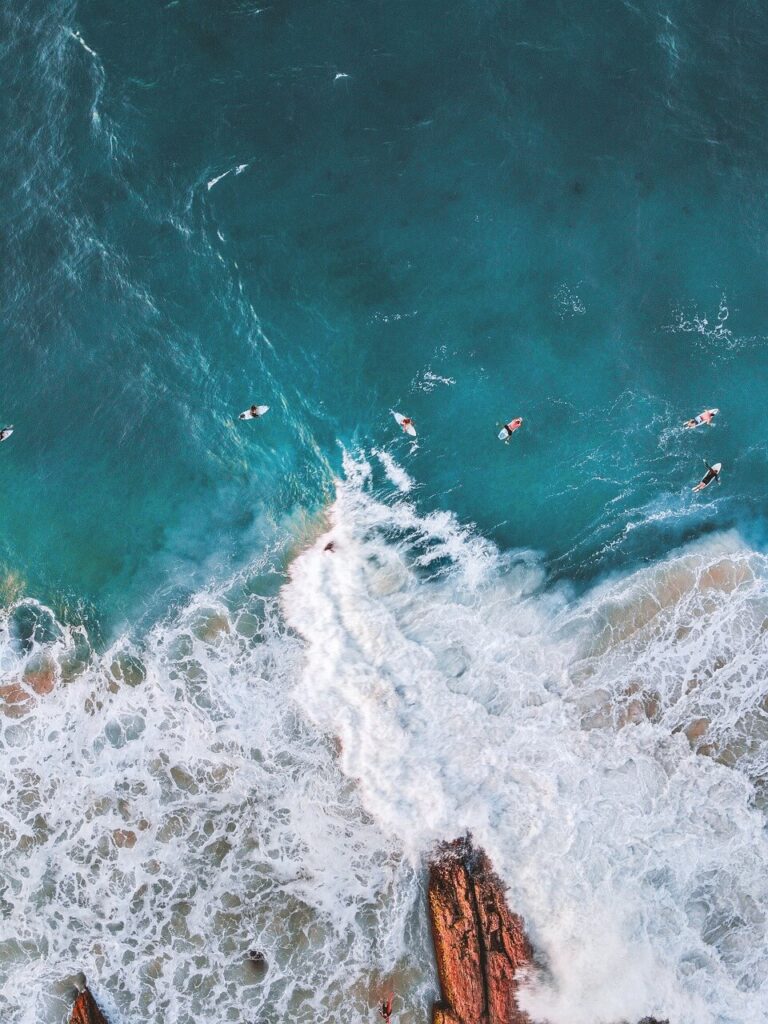
In reality, the impact of chemical sunscreens is far lower in open ocean environments, such as offshore surf breaks and deep-water dive sites.
But does that mean you shouldn’t make the switch to a reef-safe option? Not at all! Even small actions matter.
The chemicals in sunscreen wreak the most havoc in near-shore environments and shallow reef systems where water circulation is limited. Marine parks with high-volume tourism often bear the brunt of the issue, due to the sheer amount of sunscreen being used.
Opting for Smarter Sun Protection
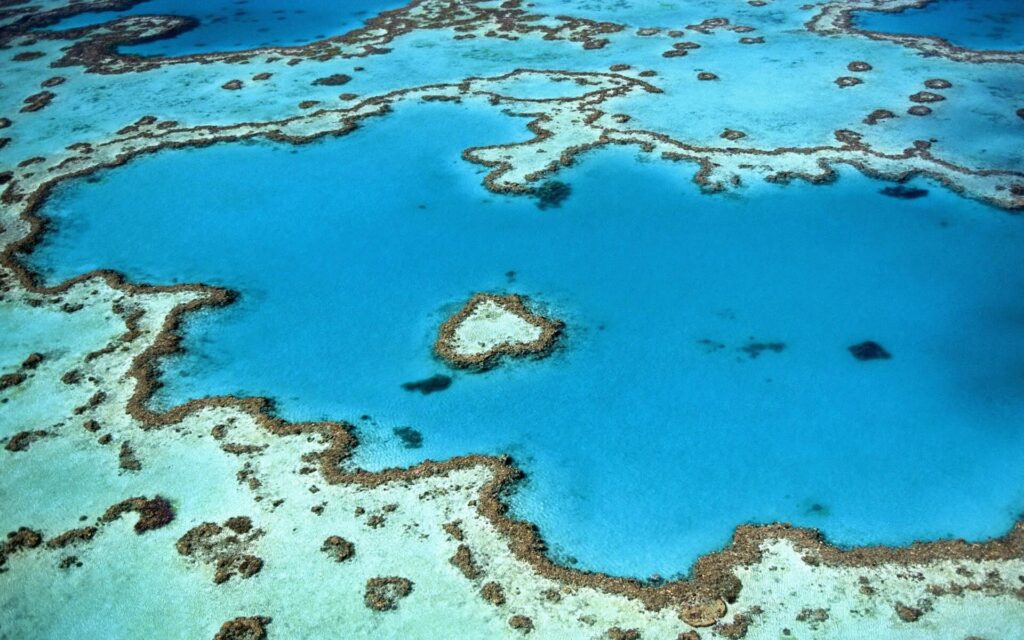
Rather than just switching to a reef-safe sunscreen and applying it in the same quantities, the most reef-friendly option is to use less sunscreen overall.
Instead of going out in the water with exposed skin, consider wearing a rash guard or a long-sleeve surf top and leggings. Always wear a hat when surfing and use reef-safe sunscreen on any exposed areas of skin, such as your face and hands.
For divers, plan your dives so you are spending as little time at the water’s surface as possible. And when you’re on a boat or at the beach, wear a hat and UV clothing, rather than lathering up again and again.
When sunscreen is necessary, look for mineral-based formulas and non-nano zinc oxide, as these smaller particles can be toxic in high concentrations. Also, consider products that come in reusable or recyclable containers, rather than single-use plastic packaging.
For more sustainable snorkelling tips, check out our detailed article here.
So, Does Reef-Safe Sunscreen Really Matter?
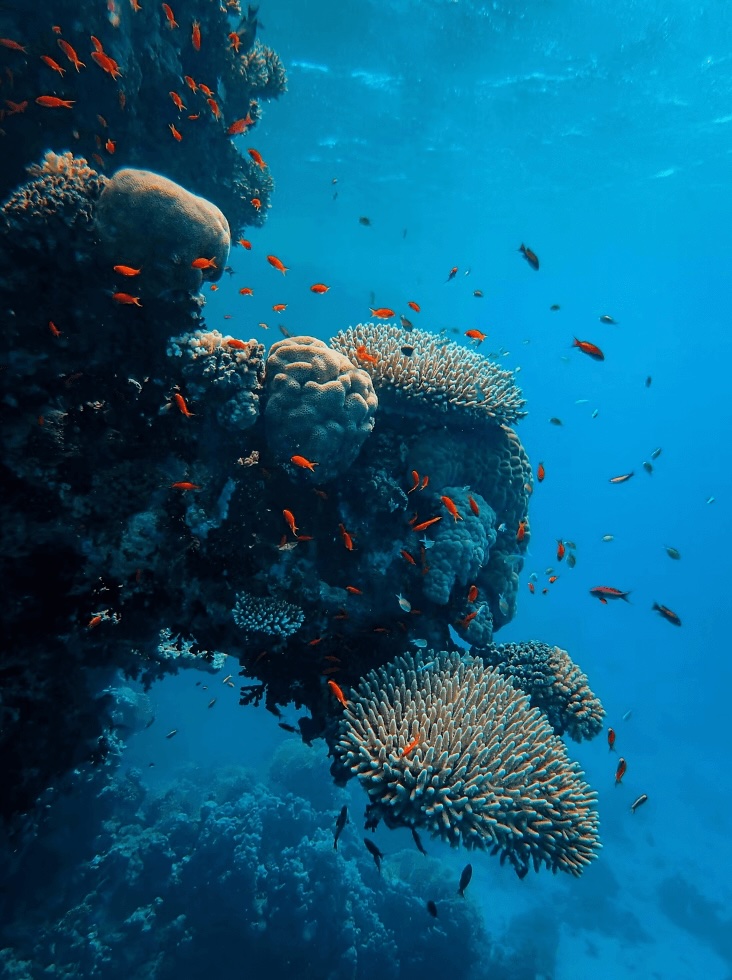
Yes! Choosing reef-safe sunscreen is a small, meaningful action that we can all take to reduce localised harm, especially in sensitive reef environments.
Granted, it won’t stop coral bleaching or climate change (which are the bigger issues). But it’s part of a broader ethic of responsible ocean use that we should all be embracing.
If you surf, dive or snorkel regularly, your cumulative impact does add up. And why cause damage when you can just as easily switch to a reef-safe sunscreen option?
Aside from sunscreen choices, think about ways you can reduce the amount of sunscreen you use out in the ocean. By making simple changes, you’ll be protecting your skin, the reef and the ocean we all love so much.
PLAN YOUR TRIP WITH OUR FAVOURITE RESOURCES:
Find hotels and resorts via Booking or Agoda
Book tours and experiences via Viator or GetYourGuide
Find a rental car via Discover Cars
Book flights via Kiwi or Booking
Search for buses and trains via 12Go or Omio
Get travel insurance via SafetyWing
Buy a digital eSIM with Airalo
By purchasing through our links, you’ll be supporting our website at no additional cost to you
-
The Blue Revolution: How Ocean Conservation Is Changing Travel
If you’re anything like us, the ocean is what fuels your travel adventures. Over the last 20+ years, we’ve flown across the globe to dive with manta rays, kayak above coral reefs and surf legendary waves. But there is an uncomfortable contradiction at the heart of ocean tourism: the healthier the marine environment, the more…
-
Climate Change in the Ocean: A Guide for Surfers + Divers
When we think about climate change, our attention naturally turns to what we can see on land or are experiencing first hand: rising temperatures, melting glaciers, wildfires and more intense weather events. Many of these are well-reported on the nightly news and it’s devastating to see intense wildfires ripping across landscapes and floods wreaking havoc…
-
Resort vs Liveaboard vs Homestay Diving in Raja Ampat: Choosing the Right Experience
Raja Ampat is one of my favourite diving destinations in Indonesia. In fact, that’s probably an understatement. Raja is one of my favourite places to dive anywhere in the world. The underwater experiences I’ve had here are nothing short of extraordinary…and that’s not taking into account the incredible above-water scenery. It really does feel like…
-
How Sunscreen Affects Coral Reefs + Marine Life
If you’re anything like us, applying sunscreen is second nature before heading out to surf or spending a day on a dive boat. In fact, our skin type means we need to apply sunscreen before we step outdoors…full stop! Since we were little, it’s been drummed into us that sunscreen protects our skin from harmful…
-
The Essential Scuba Diving Guide to Raja Ampat, Indonesia
Few places we’ve dived have captured our imagination quite like Raja Ampat. Our first visit was back in the early 2000s, staying at a homestay on a blissfully gorgeous beach, and our second in 2023 at the eco-friendly Papua Explorers Resort. Both are experiences that will stay with us forever and affirmed what so many…
-
Successful Marine Protected Areas You Can Visit Around the World
After almost two decades of scuba diving around the globe, we’ve come to the conclusion that marine protected areas (MPAs) are one of the most powerful tools we have for conserving ocean ecosystems. Essentially, they are like “national parks of the seas” – established to limit activities such as overfishing, habitat destruction and unsustainable development….



We are a team of passionate divers and surfers with decades of combined experience in the water and travelling to all corners of the globe.
After years of chasing waves and descending into the deep blue, we’ve created this resource to highlight sustainable surf camps, eco-dive resorts and conservation-focused ocean trips to help inspire your next adventure.
Eco Ocean Escapes was born out of a love of the ocean, an obsession with travel and a concern about the impacts of our adventures on the environments we explore.