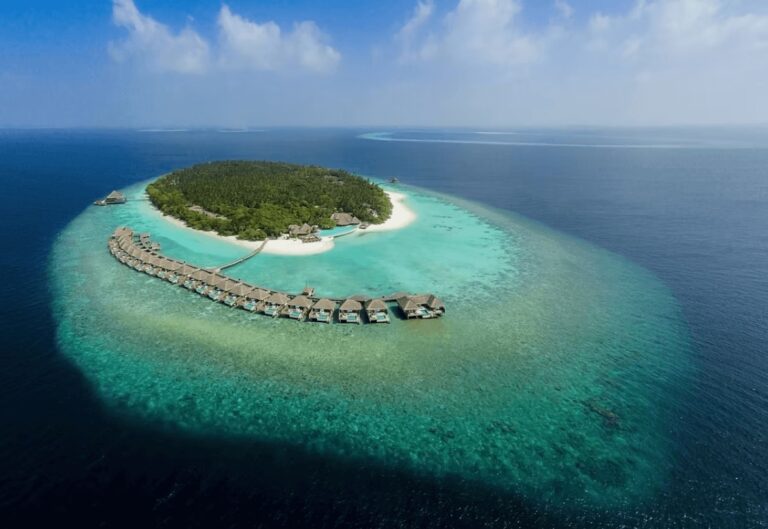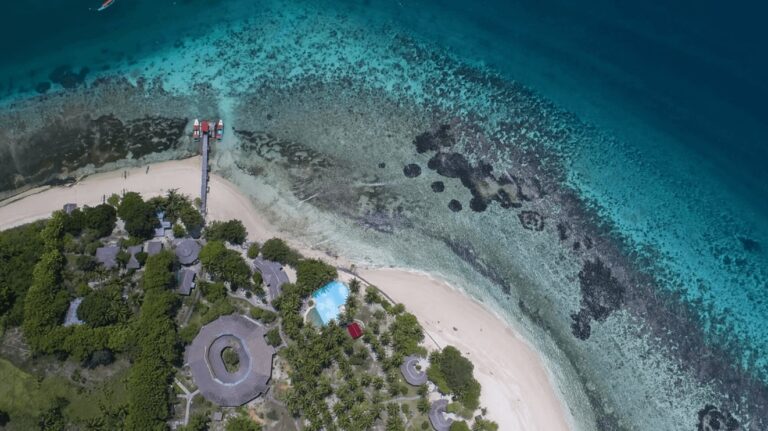
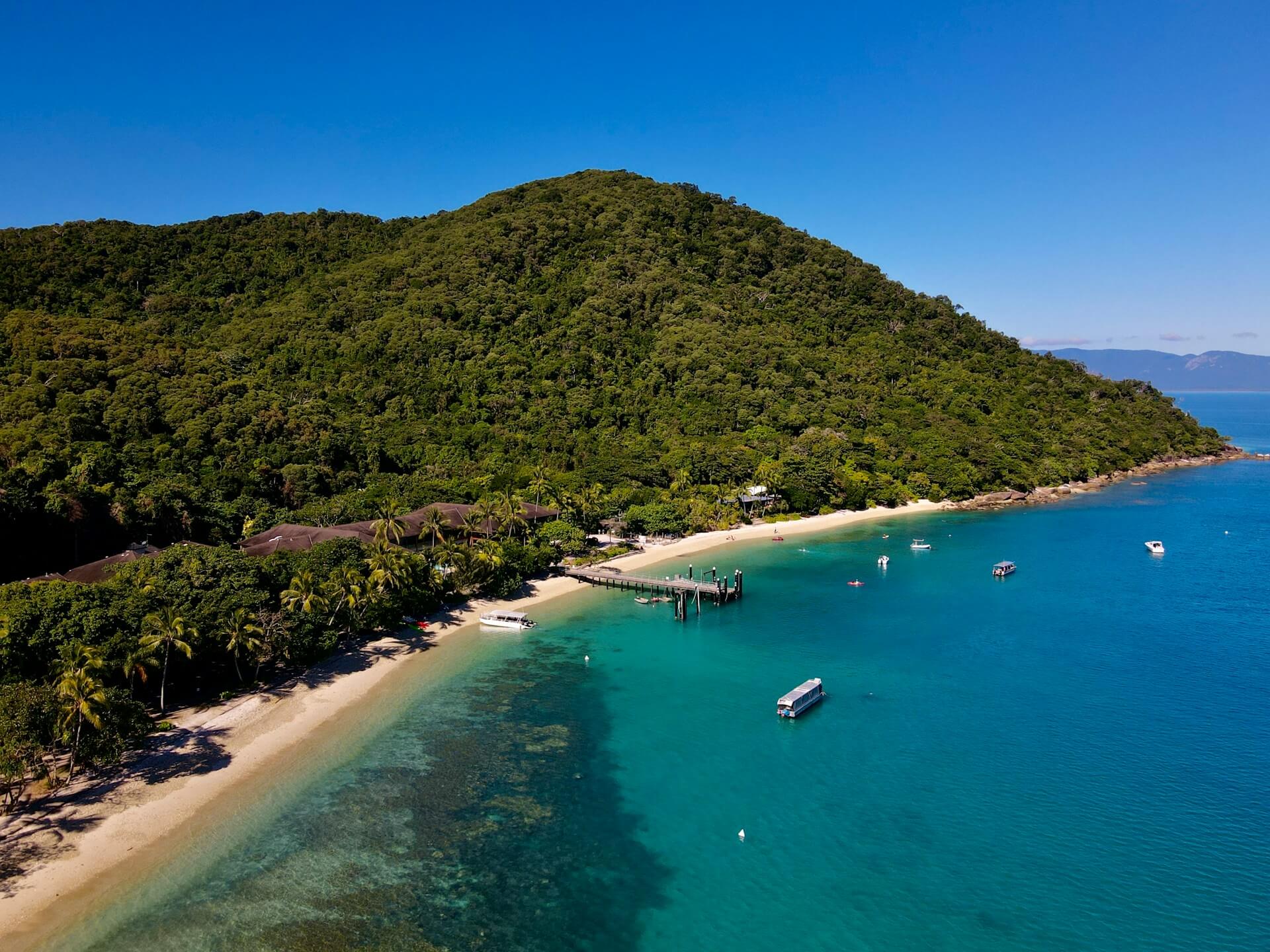
5 Sustainable Dive Destinations to Add to Your Scuba Bucket List
Scuba diving connects us deeply with the ocean. And in our experience, the more you do it, the harder it becomes to remain naive about the threats our underwater ecosystems face. Climate change, agricultural runoff and plastic pollution are just the tip of the iceberg!
But sometimes that threat is tourism itself – unregulated tourism that puts profits above all else.
Unfortunately, we’ve seen this the world over. A dive destination is “discovered”, heavy development follows and everyone wants a piece of the pie, no matter the cost. But it’s not always the case.
Around the globe, there are dive destinations proving that conservation, community empowerment and unforgettable underwater experiences can go hand-in-hand.
At the same time, many people in the dive community are seeking out experiences that prioritise the survival of the underwater ecosystems they love so much.
In this article, we’ll introduce 5 sustainable dive destinations that are leading the way in marine conservation, community engagement and eco-tourism initiatives. We’ll also highlight some of the things to look for if you want your next dive destination to be part of the solution.
This article may contain affiliate links, which means when you make a purchase through that link, we earn a small commission. Affiliate links come at no cost to you and ensure our content remains free!
1. Palau
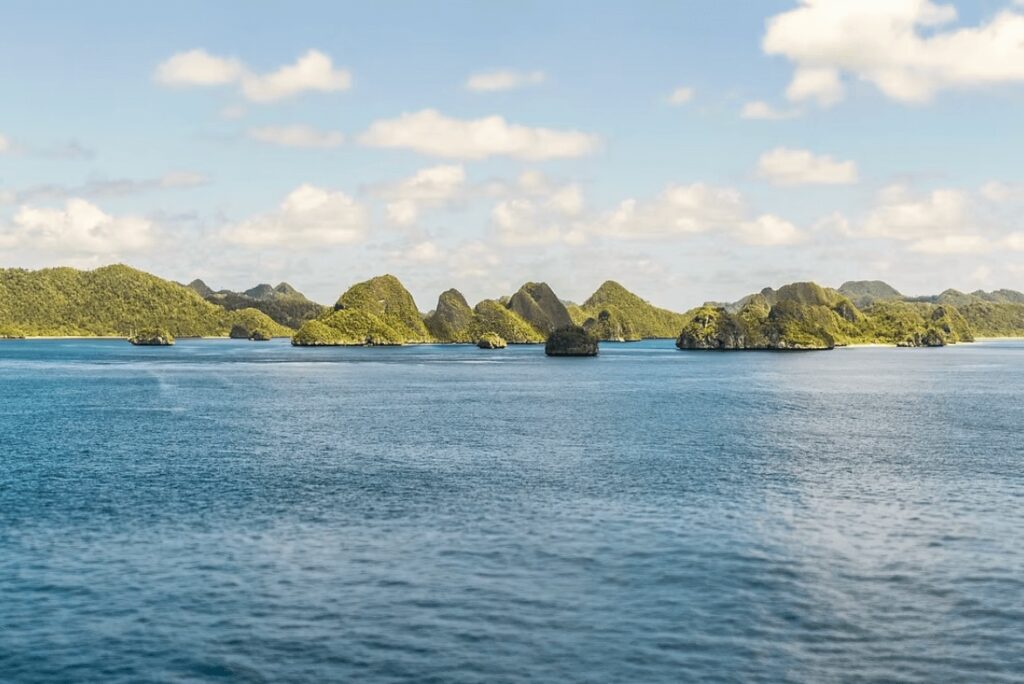
Located in the western Pacific Ocean, Palau is a far-flung island nation that has established a reputation as a global leader in marine conservation.
It was among the first countries to establish a shark sanctuary in 2009 (all shark fishing is banned within the nation’s Exclusive Economic Zone). Six years later, it implemented one of the world’s largest “no-take” marine protected areas.
When you arrive in the country, you are required to sign the “Palau Pledge”. This is a mandatory visa requirement and a promise that you will protect the nation’s environment and culture for future generations.
Diving in Palau means exploring healthy reef systems, dramatic walls and WWII wrecks, as well as encountering huge schools of spawning snapper and bumphead parrotfish.
In fact, Palau’s waters teem with sharks and pelagic species, and the country serves as an inspiring example of how effective conservation policies can safeguard biodiversity.
What makes Palau a sustainable dive destination:
- Extensive marine protected areas
- Community-driven conservation initiatives
- Eco-tourism policies that fund protection efforts
For more information about diving in Palau, check out our detailed scuba guide here.
2. Costa Rica
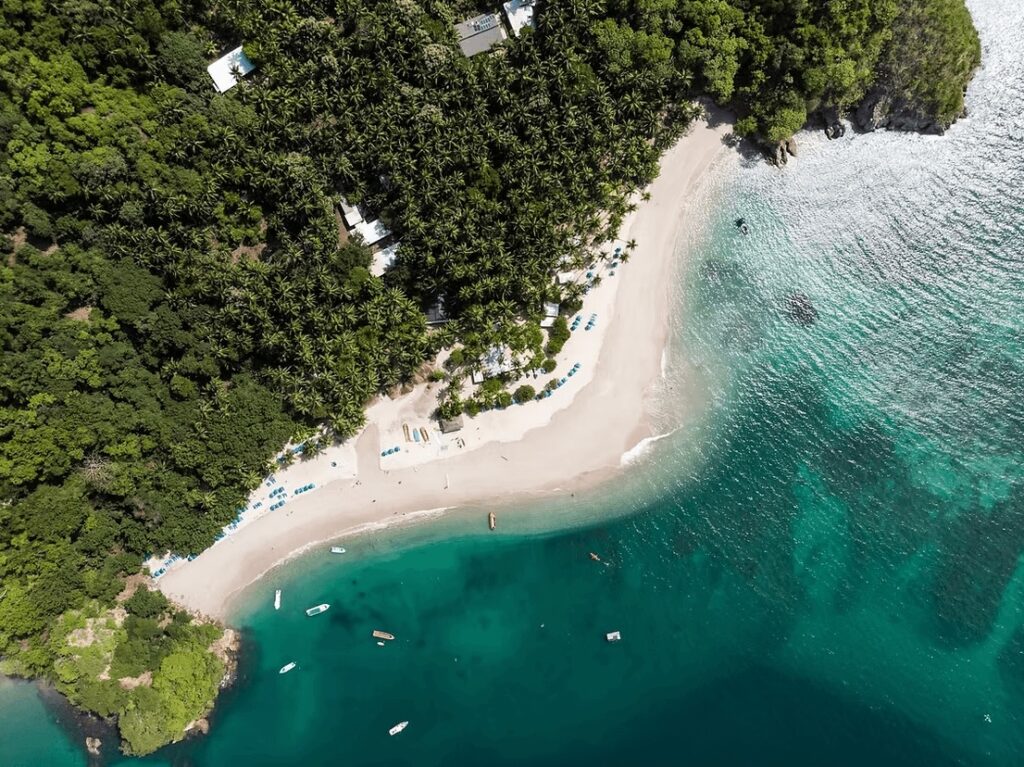
Costa Rica has long championed sustainability on land. More than 50% of the country is covered in forest and close to 100% of electricity is generated by renewable sources.
But it also has a reputation for ocean stewardship and has protected over 30% of its marine territory (including several no-take fishing zones).
Marine conservation in Costa Rica is not just government-led. On both the Pacific and Caribbean coasts, dive operators are doing their part, collaborating with research organisations to monitor reef health and rehabilitate coral.
Beyond minimising their own footprint (e.g., using mooring buoys instead of anchors), Costa Rican outfitters also do a great job of educating guests on responsible diving practices. In doing so, they help to nurture ocean advocates and spread awareness beyond their borders.
What makes Costa Rica a sustainable dive destination:
- Strong national commitment to environmental protection
- Emphasis on low-impact, sustainable tourism
- Dive operators that contribute to reef monitoring
Discover some of the best places for scuba diving in Costa Rica or check out these marine parks to add to your itinerary.
3. Raja Ampat, Indonesia
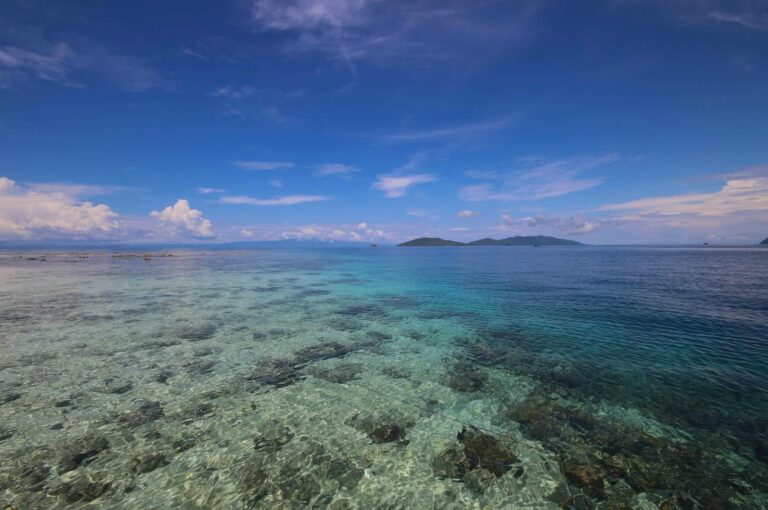
In the heart of the Coral Triangle (the world’s most biodiverse marine region), Raja Ampat is a standout dive destination.
We’ve spoken to sooooo many divers who say something along the lines of: “Once you dive in Raja Ampat, nowhere else will be as impressive.” And having dived here multiple times, we’d have to agree.
This Indonesian archipelago boasts some of the richest coral and fish diversity anywhere on Earth. In fact, Raja Ampat’s waters are home to 75% of all known coral species, more than 1,500 different fish species and at least 700 molluscs.
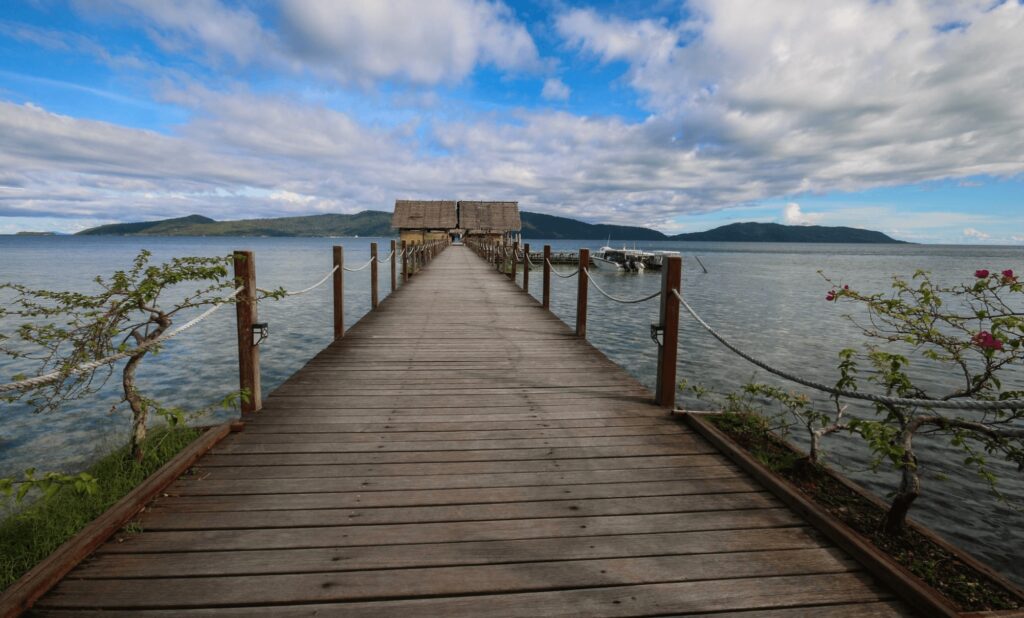
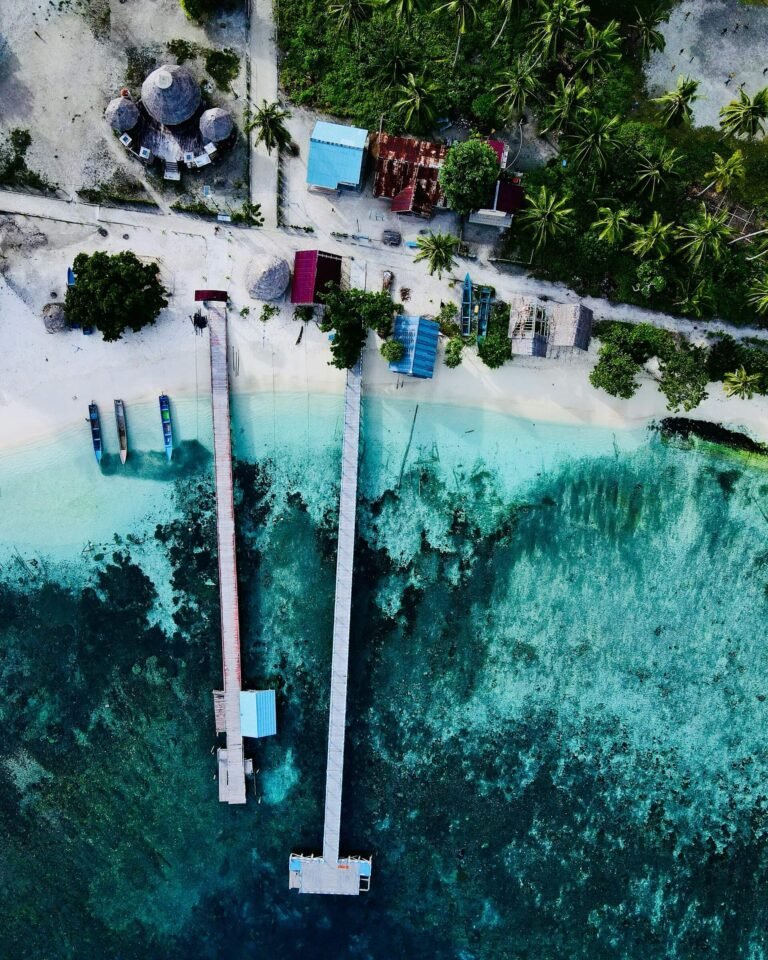
Local communities, recognising the value of their reefs, are spearheading marine conservation programs. Many have established low-impact homestays throughout the islands, together with genuinely eco-friendly dive resorts.
Sustainable tourism fees help fund patrols and protect traditional fishing grounds, ensuring that diving benefits both the environment and local livelihoods.
And research projects are underway to identify coral species that are resistant to rising sea temperatures in the face of climate change.
What makes Raja Ampat a sustainable dive destination:
- Community-managed marine conservation areas
- Fees that fund reef protection and patrols
- Eco-friendly homestays and dive resorts
Planning a dive trip to Raja Ampat? Check out these sustainable homestays or our comprehensive review of Papua Explorers Dive Resort.
4. The Azores, Portugal
The Azores are a volcanic string of islands in the mid-Atlantic known for dramatic underwater topography, nutrient-rich waters and seasonal visits from whales and dolphins. It’s also the first archipelago in the world to be certified by EarthCheck as a “Sustainable Tourism Destination”.
Why? The Azores have focused heavily on harnessing renewable energy and promoting eco-friendly tourism initiatives, as well as protecting their natural landscapes.
For example, around 30% of the surrounding waters are protected within what is the largest Marine Protected Area network in the North Atlantic Ocean.
MPAs in the Azores limit boat traffic and fishing in key zones, while protecting the migratory routes of wide-ranging megafauna.
Azores tourism operators focus on non-intrusive encounters with marine life. There are strict rules in place that prohibit chasing, feeding or disturbing marine life, and operators must maintain a respectful distance.
What makes the Azores a sustainable dive destination:
- Broad marine protection regulations
- Responsible wildlife encounter codes
- Scientific monitoring partnerships
Discover everything you need to know about diving in the Azores in our detailed scuba guide.

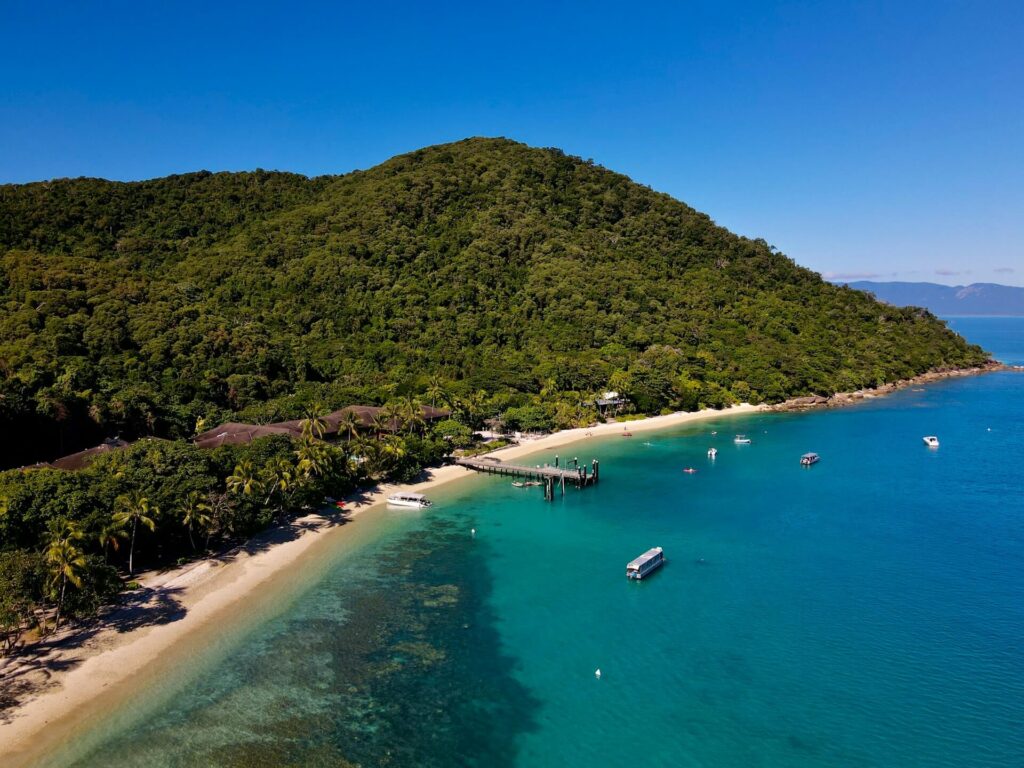
5. Great Barrier Reef, Australia
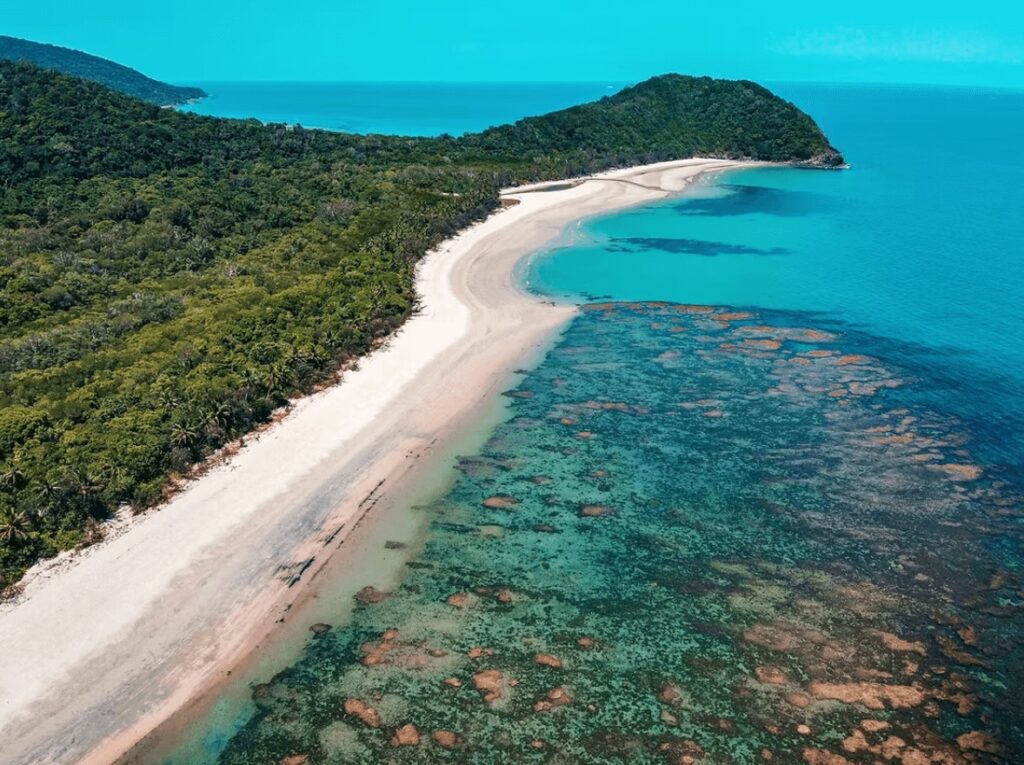
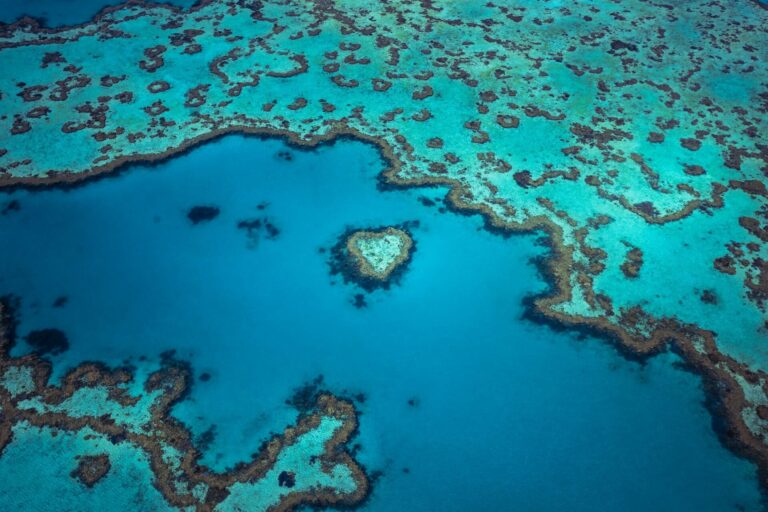
The Great Barrier Reef is iconic. It’s the largest coral reef system in the world and visible from space, and it has been designated as a UNESCO World Heritage Site for its biodiversity.
But in recent years, it has come under serious threat from coral bleaching (due to warming oceans), agricultural run-off and outbreaks of crown-of-thorns starfish.
In response, a whole host of innovative conservation and restoration efforts are underway, often with support from eco-minded dive operators. Many contribute to coral planting, water quality improvement programs and citizen science initiatives.
When diving on the Great Barrier Reef, you can participate in reef health surveys, helping scientists track recovery and resilience in real time. Additionally, all tourists are required to pay a daily fee to the Reef Authority, which supports monitoring and ecosystem protection.
What makes the Great Barrier Reef a sustainable dive destination:
- Large-scale reef restoration and research projects
- Dive experiences that support scientific work
- Tourist contributions to conservation funding
Want to learn more? Discover 10 incredible ways to tour the Great Barrier Reef and how Indigenous knowledge is being harnessed to protect these waters.
What Makes a Dive Destination Sustainable?
All of the places above share a few things in common, which we believe are integral to their classification as “sustainable dive destinations”. Not all execute them in the same way. But they serve as a blueprint for other dive destinations wanting to up their game.
Protection Over Exploitation
The most sustainable dive destinations enforce strong marine protected areas, limit extractive activities and prioritise long-term ecological health over short-term profits.
Local Community Leadership
Dive destinations thrive when local people are stewards of their waters and able to preserve their cultural connections to the sea. In responsibly managed dive destinations, local communities are involved in establishing rules and benefit economically from tourism initiatives.
Visitor Education
In sustainable dive destinations, operators see it as their duty to educate guests about reef conservation, wildlife etiquette and ways to reduce their footprint. They encourage diving practices that minimise damage to underwater ecosystems, such as maintaining good buoyancy.
Scientific Collaboration
Partnerships between tourism operators and scientific researchers are alive and well in most sustainable dive destinations. This includes everything from reef monitoring to wildlife tracking, ensuring that tourism directly contributes to conservation outcomes.
Diving With Purpose
If you’re anything like us, you want to come away from your dive adventures with more than just incredible memories and stunning photos. You want to know that your trip is helping to protect marine life and underwater ecosystems, rather than contributing to their exploitation.
By choosing destinations that prioritise sustainability and support local communities, you’ll be playing a role in safeguarding marine ecosystems for the future.
Whether you’re witnessing mass spawning sessions in Palau, planting coral on the Great Barrier Reef or encountering sperm whales in the Azores, opting for a sustainable dive destination can deliver unforgettable adventures with a positive impact.

PLAN YOUR TRIP WITH OUR FAVOURITE RESOURCES:
Find hotels and resorts via Booking or Agoda
Book tours and experiences via Viator or GetYourGuide
Find a rental car via Discover Cars
Book flights via Kiwi or Booking
Search for buses and trains via 12Go or Omio
Get travel insurance via SafetyWing
Buy a digital eSIM with Airalo
By purchasing through our links, you’ll be supporting our website at no additional cost to you


We are a team of passionate divers and surfers with decades of combined experience in the water and travelling to all corners of the globe.
After years of chasing waves and descending into the deep blue, we’ve created this resource to highlight sustainable surf camps, eco-dive resorts and conservation-focused ocean trips to help inspire your next adventure.
Eco Ocean Escapes was born out of a love of the ocean, an obsession with travel and a concern about the impacts of our adventures on the environments we explore.