
Mercury Pollution in the Ocean and its Impacts on Marine Life
Mercury pollution in the ocean poses a serious threat to marine life and human health. How does it end up in our waterways and what is being done to address this serious marine conservation issue?
You could be forgiven for not knowing much (or anything) about mercury pollution and how it’s impacting our oceans. We certainly didn’t until quite recently. But that’s why we thought it was such an important issue to discuss with this community of divers and surfers.
Mercury is a toxic heavy metal that moves continuously through the atmosphere, water and soil in different chemical forms. Once it enters the environment, however, it doesn’t stay in one place.
So mercury that’s released in one region can travel across the globe, eventually affecting ecosystems and communities thousands of kilometres away.
One of the most concerning places this ends up is the ocean….and we’re not just saying that because we’re ocean lovers. The sea acts kind of like a reservoir, gradually accumulating mercury over time and storing significant amounts of this pollutant within its waters.
Current models estimate that human activity has introduced anywhere between 42,000 and 80,000 metric tons of mercury into the oceans. Around two-thirds of it is concentrated in the upper layers where many commercially important fish species live.
Here, the concentration of mercury has tripled since the Industrial Revolution. So it’s not a small issue!
Once in the ocean, mercury can transform into methylmercury and move up the food chain through a process called bioaccumulation. As it builds up in larger fish, it eventually reaches humans who consume seafood. It probably won’t surprise you to learn it can pose serious risks to their health.
Because the ocean supplies roughly two-thirds of the world’s fish, understanding and managing mercury pollution isn’t just an environmental issue. What happens in the ocean directly affects what ends up on our plates.
In this article, we’ll explore where oceanic mercury pollution comes from, how it impacts marine life and human health, and what’s being done to reduce its spread. We’ll also look at emerging technologies and global efforts aimed at limiting mercury entering our oceans and helping clean up what’s already there.
For more insights into marine conservation issues, check out our collection of articles here. They focus on everything from ocean acidification and microplastics to coral bleaching and the Great Pacific Garbage Patch.
Sources of Mercury Pollution
Mercury enters the environment through both natural processes and human activity. But it’s important to note that the balance between the two has shifted dramatically over the last century.
While it does occur naturally in the Earth’s crust and can be released during volcanic eruptions or through the slow weathering of rocks and minerals, these background levels are now essential dwarfed by what humans have added to the system.
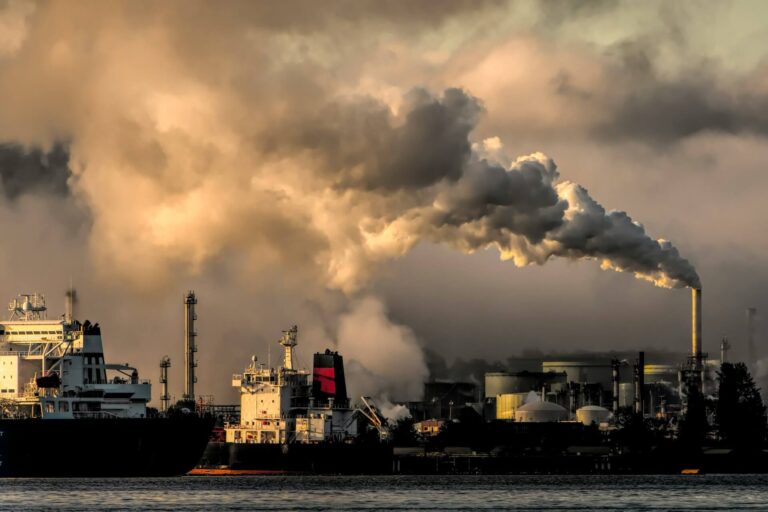
Industrial processes like small-scale gold mining, burning fossil fuels and producing metals such as copper and zinc all release mercury that was previously locked away underground.
On top of that, emissions from manufacturing, waste sites and even older consumer products continue to leak mercury into the environment over time. There are a lot of different sources involved.
As mentioned above, mercury doesn’t stay local for long once it has been released. It can travel through the atmosphere and eventually settle into the ocean through a process called atmospheric deposition.
Rivers, estuaries and hydrothermal activity also act as delivery pathways, channelling mercury into the ocean.
In some cases, even sunken objects are contributing to long-term contamination. One of the most famous is the German submarine U-864, which carried around 67 tons of mercury when it sank in 1945.
How Mercury Impacts Marine Life
If you care about the ocean and marine life (like we do), this is where things get especially concerning.
As explained above, once mercury enters marine systems, it can be transformed into methylmercury. This is a far more toxic form that is easily absorbed by living organisms.
Once absorbed, it begins a journey through the food chain: plankton absorb contaminated particles, which are then eaten by small fish. Those fish are consumed by larger predators, and so on.
With each step up the food chain, mercury becomes more concentrated in a process known as biomagnification.
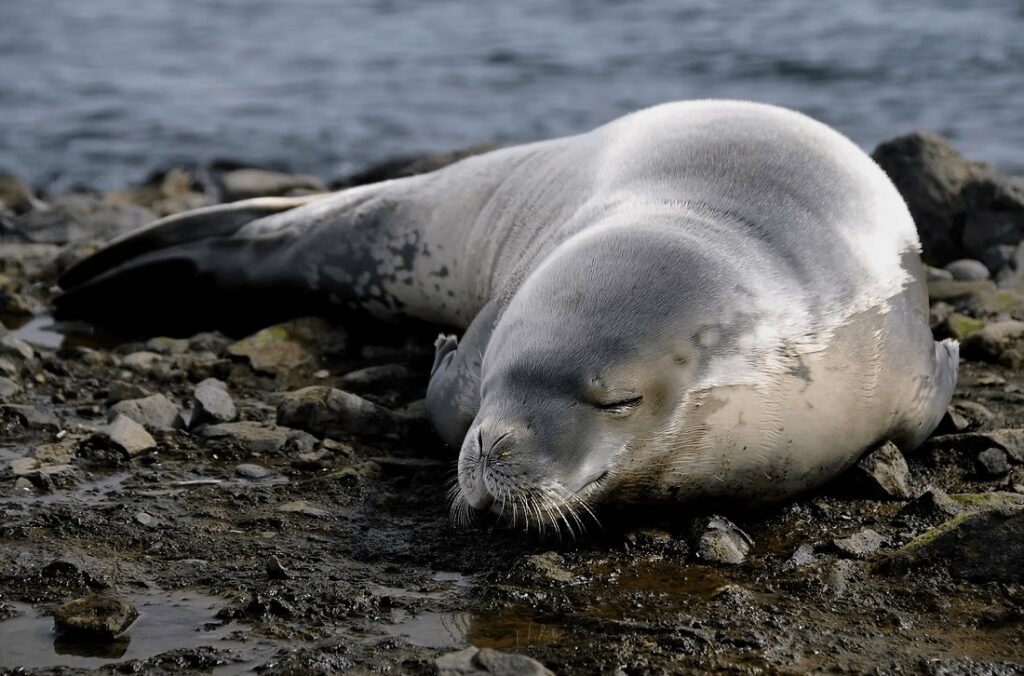
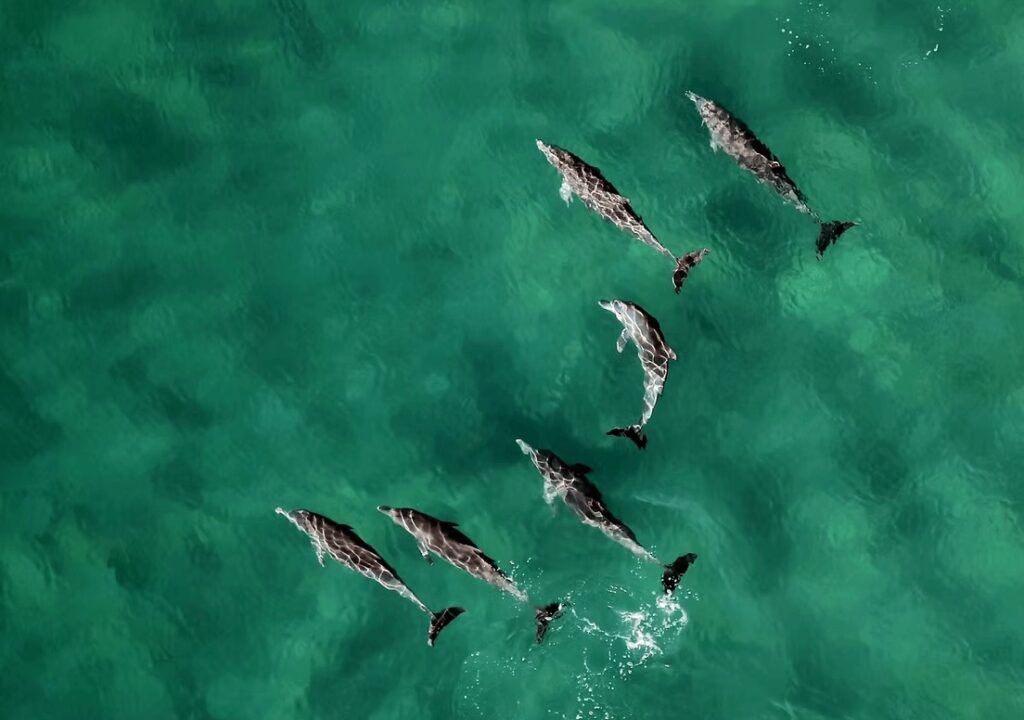
By the time it reaches top predators like dolphins, whales and seals, levels can become dangerously high. In response, these animals can suffer from serious health impacts, including reproductive issues, neurological damage and behavioural changes. In some cases, it leads to death.
Large predatory fish such as tuna and swordfish are also particularly vulnerable. Mercury exposure in these species has been linked to impaired growth, developmental issues and reduced reproductive success.
As you can imagine, this has a knock-on effect for fishing industries and the health of humans who are consuming seafood.
Impacts on Human Health
We’d like to say that what happens in the ocean regarding mercury pollution stays in the ocean. But it doesn’t.
Because seafood is a major protein source for billions of people, mercury (unavoidably) makes its way into human diets.
Once consumed, methylmercury can affect the nervous system and cause a range of serious health issues. These include loss of vision, muscle weakness, hearing and speech difficulties, impaired coordination and cardiovascular problems.
As we understand it, the risks are especially significant for pregnant women, infants and young children. During early development, the brain is highly sensitive to toxins and exposure to mercury can interfere with cognitive development, memory, language skills and fine motor function.
One of the most well-documented tragedies linked to mercury exposure is Minamata disease in Japan. It may have been well before your time (it was before ours), but in the 1950s, industrial contamination in Minamata Bay led to widespread poisoning.
What happened as a result? Adults experienced severe neurological symptoms, while children exposed in the womb faced developmental damage, including cerebral palsy and profound cognitive impairment.
Cleaning Up and Preventing Mercury Pollution
We’d like to say there’s a single-bullet solution to mercury pollution. But there isn’t. It requires a comprehensive response and action at every level, from global industry to individual behaviour.
On a large scale, reducing reliance on fossil fuels is critical (we’ve all heard that before!), along with tighter regulation of industrial emissions and better management of waste.
Small-scale gold mining remains one of the most significant sources of mercury release. So improving practices in this sector could make a significant difference.
What excites us most is the innovative solutions playing a role in cleanup efforts. And one involves those corals we all love so much!
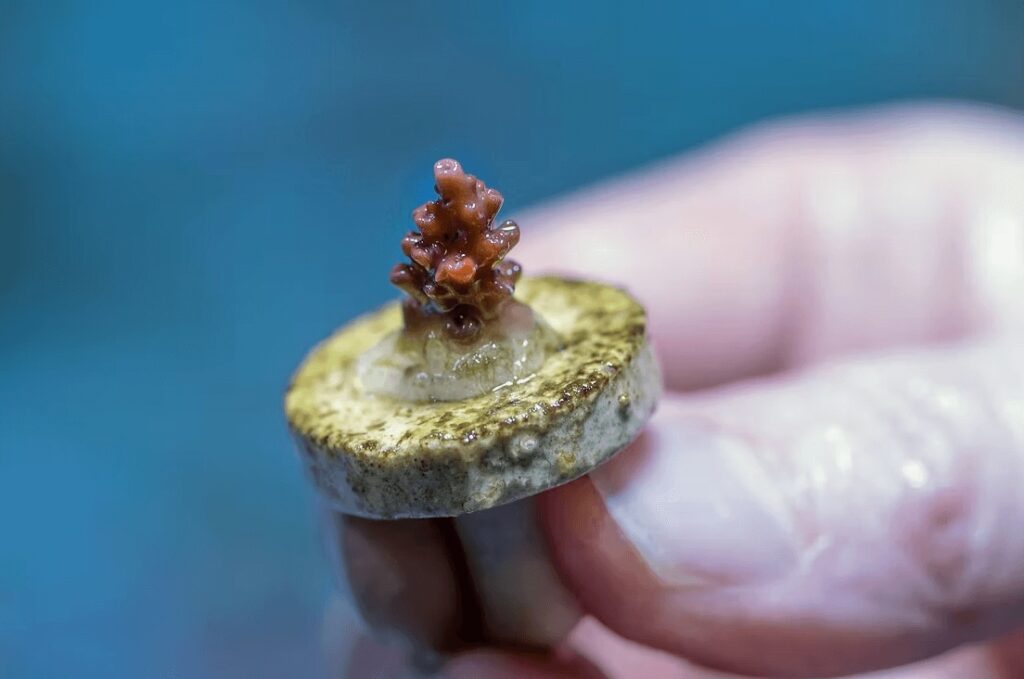
It has long been known that coral reefs have the capacity to sequester heavy metal ions. This is a phenomenon that scientists have sought to replicate and harness through cutting-edge nanotechnology.
By synthesising “synthetic corals” at the nanoscale, researchers developed a means of extracting and removing mercury from contaminated water bodies, such as oceans and rivers.
But at the end of the day, prevention still matters most.
Everyday choices play a role in reducing demand and limiting exposure to mercury. We’re talking about the proper disposal of mercury-containing items, switching to mercury-free products where possible and supporting cleaner technologies.
These are all things we can do as individuals to contribute to lowering overall emissions.
Ultimately, mercury pollution is a global issue with no borders. What enters the atmosphere in one place can end up in oceans and food systems across the world.
That makes international cooperation, strong regulation and individual action essential. Ultimately, it’s the only way we’ll protect both marine ecosystems and human health.
PLAN YOUR TRIP WITH OUR FAVOURITE RESOURCES:
Find hotels and resorts via Booking or Agoda
Book tours and experiences via Viator or GetYourGuide
Find a rental car via Discover Cars
Book flights via Kiwi or Booking
Search for buses and trains via 12Go or Omio
Get travel insurance via SafetyWing
Buy a digital eSIM with Airalo
By purchasing through our links, you’ll be supporting our website at no additional cost to you
-
The Blue Revolution: How Ocean Conservation Is Changing Travel
If you’re anything like us, the ocean is what fuels your travel adventures. Over the last 20+ years, we’ve flown across the globe to dive with manta rays, kayak above coral reefs and surf legendary waves. But there is an uncomfortable contradiction at the heart of ocean tourism: the healthier the marine environment, the more…
-
Climate Change in the Ocean: A Guide for Surfers + Divers
When we think about climate change, our attention naturally turns to what we can see on land or are experiencing first hand: rising temperatures, melting glaciers, wildfires and more intense weather events. Many of these are well-reported on the nightly news and it’s devastating to see intense wildfires ripping across landscapes and floods wreaking havoc…
-
Resort vs Liveaboard vs Homestay Diving in Raja Ampat: Choosing the Right Experience
Raja Ampat is one of my favourite diving destinations in Indonesia. In fact, that’s probably an understatement. Raja is one of my favourite places to dive anywhere in the world. The underwater experiences I’ve had here are nothing short of extraordinary…and that’s not taking into account the incredible above-water scenery. It really does feel like…
-
How Sunscreen Affects Coral Reefs + Marine Life
If you’re anything like us, applying sunscreen is second nature before heading out to surf or spending a day on a dive boat. In fact, our skin type means we need to apply sunscreen before we step outdoors…full stop! Since we were little, it’s been drummed into us that sunscreen protects our skin from harmful…
-
The Essential Scuba Diving Guide to Raja Ampat, Indonesia
Few places we’ve dived have captured our imagination quite like Raja Ampat. Our first visit was back in the early 2000s, staying at a homestay on a blissfully gorgeous beach, and our second in 2023 at the eco-friendly Papua Explorers Resort. Both are experiences that will stay with us forever and affirmed what so many…
-
Successful Marine Protected Areas You Can Visit Around the World
After almost two decades of scuba diving around the globe, we’ve come to the conclusion that marine protected areas (MPAs) are one of the most powerful tools we have for conserving ocean ecosystems. Essentially, they are like “national parks of the seas” – established to limit activities such as overfishing, habitat destruction and unsustainable development….
We are a team of passionate divers and surfers with decades of combined experience in the water and travelling to all corners of the globe.
After years of chasing waves and descending into the deep blue, we’ve created this resource to highlight sustainable surf camps, eco-dive resorts and conservation-focused ocean trips to help inspire your next adventure.
Eco Ocean Escapes was born out of a love of the ocean, an obsession with travel and a concern about the impacts of our adventures on the environments we explore.