Inspiring Citizen Science Projects for Surfers + How to Get Involved
As surfers, we are intimately connected to the ocean – its rhythms, its wildlife and its health.
Because of this relationship, many of us are looking for meaningful ways to protect the marine environments we love. One of the simplest and most impactful ways we can do this is by joining citizen science projects.
These initiatives allow everyday ocean users – surfers, divers, swimmers, paddlers -to help collect data, monitor ecosystems, document wildlife and support scientific research.
Trust us when we say you don’t need a science degree. You only need your curiosity and observation skills…and maybe some willingness!
In this guide, we’ll share some of the most inspiring citizen science projects for surfers and how you can get involved.
For more conservation inspiration, discover 10 sustainable surf organisations to follow and support.
This article may contain affiliate links, which means when you make a purchase through that link, we earn a small commission. Affiliate links come at no cost to you and ensure our content remains free!
Why citizen science matters for surfers
Surfers are perfectly positioned to help scientists because we are:
- frequently in the water and along the coast
- familiar with local reefs, rips and coastal ecosystems
- able to spot changes in water quality or wildlife health
- spread across remote and urban coastlines
- usually willing to contribute to ocean protection
As a citizen science surfer, your observations can help track coastal erosion, coral bleaching, plastic pollution and species distribution. This is data that scientists often don’t have the capacity to collect themselves.
Top citizen science projects surfers can join
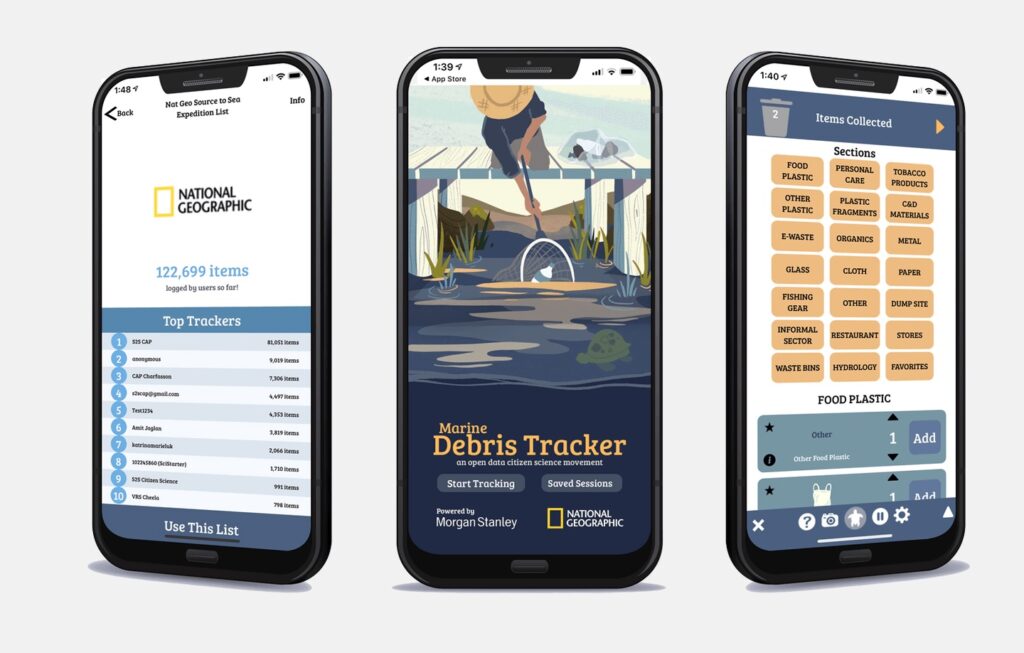
1. Marine Debris Tracker
Best for: Surfers anywhere in the world
What you do:
- Log plastic pollution you find on beaches
- Document location, type and quantity of debris
Why it matters: Builds global datasets for plastic pollution research and policy.
To learn more about the issue of plastic waste in our oceans, check out our Great Pacific Garbage Patch explainer.
2. iNaturalist – coastal & marine wildlife logging
Best for: Anyone who routinely observes wildlife, both in and out of the water
What you do:
- Photograph marine species
- Upload observations via the app
- Help scientists identify changing wildlife patterns
Why it matters: Helps map the distribution of species, invasive organisms and seasonal changes.
3. Happywhale – whale identifications
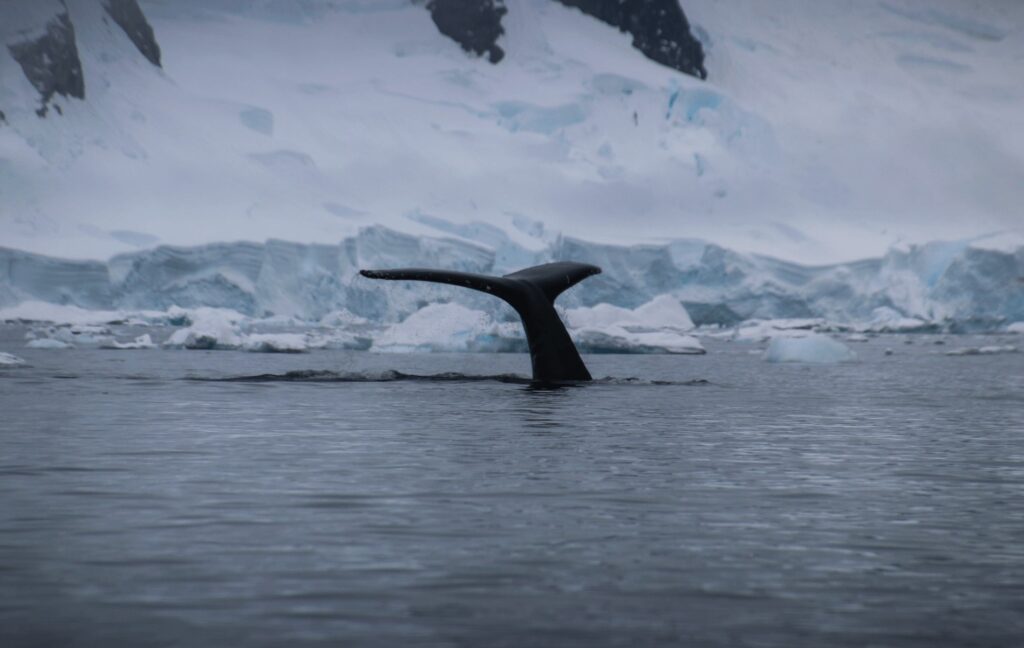
Best for: Surfers who spot whales (especially in migration season)
What you do:
- Upload photos of whale tails or sightings
- Assist with matching individuals to global catalogues
Why it matters: Tracks migration routes and population health of whales.
4. Reef Life Survey
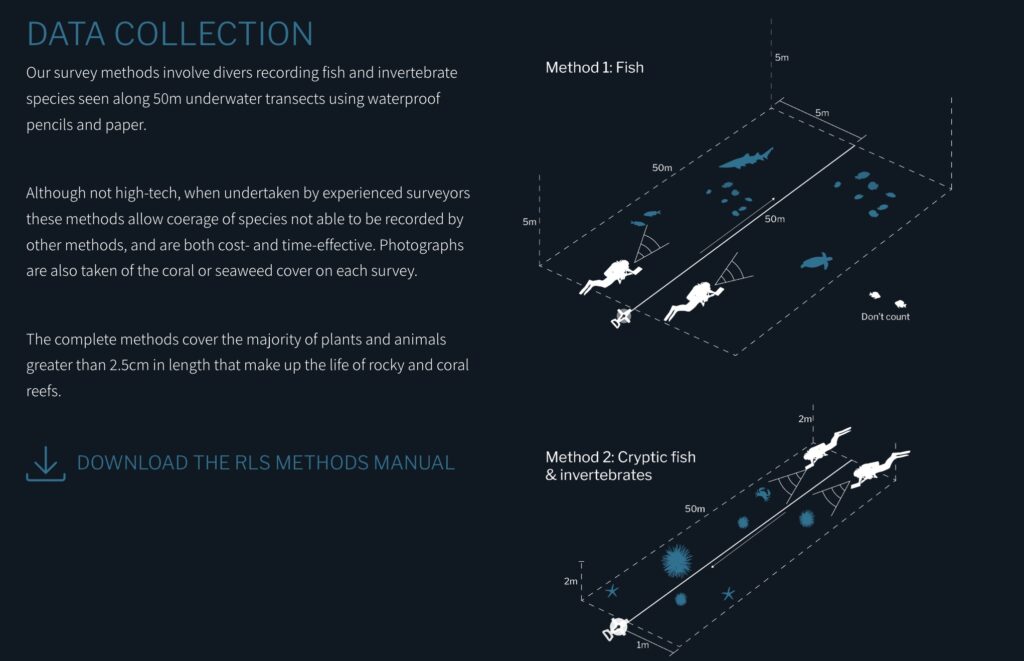
Best for: Surfers who also snorkel or dive
What you do:
- Participate in training
- Conduct underwater biodiversity surveys
Why it matters: Provides high-quality data used in global marine conservation assessments.
5. CoastSnap – beach erosion tracking
Best for: Anyone with a smartphone
What you do:
- Take shoreline photos at designated stations
- Track coastal change through time
Why it matters: Helps scientists understand the impact of climate change on beaches.
You can learn more about climate change and ocean acidification in our detailed explainer.
6. The Big Microplastic Survey
Best for: Surfers who frequent beaches, riverbanks and lakes
What you do:
- Collect sand samples
- Sieve for microplastics
- Submit data online
Why it matters: Builds a global map of microplastic contamination.
For more info about microplastics and how they are devastating our oceans, check out our detailed article here.
7. Surfbreak Protection Society (SPS) – surf ecosystem monitoring
Best for: Surfers in New Zealand
What you do:
- Report changes in wave quality, sediment flow and coastal development
- Participate in monitoring surf breaks of national significance
Why it matters: Protects surf ecosystems under national law and influences coastal management decisions.
For more info about ethical surfing and respecting local communities, check out our detailed article here.
8. Surfrider Foundation – Blue Water Task Force
Best for: Surfers in the U.S. (and some international chapters – Australians head here)
What you do:
- Collect water samples
- Help track bacteria levels
- Submit surf zone health data
Why it matters: Helps communities know when water is safe to swim or surf.
How to join these projects
Joining most citizen science programs is simple. Here’s the process:
1. Choose a project based on your surfing habits
- Surf daily? Try Surfrider’s weekly water sampling.
- Love nature? Log wildlife on iNaturalist.
- Surf remote beaches? Collect debris data.
2. Download the app or join the local chapter
Most projects have:
- an app
- an online submission portal
- volunteer teams
- scheduled cleanups or sampling sessions
3. Learn the basic protocol
Clear instructions mean your data is scientifically valid. Usually, you just need to watch a short tutorial or download a resource pack that has all the info you need.
4. Make it a habit
You can contribute:
- every time you surf
- once a week
- during monthly meetups
- whenever you travel
5. Share results & inspire other surfers
More surfers = more data = stronger conservation action.
Benefits of citizen science for surfers
1. Deepens your connection with the ocean
When you stop to observe what’s going on around you, you’ll start noticing patterns in wildlife, tides and coastal change. Over time, this will deepen your connection to ocean ecosystems and increase your resolve to be part of the solution.
2. Helps protect your home break
Data can influence:
- pollution control
- development decisions
- marine protected areas (MPAs)
- habitat restoration
Essentially, it can impact the long-term health, viability and existence of your home break. If developers swoop in, data collected by citizen scientists can play an important role in protecting coastal ecosystems.
3. Builds community
When you participate in monthly meetups or online communities dedicated to ocean conservation, you’ll inevitably meet like-minded surfers and ocean lovers. It’s a fantastic way to expand your community and be inspired by others who are taking steps to preserve our natural environment.
4. Creates a sense of purpose
If you’re regularly surfing a local break, it can be easy to get caught up in superficial disagreements about dropping in and right-of-way.
But when you distract yourself with citizen science initiatives, your surf sessions become more meaningful. It’s a great way to keep things in perspective and remind yourself of what’s really important.
Tips for surfers starting out in citizen science
- Take time to understand the protocols to ensure your data is valid.
- Always follow safety rules – never sample in dangerous conditions.
- Carry a small waterproof pouch for your phone or notes.
- Use surf trips to gather new data in remote locations.
- Take clear photos if you’re contributing to species identification.
- Be consistent – monthly or weekly observations work best.
- Tag local conservation groups to share trends.
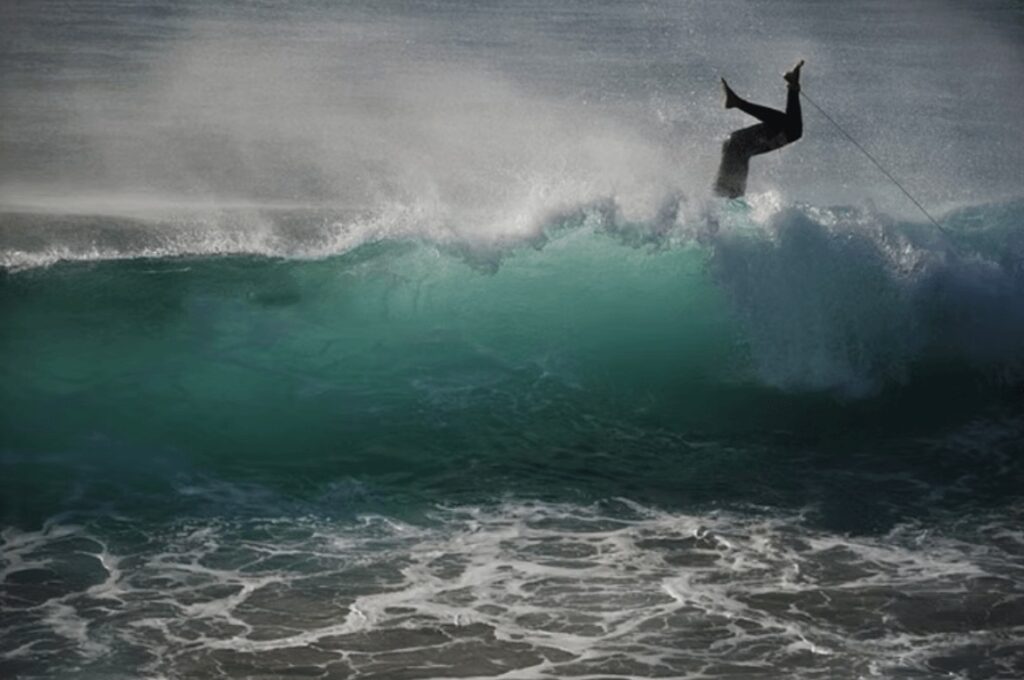
Your surf sessions can help protect our oceans
Citizen science gives us, as surfers, a powerful way to support the health of the coastlines we love. You don’t need special equipment or expertise – just your phone, curiosity and observation skills.
Whether you track beach erosion, document migratory wildlife or monitor water quality, your efforts can directly contribute to real scientific research. Plus, it’s another great reason to get out in the water as much as you possibly can!
Want to reduce your carbon footprint on your next surf trip? Discover everything you need to know about offsetting surf travel.
PLAN YOUR TRIP WITH OUR FAVOURITE RESOURCES:
Find hotels and resorts via Booking or Agoda
Book tours and experiences via Viator or GetYourGuide
Find a rental car via Discover Cars
Book flights via Kiwi or Booking
Search for buses and trains via 12Go or Omio
Get travel insurance via SafetyWing
Buy a digital eSIM with Airalo
By purchasing through our links, you’ll be supporting our website at no additional cost to you
About the authors
We are a team of passionate divers and surfers with decades of combined experience in the water and travelling to all corners of the globe. After years of chasing waves and descending into the deep blue, we’ve created this resource to highlight sustainably run surf camps, eco-friendly dive resorts and conservation-focused ocean trips to help inspire your next adventure.
Eco Ocean Escapes was born out of a love of the ocean, an obsession with travel and a concern about the impacts of our adventures on the environments we explore. Despite the benefits that surf and dive tourism can bring to local communities, we recognised that ocean-based adventures are not always managed in a sustainable manner.
Through our articles, we hope to inspire those seeking a responsible surf or dive trip that is all about supporting local communities, preserving our coastal environments and the incredible marine species that inhabit our oceans.
-
Surfing and Environmental Activism: A Growing Movement
Surfing has always been more than a sport. It’s a culture shaped by natural forces – tides, winds, swells – and a lifestyle that depends on healthy ocean environments. So it’s no surprise that surfers are often engaged environmental activists, at both a local and global scale. As we’ve travelled around the world, we’ve loved…
-
Sustainable Snorkelling Tips for Ocean Advocates
You don’t need a scuba certification to fall in love with the ocean. Snorkelling is an equally magnificent way to explore coral reefs, seagrass meadows and the marine life that calls them “home”. In fact, snorkelling is often a gateway to scuba diving. Or sometimes, it’s the destination. We all snorkelled long before we ever donned…
-
How to Be a More Responsible Underwater Photographer
In recent decades, photography has become unbelievably accessible. Almost everyone carries a camera around with them everyday in the form of a smartphone. Technological improvements have also made underwater photography far more accessible, resulting in powerful images of a world that’s inaccessible to many. A single image of a healthy reef, a shark passing through…
-
Second-Hand Surf Gear: Embracing the Circular Economy
Surfing sells itself as a low-impact pursuit. All you need is a board and the ocean (and if you live where we do, a wetsuit!) What could be simpler? But behind this “at-one-with-nature” facade lies an industry built on short product cycles, seasonal “drops” and a steady turnover of gear due to new “innovations”. The…
-
How Coral Nurseries Work (And How Divers Can Join Planting Programs)
Coral reefs support an extraordinary diversity of marine life, and as divers, being able to explore them is one of life’s great privileges. But coral reefs are also among the most threatened habitats on the planet. Pollution, destructive fishing practices and climate change-induced coral bleaching are all having a devastating impact. In response, coral nurseries…
-
Are Wave Pools Sustainable? The Surf Park Environmental Debate
Nothing compares to surfing in the ocean. Full stop. For us, being at the whim of Mother Nature is a big part of surfing’s allure, and all things being equal, we’d pick the ocean over a wave pool every time. But with coastal communities under increasing pressure and surf breaks being flooded with people, are…
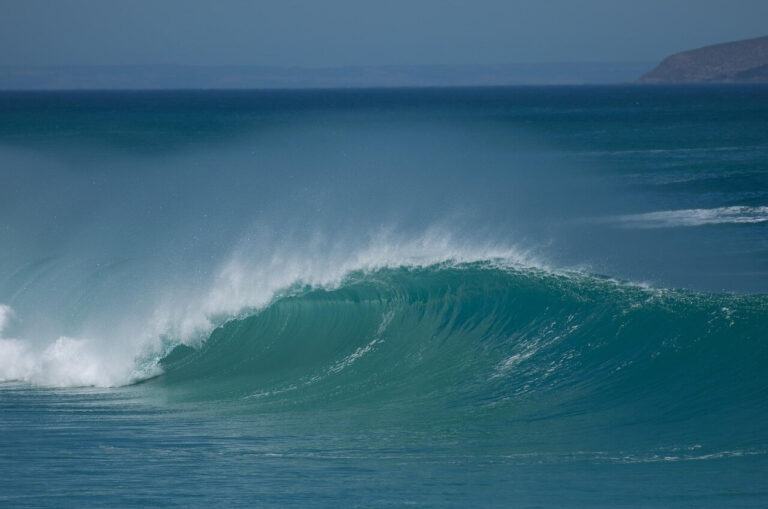
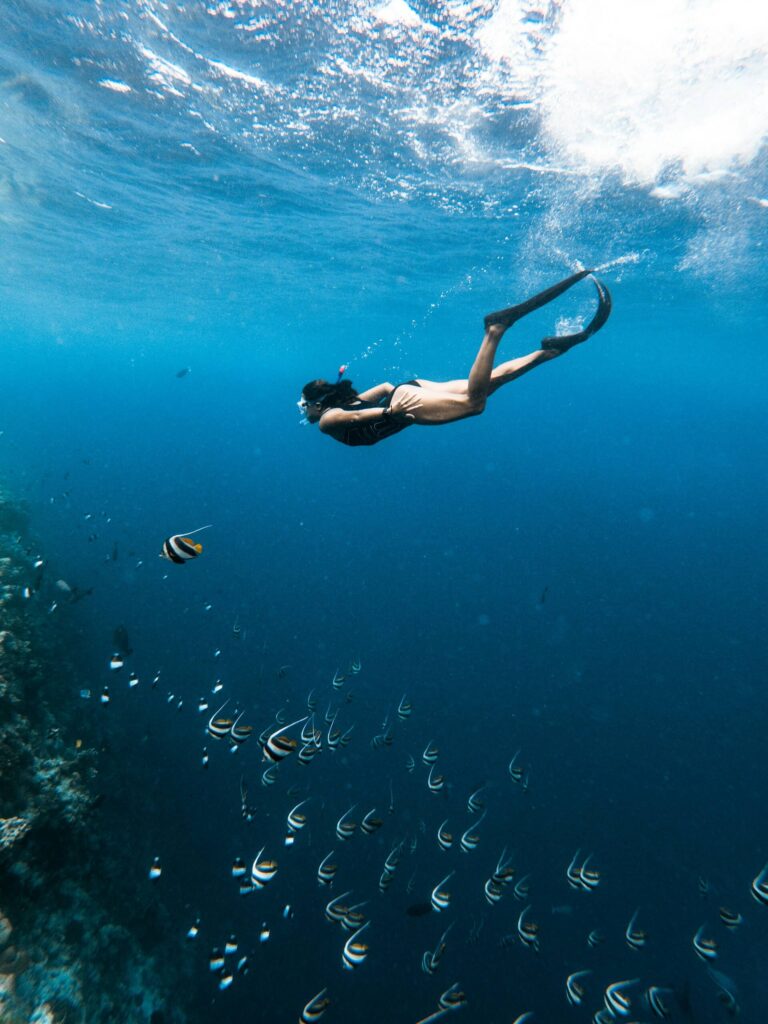

We are a team of passionate divers and surfers with decades of combined experience in the water and travelling to all corners of the globe.
After years of chasing waves and descending into the deep blue, we’ve created this resource to highlight sustainable surf camps, eco-dive resorts and conservation-focused ocean trips to help inspire your next adventure.
Eco Ocean Escapes was born out of a love of the ocean, an obsession with travel and a concern about the impacts of our adventures on the environments we explore.