Surfing in Pohnpei, Micronesia: Best Surf Spots + Local Operators
Planning a surf trip to Micronesia? Discover the best places to surf in Pohnpei and how to reach the breaks with local operators.
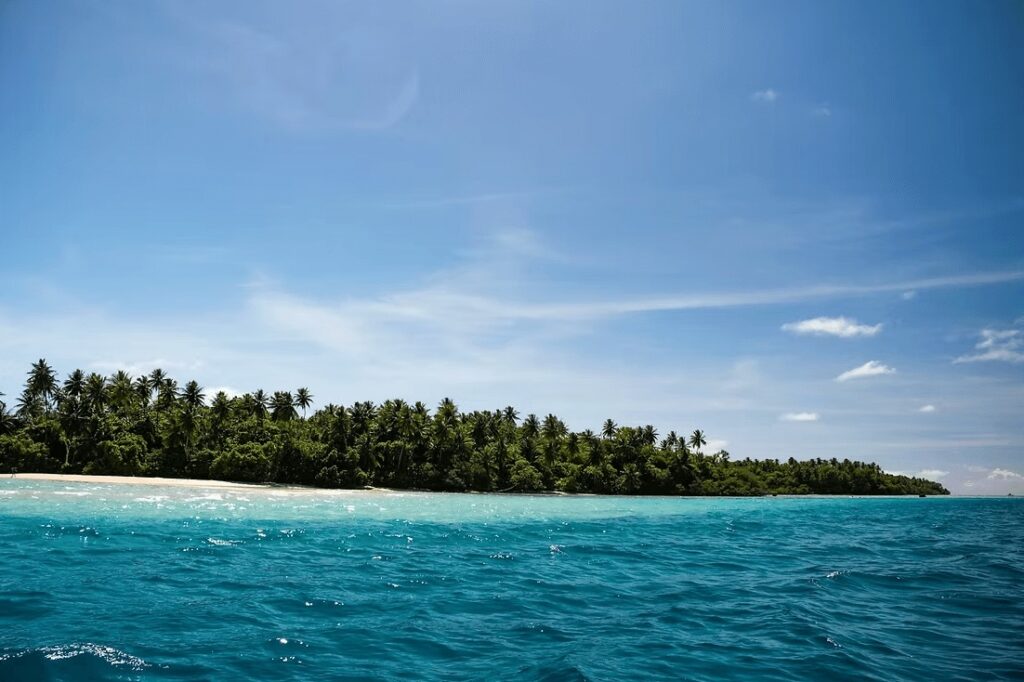
Surrounded by the Pacific Ocean, Micronesia is a far-flung archipelago of over 600 islands. It lures adventurous travellers with its tropical landscapes, fascinating culture and world-class waves.
This remote paradise first caught the attention of the surfing world in the early 2000s, when tales of P-Pass (a barrelling right-hand break) spread like wildfire.
Soon, this legendary wave (located off the island of Pohnpei) was on every surfer’s bucket list. It has frequently ranked as one of the best waves on the planet.
Despite its newfound fame, Pohnpei has managed to retain its laid-back charm. This is thanks in part to Micronesia’s off-the-beaten-path location (spoiler: it’s not easy to get here).
Those who make the pilgrimage to this distant corner of the globe can not only surf incredible waves but trek to thundering waterfalls, embark on charter fishing trips and explore the ancient ruins of Nan Madol.
It’s the recipe for an unforgettable adventure with your crew. Surfing in Pohnpei means perfect waves, stunning natural beauty and a fascinating glimpse into a unique island culture.
In this article, we’ll explain everything you need to know about surfing in Pohnpei, from the best breaks to seasonal swells and wind conditions.
If you’re travelling to this island paradise, we’ll explain how to access the best places to surf in Micronesia with the Pohnpei Surf Club and share some incredible things to do in Pohnpei when you’re not out getting barrelled.
Micronesia also boasts some incredible dive sites. Discover some of the best in our detailed article here.
This article contains affiliate links, which means when you make a purchase through that link, we earn a small commission. Affiliate links come at no cost to you and ensure our content remains free!
What to expect when surfing in Pohnpei
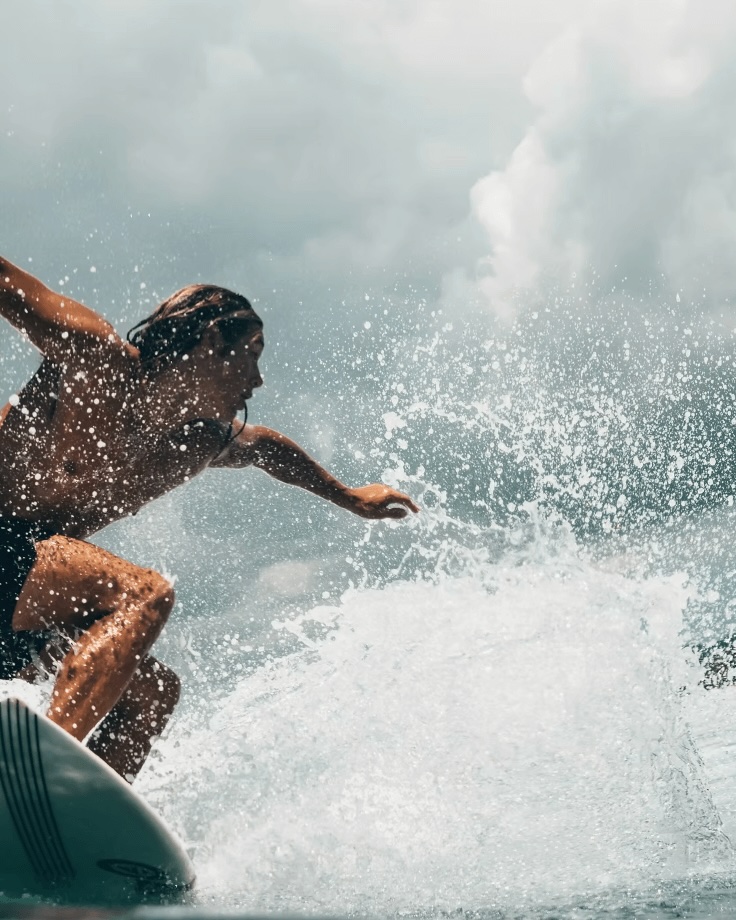
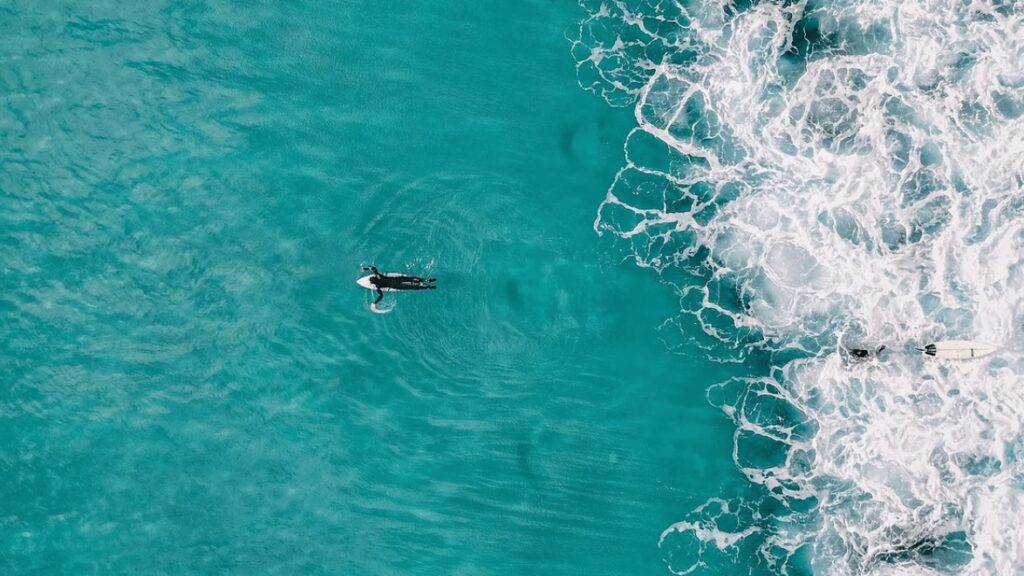
Pohnpei boasts some of the best waves in Micronesia, most of which break over a barrier reef, far from the beach.
As a result, you can’t check the breaks from the shore – you need to get in a boat and head out there. Hooking up with locals who know where to head (and have a boat available) is crucial.
From October through March, consistent swells from North Pacific winter storms and distant typhoons send clean lines marching towards Pohnpei’s reefs. These serve up everything from playful, rippable walls to freight-train barrels.
When it’s four foot and under, the waves here are user-friendly, great for intermediate surfers looking to push themselves. Above that, things get epic, with heavy, hollow tubes that surf dreams are made of.
The lineups in Pohnpei are pretty friendly, with locals happy to share the waves, as long as you’re respectful. And with so many different reef passes and breaks to explore, it’s not hard to find a little slice of perfection to call your own.
Looking for the best places to surf in Oceania? Check out our surf guides to Papua New Guinea, Solomon Islands, Fiji, Samoa and Tonga.
Best places to surf in Pohnpei
The majority of Pohnpei’s surf breaks are found along the outer reef and are only reachable by boat. In total, there are around 15 passes. With exposure to swells/winds coming from all directions, there are stellar waves on offer around the island.
While there aren’t really any beach breaks, beginners can get out on smaller days. This is provided you surf on the high tide to avoid getting injured on the reefs.
P-Pass
Best on a north swell and with easterly winds, this is the wave that everyone comes to Pohnpei to ride. Named after its location at Palikir Pass, it’s a world-class right-hander that barrels when the conditions align. Think Tahiti or Hawaii without the crowds!
Main Pass
Another challenging right-hander, this wave is located in Pohnpei’s main pass and is only for advanced surfers. It can get heavy and should be surfed on a high tide due to the shallow reef. Main Pass is best on a north swell and with easterly winds.
Pehleng
While Pehleng requires a strong north swell to work, it’s one of the best waves in Pohnpei when it does. It’s another right-hander and is almost always smaller than P-Pass, but still for advanced surfers only.
Middle Pass
Offering both rights and lefts, this fun wave is ideal for intermediate to advanced surfers as it’s a little mellower than P-Pass. It’s best surfed on a north swell and with southerly winds, and the shallow reef means you need a mid to high tide.
Eco-friendly surf resort in Pohnpei
Pohnpei Surf Club @ Mangrove Bay Hotel
The Pohnpei Surf Club is the longest-running surf club in Micronesia and is located within the grounds of the Mangrove Bay Hotel.
Conveniently located just a 15-minute boat ride from Palikir (or “P-Pass”), it offers unparalleled access to world-class waves. At the same time, it boasts fantastic amenities for surfers. Its staff have years of experience in these waters, so you know you’re in good hands.
Mangrove Bay Hotel’s prime location, just a 10-minute drive from the airport, offers direct access to the water and a convenient dock for the club’s boats. The on-site bar and sushi restaurant, coupled with fast internet and eight lagoon-front rooms, ensure you have everything you need for a comfortable and enjoyable stay.
The Pohnpei Surf Club’s commitment to environmental stewardship is evident in its reef cleanup initiatives. During these regular events, staff and guests come together to remove trash from the shorelines and underwater environments. In short, they’re helping to preserve the natural beauty of Pohnpei for generations to come.
Best time to surf in Micronesia
Pohnpei boasts a warm, tropical climate, with temperatures hovering between 26 and 32°C (79 and 90°F) throughout the year. The waters are inviting at between 28 and 29°C (82 and 84°F). This means you can easily surf in boardshorts/bathers and a rashie.
The year is divided into two distinct seasons – a dry season spanning December to April and a wet season from April to December, when heavy rains sweep over the islands. While typhoons occasionally threaten the region between July and mid-November, Micronesia is largely shielded from their full force.
For surfers seeking the perfect wave, Micronesia offers consistent swells throughout the year. But the conditions truly come alive between mid-October and late March. January and February mark the peak of the surfing season when the waves reach their most impressive heights.
The best time to surf P-Pass in Pohnpei is between November and March, coinciding with the North Pacific swell season.
Best things to do in Pohnpei when you’re not surfing
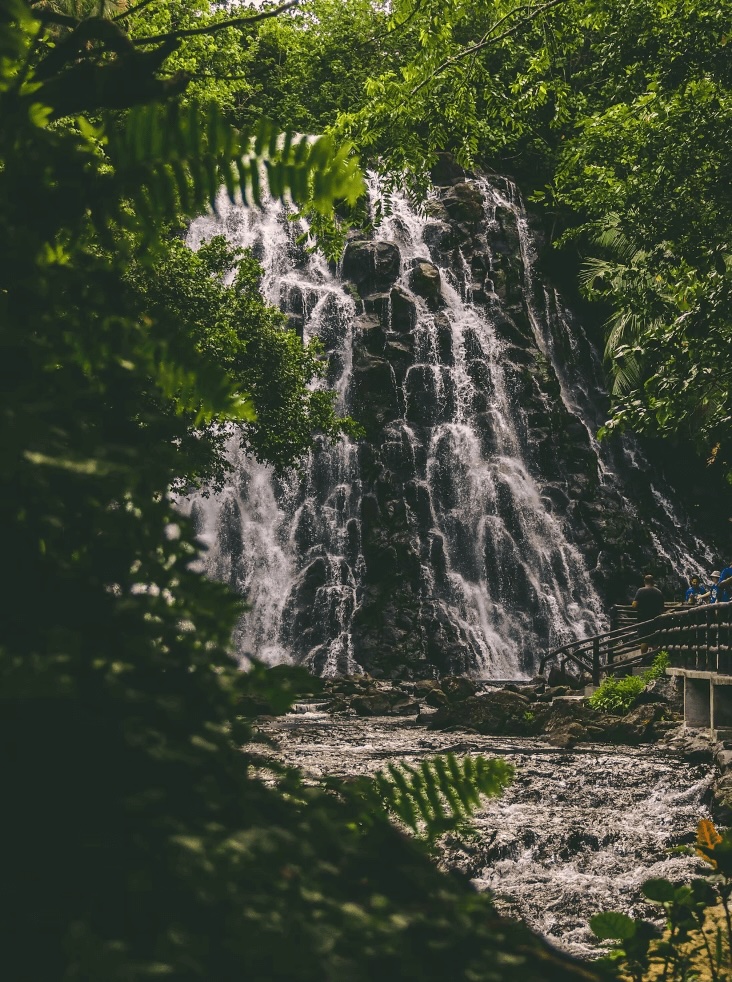
If the waves aren’t firing or you just want an afternoon exploring beyond the breaks, there are plenty of other things to do in Pohnpei.
Explore the ancient ruins of Nan Madol
The ancient city, once the seat of Pohnpei’s kings, encompasses a fascinating collection of UNESCO-listed ruins. It’s located just one hour’s drive from Kolonia (followed by a short trek along a jungle trail).
Slowly being reclaimed by the encroaching vegetation, Nan Madol stands as a testament to the ingenuity and ambition of the ancient Pohnpeians.
Despite its status as one of the top tourist attractions in Micronesia and one of the Pacific’s most impressive monuments, the site remains a hidden gem. It receives only a handful of visitors each day. If the tide is high, you can even explore its artificial islets by kayak.
Nan Madol’s origins and purpose have long puzzled researchers and historians alike. Some even speculate that it could be the fabled lost city of Atlantis or the mythical Lemuria.
Go diving or snorkelling on the surrounding reefs
Pohnpei’s extensive reef system stretches for miles along its channels, creating a diverse array of underwater habitats to explore. Snorkellers and divers alike can immerse themselves in this spectacular underwater realm, populated by tropical fish in every imaginable colour and pattern.
Aside from spotting schools of grey reef sharks at Palikir Pass, you can witness majestic manta rays at the cleaning station of Manta Road.
The dive operation at the Pohnpei Surf Club is one of the island’s best. It offers daily trips taking guests out to explore the passes, drop-offs and reefs.
In between dives, you can relax on the idyllic beaches or even chat with the rangers stationed at the reserves. Diving and snorkelling in Pohnpei is a really laidback affair – chances are, you’ll be the only group in the water.
Trek to Sokeh’s Ridge
Within easy reach of Kolonia is this popular day hike. It’s located on the small island of Sokeh (separated from the rest of Pohnpei by a thin ribbon of mangrove swamp).
Roughly five kilometres roundtrip, it takes you through dense jungle foliage and up steep, rocky inclines. Eventually, it reaches the base of the massive basaltic monolith that dominates the Pohnpei skyline.
From here, there are spectacular views across Pohnpei – it’s definitely worth the effort! Sokeh is also known for its scattering of historical relics from World War II, with cannons, army tanks and gun batteries slowly being reclaimed by the jungle.
While there are tour companies offering guided treks up Sokeh’s Ridge, it’s easy enough to hike independently from Kolonia.
Take a boat trip to Ant Atoll
Located roughly one hour away from Kolonia by speedboat, this stunning coral island is paradise-defined. It’s understandably a popular day trip destination from mainland Pohnpei. There’s just a small cluster of cabins on its main beach, overseen by the local family that maintains the island.
The surrounding reef is one of the best places for snorkelling in Pohnpei, thanks to its exceptional biological diversity and crystal clear waters. When you’re not coming face-to-face with Micronesia’s underwater inhabitants, you can relax on the beach and simply soak up the serenity.
How to get to Pohnpei
Travelling to Pohnpei can be a bit of a challenge. United Airlines is the sole commercial carrier offering flights to this tropical paradise.
For most people, the journey involves connecting through other islands in the region, namely the Marshall Islands and/or Guam, depending on the route.
United operates two primary flight paths to Pohnpei. The west-bound route begins in Honolulu, then stops in Majuro and Kwajalein in the Marshall Islands. It includes an optional stop in Kosrae before finally arriving in Pohnpei.
Alternatively, the east-bound route originates in Guam and includes a layover in Chuuk before reaching Pohnpei.
While the limited flight options and multiple connections may seem inconvenient, it’s one of the reasons why surfing in Pohnpei remains off-the-beaten-track. The extra effort it takes to get here is well worth it for adventurous travellers seeking uncrowded waves in paradise.
FAQs about surfing in Pohnpei
Does Micronesia have good surf?
Yes, Micronesia is home to some of the best waves in the western Pacific Ocean, particularly on the island of Pohnpei. Here, you’ll find P-Pass, a legendary right-hander, as well as Main Pass, Pehleng and Nahpali.
Where is the P-Pass wave?
Short for Palikir Pass, P-Pass is a world-renowned surfing spot located in the district of Palikir on the tropical island of Pohnpei in the Federated States of Micronesia. What sets P-Pass apart is not only the flawless shape and form of its waves but also its relative consistency.
Where is the best place to surf in Micronesia?
Pohnpei, in the Caroline Islands, is generally considered the best place to surf in Micronesia. It’s home to P-Pass (one of the world’s most legendary right-handers), as well as several other reef passes that offer up incredible waves.
When is the surf season in Micronesia?
While you can find waves year-round in Micronesia, the best time to visit is from mid-October to late March. The surfing season peaks in January and February, when you’ll encounter the biggest swells.
For those aiming to ride the waves at P-Pass in Pohnpei, the optimal time is from November to March, aligning perfectly with the North Pacific swell season.
PLAN YOUR TRIP WITH OUR FAVOURITE RESOURCES:
Find hotels and resorts via Booking or Agoda
Book tours and experiences via Viator or GetYourGuide
Find a rental car via Discover Cars
Book flights via Kiwi or Booking
Search for buses and trains via 12Go or Omio
Get travel insurance via SafetyWing
Buy a digital eSIM with Airalo
By purchasing through our links, you’ll be supporting our website at no additional cost to you

We are a team of passionate divers and surfers with decades of combined experience in the water and travelling to all corners of the globe.
After years of chasing waves and descending into the deep blue, we’ve created this resource to highlight sustainable surf camps, eco-dive resorts and conservation-focused ocean trips to help inspire your next adventure.
Eco Ocean Escapes was born out of a love of the ocean, an obsession with travel and a concern about the impacts of our adventures on the environments we explore.