Scuba Diving in Rapa Nui: Best Dive Spots + Eco-Friendly Hotels
Discover everything you need to know about scuba diving in Rapa Nui (Easter Island), including the best dive sites and eco-friendly hotels for a sustainable stay.
Emerging dramatically from the South Pacific Ocean, Rapa Nui (Easter Island) is a windswept speck of land. It’s incredibly remote, situated around 3,700 kilometres off the coast of Chile.
Despite being just 163 square kilometres in size, it’s home to a staggering collection of archaeological wonders that have long captivated the imaginations of explorers, historians and the curious alike.
Now designated as a UNESCO World Heritage Site, Rapa Nui National Park is quite literally an open-air museum. It boasts an estimated 20,000 individual archaeological sites scattered across its volcanic terrain.
Many of these sites predate the Incan citadel of Machu Picchu by over two centuries. Collectively, they offer a fascinating glimpse into the sophisticated culture and advanced engineering of the island’s indigenous inhabitants, the Rapa Nui people.
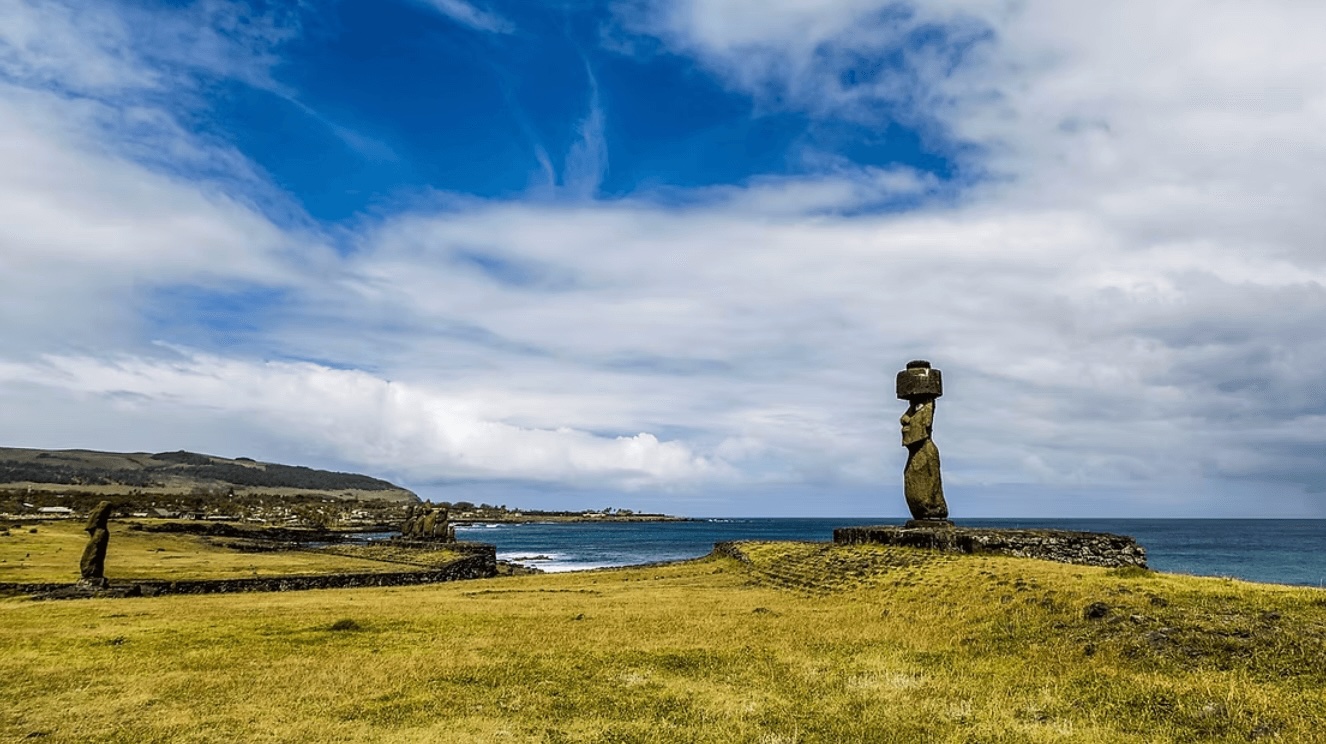
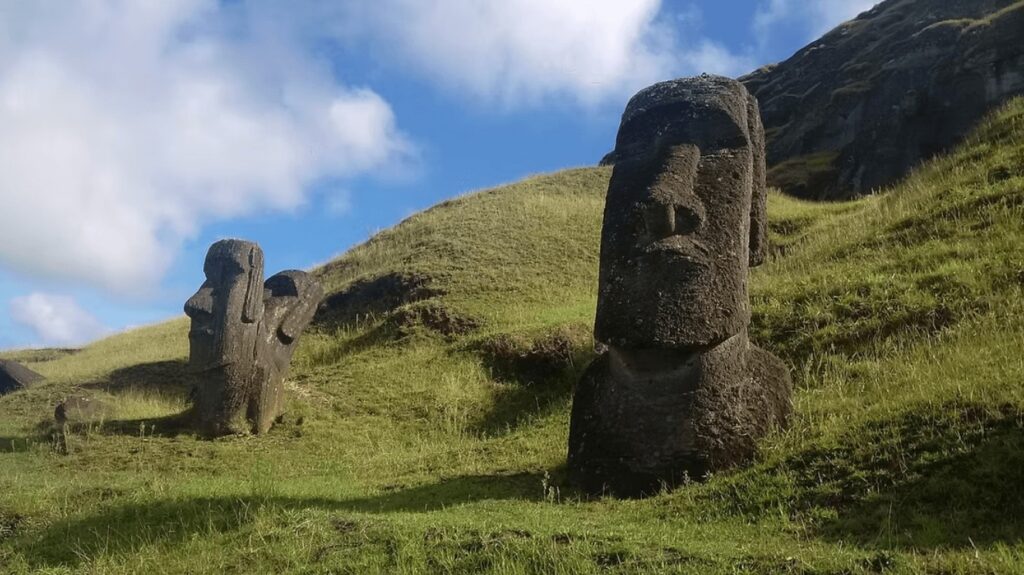
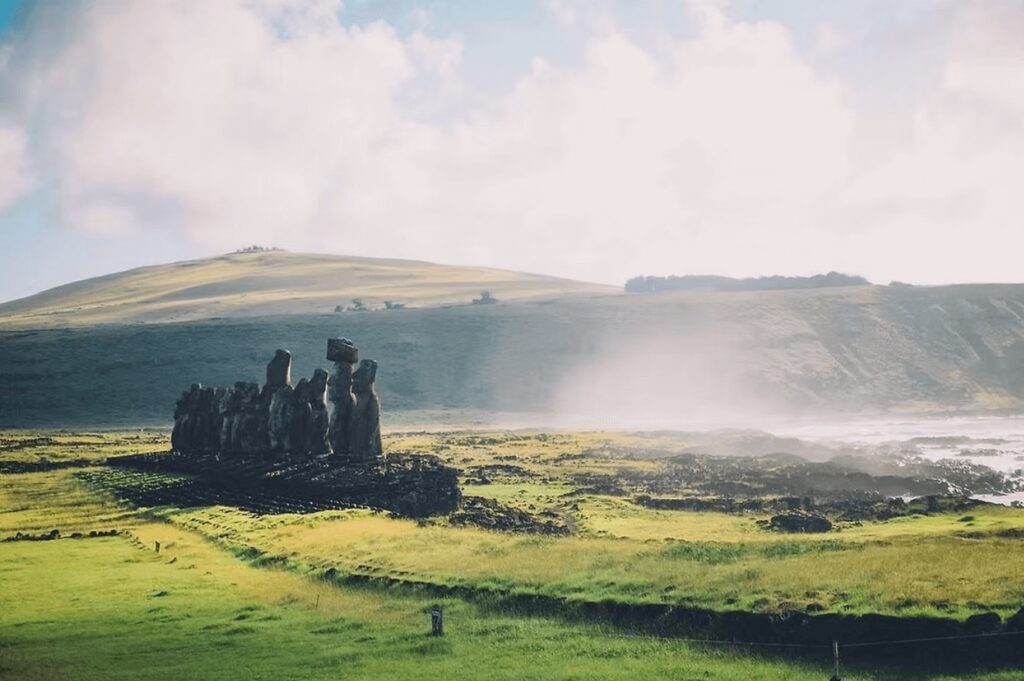
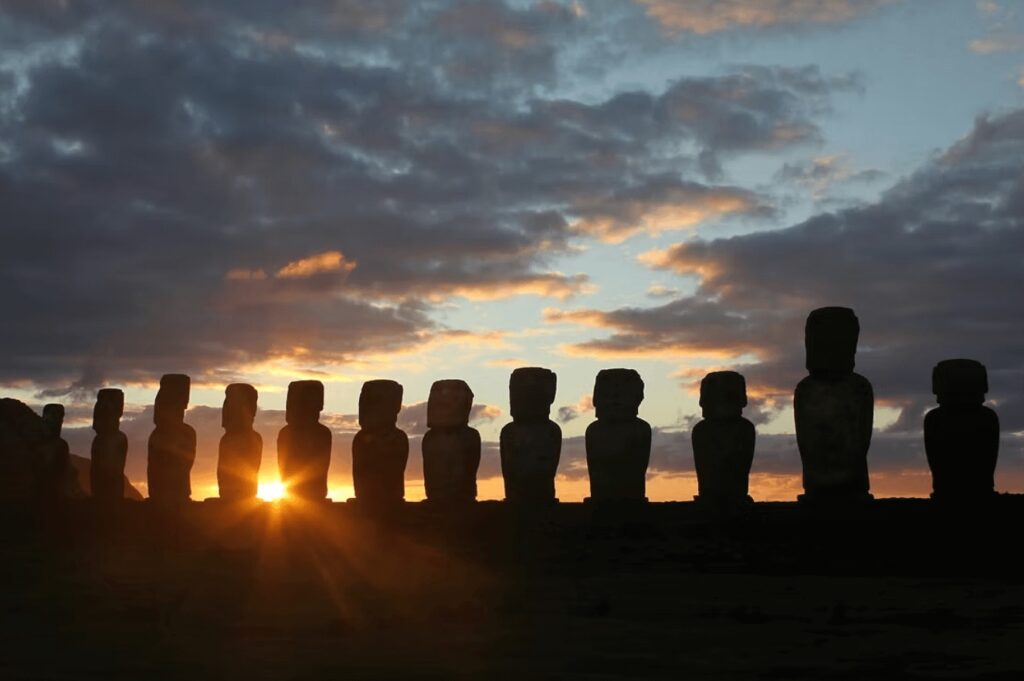
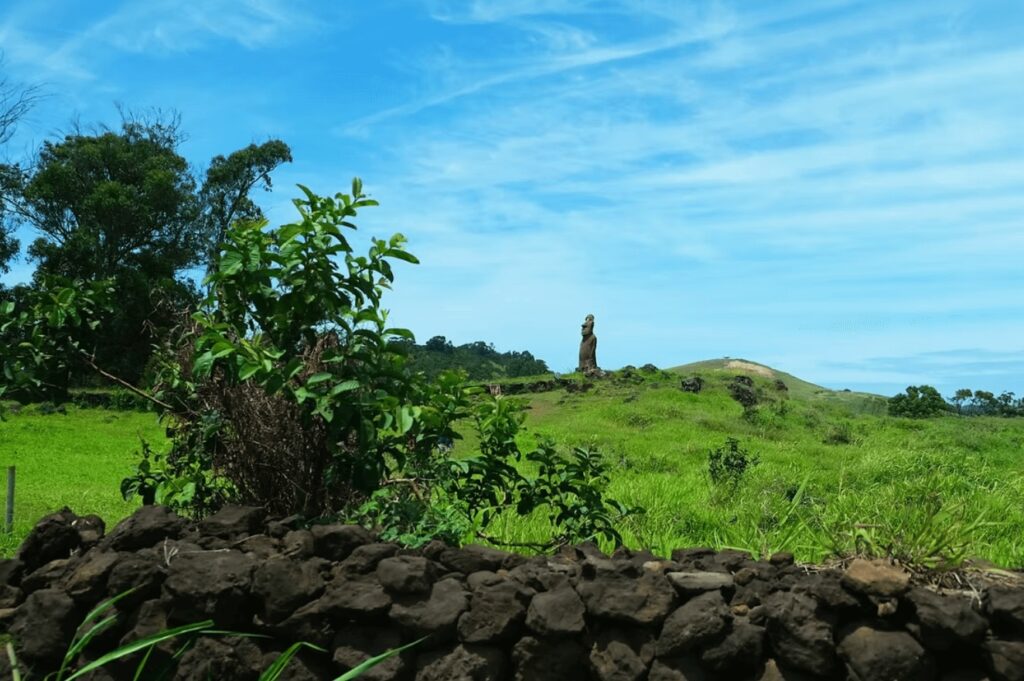
From moai statues – the island’s most recognisable feature – to cave dwellings, ceremonial platforms and mysterious petroglyphs, there is evidence of this lost civilisation around every turn.
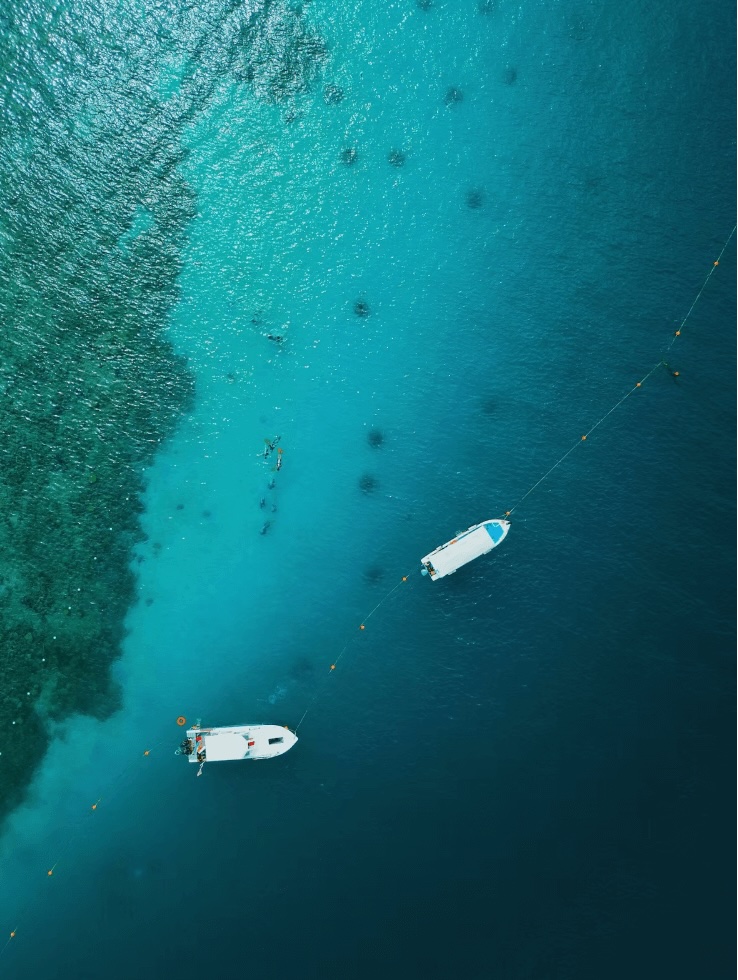
Equally impressive is Rapa Nui’s underwater world, which offers a once-in-a-lifetime adventure for scuba divers.
The island’s isolation has helped to preserve its pristine marine environment. Meanwhile, the arid climate (lacking significant runoff) means the waters surrounding Rapa Nui boast exceptional visibility (it can reach up to around 60 metres (200 feet)).
In these crystal-clear waters, divers can encounter more than 100 endemic fish species that have evolved in isolation, as well as iconic moai statues that have been submerged offshore.
With direct flights from Chile’s capital, Santiago, accessing this remote South American diving paradise has never been easier.
In this article, we’ll explain everything you need to know about scuba diving in Rapa Nui (Easter Island), including the best dive sites and eco-friendly places to stay.
We’ll explain why this Pacific Island destination is perfect for divers looking for an eco-conscious scuba escape and touch on the above-water cultural treasures that also await.
This article contains affiliate links, which means when you make a purchase through that link, we earn a small commission. Affiliate links come at no cost to you and ensure our content remains free!
What you can expect to see diving in Rapa Nui
The overall biodiversity of Rapa Nui may not be as rich as that of other Pacific islands. But the few coral species found here (such as the massive Porites lobata that can grow up to five metres in diameter) are breathtaking in their scale and development.
In fact, a quarter of the 160 marine species observed in the waters around Rapa Nui are found nowhere else on Earth. This makes scuba diving in Rapa Nui/Easter Island incredibly unique!
The area is also renowned for its sightings of honu (sea turtles), which can frequently be seen cruising the waters around Hanga Roa Bay.
Adding to Rapa Nui’s appeal are its mesmerising geological formations. These include vast caves, natural arches and expansive lava platforms that have been sculpted and moulded by tectonic activity over countless millennia.
No discussion about scuba diving in Easter Island would be complete without talking about the underwater moai statue that lies submerged offshore, a man-made remnant of the island’s fascinating cultural heritage.
Some of the best dive spots in Rapa Nui include the islets of Motu Nui, Motu Kao Kao and Motu Iti. All are within easy reach of Hanga Roa Harbour.
Conveniently, there are several well-equipped diving centres located in the coves of Hanga Piko and Hanga Roa Otai. All offer regular courses, introductory dives and guided excursions led by experienced and knowledgeable professionals.
Heading to the Galapagos Islands? Discover all the best dive sites + eco-friendly places to stay in our detailed guide here.
Best dive sites in Rapa Nui
The Cliff
Aptly named, The Cliff is a wonderful introduction to diving in Rapa Nui. Its volcanic limestone walls are populated by a diverse array of corals that provide habitat for several endemic fish species.
The Moai
One of the most popular dive sites in Rapa Nui, this enigmatic moai is located in the Ahu Tahai area. It appears to be propped against a volcanic rock and is surrounded by clusters of native coral.
Motu Nui
This uninhabited islet is considered sacred to the local people and was where the Tangata Manu would swim to collect sooty tern eggs before swimming back to Rapa Nui. Sea turtles are often spotted here.
The Cathedral
This famous lava tube features several overhangs and caverns that make it ideal for experienced divers. It’s worth keeping in mind that the currents here can be strong at times.
Motu Kao Kao
This seastack is decorated with hundreds of coral heads, as well as providing habitat for sea urchins and spiny lobsters. Yellow and black-backed butterfly fish can often be seen patrolling the waters.
Eco-friendly hotels in Rapa Nui (Easter Island)
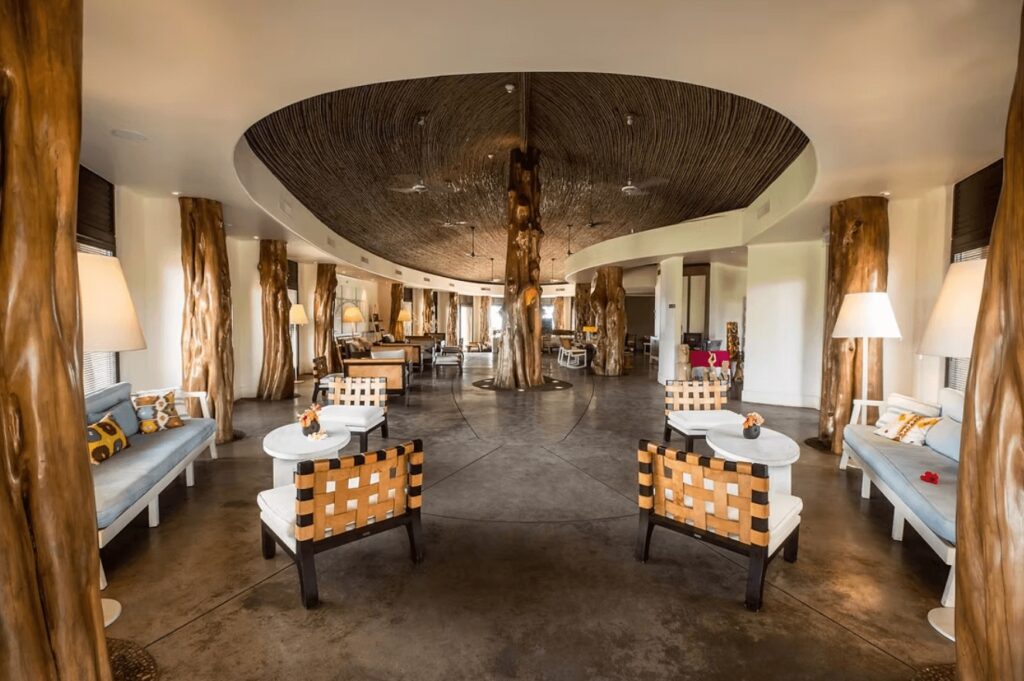
Nayara Hangaroa
With its luxurious rooms, outdoor pool and onsite spa, Nayara Hangaroa is the place for an upmarket yet sustainable stay in Rapa Nui. The green roofs help to maximise the heating effects of sunlight and ventilation. Meanwhile, the wastewater treatment plant recycles water for the gardens.
Pikera Uri Eco Lodge
Located just 15 minutes’ walk from the centre of Hanga Roa, this Rapa Nui ecolodge receives rave reviews for its cosy rooms and resident horses. Stays in Pikera Uri’s double or family rooms include a delicious buffet breakfast each morning. Equine adventures can also be booked onsite.
Easter Island Ecolodge
Designed with a philosophy of minimising its environmental footprint, this Rapa Nui eco-hotel offers simple but clean and comfortable rooms. There’s a sun-dappled terrace where you can enjoy breakfast in the morning and a small boutique stocked with local goods. The Easter Island Ecolodge is just a short walk from the harbour.
Scuba diving and sustainability in Rapa Nui
Aside from being a captivating adventure, scuba diving in Rapa Nui (Easter Island) is an experience centred around conservation and environmental stewardship.
Most of Rapa Nui’s dive companies have firmly embraced their duty as caretakers of the ocean. As such, they have implemented protocols to minimise diver impact and educate their guests on sustainable dive practices.
Through collaborative partnerships with local conservation groups, they strive to instill a deep sense of appreciation and responsibility. In doing so, they are empowering divers to be ambassadors for the protection of Easter Island’s irreplaceable marine wonders.
Dive centres in Rapa Nui (Easter Island)
Orca Diving Center
One of the first dive centres established on Easter Island, Orca has a wealth of experience in these waters and is dedicated to marine conservation. Over the years, its team has participated in several scientific expeditions. They also helped in the creation of the book and documentary “The Undersea World of Easter Island”.
Atariki Rapa Nui Diving Center
Aside from offering daily dives to all of Rapa Nui’s top sites, this established dive centre also runs snorkelling trips to the nearby motus. A range of PADI certification courses is available, from Open Water and Advanced Open Water to Rescue Diver and Master Diver.
Mike Rapu Dive Center
This PADI 5 Star dive centre is staffed by highly experienced instructors and guides. They are all about making your time in Rapa Nui fun, safe and memorable. In addition to daily dives and specialised PADI courses, Mike Rapu also offers initiation dives for a taste of the island’s underwater world.
How to get to Rapa Nui (Easter Island)
There are regular flights from Santiago de Chile to Rapa Nui with LATAM Airlines. These arrive at Mataveri International Airport (IPC) in Hanga Roa. This waterfront town is home to the majority of Easter Island’s population, as well as most of its dive operators.
Taxis are readily available from the airport to your accommodation, although many hotels organise airport transfers for guests.
Getting around Rapa Nui (Easter Island)
Most dive excursions depart from Hanga Roa Harbour, which is a short walk from the majority of hotels in the town. Hanga Roa itself is very walkable and most of the dive sites are around five minutes from the harbour.
If you want to explore the island on non-diving days, you can opt for a full-day guided tour. These are a great way to discover some of Rapa Nui’s largest moai and see the mythical place where they were made.
On a two-day tour of the island, you’ll have additional time to visit Anakena Beach (a cultural cradle of Easter Island). Some also explore the extinct volcano of Puna Pau, as well as the ceremonial complex of Ahu Tahai.
Guided tours are a great way to really immerse yourself in Rapa Nui’s cultural heritage. In our experience, most are run by locals with a wealth of knowledge.
If you prefer to explore independently, it’s easy to hire a car, a motorcycle or a quad bike from one of the local rental companies. While rental cars aren’t cheap on Easter Island, they do give you the flexibility to visit sites at your leisure and take advantage of the best photography conditions.
Best time to dive in Rapa Nui (Easter Island)
It’s possible to dive in Rapa Nui throughout the year. But the best time is generally considered to be from November through to March. This coincides with the summer season.
Windy conditions can play havoc on some days and cause dives to be cancelled. In our experience, it’s best to build some flexibility into your itinerary if you’re scuba diving in Rapa Nui.
Maintained by the South Pacific currents, the average water temperature in Rapa Nui ranges from around 20°C (68°F) up to 24°C (75°F). Most divers are comfortable in a 3mm wetsuit in the summer months. Meanwhile, a 5mm wetsuit is best if you’re scuba diving in Easter Island in the wintertime.
FAQs about diving in Rapa Nui (Easter Island)
What can you see diving in Rapa Nui (Easter Island)
Rapa Nui may not boast the same level of biodiversity as some other Pacific islands, but the incredible visibility is what really sets it apart.
Many of the coral species present here are quite stunning in their size and growth. Meanwhile, about a quarter of the 160 marine species found in Rapa Nui are unique to this location.
Additionally, the area is famous for its honu (sea turtles). These are often spotted gliding through the waters of Hanga Roa Bay.
Aside from Rapa Nui’s marine life, the island is notable for its captivating geological features. These include expansive caves, natural arches, towering cliffs and extensive lava platforms shaped by tectonic forces over millions of years.
Adding to this underwater wonder are the moai statues, man-made artefacts that have been sunk offshore.
How much experience do you need to dive in Rapa Nui (Easter Island)?
You don’t need any prior experience to dive in Rapa Nui, with shallow and sheltered sites that are ideal for beginners.
Many of the island’s dive operators offer Discover Scuba Diver experiences. These are perfect for those who want a taste of the underwater world, without committing to a certification course.
That being said, there are also deeper (40 metre/130 feet) dive sites and challenging underwater terrain that will appeal to experienced divers. This includes caves, caverns and lava tubes that require an Advanced Open Water Diver qualification.
As with any dive destination, the more experience you have, the greater opportunities you will have to explore.
When is the dive season in Rapa Nui?
Diving in Rapa Nui is possible all year round. But the best time to dive is typically from November to March, aligning with the summer season.
Keep in mind that windy conditions can disrupt diving plans on certain days, so it’s wise to allow for some flexibility in your schedule.
Thanks to the South Pacific currents, the average water temperature hovers around 20°C (68°F) in the winter and around 24°C (75°F) during the summertime. Most divers find a 3mm wetsuit sufficient for summer. In contrast, a 5mm wetsuit is recommended for the winter months.

PLAN YOUR TRIP WITH OUR FAVOURITE RESOURCES:
Find hotels and resorts via Booking or Agoda
Book tours and experiences via Viator or GetYourGuide
Find a rental car via Discover Cars
Book flights via Kiwi or Booking
Search for buses and trains via 12Go or Omio
Get travel insurance via SafetyWing
Buy a digital eSIM with Airalo
By purchasing through our links, you’ll be supporting our website at no additional cost to you

We are a team of passionate divers and surfers with decades of combined experience in the water and travelling to all corners of the globe.
After years of chasing waves and descending into the deep blue, we’ve created this resource to highlight sustainable surf camps, eco-dive resorts and conservation-focused ocean trips to help inspire your next adventure.
Eco Ocean Escapes was born out of a love of the ocean, an obsession with travel and a concern about the impacts of our adventures on the environments we explore.