Blue Carbon Destinations: 5 Travel Spots Protecting Mangroves and Seagrass
If you’ve never heard of “blue carbon”, you’re forgiven. It’s a term we’re just getting acquainted with too.
But it’s at the centre of a conservation movement that is rapidly gaining momentum. It’s a movement we think is of particular interest to sustainably-minded surfers and divers.
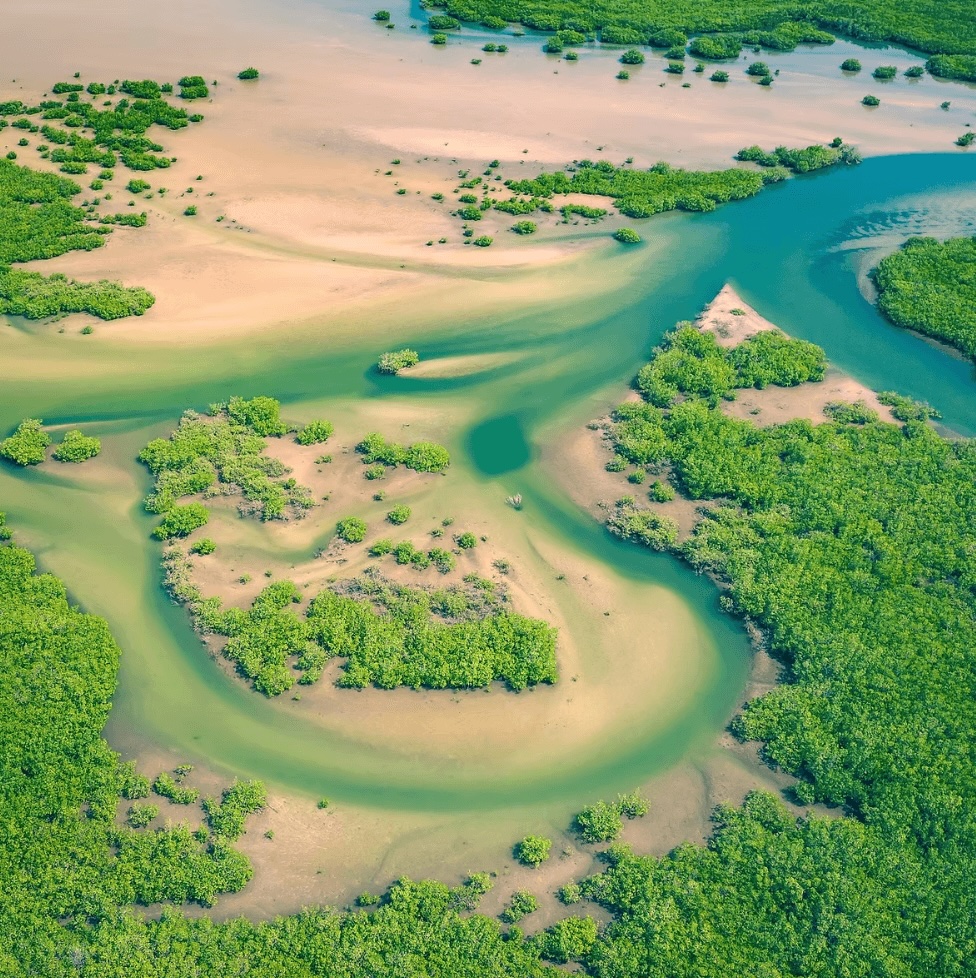
“Blue carbon” ecosystems – mangroves, seagrass meadows and coastal wetlands – don’t just support marine life. They’re playing an active role in fighting climate change.
But if we’re being honest, they’re habitats that we often take for granted. The stars of the show are usually coral reefs – they’re creating the breaks we love to surf and they’re the focus of our scuba explorations.
In reality, these blue carbon environments are among the most powerful carbon sinks on Earth, capable of storing carbon for centuries while supporting biodiversity, fisheries and local livelihoods.
So when we realised that some of our favourite coastal destination are, in fact, blue carbon hotspots, we wanted to share the news. It might just inspire you to add them to your bucket list or return and view them through a new lens.
This article contains affiliate links, which means when you make a purchase through that link, we earn a small commission. Affiliate links come at no cost to you and ensure our content remains free!
What is Blue Carbon?
Blue carbon refers to carbon captured and stored in coastal ecosystems like mangroves, seagrass meadows and salt marshes.
Despite covering a tiny fraction of the ocean, these habitats punch far above their weight. They have the ability to absorb carbon dioxide from the atmosphere and lock it away in plant material and sediments, often for hundreds or even thousands of years.
What makes blue carbon especially important is how efficient these ecosystems are – they can store carbon at much higher rates than many terrestrial forests. Honestly, this blows our minds!
At the same time, they provide critical benefits in addition to their carbon capture and storage capabilities. These include protecting coastlines, supporting marine life and helping communities adapt to climate change.
In fact, studies show that areas with mangroves often have healthier reefs and more abundant marine life. What’s not to love?
Healthy blue carbon ecosystems:
- Protect coastlines from storms and erosion
- Support fisheries and food security
- Provide habitats for marine life (particularly juveniles)
- Sustain tourism economies and local communities
As a surf or dive traveller, your choice of destination can directly contribute to the survival of blue carbon ecosystems. So here are a few options to inspire you.
Raja Ampat, Indonesia: Where Reefs Meet Mangroves
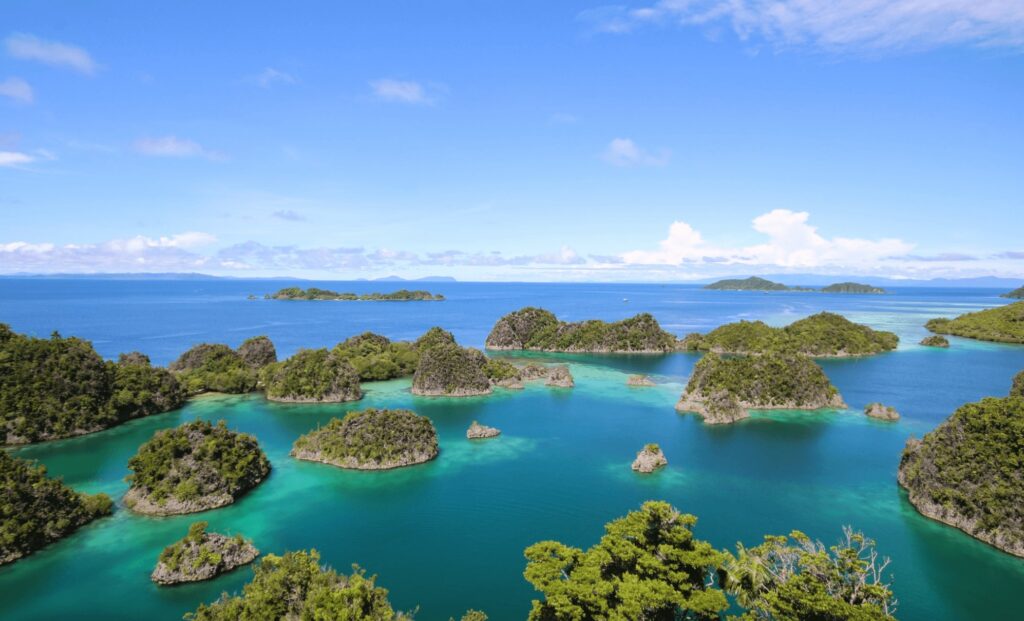
Often described as the most biodiverse marine region on Earth, Raja Ampat is famous for its coral reefs. We’ve been lucky enough to dive these islands off the west coast of Papua multiple times and they really are incredible!
But the mangroves that fringe Raja Ampat are just as important as its coral reefs.
These dense coastal forests act as nurseries for fish and sharks, linking reef ecosystems with seagrass beds and open ocean habitats.
But they also trap carbon in their dense root systems and the sediment below, storing it for centuries.
At the same time, Raja Ampat’s mangroves play an important role in protecting the archipelago’s coastlines and supporting marine biodiversity.
Equally important are the seagrass meadows that fringe many of the islands. These underwater ecosystems capture and store carbon while acting as nurseries for fish, sharks and rays.
Seagrass meadows also link mangroves to coral reefs in what is a highly interconnected system.
What makes Raja Ampat stand out is its community-led conservation model. Many of the archipelago’s marine protected areas are managed by local communities, with eco-tourism (especially scuba diving) helping fund conservation.
We’ve seen this first-hand while staying at the wonderful Papua Explorers, home to the Raja Ampat Sea Centre. Its aim is to educate and empower, not only locals but also visiting tourists who are passionate about preserving our marine environments.
Raja Ampat’s rise in eco-tourism has also created jobs for local villagers, meaning they don’t have to travel to other Indonesian provinces to find work. Additionally, it has reduced the reliance on destructive practices like dynamite fishing.
Aside from diving in Raja Ampat, you can also go kayaking through the mangrove channels or snorkelling over the seagrass meadows. It offers a different perspective on this incredible ecosystem and reveals how interconnected our ocean ecosystems really are.
Want to visit Raja Ampat? Discover 7 eco-friendly homestays in Raja Ampat for a sustainable stay. For more Indonesian dive inspiration, head here.
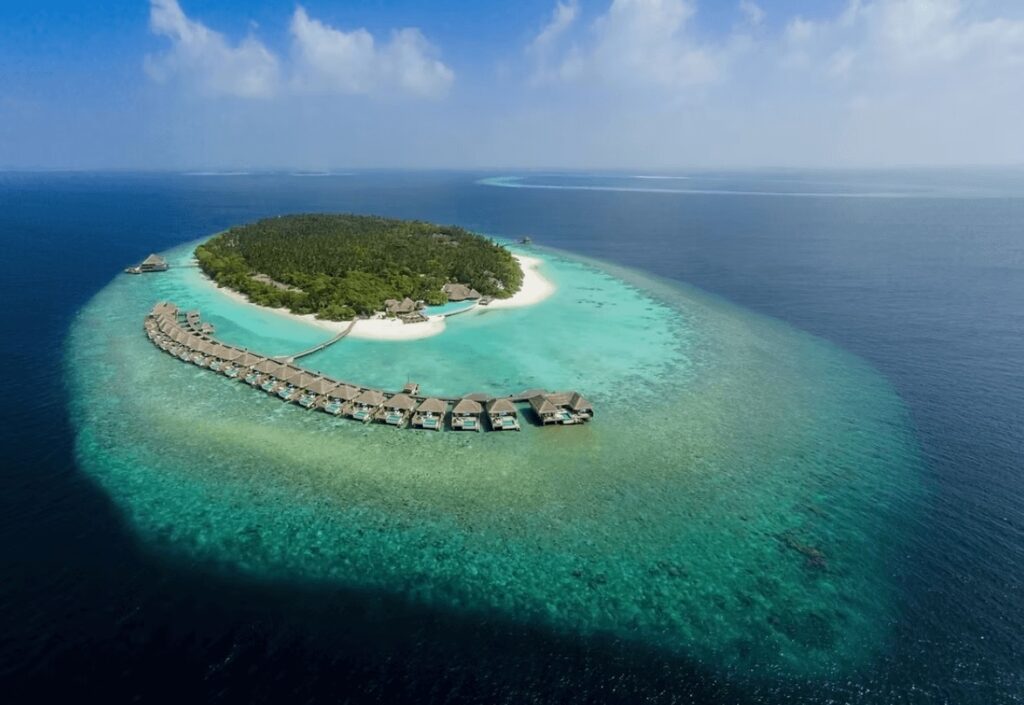
The Maldives: Seagrass Making a Comeback
In the Maldives, seagrass beds are among the most important blue carbon habitats.
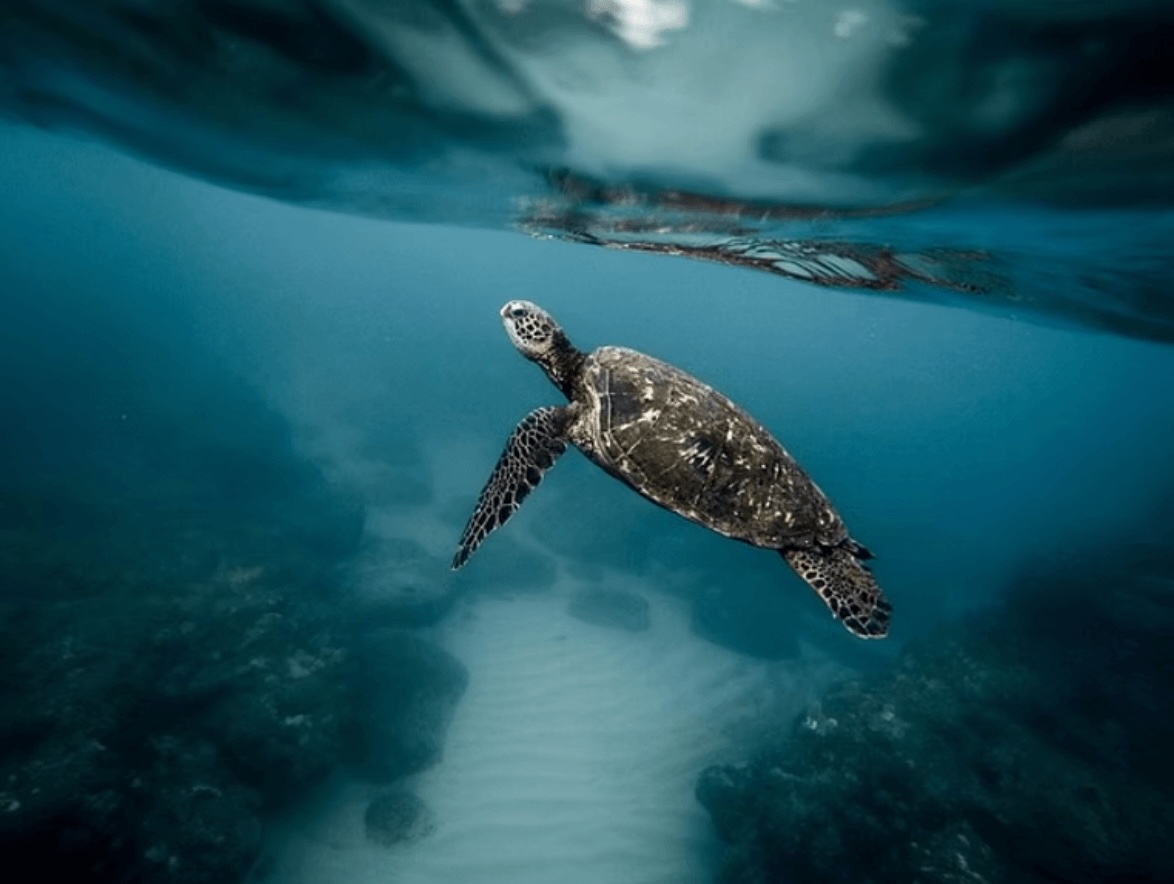
These underwater meadows absorb carbon dioxide and lock it into the seabed, often for centuries. At the same time, they provide an important habitat for turtles, rays and juvenile fish.
Despite their ecological value, seagrass was historically removed around resorts to create clear, turquoise lagoons. Today, that mindset is shifting. Who needs a crystal clear lagoon when you can have a thriving marine ecosystem instead?
Through initiatives like the Seagrass Project, many resorts have pledged to protect (rather than remove) these ecosystems, recognising their importance for both climate and biodiversity. Six Senses Laamu has been a key player, in conjunction with the Blue Marine Foundation.
This shift marks a growing awareness that healthy seagrass isn’t just good for the planet – it enhances marine ecosystems and strengthens the resilience of the islands themselves.
As a traveller, choosing a resort that protects seagrass is one of the simplest ways you can support blue carbon conservation in the Maldives. Soneva Jani, Anantara and Dusit Thani are among the resorts that have pledged to protect at least 80% of the seagrass around their islands.
For more sustainable Maldives resort inspiration, check out our top picks for surfers and divers.
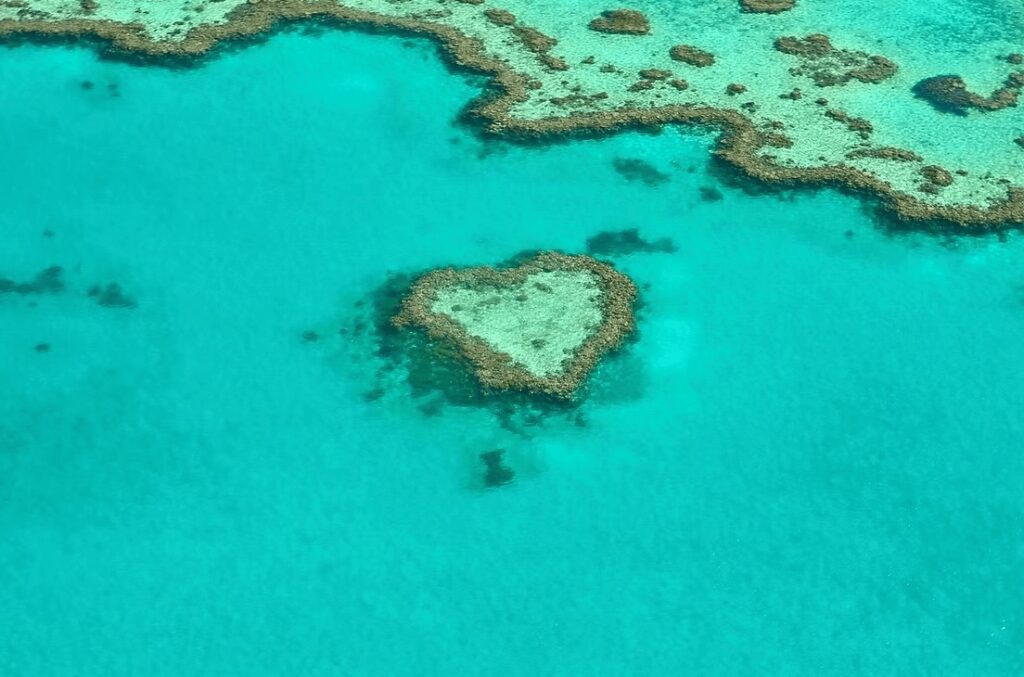
Australia: Seagrass and Dugong Country
Across our home country of Australia, blue carbon is stored in three key habitats: mangroves, seagrass meadows and salt marshes. These ecosystems fringe much of the coastline, from tropical northern waters to temperate southern shores.
Collectively, they are incredibly efficient at capturing and locking away carbon, often at rates that exceed terrestrial systems.
Some of the most significant seagrass meadows lie along the coast of Queensland (near the Great Barrier Reef) and in Western Australia (near Ningaloo Reef). Both are exceptional dive destinations (you’ll find more places to dive in Australia here).
These underwater meadows provide important habitats for dugongs and sea turtles, while also stabilising sediments and improving water quality.
Australia is also a global leader in blue carbon research and restoration. Projects are underway right across the country to restore degraded wetlands and replant mangroves, recognising their potential to offset emissions and protect coastlines from erosion and extreme weather.
If you’re travelling to Australia on a dive trip, we recommend grabbing any opportunity to experience these ecosystems up close. Aside from kayaking through mangrove forests and snorkelling over seagrass beds, you can learn about coastal conservation efforts through eco-tours.
Discover some of our favourite ways to tour the Great Barrier Reef and learn how Indigenous knowledge is being used to protect this natural wonder.
Belize Barrier Reef: Mangroves as Frontline Defenders
Belize is home to one of the most intact mangrove systems in the Caribbean…and it provides one of Central America’s clearest examples of blue carbon in action.
Along the country’s coastline, mangroves serve as carbon sinks, trapping carbon in their roots and the surrounding sediment (sometimes for centuries).
At the same time, they protect shorelines from storms and erosion, which is especially important in a hurricane-prone region.
Just offshore, seagrass beds store additional carbon while serving as nurseries for fish, rays and endangered species like sea turtles.
These blue carbon ecosystems are closely linked to the health of the Belize Barrier Reef, the second-largest reef system in the world. It’s this that is the focus for divers visiting the region.
But without mangroves and seagrass, the reef wouldn’t be what it is. Together, they form an interconnected network that supports biodiversity and sustains local livelihoods through fishing and tourism.
In recent years, Belize has taken significant steps to protect these habitats, through the creation of marine reserves and coastal management policies that limit mangrove clearing.
Want to see Belize’s marine ecosystems first-hand? Check out our guide to scuba diving in Belize, which highlights the best dive areas and inspiring places to stay.
As a traveller, you can experience Belize’s blue carbon ecosystems while kayaking through its mangrove lagoons or snorkelling above its seagrass meadows. In doing so, you’ll see firsthand two ecosystems that are playing a vital role in supporting one of the Caribbean’s richest marine environments.
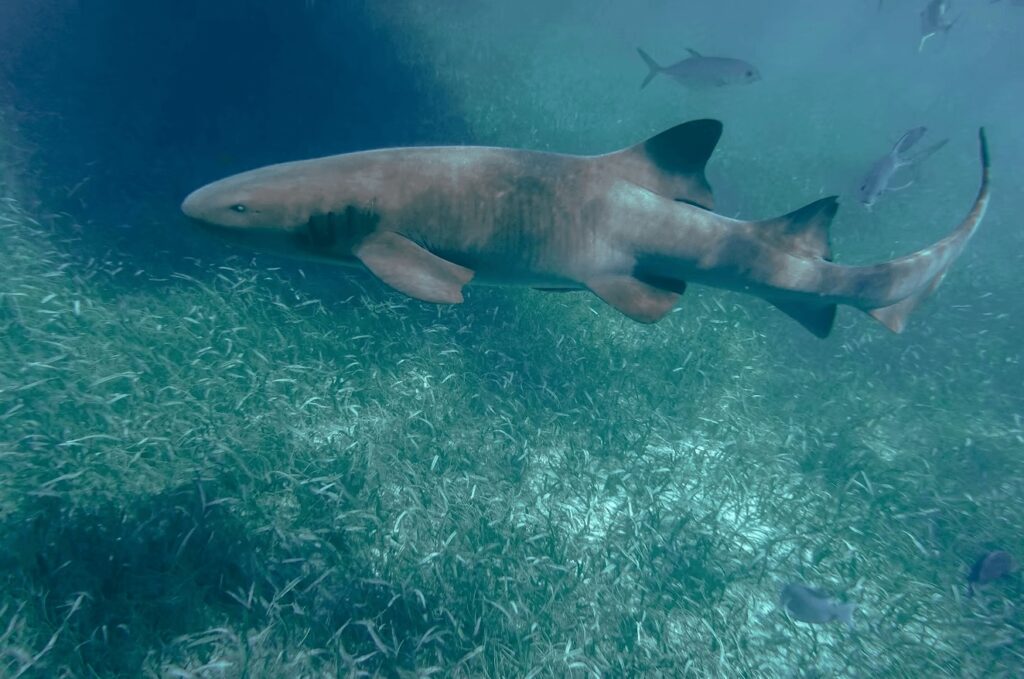
Zanzibar, Tanzania: Community-Led Conservation
Off the coast of Zanzibar, seagrass meadows are the primary blue carbon ecosystem. These underwater fields absorb carbon dioxide and store it in the seabed, while also providing essential habitat for fish, sea turtles and other marine life.
Mangroves along the fringes add another layer of protection, stabilising shorelines and acting as additional carbon sinks.
What makes Zanzibar especially compelling is its community-led conservation efforts. In several coastal villages, local women’s groups are restoring seagrass habitats and practising sustainable seaweed farming.
Not only is this reducing pressure on marine ecosystems but also creating alternative income sources.
For travellers, there’s the opportunity to engage with blue carbon in a meaningful way through guided tours that highlight community projects. These provide insight into how protecting these ecosystems and seaweed farming benefit both people and the planet, improving marine biodiversity and local economies.
How to Travel Responsibly in Blue Carbon Destinations
As with any travel, visiting blue carbon destinations places is a privilege and it comes with responsibility. These are fragile ecosystems and we need to tread carefully, whether we’re there to dive or surf.
With that in mind, here are a few tips to ensure your trip supports blue carbon ecosystems, rather than causing further harm:
- Choose eco-certified operators and accommodations (search our blog articles for inspiration)
- Avoid damaging seagrass when snorkelling or boating (don’t trample or be destructive with your fins)
- Never anchor on seagrass beds or mangrove roots
- Use reef-safe sunscreen (look for mineral-based options)
- Support community-led conservation initiatives (either through hands-on volunteering or financial means)
PLAN YOUR TRIP WITH OUR FAVOURITE RESOURCES:
Find hotels and resorts via Booking or Agoda
Book tours and experiences via Viator or GetYourGuide
Find a rental car via Discover Cars
Book flights via Kiwi or Booking
Search for buses and trains via 12Go or Omio
Get travel insurance via SafetyWing
Buy a digital eSIM with Airalo
By purchasing through our links, you’ll be supporting our website at no additional cost to you
-
Surfing and Environmental Activism: A Growing Movement
Surfing has always been more than a sport. It’s a culture shaped by natural forces – tides, winds, swells – and a lifestyle that depends on healthy ocean environments. So it’s no surprise that surfers are often engaged environmental activists, at both a local and global scale. As we’ve travelled around the world, we’ve loved…
-
Sustainable Snorkelling Tips for Ocean Advocates
You don’t need a scuba certification to fall in love with the ocean. Snorkelling is an equally magnificent way to explore coral reefs, seagrass meadows and the marine life that calls them “home”. In fact, snorkelling is often a gateway to scuba diving. Or sometimes, it’s the destination. We all snorkelled long before we ever donned…
-
How to Be a More Responsible Underwater Photographer
In recent decades, photography has become unbelievably accessible. Almost everyone carries a camera around with them everyday in the form of a smartphone. Technological improvements have also made underwater photography far more accessible, resulting in powerful images of a world that’s inaccessible to many. A single image of a healthy reef, a shark passing through…
-
Second-Hand Surf Gear: Embracing the Circular Economy
Surfing sells itself as a low-impact pursuit. All you need is a board and the ocean (and if you live where we do, a wetsuit!) What could be simpler? But behind this “at-one-with-nature” facade lies an industry built on short product cycles, seasonal “drops” and a steady turnover of gear due to new “innovations”. The…
-
How Coral Nurseries Work (And How Divers Can Join Planting Programs)
Coral reefs support an extraordinary diversity of marine life, and as divers, being able to explore them is one of life’s great privileges. But coral reefs are also among the most threatened habitats on the planet. Pollution, destructive fishing practices and climate change-induced coral bleaching are all having a devastating impact. In response, coral nurseries…
-
Are Wave Pools Sustainable? The Surf Park Environmental Debate
Nothing compares to surfing in the ocean. Full stop. For us, being at the whim of Mother Nature is a big part of surfing’s allure, and all things being equal, we’d pick the ocean over a wave pool every time. But with coastal communities under increasing pressure and surf breaks being flooded with people, are…


We are a team of passionate divers and surfers with decades of combined experience in the water and travelling to all corners of the globe.
After years of chasing waves and descending into the deep blue, we’ve created this resource to highlight sustainable surf camps, eco-dive resorts and conservation-focused ocean trips to help inspire your next adventure.
Eco Ocean Escapes was born out of a love of the ocean, an obsession with travel and a concern about the impacts of our adventures on the environments we explore.