Surfing and Environmental Activism: A Growing Movement
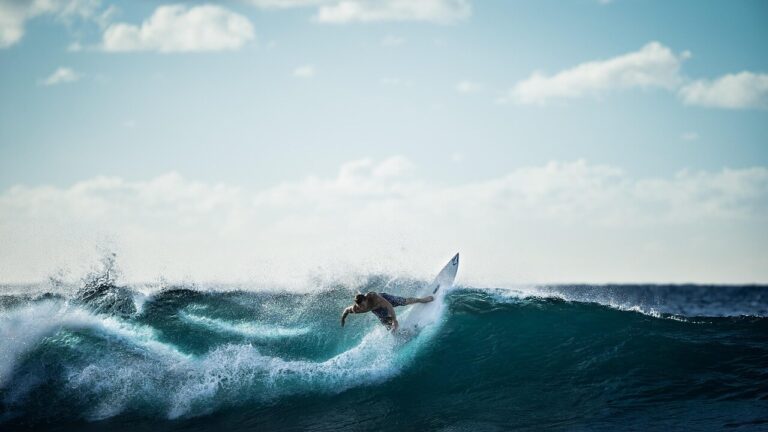
Surfing has always been more than a sport. It’s a culture shaped by natural forces – tides, winds, swells – and a lifestyle that depends on healthy ocean environments.
So it’s no surprise that surfers are often engaged environmental activists, at both a local and global scale.
As we’ve travelled around the world, we’ve loved connecting with surfers who are passionate about ocean conservation. Sitting in the lineup, it’s inspiring to hear about environmental campaigns and protests happening around the world.
From grassroots beach clean-ups to global climate campaigns, surfing and environmental activism has always been a “movement”.
If you’re someone who spends any amount of time in the water, you can see the threats our oceans are facing firsthand.
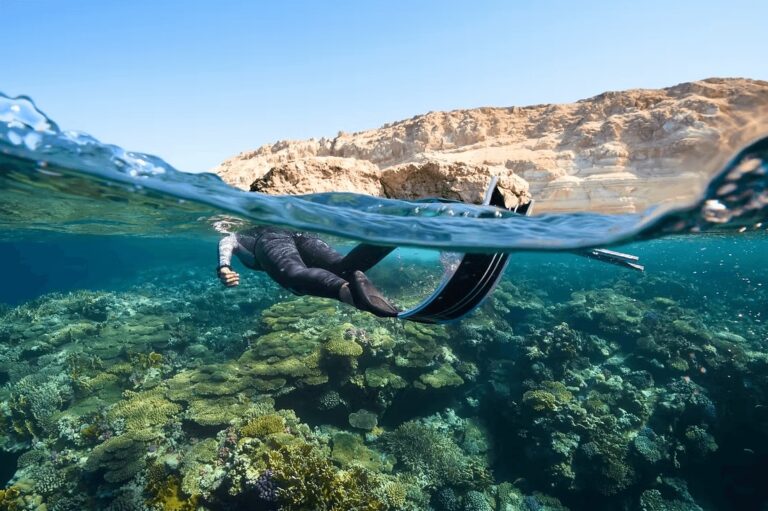
Coastal erosion is easily visible from the lineup. You can see plastic pollution floating by. And beneath the board, bleached coral stands out like a sore thumb.
It’s this lived experience that often turns surfers into advocates and encourages them to protect the playgrounds they love.
In this article, we’ll explore surfing and environmental activism movements, from grassroots initiatives to global organisations. By highlighting the ways in which surfers around the world are stepping up to protect our oceans, we hope to inspire others to do the same.
Disclosure: This article may contain affiliate links, meaning we earn a small commission when you make a purchase. Affiliate links cost you nothing and ensure our content stays free!
The Rise of Surf-Led Environmental Organisations
Several environmental conservation organisations have emerged directly from surf communities. Some have grown from grassroots operations into global movements with chapters in multiple countries.
One of the most influential is Surfrider Foundation, which was founded in 1984 to protect surf breaks and coastal ecosystems. Today, it operates internationally, campaigning for improved water quality, surf spot preservation and the protection of marine and coastal ecosystems.
In 2024, volunteers with Surfrider U.S. helped to remove 365,000 pounds of trash from beaches around the nation and the organisation is currently campaigning against new offshore drilling in unprotected areas.
In Australia, Surfrider is working to stop destructive deep sea mining and new offshore gas exploration. Each chapter works on campaigns of local significance, in collaboration with local surf communities.
Another key player is Save The Waves, which is the organisation behind World Surfing Reserves. Over the years, the coalition has spearheaded a range of international campaigns to defend surf ecosystems under threat. Today, it’s on a mission to protect 1,000 surf ecosystems by 2030.
There are lots of other surfer-led organisations out there that are working towards sustainability and conservation goals. We’ve highlighted some of our favourites here for you to follow in 2026.
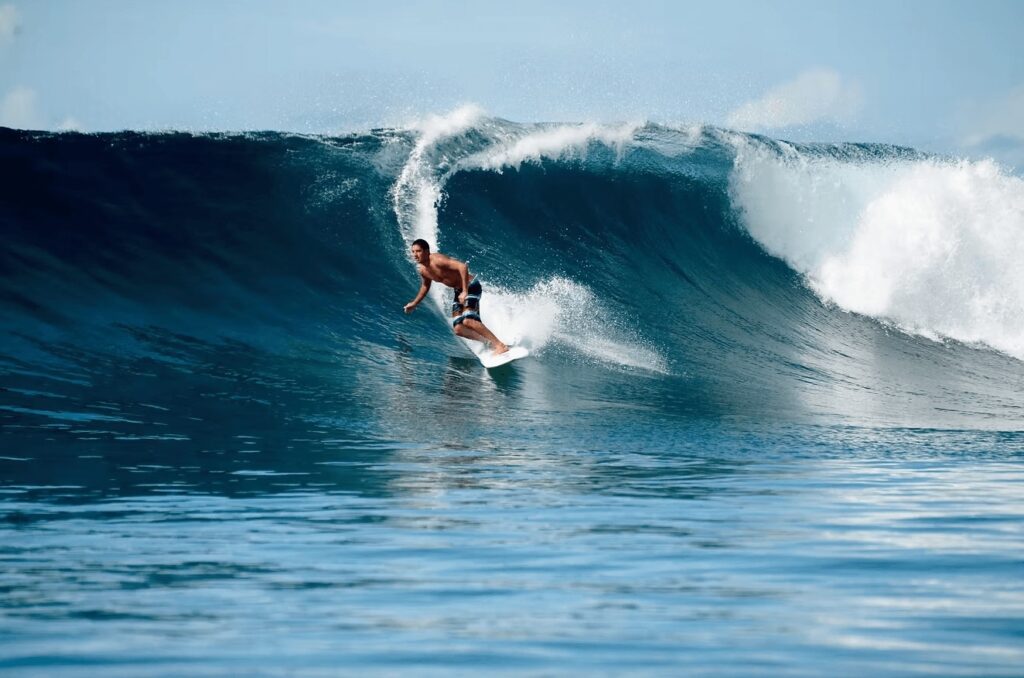
Protecting Surf Breaks Through Policy
Surf breaks are shaped by reefs, sandbanks, headlands and coastal ecosystems. And most surfers recognise that if we don’t protect these landscapes and seascapes, then we won’t have quality waves!
That’s why environmental activists in the surf community are advocating for Marine Protected Areas (MPAs) and coastal development restrictions, as well as regulations to control pollution.
Many are also campaigning for climate mitigation policies, recognising that global warming is going to have far-reaching impacts on coastal ecosystems. The threats to surf breaks are real!
In some cases, surfer-led activism has successfully prevented destructive harbour developments, coastal mining projects and sewage discharges that would have damaged iconic breaks.
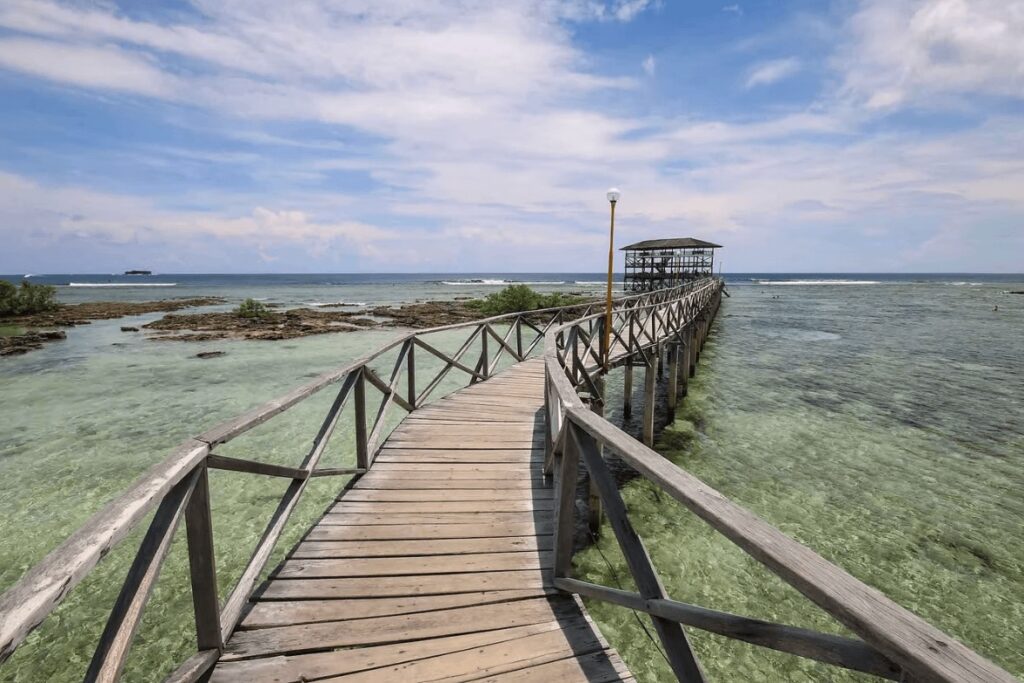
Case in point: Peru’s legendary left-hander, “Chicama”, became the first wave to be protected by a Peruvian National Law. This followed heavy campaigning against coastal development that could have negatively affected the shape of the wave….forever.
Surf activism is not performative. It’s having real-world, tangible outcomes that organisations (and everyone involved) should be really proud of.
Climate Change and the Surf Community
As mentioned above, climate change poses direct risks to surf culture. Rising sea levels are altering reef and beach breaks, while increased storm intensity is reshaping coastlines.
If you’ve surfed for years at a home break, you’ve likely experienced changes in waves as a result of shifting banks following storm activity. Sometimes coastal changes are temporary. In other cases, they are more permanent.
Ocean warming and acidification are also having negative impacts on marine biodiversity and coral reef health. A decrease in pH is particularly devastating for calcifying organisms, like shellfish, corals and plankton. But it also has far-reaching impacts on the marine food web.
Aside from supporting marine conservation organisms addressing these issues, lots of surfers are also joining climate action more broadly. It might be attending protest marches, supporting renewable energy transitions or advocating for stronger emissions targets.
In all likelihood, most surfers have multiple reasons they want to advocate for climate action. We’re not suggesting it is to protect their beloved breaks alone! But having healthy oceans and reliable waves is definitely a driving factor.
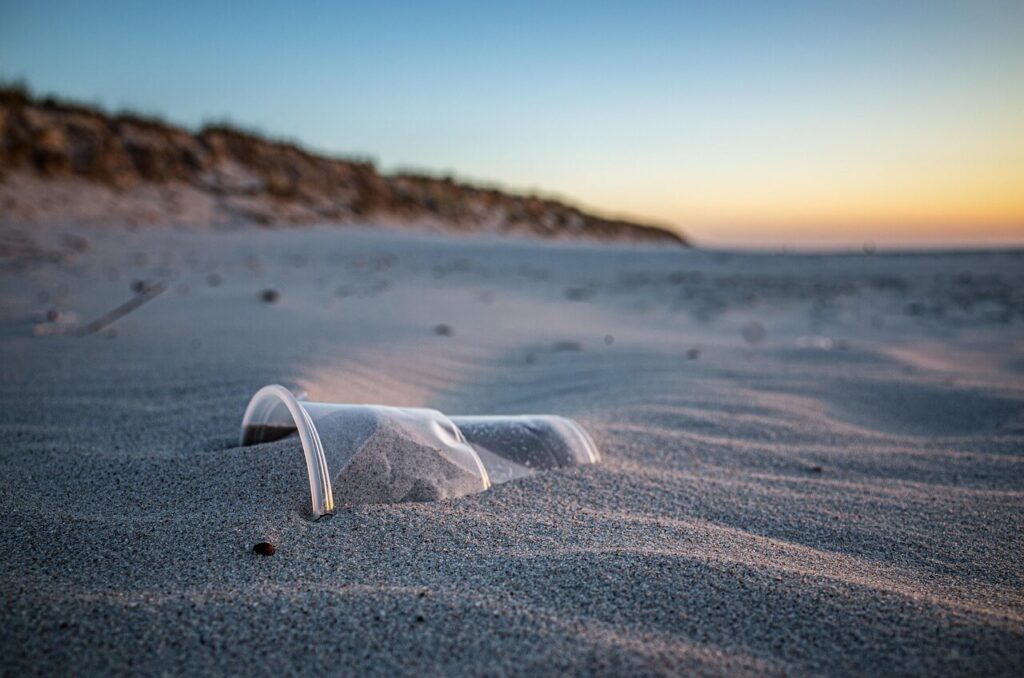
From Beach Clean-Ups to Systems Change
Surfer-led environmental activism once centred largely on beach clean-ups. It was about gathering a group of mates and heading down onto the sand to pick up plastic waste that had washed onto shore.
While clean-ups remain important and are a great way to connect with like-minded surfers, the movement has broadened significantly.
Today, surf activism includes everything from campaigning against offshore oil drilling to advocating for regenerative tourism. It includes taking on big businesses that are causing the largest-scale damage and calling out corruption that is enabling environmental destruction to take place.
These days, we don’t just want to clean up the mess. We want to shake up the systems creating it in the first place!
And we’re not trying to suggest that individual surfers and small groups haven’t been doing this kind of work for decades.
But the advent of social media has completely changed the landscape. It allows campaigns to reach a far bigger audience and generate greater support than was possible before.
Surf Industry Accountability
There’s no point trying to change the world if there’s still a mess in your own backyard. And for us, the mess is the surf industry itself.
As eco-awareness grows, a lot of surfers are starting to hold surf brands accountable and forcing them to be more transparent with their supply chain. They don’t want to be buying and using gear that is having a detrimental impact on the environments they love.
In recent years, we’ve noticed increasing scrutiny around petroleum-based neoprene wetsuits, with several brands getting innovative with natural or recycled materials. This is a direct result of consumer pressure from surfers.
There’s also growing pushback against fast-fashion in general and that includes surf apparel. Many people are investing in more durable and/or recycled materials, as well as checking for ethical labour practices and circular design systems.
Some are dipping into the second-hand surf economy and making use of lightly worn gear in favour of new. It’s not only more sustainable, but also much friendlier on the wallet.
This kind of consumer pressure is a form of activism. It’s voting with your dollars and showing brands that if they choose not to take sustainability seriously (or try to greenwash buyers), then it’s going to affect their bottom line.
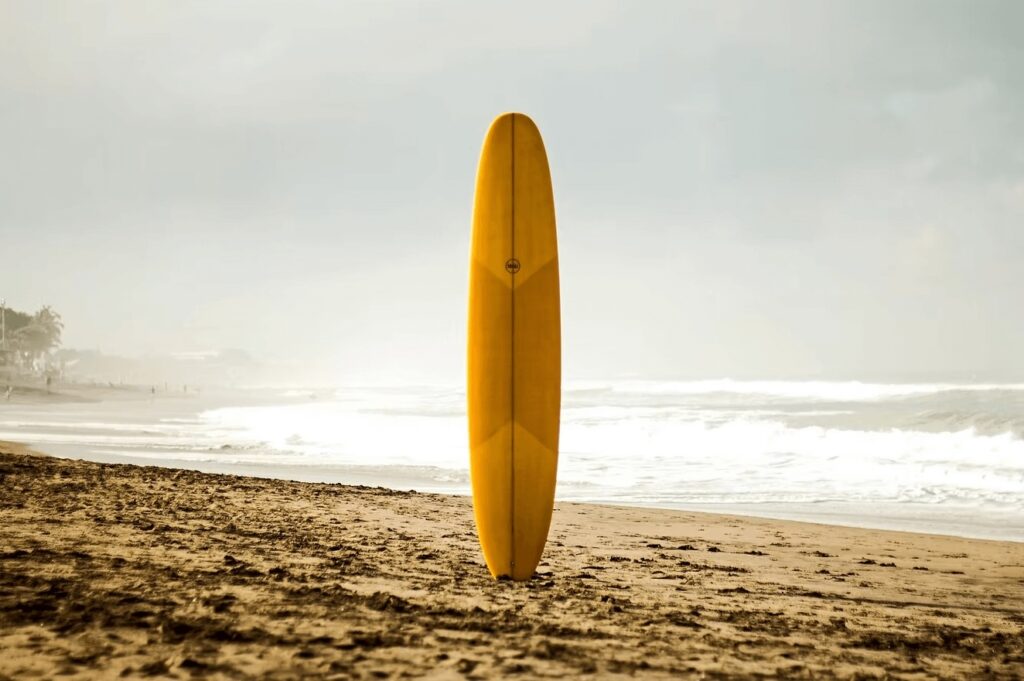
Surf Travel and Coastal Justice
Environmental activism in surfing is also expanding into issues of environmental justice and being more mindful of this as we travel. It’s easy to descend on a surf destination for a week or two, without having to worry about the long-term consequences of your trip.
In many developing coastal regions, surf tourism affects local communities – sometimes positively, sometimes not.
Where we spend our money does make a difference. It can either help to uplift local communities and support environmental conservation…or it can end up in the pockets of already wealthy investors living abroad.
We’ve stayed at incredible surf camps that take social justice seriously, with operations that support local communities and address environmental issues. We’ve also (unfortunately) found ourselves at properties that felt more extractive in the way they go about business.
Coastal justice is also about recognising that climate change disproportionately affects vulnerable populations, including communities at iconic surf destinations. So even if you’re not directly feeling the impacts of climate change, that doesn’t mean others aren’t…or that they won’t in the very near future.
Responsible surf activism means listening to and amplifying local voices, even when you’re on vacation. It’s about ensuring that conservation efforts benefit coastal communities, not just visiting surfers.
Surf Activism as a Force for Global Change
By no means are we trying to suggest that surfers alone are going to solve the climate crisis or bring about social justice. But culturally, the surf industry carries influence.
For many years (decades even), surf culture has played a role in shaping fashion trends and travel itineraries, as well as environmental narratives. When surf culture embraces activism, it can influence broader public attitudes toward ocean protection.
From our perspective, the identify of a surfer is evolving. Many surfers don’t just want to be someone who rides waves, but someone who is a coastal guardian. They understand that healthy oceans are the foundation of surfing and they want to be at the forefront of change.
As the threats facing our oceans intensify, many people in the surf community are opting to be activists, rather than passive spectators. The movement is growing because it has to..and it’s something we’re proud to be a part of.

PLAN YOUR TRIP WITH OUR FAVOURITE RESOURCES:
Find hotels and resorts via Booking or Agoda
Book tours and experiences via Viator or GetYourGuide
Find a rental car via Discover Cars
Book flights via Kiwi or Booking
Search for buses and trains via 12Go or Omio
Get travel insurance via SafetyWing
Buy a digital eSIM with Airalo
By purchasing through our links, you’ll be supporting our website at no additional cost to you
-
Engaging Citizen Science Projects for Divers + How to Get Involved
Every dive is an opportunity, not just to explore our diverse ocean environments, but to contribute to ocean science. Around the world, recreational divers are helping researchers monitor coral bleaching, track shark populations, document marine debris and even identify new species. Imagine stumbling across a species that no one has ever seen before! Through citizen…
-
Blue Carbon Destinations: 5 Travel Spots Protecting Mangroves and Seagrass
If you’ve never heard of “blue carbon”, you’re forgiven. It’s a term we’re just getting acquainted with too. But it’s at the centre of a conservation movement that is rapidly gaining momentum. It’s a movement we think is of particular interest to sustainably-minded surfers and divers. “Blue carbon” ecosystems – mangroves, seagrass meadows and coastal…
-
Sustainable Snorkelling Tips for Ocean Advocates
You don’t need a scuba certification to fall in love with the ocean. Snorkelling is an equally magnificent way to explore coral reefs, seagrass meadows and the marine life that calls them “home”. In fact, snorkelling is often a gateway to scuba diving. Or sometimes, it’s the destination. We all snorkelled long before we ever donned…
-
How to Be a More Responsible Underwater Photographer
In recent decades, photography has become unbelievably accessible. Almost everyone carries a camera around with them everyday in the form of a smartphone. Technological improvements have also made underwater photography far more accessible, resulting in powerful images of a world that’s inaccessible to many. A single image of a healthy reef, a shark passing through…
-
Second-Hand Surf Gear: Embracing the Circular Economy
Surfing sells itself as a low-impact pursuit. All you need is a board and the ocean (and if you live where we do, a wetsuit!) What could be simpler? But behind this “at-one-with-nature” facade lies an industry built on short product cycles, seasonal “drops” and a steady turnover of gear due to new “innovations”. The…
-
How Coral Nurseries Work (And How Divers Can Join Planting Programs)
Coral reefs support an extraordinary diversity of marine life, and as divers, being able to explore them is one of life’s great privileges. But coral reefs are also among the most threatened habitats on the planet. Pollution, destructive fishing practices and climate change-induced coral bleaching are all having a devastating impact. In response, coral nurseries…

We are a team of passionate divers and surfers with decades of combined experience in the water and travelling to all corners of the globe.
After years of chasing waves and descending into the deep blue, we’ve created this resource to highlight sustainable surf camps, eco-dive resorts and conservation-focused ocean trips to help inspire your next adventure.
Eco Ocean Escapes was born out of a love of the ocean, an obsession with travel and a concern about the impacts of our adventures on the environments we explore.