Top Ocean Conservation Apps For Surfers and Divers
As surfers and divers, we experience the ocean in a deeply personal way. We see coral bleaching up close, notice changes in water quality and witness the impact of plastic pollution firsthand.
So how can we use this first-hand knowledge and local insights for good? The reality is that you don’t need to be a scientist or researcher to help protect the marine environments you love. All you need is a smartphone and a desire to help.
A growing number of ocean conservation apps allow everyday ocean users (including surfers and divers) to contribute to ongoing research. Not only can you report marine life sightings and report threats, but be informed about making more sustainable choices in everyday life.
In this guide, we’ll highlight some of the best ocean conservation apps for surfers and divers, whether you’re interested in understanding the migratory routes of marine life or the changes taking place in coastal environments.
This article may contain affiliate links, which means when you make a purchase through that link, we earn a small commission. Affiliate links come at no cost to you and ensure our content remains free!
1. iNaturalist
Best for: Recording marine wildlife sightings
iNaturalist is a citizen-science ocean conservation app that allows surfers and divers to log marine life sightings.
The data you upload is shared with scientists and conservation organisations worldwide, helping them to track species distribution and population changes.
iNaturalist is particularly good for snorkellers and divers using underwater cameras, as well as surfers who can capture photos from the shore. Even imperfect images can be useful – you don’t have to be a pro with a high-quality camera!
2. Marine Debris Tracker
Best for: Tracking ocean plastic and coastal pollution
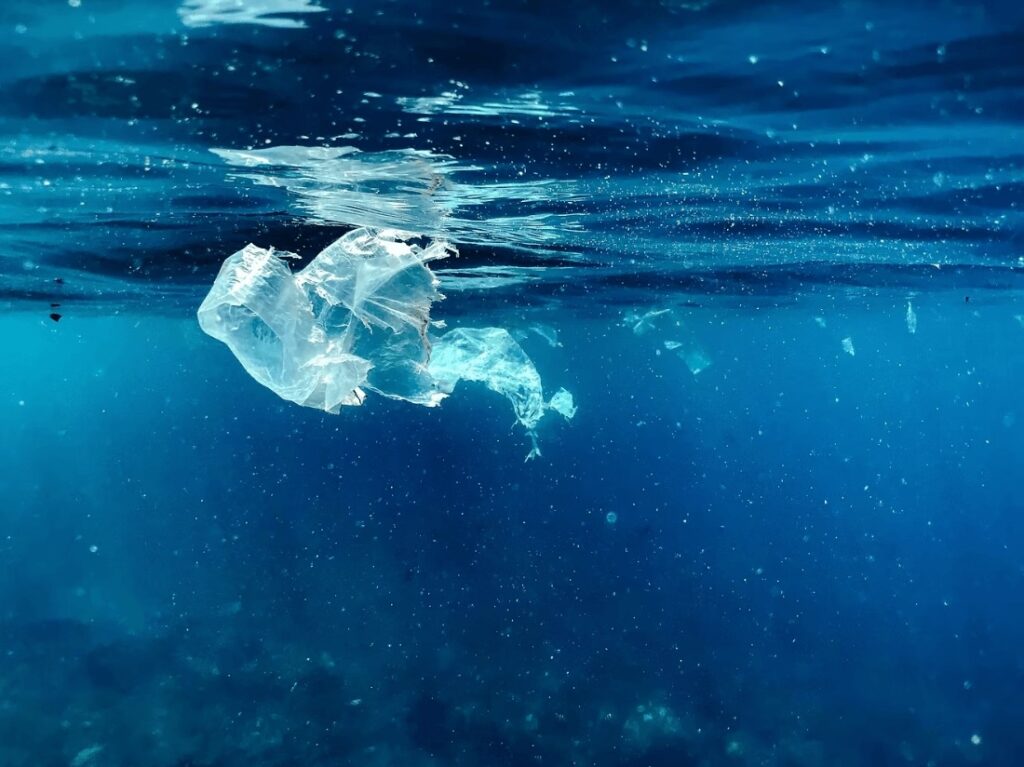
This ocean conservation app is designed to log trash found on beaches, reefs and underwater sites.
Simply select the type of trash you’ve found and the number of units. This geospatial information is then uploaded to a publicly accessible database used by policymakers, scientists, NOGs and educators.
The Marine Debris Tracker helps to identify hotspots for marine debris and is playing an important role in supporting pollution prevention strategies. You can log trash encountered in the ocean after a surf session or dive, or record what you find on the beach and the surrounding coastline.
3. EyeOnWater
Best for: Monitoring water quality
EyeOneWater is an ocean conservation app for reporting water colour, which scientists use to assess water quality, sediment levels and algal blooms. It allows them to monitor coastal ecosystems remotely and is perfect for divers and surfers who visit local spots on a frequent basis.
If you notice changes in water clarity or colour, take a photo and upload it to the app. The more photos you upload, the more you move up in ranks, from “Jolly Jellyfish” to “Dorky Dolphin” and (the highest ranking) “Neptune”.
Aside from getting a fun label, you’ll be contributing to important climate and environmental research.
4. CoastSnap
Best for: Recording coastal changes
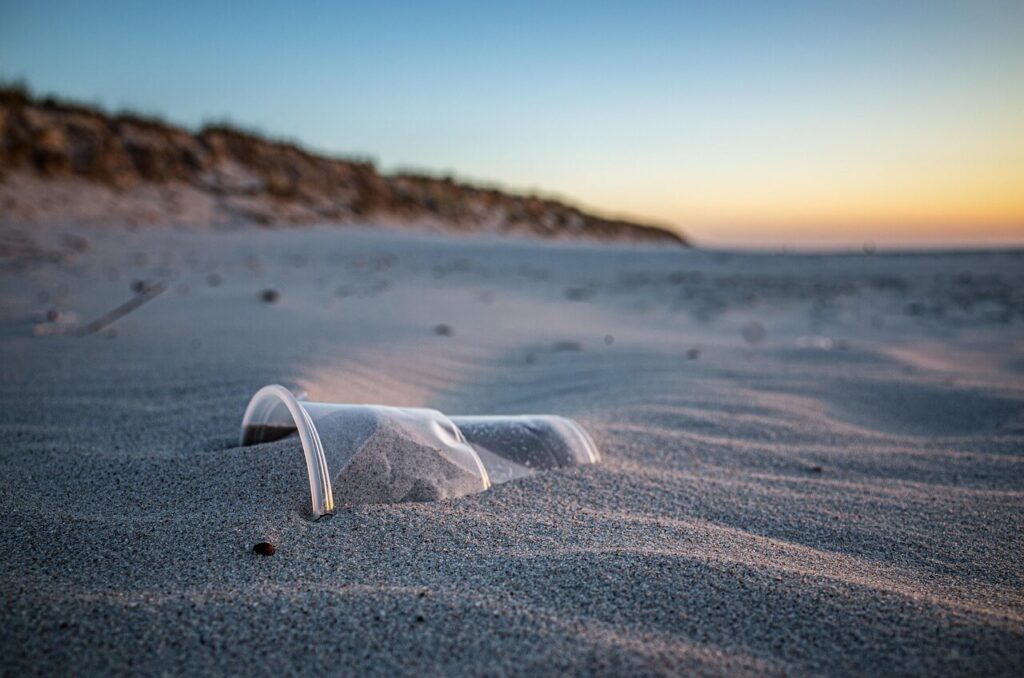
CoastSnap works by collecting repeat photographs taken from the same fixed point, allowing scientists to monitor how coastlines evolve. These images help reveal the impacts of storms, sea-level rise, human activity and other environmental forces shaping the shore.
Using a scientific method called photogrammetry, CoastSnap converts everyday photos into accurate coastal measurements. These can help researchers predict how coastal landscapes may change in the years ahead.
To contribute, all you need to do is take photos from a consistent location and log the exact time the photo was taken in the app.
5. Good On You
Best for: Sustainable apparel choices
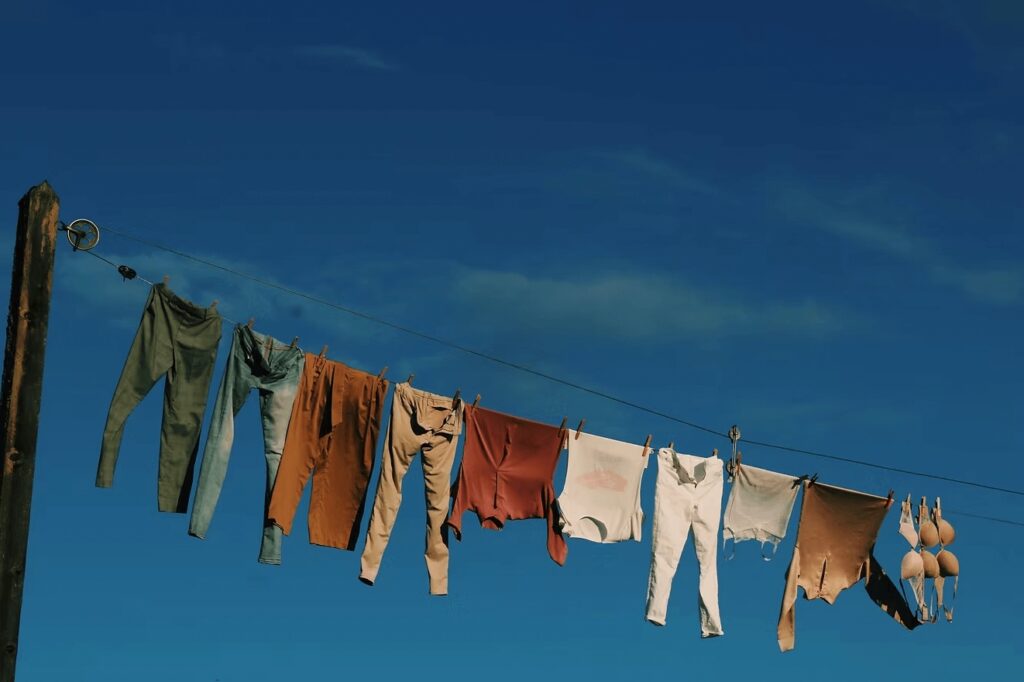
While not ocean-specific, Good On You is an app that rates fashion and gear brands based on environmental and ethical standards. It’s an easy way to make more sustainable choices when it comes to wetsuits and clothing in general.
What does Good On You look for? Its focus is on polyester-free apparel. Avoiding polyester helps to reduce microplastics and chemical pollution in our seas.
The app also encourages low-impact manufacturing and ethical supply chains – basically everything we should be looking for when buying anything new.
6. Citizen Sea
Best for: Recording marine life and ocean pollution
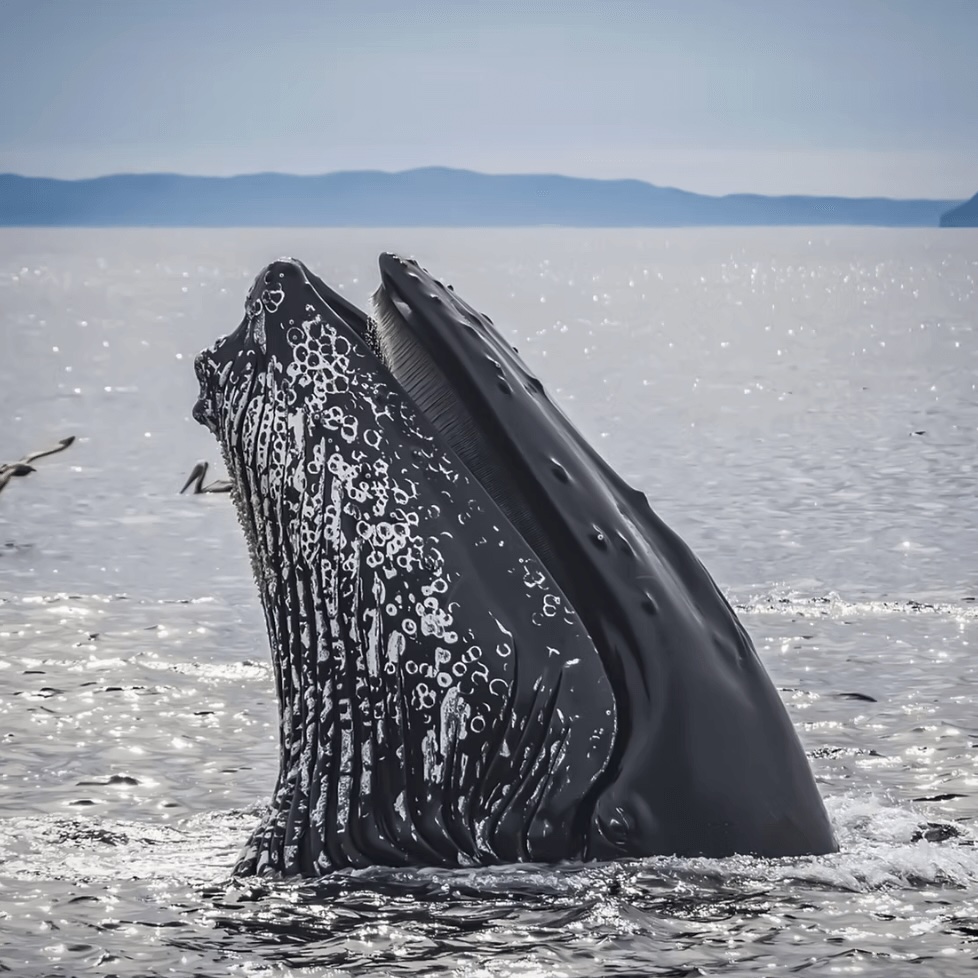
Supported by HUB Ocean, Citizen Sea is one of the largest citizen science projects in the world that’s committed to enhancing ocean health.
It encourages ocean users from various industries and communities to photograph and record sightings of marine life, including whales, dolphins, sharks, fish and seabirds.
Additionally, Citizen Sea wants information about marine pollution, such as plastic waste, abandoned fishing nets and oil spills.
All you have to do is upload your images through the app and add a few details to help scientists and researchers identify areas of concern.
Turn Your Passion for the Ocean into Action
Surfers and divers already have a powerful connection to the ocean. As a result, we are uniquely positioned to strengthen marine research through citizen science programs.
Using marine conservation apps is one of the easiest ways to transform that connection into real-world impact. It’s not an exaggeration to say you could play a role in improving ocean management and conservation policies.
Whether you’re paddling out at your local break or diving a remote reef, your observations matter. Logging a sighting, reporting debris, photographing a species – it can lead to meaningful change.
The ocean gives us so much and these apps help us give something back. They are empowering surfers and divers to protect the environments they love and build a global community of ocean stewards.
PLAN YOUR TRIP WITH OUR FAVOURITE RESOURCES:
Find hotels and resorts via Booking or Agoda
Book tours and experiences via Viator or GetYourGuide
Find a rental car via Discover Cars
Book flights via Kiwi or Booking
Search for buses and trains via 12Go or Omio
Get travel insurance via SafetyWing
Buy a digital eSIM with Airalo
By purchasing through our links, you’ll be supporting our website at no additional cost to you
-
Surfing and Environmental Activism: A Growing Movement
Surfing has always been more than a sport. It’s a culture shaped by natural forces – tides, winds, swells – and a lifestyle that depends on healthy ocean environments. So it’s no surprise that surfers are often engaged environmental activists, at both a local and global scale. As we’ve travelled around the world, we’ve loved…
-
Sustainable Snorkelling Tips for Ocean Advocates
You don’t need a scuba certification to fall in love with the ocean. Snorkelling is an equally magnificent way to explore coral reefs, seagrass meadows and the marine life that calls them “home”. In fact, snorkelling is often a gateway to scuba diving. Or sometimes, it’s the destination. We all snorkelled long before we ever donned…
-
How to Be a More Responsible Underwater Photographer
In recent decades, photography has become unbelievably accessible. Almost everyone carries a camera around with them everyday in the form of a smartphone. Technological improvements have also made underwater photography far more accessible, resulting in powerful images of a world that’s inaccessible to many. A single image of a healthy reef, a shark passing through…
-
Second-Hand Surf Gear: Embracing the Circular Economy
Surfing sells itself as a low-impact pursuit. All you need is a board and the ocean (and if you live where we do, a wetsuit!) What could be simpler? But behind this “at-one-with-nature” facade lies an industry built on short product cycles, seasonal “drops” and a steady turnover of gear due to new “innovations”. The…
-
How Coral Nurseries Work (And How Divers Can Join Planting Programs)
Coral reefs support an extraordinary diversity of marine life, and as divers, being able to explore them is one of life’s great privileges. But coral reefs are also among the most threatened habitats on the planet. Pollution, destructive fishing practices and climate change-induced coral bleaching are all having a devastating impact. In response, coral nurseries…
-
Are Wave Pools Sustainable? The Surf Park Environmental Debate
Nothing compares to surfing in the ocean. Full stop. For us, being at the whim of Mother Nature is a big part of surfing’s allure, and all things being equal, we’d pick the ocean over a wave pool every time. But with coastal communities under increasing pressure and surf breaks being flooded with people, are…

We are a team of passionate divers and surfers with decades of combined experience in the water and travelling to all corners of the globe.
After years of chasing waves and descending into the deep blue, we’ve created this resource to highlight sustainable surf camps, eco-dive resorts and conservation-focused ocean trips to help inspire your next adventure.
Eco Ocean Escapes was born out of a love of the ocean, an obsession with travel and a concern about the impacts of our adventures on the environments we explore.