How Coral Nurseries Work (And How Divers Can Join Planting Programs)
Coral reefs support an extraordinary diversity of marine life, and as divers, being able to explore them is one of life’s great privileges.
But coral reefs are also among the most threatened habitats on the planet. Pollution, destructive fishing practices and climate change-induced coral bleaching are all having a devastating impact.
In response, coral nurseries have emerged as one of the most promising tools in reef restoration and divers can get involved! It’s an opportunity to move from being a helpless observer to someone who is actively hands-on in helping our coral reefs recover.
But how do coral nurseries actually work and are coral nurseries effective for reef restoration? And what does it really mean for divers to get involved in coral planting programs?
This article may contain affiliate links, which means when you make a purchase through that link, we earn a small commission. Affiliate links come at no cost to you and ensure our content remains free!
What Is a Coral Nursery?
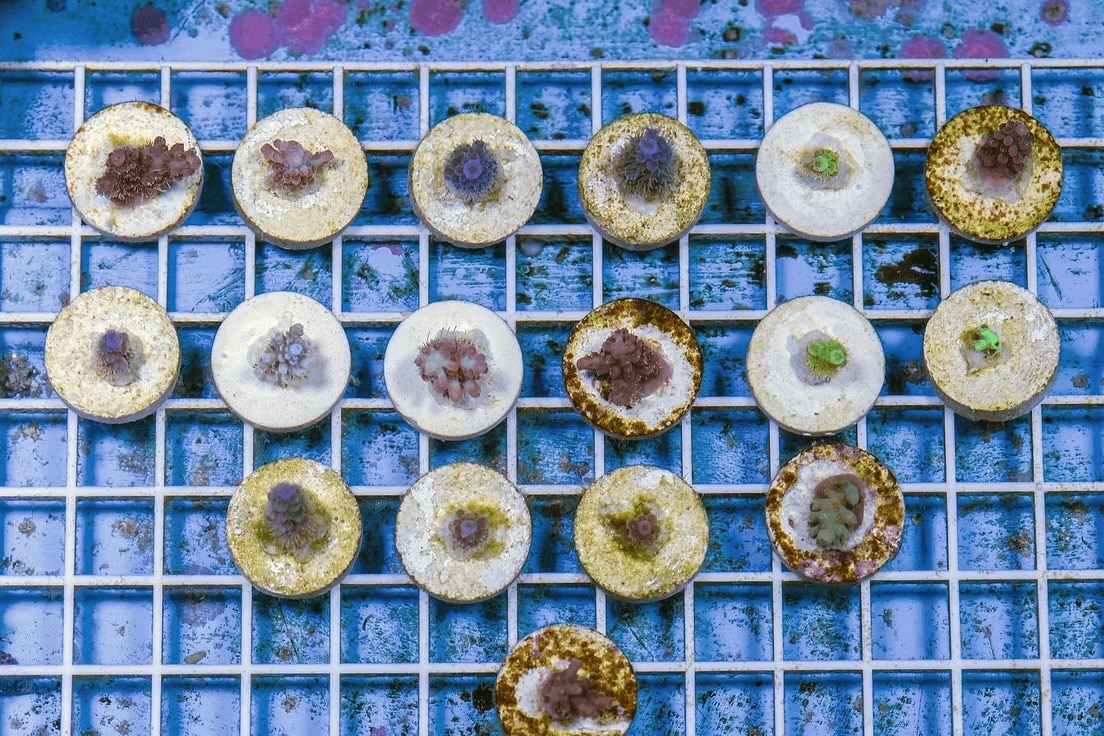
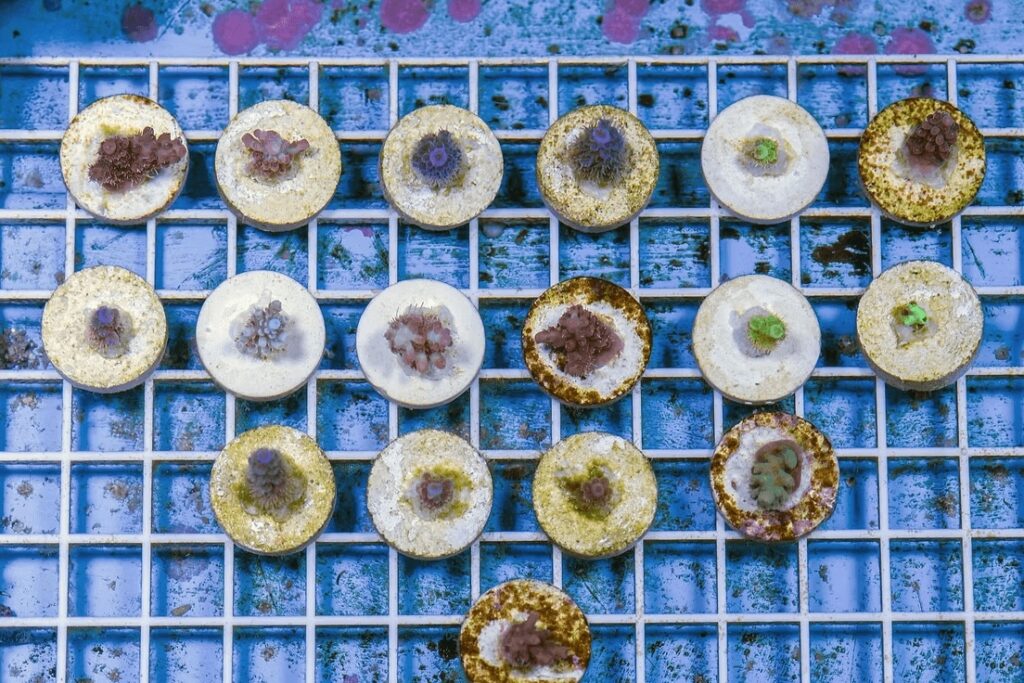
A coral nursery is a controlled environment (underwater or land-based) where coral fragments are grown. They are nurtured here until they are large and resilient enough to be transplanted back onto damaged reefs.
Rather than harvesting coral fragments from healthy reefs, most nurseries use fragments that have naturally broken off during storms or disturbances. This ensures that coral reef restoration isn’t contributing to coral reef destruction.
In a coral nursery, these fragments are provided with optimal conditions to grow faster and stronger than they would in the wild.
It’s kind of like a rehabilitation centre for coral reefs – somewhere that is focused completely on their recovery and giving them the best chance of survival!
That being said, not all coral nurseries are the same. Some are land-based while others are in the ocean, with coral fragments suspended on rope lines, racks or frames. By being suspended in the water, corals benefit from water flow and reduced sediment buildup.
In-water coral nurseries are usually positioned to be accessible to divers. This allows for easy monitoring and maintenance. Many are located on shallow house reefs near dive resorts, allowing guests to participate in coral planting for divers projects.
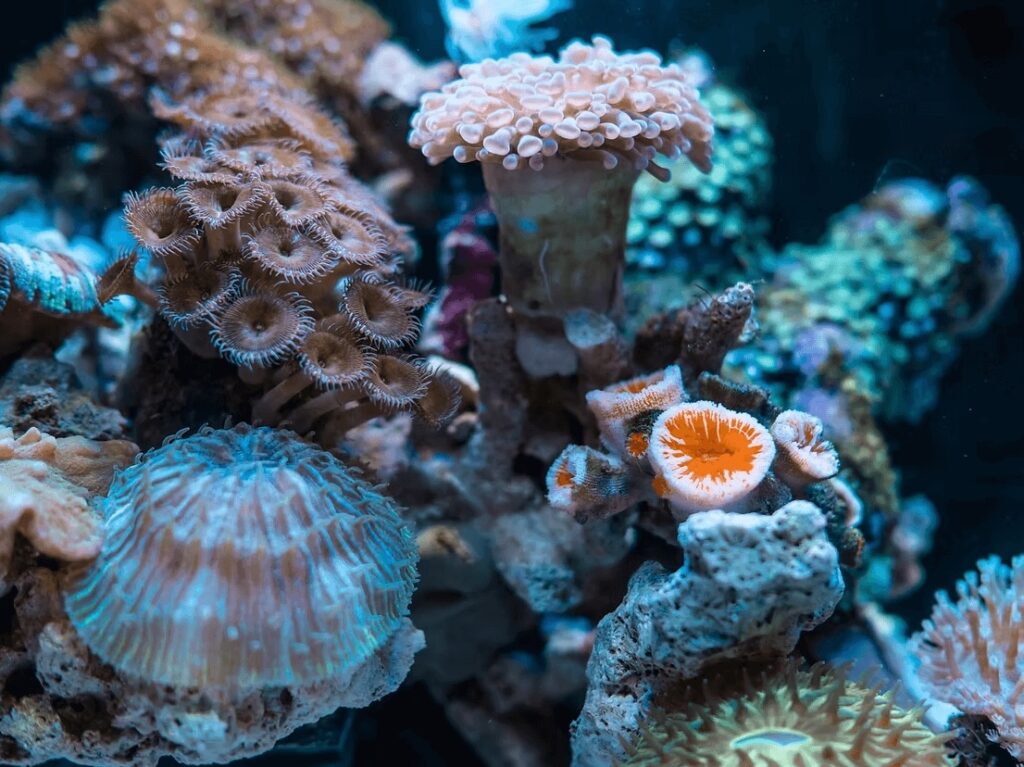
Land-based nurseries are often housed in tanks, where scientists can tightly control temperature, light and water chemistry. They are especially useful for growing heat-tolerant coral strains and conducting ongoing research.
Coral Nurseries Are Part of a Bigger Solution
Coral nurseries are not a silver bullet solution by any stretch of the imagination. Firstly, they cannot fix climate change or stop ocean warming – two of the most significant threats to coral reefs.
But they can play an important role in accelerating reef recovery after damage and preserving genetic diversity.
Often, they are implemented to support reefs with high ecological or tourism value (in some of the world’s most popular dive destinations), ensuring they aren’t lost completely.
In many regions, reefs that would otherwise take decades to recover can regain structure and function far more quickly with targeted restoration.
Coral nurseries can also help to “buy time” while larger environmental issues (such as ocean acidification and microplastic pollution) are addressed.
How Divers Can Get Involved
Many coral restoration programs actively encourage recreational divers to get involved and it’s a great way to get hands-on in marine conservation.
But for your participation to be meaningful, there are a few things to keep in mind:
Look for Reputable Programs
Look for coral planting for divers initiatives that partner with marine biologists and local conservation organisations. The priority should always be reef health and providing a proper ecological context for guests, rather than simply “revenue raising”.
Here are a few examples:
The SEA People (a non-profit in Raja Ampat) regularly hosts coral planting days and has, to date, restored over 1.5 hectares of degraded reefs. Guided by experienced coral planters, you can participate in one of their two-dive experiences to support the ongoing health of Raja’s underwater world.
Atmosphere Resort (near the Filipino town of Dauin) has established a coral nursery within its house reef, in collaboration with the Institute for Marine Research (IMR). It operates weekly “restoration dives” that allow divers to get hands-on with the project.
Cairns-based Dreamtime Dive & Snorkel operates reef recovery days on the Great Barrier Reef, in conjunction with The Reef Cooperative. As a diver, you can get hands-on by helping to install reef stars or tie coral fragments onto existing reef stars.
Training Comes First
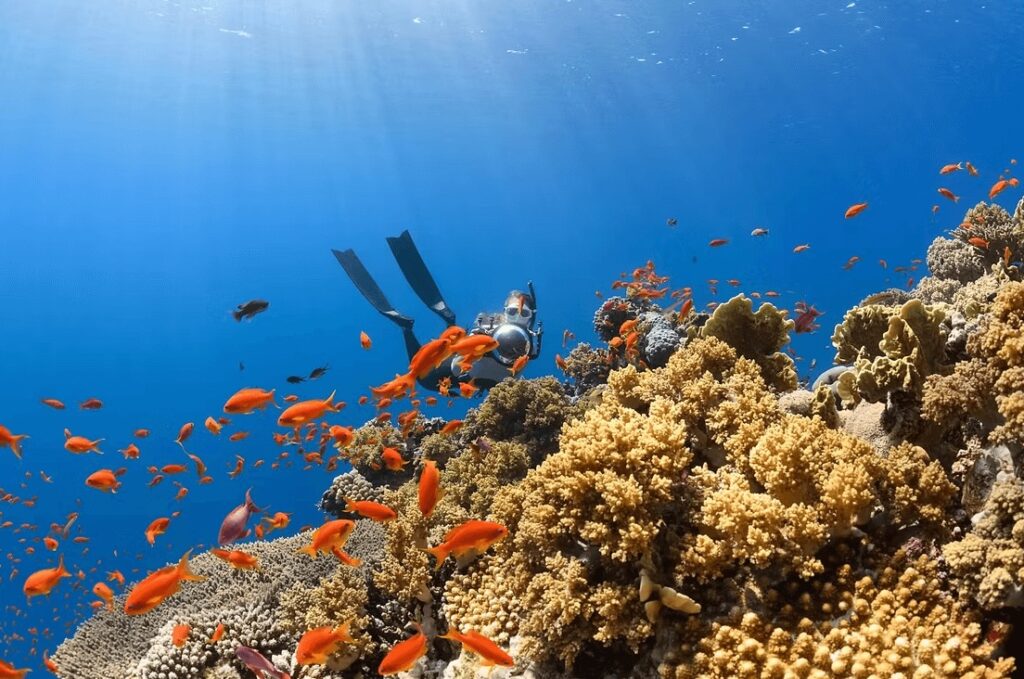
If you sign up for a coral planting program, don’t expect to be descending into the water as soon as you arrive. Training is an integral part of the experience. It usually includes coral identification basics and instructions on handling and attaching techniques.
It is only once the coral fragments reach a sufficient size that they are transplanted onto degraded reef areas. These are selected based on depth, light, water flow and accessibility. Usually, the corals are secured to the substrate using marine-safe cement, epoxy or clips.
If you want to participate in a coral planting program, it’s important to consider your own diving ability. Buoyancy control is particularly important and we would recommend undergoing further training if it’s not quite there yet. This ensures that corals and reefs aren’t accidentally damaged during planting.
Provide Ongoing Support
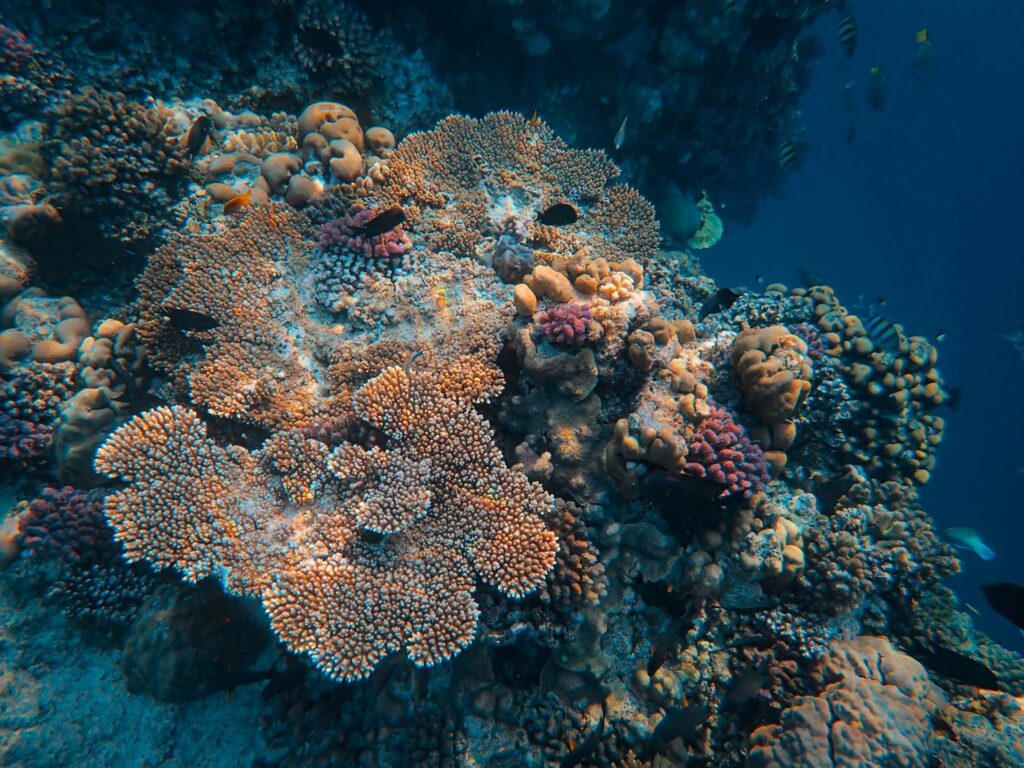
One of the great things about participating in a coral planting program is being able to witness progress over time. It’s worth remembering that planting is only the beginning and long-term monitoring is essential to assess a project’s success.
Some divers return annually to monitor coral planting sites through data collection, maintenance dives or citizen science surveys. If you’re not able to return in person, you can stay up to date with coral planting programs online or contribute financially through donations.
What Coral Planting Can’t Do
While coral nurseries can restore structure to damaged reefs and support biodiversity recovery, they can’t stop coral bleaching or mitigate large-scale climate changes.
It’s also important to remember that coral planting and reef restoration rarely succeed if local stressors (agricultural runoff, chemical spills) aren’t addressed.
Research suggests that the most effective programs combine coral restoration with water quality protection, fishing regulations and community education.
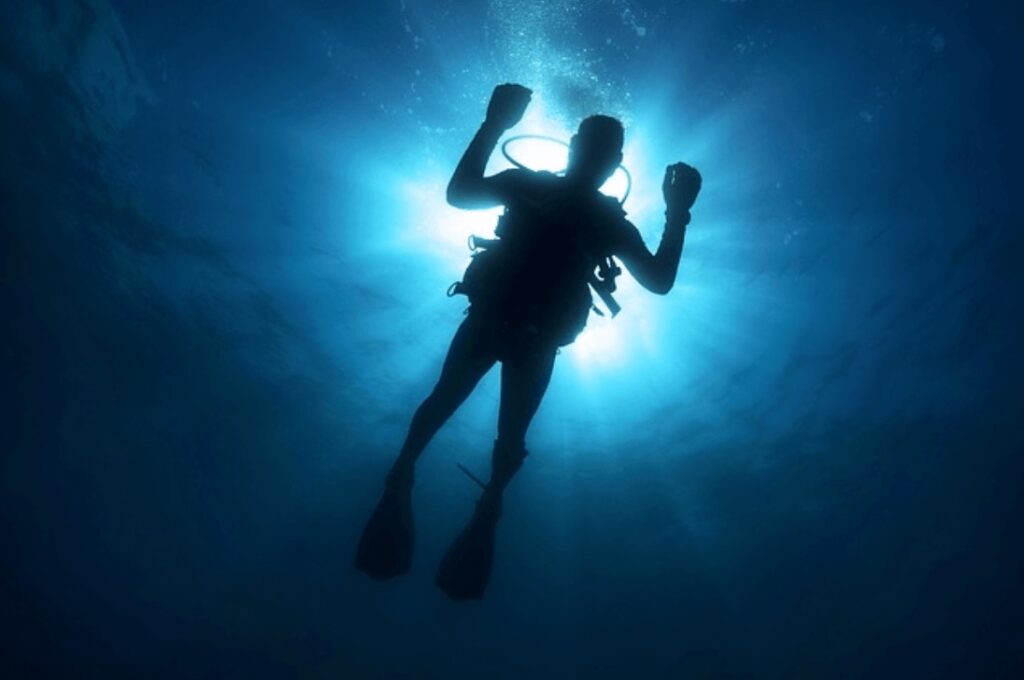
Become a Coral Planting Ocean Activist
Divers are uniquely positioned to support coral restoration. We already possess the dive skills to access underwater environments, and most of us share a passion for marine conservation. That’s a great starting point!
If you’re willing to learn, there’s the opportunity to participate in one-off coral planting dives on vacation or conduct regular monitoring for reef restoration projects back home.
Additionally, we can provide funding for coral nurseries through responsible tourism and supporting dive operators that are actively involved in restoration projects. Just your choice of dive resort or operator matters!
Participation changes perspective and once you’ve planted coral, it’s hard not to become a global advocate. When you see the issues first-hand and witness what can be done about them, there’s no reason to stay silent.
Spreading awareness is equally important as getting hands-on, as it helps the message reach a wider (non-diving) community. In an era of environmental uncertainty, many people are looking for ways to give back.
By sharing information and personal insights, you might be the ocean activist who inspires them to be a coral nursery ally.

PLAN YOUR TRIP WITH OUR FAVOURITE RESOURCES:
Find hotels and resorts via Booking or Agoda
Book tours and experiences via Viator or GetYourGuide
Find a rental car via Discover Cars
Book flights via Kiwi or Booking
Search for buses and trains via 12Go or Omio
Get travel insurance via SafetyWing
Buy a digital eSIM with Airalo
By purchasing through our links, you’ll be supporting our website at no additional cost to you
-
Plan a Surf + Yoga Retreat at Rascals: An Adults-Only Hotel in Kuta, Lombok
Tucked away on a quiet street off Kuta’s main drag, Rascals was our stay of choice on our last visit to Lombok. It had been on our radar for many years, but we’d always returned to Mana Eco Retreat – a place we’d fallen in love with for its tranquil cabanas, vegetarian-friendly restaurant and incredible…
-
The Blue Revolution: How Ocean Conservation Is Changing Travel
If you’re anything like us, the ocean is what fuels your travel adventures. Over the last 20+ years, we’ve flown across the globe to dive with manta rays, kayak above coral reefs and surf legendary waves. But there is an uncomfortable contradiction at the heart of ocean tourism: the healthier the marine environment, the more…
-
Climate Change in the Ocean: A Guide for Surfers + Divers
When we think about climate change, our attention naturally turns to what we can see on land or are experiencing first hand: rising temperatures, melting glaciers, wildfires and more intense weather events. Many of these are well-reported on the nightly news and it’s devastating to see intense wildfires ripping across landscapes and floods wreaking havoc…
-
Resort vs Liveaboard vs Homestay Diving in Raja Ampat: Choosing the Right Experience
Raja Ampat is one of my favourite diving destinations in Indonesia. In fact, that’s probably an understatement. Raja is one of my favourite places to dive anywhere in the world. The underwater experiences I’ve had here are nothing short of extraordinary…and that’s not taking into account the incredible above-water scenery. It really does feel like…
-
How Sunscreen Affects Coral Reefs + Marine Life
If you’re anything like us, applying sunscreen is second nature before heading out to surf or spending a day on a dive boat. In fact, our skin type means we need to apply sunscreen before we step outdoors…full stop! Since we were little, it’s been drummed into us that sunscreen protects our skin from harmful…
-
The Essential Scuba Diving Guide to Raja Ampat, Indonesia
Few places we’ve dived have captured our imagination quite like Raja Ampat. Our first visit was back in the early 2000s, staying at a homestay on a blissfully gorgeous beach, and our second in 2023 at the eco-friendly Papua Explorers Resort. Both are experiences that will stay with us forever and affirmed what so many…

We are a team of passionate divers and surfers with decades of combined experience in the water and travelling to all corners of the globe.
After years of chasing waves and descending into the deep blue, we’ve created this resource to highlight sustainable surf camps, eco-dive resorts and conservation-focused ocean trips to help inspire your next adventure.
Eco Ocean Escapes was born out of a love of the ocean, an obsession with travel and a concern about the impacts of our adventures on the environments we explore.