Overtourism in Dive Destinations: Are We Destroying Our Reefs?
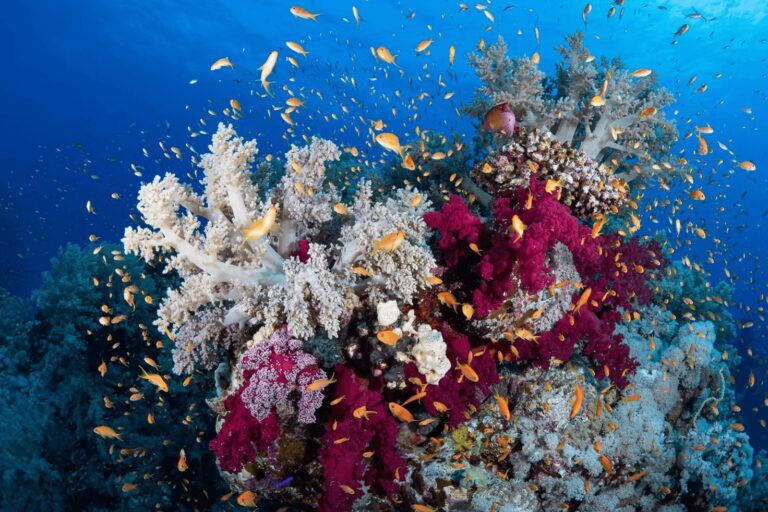
If you’re a diver or snorkeller, you don’t need reminding that coral reefs are among the most magnificent places on Earth. The colours, the abundance, the movement – it’s hypnotic at times!
But coral reefs are also among the most fragile ecosystems on our planet and human actions are a threat.
As dive tourism grows around the globe, an uncomfortable question is surfacing: is overtourism putting the very reefs we love at risk?
From Southeast Asia to the Caribbean, popular dive destinations are grappling with overcrowding, environmental degradation and difficult decisions about how much tourism is too much.
In this article, we’ll explore what overtourism looks like underwater, how it impacts coral reefs and what we can all do as divers to be part of the solution, rather than the problem.

What Is Overtourism and How Does It Affect Reefs?
Overtourism occurs when the number of visitors to a destination exceeds what the environment or local infrastructure can sustainably handle. It’s happening all over the world – at iconic city sights, at natural wonders and in what were once remote and difficult-to-access destinations.
At dive hotspots, overtourism often manifests underwater before it becomes obvious on land. You might not even realise there is damage or destruction until you don your gear and descend.
Common signs of overtourism on reefs include:
- Too many dive boats anchoring on the same sites and increased sedimentation from boat traffic
- Repeated physical contact with coral from fins, cameras or hands
- Pollution from sunscreen, fuel and wastewater
- Stress on marine life due to constant and up-close human presence
While a single diver might cause minimal damage, thousands of divers visiting the same reef week after week can have cumulative, long-lasting effects.
How Diving Can Damage Coral Reefs
Here at EcoOceanEscapes, we honestly believe that most divers don’t intend to cause harm. But even well-meaning behaviour from scuba divers can have negative consequences.
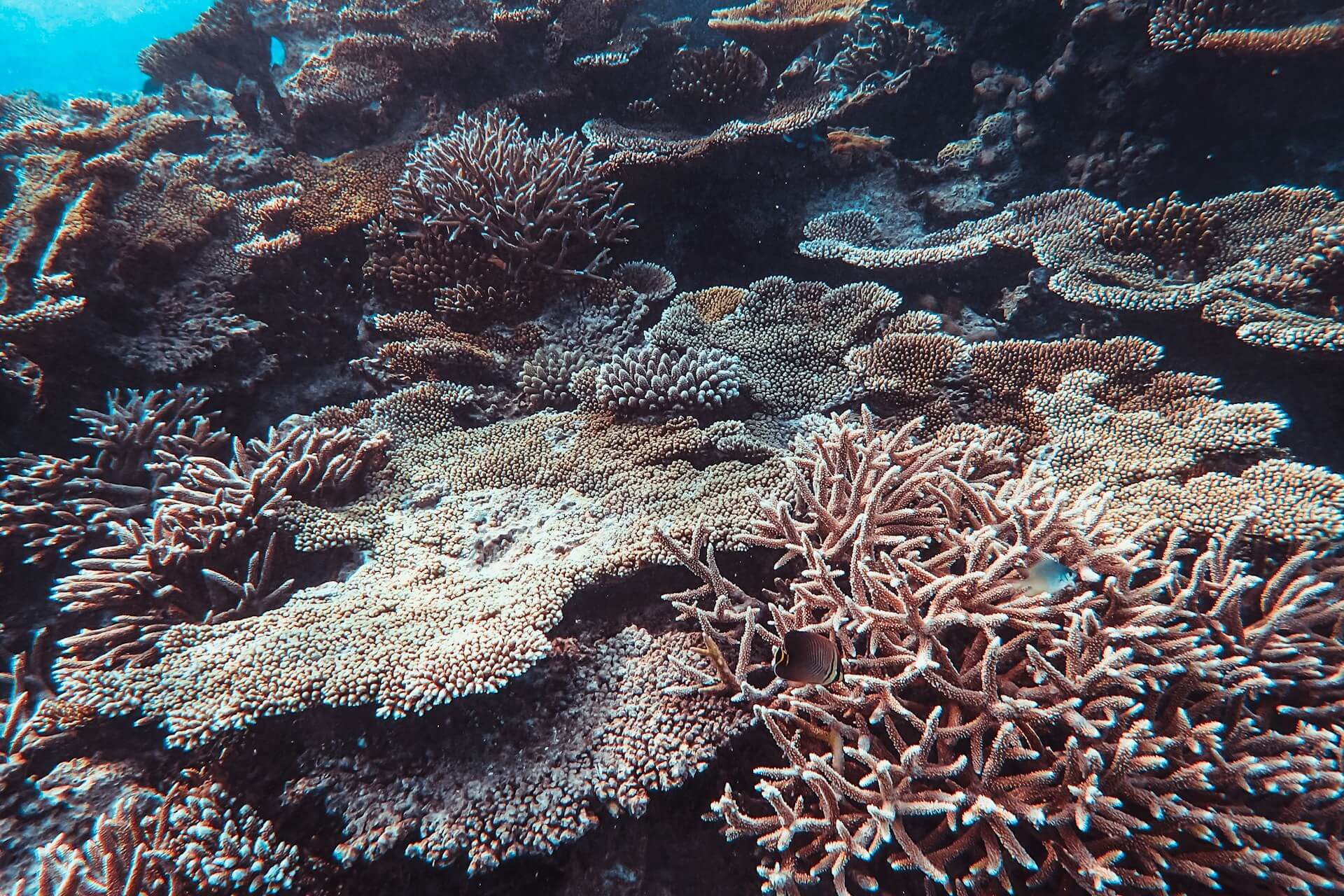
Corals are living animals, not rocks. So a single fin kick or accidental grab can break decades of growth. Poor buoyancy can easily lead to broken coral heads and, over time, this may result in reduced biodiversity at dive hotspots.
Additionally, the constant interaction with humans can alter the behaviour and feeding patterns of marine life. There may also be a significant increase in stress, especially where animals are chased or baited for photos.
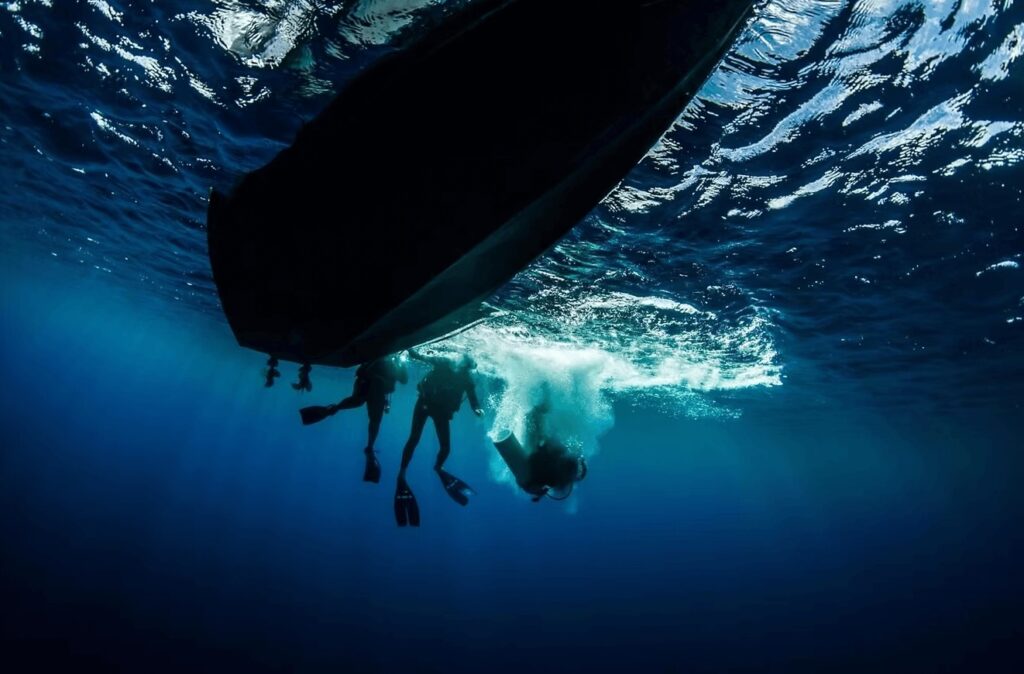
In destinations without permanent mooring buoys, anchors from dive boats can lead to irreparable damage in a matter of seconds. Dragging anchors across reefs, crushing coral structures and destroying seagrass beds can all have devastating effects for marine life.
Destinations Struggling With Dive Overtourism
From the Red Sea in Egypt to Cozumel in Mexico, some of the world’s most iconic dive destinations have been the most impacted.
In many cases, closures and restrictions are introduced only after damage becomes impossible to ignore. By that time, the word is out and some dive tourists no longer want to visit.
It’s important to note that sometimes it is not overtourism alone that is irreparably damaging reefs. Sometimes, it’s a combination of factors – on-land pollution and nutrient loading, poorly managed dive tourism and climate change-induced events.
Raja Ampat, Indonesia
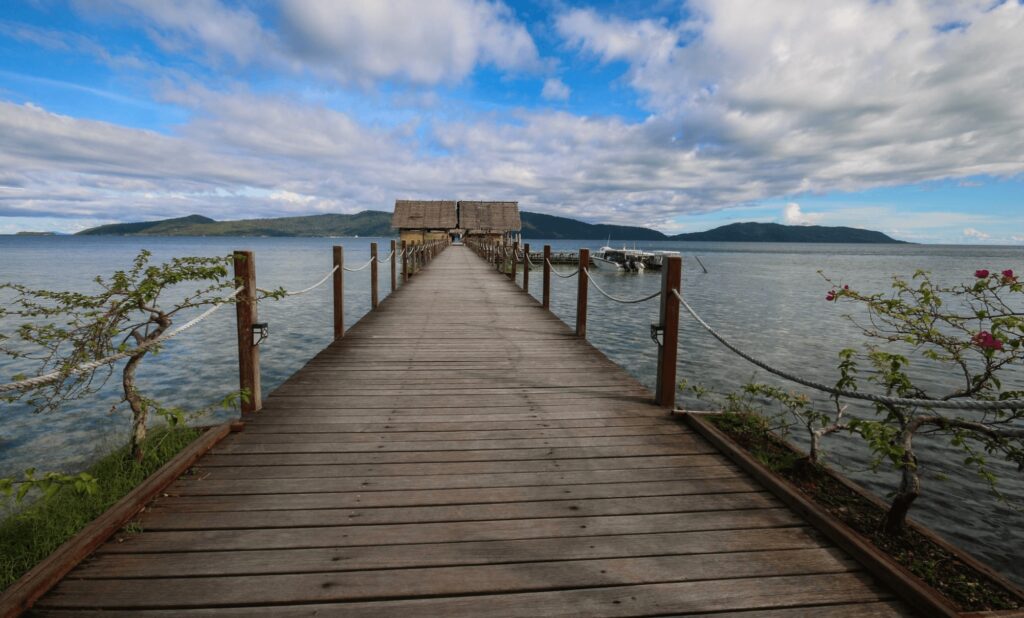
Raja Ampat is considered one of the most biodiverse marine environments in the world, home to millions of reef species. But its fame and popularity have grown rapidly, attracting large numbers of liveaboards and international tourists. This, in turn, has led to an increase in coral damage.
Adding to the problem is the rapid coastal development for in-demand resorts and Raja Ampat homestays. These come with additional pollution issues centred around waste and sewage disposal.
In response, no-entry zones have been established to protect nursery areas in Raja Ampat and boat anchoring buoys have been installed to avoid anchor damage. Visitor caps have also been established at many of Raja Ampat’s most vulnerable sites.
Koh Tao, Thailand
In the 1990s, Koh Tao became a budget dive hub in Thailand, with hundreds of dive schools and thousands of annual certifications. While this allowed more people to discover the joys of scuba, it also led to overcrowded dive sites with repetitive traffic and increased coastal marine pollution.
Due to increased demand, there was a spike in low-quality training facilities, many of which prioritised profits over sustainability. The poor buoyancy skills of new divers has also been an issue, leading to significant coral damage and breakage.
In response, local dive operators have partnered with organisations like PADI AWARE to address some of these overtourism issues, starting with the training of more environmentally conscious instructors. Additionally, new divers are being encouraged to improve their buoyancy before being allowed close to fragile reefs.
Marine preservation zones have also been established where diving is limited, giving reefs time to recover. Some local operators are also spearheading beach cleanups and waste reduction campaigns to ensure Koh Tao’s dive industry has a future.
The Maldives
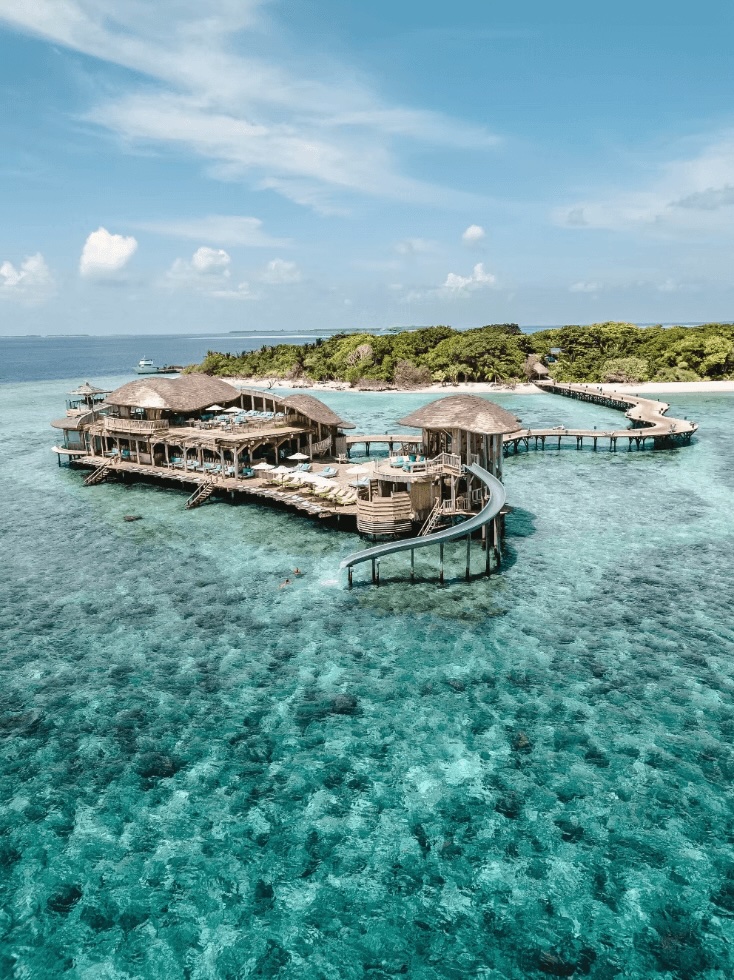
At the other end of the budget range, the Maldives has established a reputation for luxury dive vacations, attracting large numbers of wealthy tourists. Many of the resorts here are overwater, with infrastructure, such as jetties and walkways, that can damage coral reefs.
Adding to the destruction, wastewater discharge into the Maldives’ fragile underwater environments can alter nutrient balances. Unless addressed, this issue is only exacerbated with an increase in tourist numbers.
In response, many modern Maldives resorts have been designed with sustainability in mind and have strong eco-design standards and practices. Some employ marine biologists who lead dive briefings and ensure responsible diving practices are upheld underwater.
Marine Protected Areas have been established in parts of the Maldives, with frequent patrols to ensure enforcement of rules and regulations. Additionally, several reef restoration projects have been initiated, including coral gardening and coral frame installations.
Is Dive Tourism Always Bad for Reefs?
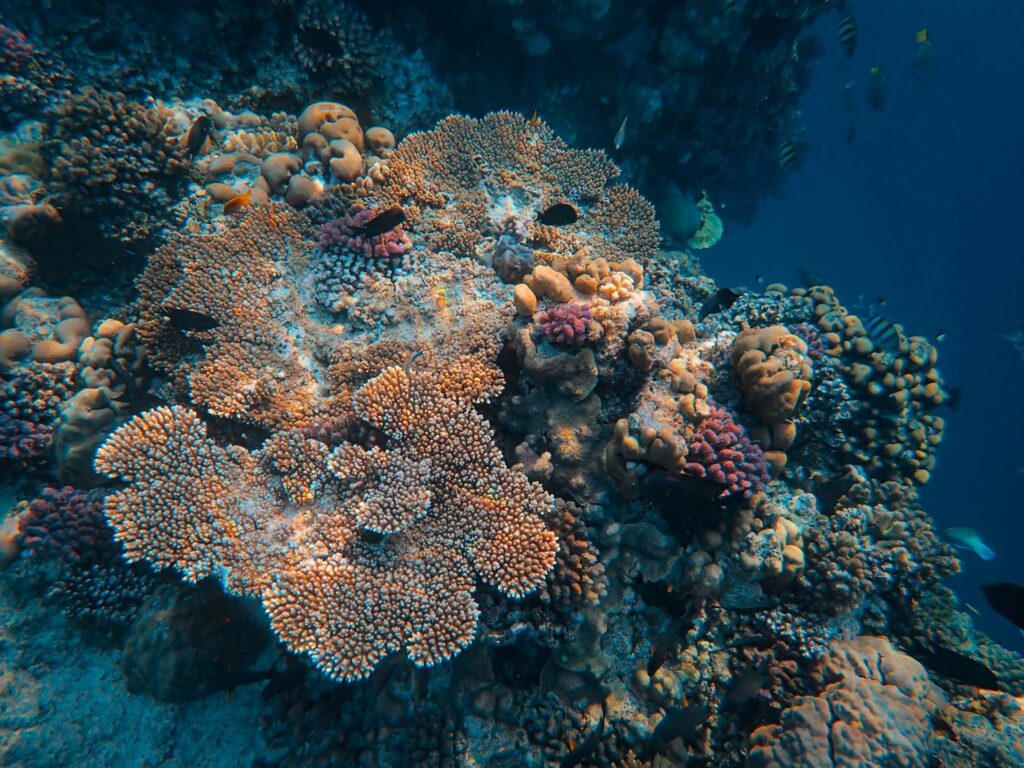
Not at all! When managed responsibly, dive tourism can actually protect reefs rather than destroy them and it can contribute significantly to local livelihoods.
We’ve stayed at sustainably run dive resorts all over the world that are providing reliable employment and playing an active role in reef restoration efforts. Many are encouraging locals to stop destructive fishing practices by providing alternative means of making an income.
In many areas, dive tourism is the reason that Marine Protected Areas (MPAs) are established in the first place. This can lead to a return of marine life, benefitting not only divers but also coastal communities that rely on fishing.
Ultimately, it comes down to how reefs are managed and the enforcement of regulations, as well as the behaviour of dive operators and individuals.
Well-regulated, sustainable dive tourism can:
- Provide funding for marine parks and conservation programs
- Create economic incentives to protect reefs instead of exploiting them
- Support local communities through sustainable livelihoods
- Increase awareness and education around marine conservation
What Sustainable Dive Tourism Looks Like
In response to overtourism in many dive destinations around the globe, local stakeholders are fighting back.
In places like Bonaire, where climate change and pollution have taken their toll on coral reefs, sustainability efforts are underway to save what is one of the island’s most important industries.
And other destinations have taken note, realising they need to act now if they want dive tourism to thrive in the future.
Responsible, sustainably managed dive destinations share several key characteristics:
- Visitor caps or limits on daily dives to reduce stress on marine life and underwater environments.
- Mooring buoys are used instead of anchors to prevent reef damage.
- Strict no-touch, no-take policies – a dive guide will never manipulate or provoke animals for guests’ interests or to capture the perfect shot.
- Certified dive operators who are trained in and uphold environmental best practices.
- Marine Protected Areas (MPAs) that are managed responsibly and with real enforcement of rules/regulations.
- Reef monitoring programs to assess ongoing initiatives and restoration projects to mitigate damage.
Discover 5 of our favourite sustainable dive destinations here.
What You Can Do (As a Diver) to Reduce Your Impact
You may think it’s up to local stakeholders and dive operators to lead the way when it comes to preventing overtourism in dive destinations.
But as divers, our choices matter more than we might think. We are the ones financing the industry, and how we choose to spend our money sends a strong message about the kind of dive tourism we want to support.
So what can you do, as a diver, to not add to overtourism in dive destinations?
Choose Responsible Dive Operators
Look for operators that:
- Limit group sizes
- Use mooring buoys
- Offer environmental briefings
- Support local conservation efforts
Master Your Buoyancy
Good buoyancy control is one of the single most effective ways you can protect reefs. If you’re rusty, consider a refresher or buoyancy course.
And if you don’t have your buoyancy under control, maintain adequate distance from the reef, even if it means not getting that close-up shot you really want.
Use Reef-Safe Sunscreen
Choose mineral-based sunscreens (zinc oxide or titanium dioxide) and apply them well before entering the water.
Chemical-based sunscreens containing oxybenzone and octinoxate can damage the DNA of corals and cause deformities in larvae, as well as trigger viral infections that can weaken or even kill reefs.
Respect Marine Life
Never touch, chase, feed or manipulate animals, even if a guide encourages it. In fact, if a guide participates in this sort of behaviour, call them out and say it’s not the kind of dive experience you want to support.
If you’re an underwater photographer, never provoke a creature to get the shot you want and avoid lingering on one animal for a long period of time. This can cause significant stress, not only from the strobe lights but also from your presence.
Support Marine Protected Areas
Pay marine park fees without complaint, even if you aren’t sure that 100% of the money is going towards protecting underwater environments.
Unfortunately, not all marine parks are transparent about where their funds go and corruption on a local scale is sometimes an issue.
But in most cases, marine park fees are used to pay rangers’ wages and conduct patrols against illegal activities, as well as support habitat restoration, management and monitoring.
The Future of Diving Depends on Our Choices
From our perspective, the question isn’t whether people should stop diving. It’s about reassessing how we dive, where we dive and being selective about the operators we support.
By reconsidering our choices as divers and encouraging those around us to do the same, we can make a real difference.
Without making significant changes, overtourism risks turning living reefs into underwater museums of what once existed.
But with sustainable management plans in place, strong leadership from dive operators and responsible travellers (like you!), dive tourism can be a force for good in preserving our coral reefs for future generations.
PLAN YOUR TRIP WITH OUR FAVOURITE RESOURCES:
Find hotels and resorts via Booking or Agoda
Book tours and experiences via Viator or GetYourGuide
Find a rental car via Discover Cars
Book flights via Kiwi or Booking
Search for buses and trains via 12Go or Omio
Get travel insurance via SafetyWing
Buy a digital eSIM with Airalo
By purchasing through our links, you’ll be supporting our website at no additional cost to you
-
The Blue Revolution: How Ocean Conservation Is Changing Travel
If you’re anything like us, the ocean is what fuels your travel adventures. Over the last 20+ years, we’ve flown across the globe to dive with manta rays, kayak above coral reefs and surf legendary waves. But there is an uncomfortable contradiction at the heart of ocean tourism: the healthier the marine environment, the more…
-
Climate Change in the Ocean: A Guide for Surfers + Divers
When we think about climate change, our attention naturally turns to what we can see on land or are experiencing first hand: rising temperatures, melting glaciers, wildfires and more intense weather events. Many of these are well-reported on the nightly news and it’s devastating to see intense wildfires ripping across landscapes and floods wreaking havoc…
-
How Sunscreen Affects Coral Reefs + Marine Life
If you’re anything like us, applying sunscreen is second nature before heading out to surf or spending a day on a dive boat. In fact, our skin type means we need to apply sunscreen before we step outdoors…full stop! Since we were little, it’s been drummed into us that sunscreen protects our skin from harmful…
-
Successful Marine Protected Areas You Can Visit Around the World
After almost two decades of scuba diving around the globe, we’ve come to the conclusion that marine protected areas (MPAs) are one of the most powerful tools we have for conserving ocean ecosystems. Essentially, they are like “national parks of the seas” – established to limit activities such as overfishing, habitat destruction and unsustainable development….
-
How Coastal Development Is Changing Surf Breaks Around the Globe
A perfect wave is the result of countless natural factors working in harmony. The shape of the seabed or coral reef, the movement of sand, the prevailing winds and tides – all contribute to creating the waves that we, as surfers, travel across the globe to experience. But you don’t have to travel far to…
-
Whale Shark Tourism: Responsible or Not?
If you’ve ever had the privilege of seeing or swimming alongside whale sharks, you’ll understand what an incredible experience it is. Even just thinking about it sends shivers of joy through our bodies! Despite growing to more than 12 metres (40 feet) in length, the world’s largest fish moves through the water with effortless ease. Seeing…


We are a team of passionate divers and surfers with decades of combined experience in the water and travelling to all corners of the globe.
After years of chasing waves and descending into the deep blue, we’ve created this resource to highlight sustainable surf camps, eco-dive resorts and conservation-focused ocean trips to help inspire your next adventure.
Eco Ocean Escapes was born out of a love of the ocean, an obsession with travel and a concern about the impacts of our adventures on the environments we explore.