Sustainable Snorkelling Tips for Ocean Advocates
You don’t need a scuba certification to fall in love with the ocean. Snorkelling is an equally magnificent way to explore coral reefs, seagrass meadows and the marine life that calls them “home”.
In fact, snorkelling is often a gateway to scuba diving. Or sometimes, it’s the destination.
We all snorkelled long before we ever donned dive gear…and we still sometimes choose to snorkel over diving, depending on the location.
There’s something special about floating at the water’s surface with the light filtering through so brilliantly – everything appears so magical!
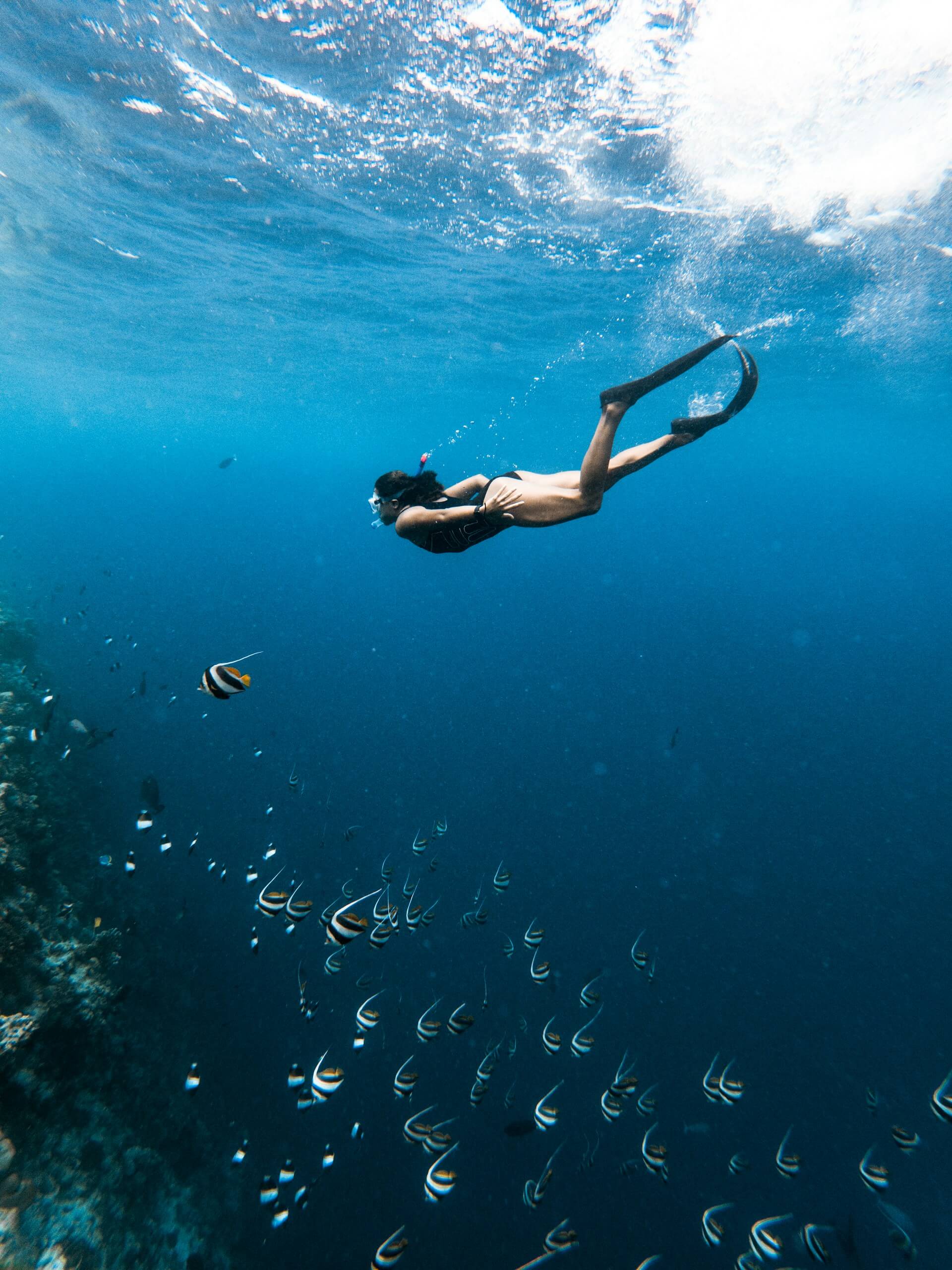
But with millions of people entering the water each year, even small actions can have a big impact. While individual snorkellers aren’t responsible for large-scale environmental change, collective behaviour does matter.
We honestly believe that every respectful interaction reduces stress on what are already vulnerable ecosystems.
If you’re new to snorkelling (or just need a refresher), this article is all about highlighting respectful interactions that reduce stress on our vulnerable ocean ecosystems. In it, we share sustainable snorkelling and coral reef protection tips that are easy to put into practice.
Disclosure: This article may contain affiliate links, meaning we earn a small commission when you make a purchase. Affiliate links cost you nothing and ensure our content stays free!
1. Never Stand on Coral
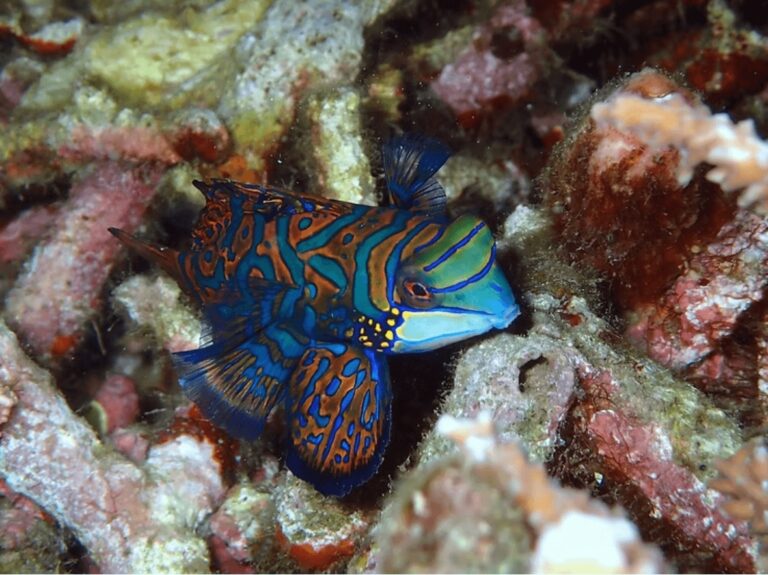
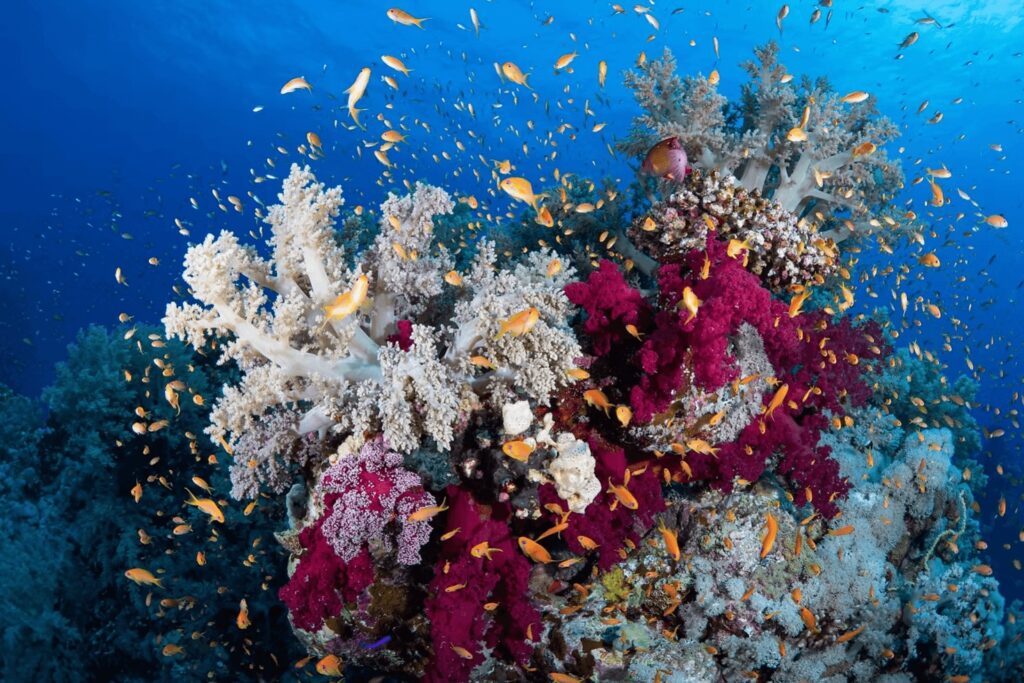
Coral reefs may look like colourful rocks, but they’re actually living animals. That’s why it’s really important that you never stand (or even rest) on coral.
Standing, kneeling or even lightly resting on coral can break their fragile structures, kill coral polyps and spread disease.
Coral grows slowly – sometimes just a few millimetres per year. So one careless step can undo decades of growth…and it takes a long time for coral to recover completely.
So when you’re snorkelling, try and stay horizontal, rather than positioning yourself vertically. If you’re wearing fins, always keep them away from the reef – not doing so can cause a lot of damage.
2. Choose Reef-Safe Sunscreen
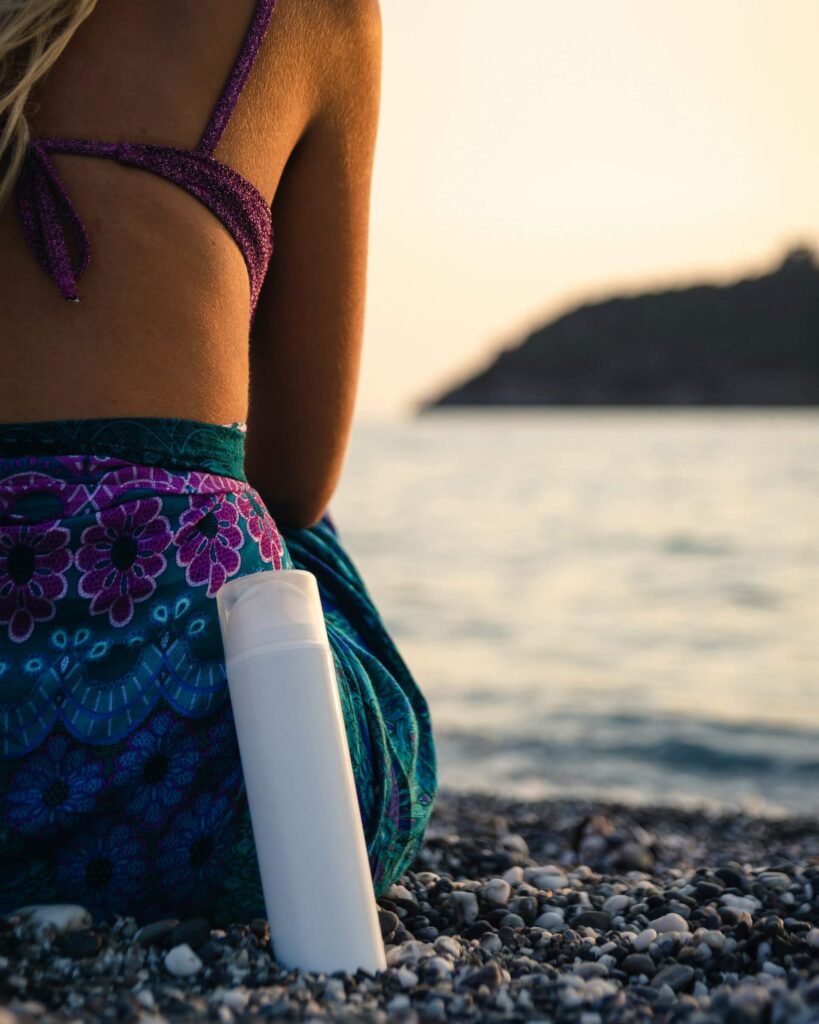
Many sunscreens contain chemicals like oxybenzone and octinoxate, which have been linked to coral bleaching and marine toxicity. That’s why there’s been a strong movement in recent years towards “reef-safe” sunscreen. But what does that actually mean?
We’ve done a deep-dive into reef-safe sunscreens in our detailed article here. But basically, it’s best to avoid chemical-laden sunscreens in favour of mineral-based sunscreens (zinc oxide or titanium dioxide) and non-nano formulations.
Sunscreens that are “reef-safe” will usually be marked as such, so look out for this when you’re shopping.
It’s worth noting, however, that even so-called “reef-safe” sunscreens can be doing damage. Ultimately, reducing the amount of sunscreen we use in the water should be our goal.
So does this mean you should just burn? No – not at all! We highly recommend you wear a long-sleeve rash guard when snorkelling to reduce the amount of sunscreen you need. You could also consider wetsuit-style leggings too.
That way, you only need to use sunscreen on any skin that is still exposed. If everyone did this, it would heavily reduce the amount that is entering our waterways.
3. Don’t Touch Marine Life…Ever!
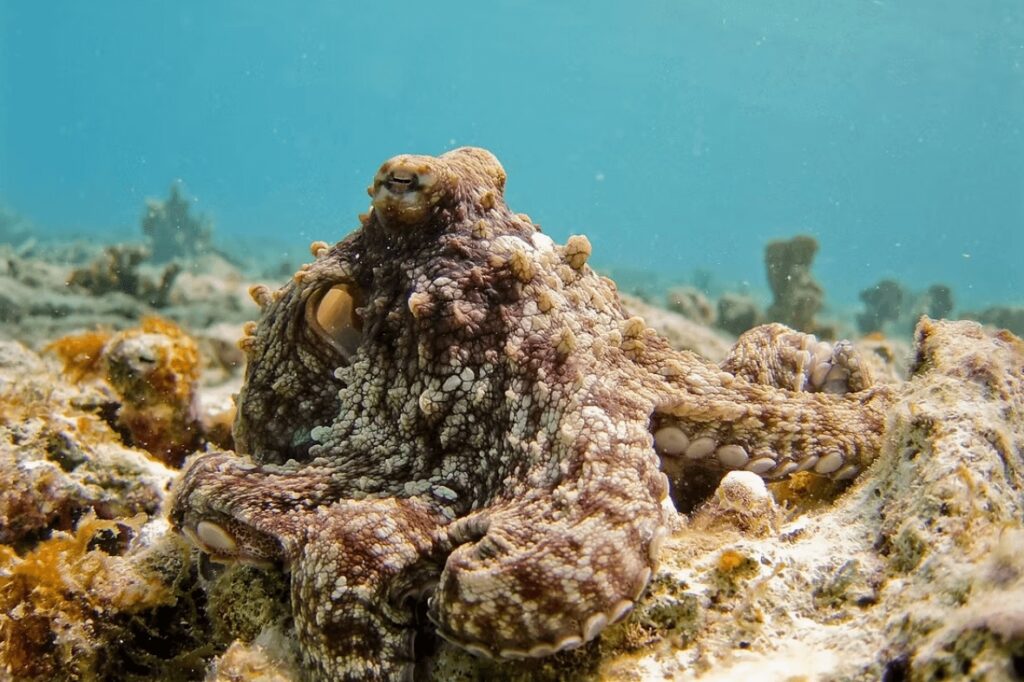
It can be really tempting to reach out when a curious fish swims close by or prod an octopus to encourage it out of its hiding place.
But touching marine life can do a lot of damage, even if it’s not immediately apparent. Not only can it stress animals, but it can also remove protective slime layers from marine organisms.
Don’t presume that because you can’t see the damage that it’s not actually happening!
Admire marine life with your eyes only…and perhaps an underwater camera if you have one.
4. Keep a Respectful Distance
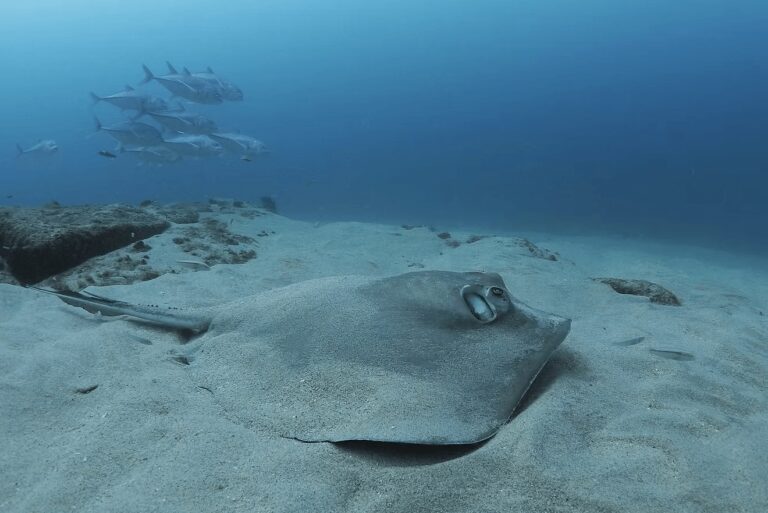
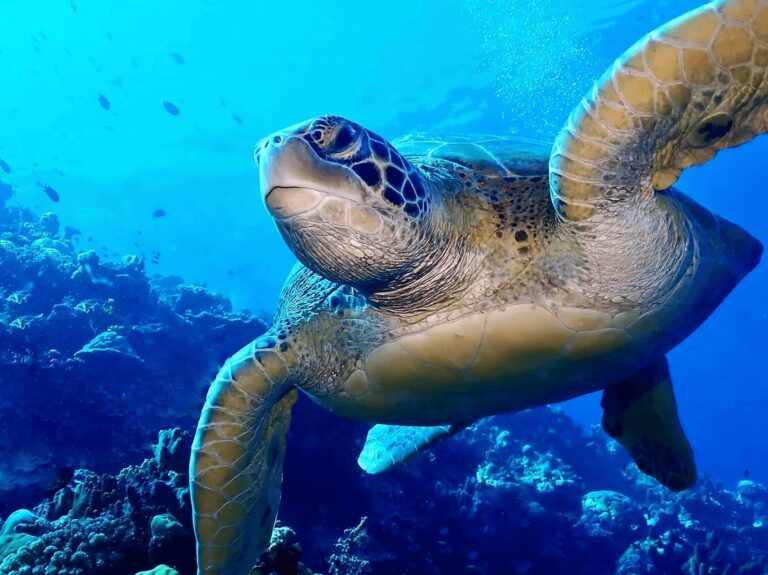
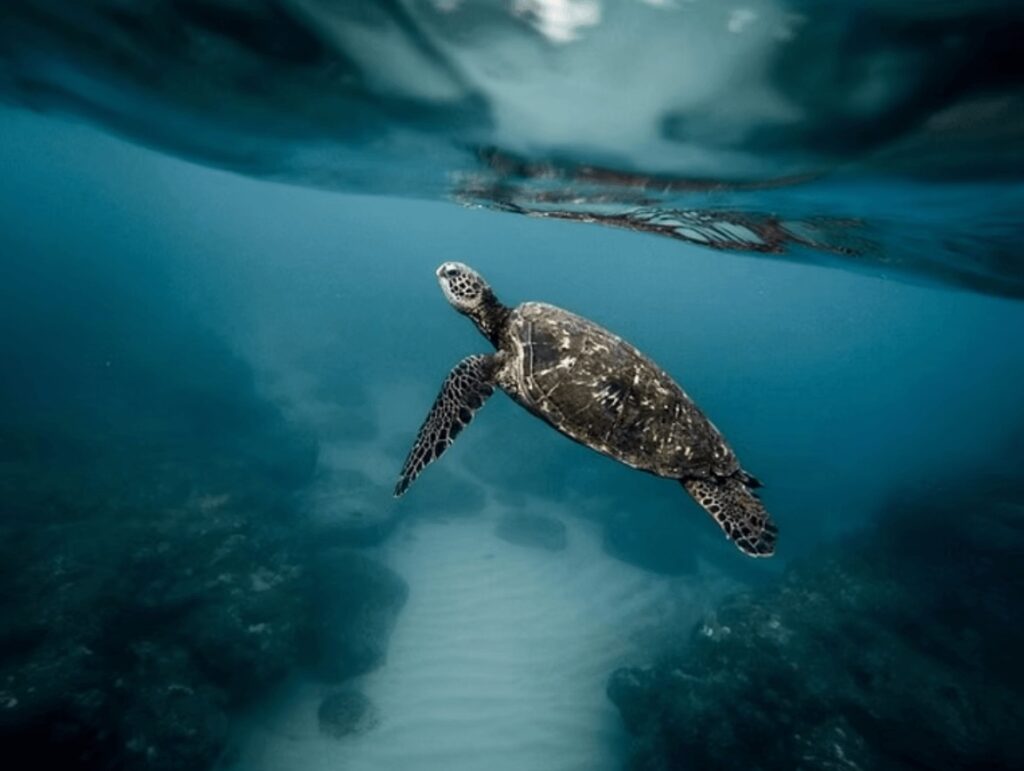
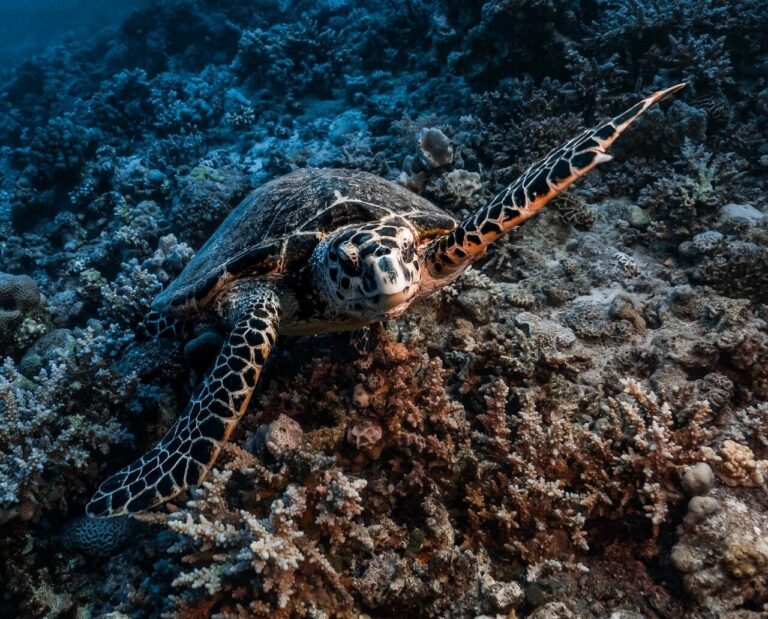
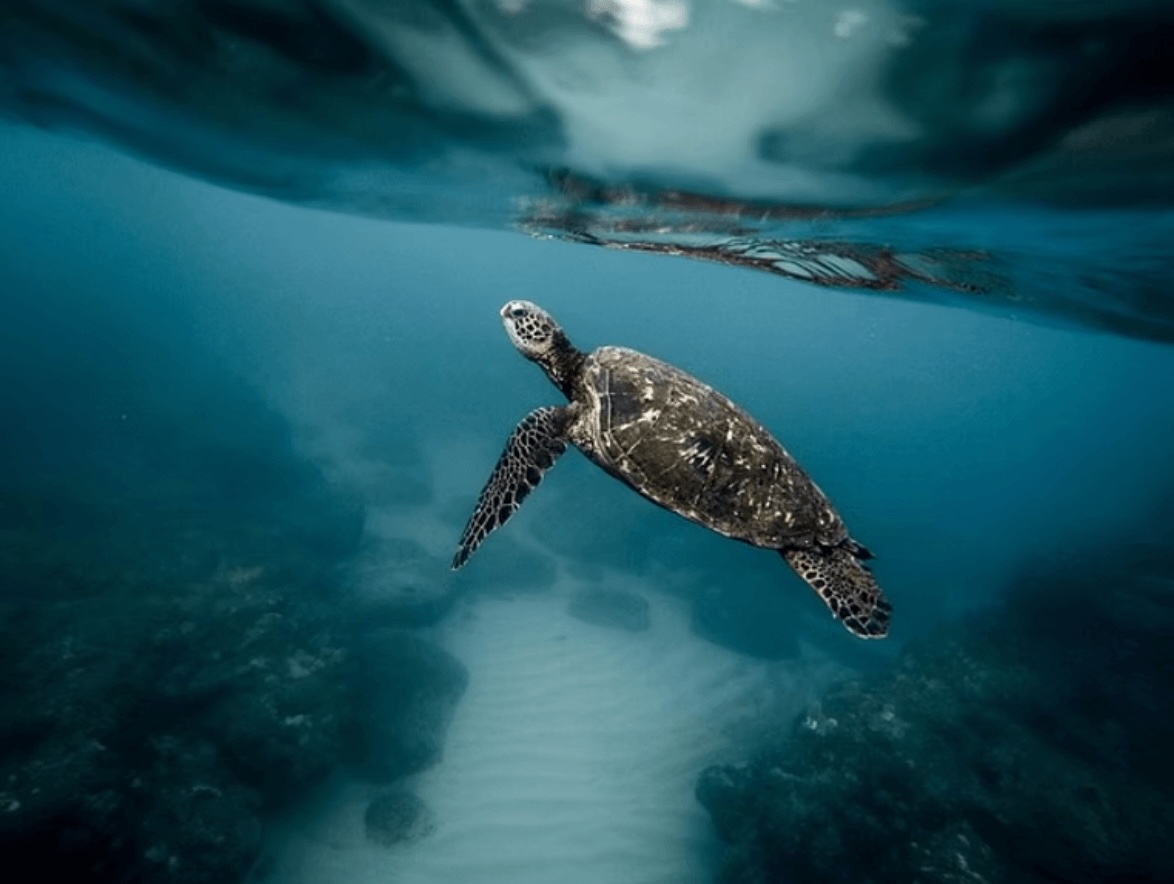
Sea turtles, rays and reef sharks are fascinating to observe in the wild and it can be tempting to fin towards them for an up-close look. But chasing wildlife for a better view or a better photo causes stress and it can even alter natural feeding and mating behaviours.
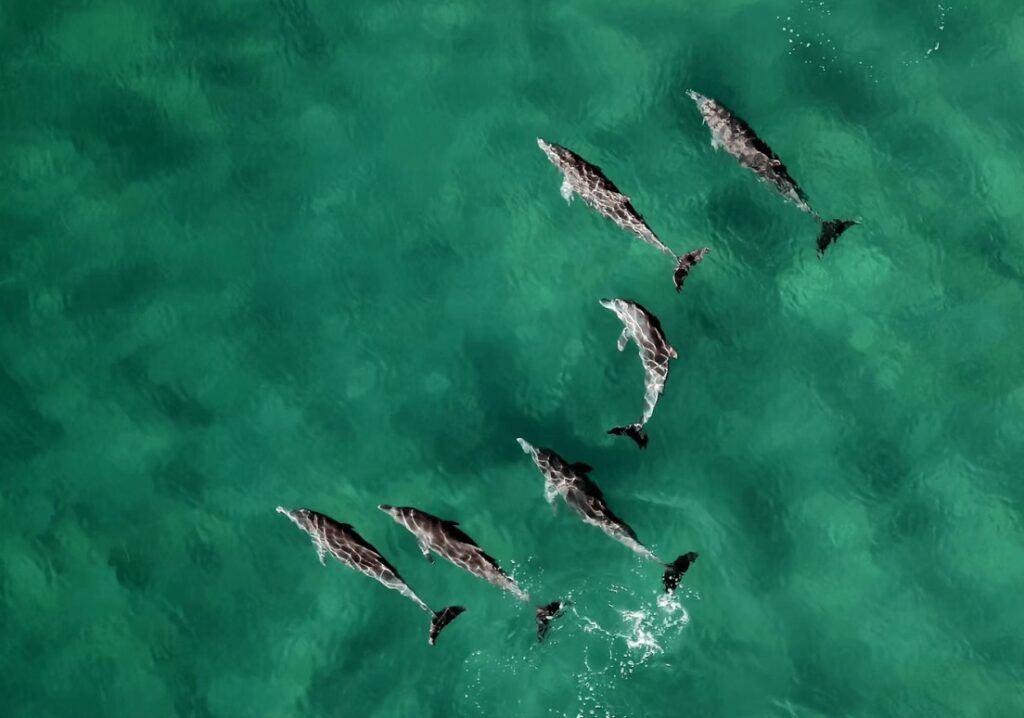
It’s really important to maintain a respectful distance, ideally at least 3 metres (10 feet) from turtles and rays. We’d recommend staying even further away from dolphins and sharks. After all, they are wild animals and can behave unpredictably when they feel threatened.
If an animal approaches you for a closer look, that’s another story. Rather than finning away, try to stay still and let it pass by naturally. You can get a good look as it cruises by, on its own terms!
5. Avoid Bicycle Kicking
If you’re new to snorkelling or not a confident swimmer, you might end up bicycle kicking your legs to try and gain momentum while staying afloat.
“What is bicycle kicking?” you might ask. It’s when you bend your knees as though you are cycling. Not only does it use a lot of energy, but you run the risk of accidentally kicking coral in the process.
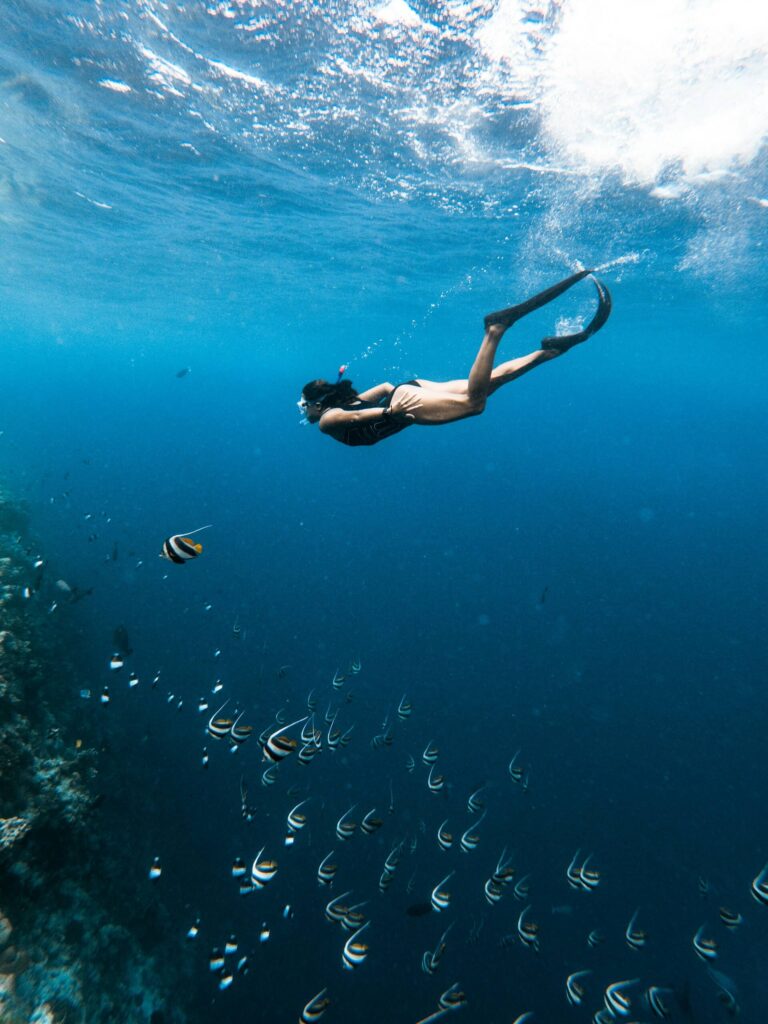
Always try and float horizontally in the water and keep your legs near the surface. Instead of the bicycle kick, try the flutter kick – kicking each leg back and forth gently.
Calm, slow movements reduce accidental contact and the amount of splash you create. This improves the snorkelling experience for you, the reef and those around you.
6. Don’t Collect Shells or Souvenirs
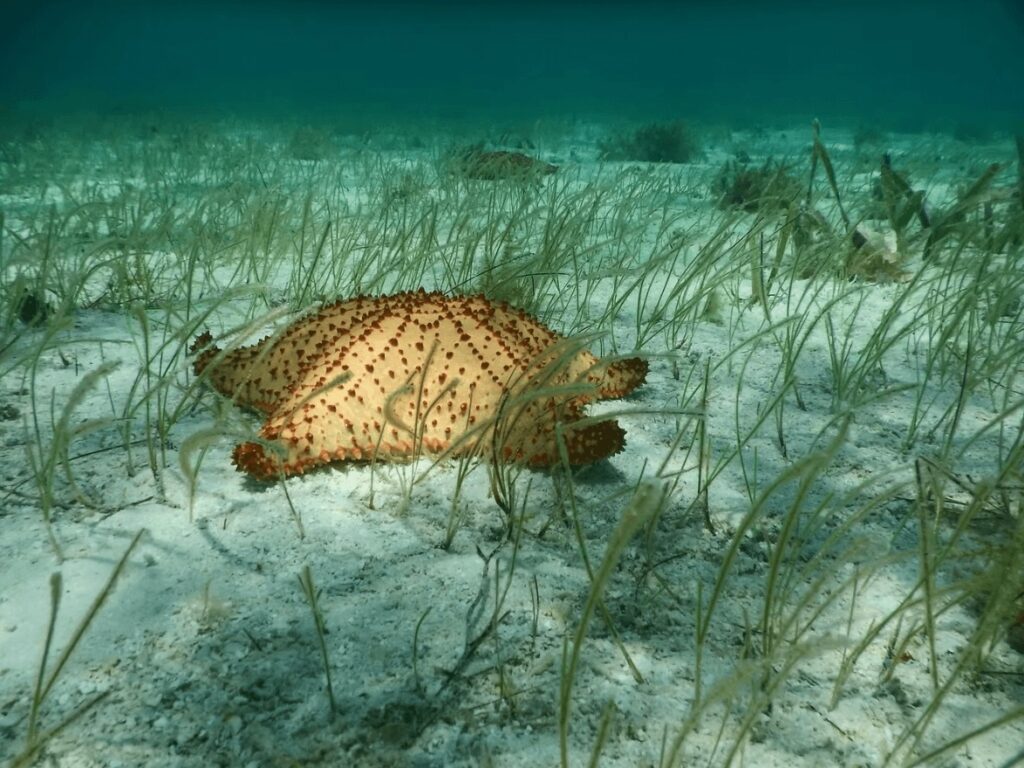
That “empty” shell you find lying on the seafloor might make a nice addition to your lounge room back home. But it also might be the temporarily abandoned home of a hermit crab.
Coral fragments, rocks and shells all play important roles in reef ecosystems, even if that role doesn’t appear immediately apparent.
Removing natural items disrupts habitat balance and, in many locations, is illegal.
So never collect shells or marine souvenirs during your snorkelling adventures. Instead, capture photos and memories of the thriving ecosystem you saw, happy in the knowledge that you are helping to preserve it for future generations.
7. Be Plastic-Conscious
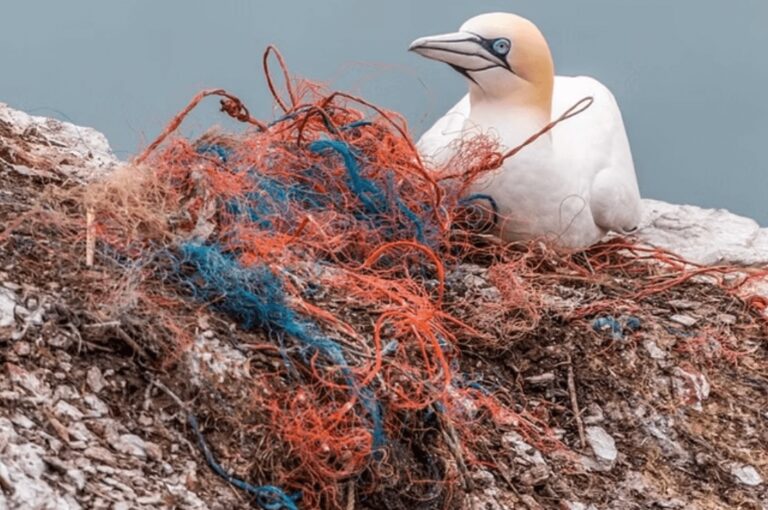
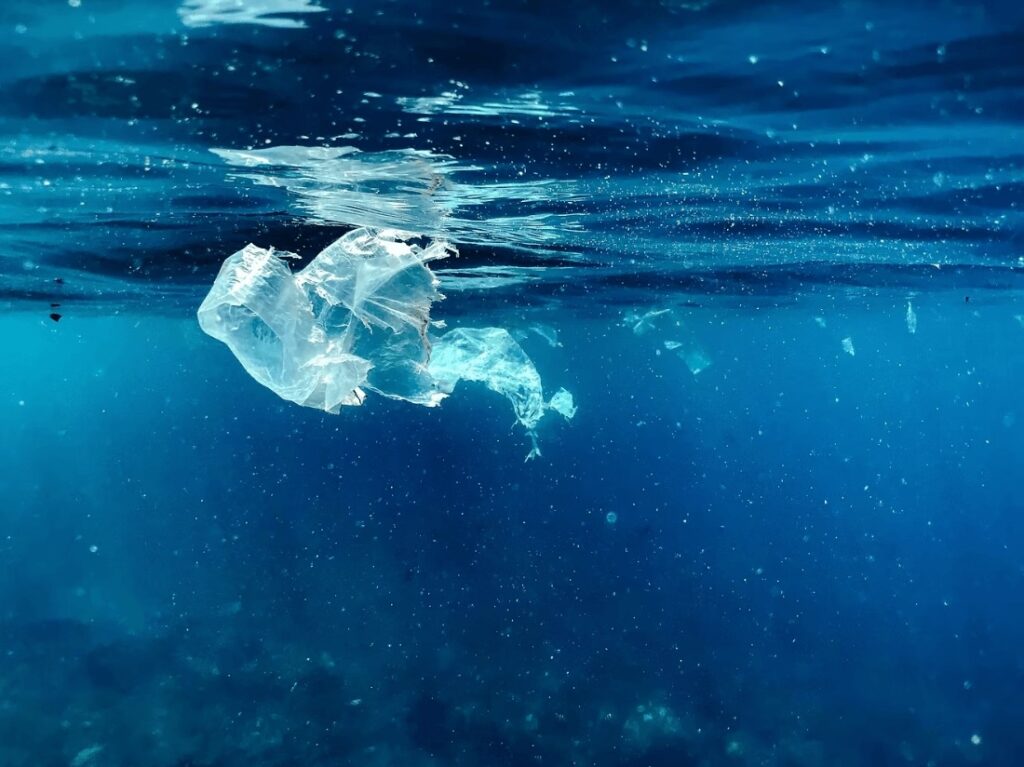
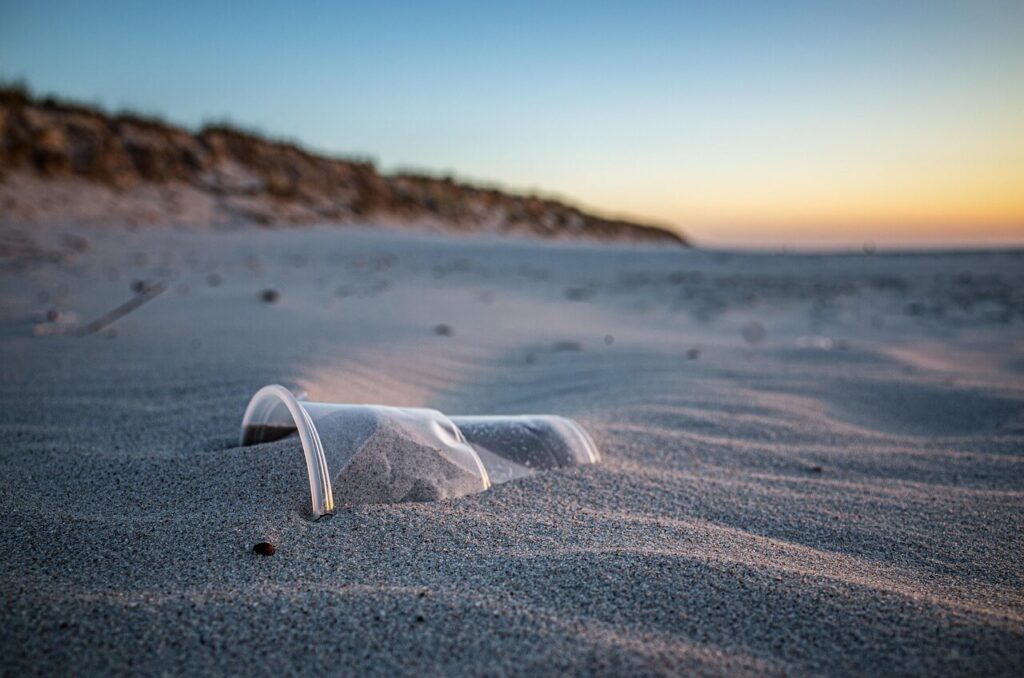
Unfortunately, there are few ocean environments around the world where plastic waste isn’t an issue. Even in remote snorkelling spots, it’s not uncommon to see plastic (in various stages of disintegration) floating by.
In our experience, this is devastating to witness. But it’s also an important reminder that we all need to be conscious of our plastic consumption and the waste we are producing.
So when you’re heading off on a snorkelling trip (or even heading out the door back home), take a reusable water bottle and a cloth bag with you. Opt for snacks with minimal packaging or invest in reusable containers to package your own.
If you see floating debris during a snorkelling trip and can safely collect it, do so. Then deposit it responsibly once back on shore. Every little bit counts.
Even better, support marine conservation organisations that run marine debris programs and are tackling the issue on a global scale.
Want to do more? Check out these 10 lifestyle changes to reduce ocean plastic.
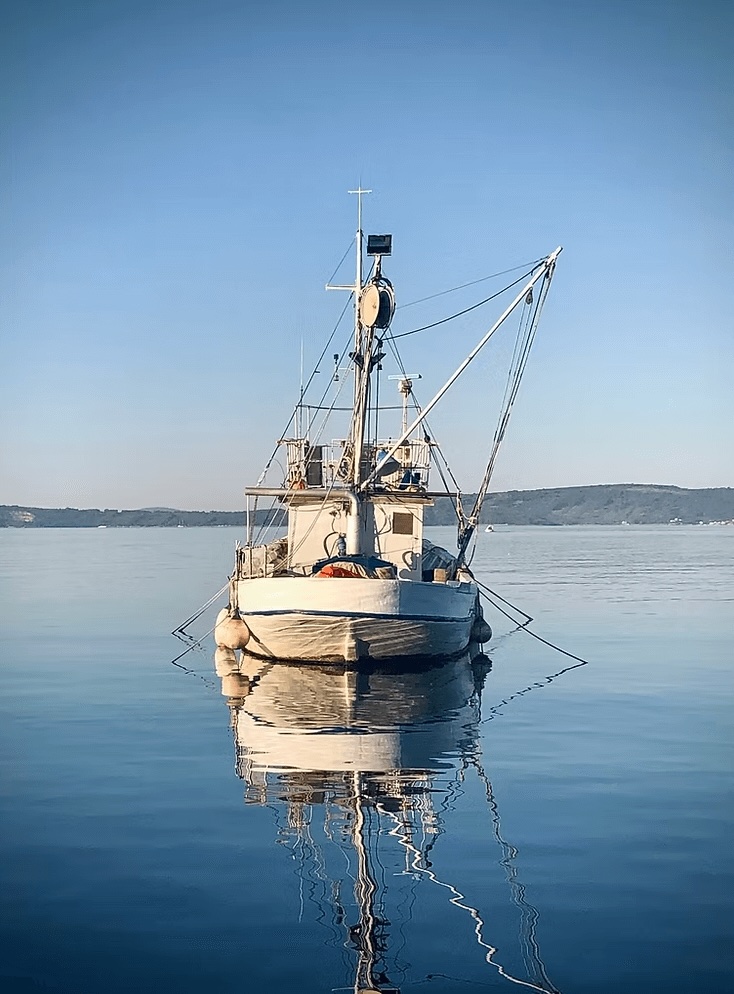
8. Choose Responsible Tour Operators
When you’re booking a guided snorkelling trip, it can be easy to go with the cheapest option out there. But what if, instead, we all looked for the most sustainable tour operators. Imagine what kind of difference that could make!
So what are the “green flags” of a sustainable snorkel tour operator?
- Briefings that include reef etiquette before getting in the water
- Using mooring buoys instead of anchors
- Limiting group sizes to reduce stress on marine life
- Avoiding (and calling out) wildlife harassment
Ethical operators are on a mission to protect marine life, all while offering an incredible experience that’s sustainable in the long run. After all, if they don’t protect the environment in which they work, it won’t be there for them in the future.
9. Respect Seagrass Meadows and Mangroves
Coral reefs are undoubtedly the “superstars” of snorkelling trip. The colours are brightest and the marine life most abundant.
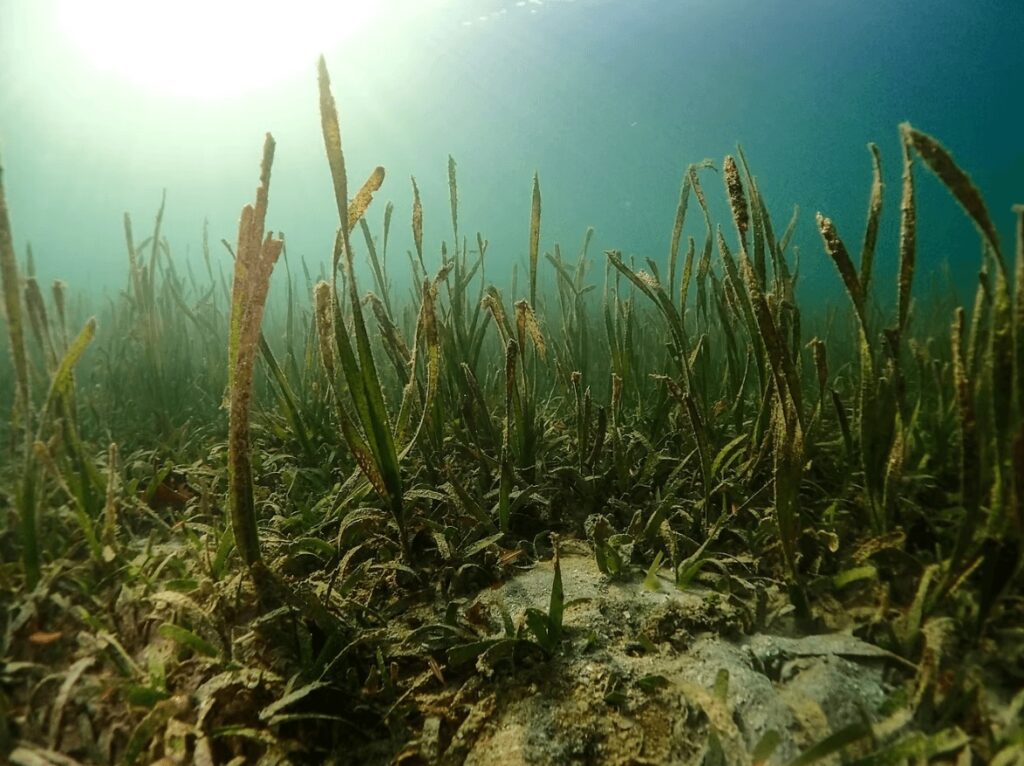
But other, surrounding ecosystems matter too, often acting as nursery habitats for reef-dwelling fish.
Seagrass meadows not only provide a safe space for juvenile fish to begin their explorations. They also provide a feeding ground for sea turtles and dugongs.
Additionally, they have shown to absorb significant amounts of carbon – something that nobody should be taking for granted.
Meanwhile, mangroves protect coastlines from storm damage and support marine ecosystem biodiversity. So never pull up plants, trample or disregard these habitats, even if they’re not the main focus of your snorkelling adventures.
10. Be a Responsible Ocean Storyteller
If there’s anything we’ve learned in the travel space in recent years, it’s that social media shapes tourism trends.
What you share online does matter, particularly if you have a large or engaged audience and people looking for inspiration for their next underwater adventure.
When sharing snorkelling photos online, never post anything that shows contact with wildlife or interactions that could be detrimental to their wellbeing. Doing so normalises that behaviour and tells others it is okay.
It’s also important to avoid promoting snorkelling sites or destinations that are suffering from overtourism or don’t have the infrastructure to handle a rapid surge in tourist numbers.
Unfortunately, there are many reefs around the world that are now heavily damaged due to unsustainable tourist numbers.
Whenever possible, highlight conservation messages alongside your posts. You could even include links to organisations your followers could support. There are many people out there looking to give back – all they need is a little direction.
Snorkelling at the Frontline of Marine Conservation
Coral reefs are currently facing a range of global threats: climate change-induced bleaching events and ocean acidification, unsustainable fishing practices and encroaching coastal developments.
Essentially, they need our help if they are going to have a future at all! But until you’ve seen them first-hand, it’s hard to know what we risk losing.
Snorkelling is often a person’s first connection with coral reefs…and the underwater world in general. That first glimpse of coral or a flash of tropical fish can spark a lifelong appreciation and ocean advocacy.
No matter how you end up in the water observing our incredible underwater world, you are more than just a visitor. You are a witness to the wonders of our oceans and the ever-increasing issues they face.
By being a responsible snorkeller on the frontline of marine conservation, you become part of the solution. At the same time, you are uniquely positioned to encourage others to get involved.
Sustainable snorkelling is about respecting our marine life for its inherent value, not only for the joy and wonder it brings. It’s about doing everything in our power to ensure its survival, for its future generations and ours.
PLAN YOUR TRIP WITH OUR FAVOURITE RESOURCES:
Find hotels and resorts via Booking or Agoda
Book tours and experiences via Viator or GetYourGuide
Find a rental car via Discover Cars
Book flights via Kiwi or Booking
Search for buses and trains via 12Go or Omio
Get travel insurance via SafetyWing
Buy a digital eSIM with Airalo
By purchasing through our links, you’ll be supporting our website at no additional cost to you
-
Surfing and Environmental Activism: A Growing Movement
Surfing has always been more than a sport. It’s a culture shaped by natural forces – tides, winds, swells – and a lifestyle that depends on healthy ocean environments. So it’s no surprise that surfers are often engaged environmental activists, at both a local and global scale. As we’ve travelled around the world, we’ve loved…
-
How to Be a More Responsible Underwater Photographer
In recent decades, photography has become unbelievably accessible. Almost everyone carries a camera around with them everyday in the form of a smartphone. Technological improvements have also made underwater photography far more accessible, resulting in powerful images of a world that’s inaccessible to many. A single image of a healthy reef, a shark passing through…
-
Second-Hand Surf Gear: Embracing the Circular Economy
Surfing sells itself as a low-impact pursuit. All you need is a board and the ocean (and if you live where we do, a wetsuit!) What could be simpler? But behind this “at-one-with-nature” facade lies an industry built on short product cycles, seasonal “drops” and a steady turnover of gear due to new “innovations”. The…
-
How Coral Nurseries Work (And How Divers Can Join Planting Programs)
Coral reefs support an extraordinary diversity of marine life, and as divers, being able to explore them is one of life’s great privileges. But coral reefs are also among the most threatened habitats on the planet. Pollution, destructive fishing practices and climate change-induced coral bleaching are all having a devastating impact. In response, coral nurseries…
-
Are Wave Pools Sustainable? The Surf Park Environmental Debate
Nothing compares to surfing in the ocean. Full stop. For us, being at the whim of Mother Nature is a big part of surfing’s allure, and all things being equal, we’d pick the ocean over a wave pool every time. But with coastal communities under increasing pressure and surf breaks being flooded with people, are…
-
10 Easy Ways Surfers and Divers Can Protect the Ocean While Travelling
For surfers and divers, the ocean isn’t just a destination. Often, it’s the reason we travel, full stop. But the very act of travelling across the globe to chase waves or incredible underwater experiences comes with an environmental cost. There’s the carbon footprint of air travel, the overdevelopment of coastlines for waterfront resorts and the…

We are a team of passionate divers and surfers with decades of combined experience in the water and travelling to all corners of the globe.
After years of chasing waves and descending into the deep blue, we’ve created this resource to highlight sustainable surf camps, eco-dive resorts and conservation-focused ocean trips to help inspire your next adventure.
Eco Ocean Escapes was born out of a love of the ocean, an obsession with travel and a concern about the impacts of our adventures on the environments we explore.