Sustainable Dive Liveaboards in the Red Sea: What to Look For
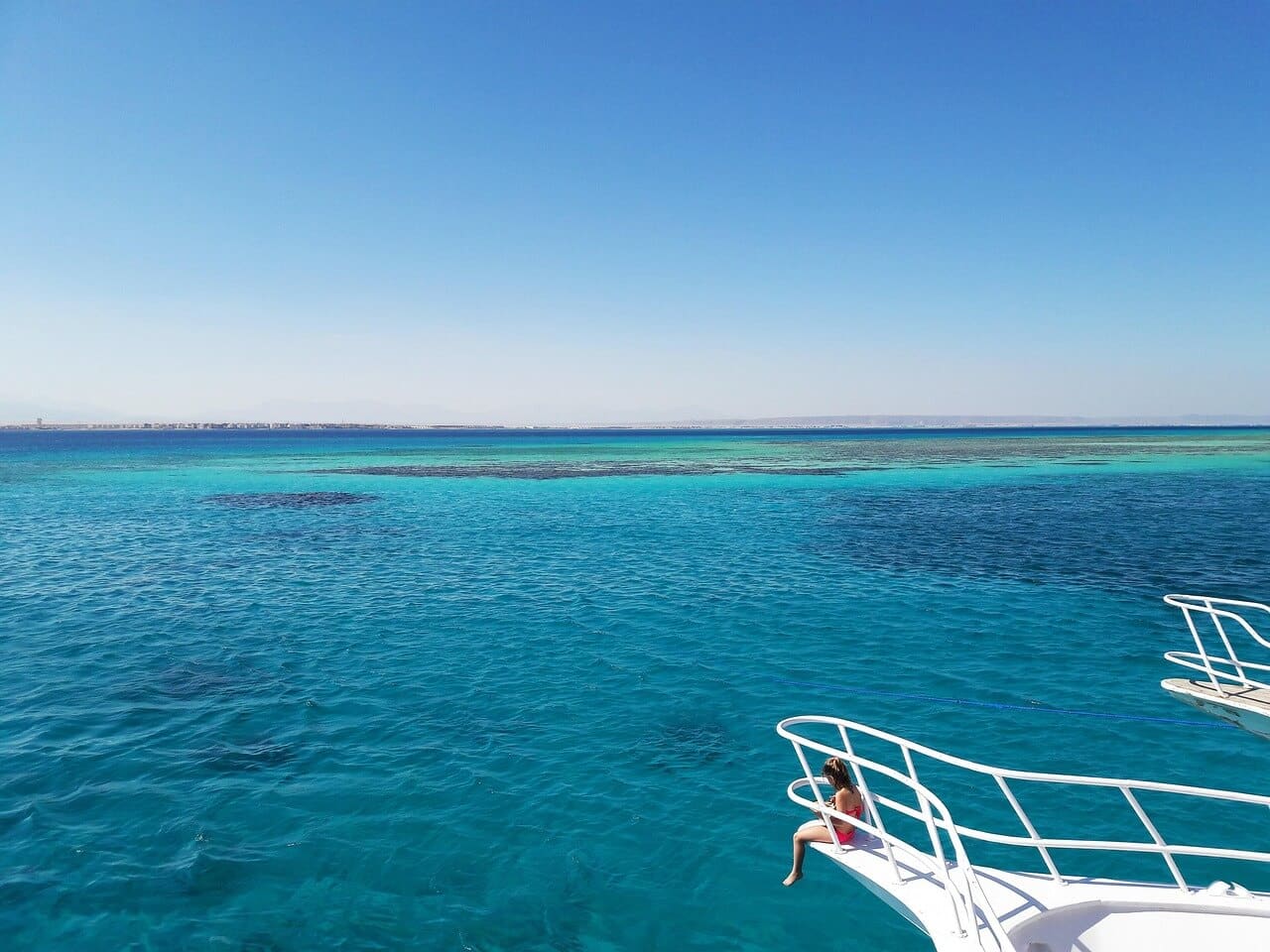
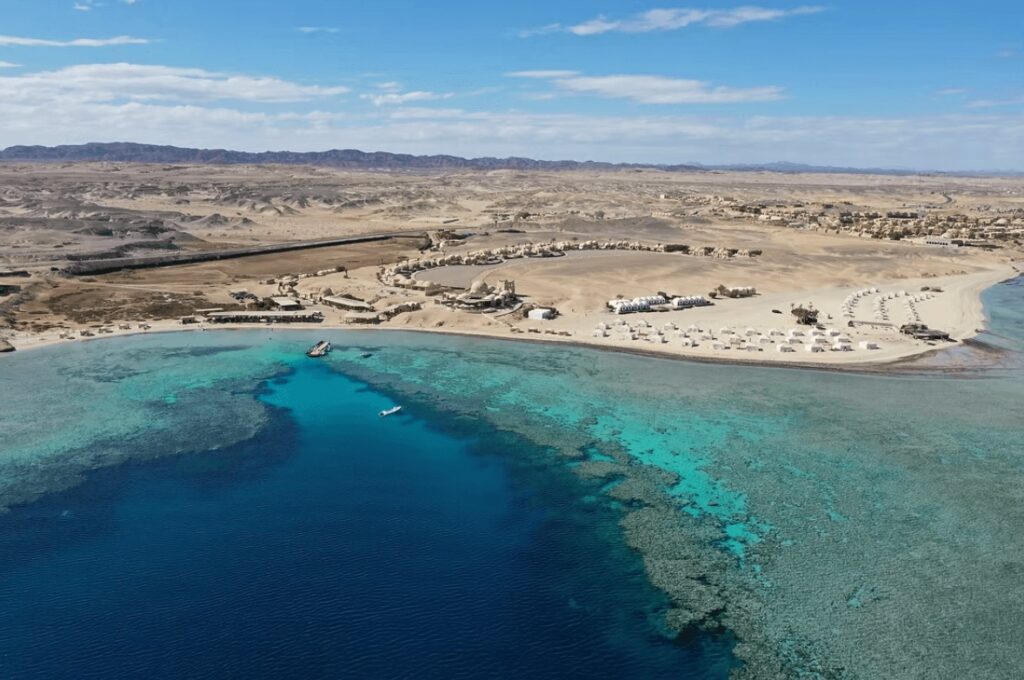
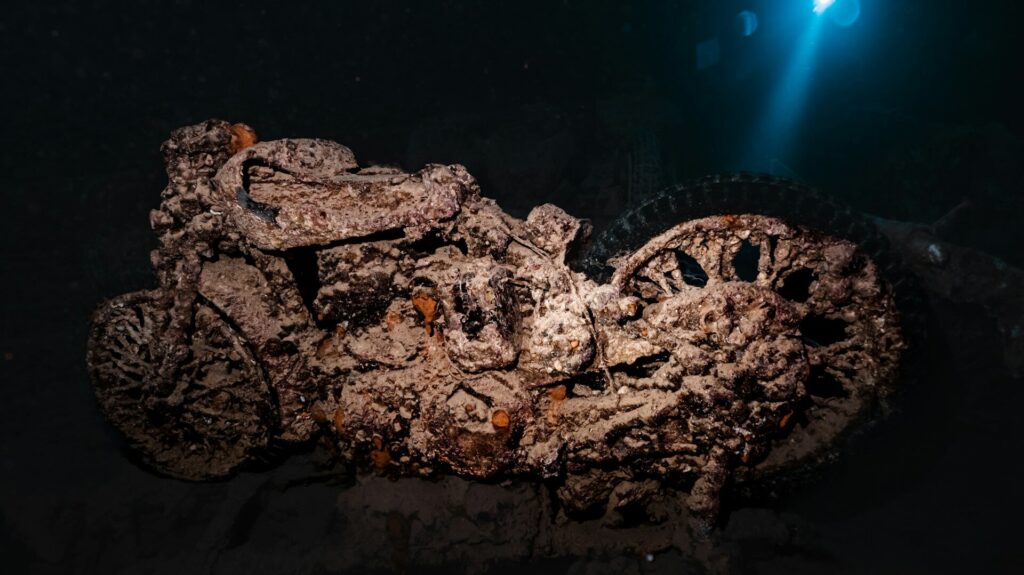
The Red Sea is one of the world’s most iconic dive destinations, with thriving coral reefs, dramatic drop-offs and historic wrecks like the SS Thistlegorm. It lures divers from across the globe, with most basing themselves along the Egyptian coastline or boarding one of the many liveaboards that ply the Red Sea’s waters.
But the popularity of the Red Sea as a dive destination comes with an environmental cost. Its fragile reef systems, combined with limited waste infrastructure and increasing boat traffic, mean that how we choose to dive here matters.
While liveaboards offer unparalleled access to remote dive sites in the Red Sea, they can also have a significant environmental footprint. Most divers don’t even notice this, as it happens behind the scenes or impacts areas once you’ve already gone.
The good news? A growing number of Red Sea operators are beginning to take sustainability seriously and you can limit your environmental impact on a liveaboard trip.
In this article, we’ll explore what makes a dive liveaboard actually sustainable, the challenges unique to the region and how divers can make more responsible choices while exploring the Red Sea.
If you’re planning a land-based dive vacation in Egypt, check out these eco-friendly Red Sea resorts.
This article may contain affiliate links, which means when you make a purchase through that link, we earn a small commission. Affiliate links come at no cost to you and ensure our content remains free!
Why Sustainability Matters in the Red Sea
The Red Sea is a unique marine ecosystem. Its corals are unusually heat-tolerant, making them critical to global reef resilience research.
Some scientists believe that, as temperatures and bleaching events increase, the corals of the Red Sea could be replicated in other parts of the world where reefs are struggling.
At the same time, the corals of the Red Sea (like all corals the world over) are vulnerable to local stressors: anchor damage, pollution and irresponsible marine practices. All of these are exacerbated with an increase in dive tourism and liveaboard numbers.
The unfortunate reality is that liveaboards concentrate activity in remote areas that would otherwise see little human impact. Yes, this means divers can explore areas of the Red Sea that land-based travellers can’t. However, it also means that our environmental impacts are being spread far beyond urban hubs.
Without strong sustainability standards and compliance from dive operators, this can lead to reef degradation, wildlife disturbance and damage to our underwater ecosystems that’s hard to reverse.
Choosing a sustainable liveaboard in the Red Sea is one way you can reduce harm. It means actively supporting operators who are protecting the environments they rely on.
What Makes a Dive Liveaboard “Sustainable”?
It’s easy for dive operators to market themselves as “eco” or “sustainable”. But unless they’re walking the talk, it just equates to greenwashing.
So what should you be looking for when booking a Red Sea liveaboard if you want to dive with a responsible operator?
Mooring Buoys Instead of Anchoring
One of the most basic (and environmentally important) practices liveaboards can employ is avoiding anchors on reefs.
When heavy anchors are dropped and dragged across coral reefs, they leave a path of destruction in their wake. The impact of anchoring not only affects corals but also the marine species that rely on them for survival.
Sustainable liveaboards use established mooring buoys, essentially “anchoring” the vessel on the water’s surface, rather than down below.
At dive sites where there aren’t mooring buoys, they may opt to run coordinated drift dives. This means dropping divers at one spot and picking them up at another, without the need to anchor throughout the dive.
Waste Management and Plastic Reduction
Waste disposal is a major challenge in the Red Sea, particularly along remote southern routes. Unfortunately, there aren’t always adequate facilities at ports for vessels to offload their waste and, in worst-case scenarios, it ends up being dumped in the sea.
If waste isn’t managed responsibly by liveaboards, it can pose a serious threat to marine life through entanglement and ingestion.
As we all know, plastic takes hundreds of years to degrade and, in the meantime, it breaks down into microplastics. Research shows that these accumulate in the food chain, impacting not only marine creatures but the humans who consume them.
Responsible Red Sea liveaboards will take serious steps to reduce their waste by:
- Eliminating single-use plastics onboard
- Using refillable water stations instead of plastic bottles
- Recycling and storing waste for proper disposal onshore
- Avoiding dumping food waste near reefs
Fuel Efficiency and Emissions Awareness
Unfortunately, liveaboards are fuel-intensive by nature. They are travelling long distances to reach remote dive sites, and fuel is used not only for propulsion, but also to power onboard services. Traditionally, air compressors, lights and water makers all use fuel to power them.
Some Red Sea liveaboards are trying to be more fuel-efficient by using low-consumption engines or hybrid/electric systems. In destinations like Indonesia, phinisi schooners are incredibly popular as liveaboard vessels, giving the option to travel via wind-power as a supplement to fuel.
Some Red Sea operators are striving to reduce their fuel consumption by:
- Planning efficient liveaboard routes that reduce travel time
- Maintaining engines properly to minimise fuel burn
- Using energy-efficient lighting and systems onboard
A small number of liveaboard vessels are also beginning to explore solar supplementation, though this is still rare in the Red Sea region.
Responsible Dive Practices
One of the simplest ways we can reduce our impact as divers is by observing sustainable dive practices.
At EcoOceanEscapes, this is something we believe individuals should take charge of. But dive operators and liveaboards also have a responsibility to enforce responsible dive practices in the water.
This starts with small and manageable diver-to-guide ratios. The fewer divers per guide, the more opportunity the guide has to ensure sustainable dive practices are being observed.
Dive briefings should include repeated reminders that no touching, standing on or collecting marine life is permitted. Liveaboards should also have zero tolerance for wildlife harassment from their dive team or guests.
If a Red Sea liveaboard has inexperienced divers on board, they should check that they have adequate buoyancy control before allowing them in close proximity to fragile reefs.
These rules may sound harsh, but they are designed to protect our reefs and ensure a better diving experience for everyone.
Crew Welfare and Local Employment
Here at EcoOceanEscapes, we believe that sustainability is also social. It’s not just about looking out for the environment, but also the local communities who live and work in the region.
Ethical operators employ and fairly compensate local crew, rather than outsourcing entirely to international staff.
Yes, there might be a couple of international dive instructors on board Red Sea liveaboards. But the vast majority of staff should be locals. This means that money stays within local communities, supporting housing, education and healthcare initiatives.
How to Choose a Sustainable Red Sea Liveaboard
When researching sustainable Red Sea liveaboards, it’s important to look beyond marketing language and focus on actual steps being taken. Some of this information might be available on the company website.
If not, don’t be afraid to ask questions about the vessel’s:
- Mooring and anchoring practices
- Waste and sewage management
- Group sizes and guide-to-diver ratios
- Environmental briefings before dives
- Support for marine conservation initiatives
Certifications (such as Green Fins) are a good indicator, as an independent body has determined that the liveaboard is meeting sustainability credentials.
Looking for recommendations? Dune Fleet (Longara, Titan and Silky) has made a strong commitment to regenerative tourism and is implementing sustainable practices on its vessels. In 2022, the King Snefro Fleet became the first Green Fins-certified liveaboard fleet in the Red Sea.
The Role of Divers: Your Impact Still Matters
Even on the most sustainably run Red Sea liveaboards, diver behaviour makes a difference. If you’re not doing your bit to be a responsible diver, environmental destruction will still take place. It’s a shared responsibility!
As a diver, you can reduce your environmental impact by:
- Perfecting your buoyancy before the trip so you aren’t colliding with fragile reefs
- Packing reef-safe sunscreen or avoiding using sunscreen altogether while diving
- Not bringing unnecessary plastics on board and refusing those that are offered
- Respecting dive briefings and marine life boundaries
- Supporting operators that prioritise conservation, even if they cost slightly more
Can Liveaboard Diving Ever Be Truly Sustainable?
While we want to say “yes”, the honest answer is “not completely”. Dive liveaboards consume fuel, generate waste and concentrate tourism in sensitive areas.
But they also allow divers to access little-visited areas and, in the process, become custodians of our marine environments. Once you encounter the breathtaking beauty of these underwater worlds, it’s hard not to want to advocate for them.
And dive liveabards can be more sustainable, particularly when compared to poorly regulated day-boat operations and mass tourism. They cater to divers who are (mostly) aware of issues impacting our marine environments and who want to keep their environmental impact to an absolute minimum.
When managed responsibly, liveaboards can help to reduce pressure on nearshore reefs and support conservation awareness amongst guests. Those guests may then share their knowledge with friends and family back home, encouraging them to be ocean advocates.
Red Sea liveaboards also provide funding for marine protection through park fees and environmental taxes, both of which are used to support conservation efforts. Additionally, some partner with local NGOs and reef rehabilitation groups to help address environmental issues affecting the area.
By choosing a sustainable liveaboard in the Red Sea and diving more consciously, you can help ensure that these reefs remain healthy and thriving, not just for the next season, but for generations to come.

PLAN YOUR TRIP WITH OUR FAVOURITE RESOURCES:
Find hotels and resorts via Booking or Agoda
Book tours and experiences via Viator or GetYourGuide
Find a rental car via Discover Cars
Book flights via Kiwi or Booking
Search for buses and trains via 12Go or Omio
Get travel insurance via SafetyWing
Buy a digital eSIM with Airalo
By purchasing through our links, you’ll be supporting our website at no additional cost to you
-
Sustainable Snorkelling Tips for Ocean Advocates
You don’t need a scuba certification to fall in love with the ocean. Snorkelling is an equally magnificent way to explore coral reefs, seagrass meadows and the marine life that calls them “home”. In fact, snorkelling is often a gateway to scuba diving. Or sometimes, it’s the destination. We all snorkelled long before we ever donned…
-
How to Be a More Responsible Underwater Photographer
In recent decades, photography has become unbelievably accessible. Almost everyone carries a camera around with them everyday in the form of a smartphone. Technological improvements have also made underwater photography far more accessible, resulting in powerful images of a world that’s inaccessible to many. A single image of a healthy reef, a shark passing through…
-
How Coral Nurseries Work (And How Divers Can Join Planting Programs)
Coral reefs support an extraordinary diversity of marine life, and as divers, being able to explore them is one of life’s great privileges. But coral reefs are also among the most threatened habitats on the planet. Pollution, destructive fishing practices and climate change-induced coral bleaching are all having a devastating impact. In response, coral nurseries…
-
10 Easy Ways Surfers and Divers Can Protect the Ocean While Travelling
For surfers and divers, the ocean isn’t just a destination. Often, it’s the reason we travel, full stop. But the very act of travelling across the globe to chase waves or incredible underwater experiences comes with an environmental cost. There’s the carbon footprint of air travel, the overdevelopment of coastlines for waterfront resorts and the…
-
5 Sustainable Dive Destinations to Add to Your Scuba Bucket List
Scuba diving connects us deeply with the ocean. And in our experience, the more you do it, the harder it becomes to remain naive about the threats our underwater ecosystems face. Climate change, agricultural runoff and plastic pollution are just the tip of the iceberg! But sometimes that threat is tourism itself – unregulated tourism…
-
Reef-Safe Sunscreen: Does It Really Make a Difference?
If you’ve been on a dive liveaboard recently or stayed at a sustainable surf resort, you may have been advised to bring only “reef-safe sunscreen”. This request is often included in trip dossiers and/or mentioned by dive/surf guides before heading into the water. These days, there’s a consensus amongst the ocean-loving community that reef-safe sunscreen…


We are a team of passionate divers and surfers with decades of combined experience in the water and travelling to all corners of the globe.
After years of chasing waves and descending into the deep blue, we’ve created this resource to highlight sustainable surf camps, eco-dive resorts and conservation-focused ocean trips to help inspire your next adventure.
Eco Ocean Escapes was born out of a love of the ocean, an obsession with travel and a concern about the impacts of our adventures on the environments we explore.