7 Eco-Friendly Homestays in Raja Ampat: Scuba Diving Indonesia
Planning a sustainable scuba vacation in Indonesia? Discover 7 of the best eco-friendly homestays in Raja Ampat – one of the world’s most biodiverse underwater regions.
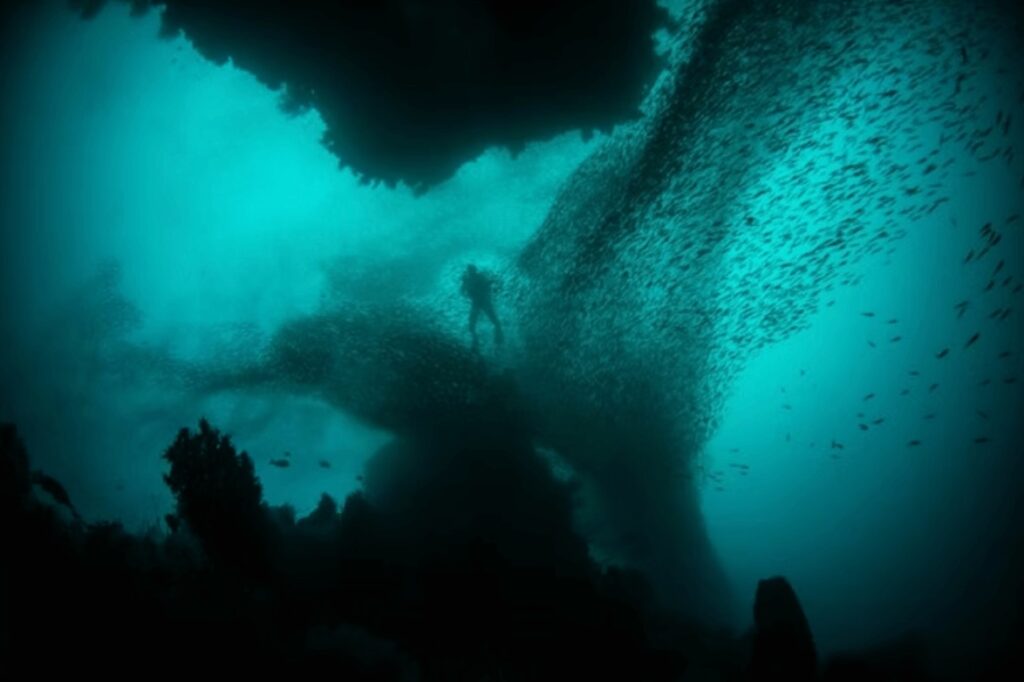
Raja Ampat is one of the world’s last true wildernesses, particularly when it comes to underwater landscapes.
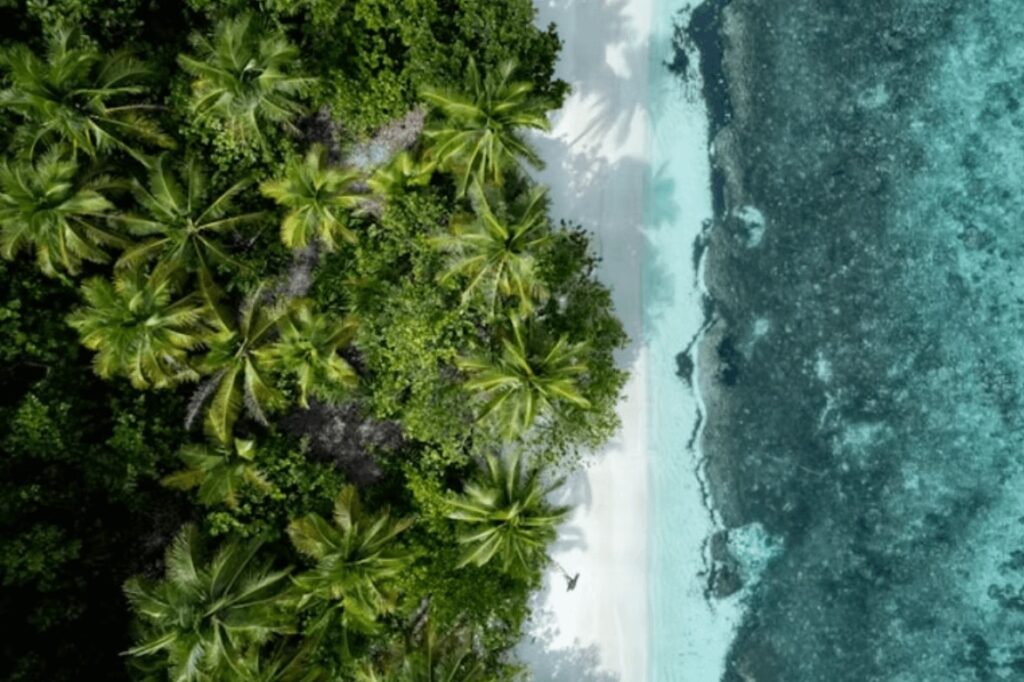
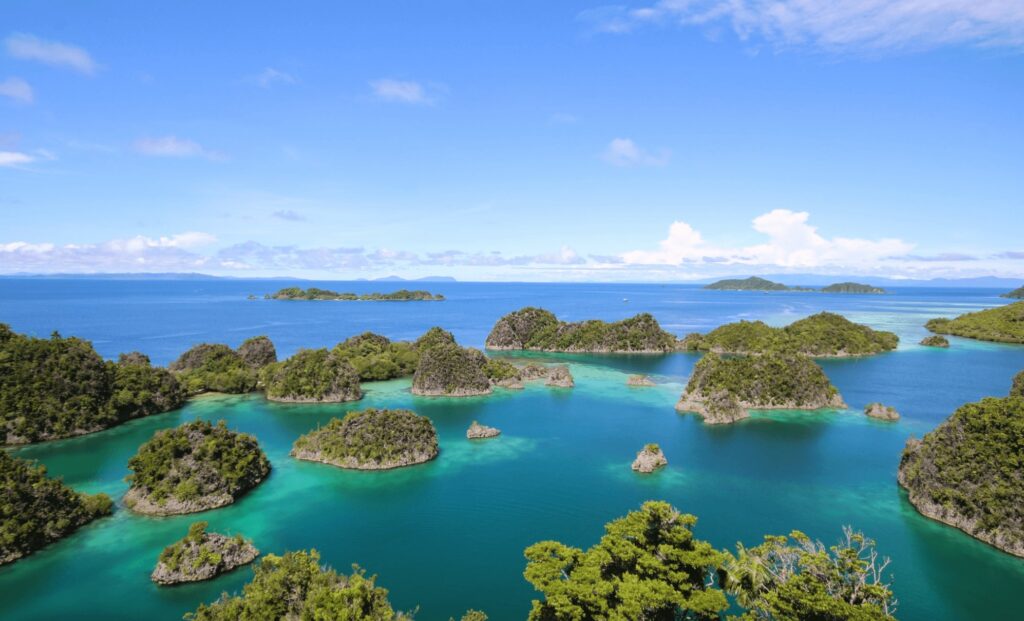
The beauty of this sprawling archipelago almost defies description. It boasts lushly vegetated islands and crystal clear seas that nurture a staggering marine life richness.
In Raja Ampat, you’ll find marine species found nowhere else on Earth, as well as untouched forests home to the majestic bird of paradise.
We’ve been lucky enough to visit Raja Ampat twice and it’s probably our favourite dive destination in Indonesia. If we were given the opportunity to return, we’d do so in a heartbeat.
The underwater scenery here is out of the world. Honestly, there is so much life it’s hard to know where to look at times!
While there are eco-friendly dive resorts dotted throughout the archipelago, one of the most affordable ways to experience Raja Ampat is to stay in a locally-owned, sustainably-run homestay.
By supporting these small businesses, you’ll be empowering Papuans to preserve their natural environment and injecting money into local communities.
In this article, we’ll highlight 7 of the best eco-friendly Raja Ampat homestays, all of which are committed to sustainable practices to preserve their natural treasures.
Discover more of Indonesia’s most incredible dive destinations in our detailed article here.
Disclosure: This article contains affiliate links, meaning we earn a small commission when you make a purchase. Affiliate links cost you nothing and ensure our content stays free!
Mansuar Raja Ampat Bungalows
Perched on a cliff overlooking crystal clear waters, this Raja Ampat homestay boasts a spectacular setting.
The house reef bursts with life. Just steps from your bungalow, you’ll be surrounded by sharks, turtles, rays and schools of tropical fish.
You can watch the sunrise from the comfort of your bed before watching baby black-tip reef sharks glide beneath your veranda.
The village of Yenbuba is a 15-minute stroll away. Here, you can snorkel off the jetty amongst schools of tuna and jacks.
The owners of this sustainable Raja Ampat homestay can arrange boat trips to the area’s top snorkelling and diving spots, including Manta Ridge, Blue River and Sauwandarek.
Delicious meals are served on the homestay’s breezy deck and the hospitality is nothing short of exceptional.
Looking to discover one of Indonesia’s best-kept dive secrets? Check out our scuba guide to Alor.
Nyande Raja Ampat
Aside from the jaw-dropping scenery surrounding this eco-friendly Raja Ampat homestay, the staff will have you feeling like royalty. They’re always available to lend a hand or offer local advice with a smile.
But it’s not just the exceptional service that impresses, with meticulous cleanliness clearly being a point of pride here.
Modern conveniences like flushing loos and hot showers mix seamlessly with Nyande’s rustic beach bungalow charm. Oh, and the meals draw rave reviews for being both fresh and delicious.
Eco-consciousness runs deep at this sustainably run Raja Ampat homestay. Solar power is harnessed for energy and there are no single-use plastics.
And the cherry on the cake? This peaceful patch of paradise enjoys easy access to some of Raja Ampat’s best snorkelling and scuba diving sites.
Heading to Sulawesi for your next dive vacation? Check out our scuba guides to Bunaken, Lembeh and Bangka.
Meos Ambower Homestay
Overlooking a stunning lagoon, this sustainable Raja homestay offers an incredible island experience.
Fall asleep to the soothing sounds of the sea lapping at the shore and wake up to spectacular views across the water.
While it’s not a 5-star resort, Meos Ambower Homestay boasts everything you need for a comfortable stay. The balcony and chairs are designed for relaxation and the rooms are clean and well-maintained.
What really makes this place special is the care and hospitality of the owners. Whether it’s taking you snorkelling or to see the nocturnal coconut crabs under the moonlight, it’s experiences like these that set the homestay apart.
The seafood and tropical fruit served at mealtimes are the freshest you’ll ever taste. Oh, and coconuts are cracked anytime you ask!
Aldejus Homestay
Hidden away on Kri Island, Aldejus Homestay is a tropical paradise with excellent diving and snorkelling right off its shores.
Rooms come with ensuite bathrooms, hot water and electricity at night. Simple luxuries like these aren’t taken for granted in this remote part of the world.
Meals at this eco-friendly Raja Ampat homestay are definitely a highlight. The cooks whip up delicious local dishes with fresh seafood, veggies and fruit. They’ll even pack you lunches if you’re heading out for the day, diving with a local operator.
The nearby village of Friwen has a wonderfully relaxed and peaceful vibe while offering an insight into local life.
Beser Bay Homestay
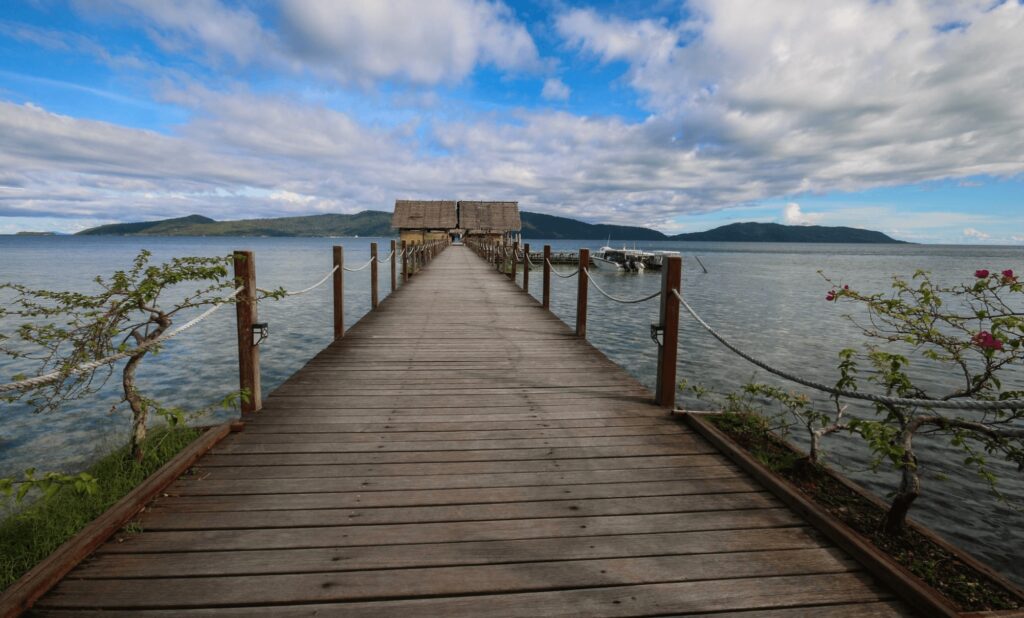
Situated along the shores of a shimmering bay, Beser Bay Homestay lies on the south coast of one of Raja Ampat’s largest islands.
It features just three traditionally built, stilted bungalows, all of which offer stunning views across the seagrass-filled water separating Beser Bay from Gam Island.
When you’re not out snorkelling and diving the surrounding reefs, you can kick back in your hammock with a good book. Electricity is available from sunset until around midnight.
This sustainable Raja Ampat homestay receives rave reviews for its incredible location, as well as the cleanliness and comfort of its accommodation. Considering its remote setting, the food here is incredible, with freshly caught seafood and plentiful produce on your plate.
Yenbainus Homestay
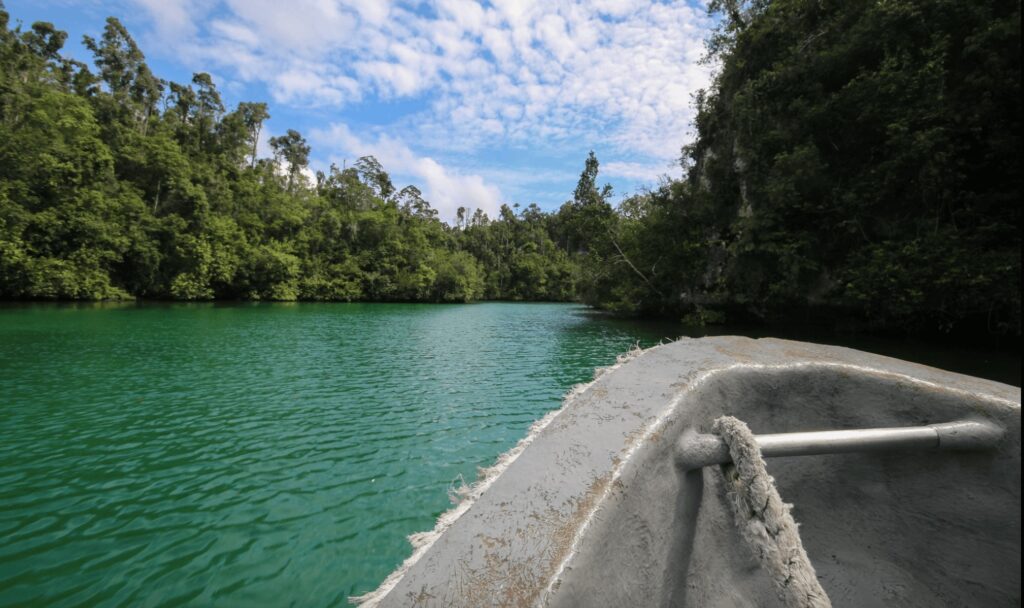
This family-run Raja Ampat homestay is named after the nearby village of Yenbainus, which lies on the eastern shore of Gam Island.
In addition to three over-water bungalows, there’s a tiled-floor bathroom shared by all guests.
While staying here, you can enjoy snorkelling on the area’s abundant coral reefs or jump aboard a boat tour to explore one of the neighbouring islands.
Back at the homestay, you’ll be treated to tasty home-cooked meals three times a day, surrounded by what can only be described as a tropical paradise.
Bird watchers will be thrilled to spot the magnificent bird of paradise in its natural habitat and there’s a local dive operation for those wanting to venture below the water’s surface.
Electricity is available at night, while solar panels provide power during the day for charging devices.
Alter Native Stay
Alter Native Stay is run by Papuarts, which has been operating sustainable micro-development projects in the province since 2014.
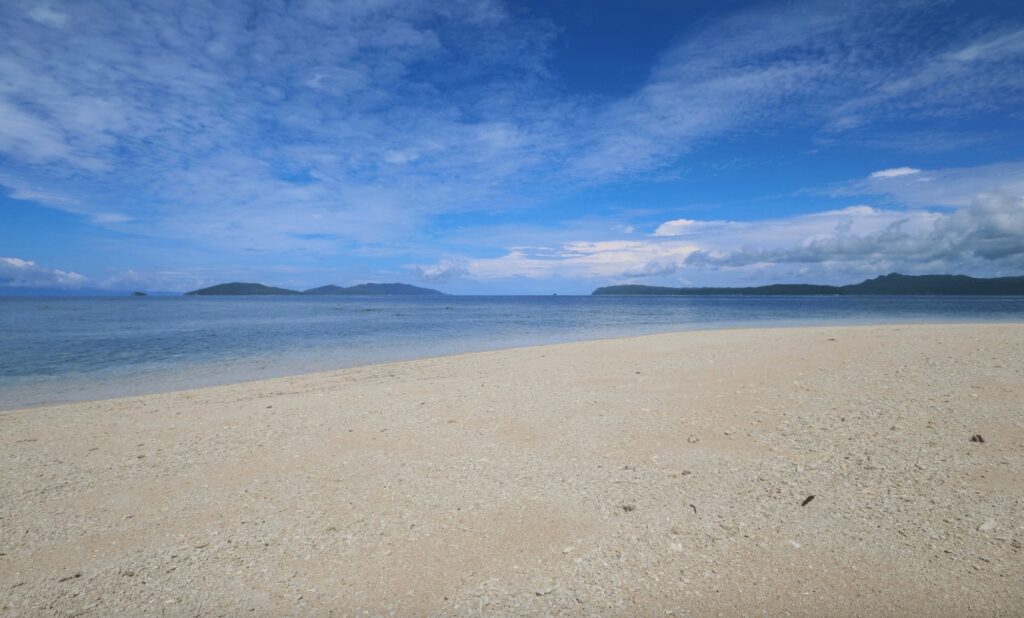
The Raja Ampat eco-lodge is designed as a place where people from all corners of the world can experience the beauty of the region. At the same time, you can get involved with creative workshops, environmental awareness and permaculture projects.
By staying at Alter Native, you’ll be able to connect with the local community through meaningful interactions and contributions that create lasting bonds.
Not only is the food here incredible, but the homestay stands out with its consistent electricity – not always a given in Raja Ampat.
Support local communities at an eco-friendly Raja Ampat homestay
The sheer beauty of Raja Ampat is almost beyond description. From the forests that blanket the islands to the crystal-clear seas teeming with life, this is a place unlike anywhere else in Indonesia.
While there are a handful of eco-conscious dive resorts dotted across the archipelago, one of the most authentic (and affordable) ways to experience the area is by staying at an eco-friendly Raja Ampat homestay.
By choosing this option, you can directly support the communities that call these islands home, empowering them to preserve their natural environment while also injecting much-needed income into the local economy.

PLAN YOUR TRIP WITH OUR FAVOURITE RESOURCES:
Find hotels and resorts via Booking or Agoda
Book tours and experiences via Viator or GetYourGuide
Find a rental car via Discover Cars
Book flights via Kiwi or Booking
Search for buses and trains via 12Go or Omio
Get travel insurance via SafetyWing
Buy a digital eSIM with Airalo
By purchasing through our links, you’ll be supporting our website at no additional cost to you
About the authors
We are a team of passionate divers and surfers with decades of combined experience in the water and travelling to all corners of the globe. After years of chasing waves and descending into the deep blue, we’ve created this resource to highlight sustainably run surf camps, eco-friendly dive resorts and conservation-focused ocean trips to help inspire your next adventure.
Eco Ocean Escapes was born out of a love of the ocean, an obsession with travel and a concern about the impacts of our adventures on the environments we explore. Despite the benefits that surf and dive tourism can bring to local communities, we recognised that ocean-based adventures are not always managed in a sustainable manner.
Through our articles, we hope to inspire those seeking a responsible surf or dive trip that is all about supporting local communities, preserving our coastal environments and the incredible marine species that inhabit our oceans.
-
Surfing and Environmental Activism: A Growing Movement
Surfing has always been more than a sport. It’s a culture shaped by natural forces – tides, winds, swells – and a lifestyle that depends on healthy ocean environments. So it’s no surprise that surfers are often engaged environmental activists, at both a local and global scale. As we’ve travelled around the world, we’ve loved…
-
Sustainable Snorkelling Tips for Ocean Advocates
You don’t need a scuba certification to fall in love with the ocean. Snorkelling is an equally magnificent way to explore coral reefs, seagrass meadows and the marine life that calls them “home”. In fact, snorkelling is often a gateway to scuba diving. Or sometimes, it’s the destination. We all snorkelled long before we ever donned…
-
How to Be a More Responsible Underwater Photographer
In recent decades, photography has become unbelievably accessible. Almost everyone carries a camera around with them everyday in the form of a smartphone. Technological improvements have also made underwater photography far more accessible, resulting in powerful images of a world that’s inaccessible to many. A single image of a healthy reef, a shark passing through…
-
Second-Hand Surf Gear: Embracing the Circular Economy
Surfing sells itself as a low-impact pursuit. All you need is a board and the ocean (and if you live where we do, a wetsuit!) What could be simpler? But behind this “at-one-with-nature” facade lies an industry built on short product cycles, seasonal “drops” and a steady turnover of gear due to new “innovations”. The…
-
How Coral Nurseries Work (And How Divers Can Join Planting Programs)
Coral reefs support an extraordinary diversity of marine life, and as divers, being able to explore them is one of life’s great privileges. But coral reefs are also among the most threatened habitats on the planet. Pollution, destructive fishing practices and climate change-induced coral bleaching are all having a devastating impact. In response, coral nurseries…
-
Are Wave Pools Sustainable? The Surf Park Environmental Debate
Nothing compares to surfing in the ocean. Full stop. For us, being at the whim of Mother Nature is a big part of surfing’s allure, and all things being equal, we’d pick the ocean over a wave pool every time. But with coastal communities under increasing pressure and surf breaks being flooded with people, are…

We are a team of passionate divers and surfers with decades of combined experience in the water and travelling to all corners of the globe.
After years of chasing waves and descending into the deep blue, we’ve created this resource to highlight sustainable surf camps, eco-dive resorts and conservation-focused ocean trips to help inspire your next adventure.
Eco Ocean Escapes was born out of a love of the ocean, an obsession with travel and a concern about the impacts of our adventures on the environments we explore.