The Biggest Threats Facing Surf Breaks Worldwide
We’re as guilty as the next surfer for taking our breaks for granted. They’re our playgrounds – firing up one day and flat the next, but always with another swell on the horizon.
But the reality is, surf breaks are delicate coastal systems shaped by geology, tides, sand movement and the overall health of marine ecosystems. And their futures aren’t guaranteed.
Around the world, many of the waves that define surf cultures are under increasing pressure. Some are changing slowly; others are disappearing altogether and seemingly overnight.
Even if it’s not happening in your backyard, this is something that all surfers should be concerned about. Because if it’s not happening at your local break today, it could be tomorrow.
So what is the first step toward protecting surf breaks? Understanding the threats they face. Equipped with that knowledge, we can all be better custodians and activists when issues arise, either at our local breaks or the ones we love to surf abroad.
In this article, we’ll highlight some of the biggest threats facing surf breaks and what you can do about them. It’s not just about protecting the waves we love to ride, but preserving the coastal ecosystems that are our playground.
This article may contain affiliate links, which means when you make a purchase through that link, we earn a small commission. Affiliate links come at no cost to you and ensure our content remains free!
Coastal Development and Hard Infrastructure
One of the most significant threats to surf breaks is poorly planned coastal development.
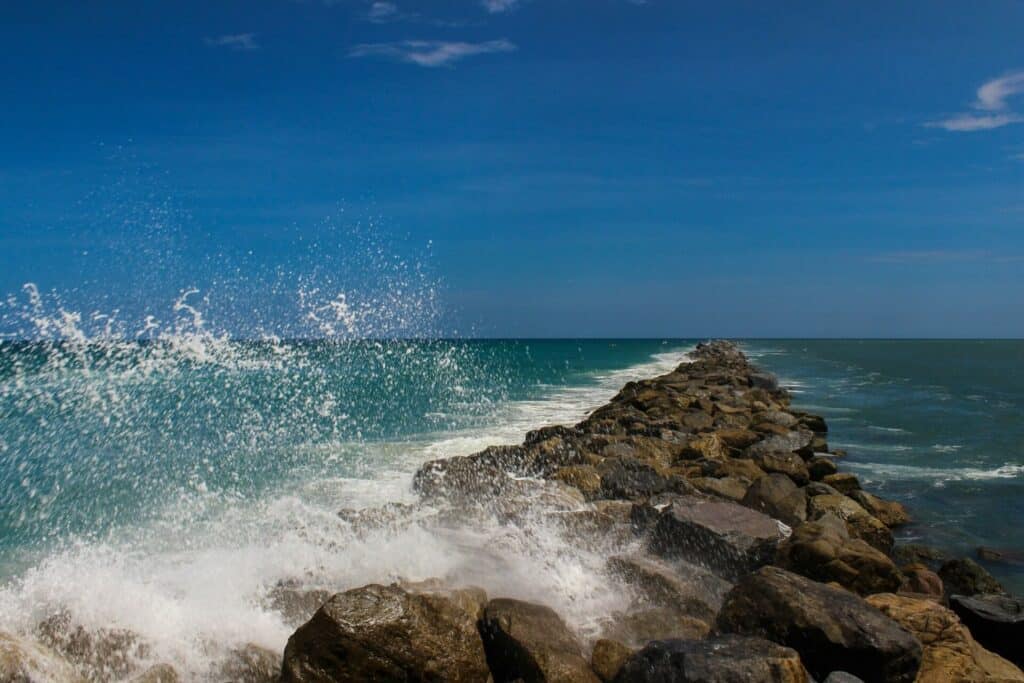
Seawalls, marinas, harbours and breakwaters alter natural sand movement and wave refraction. And history has shown that even small changes to the coastline can dramatically reshape how waves break.
The construction of ports, artificial islands and hotel developments built too close to the shore – all have been found guilty of damaging beloved surf spots.
It happened at Ponta Delgada on the island of Madeira with the construction of a concrete pier and at Rio Balsas in Mexico when a steel mill went up.
Once the seabed or coastline is altered, restoring a wave is extremely difficult…often impossible.
Sand Dredging and Beach Nourishment
Dredging and artificial beach nourishment are often promoted as solutions to erosion. But they can drastically disrupt (and destroy) surf breaks.
Removing sand from offshore areas or dumping sand of the wrong grain size can change wave shape, consistency and quality.
Case in point: In 2004, 300,000 cubic metres of sand were dredged from the mouth of the Oka River. This destroyed Mundaka – one of the best barrelling waves in Spain. It has since bounced back, but the threat hasn’t gone away.
Many reef and point breaks rely on precise underwater contours. When those contours are disturbed, waves can lose their power, length or direction…sometimes overnight.
Climate Change and Rising Sea Levels
Climate change is an escalating, long-term threat to surf breaks worldwide and if you’re still in denial, you’re obviously not connected to the ocean.
Rising sea levels are particularly problematic and can cause waves to break closer to shore or lose their shape entirely.
This is of concern in Vanaimo, Papua New Guinea, where rising sea levels are resulting in severe coastal erosion. Anyone who’s been lucky enough to surf West Sepik will know this is a major blow to Melanesian surf culture.
Changes in storm patterns can also alter swell direction and frequency, affecting the reliability of famous breaks. In 2016, severe storms resulted in massive coastal erosion at Collaroy on the east coast of Australia, altering the way the waves broke overnight.
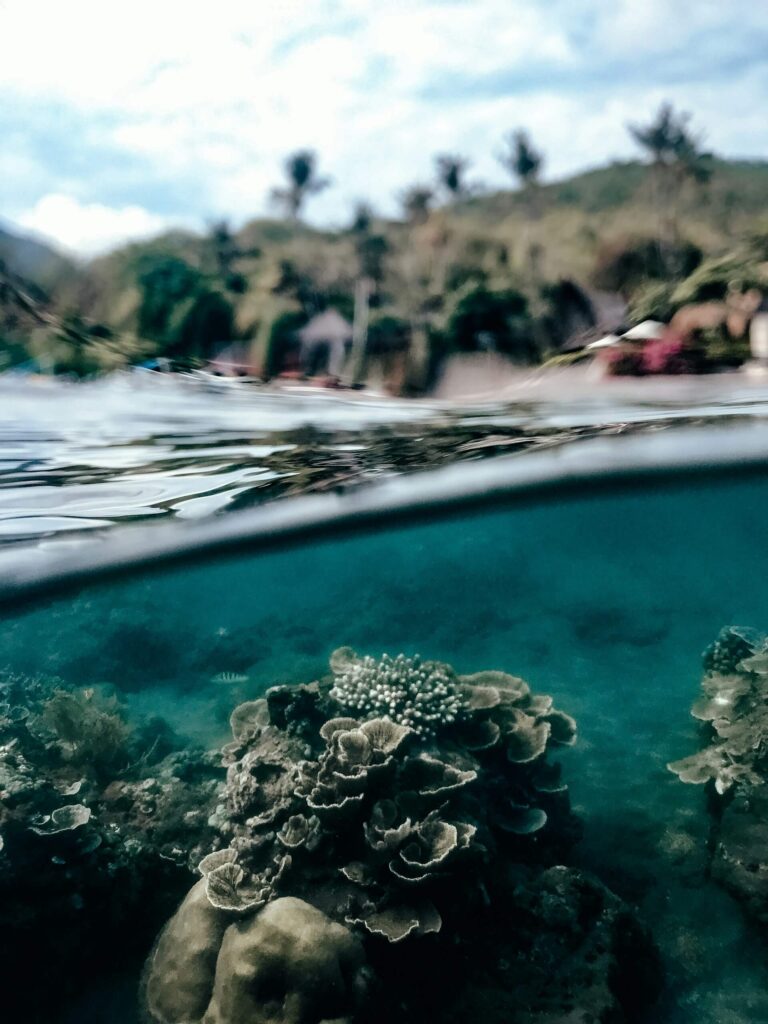
Ocean warming and coral bleaching further threaten reef breaks, especially in tropical regions. Dead or degraded reefs provide less structure, reducing wave quality and contributing to coastal erosion.
Pollution and Water Quality Degradation
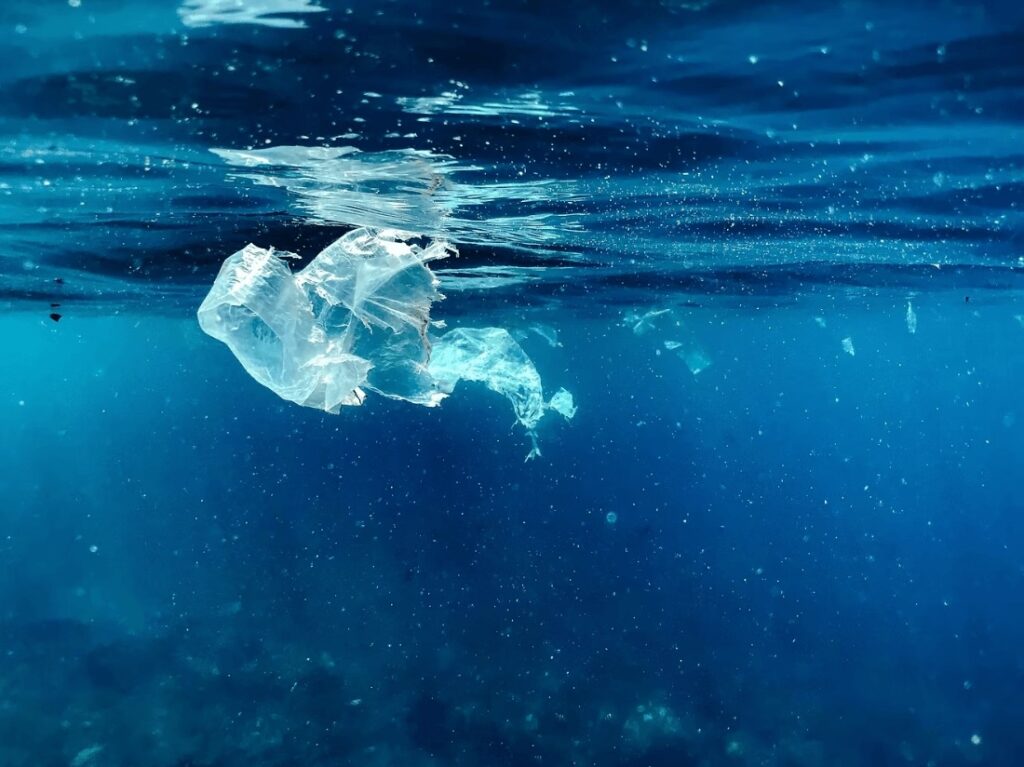
Pollution doesn’t just affect human health – it affects surf breaks too. Sewage discharge, agricultural runoff and plastic pollution damage nearshore ecosystems that stabilise coastlines, such as seagrass beds and mangroves. It’s all interconnected.
Plastic pollution and raw sewage runoff frequently plague world-famous spots in Bali, such as Kuta, Canggu and Balangan. We’ve all seen the photos of tons of waste washing onto these beaches during the wet season.
Poor water quality also reduces local support for surfing areas. When beaches become unsafe to surf or just downright unpleasant, they’re more vulnerable to neglect or redevelopment.
At the end of the day, who wants to surf in polluted waters with sewage and plastic bags floating around them?
Overtourism and Surf Pressure
As surf travel becomes more accessible, many once-remote breaks are experiencing intense pressure. Increased foot traffic, boat anchoring, reef trampling and waste accumulation are all contributing to the degradation of coastal environments.
As tourism pressure increases, so does coastal infrastructure. The collapsing cliffs along Bali’s Bukit Peninsula are just one example of how developers (driven by tourism dollars) are destroying surf coastlines.
And the social impacts are important too. In many cases, local communities are excluded from decision-making when it comes to coastal developments. When this happens, support for surf protection can erode.
If locals don’t feel heard or they’re not invited to the table, where’s the incentive to protect coastlines? Why should they be putting in the hard work of grassroots initiatives when the outcomes are already out of their hands?
Mining, Quarrying and Resource Extraction
In some regions, coastal mining and quarrying directly threaten surf breaks by altering sediment supply and seabed structure. Sand mining, in particular, removes material that would naturally replenish beaches and sandbanks. And we’ve seen it the world over.
Surfers are among those protesting against potential mining expansion along the coast of South Africa, particularly around the Olifants River. This little parcel of paradise runs the risk of being destroyed by sand extraction and offshore diamond prospecting.
As many of these activities take place out of sight offshore (and not directly on the coast), it’s harder to monitor their impacts until the surf quality declines.
And of course, it’s not just about preserving surf breaks. These activities have broader impacts on coastal ecosystems, marine life and local fishing industries.
Lack of Legal Protection
Perhaps the most overlooked threat to surf breaks is the absence of legal recognition. In most countries, waves have no formal protection, even when they are economically, culturally and environmentally valuable.
Without legal safeguards, surf breaks are often sacrificed for short-term development gains. Only a handful of places worldwide have laws specifically designed to protect waves and surf ecosystems.
In 2000, Peru passed the “Law of the Breakers”, which protects over 130 waves. Meanwhile, New Zealand’s Coastal Policy Statement of 2010 mandates the protection of “Surf Breaks of National Significance”.
The creation of World Surfing Reserves is another way this issue is being addressed. But it’s important to note this is not a legal protection. It’s a designation and is designed to empower local communities to implement legal protections and conservation strategies.
What Can Be Done?
Okay, so now we’ve covered all the doom and gloom, what can we, as surfers, actually do about this? We wish it were a quick fix or an easy solution. But the truth is, it’s not.
Protecting surf breaks requires ongoing action at multiple levels:
- Supporting local and international surf conservation groups
- Advocating for science-based coastal planning
- Choosing surf destinations that prioritise sustainability
- Respecting local communities and ecosystems while travelling
- Backing legal frameworks that recognise surf breaks as natural assets
- Contributing to research through citizen science projects
Looking at the Bigger Picture
Surf breaks are shaped over thousands of years and we know that they can improve or degrade over time due to natural forces.
But what we find really concerning is how they can be damaged overnight with a single construction project or destroyed rapidly by a lack of environmental protection.
And we’re not trying to be single-minded here. Protecting waves is not important just so surfers can live out their wildest dreams. It’s about safeguarding coastlines, cultures and ecosystems for the long term.
PLAN YOUR TRIP WITH OUR FAVOURITE RESOURCES:
Find hotels and resorts via Booking or Agoda
Book tours and experiences via Viator or GetYourGuide
Find a rental car via Discover Cars
Book flights via Kiwi or Booking
Search for buses and trains via 12Go or Omio
Get travel insurance via SafetyWing
Buy a digital eSIM with Airalo
By purchasing through our links, you’ll be supporting our website at no additional cost to you
-
The Blue Revolution: How Ocean Conservation Is Changing Travel
If you’re anything like us, the ocean is what fuels your travel adventures. Over the last 20+ years, we’ve flown across the globe to dive with manta rays, kayak above coral reefs and surf legendary waves. But there is an uncomfortable contradiction at the heart of ocean tourism: the healthier the marine environment, the more…
-
Climate Change in the Ocean: A Guide for Surfers + Divers
When we think about climate change, our attention naturally turns to what we can see on land or are experiencing first hand: rising temperatures, melting glaciers, wildfires and more intense weather events. Many of these are well-reported on the nightly news and it’s devastating to see intense wildfires ripping across landscapes and floods wreaking havoc…
-
Resort vs Liveaboard vs Homestay Diving in Raja Ampat: Choosing the Right Experience
Raja Ampat is one of my favourite diving destinations in Indonesia. In fact, that’s probably an understatement. Raja is one of my favourite places to dive anywhere in the world. The underwater experiences I’ve had here are nothing short of extraordinary…and that’s not taking into account the incredible above-water scenery. It really does feel like…
-
How Sunscreen Affects Coral Reefs + Marine Life
If you’re anything like us, applying sunscreen is second nature before heading out to surf or spending a day on a dive boat. In fact, our skin type means we need to apply sunscreen before we step outdoors…full stop! Since we were little, it’s been drummed into us that sunscreen protects our skin from harmful…
-
The Essential Scuba Diving Guide to Raja Ampat, Indonesia
Few places we’ve dived have captured our imagination quite like Raja Ampat. Our first visit was back in the early 2000s, staying at a homestay on a blissfully gorgeous beach, and our second in 2023 at the eco-friendly Papua Explorers Resort. Both are experiences that will stay with us forever and affirmed what so many…
-
Successful Marine Protected Areas You Can Visit Around the World
After almost two decades of scuba diving around the globe, we’ve come to the conclusion that marine protected areas (MPAs) are one of the most powerful tools we have for conserving ocean ecosystems. Essentially, they are like “national parks of the seas” – established to limit activities such as overfishing, habitat destruction and unsustainable development….
We are a team of passionate divers and surfers with decades of combined experience in the water and travelling to all corners of the globe.
After years of chasing waves and descending into the deep blue, we’ve created this resource to highlight sustainable surf camps, eco-dive resorts and conservation-focused ocean trips to help inspire your next adventure.
Eco Ocean Escapes was born out of a love of the ocean, an obsession with travel and a concern about the impacts of our adventures on the environments we explore.