Scuba Diving in Thailand: Best Dive Sites + Eco-Friendly Resorts
Want to plan an eco-friendly dive vacation in Southeast Asia? Discover everything you need to know about scuba diving in Thailand, including the best dive sites and sustainable Thai dive resorts and hotels.
Extending between the Andaman Sea and the Gulf of Thailand, Thailand has firmly cemented its reputation as one of the world’s best scuba diving destinations. It’s no secret that we love diving here – the water is warm, the reefs are vibrant and the food is sensational!
Divers of all skill levels flock to this tropical paradise to discover its diverse marine ecosystems. Beginners come looking to earn their open-water certification while experienced divers arrive in search of new challenges.
While Thailand is well and truly ON the beaten tourist track, we don’t think that should stop you from venturing here. It certainly hasn’t stopped us!
Aside from getting up close to a dizzying array of hard and soft corals, there are hundreds of species of tropical fish to discover. As scuba enthusiasts, we also love that there are wonderful opportunities to encounter pelagic species like whale sharks and manta rays.
Adding to the appeal of an eco-friendly dive vacation in Thailand are its outstanding dive centres and instructors. This makes it an ideal destination to earn your scuba certification or further develop your skills.
Not only that, but the above-water scenery is sublime and the dive resorts are world-class, with many showing a strong commitment to sustainability.
In this article, we’ll help you plan an eco-friendly dive vacation in Thailand, whether you want to hit the scuba schools of Koh Tao or venture to the Similan Islands on a liveaboard adventure.
In addition to highlighting 6 of the best places to dive in Thailand, we’ll share eco-friendly dive resorts in each destination to ensure a sustainable stay.
Planning a dive trip to Southeast Asia? Check out our scuba guides to Indonesia, Malaysia, Myanmar, Timor-Leste and the Philippines.
This article contains affiliate links, which means when you make a purchase through that link, we earn a small commission. Affiliate links come at no cost to you and ensure our content remains free!
6 of the best places to dive in Thailand
Surin Islands
Best place for remote diving in Thailand
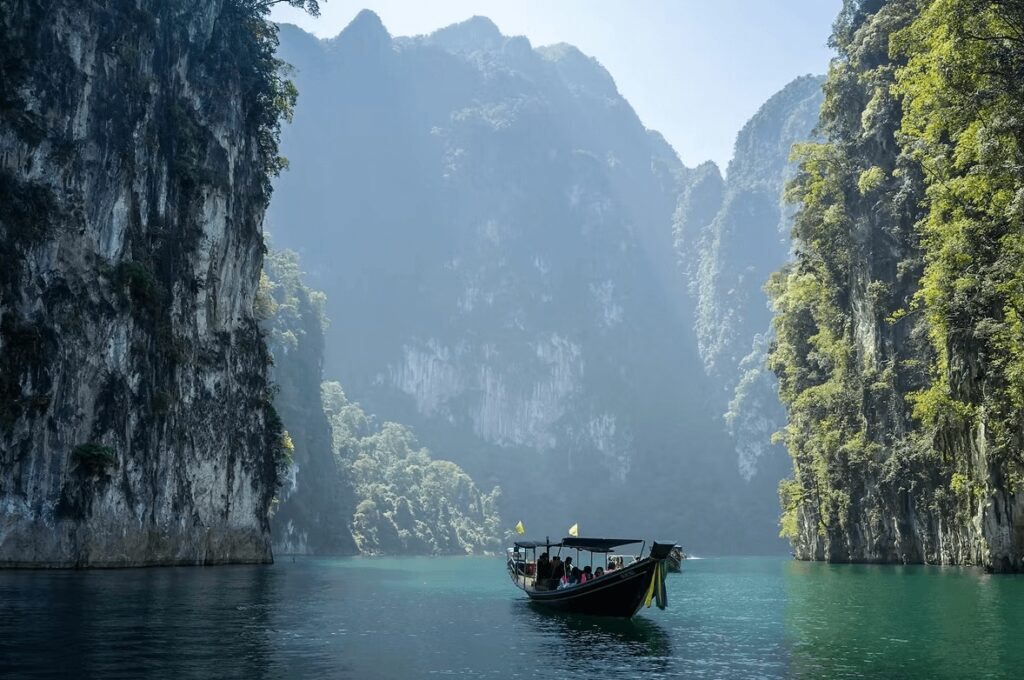
Tucked away in the remote reaches of the Andaman Sea lies the Surin Islands, a protected archipelago that has been designated as a UNESCO Environmental Program site.
This untouched tropical paradise lures intrepid divers and snorkellers seeking to escape the underwater crowds closer to the mainland.
Accessible only by liveaboard, the Surin Islands are best explored on an itinerary spanning four to seven nights. This allows ample time to discover the region’s many dive sites, which boast an incredible array of hard and soft corals.
The remote location of the Surin Islands means fewer crowds. It also enables you to spot rare and elusive species that are harder to find in Thailand’s more popular diving destinations.
A highlight of any sustainable dive trip to the Surin Islands is experiencing Richelieu Rock. This horseshoe-shaped reef attracts a huge diversity of marine life.
Due to the isolated setting of its limestone pinnacle, it’s notable for its large pelagic encounters. Whale sharks and manta rays are regularly spotted between February and April.
Collectively, the Surin Islands are protected within Mu Ko Surin National Park, which also encompasses tracts of rainforest and mangroves.
To ensure its preservation, the park is closed to visitors during the off-season (May to October). So plan your Thailand scuba diving trip outside of these months.
Similan Islands
Best place to dive in Thailand with whale sharks
Around 100 kilometres south of the Surin Islands is another scuba diving mecca, the glorious Similan Islands. This stunning archipelago lies off the coast of Khao Lak and encompasses some of Thailand’s most sought-after dive sites.
In our opinion, a liveaboard trip to the Similans is a must for any serious diver and can be combined with a longer itinerary including the Surin Islands.
In the Similans, massive granite boulders rise dramatically from the seafloor – for us, it’s reminiscent of the Seychelles. This creates a spectacular backdrop for encounters with curious reef sharks and schools of tropical fish.
The real showstoppers are the coral formations that explode with colour, forming magnificent gardens that really are a photographer’s dream.
Many divers heading to the Similans are particularly drawn to the possibility of spotting manta rays and whale sharks. Both are known to frequent these nutrient-rich waters.
If you’re planning a sustainable dive vacation in Thailand and want to include the Similans, plan to be there between October and May. This is when you can expect the calmest seas and best visibility.
Eco-friendly dive liveaboards in the Surin and Similan Islands
Andaman Scuba
With an extensive fleet of state-of-the-art vessels, Andaman Scuba offers three- to eight-day dive trips to the Similan and Surin Islands, including Richelieu Rock. It caters to divers of all skill levels, from complete novices to seasoned underwater explorers.
Andaman Scuba is more than just a dive company. It is committed to sustainable practices that minimise its ecological footprint. Most notably, the company adheres to international charters on sustainable diving and shark ecotourism.
Onboard, guests are encouraged to embrace “leave no trace” and “touch only with the eyes” policies.
Koh Tao
Best place to dive in Thailand for beginners
Positioned in the Gulf of Thailand, the small island of Koh Tao has earned a well-deserved reputation as one of the best places to get your dive certification in Thailand.
Situated between the larger tourist hubs of Koh Phangan and Koh Samui, it is home to an abundance of dive operators. These offer everything from beginner courses to specialty certifications for those looking to hone their diving skills.
The calm, shallow waters around Koh Tao provide the perfect environment for beginner divers to complete their Open Water certification in safety and comfort. From large schools of tropical fish to the occasional appearance of whale sharks, there is always something to see on a Koh Tao dive.
While there are more challenging deep and drift dives on offer, we wouldn’t recommend Koh Tao if you already have a lot of dives under your belt. Due to the sheer number of divers that flock here, it can feel a bit crowded underwater.
That being said, we do think it is a great place to get certified during an eco-friendly dive vacation in Thailand.
Koh Tao is home to an astounding number of dive shops. All are competing to provide the best instruction, equipment and overall experience for their customers.
From PADI and NAUI certification courses to specialty programs in areas like underwater photography, Koh Tao’s dive schools cater to every diver’s needs and interests.
If you’re particularly interested in marine conservation, we recommend checking out Eco Koh Tao. It’s dedicated to preparing scuba divers to work as professionals while ensuring that coral reef preservation is always at the forefront of everything they do.
Eco-friendly dive resorts on Koh Tao
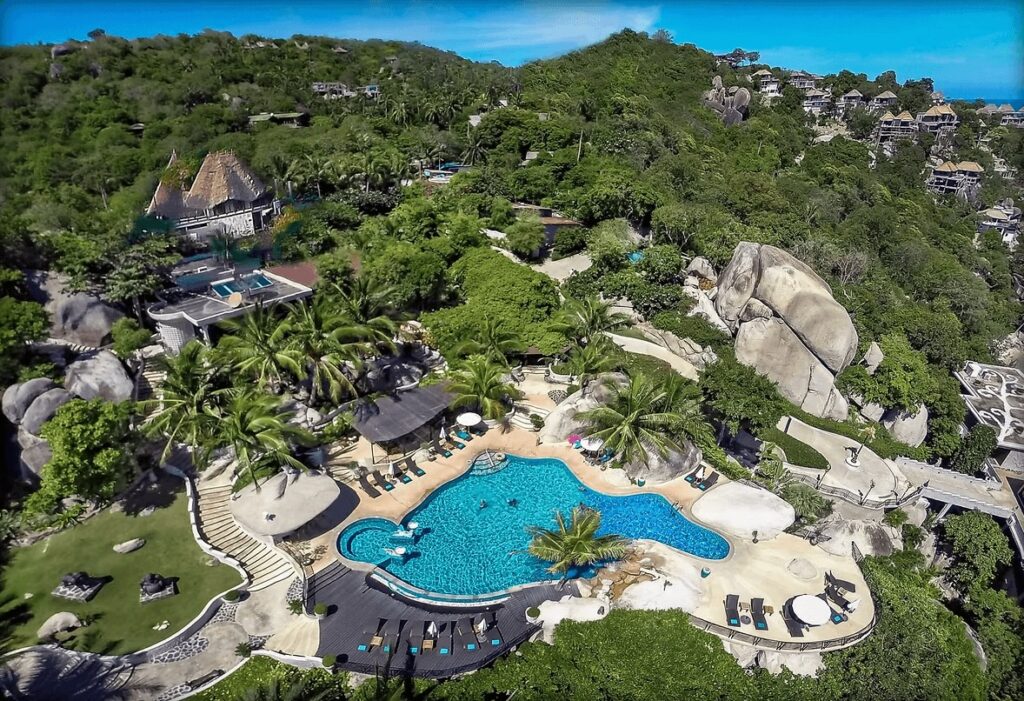
Jamahkiri Dive Resort & Spa
Set along picturesque Thian Og Bay, this eco-friendly Koh Tao resort provides luxury accommodations. It also operates with a focus on sustainability and minimising environmental impact.
The Thai-inspired rooms and pavilions feature private balconies that boast stunning ocean views. Meanwhile, the on-site dive centre offers 16 different dive courses.
Jamahkiri has implemented a range of initiatives to reduce its carbon footprint. These include the use of a desalination plant to provide clean water and the implementation of renewable energy sources.
Ecotao Lodge
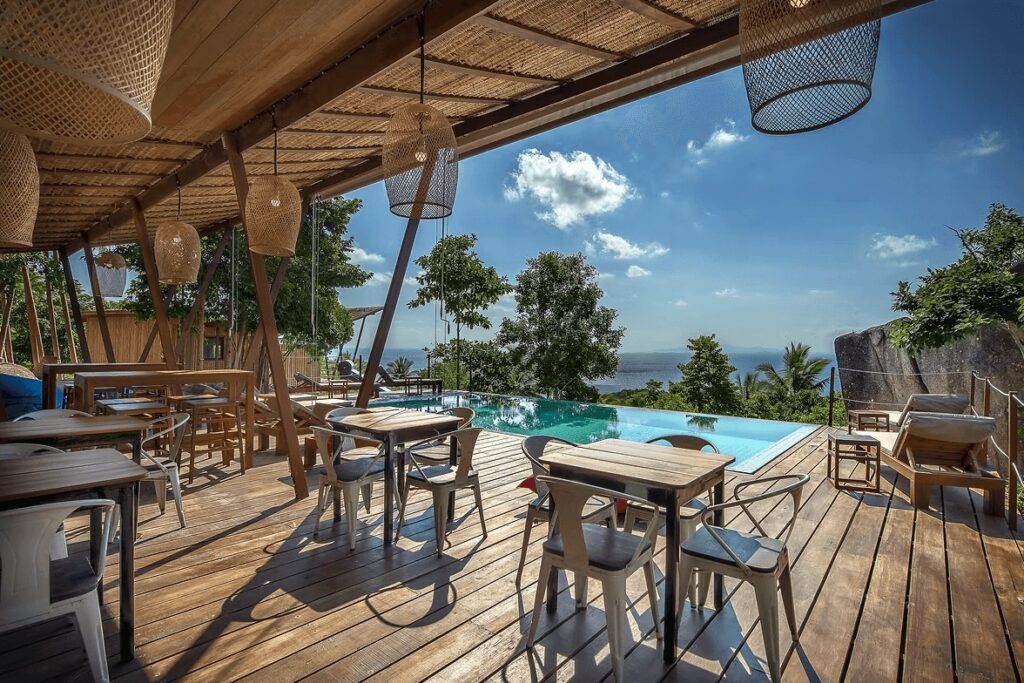
Constructed using wood, bamboo and other natural materials, this sustainable hotel on Koh Tao lies on the island’s east coast. There are magnificent ocean views on offer from its private balconies, swimming pool and restaurant where you can dine on gourmet Thai cuisine.
Not only that, but this eco-friendly Koh Tao hotel takes its environmental commitment seriously, addressing everything from waste management to energy usage.
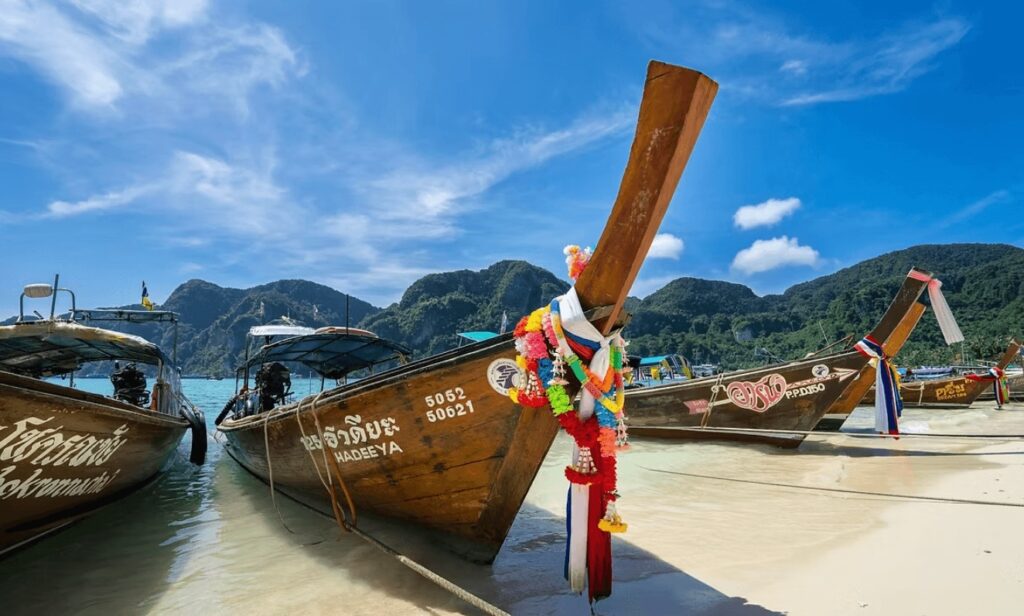
Koh Phi Phi
Best place to dive in Thailand for leopard sharks
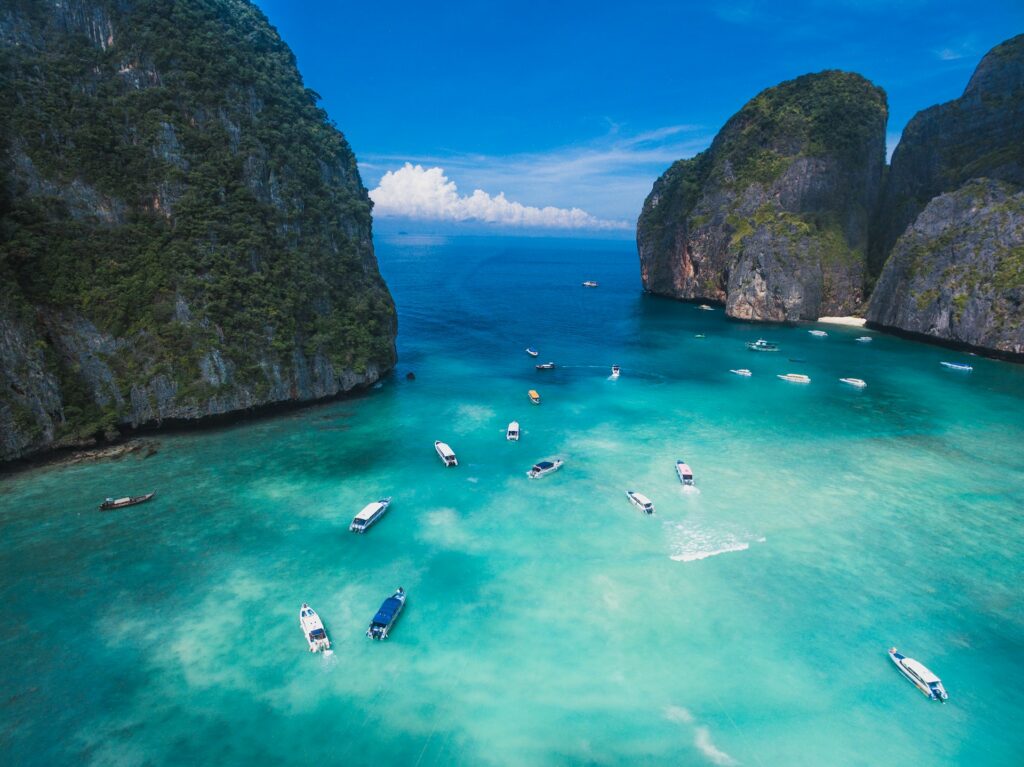
In the Andaman Sea (off Thailand’s west coast) are the islands of Koh Phi Phi, made famous by the 2000 film “The Beach.”
The archipelago has long been a magnet for backpackers and adventure-seekers, drawn to its white-sand beaches and crystal-clear turquoise waters.
While the main island of Koh Phi Phi Don has developed a reputation as a lively party destination, there are plenty of places to enjoy a quieter experience.
In fact, we think the archipelago is home to one of the best eco-friendly dive resorts in Thailand. It’s perfect if you’re planning a sustainable scuba vacation.
On the fringing coral reefs, you’ll find everything from turtles and barracuda to moray eels and peacock mantis shrimp. If you’re lucky, you may even encounter leopard sharks gliding through the blue. For underwater photographers, the reefs around Koh Phi Phi also harbour a wealth of macro life.
Whether you’re a beginner diver looking to earn your certification or an experienced scuba enthusiast seeking out more challenging sites, the Phi Phi Islands are an underwater playground.
Not only that, but the above-water scenery here is drop-dead gorgeous. There’s a reason Koh Phi Phi is considered one of Thailand’s most beautiful destinations.
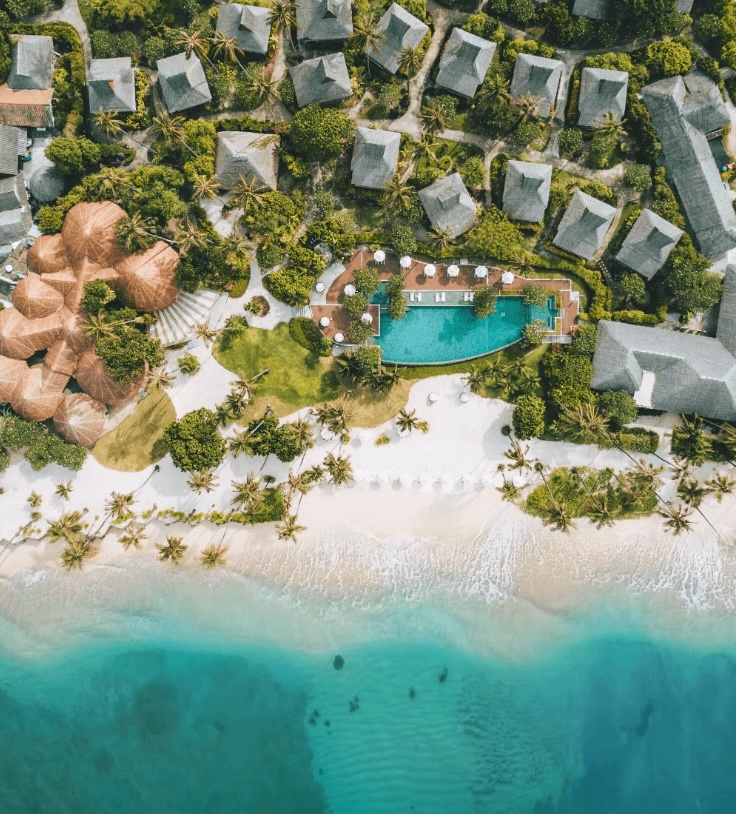
Eco-friendly dive resorts in Koh Phi Phi
SAii Phi Phi Island Village
Sprawled across 70 acres of coconut palm plantations, this eco-friendly Phi Phi resort commands an idyllic stretch of white sand. It’s located amidst the peaceful seclusion of Loh Ba Gao Bay along the island’s northeast coast.
SAii Phi Phi Island Village features traditional Thai-style bungalows and exclusive hillside villas with private plunge pools.
The resort’s 5-Star PADI dive centre allows you to explore the surrounding reefs. Meanwhile, the Marine Discovery Centre is all about educating guests and promoting environmental sustainability.
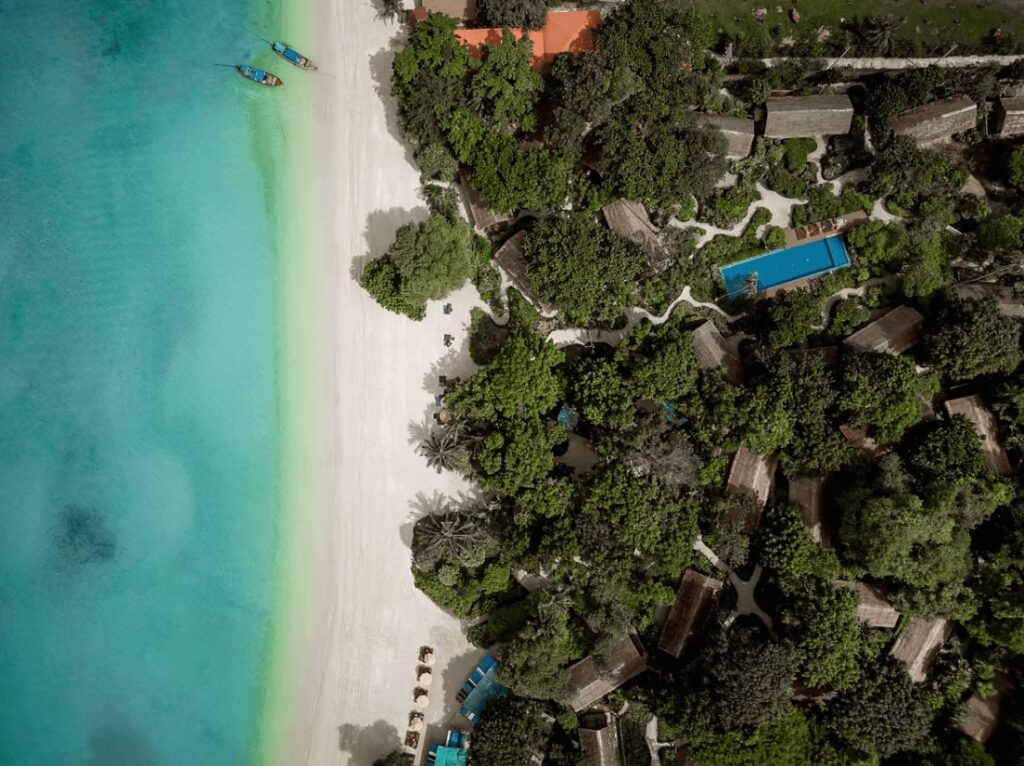
Outrigger Phi Phi Island
Tucked away on the island of Phi Phi Don, the Outrigger stands as one of the most sustainable dive resorts in Thailand.
It has earned prestigious accolades for its commitment to eco-conscious tourism, including Travelife’s coveted Gold Certification. Additionally, it has received the Green Fin label awarded by the Phuket Marine Biological Center.
Rather than compromising the luxurious 5-star experience, the Outrigger’s dedication to sustainability actually enhances the resort’s offerings. It encourages guests to indulge in the property’s lavish amenities while simultaneously protecting the islands’ natural treasures.
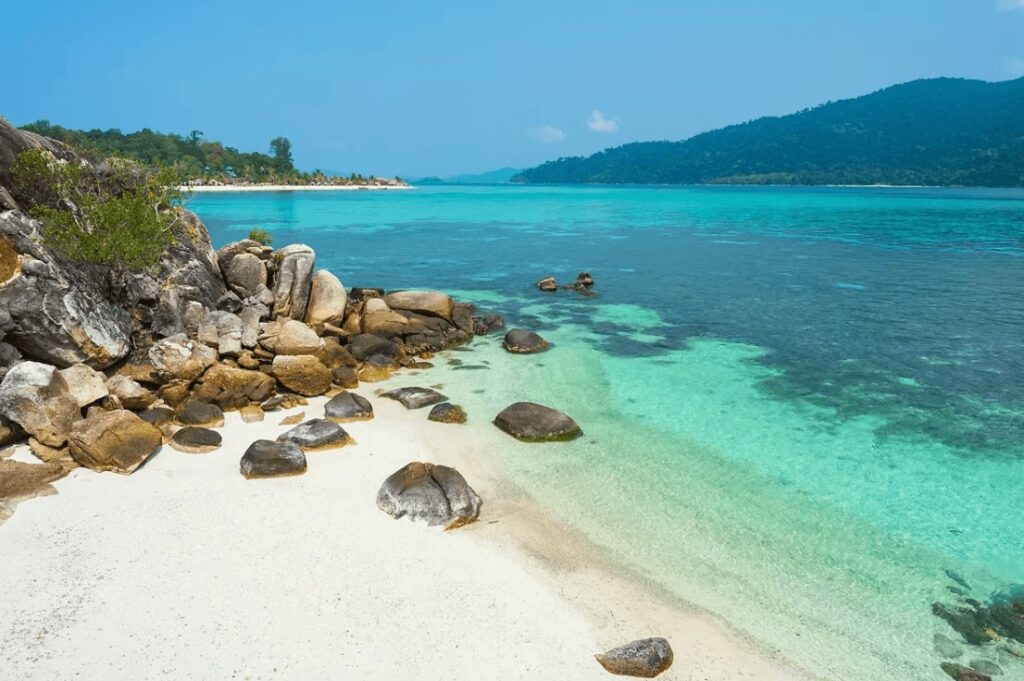
Koh Lipe
Best place to dive in Thailand without crowds
Travel further south on Thailand’s west coast and you’ll discover the idyllic island of Koh Lipe. It’s a little-visited gem for those seeking to escape the crowds and explore less-frequented dive sites.
This stunning island offers a range of accommodation options to suit every budget, from charming guesthouses to luxurious pool villas offering a barefoot island experience.
Koh Lipe’s picturesque beaches are straight out of a postcard. Unlike some of Thailand’s more popular dive destinations, its coral reefs are exceptionally well-preserved.
The island forms part of Tarutao National Marine Park, which is home to a wealth of dive sites for all skill levels.
On a sustainable dive trip to Koh Lipe, you’ll encounter a kaleidoscopic range of tropical fish species. Not only that, but you can expect to see the occasional turtle, dolphin and (if you’re exceptionally lucky) even dugongs or sperm whales.
Beyond the incredible marine life, the dive sites around Koh Lipe also feature stunning pinnacles and rock formations that add to its allure.
While boat diving from land-based operators is the norm, some liveaboard itineraries also include Koh Lipe on longer Andaman Sea itineraries.
Eco-friendly hotels on Koh Lipe
Castaway Resort
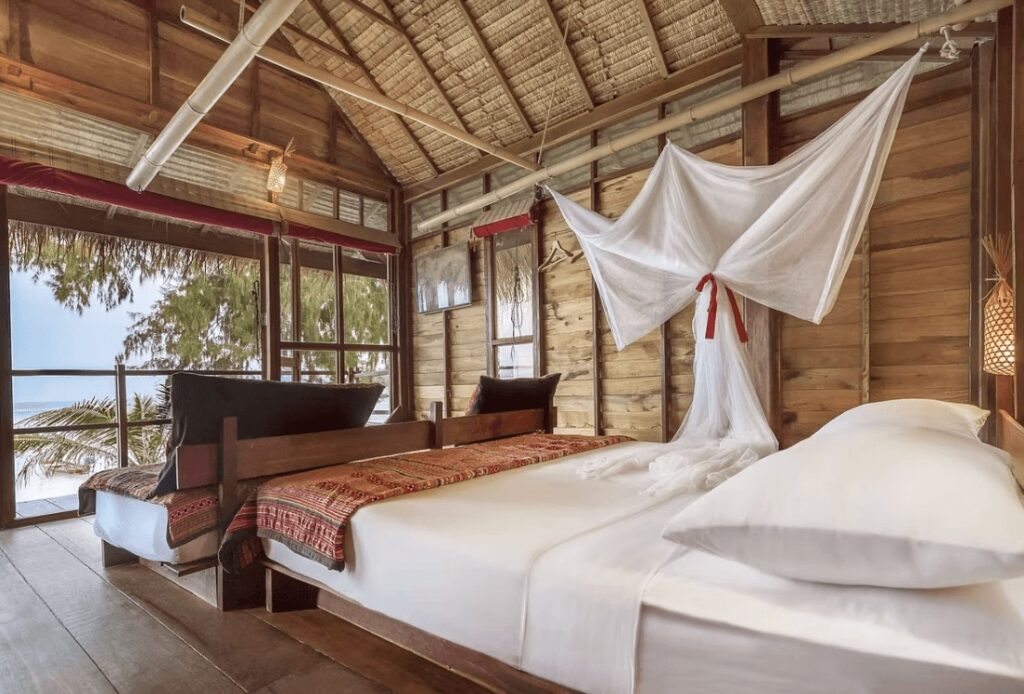
Set on the shores of Sunrise Beach, this eco-friendly Koh Lipe resort offers an unforgettable island getaway steeped in Thai-inspired design.
Drawing inspiration from the region’s architectural heritage, the resort’s charming bungalows have been crafted using natural materials. Notably, they allow for natural cooling from ocean breezes.
In addition to providing refillable water containers, Castaway Resort uses energy-efficient appliances and supports local conservation efforts. The attached dive centre offers memorable excursions within Tarutao National Marine Park.
Irene Resort
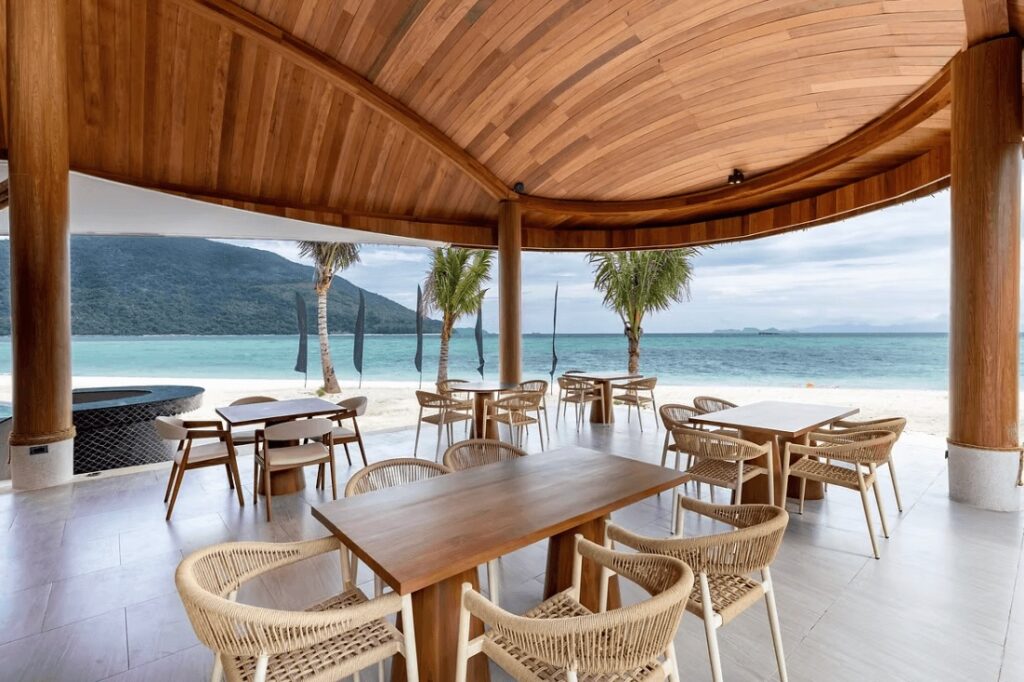
Located on Koh Lipe’s north coastline, the luxurious Irene Resort offers travellers a 5-star island getaway. Among its amenities are an expansive outdoor swimming pool, a state-of-the-art fitness centre and a restaurant serving mouthwatering cuisine.
The management at this eco-friendly Koh Lipe resort has long been at the forefront of sustainable practices. In short, they evaluate every aspect of the resort’s operations to minimise its environmental impact.
Aside from offering snorkelling and scuba diving excursions, the Irene features a pampering spa and kayak/paddleboard rentals.
Pattaya
Best place for wreck diving in Thailand
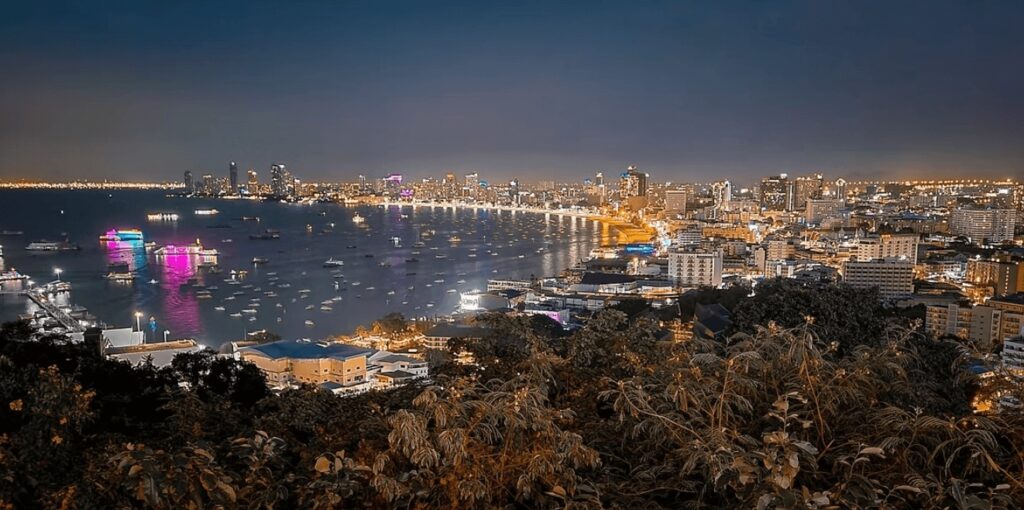
Pattaya may be a popular beach destination for Bangkok residents looking to escape the bustling city, but it’s far from a quiet seaside town.
This large, vibrant city on the eastern coast of the Gulf of Thailand offers a diverse array of attractions and experiences. It boasts lively nightlife and entertainment districts, as well as abundant opportunities for outdoor adventure.
For underwater enthusiasts, one of Pattaya’s biggest draws is its abundance of wreck dives, the most famous of which is the HTMS Khram. This decommissioned Royal Thai Navy ship was intentionally sunk in 2011 to create an artificial reef. Today, it is coated in corals and marine life.
Other notable wrecks in the Pattaya area include the HTMS Kut and HTMS Mataphon – both of which we think are worth diving.
Beyond the wrecks, Pattaya is also home to the “Fingers” of Koh Man Wichai. Here, the coral formations resemble the outstretched digits of a giant hand, providing a unique backdrop for spotting tropical fish.
With its combination of man-made and natural underwater marvels, Pattaya is somewhat of an “out of the box” dive destination. It’s not a place you go for a classic beachside holiday. But there’s still something about it we love!
So if you’re in the mood for a city-meets-scuba vacation or want to add a couple of days to your sustainable Thailand dive trip, we think Pattaya is worth considering.
Eco-friendly hotels in Pattaya
Amethyst Hotel Pattaya
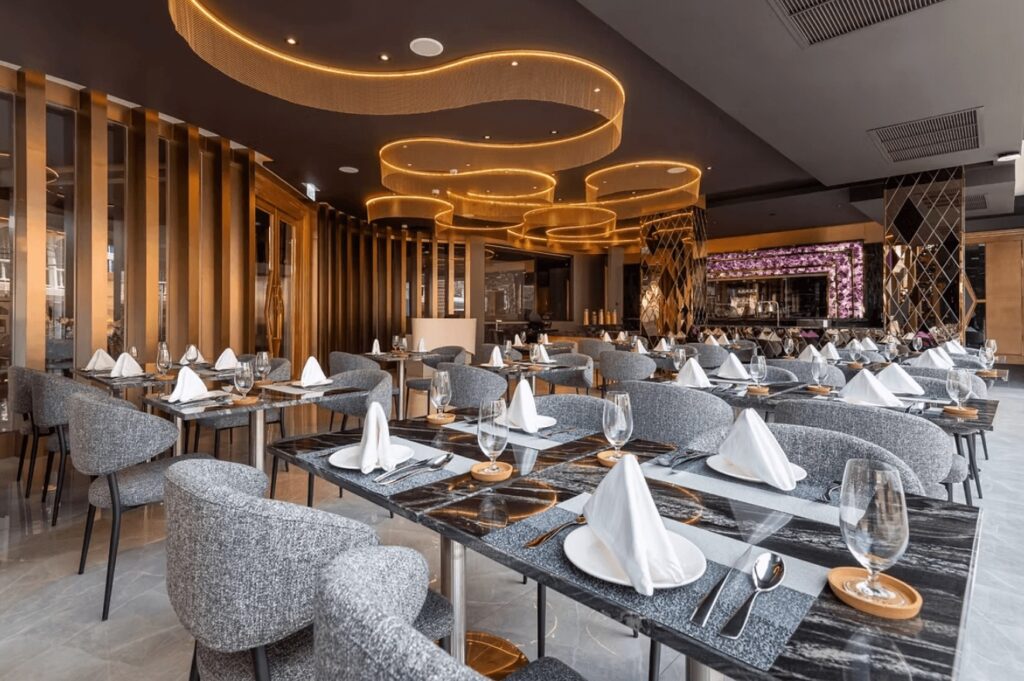
In the heart of Pattaya Central, the Amethyst Hotel boasts everything from an outdoor swimming pool to a well-equipped fitness centre and gourmet on-site restaurant.
Featuring comfortable, air-conditioned rooms, this eco-friendly Pattaya hotel has made sustainability a top priority. It has implemented energy-saving technologies and recycling programs throughout the property.
This green ethos is further evidenced through the hotel’s collaboration with CF-Hotels, a platform dedicated to promoting eco-conscious practices within the hospitality industry.
Best time to dive in Thailand
With two major coastlines, Thailand can be dived throughout the year. On the eastern side, the waters of the Gulf of Thailand offer exceptional visibility from May through September, making this the best time to plan a sustainable dive vacation in Koh Tao.
The western Andaman Sea, on the other hand, tends to provide the best diving experiences from October through April when the waters are at their calmest (and the visibility is at its best).
Keep in mind that the Similan Islands and Surin Islands are closed from May to October (during the monsoon season), so plan your eco-friendly dive trip to Thailand outside of these months.
FAQs: Sustainable dive vacation in Thailand
When is the diving season in Thailand?
The peak tourist season in Thailand runs from October through April. For divers, this is the best time to explore the Andaman Sea.
The period from February to April in particular offers the most ideal conditions, both above and below the water. Generally speaking, the seas are calm and the visibility is usually excellent.
Crowds of tourists tend to be smaller late in the season, allowing divers to enjoy a more intimate underwater experience. This is also the prime season for encountering whale sharks and manta rays, which are more frequently sighted on Thai liveaboard cruises.
Beyond the Similan and Surin Islands, the popular diving hubs of Phuket, Krabi, Phi Phi and Khao Lak are also at their best from October to April.
Remember that the Similan Islands and Surin Islands are not accessible from May to October due to the monsoon season.
Meanwhile, the Gulf of Thailand’s Koh Samui and Koh Tao are best dived from May to September. The busiest months are usually July and August when Europeans and North Americans are on their summer holidays.
Is scuba diving good in Phuket?
While the diving opportunities around Phuket are okay, with a handful of dive sites just a short boat ride from the shore, the best scuba diving in Thailand lies further afield.
Pattaya is one of the best places to go wreck diving in Thailand, while Koh Tao is ideal for those who want to get certified.
For the ultimate Thai diving adventure, it’s best to venture further afield on a multi-day liveaboard cruise to the Similan and Surin Islands. Longer liveaboard trips push on into the pristine waters of Myanmar, home to some of the most untouched reefs and atolls on the planet.
How much experience do you need to dive in Thailand?
The amount of experience required to dive in Thailand can vary significantly, depending on the dive area and the type of diving you want to do.
For those just starting out, there are plenty of beginner-friendly dive locations that only require open water certification.
With its abundance of dive schools, Koh Tao is a great place to take your first steps. The island’s calm, clear waters are perfect for newly-certified divers to get comfortable underwater and build up their confidence and skills.
If you’re a more advanced diver seeking out underwater caves, wrecks and drift diving opportunities, you might want to consider Richelieu Rock, Hin Daeng and Hin Muang. The strong ocean currents found at some of these sites mean divers need to be highly skilled at buoyancy control and navigating underwater.
For intermediate divers, the sites around the Similan Islands and Koh Phi Phi are ideal. You can expect incredible marine life in relatively easy conditions.
Should I stay at a dive resort or a liveboard in Thailand?
When planning a sustainable dive vacation in Thailand, you have the choice between resort diving and liveaboard diving.
Resort diving offers the convenience of being based at a single location (often a luxurious beachfront resort) and taking day trips out to nearby dive sites. This allows you to enjoy the creature comforts of the resort between dives, with amenities like restaurants, bars and swimming pools.
Many of Thailand’s best dive sites can easily be reached from resorts, including those around Koh Phi Phi, Koh Lipe and Koh Tao.
In contrast, liveaboard diving involves spending multiple days and nights aboard a specialised dive boat. It allows you to travel to remote dive destinations that are largely inaccessible from shore.
The schedule on a liveaboard is more regimented, with multiple dives per day. But this allows for maximum time spent underwater. The downside is that you have less space and fewer other recreational activities available. In short, it’s not ideal if you’re travelling with non-diving family or friends.
If you want to reach the Similan Islands or the Surin Islands, then a Thai dive liveaboard is your best option. This is due to the remote setting of these archipelagos.
PLAN YOUR TRIP WITH OUR FAVOURITE RESOURCES:
Find hotels and resorts via Booking or Agoda
Book tours and experiences via Viator or GetYourGuide
Find a rental car via Discover Cars
Book flights via Kiwi or Booking
Search for buses and trains via 12Go or Omio
Get travel insurance via SafetyWing
Buy a digital eSIM with Airalo
By purchasing through our links, you’ll be supporting our website at no additional cost to you

We are a team of passionate divers and surfers with decades of combined experience in the water and travelling to all corners of the globe.
After years of chasing waves and descending into the deep blue, we’ve created this resource to highlight sustainable surf camps, eco-dive resorts and conservation-focused ocean trips to help inspire your next adventure.
Eco Ocean Escapes was born out of a love of the ocean, an obsession with travel and a concern about the impacts of our adventures on the environments we explore.