Best Surf Spots in Colombia + Eco-Friendly Places to Stay
Planning a surf trip to South America? Discover some of the best surf spots in Colombia + eco-friendly places to stay for a sustainable surf adventure.
With around 2,900 kilometres of coastline shared between the Pacific Ocean and the Caribbean Sea, Colombia is no stranger to beachside experiences.
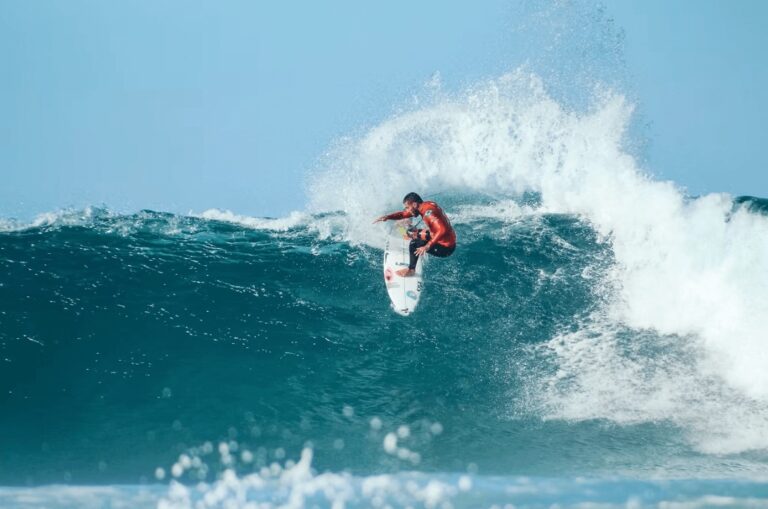
But it may come as a surprise to some that it also boasts a little-known surf scene. It’s quickly gaining recognition amongst travellers visiting South America.
That being said, the surf experiences on offer in Colombia are vastly different, depending on which coastline you head for.
Surfing in Colombia on the Caribbean side is all about fun waves and beginner-friendly experiences. Most of the breaks can easily be accessed from major tourist hubs.
In contrast, the Pacific waves are exceptionally remote and require long (sometimes arduous) journeys to reach. But the quality of the breaks is far superior. Think jungle-clad cliffs, pristine beaches and deserted lineups – it’s what adventurous surf dreams are made of!
No matter which of Colombia’s coastlines you make a beeline for, there are plenty of opportunities to plan a sustainable surf vacation.
Not only does this South American country boast an abundance of rustic eco lodges just steps from the sand, but it also has boutique hotels that put a high priority on sustainability.
In this article, discover the best surf spots in Colombia on both the Caribbean and Pacific sides. We’ll also share eco-friendly places to stay in each destination to help you plan a sustainable surf trip.
If you’re travelling through South America, check out our surf guides to Peru, Rapa Nui and Ecuador (including the Galapagos Islands).
This article contains affiliate links, which means when you make a purchase through that link, we earn a small commission. Affiliate links come at no cost to you and ensure our content remains free!
Surfing in Colombia on the Caribbean side
Colombia’s Caribbean coastline is a favourite among wave-chasers, largely due to its easy accessibility from the cities of Cartagena and Barranquilla.
Direct long-haul flights to each destination mean you can be at the nearby surf breaks within hours of arrival. It really doesn’t get any easier!
Beyond the logistical advantages, the Caribbean side of Colombia offers surf conditions that are particularly well-suited to vacationing surfers. It’s ideal for those who want to ride fun waves in between other sightseeing excursions.
The waves here are predominantly mellow, sheltered beach breaks that provide a forgiving environment for those still honing their skills.
Cartagena
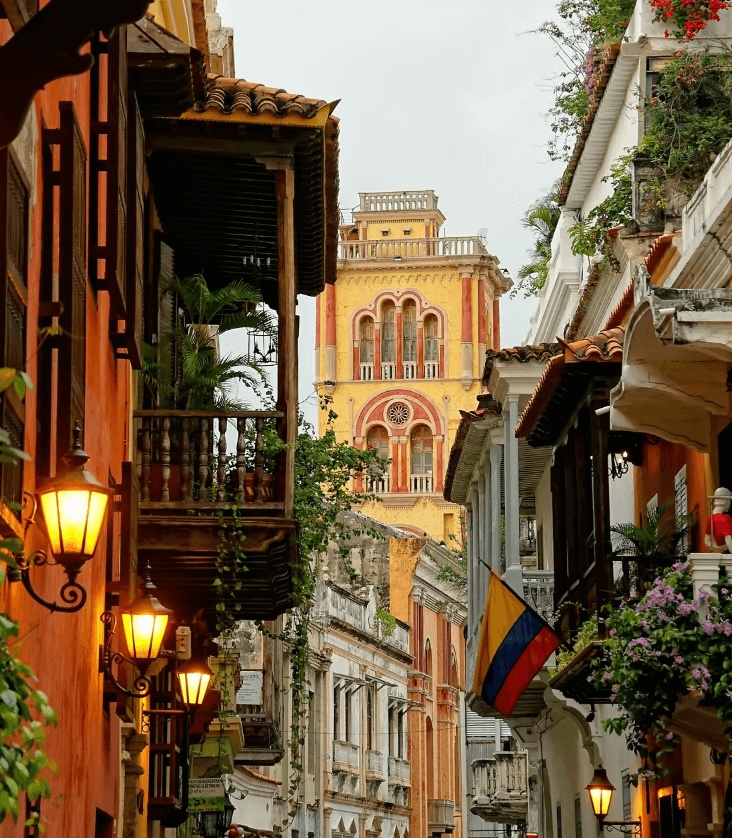
UNESCO World Heritage-listed Cartagena de Indias is one of Colombia’s must-visit destinations. It’s popular not only for its pastel-painted colonial architecture but also for its beaches and jetty breaks.
While it may not necessarily be the most epic surfing destination, the chance to ride fun waves in the morning and then wander through Cartagena’s charming historic centre in the afternoon is unique.
During the hurricane season (from September to November) the waves at Playa Castillo Grande can offer the occasional barrelling section, luring more experienced surfers.
A 30-minute drive down the coast will take you to Galerazamba. Here, you’ll find a half-decent right-hander that works well during the hurricane swells.
Eco-friendly hotels in Cartagena
Eurostars Marqués de Villalta
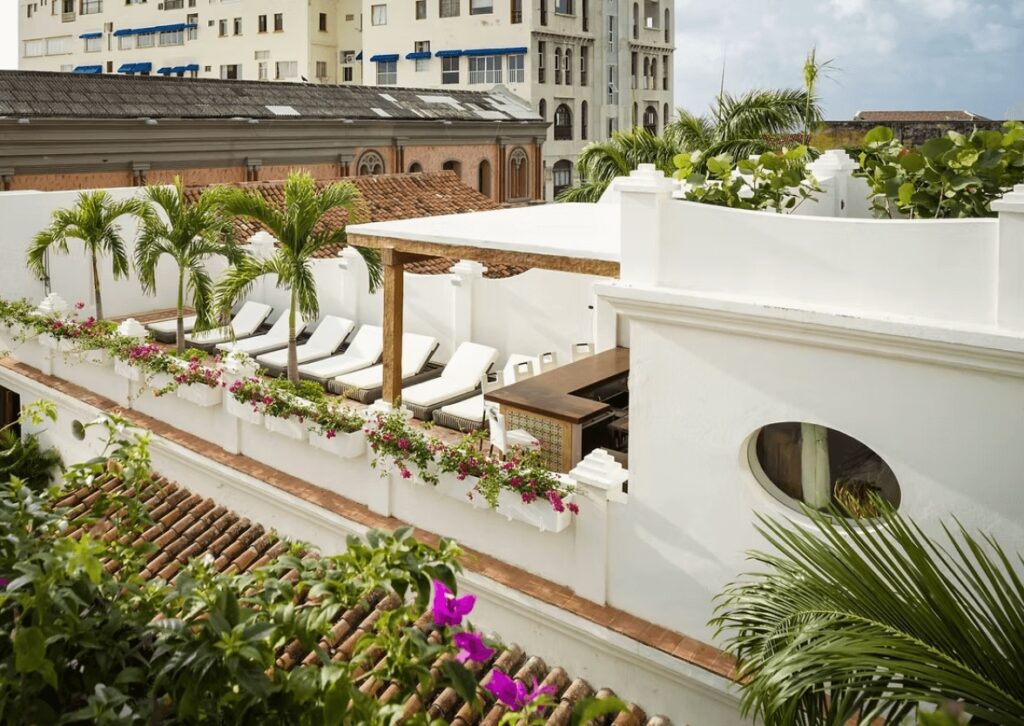
Occupying a beautifully restored colonial house, this eco-friendly boutique hotel in Cartagena boasts an enviable setting within the historic centre. It features luxuriously appointed rooms, a sparkling swimming pool and a rooftop bar where you can enjoy sundowners after your surf.
With third-party sustainability certification, the Eurostars Marqués de Villalta is definitely one of the best eco-friendly hotels in Colombia.

Casa San Agustin
Perfectly located in the historic heart of Cartagena, this luxury hotel occupies a striking colonial building centred around a courtyard pool. The rooms here have all the modern comforts you need and ooze style, while the sun-drenched terraces are dotted with loungers.
As part of its sustainability commitments, this eco-friendly Cartagena hotel has implemented recycling and water reduction initiatives. It also provides support to socially responsible organisations.
Santa Lova Eco Hostel
Located on Isla Tintipan, this eco-friendly hostel near Cartagena isn’t on the doorstep of any surf. That being said, it does offer a sustainable place to stay in between wave hunting.
There are comfortable doubles and dorms, plus a sprawling deck and plenty of onsite activities are available.
When it comes to sustainability, Santa Lova is powered by solar and has dry composting toilets. It has also championed the use of non-biodegradable cleaning products.
Barranquilla
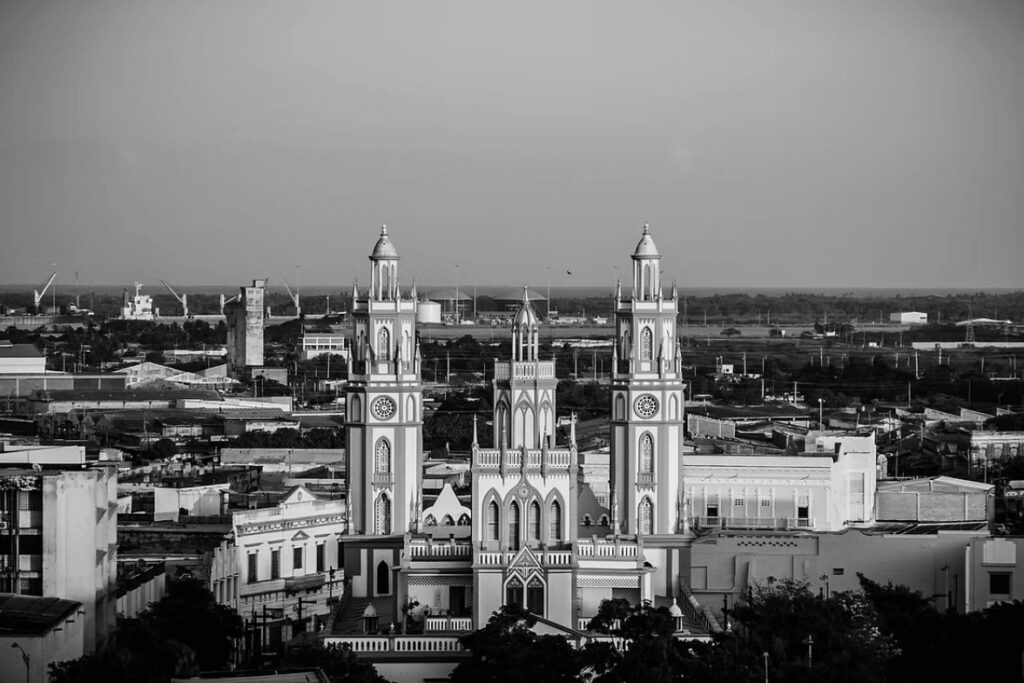
While Barranquilla is most famed for its huge Carnival, it also boasts a handful of waves suitable for surfers of all levels.
Pradomar (around 30 minutes’ drive west of the city) is renowned for its beginner-friendly waves. Though the area can get quite crowded, especially on weekends, the atmosphere is a lot of fun. There are lively bars and restaurants where you can socialise at the end of the day.
If you’re seeking more challenging waves, nearby Punta Roca is notable for its A-frame peaks that can be powerful when the conditions are right.
Eco-friendly hotels near Barranquilla
Eco Xata
This adults-only hotel in Santa Veronica offers an upmarket eco experience. Its four-star facilities include eclectically decorated rooms and an inviting swimming pool surrounded by lush vegetation.
The onsite spa is an added indulgence while the restaurant dishes up incredible Caribbean cuisine.
When it comes to sustainability, this eco-friendly hotel near Barranquilla has transitioned to solar energy. It is also involved in tree planting and removing garbage from the surrounding beaches.
Kite Eco House
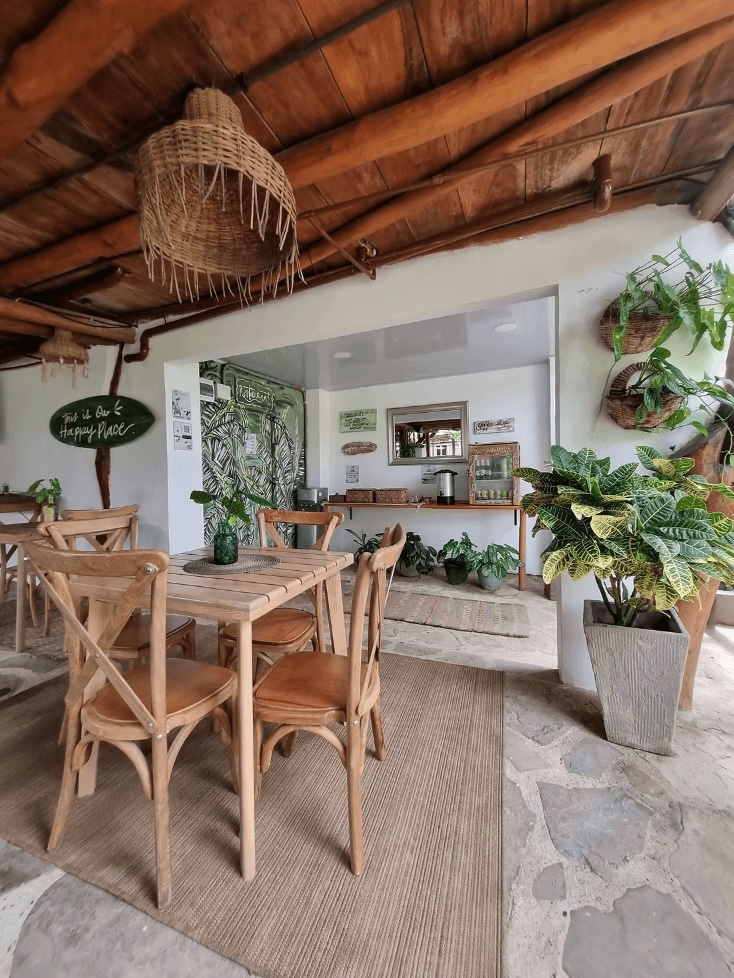
With its beachfront setting and in-house kitesurfing school, this eco-friendly hotel in Salina del Rey is deservedly popular.
Take your pick from their sea view or garden rooms, all of which have been sustainably designed using local materials.
Yoga classes and massages are available on-site. The restaurant serves delicious food made with love by a group of local women.
Isla Fuerte
Around four hours’ drive south of Cartagena (and a short boat ride away) lies Isla Fuerte. It’s home to one of the longest waves on Colombia’s Caribbean coast.
Isla Fuerte’s location allows it to capture the north-westerly swells that roll in from the open sea, resulting in the formation of some really fun waves. An undisputed standout is “ColPipe”!
The waves around Isla Fuerte break over a shallow coral reef, creating an almost perfect surfing environment. The warm turquoise waters only add to the experience, with many dubbing the island “Colombia’s Bali”.
Eco-friendly hotels in Isla Fuerte
Isla Fuerte Ecohouse
Nestled between a native forest and a banana plantation, this eco-friendly hotel on Isla Fuerte features just five rustic bungalows.
Breakfasts are included in the rates, while delicious lunches and dinners can be enjoyed on-site.
There’s a spacious deck extending into the sea, offering the perfect spot to laze and sunbathe in between surfs. In our opinion, this is definitely one of the best sustainable hotels on Isla Fuerte!
Wiji Island House
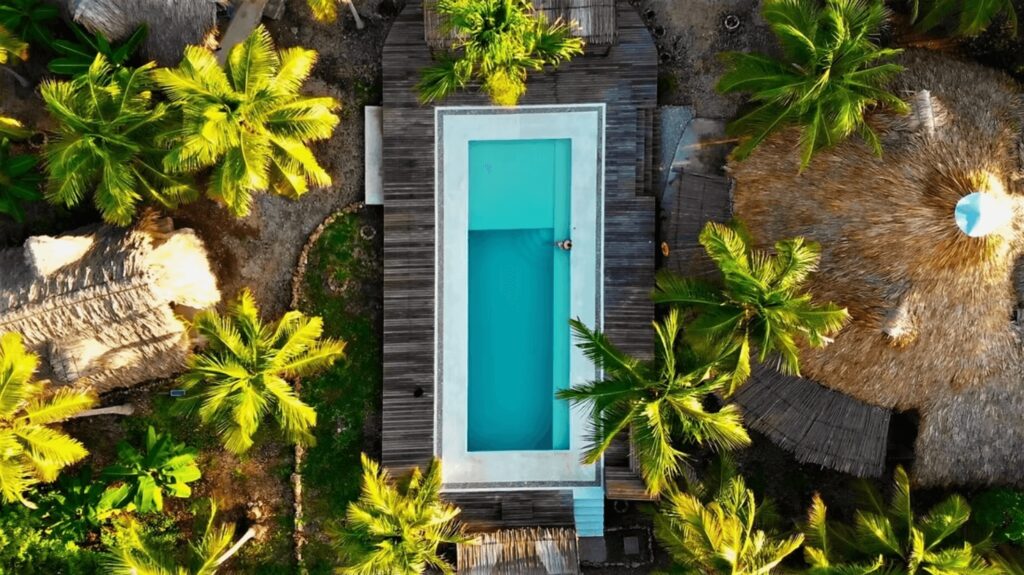
Featuring just a handful of thatched-roof cabañas, this Isla Fuerte ecolodge takes its commitment to sustainability seriously. It promotes environmental awareness and social responsibility throughout its operations. In the process, it receives rave reviews from guests.
Aside from the two beaches nearby, there’s a sparkling swimming pool and a restaurant serving healthy food.
Best time for surfing in Colombia on the Caribbean side
The best time for surfing along Colombia’s Caribbean coastline is from December through April. This is when the region sees more consistent wind swells.
While the waves may not always be perfectly clean and glassy during this time, it’s the best time to take advantage of the hurricane swells that roll through the area.
In contrast, the off-season from May through November can be a bit more hit-or-miss for surfers. The waves during these months tend to be less consistent, as the weather patterns shift and the wind often picks up.
That being said, when the wind dies down, you may be lucky enough to score some clean, glassy sets.
Surfing in Colombia on the Pacific side
This remote and rugged coastline is largely isolated from the rest of Colombia. It’s connected only by a sparse scattering of port towns and hard-to-reach fishing villages.
Dense jungle blankets the coastal mountains, providing a habitat for everything from howler monkeys to toucans and jaguars.
The few roads that do exist are often little more than unpaved tracks. This makes boat transport the most convenient way to get around.
Surfers who decide to venture to these largely overlooked shores are rewarded with uncrowded waves and some of the best surf spots in Colombia.
Nuquí
Perched on the Pacific coast, the small town of Nuquí is quickly emerging as one of the best surf spots in Colombia. It boasts an untamed, off-the-grid vibe that has become increasingly rare in today’s hyper-connected world.
From our perspective, Nuquí will appeal to surfers wanting to explore the road less travelled.
An increasing number of surf camps and eco-lodges dot the jungle-fringed coastline, most offering incredible views across the water.
A short hop south is Termales, a river mouth setup that transforms into a surfer’s paradise when the swells are pushing in from the southwest. Continue heading south and you’ll arrive at Playa El Amargal, renowned for the quality break at Punta Brava.
Many of the waves around Nuquí are accessible only by boat, ensuring the lineups remain blissfully uncrowded. The star attraction is Pico de Loro, a powerful left-hander that roars to life from April through September.
Eco-friendly hotels in Nuquí
Ecohotel Luzul
With its open-air design, this eco-friendly hotel in Nuquí receives rave reviews for its peaceful grounds and beautifully designed rooms.
The entire property feels integrated with nature. We love that there are plenty of hammocks where you can while away the hours while listening to the Pacific Ocean.
Rates include all meals (made with locally sourced, seasonal ingredients) and the hotel regularly hosts campfires on the beach.
Cabaña Tello Surf
Boasting a front-row seat for checking the waves at Termales, this eco-friendly surf lodge in Nuquí ticks all the right boxes. The open-air design of the rooms allows the sea breeze in while the mosquito nets provide plenty of protection at night.
With onsite meals, a surfboard storage rack and a swimming pool, this is definitely one of the best places to stay in Nuquí.
El Valle
North of Nuquí (on the other side of Utria National Park) is El Valle, a small fishing village with a predominantly Afro-Colombian population.
Life here moves at an unhurried pace. There are no roads connecting El Valle to the rest of the country. This means the only access is by boat or plane from Medellín to the nearby airport at Mutis.
The breaks in El Valle are blissfully uncrowded, as local surfers here are a rare breed. While there are a few beach breaks between Playa El Almejal and the river mouth of La Bocana, the true gems lie offshore.
This seclusion has left many of these waves virtually untouched, waiting to be discovered by the adventurous few who make the journey.
Eco-friendly hotels in El Valle
Hakuna Matata Ecolodge
This budget ecolodge in El Valle offers comfortable doubles, triples and dorms. All are constructed from locally sourced materials.
It’s all colourfully decorated and with a really rustic vibe, plus the beachside setting is hard to beat. Breakfast is included in the rates and other meals are available on request.
The Pelican House
Highly rated by previous guests, this El Valle surf hostel overlooks Playa El Almejal, around 25 minutes’ walk from the centre of town.
It offers six- and four-bed dorms, plus a private ensuite room, all with views of the surrounding jungle.
You can whip up post-surf meals in the fully-equipped kitchen before settling in for one of The Pelican House’s movie nights.
The Humpback Turtle
This beachfront hostel in El Valle is one of the best places to stay for surfing in Colombia and has a really relaxed, chilled vibe.
Its private rooms and dorms were built using materials sourced in the area, including tropical hardwoods and palm fronds for the thatched roofs.
You can feast on fresh fish at the onsite restaurant, which largely uses produce from The Humpback Turtle’s organic garden.
Best time for surfing in Colombia on the Pacific side
The main surf season along Colombia’s Pacific coast spans from April to October when larger swells arrive. Combined with the morning offshore winds, this creates the perfect conditions for experienced surfers to tackle the uncrowded waves.
During the off-season, from November through March, you can expect somewhat smaller surf. This makes it an ideal time for beginners and intermediate surfers to hone their skills, without being overwhelmed by the sheer power of the Pacific.
FAQs about surfing in Colombia
Does Colombia have good surf?
While it might not be the most well-known surf destination, Colombia has enough waves to make it worthy of a surf vacation. Its two coastlines offer diverse experiences for wave riders, including beginners and those with years of experience.
On the Caribbean side, the surf scene is relatively tame and beginner-friendly. It features mellow beach breaks that are easy to access from popular tourist hubs like Cartagena and Santa Marta.
In contrast, the surf on the Pacific coast of Colombia tends to be bigger and more powerful, luring adventurous wave riders from around the globe.
But getting to these breaks is no easy feat. Most are located in some of the country’s most remote and inaccessible regions. Those willing to make the effort are rewarded with near-empty lineups and the best surf that Colombia has to offer.
What month is best for surfing in Colombia?
On Colombia’s Pacific coast, the prime surf season runs from April through October. This is when larger swells generated in the open ocean arrive on the shores.
When combined with the morning offshore winds that prevail, this creates unbeatable conditions for experienced wave riders. That being said, this is also the wet season, so come prepared!
In contrast, the off-season months of November through March see somewhat smaller surf conditions. These are more approachable for beginner and intermediate-level wave riders.
This calmer and drier period offers an excellent opportunity for surfers to hone their techniques and build confidence.
The best time for surfing along Colombia’s Caribbean coastline is from December through April. This is when the region experiences a more consistent flow of wind swells rolling in from the open ocean.
While the waves may not always be perfectly clean and glassy during this period, surfers can expect to find a steady supply of sizeable, well-formed waves.
In contrast, the off-season from May through November can be a bit more hit-or-miss for those in search of quality surf. During these months, the weather patterns shift and the wind often picks up, resulting in less predictable conditions.
That being said, when the wind dies down, you may be lucky enough to score some glassy sets.
Can you learn to surf in Colombia?
While Colombia may not be the first destination that comes to mind for surfing, the Caribbean coastline actually provides an excellent setting for learning and improving your wave-riding abilities.
Beyond the relative ease of accessing its surf spots from major cities like Cartagena, the surf conditions themselves are well-suited to beginners.
The waves along this stretch of coastline are predominantly mellow, gentle beach breaks. They offer a forgiving, user-friendly experience, especially for those still developing their skills.
These sheltered waves provide the perfect training ground for novice surfers to hone their skills. There’s no need to contend with rocks, reefs or the power and unpredictability of more challenging surf.
What is the water temperature for surfing in Colombia?
Due to its proximity to the equator, the water temperature in Colombia remains relatively warm throughout the year. You can expect the mercury to be anywhere from 26 to 28 degrees Celsius (78 to 82 degrees Fahrenheit). Most surfers are comfortable in boardies/bikini and a T-shirt or rash vest.

PLAN YOUR TRIP WITH OUR FAVOURITE RESOURCES:
Find hotels and resorts via Booking or Agoda
Book tours and experiences via Viator or GetYourGuide
Find a rental car via Discover Cars
Book flights via Kiwi or Booking
Search for buses and trains via 12Go or Omio
Get travel insurance via SafetyWing
Buy a digital eSIM with Airalo
By purchasing through our links, you’ll be supporting our website at no additional cost to you


We are a team of passionate divers and surfers with decades of combined experience in the water and travelling to all corners of the globe.
After years of chasing waves and descending into the deep blue, we’ve created this resource to highlight sustainable surf camps, eco-dive resorts and conservation-focused ocean trips to help inspire your next adventure.
Eco Ocean Escapes was born out of a love of the ocean, an obsession with travel and a concern about the impacts of our adventures on the environments we explore.