Scuba Diving in Bunaken: Best Dive Sites + Eco Dive Resorts
Want to explore the best dive sites in Bunaken? Discover everything you need to know about diving in North Sulawesi, including the best time to visit and eco-friendly dive resorts for a sustainable scuba vacation.
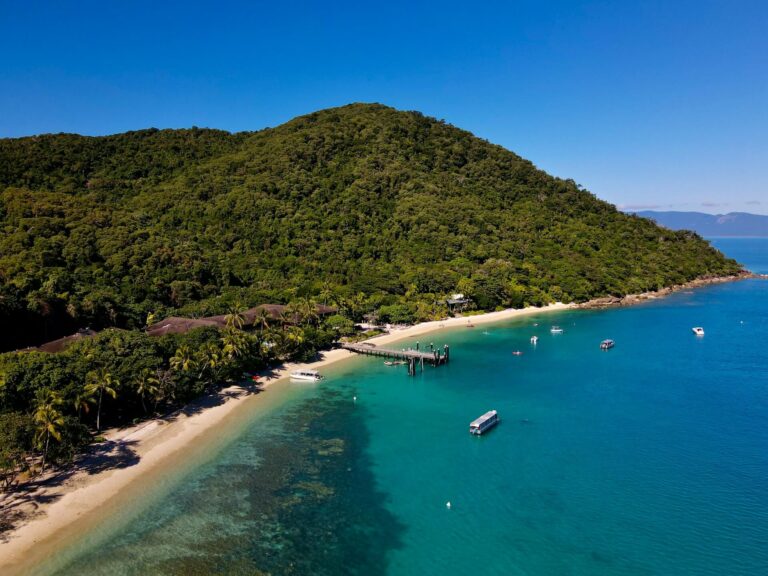
Established as one of the country’s first marine protected areas back in 1991, Bunaken has well and truly asserted its reputation as one of Indonesia’s top dive destinations. Having dived all over the archipelago, this is still one of our favourite spots to return to.
The MPA encompasses the main island of Bunaken, together with Siladen, Manado Tua, Mantehage and Nain, as well as the surrounding reefs and underwater cliffs.
Bunaken National Marine Park is particularly famed for its wall dives. In fact, it offers some of the best wall diving in Indonesia!
Some of Bunaken’s underwater walls plunge hundreds of metres into the depths below. Blanketed in a dizzying array of hard and soft corals in every imaginable colour, they are a magnet for scuba divers.
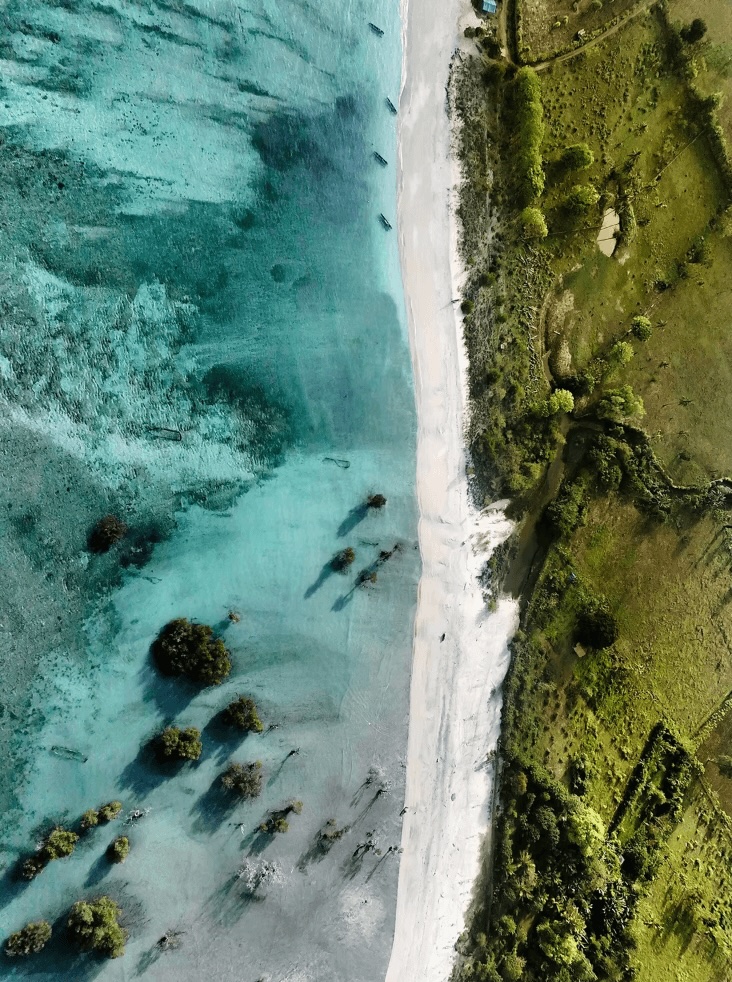
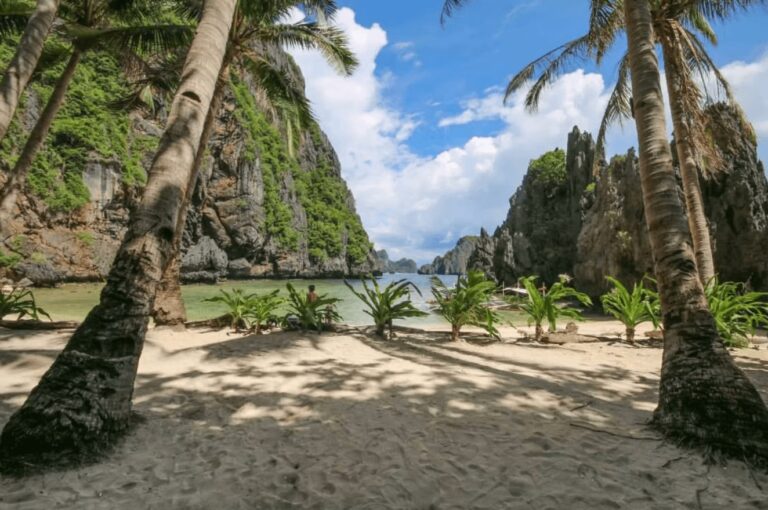
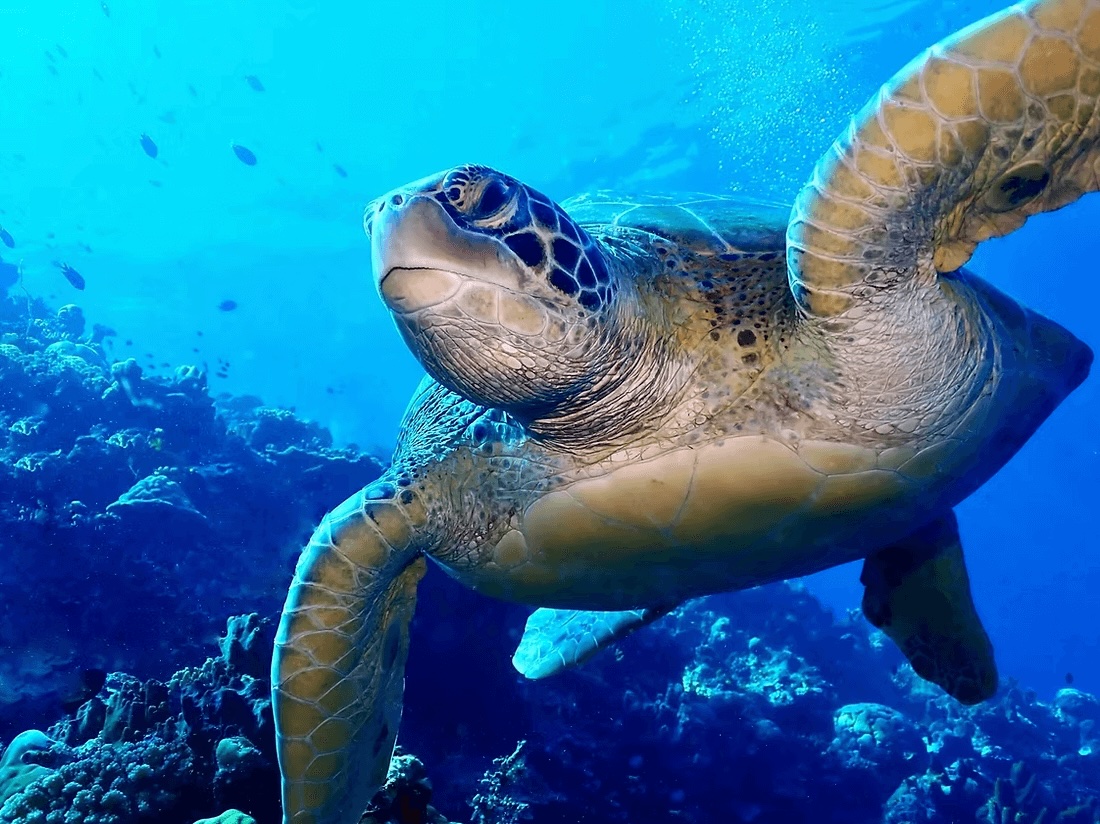
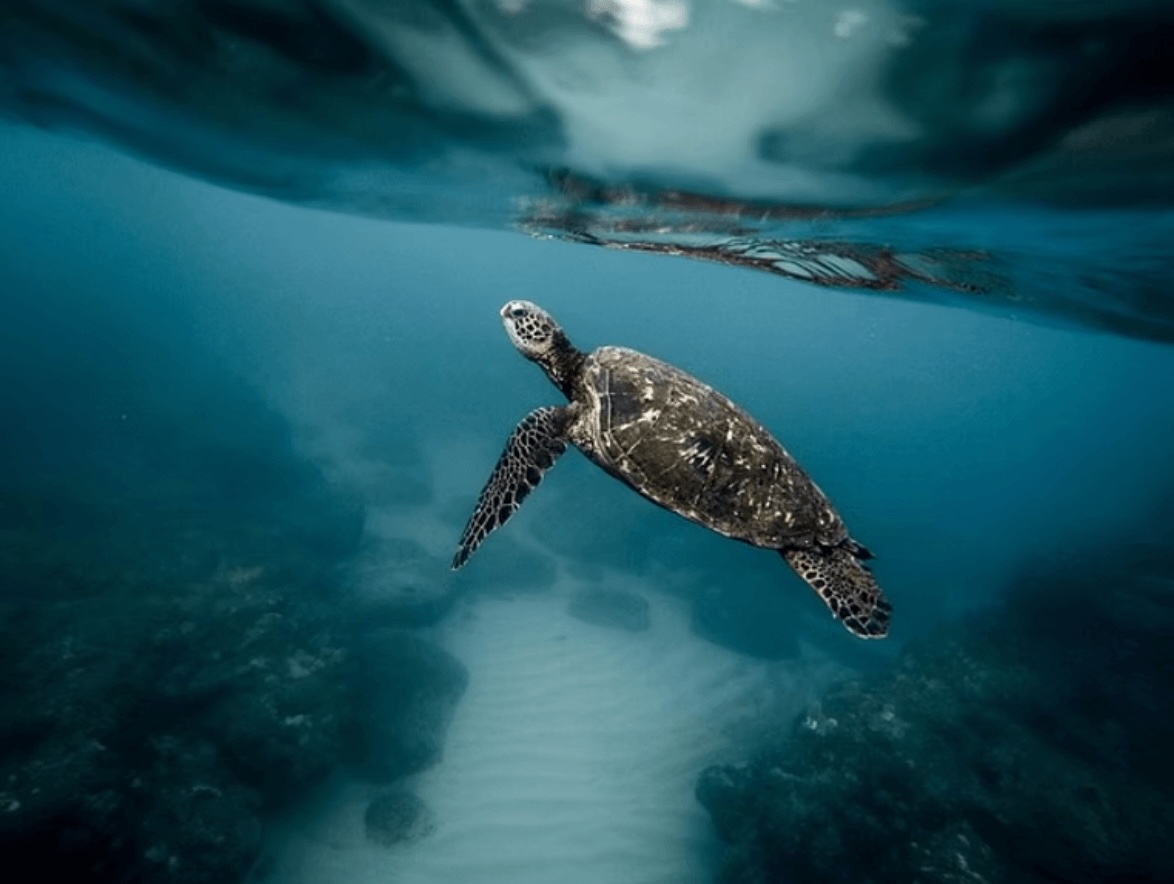
On a dive trip to Bunaken, you can observe a staggering variety of tropical fish, sea turtles and reef sharks. In our opinion, the above-water scenery is equally captivating, with gorgeous beaches where sea turtles come to nest.
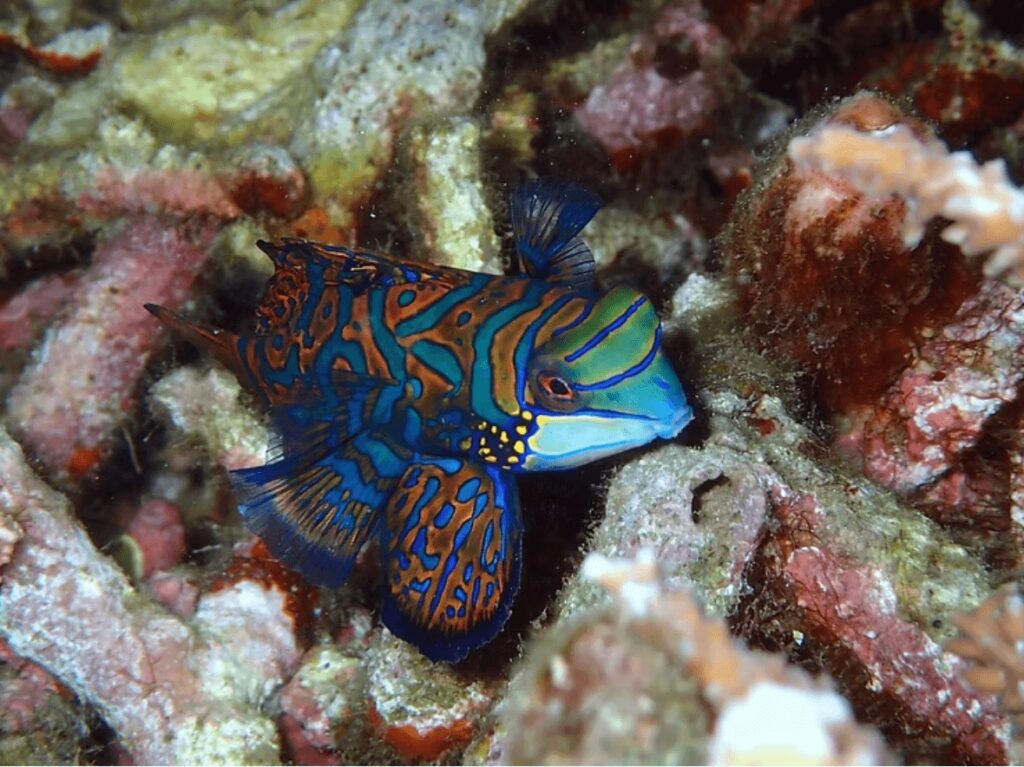
Beyond Bunaken, the park also encompasses the muck diving sites of Manado Bay. Here, unique critters like frogfish, mandarin fish and mimic octopus can be spotted in the nutrient-rich, silty environments.
Just outside the park boundaries, the stunning reefs of Bangka Island are renowned for their soft coral gardens and dugongs. Additionally, the “critter capital” of Lembeh Strait is within easy reach.
So if anyone asks us: “Is Bunaken good for scuba diving?”, we answer “Yes!”, particularly when you consider everything on offer for scuba enthusiasts in North Sulawesi.
In this article, we’ll explain everything you need to know about diving in Bunaken National Marine Park, including what you can expect to see and the best time to visit. We’ll also introduce some of the best dive sites in Bunaken and eco-friendly resorts, helping you plan a sustainable dive vacation in Sulawesi.
Planning a dive trip to Southeast Asia? Check out our scuba guides to Malaysia, Thailand, Myanmar and the Philippines.
This article contains affiliate links, which means when you make a purchase through that link, we earn a small commission. Affiliate links come at no cost to you and ensure our content remains free!
What can you see diving in Bunaken National Marine Park?
Situated in the heart of the Coral Triangle, Bunaken National Marine Park is home to around 70% of all fish species found in Indonesian waters. Additionally, 390 coral species have been recorded here.
The best dive sites in Bunaken feature dramatic, plunging walls, most of which are adorned with a profusion of soft corals and sponges. While some have a visible seafloor, others disappear into the blue depths below. Bunaken wall diving is among the best in Indonesia!
In addition to large schools of reef fish, scuba diving in Bunaken offers incredible encounters with eagle rays, sea snakes and reef sharks. It’s also possible to see the occasional pilot whale, sperm whale and dugong.
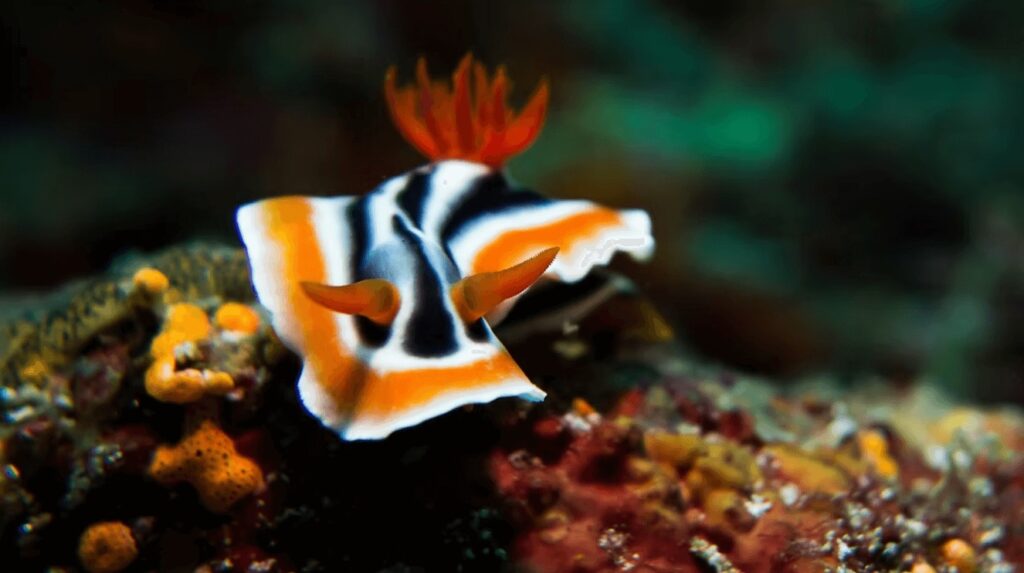
For macro enthusiasts, the park is a treasure trove, with a wealth of mesmerising small critters to discover. These include pygmy seahorses, frogfish and an impressive array of nudibranchs.
When you compare macro diving in Bunaken vs Lembeh, the latter outshines. But there’s still plenty of inspiration for underwater photography in Bunaken.
Bunaken diving conditions and visibility
Diving conditions in Bunaken range from easy to challenging, offering experiences to suit divers of all skill levels. There’s relaxed beginner diving in Bunaken on shallow coral reefs, as well as advanced wall diving in Bunaken for experienced scuba junkies.
Water Temperature
- 27–30°C (80–86°F) year-round
- Most divers are comfortable in a 3 mm wetsuit, sometimes even a shorty.
Currents
- Generally mild to moderate, but certain sites (especially walls) can have stronger currents at times.
- Ideal for drift diving, which Bunaken is famous for.
Sea Conditions
- The sea is typically calm, especially during the dry season.
- December–March can bring slightly rougher surface conditions, though diving is still possible.
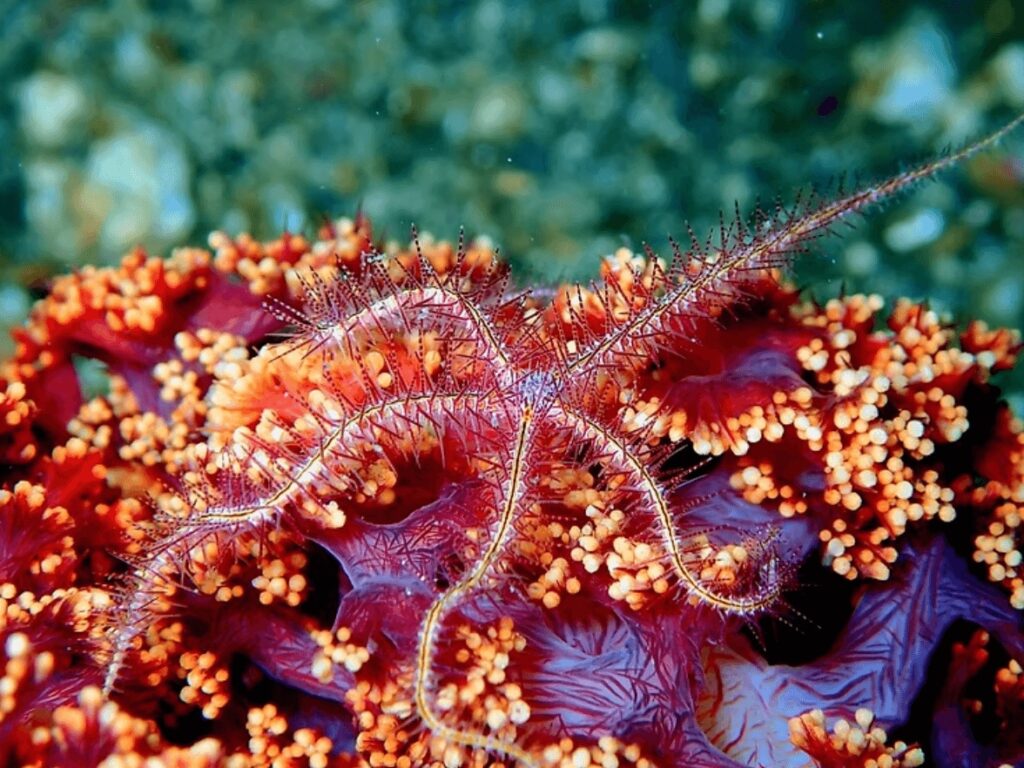
Best dive sites in Bunaken National Marine Park
Manado Tua Dua
Also known as Tanjung Kopi (“Coffee Point”), this thrilling dive site lies off the coast of a volcanic island just west of Bunaken. The currents here can be strong, pulling both up and down. So it’s best for advanced diving in Bunaken.
But with the water movement come large numbers of dogtooth tuna, giant trevally and Napoleon wrasse, as well as eagle rays and whitetip reef sharks. Definitely one of the best dive sites in Bunaken!
Barracuda Point
Featuring a sloping coral reef that descends into a deep channel, Barracuda Point lies just off the coast of Sipadan Island. It’s named after the large numbers of barracuda that are usually spotted here, along with schools of jackfish, bluefin trevally and giant trevally.
Grey and whitetip reef sharks patrol the blue, making this one of the best spots in Bunaken for shark diving.
Sachiko’s Point
Sachiko’s Point is a quintessential Bunaken wall dive, with a shallow reef that plunges to well below recreational dive limits. Gorgonian sea fans decorate the wall while green sea turtles can usually be seen feeding on the reef.
Schools of trevally and bluefin tuna are among the highlights when the currents are strong.
Mandolin Reef
Located off the west coast, this magnificent Bunaken coral reef dive features a stepped wall that descends hundreds of metres. While the currents can be strong, attracting schools of tuna and whitetip reef sharks, the macro life is also wonderful.
Keep your eyes peeled for tiny crabs hidden amidst the sponges and bubble corals.
Likuan
Comprising three vertical walls covered in coral, this Bunaken dive site offers more than one experience. There are plenty of caverns and crevasses to explore, with a variety of nudibranchs usually found inside.
In terms of bigger stuff, you can often spot whitetip reef sharks patrolling the walls and green sea turtles feeding in the shallows.
Muka Kampung
Famed for its macro encounters, this sloping rubble reef lies on the southeastern tip of Bunaken Island. In addition to nudibranchs, crabs and shrimp, it’s a great spot for sightings of sea snakes, eagle rays and Napoleon wrasse.
In our opinion, it’s definitely one of the best spots for macro diving in Bunaken.
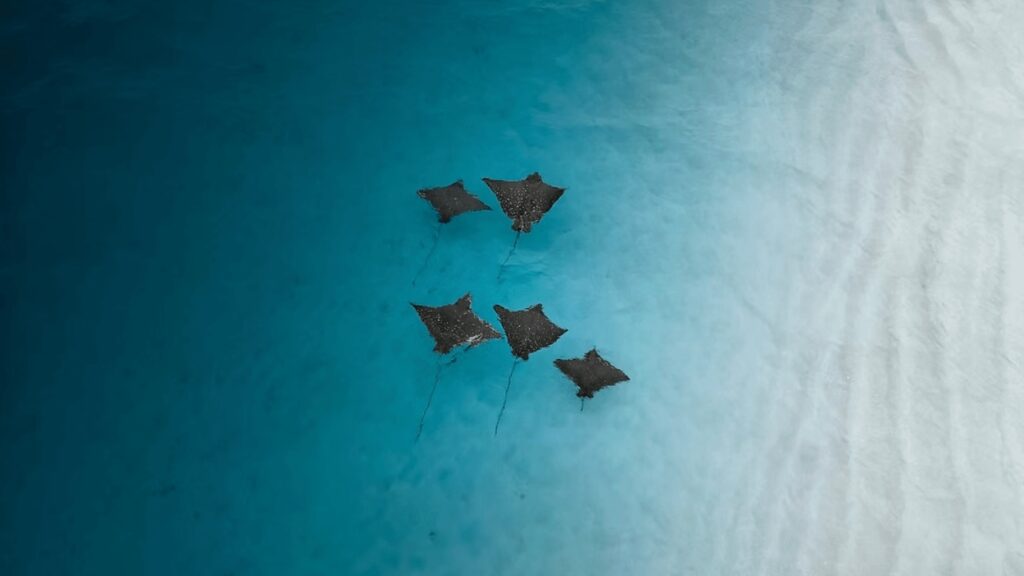
Eco-friendly dive resorts in Bunaken
Bunaken Oasis
Located in the heart of the marine park, this eco-friendly Bunaken dive resort covers seven hectares of tropical paradise. With just 12 cottages (all with wonderful ocean views), it’s the ideal base for a sustainable dive vacation in Indonesia.
The resort features a state-of-the-art water purification system that guarantees clean water while minimising plastic waste. In addition to its eco-friendly practices, Bunaken Oasis serves delicious gourmet cuisine and offers a variety of spa services.
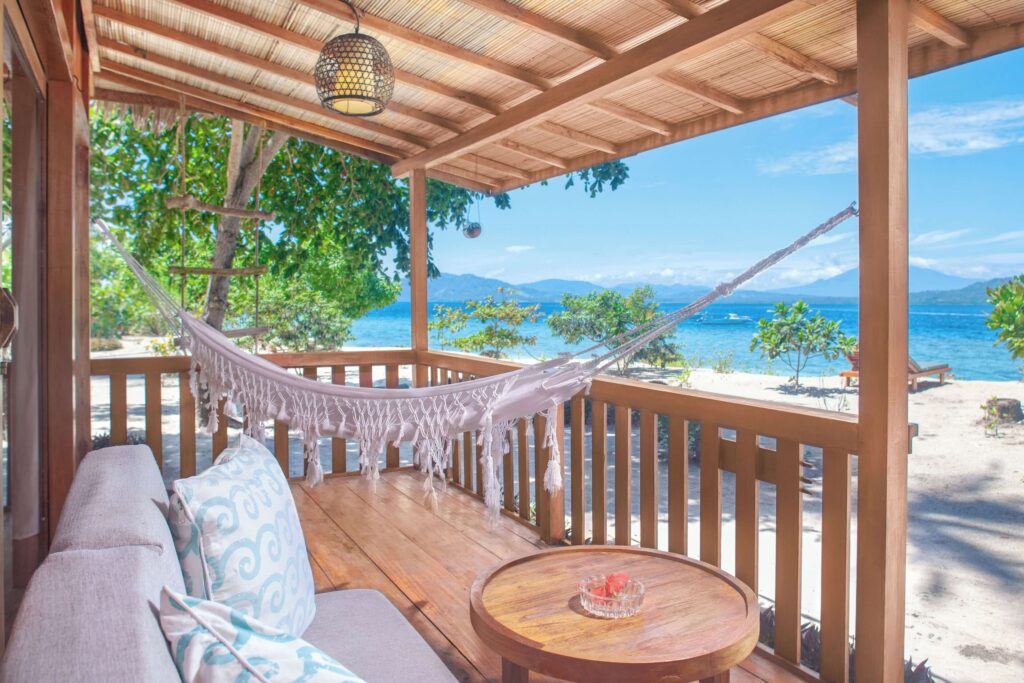
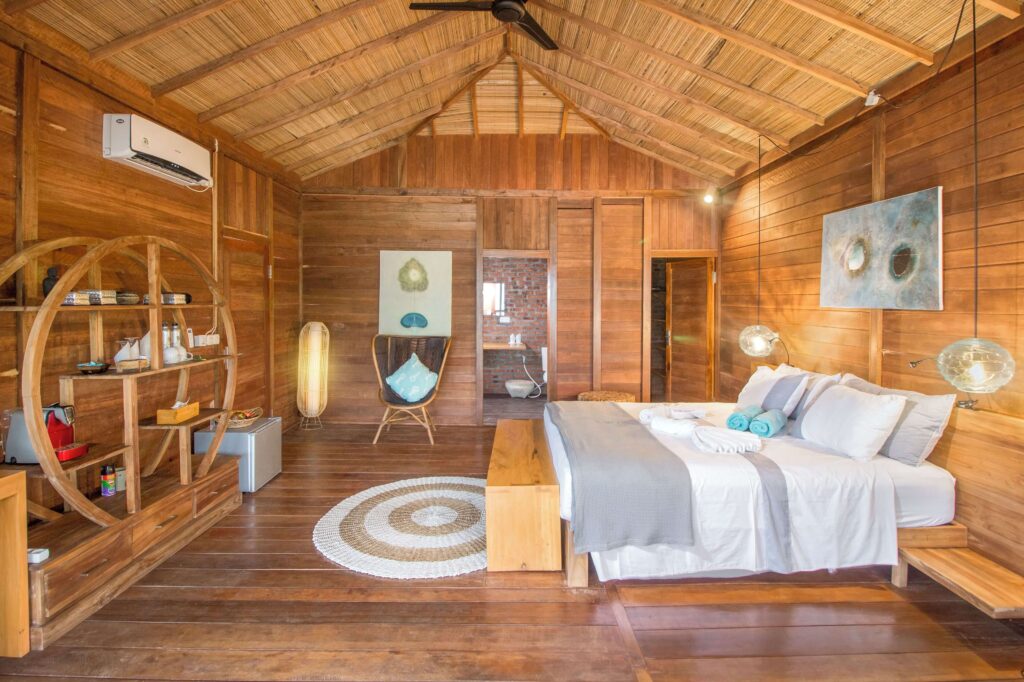
Kuda Laut Boutique Dive Resort
Nestled along the picturesque shores of Siladen, Kuda Laut offers breathtaking views of Bunaken and the North Sulawesi coastline. This eco-friendly Bunaken dive resort features eight cottages and four superior rooms, each infused with a tropical ambiance.
The dive centre is fully equipped, boasting a spacious drying room and personal lockers for your equipment. Additionally, there’s an air-conditioned camera room for those passionate about photography.
Instead of building a pier, Kuda Laut launches its boats from the beach, helping to preserve the delicate reef and island ecosystem.
The Village Bunaken
Featuring a collection of bungalows set amidst tropical gardens is this highly-rated Bunaken dive resort.
Its PADI 5-Star dive centre is operated by Fish in Air Bunaken. The team offers daily trips to all of Bunaken’s best dive sites, as well as a variety of dive courses in its spacious classroom.
As part of its sustainability goals, this eco-friendly Bunaken dive resort doesn’t provide disposable toiletries and limits the changing of towels and bedding to reduce water usage.
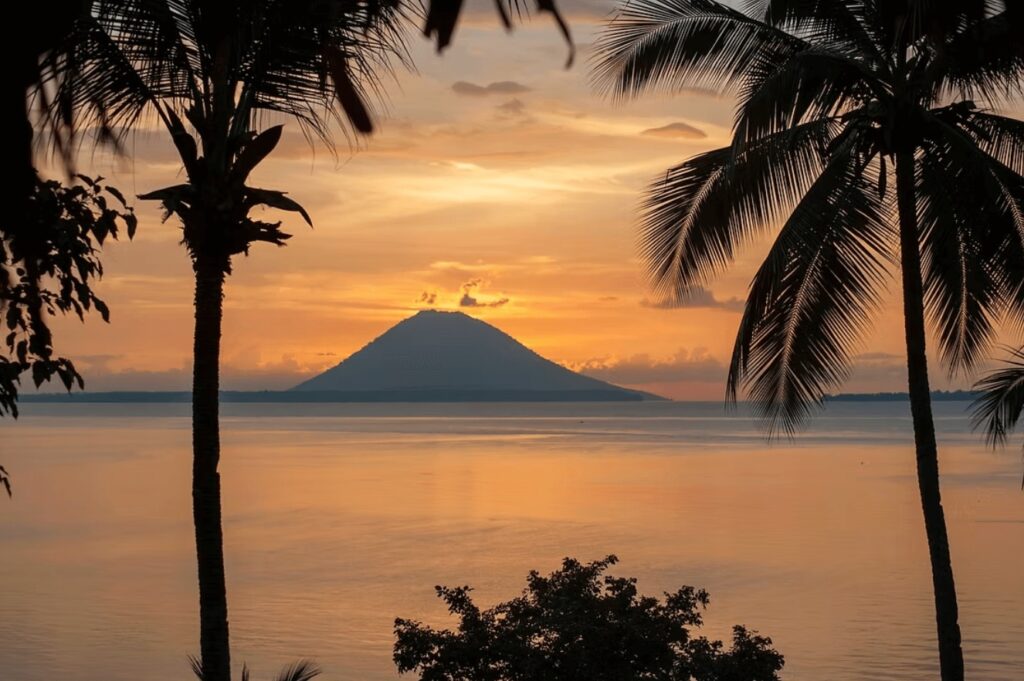
Diving Bangka Island and Lembeh Strait from Bunaken
Bunaken National Marine Park lies within easy reach of Bangka and Gangga islands, two up-and-coming dive destinations off the northern tip of Sulawesi. They are notable for their magnificent reefs, pinnacles and walls. In total, there are more than 30 dive sites to explore.
Some Bunaken dive centres offer full-day trips to discover the underwater wonders of Bangka and Gangga. Alternatively, you can stay at one of the islands’ eco-friendly resorts before or after your trip to Bunaken.
Lembeh Strait lies on the other side of northern Sulawesi’s tip. In our opinion, it’s a little too far to visit as a day trip from Bunaken.
But it’s easy to plan a multi-destination dive trip in North Sulawesi if you want to spend a few days wall diving in Bunaken and a few days muck diving in Lembeh Strait.
If you prefer to base yourself in one area to explore all of North Sulawesi’s best dive spots, we’d recommend staying on Bangka or Gangga (they are more centrally located).
Best time to dive in Bunaken National Marine Park
Due to its relatively sheltered position, Bunaken National Marine Park can be dived year-round. But the best time to dive Bunaken is usually during the dry season from April to October, when you can expect clear skies and incredible visibility.
The wet season extends from November to April. Generally speaking, the rainy periods are interspersed with sunshine.
North Sulawesi enjoys a tropical climate, with water temperatures consistently between 28 and 30 degrees Celsius (82 to 86 degrees Fahrenheit) throughout the year.
Most divers find that a 3mm wetsuit is sufficient. But it’s a good idea to pack an additional skin if you’re planning to visit from October to December. Cooler thermoclines may occur during that time.
How to get to Bunaken National Marine Park
The closest airport to Bunaken for both international and domestic flights is Sam Ratulangi International Airport in Manado (MDC). It has regular services from Singapore and Guangzhou, along with domestic routes from Jakarta, Makassar and Bali.
After landing in Manado, a 45-minute boat trip will take you to Bunaken Island. Your selected dive resort can easily help you arrange transfers from the airport.
FAQs about diving in Bunaken National Marine Park
What is Bunaken known for?
Bunaken National Marine Park is particularly renowned for its spectacular coral walls. Some descend to within recreational limits and others plunge into the deep blue below.
It’s also on the doorstep of some wonderful muck dive sites in Manado Bay, which can easily be explored from Bunaken’s eco-friendly dive resorts.
When is the best season to dive in Sulawesi?
Diving in Sulawesi is possible all year long. But the wet season from November to April brings heavier rainfall and potentially stronger currents.
In contrast, the dry season from May to October offers drier weather and calmer waters, making it a particularly enjoyable time for diving. However, due to Sulawesi’s tropical climate, some rain can occur at any time of the year.
It’s also important to consider that strong winds are more prevalent in August. During this month, dive sites in Bunaken and Bangka that are more exposed may experience rougher surface conditions. This can affect the diving experience and accessibility.
Lembeh tends to have a longer wet season. But since the strait is sheltered, this mainly impacts the outer reef sites.
When to go to Bunaken?
Bunaken National Marine Park is a fantastic diving destination that can be enjoyed throughout the year, thanks to its relatively protected location.
However, the prime time for diving is typically during the dry season, which runs from April to October, offering clear skies and excellent visibility.
The wet season lasts from November to April. But don’t worry – rainy spells are often followed by sunny breaks.
What is the water temperature in North Sulawesi?
North Sulawesi enjoys a tropical climate. Water temperatures are consistently between 28 and 30 degrees Celsius (82 to 86 degrees Fahrenheit) all year round.
Most divers find that a 3mm wetsuit is sufficient. But it’s a good idea to pack an additional skin if you’re planning to visit from October to December, as cooler thermoclines may occur during that time.
How do you get to North Sulawesi?
Sam Ratulangi International Airport in Manado is well-connected with regular domestic flights from several Indonesian airports, such as Jakarta, Bali and Makassar. At the moment, the only international routes available to Manado are from Singapore, operated by Scoot Airlines, and from Guangzhou, serviced by China Southern Airlines.

PLAN YOUR TRIP WITH OUR FAVOURITE RESOURCES:
Find hotels and resorts via Booking or Agoda
Book tours and experiences via Viator or GetYourGuide
Find a rental car via Discover Cars
Book flights via Kiwi or Booking
Search for buses and trains via 12Go or Omio
Get travel insurance via SafetyWing
Buy a digital eSIM with Airalo
By purchasing through our links, you’ll be supporting our website at no additional cost to you

We are a team of passionate divers and surfers with decades of combined experience in the water and travelling to all corners of the globe.
After years of chasing waves and descending into the deep blue, we’ve created this resource to highlight sustainable surf camps, eco-dive resorts and conservation-focused ocean trips to help inspire your next adventure.
Eco Ocean Escapes was born out of a love of the ocean, an obsession with travel and a concern about the impacts of our adventures on the environments we explore.