The Ethics of Surf Tourism in Developing Nations: Travelling Aware
If you’ve done a few surf trips around the globe, you’ll know that travel impacts destinations, sometimes for better, sometimes for worse.
Surf tourism has transformed once-quiet coastal communities into globally renowned hotspots, bringing money, infrastructure and crowds.
From Morocco to Sri Lanka, Mozambique to Indonesia, waves that were once surfed almost exclusively by locals are now shared with international travellers chasing the perfect break.
Developing nations are the hardest hit, with low living costs attracting large numbers of wave-chasers (some seeking long-term stays). Many of these countries don’t have the means to support such a rapidly growing industry sustainably.
Our team has seen it firsthand, the world over. We’ve returned to places we visited years ago, shocked by the crowds in the lineup and the chaotic development that’s sprung up to meet their needs. And yes, as travelling surfers, we are part of the problem!
We’re acutely aware that surf travel can bring global attention to regions that need economic opportunities. But, if the industry is poorly managed, grows at an unsustainable rate or is exploited for “likes”, it can also contribute to environmental damage, cultural erosion and inequality.
Are we saying you shouldn’t travel to developing nations to surf? Not at all! But can we all do better in being responsible surf travellers? We think so!
This article explores the ethical complexities of surf tourism in developing countries and what you can do to ensure your wave chasing doesn’t come at someone else’s expense.
Want to reduce your carbon footprint on your next surf trip? Discover everything you need to know about offsetting surf travel.

This article may contain affiliate links, which means when you make a purchase through that link, we earn a small commission. Affiliate links come at no cost to you and ensure our content remains free!
How surf tourism can help local communities
Before focusing on all the doom and gloom, let’s take a quick look at how surf tourism can actually benefit local communities. When approached (and managed) responsibly, surf tourism can be a force for good, particularly in communities with few economic opportunities.
Surf tourism creates jobs beyond just surf schools, board rentals and repairs. Locals benefit through the establishment of surf camps, guesthouses and eco-lodges, as well as cafes and restaurants. Surfers or not, we all need somewhere to stay and we all need to eat!
In regions with limited employment options, surf-related income can reduce reliance on environmentally damaging industries, such as unsustainable fishing or habitat-destructive mining.
It gives locals opportunities to establish small businesses and be their own bosses, without having to rely on big companies or governments for work.
Infrastructure development
Increased tourism anywhere in the world often leads to better roads, internet connectivity and waste-removal services. While these improvements are often designed to make the destination more appealing to tourists, they also benefit locals year-round.
If managed well by local governments, money from tourism is reinvested back into healthcare facilities, schools and community initiatives. All of this can have far-reaching benefits for locals in the long-term future.
Cultural exchange
One of our favourite parts of surf travel is connecting with locals – both in the water and on land. Chatting with your accommodation hosts, joking with kids in the streets – we honestly believe that surfing can foster genuine cross-cultural connections.
When you stay at locally owned accommodations and engage respectfully with those who call the area “home”, it breaks down barriers and encourages mutual understanding.
It’s an opportunity to understand how other people live and what guides them in their daily lives – you might even take some of it onboard! Personally, we know that who we are today has been shaped by our travel experiences around the globe and the locals we’ve engaged with along the way.
For us, it’s the antidote to superficial “resort culture”, which is often about maximising your experience (and its online shareability) at the expense of local communities.
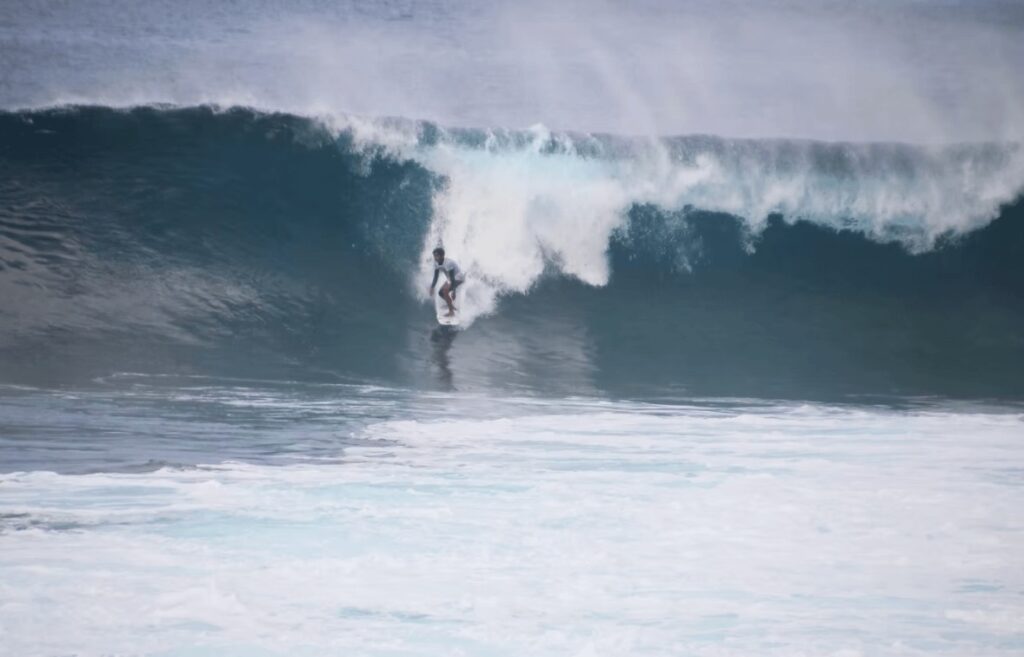
Where surf tourism goes wrong
Despite its potential to make a positive impact, surf tourism frequently causes harm, as we’ve seen firsthand in destinations around the globe. This is usually when growth outpaces regulation or the “type” of surf tourists aren’t schooled in responsible travel.
In our experience, the worst-case scenarios are often easy-to-access surf destinations that appeal to the masses. The waves are gentle and easy to read, the setting is idyllic and the living costs are cheap – it’s these places that are ripe for an explosion in surf tourism.
Environmental degradation
Popular surf spots in developing nations often lack the infrastructure to handle the increased pressure on resources that come with an influx of people. Common issues include:
- Plastic pollution and untreated wastewater
- Reef damage from careless surf schools and boat traffic
- Coastal erosion from the poorly planned construction of hotels and restaurants
Ironically, the very ecosystems that create good waves – reefs, mangroves and sandbanks – are often the first casualties. While great surf often relies on a healthy environment, we’re very quick to overlook destruction happening in someone else’s backyard.
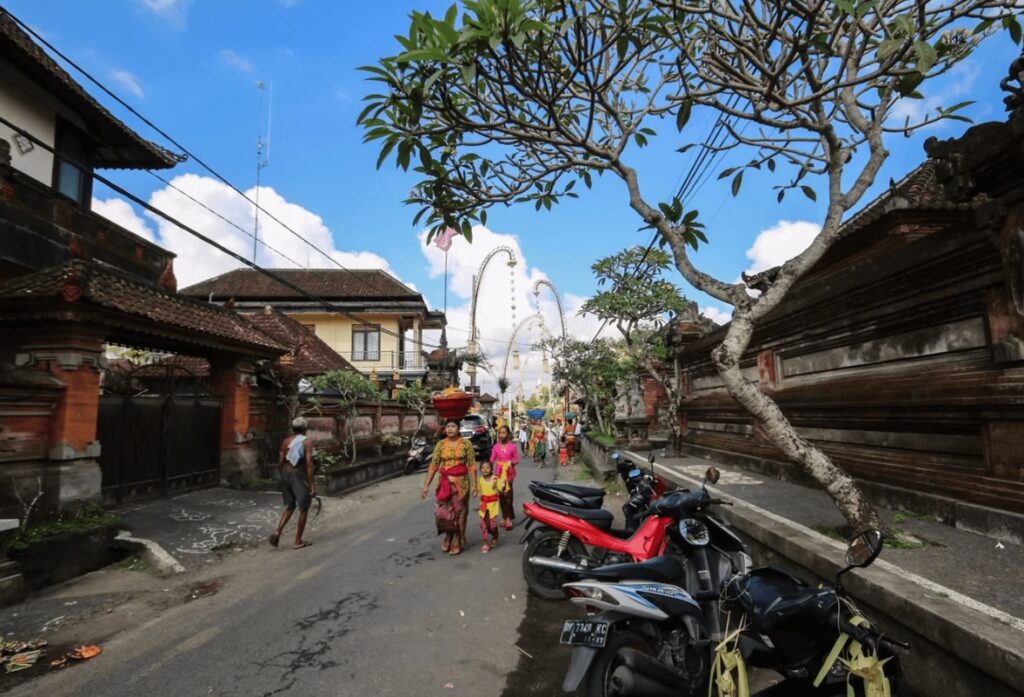
Local surfers pushed aside
Okay, this is one of our biggest issues with surf tourism in developing nations – local surfers being denied access to their own breaks in favour of paying tourists.
In some destinations around the globe, foreign-owned surf camps control access to waves through the creation of exclusive “house breaks”. How, you might ask?
By getting the approval of local government officials and using private guards or intimidation tactics to keep locals and non-staying guests out.
We’ve seen it at NIHI Sumba with the privatisation of “Occy’s Left”. And if the online discourse is anything to go by, they’re doing the exact same thing on Rote Island with the construction of a new NIHI resort.
Essentially, this marginalises local surfers and fuels resentment within communities towards surf tourists. Nobody…and we mean nobody…should be prevented from surfing their own waves or priced out of the surf market.
Cultural commodification
Surf towns sometimes have to compromise themselves, with local traditions diluted to meet tourist expectations. It might be by allowing alcohol consumption in religiously conservative destinations or being “tolerant” of people walking around topless/in bikinis.
We’ve seen it in Taghazout, a formerly “dry” town on Morocco’s Atlantic coast that now allows bars and camps to serve alcohol to tourists. In extreme cases, alcohol-fuelled surf party culture makes locals feel unwelcome in their own homes.
Surf tourists failing to respect local norms around dress codes was on full display last time we were in Lombok. Despite the local community putting up signs around Kuta asking visitors to dress respectfully, few appeared to be taking note.
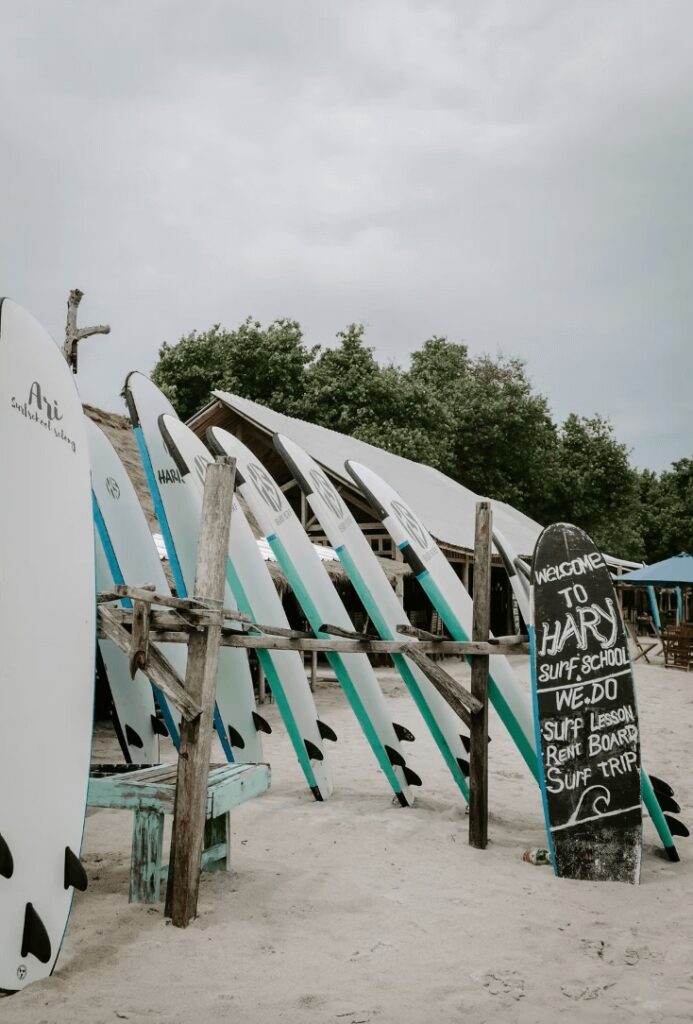
The problem with surf camp colonialism
A growing concern in developing countries is surf camp colonialism. It’s a term used to describe situations where foreign investors profit while locals remain excluded.
It might be that the surf camps are owned and staffed entirely by foreigners. And sometimes, these are volunteers shipped in for an unpaid adventure (and access to unlimited surf), all while compromising local jobs.
In these cases, profits from surf tourism end up leaving the country, rather than being reinvested back into local communities.
If locals are employed, they might not be receiving the same pay as their foreign co-workers, despite working just as hard (often harder). Unfortunately, we saw this firsthand at a surf resort in the Mentawais, Indonesia.
Ethical surf tourism means asking who benefits from the dollars you are spending, not just whether you’re getting to surf uncrowded waves in a paradisiacal setting.
If something seems fishy, ask locals about who they think is benefiting. If it’s not them, something needs to change.

What ethical surf tourism looks like
Ethical surf tourism in developing nations isn’t about going into a destination as a “white saviour” and trying to fix all the issues during your trip. It’s about travelling with intention and awareness, and making informed decisions about where you travel and stay.
Research the destination
Many of the issues affecting developing nations can be understood with a quick search online. This gives you the background knowledge about why things are the way they are and how you can travel more sensitively.
Was the country colonised? Has it experienced a civil war? Who has been plundering its resources? Have foreigners bought up all of the real estate and priced locals out? Is government corruption an issue on a local and national scale?
Being an ethical surfer starts with being informed about your intended destination and where you fit in as a foreign traveller.

Choose locally owned businesses
One of the easiest ways you can travel responsibly in surf destinations is by spending your money with locally owned businesses.
Look for surf schools, guides and accommodations that are owned or co-owned by locals. If ownership isn’t clear on their website, ask a few questions.
If a surf camp or resort is foreign-owned and you prefer to stay there, look for information that indicates how they are giving back to local communities. It might be through ethical employment or investment in social projects.
In our opinion, it’s not okay for cashed-up foreigners to simply come in and make money off surf tourism, without taking into consideration local needs.
Limit your footprint
Scoring incredible waves means nothing if you’re trashing a place in the process. Nobody cares if you’re a great surfer when you’re leaving a trail of environmental destruction in your wake.
No matter where we travel and for whatever reason, we should do so as sustainably as possible. This is extra important in developing nations that may not have the same environmental protections in place as you are used to back home.
- Bring a reusable water bottle – it’s a small thing that can make a big impact on plastic pollution
- Avoid single-use plastics wherever possible and eat in to reduce the need for takeout containers
- Choose eco-friendly surf lodges and camps with waste management and water-saving practices in place
- Avoid walking on reefs to access breaks, particularly in fragile or ecologically sensitive areas
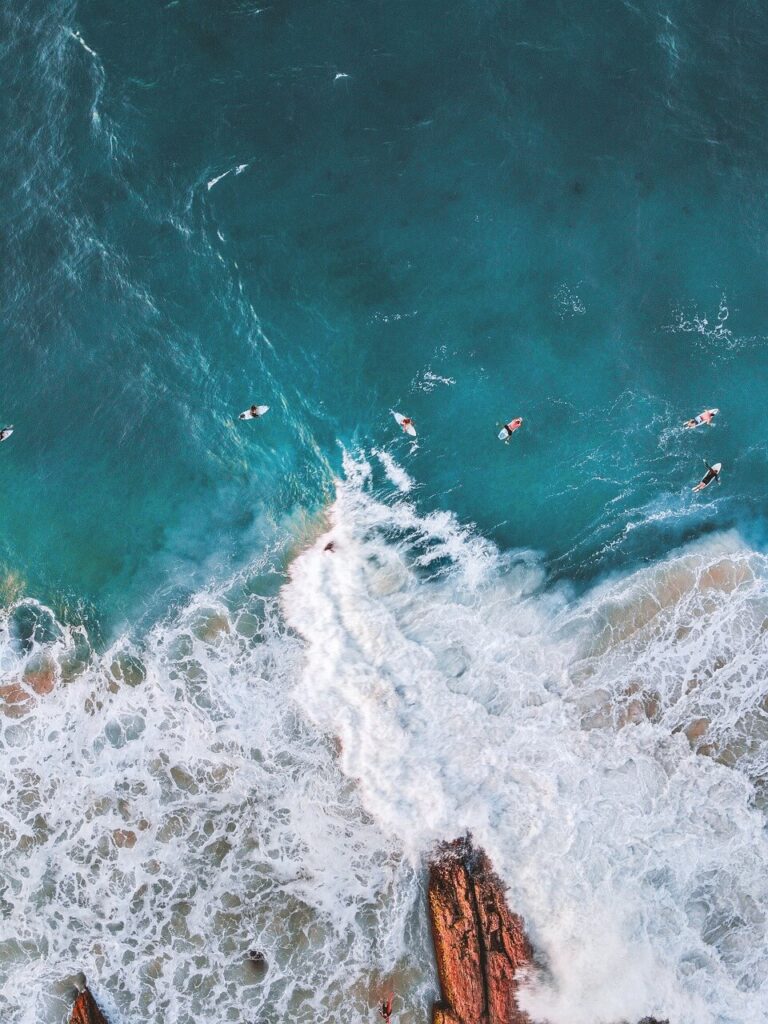
Share waves respectfully
Just because you’ve paid a lot of money to fly across the world and only have a week in a destination, it doesn’t give you the right to dominate the lineup.
Always follow local surf etiquette and respect local surfers. They’re far more likely to share waves with you if you do and you’ll avoid starting a turf war. And if there’s a local’s only peak, don’t surf there.
Rather than racing into the water as soon as you arrive at a surf spot, observe from the beach first and talk to locals about the conditions. You might end up realising you’re not in the right spot for your ability or that the conditions will improve markedly if you wait a couple of hours.
Give back responsibly
Unless you’re staying at a surf camp or resort that already assigns a portion of its profits to community and environmental needs, giving back should be accounted for in your travel budget.
This is particularly important in developing nations where local communities don’t receive a lot of government support for environmental or social projects.
Consider supporting:
- Local surf clubs – financially to support training and equipment or by gifting boards/gear at the end of your trip
- Environmental NGOs that are working on locally specific projects (extra points if the project will benefit local surf conditions in the future)
- Community-led education or beach clean-up initiatives that are keeping ecosystems free of plastic and chemical waste
If you know before departing home that poverty is an issue in your destination, throw some clothes or school supplies in your board bag. Ask a surfer who’s already been there what they think might be useful and appreciated.
The role of the surf industry
Brands and tour operators play a huge role in shaping surf tourism, as do influencers.
It drives us crazy to see travel influencers jetting into surf destinations to make extractive content that is all about getting them likes and driving sales. Little regard is given to the ethics of their actions or the long-term impacts they may have on locals.
As consumers of content, we can play a part by supporting brands, operators and influencers that uphold strong ethics. Demanding accountability puts increasing pressure on them to do better.
Next time you’re scrolling, support surf travel content, individuals and companies that show:
- Transparency around sponsorships and camps – who is paying who to say what?
- Investment in conservation projects and local training initiatives that benefit communities
- Honest storytelling about what to expect and not “empty lineup” marketing
Surfing with awareness
Surf tourism in developing nations is neither inherently good nor bad. In fact, it can be a bit of both.
Its impact depends on how we choose to travel, who we choose to support and whether we’re willing to listen to the grievances of locals. At the end of the day, they know what is best for their communities and environment.
Ethical surf travel isn’t about giving up the addiction of chasing great waves. It’s about ensuring those waves remain accessible to locals and that local communities benefit from surf tourism for generations to come.
PLAN YOUR TRIP WITH OUR FAVOURITE RESOURCES:
Find hotels and resorts via Booking or Agoda
Book tours and experiences via Viator or GetYourGuide
Find a rental car via Discover Cars
Book flights via Kiwi or Booking
Search for buses and trains via 12Go or Omio
Get travel insurance via SafetyWing
Buy a digital eSIM with Airalo
By purchasing through our links, you’ll be supporting our website at no additional cost to you
-
Surfing and Environmental Activism: A Growing Movement
Surfing has always been more than a sport. It’s a culture shaped by natural forces – tides, winds, swells – and a lifestyle that depends on healthy ocean environments. So it’s no surprise that surfers are often engaged environmental activists, at both a local and global scale. As we’ve travelled around the world, we’ve loved…
-
Second-Hand Surf Gear: Embracing the Circular Economy
Surfing sells itself as a low-impact pursuit. All you need is a board and the ocean (and if you live where we do, a wetsuit!) What could be simpler? But behind this “at-one-with-nature” facade lies an industry built on short product cycles, seasonal “drops” and a steady turnover of gear due to new “innovations”. The…
-
Are Wave Pools Sustainable? The Surf Park Environmental Debate
Nothing compares to surfing in the ocean. Full stop. For us, being at the whim of Mother Nature is a big part of surfing’s allure, and all things being equal, we’d pick the ocean over a wave pool every time. But with coastal communities under increasing pressure and surf breaks being flooded with people, are…
-
10 Easy Ways Surfers and Divers Can Protect the Ocean While Travelling
For surfers and divers, the ocean isn’t just a destination. Often, it’s the reason we travel, full stop. But the very act of travelling across the globe to chase waves or incredible underwater experiences comes with an environmental cost. There’s the carbon footprint of air travel, the overdevelopment of coastlines for waterfront resorts and the…
-
Reef-Safe Sunscreen: Does It Really Make a Difference?
If you’ve been on a dive liveaboard recently or stayed at a sustainable surf resort, you may have been advised to bring only “reef-safe sunscreen”. This request is often included in trip dossiers and/or mentioned by dive/surf guides before heading into the water. These days, there’s a consensus amongst the ocean-loving community that reef-safe sunscreen…
-
The Biggest Threats Facing Surf Breaks Worldwide
We’re as guilty as the next surfer for taking our breaks for granted. They’re our playgrounds – firing up one day and flat the next, but always with another swell on the horizon. But the reality is, surf breaks are delicate coastal systems shaped by geology, tides, sand movement and the overall health of marine…


We are a team of passionate divers and surfers with decades of combined experience in the water and travelling to all corners of the globe.
After years of chasing waves and descending into the deep blue, we’ve created this resource to highlight sustainable surf camps, eco-dive resorts and conservation-focused ocean trips to help inspire your next adventure.
Eco Ocean Escapes was born out of a love of the ocean, an obsession with travel and a concern about the impacts of our adventures on the environments we explore.