Surfing Papua New Guinea: Best Surf Spots + Eco-Friendly Resorts
Considering a surf trip to Melanesia? Discover everything you need to know about surfing Papua New Guinea, from the best breaks to surfer-friendly eco-resorts.
One of the most linguistically diverse countries in the world, Papua New Guinea is a ruggedly beautiful island nation in the South Pacific.
Despite remaining largely undiscovered by the mainstream surf community, it’s home to a wealth of uncrowded (and undiscovered) waves that cater to surfers of all skill levels.
With its traditional villages, jungle-clad interiors and incredible coral reefs, the backdrop for your next surf trip could be sublime!
Thanks to the Surfing Association of Papua New Guinea, which has implemented a strict surf management plan across the archipelago, the lineups here are never packed.
The association carefully controls the number of surfers permitted in the water at any given time. It also helps to funnel tourism dollars back into the local communities in a responsible manner.
Beyond the world-class waves, surfing in Papua New Guinea offers a cultural immersion like no other. Trust us when we say it is so much more than your classic surf trip destination.
Centuries-old traditions remain alive and well in the tribal communities and the seafloor is littered with Japanese and Allied wrecks dating from the New Guinea campaign of World War II.
Tourism development here is blissfully low-key, with most resorts prioritising sustainability over commercial profits.
In this article, discover everything you need to know about surfing Papua New Guinea and how to score barrels while enjoying a truly off-the-beaten-path experience. Not only will we share the best surf spots in each of the country’s wave-rich areas but also eco-friendly resorts in PNG for a low-impact stay.
Papua New Guinea is not only an incredible surf destination but also boasts some of the best diving in Melanesia.
This article contains affiliate links, which means when you make a purchase through that link, we earn a small commission. Affiliate links come at no cost to you and ensure our content remains free!
Best places to surf in Papua New Guinea
The province of New Ireland has long been known for its consistent, powerful swells that roll in from the open Pacific. Kavieng and the east coast are the main surf areas, providing plenty of challenges for experienced surfers.
On the main island of New Guinea, you’ll find Ulingan Bay, one of the most consistent swell magnets in the country.
Further west, the Vanimo region is becoming an increasingly popular destination for surfing in Papua New Guinea. Its easy-to-access breaks range from mellow whitewash (perfect for beginners) to punchy reef passes that will test the most seasoned wave riders.
You can combine your surf trip to PNG with some wave-chasing in the Solomon Islands. Discover everything you need to know here.
Best surf spots in Kavieng
Forming part of the Bismarck Archipelago, Kavieng lies at the northern end of New Ireland. Amongst surfers, it’s renowned for its powerful reef breaks and consistent swells of between 3 and 5 feet.
Most of Kavieng’s breaks can be surfed on a range of tides, with a good choice of both lefts and rights. The Kavieng Surf Club limits numbers to 20 surfers per day, ensuring the lineups are never crowded.
Pikinini Point
A fun right-hander at the harbour that’s best at low tide – bring your booties for the shallow reef!
Nusa Lefts
A fast-breaking, barrelling left-hander that ends on a shallow reef – definitely one of the best waves in the Kavieng area!
Nago Island Left
A consistent left-hander that works best on a mid-to-low tide, with a nice tubing section that attracts a lot of surfers.
Nago Island Right
Working on a mid-to-low tide, this fast right-hander has a long wall and is super fun when it’s working.
Go Go’s
A world-class left with a nice wall that’s best surfed on mid-to-high tides due to the shallow reef.
Ral Island
This uninhabited island tends to attract swell when nowhere else is working, with a peaky right-hander that’s best in small, clean conditions.
Eco-friendly resorts for surfing in Kavieng
Nusa Island Retreat
Just two minutes by boat from Kavieng, this eco-friendly PNG surf retreat is owned by an Australian family who have decades of experience surfing the area.
It’s designed to be low impact in terms of its environmental footprint. Each of the overwater and beachfront bungalows is constructed from local materials.
Fresh seafood and organically farmed produce are a feature of the meals and there’s the option to catch your own meal during fishing charters.
Lissenung Island Resort
Featuring just eight oceanfront rooms, this sustainably-run PNG resort is not just a base for surfers but also scuba divers.
Its thatched roof bungalows are constructed from local bamboo and there’s 24-hour electricity with hot water on demand.
Communal meals are served in the sandy-floored “Haus Win”, with sustainably sourced mud crab and lobster a highlight.
Best surf spots on the east coast of New Ireland
Extending southeast of Kavieng to Konos Village, this wave-rich area is full of undiscovered breaks, making it particularly alluring to adventurous surfers.
The number of visiting surfers is capped at 25 per day. So you can expect uncrowded conditions wherever you end up.
Rubio Right
This super fun right has fast walls that end near the base of a cliff. When the left is working, it tends to be much shorter.
Kanons
Depending on the swell direction, this wave delivers lefts and rights that offer thick barrels before ending in deep water.
Bulu
This fast right-hander breaks over reef and has multiple barrelling sections.
Eco-friendly resort for surfing the east coast of New Ireland
Rubio Plantation Retreat
With a barrelling A-frame peak right out front, this PNG surf resort is what dreams are made of. It features just a handful of traditional bungalows set on a 75-hectare cocoa plantation (be sure to try their chocolate!)
Each of the bungalows is built using local materials and the retreat is powered by renewable solar and hydroelectric power.
Hearty meals are served family-style at breakfast, lunch and dinner, accompanied by views of Rubio Right. Rubio Plantation Retreat is a three-hour drive from Kavieng Airport.
Best surf spots in Vanimo
Vanimo is the westernmost surf area in Papua New Guinea. It’s located on the north coast of New Guinea near the border with Indonesia.
There are waves to suit all abilities, with the rights often better in the morning before the lefts start firing with the westerlies in the afternoon.
Lido Right
A playful right-hander that breaks out the front of Vanimo Surf Lodge and can easily be accessed following a short paddle out.
Lido Left
A fast but fun left that’s around 300 metres walk from Vanimo Surf Lodge.
Yako
This hollow left is usually on the small-ish side, but it is an exhilarating ride when firing.
Waromo
This left-hander breaks over a limestone platform, making it a great choice of intermediate wave riders.
Log Point
Offering both lefts and rights, this fun wave is (as its name suggests) ideal for longboarders.
Indicators
Breaking over a sandy bottom, this spot offers both rights and lefts that work best on a rising tide.
Eco-friendly resort for surfing in Vanimo
Vanimo Surf Lodge
This laidback PNG surf lodge offers a handful of thatched-roof bungalows that perfectly blend in with the adjacent village. It’s on the doorstep of some of the best waves in the region and the locals in the lineup are always friendly.
Stays at this eco-friendly Papua New Guinea surf resort include meals prepared using locally sourced meats and vegetables. Oh, and the fresh tropical fruits grown within the grounds are always in abundance.
A culinary highlight of any stay is the traditional earth oven feast!

Best surf spots in Ulingan Bay
Still relatively undiscovered by international surfers, Ulingan Bay lies on the north coast of PNG’s main island, New Guinea. It is one of the most consistent swell magnets in the country, with around seven breaks to discover in the area.
The main base for surfers is the Tupira Surf Club, which is a scenic two-hour drive from Madang Airport.
Tupira Right
Reliable and consistent, this right-hander is ideal for both shortboarders and longboarders. It’s located directly in front of the Tupira Surf Club.
Suaru Left and Right
Long rides and occasional barrels can be expected at these two breaks, with the left working best on bigger swells.
Tawulte
This playful left-hander is one of the longest waves in the area, running for up to 400 metres when the conditions are right.
Rurunat
Breaking over a shallow reef, this left-hander works best on big swells and at high tide.
Eco-friendly resort for surfing Ulingan Bay
Tupira Surf Club
While the accommodation here is basic, the setting on the doorstep of so many uncrowded waves is 5-star.
Aside from the main house that can accommodate up to 12 people, there’s a bungalow with two rooms. From the private decks, the views are directly out to the lineup.
Ocean breezes help to keep things cool and with everything from running water to power and cold beers, you’ll want for nothing!
PNG surfaris
PNG surfaris are becoming an increasingly popular way for adventurous surfers to access Papua New Guinea’s incredible waves, most of which you’ll have largely to yourselves.
Based out of Kavieng, the PNG Explorer offers multi-day liveaboard trips that access far-flung islands and reefs throughout the archipelago.
This 23-metre steel-hulled vessel comes complete with air conditioning, modern amenities and all necessary safety gear. Essentially, it serves as both transportation and accommodation as it cruises at a leisurely 8-10 knots.
Over the course of the charter, surfers will visit a mix of known surf breaks as well as completely undiscovered waves, making for a truly epic adventure.
Other activities in Papua New Guinea
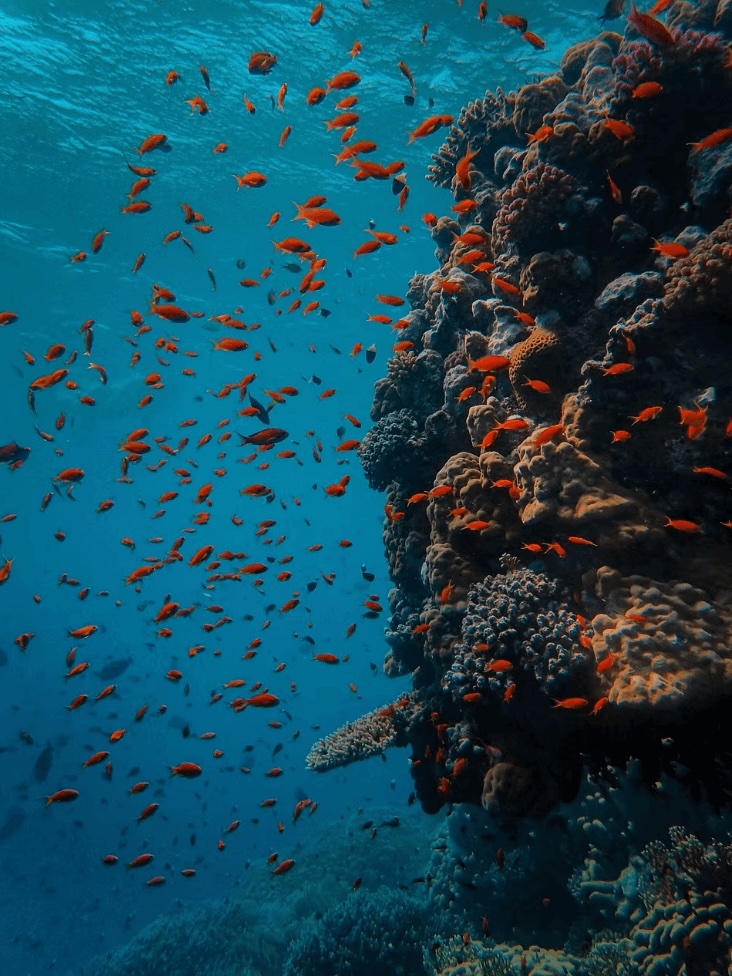
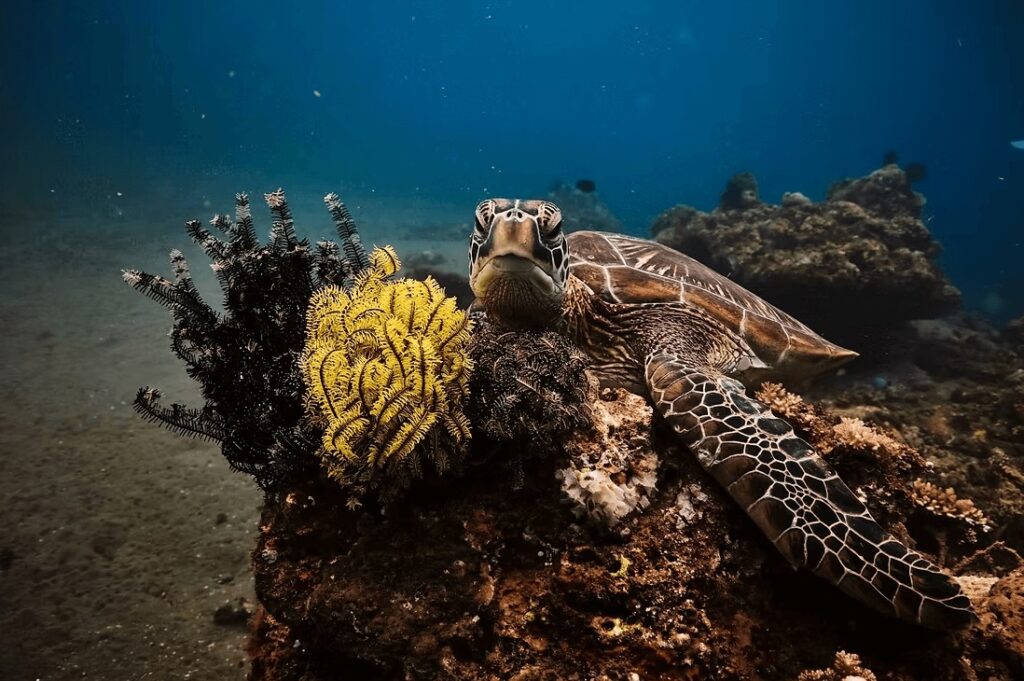
Aside from being one of the best places to surf in Melanesia, Papua New Guinea is a haven for marine enthusiasts. We’re not exaggerating when we say there are exceptional diving and snorkelling opportunities.
The country’s reefs, coral walls and seagrass beds host a huge diversity of marine life and for history buffs, the waters are littered with World War II-era shipwrecks. You can discover some of the best places to dive in Papua New Guinea here.
Inland, the country’s dramatic highlands and lush lowlands lure adventurous nature lovers. There are ample opportunities to spot the region’s iconic birds of paradise on guided hikes.
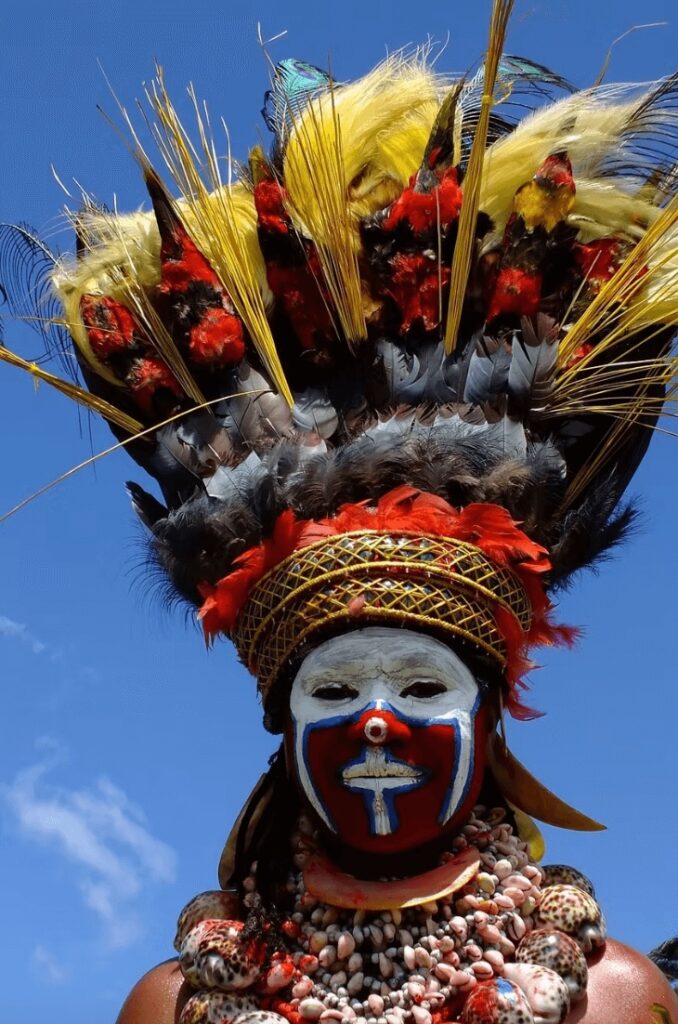
And for those seeking an immersive cultural experience, PNG’s Sing Sing festivals provide a truly unforgettable glimpse into the country’s indigenous heritage.
Best time to surf in Papua New Guinea
The surf season in Papua New Guinea extends from mid-October through mid-April. This is when the North Pacific groundswells and the northeast trade winds combine to send a steady stream of waves to the archipelago.
The early morning hours tend to be best for surfing in Papua New Guinea as the offshore winds create glassy conditions. That being said, the aspect of PNG’s reefs ensures that there is almost always an offshore break to be found somewhere.
Getting to Papua New Guinea
The aviation gateway to Papua New Guinea is Jacksons International Airport in the capital city of Port Moresby. It can be reached via direct flights from Singapore, Australia, Hong Kong, Bali and Japan.
Due to the country’s many islands and challenging land-based infrastructure, domestic air travel on local carriers like Air Niugini is often essential for reaching PNG’s remote surf spots.
Flights connect Port Moresby to a network of smaller airports scattered throughout the archipelago. That being said, delays and cancellations are common, so it’s best to factor some flexibility into your itinerary.
From these regional airports, you’ll probably require a boat ride or drive along unpaved roads to reach the resort you’ve chosen for your Papua New Guinea surf trip. This is usually included in PNG surf packages.
While this can add up to a long journey, it’s all part of the experience of surfing in Papua New Guinea. It’s also a great way to discover some of the country’s stunning landscapes and cultural villages along the way. And at the end of the day, your reward is uncrowded waves in paradise.
FAQs about surfing in Papua New Guinea
When is the surf season in Papua New Guinea?
The best time to surf in Papua New Guinea is from mid-October to mid-April when North Pacific groundswells hit. Combined with the predominantly northeast trade winds, you can expect consistent waves during these months.
Early mornings are usually perfect since the offshore winds make for super smooth conditions. That being said, the way PNG’s reefs are set up, you can almost always find an offshore break somewhere.
Can you rent surfboards in Papua New Guinea?
Air Niugini allows surfers to bring their own boards, provided they weigh less than 15kg and are under 10 feet in length. But it may not be practical if you’re visiting as part of a longer trip.
If you want to rent a surfboard in Papua New Guinea, it’s best to check directly with your chosen resort or surf camp to see what they have available. However, you shouldn’t expect a huge variety of high-performance boards. You may need to be open to surfing something you wouldn’t normally ride back home.
Do I need a visa to visit Papua New Guinea?
All passport holders must apply for a visa before visiting Papua New Guinea. Thankfully, this is relatively easy to do through the government’s official online application system.
Visitor Visas are valid for stays of up to 60 days from your date of arrival and they can be extended once you are in the country.
To apply for a Visitor Visa, you must have a passport with at least six months of validity. They might also require proof that you will leave Papua New Guinea at the end of your stay.
What other activities are there besides surfing in Papua New Guinea?
Papua New Guinea isn’t just one of the best surf destinations in Melanesia; it’s also a paradise for anyone who loves the ocean. It boasts amazing diving and snorkelling options, with healthy reefs, stunning coral walls and seagrass beds packed with all sorts of marine life.
Plus, if you’re into history, you’ll find plenty of World War II shipwrecks scattered throughout the waters.
Head inland and you’ll discover Papua New Guinea’s spectacular highlands and lush lowlands that attract adventurous nature lovers. Aside from guided hikes to spot the famous birds of paradise, there’s also the opportunity to tackle the legendary Kokoda Track.
And if you want to dive deep into the local culture, PNG’s Sing Sing festivals offer an unforgettable glimpse at the country’s indigenous heritage.
PLAN YOUR TRIP WITH OUR FAVOURITE RESOURCES:
Find hotels and resorts via Booking or Agoda
Book tours and experiences via Viator or GetYourGuide
Find a rental car via Discover Cars
Book flights via Kiwi or Booking
Search for buses and trains via 12Go or Omio
Get travel insurance via SafetyWing
Buy a digital eSIM with Airalo
By purchasing through our links, you’ll be supporting our website at no additional cost to you
-
Surfing and Environmental Activism: A Growing Movement
Surfing has always been more than a sport. It’s a culture shaped by natural forces – tides, winds, swells – and a lifestyle that depends on healthy ocean environments. So it’s no surprise that surfers are often engaged environmental activists, at both a local and global scale. As we’ve travelled around the world, we’ve loved…
-
Sustainable Snorkelling Tips for Ocean Advocates
You don’t need a scuba certification to fall in love with the ocean. Snorkelling is an equally magnificent way to explore coral reefs, seagrass meadows and the marine life that calls them “home”. In fact, snorkelling is often a gateway to scuba diving. Or sometimes, it’s the destination. We all snorkelled long before we ever donned…
-
How to Be a More Responsible Underwater Photographer
In recent decades, photography has become unbelievably accessible. Almost everyone carries a camera around with them everyday in the form of a smartphone. Technological improvements have also made underwater photography far more accessible, resulting in powerful images of a world that’s inaccessible to many. A single image of a healthy reef, a shark passing through…
-
Second-Hand Surf Gear: Embracing the Circular Economy
Surfing sells itself as a low-impact pursuit. All you need is a board and the ocean (and if you live where we do, a wetsuit!) What could be simpler? But behind this “at-one-with-nature” facade lies an industry built on short product cycles, seasonal “drops” and a steady turnover of gear due to new “innovations”. The…
-
How Coral Nurseries Work (And How Divers Can Join Planting Programs)
Coral reefs support an extraordinary diversity of marine life, and as divers, being able to explore them is one of life’s great privileges. But coral reefs are also among the most threatened habitats on the planet. Pollution, destructive fishing practices and climate change-induced coral bleaching are all having a devastating impact. In response, coral nurseries…
-
Are Wave Pools Sustainable? The Surf Park Environmental Debate
Nothing compares to surfing in the ocean. Full stop. For us, being at the whim of Mother Nature is a big part of surfing’s allure, and all things being equal, we’d pick the ocean over a wave pool every time. But with coastal communities under increasing pressure and surf breaks being flooded with people, are…
We are a team of passionate divers and surfers with decades of combined experience in the water and travelling to all corners of the globe.
After years of chasing waves and descending into the deep blue, we’ve created this resource to highlight sustainable surf camps, eco-dive resorts and conservation-focused ocean trips to help inspire your next adventure.
Eco Ocean Escapes was born out of a love of the ocean, an obsession with travel and a concern about the impacts of our adventures on the environments we explore.