Surfing in Iceland: Best Surf Spots + Eco-Friendly Places to Stay
Thinking about going surfing in Iceland? Discover all the best surf spots in Iceland + eco-friendly places to stay in this sustainable surf guide.
Dubbed the “Land of Fire and Ice”, Iceland is slowly emerging as a sought-after destination for intrepid surfers.
Its waves were first beamed to the international community in 1970 when “Surfer Magazine” published a letter from a U.S. serviceman who had tackled some of the local breaks.
Despite its icy reputation (and the frigid temperature of its waters), this island nation now boasts a thriving surf scene, backed by some of the most dramatic landscapes in the world.
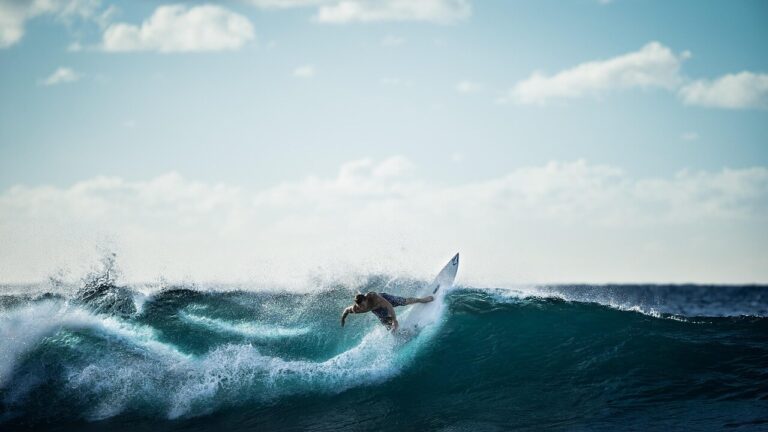
The coastline of Iceland is extremely exposed, allowing swells to roll in from any direction and create an abundance of set-ups. However, scoring the perfect conditions requires a great deal of dedication and a keen understanding of the ever-changing forecasts.
Conditions can shift here in an instant. That being said, the rewards are plentiful – riding waves against a backdrop of glaciers and volcanoes is just one.
The surf community in Iceland may be small, but it is tight-knit and passionate. A new generation of Icelandic surfers is emerging, pushing the boundaries of the sport and showcasing the immense potential of this untapped frontier.
Surf schools and equipment rentals (check out Arctic Surfers or Adventure Vikings) make it easier for visitors to get in on the action. They provide guidance and the necessary gear to navigate these alien waters.
In this article, we’ll explain everything you need to know about surfing in Iceland, from the best breaks and logistical challenges to eco-friendly places to stay.
Looking for more surf destinations in Europe? Check out our surf guides to Ireland, Norway, Portugal and the Canary Islands.
This article contains affiliate links, which means when you make a purchase through that link, we earn a small commission. Affiliate links come at no cost to you and ensure our content remains free!
The challenges of surfing in Iceland
Surfing in Iceland is not for the fainthearted and solo missions should be avoided unless you’re really experienced. The harsh conditions of these Arctic waters demand a thorough understanding and respect for the elements at play.
Added to that, the unpredictable weather patterns can create an immense challenge even for seasoned surfers. Carefully studying the forecasts is essential for scoring quality waves, as things can shift here in an instant.
Not only do you need to don a thick (7mm+), insulating wetsuit, but booties, hoodies and gloves are also a “must”. Additionally, you need to be careful navigating the rocky coastlines that characterise many of Iceland’s premier surf spots.
These reef and point breaks, often situated close to cliffs and jagged shores, require a laser-sharp focus to avoid serious injury.
That being said, it’s a humbling experience surfing amidst the raw, untamed power of nature in the world’s northernmost reaches.
Best surf spots in Iceland
The best surfing in Iceland is around the Reykjanes Peninsula, a small headland extending southwest of the capital, Reykjavik.
Its name translates as “smoking point” and its landscape is dominated by ancient lava flows that have hardened into sharp volcanic reefs. When combined with powerful swells, these create the ideal conditions for adrenaline-fuelled breaks.
One notable exception is the black sand beach at Sandvik, which provides a more forgiving environment for beginners to hone their skills.
In addition to the breaks listed below, there are plenty more out there waiting to be discovered by those seeking an exploratory surf trip to Iceland.
Thorli
Arguably Iceland’s most famous wave, Thorli lies to the southeast of Reykjavik and is a great place to meet locals in the lineup. It’s easy to get out to this right-hand reef break thanks to the deep paddling channel and it can hold plenty of swell without closing out.
Grindavik
Perched on the southwest coast of Iceland, Grindavik is famed for its right-hand reef break. It works on a variety of swells and offers the occasional barrel. Grindavik is only for intermediate-to-advanced surfers due to its submerged rocks (and urchins), plus a takeoff that can be steep.
Ollie’s Shipwreck
Best at high tide, Ollie’s is located just south of Grindavik (near the Hópsnes Lighthouse) and generally needs a fair bit of swell to work. When the conditions align, it produces a long left and some shorter rights.
Sandvik
Directly south of Keflavik International Airport, Sandvik is a popular spot for beginners looking to test the waters of Icelandic surfing. This black sand beach picks up a lot of wind and swells, making it one of the most consistent surf spots in Iceland.
Hafnir Harbour
Just north of Sandvik is Hafnir, which can produce towering waves in the winter season. That being said, this exposed reef break does work throughout the year and offers beginner-friendly rides in the warmer months.
Grótta
At the tip of the Seltjarnarnes Peninsula (which extends northwest of Reykjavik), Grótta is a tidal island that’s known for its nature reserve. When the swell is coming from the west and the winds are offshore, you can find a long right-hander. A whitewashed lighthouse tower serves as your backdrop.
Snaefellsnes Peninsula
A short drive north of Reykjavik will take you to the Snaefellsnes Peninsula. It offers a handful of surf spots, most of which are only accessible by 4WD trails. With a bit of exploration, you’ll find everything from gentle beach breaks and peeling waves for longboarders, as well as heavy peaks catering to advanced surfers.
Eco-friendly hotels in Reykjavik
Loft – HI Eco Hostel
Located in the heart of Reykjavik, this eco-hostel receives rave reviews for its friendly staff, tidy dorms and sun-dappled rooftop terrace. It regularly hosts live music events, pub quizzes and themed food nights, as well as having a kitchen where you can cook your own meals.
Aside from holding the SWAN (a Nordic sustainability eco-label), Loft carbon offsets all stays.
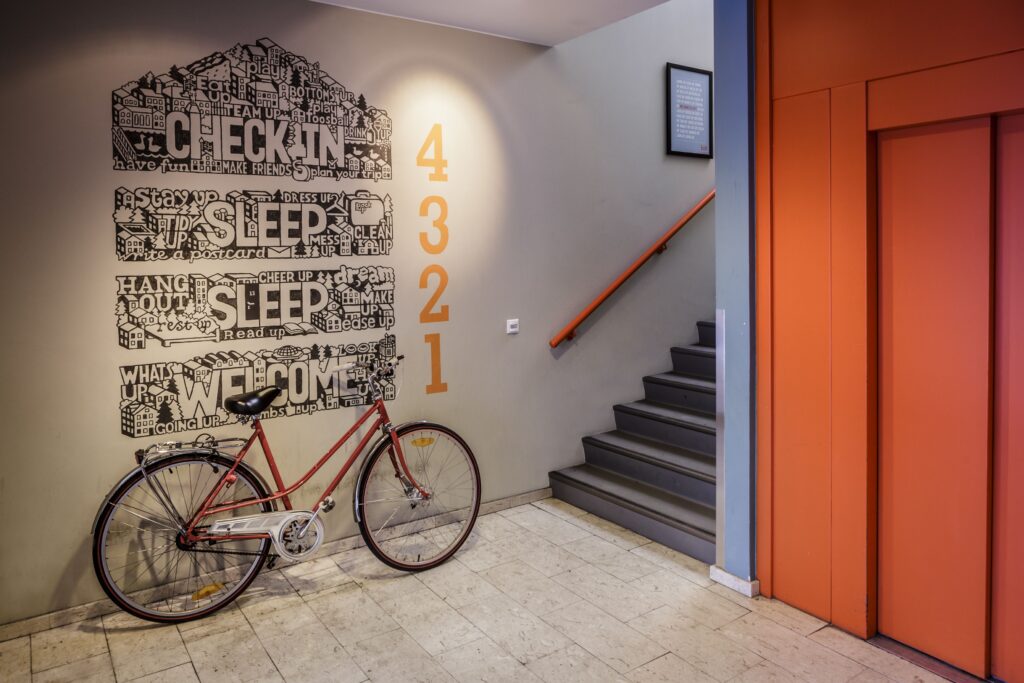
Eyja Guldsmeden Hotel
Situated just off Laugavegur (Reykjavik’s main shopping street), this sustainably-run hotel is all about keeping its environmental footprint as minimal as possible.
All of the stylishly decorated rooms feature four-poster canopy beds and incredibly comfortable mattresses, so you’ll sleep well at night. Some cater specifically to solo travellers.
A hearty buffet breakfast is served each morning, fuelling you up for a day out in the water.

Eco-friendly hotel in Grindavik
Northern Light Inn
Heated and powered by geothermal-generated electricity is this sustainable hotel in Grindavik. It’s an ideal base if you’re surfing the south coast of Iceland.
Not only is it family-run, but it’s just a stone’s throw from the Blue Lagoo,n where you can enjoy a long soak after your surf session.
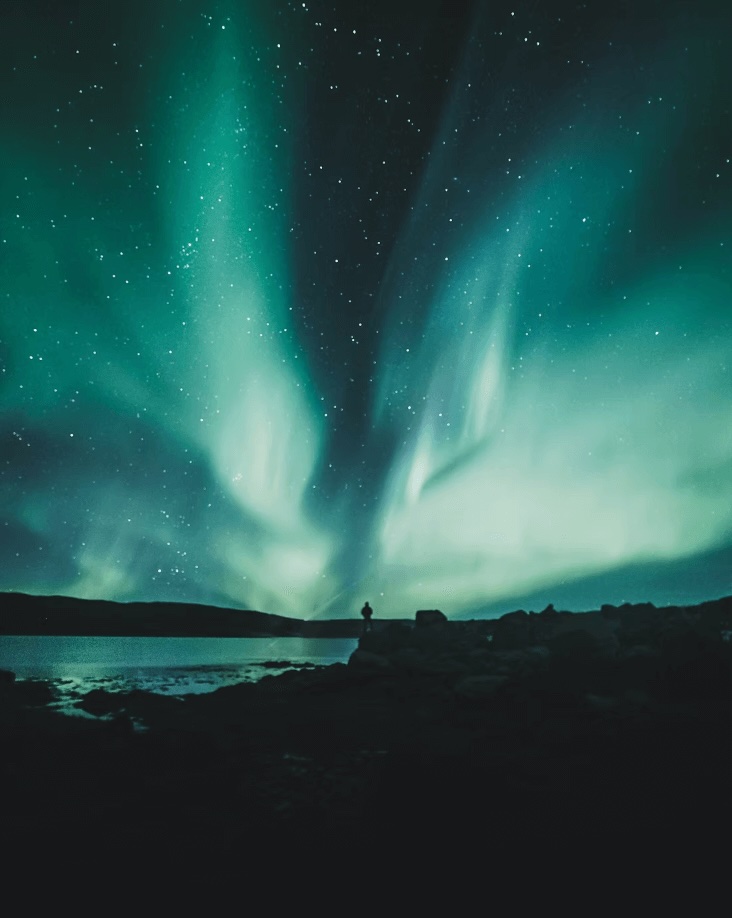
The rooms include spacious twins, triples and family rooms. Oh, and you’ll have a good chance of spotting the Northern Lights dancing overhead if you’re staying between September and April.
How to get around Iceland
Keflavík International Airport is the main gateway to Iceland and receives international flights from destinations across Europe and North America.
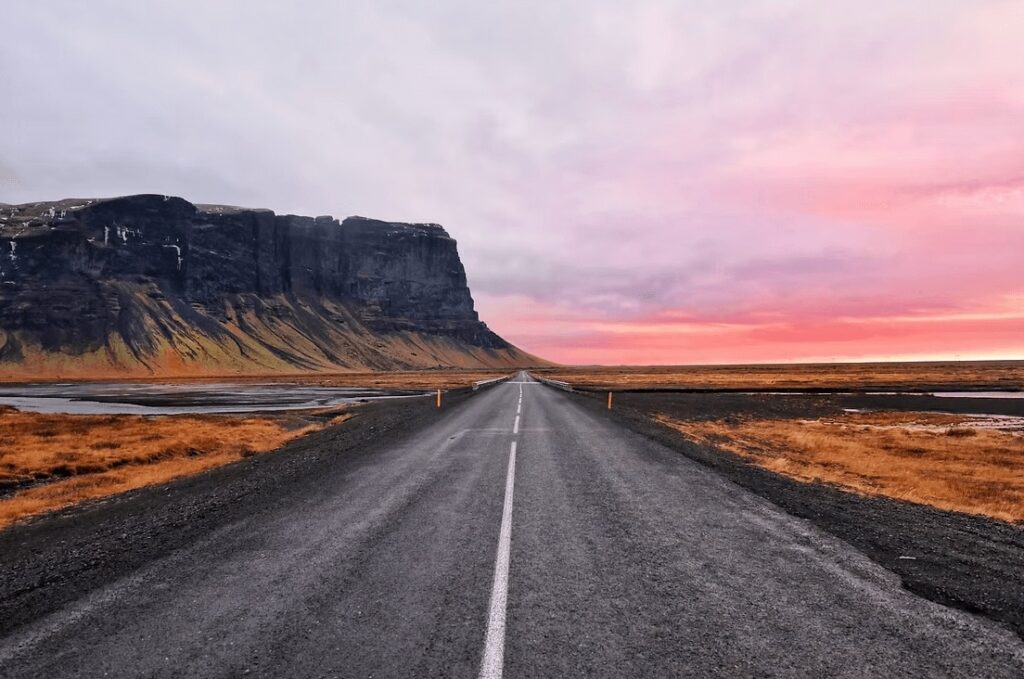
If you’re planning a surf trip to Iceland, renting a car and embarking on the famous Route 1 (also known as the Ring Road) is an absolute must.
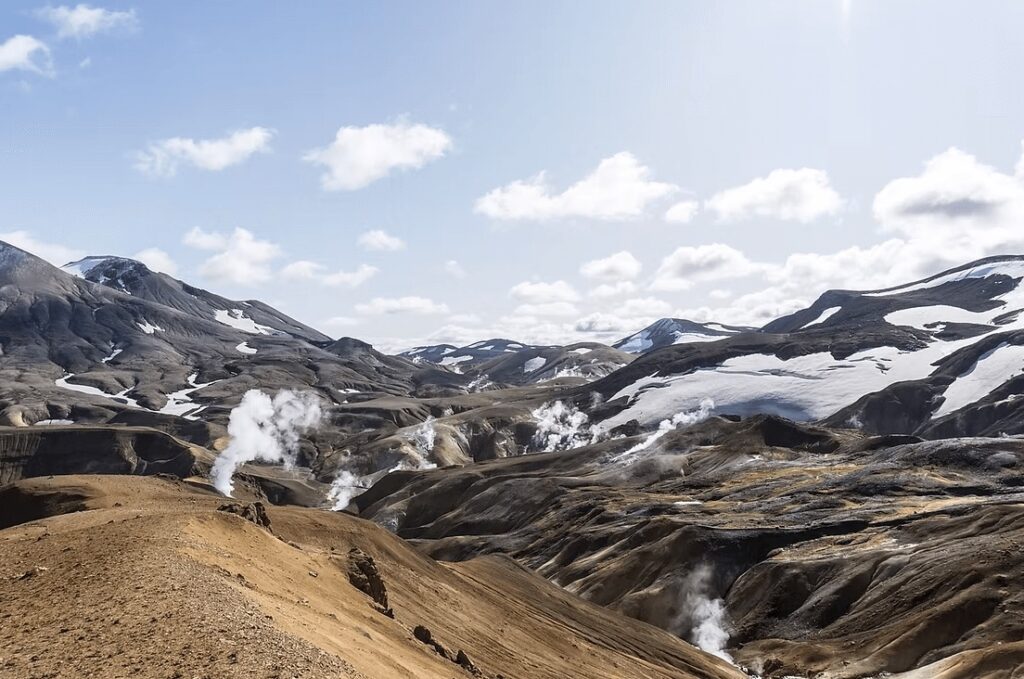
This national highway circles the entire island and takes in some of the most awe-inspiring and otherworldly landscapes on the planet. We’re talking desolate lava fields, towering volcanoes (some still active) and steaming geysers.
If you’re sticking to the main roads, then a 2WD will do the job. But if you’re seeking out some of Iceland’s off-the-beaten-path surf breaks, then you’ll need a 4WD.
Discover Cars is a great place to head if you want to compare deals from multiple rental companies and find the best prices for your dates. Aside from a good choice of 4WD vehicles, they also offer free cancellation and 24/7 support in multiple languages.
Best time to surf in Iceland
When it comes to the best surfing in Iceland, the winter months (December to April) are the time to come. During this season, the North Atlantic storm systems churn up massive swells that pound the Reykjanes Peninsula from all directions.
It’s a surf paradise for the hardcore – but also a treacherous challenge, as the elements conspire to make conditions incredibly difficult. Bitterly cold air temperatures, howling gales and even heavy snowstorms can make paddling out an ordeal. Added to that, the daylight hours are painfully short.
The shoulder seasons of September through November can offer a slightly more forgiving surf experience. The air and water are still cool, but not quite as frigid as midwinter.
Low-pressure systems continue to roll in with regularity, churning up waves that, while not quite as huge, are still powerful and rideable. This can be an excellent time for intermediate and advanced surfers to tackle Iceland’s world-class breaks without having to contend with the harshest winter conditions.
In contrast, the summer months of May through August are comparatively flat as the storm track shifts further north. However, this is an ideal time for beginners wanting a taste of Icelandic surfing, without contending with its harshest challenges.
It’s also a good opportunity for exploratory missions to Iceland’s more remote and rugged northern and eastern shorelines. Here, the Arctic winds can still kick up impressive wind swells, providing opportunities to discover uncrowded waves in some of the island’s most dramatic and pristine natural settings.
If you’re wondering what thickness wetsuit you need to surf in Iceland, here’s our suggestion. We’d recommend at least a 5mm or a 6/7mm (plus hoodie, booties and gloves).
Want to move away from neoprene wetsuits? Check out some eco-friendly alternatives here.
PLAN YOUR TRIP WITH OUR FAVOURITE RESOURCES:
Find hotels and resorts via Booking or Agoda
Book tours and experiences via Viator or GetYourGuide
Find a rental car via Discover Cars
Book flights via Kiwi or Booking
Search for buses and trains via 12Go or Omio
Get travel insurance via SafetyWing
Buy a digital eSIM with Airalo
By purchasing through our links, you’ll be supporting our website at no additional cost to you
-
Surfing and Environmental Activism: A Growing Movement
Surfing has always been more than a sport. It’s a culture shaped by natural forces – tides, winds, swells – and a lifestyle that depends on healthy ocean environments. So it’s no surprise that surfers are often engaged environmental activists, at both a local and global scale. As we’ve travelled around the world, we’ve loved…
-
Sustainable Snorkelling Tips for Ocean Advocates
You don’t need a scuba certification to fall in love with the ocean. Snorkelling is an equally magnificent way to explore coral reefs, seagrass meadows and the marine life that calls them “home”. In fact, snorkelling is often a gateway to scuba diving. Or sometimes, it’s the destination. We all snorkelled long before we ever donned…
-
How to Be a More Responsible Underwater Photographer
In recent decades, photography has become unbelievably accessible. Almost everyone carries a camera around with them everyday in the form of a smartphone. Technological improvements have also made underwater photography far more accessible, resulting in powerful images of a world that’s inaccessible to many. A single image of a healthy reef, a shark passing through…
-
Second-Hand Surf Gear: Embracing the Circular Economy
Surfing sells itself as a low-impact pursuit. All you need is a board and the ocean (and if you live where we do, a wetsuit!) What could be simpler? But behind this “at-one-with-nature” facade lies an industry built on short product cycles, seasonal “drops” and a steady turnover of gear due to new “innovations”. The…
-
How Coral Nurseries Work (And How Divers Can Join Planting Programs)
Coral reefs support an extraordinary diversity of marine life, and as divers, being able to explore them is one of life’s great privileges. But coral reefs are also among the most threatened habitats on the planet. Pollution, destructive fishing practices and climate change-induced coral bleaching are all having a devastating impact. In response, coral nurseries…
-
Are Wave Pools Sustainable? The Surf Park Environmental Debate
Nothing compares to surfing in the ocean. Full stop. For us, being at the whim of Mother Nature is a big part of surfing’s allure, and all things being equal, we’d pick the ocean over a wave pool every time. But with coastal communities under increasing pressure and surf breaks being flooded with people, are…

We are a team of passionate divers and surfers with decades of combined experience in the water and travelling to all corners of the globe.
After years of chasing waves and descending into the deep blue, we’ve created this resource to highlight sustainable surf camps, eco-dive resorts and conservation-focused ocean trips to help inspire your next adventure.
Eco Ocean Escapes was born out of a love of the ocean, an obsession with travel and a concern about the impacts of our adventures on the environments we explore.